-
Question 1
Correct
-
Bendoflumethiazide may cause all of the following electrolyte imbalances EXCEPT for:
Your Answer: Hypocalcaemia
Explanation:Common side effects of thiazide diuretics include:
Excessive diuresis, postural hypotension, dehydration, renal impairment
Acid-base and electrolyte imbalance
Hypokalaemia, hyponatraemia, hypomagnesaemia, hypercalcaemia, hypochloraemic alkalosis
Metabolic imbalance
Hyperuricaemia and gout
Impaired glucose tolerance and hyperglycaemia
Altered plasma-lipid concentrations
Mild gastrointestinal disturbances -
This question is part of the following fields:
- Cardiovascular
- Pharmacology
-
-
Question 2
Correct
-
Which of the following increases the tendency for oedema to occur?
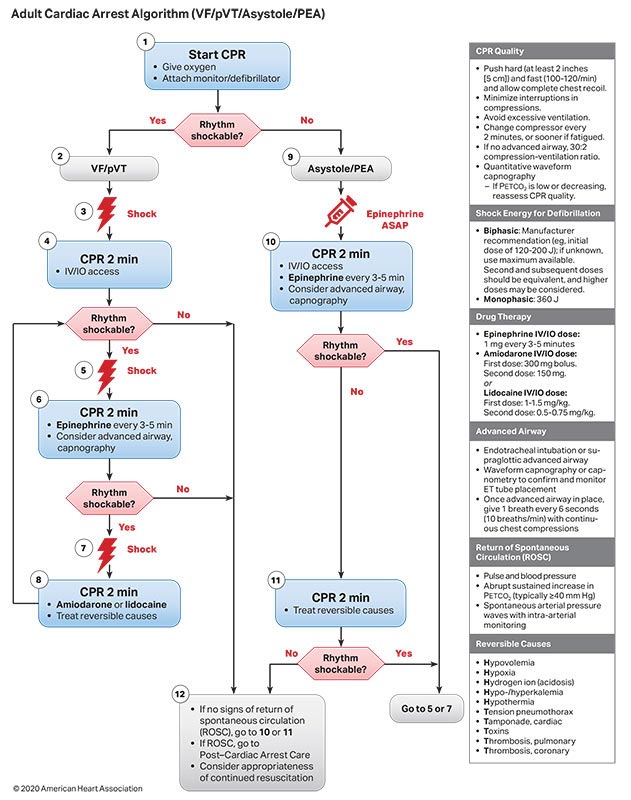
Your Answer: Increased venous pressure
Explanation:When more fluid is filtered out of the capillaries than can be returned to the circulation by the lymphatics, oedema occurs. Changes that increase capillary hydrostatic pressure or decrease plasma oncotic pressure will increase filtration.
Arteriolar constriction reduces hydrostatic capillary pressure and transiently increase absorption of fluid.
Dehydration increases plasma protein concentration and therefore increases plasma oncotic pressure and absorption. Capillary hydrostatic pressure and filtration are increased when there is increased venous pressure. -
This question is part of the following fields:
- Cardiovascular
- Physiology
-
-
Question 3
Correct
-
Nitric oxide release from endothelium is stimulated by all of the following EXCEPT for:
Your Answer: Noradrenaline
Explanation:Nitric oxide (NO) production by the endothelium is increased by factors that elevate intracellular Ca2+, including local mediators such as bradykinin, histamine and serotonin, and some neurotransmitters (e.g. substance P). Increased flow (shear stress) also stimulates NO production and additionally activates prostacyclin synthesis. The basal production of NO continuously modulates vascular resistance; increased production of nitric oxide acts to cause vasodilation. Nitric oxide also inhibits platelet activation and thrombosis.
-
This question is part of the following fields:
- Cardiovascular
- Physiology
-
-
Question 4
Correct
-
Which of the following is NOT a typical electrolyte disturbance caused by furosemide:
Your Answer: Hypercalcaemia
Explanation:Adverse effects of loop diuretics include:
Mild gastrointestinal disturbances, pancreatitis and hepatic encephalopathy
Hyperglycaemia
Acute urinary retention
Water and electrolyte imbalance
Hyponatraemia, hypocalcaemia, hypokalaemia, hypomagnesaemia, hypochloraemiaHypotension, hypovolaemia, dehydration, and venous thromboembolism
Metabolic alkalosis
Hyperuricaemia
Blood disorders (bone marrow suppression, thrombocytopenia, and leucopenia)
Visual disturbance, tinnitus and deafness
Hypersensitivity reactions -
This question is part of the following fields:
- Cardiovascular
- Pharmacology
-
-
Question 5
Correct
-
All of the following statement about the microcirculation are correct except:
Your Answer: Over the capillary bed, there is a net absorption of fluid.
Explanation:The hydrostatic pressure along the length of the capillary is usually greater than plasma oncotic pressure. As a result, there is a small net filtration of fluid from the capillary into the interstitial space. The regulation of blood flow into the microcirculation is via the vasoconstriction of small arterioles, which is activated by the sympathetic nervous system through numerous nerve endings in their walls. Unlike proteins, most ions and small molecules diffuse easily across capillary walls and thus the crystalloid osmotic pressure they exert is roughly the same on either side of the capillary wall. Because the plasma colloid osmotic pressure is higher than interstitial colloid osmotic, fluid is drawn intravascularly. A reduction of hydrostatic capillary pressure and transient increase in absorption of fluid is a result of arteriolar constriction.
-
This question is part of the following fields:
- Cardiovascular
- Physiology
-
-
Question 6
Correct
-
A 60-year-old patient had a sudden onset of palpitations and shortness of breath. He had a history of poorly controlled hypertension and ischemic heart disease. His ECG also shows atrial fibrillation. Based on the patient’s condition, which pharmacologic cardioversion would be best to use?
Your Answer: Amiodarone
Explanation:Chemical cardioversion, or pharmacologic cardioversion, is the treatment of abnormal heart rhythms using drugs.
Flecainide and propafenone are examples of drugs used as chemical cardioverters.
However, given the situation of the patient, these drugs are contraindicated for his ischaemic heart disease. Amiodarone is also an antiarrhythmic drug and is the best choice for this situation.
-
This question is part of the following fields:
- Cardiovascular
- Pharmacology
-
-
Question 7
Incorrect
-
Regarding the cardiac cycle, which of the following statements is INCORRECT:
Your Answer: The length of diastole decreases with increasing heart rate.
Correct Answer: The second heart sound occurs in late diastole caused by closure of the atrioventricular valves.
Explanation:Diastole is usually twice the length of systole at rest, but decreases with increased heart rate. During systole, contraction of the ventricles compresses the coronary arteries and suppresses blood flow. This is particularly evident in the left ventricle, where during systole the ventricular pressure is the same as or greater than that in the arteries and as a result more than 85% of left ventricular perfusion occurs during diastole. This becomes a problem if the heart rate is increased as the diastolic interval is shorter and can result in ischaemia. The second heart sound, caused by closure of the semilunar valves, marks the end of systole.
-
This question is part of the following fields:
- Cardiovascular
- Physiology
-
-
Question 8
Correct
-
A 40-year-old man who has a history of asthma arrives at the emergency department complaining of palpitations that have been going on for 5 days. Which of the following beta-blockers is the safest for an asthmatic patient?
Your Answer: Atenolol
Explanation:Atenolol is a beta blocker, which is a type of medication that works by preventing certain natural substances in the body, such as epinephrine, from acting on the heart and blood vessels.
This effect reduces heart rate, blood pressure, and cardiac strain. Atenolol, bisoprolol fumarate, metoprolol tartrate, nebivolol, and (to a lesser extent) acebutolol have a lower action on beta2 (bronchial) receptors and are thus cardio selective but not cardiac specific.
They have a lower effect on airway resistance, although they are not without this adverse effect.
-
This question is part of the following fields:
- Cardiovascular
- Pharmacology
-
-
Question 9
Correct
-
As a response to low blood pressure, the baroreceptor reflex will facilitate vasoconstriction by activating which receptor?
Your Answer: Alpha1
Explanation:The rate of baroreceptor firing slows down when blood pressure falls too low. This causes an increase in sympathetic stimulation of the heart, resulting in an increase in cardiac output. It also causes vasoconstriction by activating alpha 1 receptors in smooth muscle, which causes sympathetic stimulation of peripheral vessels.
Alpha2 receptors can be found in both the brain and the peripheral nervous system. They control sympathetic outflow in the brain stem.
Beta1 receptors, which are found on the cell membrane of cardiac muscle cells, stimulate heart rate and myocardial contractility. The smooth muscle cell membrane contains beta2 receptors, which promote smooth muscle relaxation in the lungs causing bronchodilation, GI tract, and peripheral blood vessels.
-
This question is part of the following fields:
- Cardiovascular
- Physiology
-
-
Question 10
Correct
-
The risk of renal impairment in a patient on ACE inhibitor therapy is increased by concomitant treatment with which of the following drug classes:
Your Answer: NSAIDs
Explanation:Concomitant treatment with NSAIDs increases the risk of renal damage, and with potassium-sparing diuretics (or potassium-containing salt substitutes) increases the risk of hyperkalaemia. Hyperkalaemia and other side effects of ACE inhibitors are more common in the elderly and in those with impaired renal function and the dose may need to be reduced.
-
This question is part of the following fields:
- Cardiovascular
- Pharmacology
-
-
Question 11
Correct
-
ACE inhibitors are indicated for all of the following EXCEPT for:
Your Answer: Angina
Explanation:ACE inhibitors have many uses and are generally well tolerated. They are indicated for:
- Heart failure
- Hypertension
- Diabetic nephropathy
- Secondary prevention of cardiovascular events
-
This question is part of the following fields:
- Cardiovascular
- Pharmacology
-
-
Question 12
Correct
-
A patient has a cardiac output of 4.8 L/min and a heart rate of 80 bpm, therefore their stroke volume is:
Your Answer: 60 mL
Explanation:Cardiac output (CO) = Stroke volume (SV) x Heart rate (HR).
Therefore SV = CO/HR
= 4.8/80
= 0.06 L = 60 mL. -
This question is part of the following fields:
- Cardiovascular
- Physiology
-
-
Question 13
Correct
-
In the treatment of bradyarrhythmias with adverse characteristics or risk of asystole, what is the initial suggested dose of atropine?
Your Answer: 500 micrograms
Explanation:Atropine 500 mcg IV bolus should be administered if there are any adverse features or risk of asystole. If the reaction is not adequate, repeat the steps every 3 to 5 minutes up to a maximum dose of 3 mg. In the case of acute myocardial ischemia or myocardial infarction, atropine should be taken with caution since the increased heart rate may aggravate the ischemia or increase the size of the infarct.
-
This question is part of the following fields:
- Cardiovascular
- Pharmacology
-
-
Question 14
Correct
-
Which of the following drug classes may cause bronchoconstriction:
Your Answer: Beta-blockers
Explanation:Beta-blockers, including those considered to be cardioselective, should usually be avoided in patients with a history of asthma, bronchospasm or a history of obstructive airways disease. However, when there is no alternative, a cardioselective beta-blocker can be given to these patients with caution and under specialist supervision. In such cases the risk of inducing bronchospasm should be appreciated and appropriate precautions taken.
-
This question is part of the following fields:
- Cardiovascular
- Pharmacology
-
-
Question 15
Correct
-
All of the following statement are correct regarding endothelium derived nitric oxide except:
Your Answer: Nitric oxide production is inhibited by local mediators such as bradykinin, histamine and serotonin.
Explanation:Factors that elevate intracellular Ca2+ increase nitric oxide (NO) production by the endothelium included local mediators such as histamine and serotonin, bradykinin, and some neurotransmitters like substance P. NO production is also stimulated by increased flow (shear stress) and additionally activates prostacyclin synthesis. As a result of basal production of NO, there is continuous modulation of vascular resistance and as a result, there is increased production of nitric oxide acts which causes vasodilation. Platelet activation and thrombosis are inhibited by nitric oxide.
-
This question is part of the following fields:
- Cardiovascular
- Physiology
-
-
Question 16
Correct
-
Which of the following is NOT a pharmacological effect of beta-blockers:
Your Answer: Reduced AV conduction time
Explanation:Effects of beta-blockers:
Cardiovascular system:
Reduce blood pressure
Reduce heart rate, contractility and cardiac output
Increase AV conduction time, refractoriness and suppress automaticityEye:
Reduce intraocular pressureRespiratory system:
Cause bronchoconstriction -
This question is part of the following fields:
- Cardiovascular
- Pharmacology
-
-
Question 17
Correct
-
Digoxin is predominantly used for which of the following:
Your Answer: Rate control in persistent and permanent atrial fibrillation
Explanation:Digoxin is most useful for controlling the ventricular response in persistent and permanent atrial fibrillation and atrial flutter. Digoxin is usually only effective for controlling the ventricular rate at rest, and should therefore only be used as monotherapy in predominantly sedentary patients with non-paroxysmal atrial fibrillation. It is now rarely used for rapid control of heart rate, as even with intravenous administration, response may take many hours. Digoxin is reserved for patients with worsening or severe heart failure due to left ventricular systolic dysfunction refractory to combination therapy with first-line agents. Digoxin is contraindicated in supraventricular arrhythmias associated with accessory conduction pathways e.g. Wolff-Parkinson-White syndrome.
-
This question is part of the following fields:
- Cardiovascular
- Pharmacology
-
-
Question 18
Correct
-
What is the earliest physiological effect that causes postural hypotension:
Your Answer: A fall in central venous pressure
Explanation:When autonomic reflexes are impaired or intravascular volume is markedly depleted, a significant reduction in blood pressure occurs upon standing, a phenomenon termed Postural Hypotension (orthostatic hypotension). Orthostatic hypotension can cause dizziness, syncope, and even angina or stroke. When autonomic reflexes are impaired, blood pressure falls progressively after standing because the gravitational pooling of blood in the legs cannot be compensated by sympathetic vasoconstriction.
-
This question is part of the following fields:
- Cardiovascular
- Physiology
-
-
Question 19
Correct
-
Question 20
Correct
-
For a tachyarrhythmia caused by hypovolaemic shock, which of the following is the first-line treatment:
Your Answer: Synchronised DC shock
Explanation:If there are any adverse symptoms, immediate cardioversion with synchronized DC shock is recommended. If cardioversion fails to stop the arrhythmia and the symptoms persist, amiodarone 300 mg IV over 10–20 minutes should be administered before attempting another cardioversion. The loading dosage of amiodarone is followed by a 24-hour infusion of 900 mg administered into a large vein.
-
This question is part of the following fields:
- Cardiovascular
- Pharmacology
-
-
Question 21
Correct
-
Which of the following is NOT a common side effect of amiodarone:
Your Answer: Blue/green teeth discolouration
Explanation:Common side effects of amiodarone include: Bradycardia, Nausea and vomiting, Thyroid disorders – hypothyroidism and hyperthyroidism, Persistent slate grey skin discoloration, Photosensitivity, Pulmonary toxicity (including pneumonitis and fibrosis), Hepatotoxicity, Corneal microdeposits (sometimes with night glare), Peripheral neuropathy and Sleep disorders.
-
This question is part of the following fields:
- Cardiovascular
- Pharmacology
-
-
Question 22
Correct
-
Nifedipine commonly causes which of the following adverse effects?
Your Answer: Ankle oedema
Explanation:Most common adverse effects of Nifedipine include:
Peripheral oedema (10-30%)
Dizziness (23-27%)
Flushing (23-27%)
Headache (10-23%)
Heartburn (11%)
Nausea (11%) -
This question is part of the following fields:
- Cardiovascular
- Pharmacology
-
-
Question 23
Correct
-
Which of the following is the primary indication for loop diuretics?
Your Answer: Acute pulmonary oedema
Explanation:Loop diuretics have long been the cornerstone of pulmonary oedema treatment, with furosemide being the most commonly used of these drugs. Premedication with drugs that decrease preload (e.g., nitro-glycerine [NTG]) and afterload (e.g., angiotensin-converting enzyme [ACE] inhibitors) before the administration of loop diuretics can prevent adverse hemodynamic changes.
-
This question is part of the following fields:
- Cardiovascular
- Pharmacology
-
-
Question 24
Correct
-
Which of the following best describes the correct administration of adrenaline for a shockable rhythm in adult advanced life support?
Your Answer: Give 1 mg of adrenaline after the second shock and every 3 - 5 minutes thereafter
Explanation:Give adrenaline 1 mg IV (IO) (10 mL of 1:10,000 solution) after the 2nd shock for adult patients in cardiac arrest with a shockable rhythm. Repeat adrenaline 1 mg IV (IO) every 3-5 minutes whilst ALS continues.
-
This question is part of the following fields:
- Cardiovascular
- Pharmacology
-
-
Question 25
Correct
-
What is the mechanism of action of captopril:
Your Answer: Inhibition of the conversion of angiotensin I to angiotensin II
Explanation:Angiotensin-converting enzyme inhibitors (ACE inhibitors) e.g. captopril inhibit the conversion of angiotensin I to angiotensin II, and thus have a vasodilatory effect, lowering both arterial and venous resistance. The cardiac output increases and, because the renovascular resistance falls, there is an increase in renal blood flow. This latter effect, together with reduced aldosterone release, increases Na+ and H2O excretion, contracting the blood volume and reducing venous return to the heart.
-
This question is part of the following fields:
- Cardiovascular
- Pharmacology
-
-
Question 26
Correct
-
What is the direct mechanism of action of digoxin as a positive inotrope:
Your Answer: Inhibition of Na+/K+ ATPase pump
Explanation:Digoxin directly inhibits membrane Na+/K+ ATPase, which is responsible for Na+/K+ exchange across the myocyte cell membrane. This increases intracellular Na+ and produces a secondary increase in intracellular Ca2+ that increases the force of myocardial contraction. The increase in intracellular Ca2+ occurs because the decreased Na+ gradient across the membrane reduces the extrusion of Ca2+ by the Na+/Ca2+ exchanger that normally occurs during diastole. Digoxin and K+ ions compete for the receptor on the outside of the muscle cell membrane, and so the effects of digoxin may be dangerously increased in hypokalaemia.
-
This question is part of the following fields:
- Cardiovascular
- Pharmacology
-
-
Question 27
Correct
-
Mannitol is primarily indicated for which of the following:
Your Answer: Cerebral oedema
Explanation:Mannitol is an osmotic diuretic that can be used to treat cerebral oedema and raised intraocular pressure. Mannitol is a low molecular weight compound and is, therefore, freely filtered at the glomerulus and is not reabsorbed. It, therefore, increases the osmolality of the glomerular filtrate and tubular fluid, increasing urinary volume by an osmotic effect. It also does not cross the blood-brain-barrier (BBB).
-
This question is part of the following fields:
- Cardiovascular
- Pharmacology
-
-
Question 28
Correct
-
In the treatment of hypertensive episodes in pheochromocytoma, which of the following medication types is administered as first-line management:
Your Answer: Alpha-blockers
Explanation:The first line of management in controlling blood pressure and preventing intraoperative hypertensive crises is to use a combination of alpha and beta-adrenergic inhibition. In phaeochromocytoma, alpha-blockers are used to treat hypertensive episodes in the short term. Tachycardia can be managed by the careful addition of a beta-blocker, preferably a cardioselective beta-blocker, once alpha blockade has been established. Long term management of pheochromocytoma involves surgery.
-
This question is part of the following fields:
- Cardiovascular
- Pharmacology
-
-
Question 29
Correct
-
What is the most common application of Nitrates?
Your Answer: Angina
Explanation:In patients with exertional stable angina, nitrates improve exercise tolerance, time to onset of angina, and ST-segment depression during exercise testing. In combination with beta-blockers or calcium channel blockers, nitrates produce greater anti-anginal and anti-ischemic effects.
While they act as vasodilators, coronary vasodilators, and modest arteriolar dilators, the primary anti ischemic effect of nitrates is to decrease myocardial oxygen demand by producing systemic vasodilation more than coronary vasodilation. This systemic vasodilation reduces left ventricular systolic wall stress. -
This question is part of the following fields:
- Cardiovascular
- Pharmacology
-
-
Question 30
Correct
-
The mechanism of action of abciximab is by:
Your Answer: Blocking the binding of fibrinogen to GPIIb/IIIa receptor sites
Explanation:Abciximab is a glycoprotein IIb/IIIa inhibitors and prevents platelet aggregation by blocking the binding of fibrinogen to receptors on platelets.
-
This question is part of the following fields:
- Cardiovascular
- Pharmacology
-
SESSION STATS - PERFORMANCE PER SPECIALTY
