-
Question 1
Incorrect
-
Where in the nephron is most K+reabsorbed:
Your Answer: Distal convoluted tubule
Correct Answer: Proximal tubule
Explanation:Approximately 65 – 70% of filtered K+is reabsorbed in the proximal tubule. Potassium reabsorption is tightly linked to that of sodium and water. The reabsorption of sodium drives that of water, which may carry some potassium with it. The potassium gradient resulting from the reabsorption of water from the tubular lumen drives the paracellular reabsorption of potassium and may be enhanced by the removal of potassium from the paracellular space via the Na+/K+ATPase pump. In the later proximal tubule, the positive potential in the lumen also drives the potassium reabsorption through the paracellular route.
-
This question is part of the following fields:
- Physiology
- Renal
-
-
Question 2
Correct
-
Which of the following nerves has been damaged when a patient presents with a foot drop?
Your Answer: Common peroneal nerve
Explanation:The common peroneal nerve often referred to as the common fibular nerve, is a major nerve that innervates the lower extremity. It is one of the two major branches off the sciatic nerve and receives fibres from the posterior divisions of L4 through S2 nerve roots. The common peroneal nerve separates from the sciatic nerve in the distal posterior thigh proximal to the popliteal fossa. After branching off of the sciatic nerve, it continues down the thigh, running posteroinferior to the biceps femoris muscle, and crosses laterally to the head of the lateral gastrocnemius muscle through the posterior intermuscular septum. The nerve then curves around the fibular neck before dividing into two branches, the superficial peroneal nerve (SPN) and the deep peroneal nerve (DPN). The common peroneal nerve does not have any motor innervation before dividing; however, it provides sensory innervation to the lateral leg via the lateral sural nerve.
The superficial peroneal nerve innervates the lateral compartment of the leg, and the deep peroneal nerve innervates the anterior compartment of the leg and the dorsum of the foot. These two nerves are essential in the eversion of the foot and dorsiflexion of the foot, respectively. The superficial and deep peroneal nerves provide both motor and sensory innervation.
The most common presentation with common peroneal nerve injury or palsy is acute foot drop, although symptoms may be progressive and can include sensory loss or pain. Weakness in foot eversion may occur if the superficial peroneal nerve component is involved.
-
This question is part of the following fields:
- Anatomy
- Lower Limb
-
-
Question 3
Incorrect
-
What is the effect of activated vitamin D on the renal handling of calcium:
Your Answer: Increases calcium reabsorption in the proximal tubule
Correct Answer: Increases calcium reabsorption in the distal tubule
Explanation:Activated vitamin D acts to:
GUT:increase calcium and phosphate absorption in the small intestine (the main action)
KIDNEYS:increase renal calcium reabsorption (in the distal tubule via activation of a basolateral Ca2+ATPase pump), increase renal phosphate reabsorption, inhibit 1-alpha-hydroxylase activity in the kidneys (negative feedback)
PARATHYROID GLANDS:inhibit PTH secretion from the parathyroid glands -
This question is part of the following fields:
- Endocrine
- Physiology
-
-
Question 4
Incorrect
-
Regarding cardiac excitation-contraction coupling, which of the following statements is CORRECT:
Your Answer: Ca 2+ is released from the sarcoplasmic reticulum mainly by Ca 2+ ATPase.
Correct Answer: In relaxation, Ca 2+ is transported out of the cell using energy from a Na + gradient.
Explanation:During the AP plateau, Ca2+enters the cell and activates Ca2+sensitive Ca2+release channels in the sarcoplasmic reticulum allowing stored Ca2+to flood into the cytosol; this is called Ca2+-induced Ca2+release. In relaxation, about 80% of Ca2+is rapidly pumped back into the SR (sequestered) by Ca2+ATPase pumps. The Ca2+that entered the cell during the AP is transported out of the cell primarily by the Na+/Ca2+exchanger in the membrane which pumps one Ca2+ion out in exchange for three Na+ions in, using the Na+electrochemical gradient as an energy source. Increased heart rate increases the force of contraction in a stepwise fashion as intracellular [Ca2+] increases cumulatively over several beats; this is the Treppe effect. Factors that affect intracellular [Ca2+] and hence cardiac contractility are called inotropes.
-
This question is part of the following fields:
- Cardiovascular
- Physiology
-
-
Question 5
Correct
-
In a ward round, you come across a patient's treatment chart prescribed an antibiotic to fight his infection. This antibiotic is a protein synthesis inhibitor.
Which of the following antimicrobial drugs is prescribed to this patient?Your Answer: Gentamicin
Explanation:Gentamicin, an aminoglycoside antibiotic, acts by binding to the 30S subunit of the bacterial ribosome inhibiting the binding of aminoacyl-tRNA and thus preventing initiation of protein synthesis.
Vancomycin inhibits cell wall peptidoglycan formation by binding the D-Ala-D-Ala portion of cell wall precursors.
Penicillins and cephalosporins are the major antibiotics that inhibit bacterial cell wall synthesis. They inactivate transpeptidases that help cross-link peptidoglycans in cell walls.
Metronidazole and the other 5-nitroimidazole agents inhibit nucleic acid synthesis by forming toxic free radical metabolites in the bacterial cell that damage DNA.
Ciprofloxacin inhibits prokaryotic enzymes topoisomerase II (DNA gyrase) and topoisomerase IV.
-
This question is part of the following fields:
- Infections
- Pharmacology
-
-
Question 6
Incorrect
-
A 20-year-old male patient lives in a travelling community and has never received any vaccinations. He presents to you with fever.
Which of these statements concerning indications and contraindications for vaccination is TRUE?
Your Answer: The BCG vaccination can be safely administered to patients with HIV
Correct Answer: Inactivated vaccines are safe in pregnancy
Explanation:All vaccines are contraindicated in individuals with: A confirmed anaphylactic reaction to a previous dose of the vaccine or a vaccine containing the same antigens.
A confirmed anaphylactic reaction to a component in the vaccine e.g. neomycinThere is no evidence that vaccinating pregnant women with inactivated vaccine or toxoids harms the woman or foetus.
The current protocol is that a child with history of egg allergy can be safely vaccinated with Fluenz tetra. However, if they had a previous severe anaphylaxis to egg requiring intensive care, then Flenz tetra is contraindicated.
BCG, yellow fever or oral typhoid vaccinations are not safe in HIV positive patients.
The normal times recommended for immunization of full-term babies should also be applied to premature infants and correction for gestational age should not be implemented.
Concurrent antibiotic therapy is not a contraindication to vaccination.
-
This question is part of the following fields:
- Microbiology
- Principles Of Microbiology
-
-
Question 7
Correct
-
Which of the following anatomical structures is most likely the cause of oedema and erythema of the arm in a patient who underwent modified radical mastectomy and radiotherapy?
Your Answer: Axillary lymph nodes
Explanation:Arm oedema is one of the sequelae after breast cancer surgery and radiation therapy. Arm oedema in the breast cancer patient is caused by interruption of the axillary lymphatic system by surgery or radiation therapy, which results in the accumulation of fluid in subcutaneous tissue in the arm, with decreased distensibility of tissue around the joints and increased weight of the extremity. Chronic inflammatory changes result in both subcutaneous and lymph vessel fibrosis.
-
This question is part of the following fields:
- Anatomy
- Thorax
-
-
Question 8
Correct
-
Which of the following is most likely affected in De Quervain's tenosynovitis?
Your Answer: Extensor pollicis brevis
Explanation:De Quervain tenosynovitis is named after the Swiss surgeon, Fritz de Quervain, who first described it in 1895. It is a condition which involves tendon entrapment affecting the first dorsal compartment of the wrist. With this condition thickening of the tendon sheaths around the abductor pollicis longus and extensor pollicis brevis develops where the tendons pass in through the fibro-osseous tunnel located along the radial styloid at the distal wrist. Pain is exacerbated by thumb movement and radial and ulnar deviation of the wrist.
The estimated prevalence of de Quervain tenosynovitis is about 0.5% in men and 1.3% in women with peak prevalence among those in their forties and fifties. It may be seen more commonly in individuals with a history of medial or lateral epicondylitis. Bilateral involvement is often reported in new mothers or child care providers in whom spontaneous resolution typically occurs once lifting of the child is less frequent.
-
This question is part of the following fields:
- Anatomy
- Upper Limb
-
-
Question 9
Correct
-
A 30-year-old man suffers from an open fracture of his forearm. As a consequence of his injury, the nerve that innervates the pronator quadratus muscle was severed.
Which of the following statements regarding the pronator quadratus muscle is considered correct?Your Answer: Its deep fibres bind the radius and ulna together
Explanation:Pronator quadratus is a deep-seated, short, flat, and quadrilateral muscle with fibres running in a parallel direction.
It arises from the oblique ridge on the anterior surface of the distal fourth of the Ulna. It is inserted in lateral border and anterior surface of the distal fourth of the radius. It is innervated by the anterior interosseous nerve, a branch of the median nerve (C8-T1). It is vascularized by the anterior interosseous artery.
The action of the pronator quadratus muscle along with the pronator teres result in the pronation of the radioulnar joint. Contraction of this muscle pulls the distal end of the radius over the ulna, resulting in the pronation of the radioulnar joint
-
This question is part of the following fields:
- Anatomy
- Upper Limb
-
-
Question 10
Correct
-
Question 11
Correct
-
A 10-year-old girl that appears systemically well presents with a honey-crusted scab close to the corner of her mouth and states that the area is slightly itchy but not painful. The diagnosis given was impetigo.
What is most likely the mode of transmission of the causative agent of the said diagnosis?Your Answer: Direct contact
Explanation:Impetigo is a common pyoderma that is most often seen in children. Historically, most cases were caused by group A streptococci (GAS; Streptococcus pyogenes), although S. aureus has become the predominant pathogen over the last 15 years.
A bullous form of impetigo accounts for approximately 10% of cases. It is caused by strains of S. aureus that produce exfoliative toxins leading to the formation of bullae, which quickly rupture and form a transparent, light brown crust.
Impetigo is spread mainly by person-to-person contact; it is rapidly spread through direct transmission. The diagnosis of impetigo can be made from a Gram stain and culture of the vesicular contents.
-
This question is part of the following fields:
- Microbiology
- Principles Of Microbiology
-
-
Question 12
Correct
-
You review an 18-months-old child who seems to be having a reaction following an immunisation she took earlier in the day.
Which statement concerning immunity and vaccination is true?Your Answer: The strongest immunological response is seen with natural immunity
Explanation:Vaccination induces ACTIVE adaptive immunity. Actively acquired immunity involves the development of an immune response either due to vaccination or natural exposure to a pathogen and leads to long-lasting resistance to infection.
Immediate protection is achieved with injection of immunoglobulin. The protection is transient lasting only a few weeks and is useful as post-exposure prophylaxis.
Passively acquired immunity usually leads to short-lasting resistance to infection because it does not involve a host immune response.
With inactivated bacteria, a series of primary vaccinations is usually required to induce an adequate immune response. In most cases, boosters are required to sustain adequate immunity.
-
This question is part of the following fields:
- General Pathology
- Pathology
-
-
Question 13
Correct
-
A 30-year-old male with a known allergy to natural latex rubber presents with an allergic reaction to a food he has just eaten.
Which ONE of these foods is most likely to cause an associated hypersensitivity in him?Your Answer: Banana
Explanation:About one third of patients with allergy to natural latex rubber (NRL) have an associated allergy to some plant-derived foods. It is known as the latex-fruit syndrome and occurs commonly with consumption of fresh fruits. Banana and avocado are the most implicated fruits but it can also be seen with tomato, kiwi and chestnut.
-
This question is part of the following fields:
- General Pathology
- Pathology
-
-
Question 14
Correct
-
Regarding antacids, which of the following statements is CORRECT:
Your Answer: Antacids should not be taken at the same time as other drugs as they impair absorption.
Explanation:Antacids should preferably not be taken at the same time as other drugs since they may impair absorption. Antacids act by neutralising stomach acid. They are used for symptomatic relief in dyspepsia, but are not first line for proven peptic ulcer disease where antisecretory drugs have a better healing effect. Magnesium-containing antacids tend to be laxative whereas aluminium-containing antacids tend to be constipating. Antacids are contraindicated in hypophosphataemia.
-
This question is part of the following fields:
- Gastrointestinal
- Pharmacology
-
-
Question 15
Correct
-
A patient is diagnosed as having a glucagonoma. Her blood serum glucagon concentration is 1246 pg/mL.
Glucagon is produced in which of the following cells? Select ONE answer only.Your Answer: Alpha-cells in the pancreas
Explanation:Glucagon is a peptide hormone that is produced and secreted by alpha cells of the islets of Langerhans, which are located in the endocrine portion of the pancreas. The main physiological role of glucagon is to stimulate hepatic glucose output, thereby leading to increases in glycaemia. It provides the major counter-regulatory mechanism to insulin in maintaining glucose homeostasis.
Hypoglycaemia is the principal stimulus for the secretion of glucagon but may also be used as an antidote in beta-blocker overdose and in anaphylaxis in patients on beta-blockers that fail to respond to adrenaline.
Glucagon then causes:
Glycogenolysis
Gluconeogenesis
Lipolysis in adipose tissue
The secretion of glucagon is also stimulated by:
Adrenaline
Cholecystokinin
Arginine
Alanine
Acetylcholine
The secretion of glucagon is inhibited by:
Insulin
Somatostatin
Increased free fatty acids
Increased urea productionGlycolysis is the metabolic pathway that converts glucose into pyruvate. The free energy released by this process is used to form ATP and NADH. Glycolysis is inhibited by glucagon, and glycolysis and gluconeogenesis are reciprocally regulated so that when one cell pathway is activated, the other is inactive and vice versa.
Glucagon has a minor effect of enhancing lipolysis in adipose tissue. Lipolysis is the breakdown of lipids and involves the hydrolysis of triglycerides into glycerol and free fatty acids. It makes fatty acids available for oxidation.
-
This question is part of the following fields:
- Endocrine Physiology
- Physiology
-
-
Question 16
Correct
-
Achlorhydria is diagnosed in a 37-year-old individual who has had recurring episodes of gastroenteritis. This is an autoimmune illness of the gastric parietal cells that causes insufficient stomach acid production.
Damage to stomach parietal cells will alter the secretion of which other substance?Your Answer: Intrinsic factor
Explanation:Achlorhydria is an autoimmune illness of the gastric parietal cells that causes insufficient stomach acid production. The parietal cells that have been injured are unable to create the necessary amount of stomach acid. As a result, the pH of the stomach rises, food digestion suffers, and the risk of gastroenteritis rises.
The secretion of hydrochloric acid and intrinsic factor is controlled by the gastric parietal cells, which are epithelial cells in the stomach. These cells can be found in the gastric glands, the fundus lining, and the stomach body.
In response to the following three stimuli, the stomach parietal cells release hydrochloric acid:
H2 Histamine receptors are stimulated by histamine (most significant contribution)
Acetylcholine stimulates M3 Receptors via parasympathetic action.
CCK2 receptors are stimulated by Gastrin.Intrinsic factor, which is essential for vitamin B12 absorption, is also produced by stomach parietal cells.
Omeprazole is a proton pump inhibitor that is both selective and irreversible. It inhibits the H+/K+-ATPase system present on the secretory membrane of gastric parietal cells, which lowers stomach acid secretion.
Ranitidine inhibits histamine H2-receptors in a competitive manner. The reversible inhibition of H2-receptors in gastric parietal cells reduces both the volume and concentration of gastric acid. -
This question is part of the following fields:
- Gastrointestinal Physiology
- Physiology
-
-
Question 17
Incorrect
-
A 12-year old boy is taken to the emergency room after accidentally falling off the monkey bars. Witnesses of the accident reported that, when the patient fell, he hit his right hand on a bar and a loud thump was heard. On examination, the hand is oedematous, tender and erythematous. On ultrasound, a rupture of the flexor carpi ulnaris is noted.
Which of the following statements is true regarding the flexor carpi ulnaris?Your Answer: It receives its blood supply from the radial artery
Correct Answer: It acts to adduct the hand at the wrist joint
Explanation:Flexor carpi ulnaris is a fusiform muscle located in the anterior compartment of the forearm. It belongs to the superficial flexors of the forearm, along with pronator teres, palmaris longus, flexor digitorum superficialis and flexor carpi radialis. Flexor carpi ulnaris is the most medial of the superficial flexors.
Innervation of the flexor carpi ulnaris muscle is from the brachial plexus via the ulnar nerve (C7-T1).
Flexor carpi ulnaris receives its arterial blood supply via three different routes. Proximally, a branch of the posterior ulnar recurrent artery supplies the muscle as it passes between the humeral and ulnar heads. Branches of the ulnar artery supply the middle and distal parts of the muscle, with an accessory supply also present distally via the inferior ulnar collateral artery.
Due to its position and direction in the forearm, flexor carpi ulnaris can move the hand sideways as well as flexing it. Contracting with flexor carpi radialis and palmaris longus, flexor carpi ulnaris produces flexion of the hand at the wrist joint. However, when it contracts alongside the extensor carpi ulnaris muscle in the posterior compartment, their counteracting forces produce adduction of the hand at the wrist, otherwise known as ulnar deviation or ulnar flexion
-
This question is part of the following fields:
- Anatomy
- Upper Limb
-
-
Question 18
Correct
-
A 35-year-old lady has suffered a serious brain injury. Her uvula has deviated to the right, according to inspection. Which of the following nerves is likely to be affected?
Your Answer: Left vagus nerve
Explanation:When the vagus nerve is damaged, the soft palate is paralyzed and the uvula is shifted away from the affected side. The vagus nerve innervates the uvulae muscle, which forms the uvula’s core. If only one side is innervated, contraction of the active muscle will draw the uvula towards it.
-
This question is part of the following fields:
- Anatomy
- Cranial Nerve Lesions
-
-
Question 19
Correct
-
A 53 year old women presents to the emergency room with a chronic cough. The pulmonary receptors likely to be involved in causing her cough are:
Your Answer: Irritant receptors
Explanation:Throughout the airways, there are irritant receptors which are located between epithelial cells which are made of rapidly adapting afferent myelinated fibres in the vagus nerve. A cough is as a result of receptor stimulation located in the trachea, hyperpnoea is as a result of receptor stimulation in the lower airway. Stimulation may also result in reflex bronchial and laryngeal constriction. Many factors can stimulate irritant receptors. These include irritant gases, smoke and dust, airway deformation, pulmonary congestion, rapid inflation/deflation and inflammation. Deep augmented breaths or sighs seen every 5 – 20 minutes at rest are due to stimulation of these irritant receptors. This reverses the slow lung collapse that occurs in quiet breathing.
-
This question is part of the following fields:
- Physiology
- Respiratory
-
-
Question 20
Correct
-
Which of the following clotting factors is NOT vitamin K-dependent:
Your Answer: V
Explanation:Fat-soluble vitamin K is obtained from green vegetables and bacterial synthesis in the gut. Deficiency may present in the newborn (haemorrhagic disease of the newborn) or in later life. Deficiency may be caused by an inadequate diet, malabsorption or inhibition of vitamin K by drugs such as warfarin. The activity of factors II, VII, IX and X are vitamin K dependent as well as that of protein C and protein S. Both PT and APTT are prolonged.
-
This question is part of the following fields:
- Haematology
- Pathology
-
-
Question 21
Incorrect
-
A 53-year-old male has presented to your clinic with the complaint of a rash on his right forearm. On examination, you discover small reddish-purple spots on the skin measuring less than 2-3 mm. They do not blanch on applying pressure.
Which one of the following best fits the description given above?Your Answer: Purpura
Correct Answer: Petechiae
Explanation:Petechiae are small red or purple spots on the skin measuring less than 3 mm, caused by minor haemorrhages which do not blanch on applying pressure.
Purpura measures between 3mm and 1 cm in diameter, while ecchymoses are greater than 1 cm in diameter. Both are caused due to haemorrhage.Erythema is the generalised redness of the skin.
A macule is a flat, discoloured area of the skin measuring less than 1 cm in diameter.
-
This question is part of the following fields:
- General Pathology
- Pathology
-
-
Question 22
Correct
-
A 69-year-old man with a history of chronic anaemia is transfused. He takes bisoprolol and furosemide for his cardiac failure, and his most recent BNP was 123 pmol/l. He developed shortness of breath and his pre-existing peripheral oedema became worse 5 hours after transfusion was commenced. His BP rises to 170/105 mmHg and a repeat measurement of his BNP is 192 pmol/l.
What is the most likely transfusion reaction to have occurred?Your Answer: TACO
Explanation:Transfusion-associated circulatory overload (TACO) presents as acute or worsening respiratory distress within 6 hours of transfusion of a large volume of blood. It is common in patients with diminished cardiac reserve or chronic anaemia. Elderly patients, infants and severely anaemic patients are particularly susceptible. Typical clinical features of TACO include: Acute respiratory distress, Tachycardia, Hypertension, Acute/worsening pulmonary oedema on chest X-ray. The BNP is usually raised to at least 1.5 times the pre-transfusion baseline.
Febrile transfusion reaction presents with a 1 degree rise in temperature from baseline during transfusion. Patient may have chills and malaise. It is the most common transfusion reaction (1 in 8 transfusions) and is usually caused by cytokines released from leukocytes in transfused red cell or platelet components.
TRALI (Transfusion Related Acute Lung Injury) is a clinical syndrome with abrupt onset of non-cardiogenic pulmonary oedema within 6 hours of transfusion not explained by another risk factor. Associated with the presence of antibodies in the donor blood to recipient leukocyte antigens. patients present with dyspnoea, hypertension, hypotension, acute leukopenia.
Graft versus host disease(GVHD) is an immune mediated condition that arises from a complex interaction between donor and recipients adaptive immunity. It presents as dermatitis, hepatitis and enteritis developing within 100 days after stem cell or bone marrow transplant.
Acute haemolytic reaction aka immediate haemolytic transfusion reaction presents with fever, chills, pain at transfusion site, nausea, vomiting, dark urine and feeling of ‘impending doom’. Often, it occurs due to ABO incompatibility.
-
This question is part of the following fields:
- Haematology
- Pathology
-
-
Question 23
Correct
-
Stimulation of J receptors located on alveolar and bronchial walls results in all of the following EXCEPT for:
Your Answer: Tachycardia
Explanation:Juxtapulmonary or ‘J’ receptors are located on alveolar and bronchial walls close to the capillaries. Their afferents are small unmyelinated C-fibres or myelinated nerves in the vagus nerve. Activation causes depression of somatic and visceral activity by producing apnoea or rapid shallow breathing, a fall in heart rate and blood pressure, laryngeal constriction and relaxation of skeletal muscles via spinal neurones. J receptors are stimulated by increased alveolar wall fluid, pulmonary congestion and oedema, microembolism and inflammatory mediators. J receptors are thought to be involved in the sensation of dyspnoea in lung disease.
-
This question is part of the following fields:
- Physiology
- Respiratory
-
-
Question 24
Correct
-
Regarding hypertensive crises, which of the following statements is CORRECT:
Your Answer: In a hypertensive emergency, blood pressure should be reduced by 20 - 25% within 2 hours.
Explanation:A hypertensive emergency is defined as severe hypertension (blood pressure ≥ 180/110 mmHg) with acute damage to the target organs. Prompt treatment with intravenous antihypertensive therapy is generally required; over the first few minutes or within 2 hours, blood pressure should be reduced by 20 – 25%. Severe hypertension without acute target organ damage is defined as hypertensive urgency.; blood pressure should be reduced gradually over 24 – 48 hours with oral antihypertensive therapy. If blood pressure is reduced too quickly in the management of hypertensive crises, there is a risk of reduced organ perfusion leading to cerebral infarction, blindness, deterioration in renal function, and myocardial ischaemia.
-
This question is part of the following fields:
- Cardiovascular
- Pharmacology
-
-
Question 25
Correct
-
Intracellular [Ca2+] rise in cardiac excitation-contraction coupling is mainly as a result of:
Your Answer: Ca 2+ release from sarcoplasmic reticulum
Explanation:Although Ca2+entry during the action potential (AP) is essential for contraction, it only accounts for about 25% of the rise in intracellular Ca2+. The rest is released from Ca2+stores in the sarcoplasmic reticulum (SR). APs travel down invaginations of the sarcolemma called T-tubules, which are close to, but do not touch, the terminal cisternae of the SR. During the AP plateau, Ca2+enters the cell and activates Ca2+sensitive Ca2+release channels in the sarcoplasmic reticulum allowing stored Ca2+to flood into the cytosol; this is called Ca2+-induced Ca2+release. The amount of Ca2+released is dependent on how much is stored, and on the size of the initial Ca2+influx during the AP.
-
This question is part of the following fields:
- Cardiovascular
- Physiology
-
-
Question 26
Correct
-
The syndrome of inappropriate antidiuresis due to excessive antidiuretic hormone (ADH) secretion is diagnosed in a male patient with a history of recurrent hyponatraemia.
Which of the following produces ADH?Your Answer: Hypothalamus
Explanation:Antidiuretic hormone (ADH), commonly known as vasopressin, is a peptide hormone that controls how much water the body retains.
It is produced in the magnocellular and parvocellular neurosecretory cells of the paraventricular nucleus and supraoptic nucleus in the hypothalamus from a prohormone precursor. It is subsequently carried to the posterior pituitary via axons and stored in vesicles.
The secretion of ADH from the posterior pituitary is regulated by numerous mechanisms:
Increased plasma osmolality: Osmoreceptors in the hypothalamus detect an increase in osmolality and trigger ADH release.Stretch receptors in the atrial walls and big veins detect a decrease in atrial pressure as a result of this (cardiopulmonary baroreceptors). ADH release is generally inhibited by atrial receptor firing, but when the atrial receptors are stretched, the firing reduces and ADH release is promoted.
Hypotension causes baroreceptor firing to diminish, resulting in increased sympathetic activity and ADH release.
An increase in angiotensin II stimulates angiotensin II receptors in the hypothalamus, causing ADH production to increase.The main sites of action for ADH are:
The kidney is made up of two parts. ADH’s main job is to keep the extracellular fluid volume under control. It increases permeability to water by acting on the renal collecting ducts via V2 Receptors (via a camp-dependent mechanism). This leads to a decrease in urine production, an increase in blood volume, and an increase in arterial pressure as a result.Vascular system: Vasoconstriction is a secondary function of ADH. ADH causes vasoconstriction via binding to V1 Receptors on vascular smooth muscle (via the IP3 signal transduction pathway). An increase in arterial pressure occurs as a result of this.
-
This question is part of the following fields:
- Physiology
- Renal Physiology
-
-
Question 27
Incorrect
-
Which of the following statements accurately describes the number needed to harm?
Your Answer: The NNH can be used to calculate the negative predictive value of a test
Correct Answer: The NNH is the number of patients that need to be treated for one to experience the side effect
Explanation:Number needed to harm (NNH) corresponds to the number of individuals that must be treated, so that one of them presents an adverse reaction accountable to the treatment.
Hence, a NNH of 100 means that 100 individuals need to be treated in order to produce an adverse effect of the treatment in one individual.
-
This question is part of the following fields:
- Evidence Based Medicine
-
-
Question 28
Incorrect
-
Regarding alteplase, which of the following statements is INCORRECT:
Your Answer: Alteplase has selectivity for activation of fibrin-bound plasminogen.
Correct Answer: Alteplase is commonly associated with hypotensive effects.
Explanation:Alteplase is a recombinant tissue-type plasminogen activator (tPA), a naturally occurring fibrin-specific enzyme that has selectivity for activation of fibrin-bound plasminogen. It has a short half-life of 3 – 4 minutes and must be given by continuous intravenous infusion but is not associated with antigenic or hypotensive effects, and can be used in patients when recent streptococcal infections or recent use of streptokinase contraindicates the use of streptokinase.
-
This question is part of the following fields:
- Cardiovascular
- Pharmacology
-
-
Question 29
Correct
-
Question 30
Correct
-
Which of the following is an ECG change typically associated with hyperkalaemia:
Your Answer: Wide QRS complex
Explanation:Hyperkalaemia causes a rapid reduction in resting membrane potential leading to increased cardiac depolarisation and muscle excitability. This in turn results in ECG changes which can rapidly progress to ventricular fibrillation or asystole. Very distinctive ECG changes that progressively change as the K+level increases:
K+>5.5 mmol/l – peaked T waves (usually earliest sign of hyperkalaemia), repolarisation abnormalities
K+>6.5 mmol/l – P waves widen and flatten, PR segment lengthens, P waves eventually disappear
K+>7.0 mmol/l – Prolonged QRS interval and bizarre QRS morphology, conduction blocks (bundle branch blocks, fascicular blocks), sinus bradycardia or slow AF, development of a sine wave appearance (a pre-terminal rhythm)
K+>9.0 mmol/l – Cardiac arrest due to asystole, VF or PEA with a bizarre, wide complex rhythm. -
This question is part of the following fields:
- Physiology
- Renal
-
-
Question 31
Correct
-
Regarding gas exchange at the alveolar-capillary membrane, which of the following statements is CORRECT:
Your Answer: The rate of diffusion in lungs can be estimated by measuring the diffusing capacity of the lungs for carbon monoxide.
Explanation:Gas exchange between alveolar air and blood in the pulmonary capillaries takes place by diffusion across the alveolar-capillary membrane. Diffusion occurs from an area of high partial pressure to an area of low partial pressure, thus the driving force for diffusion is the alveolar-capillary partial pressure gradient. Diffusion occurs across a membrane and is therefore governed by Fick’s law. Although CO2is larger than O2, it is is much more soluble and diffuses 20 times more rapidly. The diffusing capacity for oxygen (DLO2) cannot be measured directly but the rate of diffusion in the lungs can be estimated by measuring the diffusing capacity of the lungs for carbon monoxide (DLCO).
-
This question is part of the following fields:
- Physiology
- Respiratory
-
-
Question 32
Correct
-
A 71-year-old man treated with antibiotics for a chest infection returns with a profuse, offensive smelling diarrhoea. A diagnosis of Clostridium difficile diarrhoea is made after investigations.
The action most effective at minimizing spread to other patients is?
Your Answer: Hand washing
Explanation:Clostridium difficile, a Gram-positive, anaerobic, spore forming bacteria is present in the gut of approximately 3% of healthy adults (2012 UK HPA estimates). Following use of broad spectrum antibiotics, which alter normal gut flora, Clostridium difficile associated diarrhoea (CDAD) occurs.
Alcohol hand gel is not effective against Clostridium Difficile spores. Hand washing with soap and water is very essential for healthcare workers who come in contact with it.
Wearing an apron and gloves, and isolation to a side room are important contact precautions. They are, however, ineffective if hand washing is neglected.
Although oral vancomycin is the first-line treatment for C. difficile associated diarrhoea, it will not limit patient to patient spread.
-
This question is part of the following fields:
- Microbiology
- Specific Pathogen Groups
-
-
Question 33
Incorrect
-
What is the partial pressure of oxygen if it makes up 20.9 percent of the ambient air composition and the atmospheric pressure of ambient air is 760 mmHg?
Your Answer: 597 mmHg
Correct Answer: 159 mmHg
Explanation:Ambient air is atmospheric air in its natural state. Ambient air is typically 78.6% nitrogen and 20.9% oxygen. The extra 1% is made up of carbon, helium, methane, argon and hydrogen.
The partial pressure of any gas can be calculated using this formula: P = atmospheric pressure (760 mmHg) x percent content in the mixture.
Atmospheric pressure is the sum of all of the partial pressures of the atmospheric gases added together: The formula for atmospheric pressure is: Patm = PN2 + PO2 + PH2O + PCO2. The atmospheric pressure is known to be 760 mmHg.
The partial pressures of the various gases can be estimated to have partial pressures of approximately 597.4 mmHg for nitrogen, 158.8 mm Hg for oxygen, and 7.6 mmHg for argon.
-
This question is part of the following fields:
- Physiology
- Respiratory Physiology
-
-
Question 34
Correct
-
Which of the following virulence factors of E. coli is important for attachment to host epithelial cells in the pathogenesis of urinary tract infections:
Your Answer: Pili
Explanation:Escherichia coli is the most common cause of urinary tract infection. Uropathic strains are characterised by pili with adhesion proteins that bind to specific receptors on the urinary tract epithelium. The motility of E. coli aids its ability to ascend the urethra into the bladder or ascend the ureter into the kidney.
-
This question is part of the following fields:
- Microbiology
- Pathogens
-
-
Question 35
Correct
-
Which of the following best describes the correct administration of adrenaline for a shockable rhythm in adult advanced life support?
Your Answer: Give 1 mg of adrenaline after the second shock and every 3 - 5 minutes thereafter
Explanation:Give adrenaline 1 mg IV (IO) (10 mL of 1:10,000 solution) after the 2nd shock for adult patients in cardiac arrest with a shockable rhythm. Repeat adrenaline 1 mg IV (IO) every 3-5 minutes whilst ALS continues.
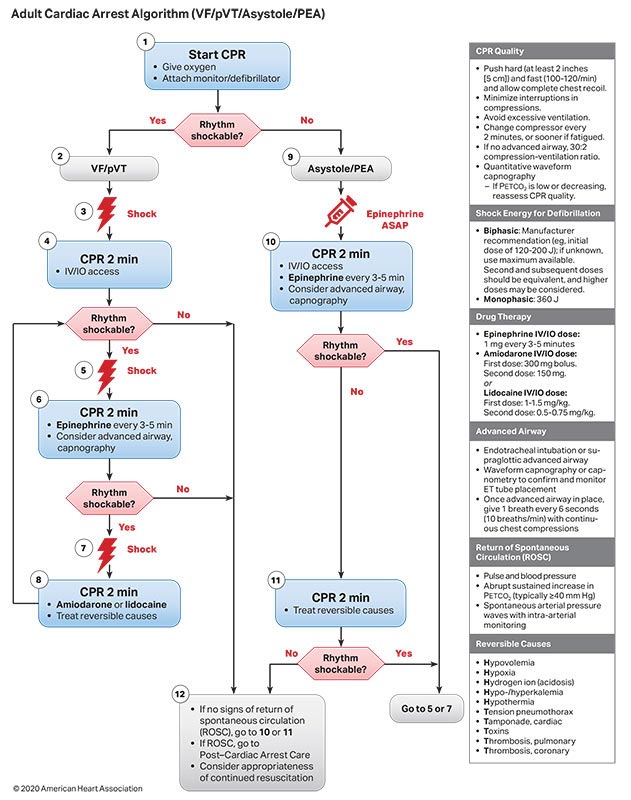
-
This question is part of the following fields:
- Cardiovascular
- Pharmacology
-
-
Question 36
Correct
-
All of the following statements are considered true regarding randomized control trials, except:
Your Answer: They can eliminate the need for further studies
Explanation:Meta-analysis is a quantitative, formal, epidemiological study design used to systematically assess previous research studies to derive conclusions about that body of research. Outcomes from a meta-analysis may include a more precise estimate of the effect of treatment or risk factor for disease, or other outcomes, than any individual study contributing to the pooled analysis. The examination of variability or heterogeneity in study results is also a critical outcome.
The benefits of meta-analysis include a consolidated and quantitative review of a large, and often complex, sometimes apparently conflicting, body of literature. The specification of the outcome and hypotheses that are tested is critical to the conduct of meta-analyses, as is a sensitive literature search.Important medical questions are typically studied more than once, often by different research teams in different locations. In many instances, the results of these multiple small studies of an issue are diverse and conflicting, which makes the clinical decision-making difficult. The need to arrive at decisions affecting clinical practise fostered the momentum toward evidence-based medicine. Evidence-based medicine may be defined as the systematic, quantitative, preferentially experimental approach to obtaining and using medical information. Therefore, meta-analysis, a statistical procedure that integrates the results of several independent studies, plays a central role in evidence-based medicine.
-
This question is part of the following fields:
- Evidence Based Medicine
-
-
Question 37
Correct
-
Innate, or non-specific, immunity is the immune system we are born with.
Which of the following is NOT an example of innate immunity? Select ONE answer only.Your Answer: T-lymphocytes
Explanation:Innate, or non-specific, immunity is the immune system we are born with.
There are three aspects of innate immunity:
1. Anatomical barriers, such as:
The cough reflex
Enzymes in tears and skin oils
Mucus – which traps bacteria and small particles
Skin
Stomach acid
2. Humoral barriers, such as:
The complement system
Interleukin-1
3. Cellular barriers, such as:
Neutrophils
Macrophages
Dendritic cells
Natural killer cells
Antibody production is part of the specific, or inducible immune response. T-lymphocytesare responsible for the cell mediated immune response which is part of specific, or inducible immunity. -
This question is part of the following fields:
- General Pathology
- Pathology
-
-
Question 38
Correct
-
When the breast cancer of a 60-year old patient metastasizes and compresses the intervertebral foramina between the fourth and fifth cervical vertebrae, as well as the fourth and fifth thoracic vertebrae, this causes back pain. Which pair of nerves is most likely affected?
Your Answer: Fifth cervical and fourth thoracic nerves
Explanation:The fifth cervical nerve passes between the fourth and fifth cervical vertebrae, and the fourth thoracic nerve passes between the fourth and fifth thoracic vertebrae. Therefore, when the cancer metastasizes in this area, they are most likely affected.
-
This question is part of the following fields:
- Anatomy
- Head And Neck
-
-
Question 39
Correct
-
Most of the lymph from vessels that drain the breast is collected in which of the following lymph nodes?
Your Answer: Axillary nodes
Explanation:Lymph is the fluid that flows through the lymphatic system.
Axillary lymph nodes are near the breasts. They are often the first location to which breast cancer spreads if it moves beyond the breast tissue. They receive approximately 75% of lymph drainage from the breast via lymphatic vessels, laterally and superiorly.
The lymph usually first drains to the anterior axillary nodes, and from here, through the central axillary, apical, and supraclavicular nodes in sequence.
-
This question is part of the following fields:
- Anatomy
- Upper Limb
-
-
Question 40
Incorrect
-
Regarding calcium channel blockers, which of the following statements is CORRECT:
Your Answer: Intravenous nimodipine is licensed for the treatment of acute life-threatening hypertension.
Correct Answer: Calcium channel blockers inhibit L-type voltage-sensitive calcium channels in arterial smooth muscle causing vasodilation.
Explanation:Calcium channel blockers inhibit L-type voltage-sensitive calcium channels in arterial smooth muscle, causing relaxation and vasodilation (reduction in peripheral vascular resistance). They also block calcium channels within the myocardium and conducting tissues of the heart which produces a negative inotropic effect by reducing calcium influx during the plateau phase of the action potential.
They have a variety of uses, including:
Hypertension
Angina
Atrial fibrillation
Migraine
Calcium channel blockers have been found to be moderately useful in the prevention of migraines. The best evidence is for this is with verapamil. This may be due to the prevention of the arteriolar constriction that is associated with migraine. They are commonly used for this elsewhere in the world but are not currently licensed for this use in the UK.
The following are common side effects of all calcium-channel blockers:
Abdominal pain
Dizziness
Drowsiness
Flushing
Headache
Nausea and vomiting
Palpitations
Peripheral oedema
Skin reactions
Tachycardia
Verapamil is highly negatively inotropic and reduces cardiac output, slows the heart rate and may impair atrioventricular conduction. It may precipitate heart failure, exacerbate conduction disorders, and cause hypotension at high doses and should not be used with beta-blockers. Nifedipine has less myocardial effects than verapamil and has no antiarrhythmic properties but has more influence on the vessels. Nimodipine is used solely for the prevention and treatment of vascular spasm following aneurysmal subarachnoid haemorrhage. -
This question is part of the following fields:
- Cardiovascular
- Pharmacology
-
-
Question 41
Correct
-
A 26-year-old woman is currently 9 weeks pregnant. Upon interview and history taking, she mentioned that she visited a friend whose child had just been diagnosed with slapped cheek disease.
If the mother contracts an illness during pregnancy, which among the following is not known to cause fetal abnormalities?Your Answer: Hepatitis A
Explanation:Hepatitis A usually doesn’t pose a special risk to a pregnant woman or her baby. Maternal infection doesn’t result in birth defects, and a mother typically doesn’t transmit the infection to her baby. HAV is almost always transmitted by the faecal-oral route and is usually acquired through close personal contact or via contaminated food.
When a woman has chickenpox in the first 20 weeks of pregnancy, there is a 1 in 50 chance for the baby to develop a set of birth defects. This is called the congenital varicella syndrome. It includes scars, defects of muscle and bone, malformed and paralyzed limbs, small head size, blindness, seizures, and intellectual disability.
TORCH Syndrome refers to infection of a developing foetus or newborn by any of a group of infectious agents. “TORCH” is an acronym meaning (T)toxoplasmosis, (O)ther Agents, (R)ubella (also known as German Measles), (C)ytomegalovirus, and (H)erpes Simplex.
Infection with any of these agents may cause a constellation of similar symptoms in affected newborns. These may include fever; difficulties feeding; small areas of bleeding under the skin, causing the appearance of small reddish or purplish spots; enlargement of the liver and spleen (hepatosplenomegaly); yellowish discoloration of the skin, whites of the eyes, and mucous membranes (jaundice); hearing impairment; abnormalities of the eyes; and other symptoms and findings. -
This question is part of the following fields:
- Microbiology
- Specific Pathogen Groups
-
-
Question 42
Correct
-
A 22 year old student has recently returned from travelling around Kenya and presents to ED with a headache and persistent fever. Malaria is being considered as a potential diagnosis. Which of the following strains of malaria is most likely:
Your Answer: Plasmodium falciparum
Explanation:Malaria is an infectious disease transmitted by female of theAnophelesgenus of mosquito. It is a parasitic infection caused by the genusPlasmodium. Five species are recognized as causing disease in humans;Plasmodium falciparum,Plasmodium ovale,Plasmodium vivax,Plasmodium malariaeandPlasmodium knowlesi.
The classic symptom of malaria is the malarial paroxysm, a cyclical occurrence of a cold phase, where the patient experiences intense chills, a hot stage, where the patient feels extremely hot and finally a sweating stage, where the fever declines and the patient sweats profusely. On examination the patient may show signs of anaemia, jaundice and have hepatosplenomegaly without evidence of lymphadenopathy.Plasmodium falciparum is the most serious form and is responsible for most deaths. Severe or complicated malaria is suggested by the presence of impaired consciousness, seizures, hypoglycaemia, anaemia, renal impairment, respiratory distress and spontaneous bleeding.
Plasmodium falciparum is the most likely type in this case in view of the presentation.
Haemoglobinuria and renal failure following treatment is suggestive of blackwater fever, which is caused byPlasmodium falciparum. An autoimmune reaction between the parasite and quinine causes haemolysis, haemoglobinuria, jaundice and renal failure. This can be fatal.
The benign malarias: P.vivax, P. malariae and P.ovale are usually treated with chloroquine. A course of primaquine is also required in P.vivax and P.ovale infection. Artesunate is the drug treatment of choice for Plasmodium falciparum malaria. Quinine can still be used where artesunate is not available. Often combination therapy with drugs such as doxycycline or fansidar is also required. -
This question is part of the following fields:
- Microbiology
- Pathogens
-
-
Question 43
Incorrect
-
Regarding relationships between two variables, what does a negative correlation coefficient indicate:
Your Answer: The two variables are directly proportional
Correct Answer: The two variables are inversely related
Explanation:A negative correlation coefficient means that the two variables are inversely related e.g. socio-economic class and mortality.
-
This question is part of the following fields:
- Evidence Based Medicine
- Statistics
-
-
Question 44
Incorrect
-
A patient is referred to the Medicine Department for complaints of unilateral hearing loss, tinnitus and facial numbness. Upon further investigation, an acoustic neuroma is given as the final diagnosis.
Which of the following nerves is least likely to be affected in acoustic neuroma?Your Answer: Facial nerve
Correct Answer: Trochlear nerve
Explanation:Acoustic neuroma is also called vestibular schwannoma (VS), acoustic neuroma, vestibular neuroma or acoustic neurofibroma. These are tumours that evolve from the Schwann cell sheath and can be either intracranial or extra-axial. They usually occur adjacent to the cochlear and vestibular nerves and most often arise from the inferior division of the latter. Anatomically, acoustic neuroma tends to occupy the cerebellopontine angle. About 5-10% of cerebellopontine angle (CPA) tumours are meningiomas and may occur elsewhere in the brain. Bilateral acoustic neuromas tend to be exclusively found in individuals with type 2 neurofibromatosis.
The following nerves may be affected due to nerve compression:
Facial nerve: usually minimal with late presentation except for very large tumours. Depending on the degree of engagement of the nerve, the symptoms may include twitching, increased lacrimation and facial weakness.
Trigeminal Nerve: paraesthesia in the trigeminal distribution, tingling of the tongue, impairment of the corneal reflex, and less commonly pain which may mimic typical trigeminal neuralgia.
Glossopharyngeal and Vagus nerves: palatal paresis, hoarseness of voice and dysphagia
-
This question is part of the following fields:
- Anatomy
- Central Nervous System
-
-
Question 45
Correct
-
A patient suffers a stab wound to the neck. The entry point of the blade is situated within the anterior triangle of the neck.
Which of the following muscles is most likely to be involved? Select ONE answer only.Your Answer: Sternohyoid
Explanation:The anterior triangle is the triangular area of the neck found anteriorly to the sternocleidomastoid muscle. It is formed by the anterior border of sternocleidomastoid laterally, the median line of the neck medially and by the inferior border of the mandible superiorly. The apex of the anterior triangle extends towards the manubrium sterni. The anterior triangle contains:
Muscles: thyrohyoid, sternothyroid, sternohyoid muscles
Organs: thyroid gland, parathyroid glands, larynx, trachea, esophagus, submandibular gland, caudal part of the parotid gland
Arteries: superior and inferior thyroid, common carotid, external carotid, internal carotid artery (and sinus), facial, submental, lingual arteries
Veins: anterior jugular veins, internal jugular, common facial, lingual, superior thyroid, middle thyroid veins, facial vein, submental vein, lingual veins
Nerves: vagus nerve (CN X), hypoglossal nerve (CN XII), part of sympathetic trunk, mylohyoid nerveThe posterior triangle is a triangular area found posteriorly to the sternocleidomastoid muscle. It has three borders; anterior, posterior and inferior borders. The anterior border is the posterior margin of the sternocleidomastoid muscle. The posterior border is the anterior margin of the trapezius muscle, while the inferior border is the middle one-third of the clavicle. The investing layer of deep cervical fascia and integument forms the roof of the space, while the floor is covered with the prevertebral fascia along with levator scapulae, splenius capitis and the scalene muscles. The inferior belly of omohyoid subdivides the posterior triangle into a small supraclavicular, and a large occipital, triangle.
Contents:
Vessels: the third part of the subclavian artery, suprascapular and transverse cervical branches of the thyrocervical trunk, external jugular vein, lymph nodes
Nerves: accessory nerve (CN XI), the trunks of the brachial plexus, fibers of the cervical plexus -
This question is part of the following fields:
- Anatomy
- Head And Neck
-
-
Question 46
Correct
-
The neurotransmitter in the synaptic cleft is either eliminated or deactivated after the postsynaptic cell responds to the neurotransmitter.
Which of the following enzymes catalyses the breakdown of noradrenaline?Your Answer: Catechol-O-methyltransferase (COMT)
Explanation:The neurotransmitter in the synaptic cleft is either eliminated or deactivated after the post-synaptic cell responds to the neurotransmitter.
This can be accomplished in a variety of ways:
Re-uptake
Breakdown
DiffusionSerotonin is an example of a neurotransmitter that is uptake. Serotonin is absorbed back into the presynaptic neuron via the serotonin transporter (SERT), which is found in the presynaptic membrane. Re-uptake neurotransmitters are either recycled by repackaging into vesicles or broken down by enzymes.
Specific enzymes found in the synaptic cleft can also break down neurotransmitters. The following enzymes are examples of these enzymes:
Acetylcholinesterase (AChE) catalyses the acetylcholine breakdown (ACh)
The enzyme catechol-O-methyltransferase (COMT) catalyses the breakdown of catecholamines like adrenaline , dopamine and noradrenaline.The breakdown of catecholamines, as well as other monoamines like serotonin, tyramine, and tryptamine, is catalysed by monoamine oxidases (MOA).
Diffusion of neurotransmitters into nearby locations can also be used to eliminate them. -
This question is part of the following fields:
- Basic Cellular Physiology
- Physiology
-
-
Question 47
Correct
-
Which of the following immunoglobulins is most important for mast cell degranulation:
Your Answer: IgE
Explanation:IgA is the major Ig in secretions, particularly from the gastrointestinal tract (but also in saliva, tears, sweat and breast milk).
IgE is important for mast cell degranulation in allergic and antiparasitic response. In the allergic response, the plasma cell produces IgE-antibodies, which, like antibodies of other immunoglobulin isotypes, are capable of binding a specific allergen via its Fab portion.
IgG is the most abundant in plasma (comprising 80% of normal serum immunoglobulin) and the main circulatory Ig for the secondary immune response. -
This question is part of the following fields:
- Immune Responses
- Pathology
-
-
Question 48
Correct
-
A 61-year-old patient experiences a spontaneous rupture of his Achilles tendon following a course of antibiotics
Which of the antibiotics listed below is MOST likely to be the cause?Your Answer: Ciprofloxacin
Explanation:Tendinopathy and spontaneous tendon rupture are caused by fluoroquinolones, which are an uncommon but well-known cause. Tendon problems caused by fluoroquinolones are expected to affect 15 to 20 people per 100,000. Patients over the age of 60 are most likely to develop them.
It usually affects the Achilles tendon, but it has also been described in cases involving the quadriceps, peroneus brevis, extensor pollicis longus, long head of biceps brachii, and rotator cuff tendons. The exact aetiology is uncertain, although the fluoroquinolone medication is thought to obstruct collagen activity and/or cut off blood supply to the tendon.
Other factors linked to tendon rupture spontaneously include:
Gout
Treatment with corticosteroids
Hypercholesterolaemia
Long-term dialysis
Kidney transplant
Rheumatoid arthritis -
This question is part of the following fields:
- Infections
- Pharmacology
-
-
Question 49
Correct
-
The extensor digitorum longus is supplied by which nerve?
Your Answer: Deep peroneal nerve
Explanation:The extensor digitorum longus is innervated by the deep fibular nerve (L5, S1), a branch of the common fibular nerve.
-
This question is part of the following fields:
- Anatomy
- Lower Limb
-
-
Question 50
Correct
-
Gastrin release from antral G-cells is stimulated by all but which one of the following:
Your Answer: Secretin
Explanation:Gastrin secretion is stimulated by:
The presence of small peptides and amino acids in chyme
Gastric distension
Vagal stimulation directly via acetylcholine and indirectly via gastrin-releasing peptide (GRP)
Raised gastric pH -
This question is part of the following fields:
- Gastrointestinal
- Physiology
-
-
Question 51
Correct
-
Arterial baroreceptors are located primarily in which of the following:
Your Answer: Carotid sinus and aortic arch
Explanation:Arterial baroreceptors are located in the carotid sinus and aortic arch, and detect the mean arterial pressure (MAP). A decrease in MAP (such as in postural hypotension, or haemorrhage) reduces arterial stretch and decreases baroreceptor activity, resulting in decreased firing in afferent nerves travelling via the glossopharyngeal nerve (carotid sinus) and vagus nerve (aortic arch) to the medulla where the activity of the autonomic nervous system is coordinated. Sympathetic nerve activity consequently increases, causing an increase in heart rate and cardiac contractility, peripheral vasoconstriction with an increase in TPR, and venoconstriction with an increase in CVP and thus an increase in cardiac output and blood pressure. Parasympathetic activity (vagal tone) decreases, contributing to the rise in heart rate.
-
This question is part of the following fields:
- Cardiovascular
- Physiology
-
-
Question 52
Correct
-
Digoxin is contraindicated in all of the following EXCEPT for:
Your Answer: Asthma
Explanation:Digoxin is contraindicated in:Supraventricular arrhythmias associated with accessory conduction pathways e.g. Wolff-Parkinson-White syndromeVentricular tachycardia or fibrillationHeart conduction problems e.g. second degree or intermittent complete heart blockHypertrophic cardiomyopathy (unless concomitant atrial fibrillation and heart failure but should be used with caution)
-
This question is part of the following fields:
- Cardiovascular
- Pharmacology
-
-
Question 53
Incorrect
-
Identify the type of graph described below:
A graph that is a useful summary of a set of bivariate data (two variables), usually drawn before working out a linear correlation coefficient or fitting a regression line.Your Answer: Pareto chart
Correct Answer: Scatterplot
Explanation:A scatterplot is a useful summary of a set of bivariate data (two variables), usually drawn before working out a linear correlation coefficient or fitting a regression line. It gives a good visual picture of the relationship between the two variables, and aids the interpretation of the correlation coefficient or regression model. Each unit contributes one point to the scatterplot, on which points are plotted but not joined. The resulting pattern indicates the type and strength of the relationship between the two variables.
-
This question is part of the following fields:
- Evidence Based Medicine
-
-
Question 54
Correct
-
A 38-year-old taxi driver sustained blunt force trauma to his anterior chest from the steering wheel of his car after falling asleep while driving headlong into an oncoming HGV lorry. Bruising around his sternum was observed, which appears to be the central point of impact.
Which of the following structures is most likely injured by the blunt force trauma?Your Answer: Right ventricle
Explanation:In its typical anatomical orientation, the heart has 5 surfaces formed by different internal divisions of the heart:
Anterior (or sternocostal) – Right ventricle
Posterior (or base) – Left atrium
Inferior (or diaphragmatic) – Left and right ventricles
Right pulmonary – Right atrium
Left pulmonary – Left ventricle -
This question is part of the following fields:
- Anatomy
- Thorax
-
-
Question 55
Correct
-
A 27 year old woman presents to ED having sustained a deep laceration to the dorsum of her ring finger whilst cooking. Her proximal interphalangeal joint is fixed in flexion and the distal interphalangeal joint is hyperextended. Which of the following structures in the digit has most likely been injured:
Your Answer: Insertion of the central slip of the extensor tendon
Explanation:Damage to the central slip of the extensor digitorum tendon would result in loss of extension at the proximal interphalangeal joint resulting in a fixed flexion deformity of this joint, and hyperextension of the distal interphalangeal joint due to a loss of balancing forces. This is called the Boutonniere deformity.
-
This question is part of the following fields:
- Anatomy
- Upper Limb
-
-
Question 56
Incorrect
-
A 67-year-old female presents with a history of morning stiffness and arthritis of her hand joints. She is being investigated for rheumatoid arthritis.
Which test is most sensitive and specific for this diagnosis?
Your Answer: ANA
Correct Answer: Anti-CCP
Explanation:Anti-cyclic citrullinated peptide (anti-CCP) is an antibody present in 60-80% of rheumatoid arthritis patients. It is measured by enzyme-linked immunosorbent assay (ELISA). It may be present years before the onset of the disease and is associated with a more severe disease course.
While most patients with anti-CCP antibodies are also positive for rheumatoid factor (RF), RF antibody is not specific for rheumatoid arthritis as it can occur in patients with other conditions such as infections and other autoimmune conditions.
ESR, antinuclear antibodies(ANA) and Synovial fluid examination are not specific for rheumatoid arthritis.
-
This question is part of the following fields:
- General Pathology
- Pathology
-
-
Question 57
Incorrect
-
Which of the following statements is correct regarding the partial pressure of oxygen during respiration?
Your Answer: Alveolar PO 2 > Inhaled PO 2
Correct Answer: Exhaled PO 2 > Alveolar PO 2
Explanation:Because of humidification, inspired PO2 in the airways is less than inhaled PO2.
Because of gas exchange, alveolar PO2 is less than inhaled or inspired PO2.
Because of mixing with anatomical dead space (air that has not taken part in gas exchange, exhaled PO2 is greater than alveolar O2, and therefore that has relatively higher PO2 on the way out, but is less than inhaled or inspired PO2.
Typical values for a resting young healthy male (in kPa) are shown below:
-Inhaled air: PO221.2, PCO20.0
-Inspired air in airways (after humidification): PO219.9, PCO20.0
-Alveolar air (after equilibrium with pulmonary capillaries): PO213.3, PCO25.3
-Exhaled air (after mixing with anatomical dead space air): PO215.5, PCO24.3 -
This question is part of the following fields:
- Physiology
- Respiratory
-
-
Question 58
Correct
-
Which of the following best describes the typical rash of measles:
Your Answer: The typical rash of measles is maculopapular, starting behind the ears and spreading downwards to the trunk.
Explanation:A prodromal 2 – 4 day coryzal illness (fever, cough, conjunctivitis, irritability) normally occurs associated with Koplik’s spots (small white papules found on the buccal mucosa near the first premolars), before a morbilliform maculopapular rash appears, first behind the ears and then spreading downwards to whole body.The rash peels off or fades about about 7 – 10 days. The chickenpox rash is characterised by a maculopapular rash progressing to vesicles and then crusting over. Scarlet fever is characterised by a sandpaper like rash associated with a strawberry tongue.
-
This question is part of the following fields:
- Microbiology
- Pathogens
-
-
Question 59
Correct
-
A 60-year-old male presents to the genitourinary clinic with dysuria and urinary frequency complaints. He has a past medical history of benign prostate enlargement, for which he has been taking tamsulosin. There is blood, protein, leucocytes, and nitrites on a urine dipstick. Fresh blood tests were sent, and his estimated GFR is calculated to be >60 ml/minute. A urinary tract infection (UTI) diagnosis is made, and he is prescribed antibiotics. Out of the following, which antibiotic is most appropriate to be prescribed to this patient?
Your Answer: Ciprofloxacin
Explanation:URINARY TRACT INFECTIONS IN ADULT MEN
Symptomatic urinary tract infections are much less common in men than in women, and all UTIs
in men are considered complicated UTIs. Men with UTIs should be evaluated for predisposing or
causative factors.Uncomplicated cystitis
- Fosfomycin, oral, 3 g as a single dose.
If fosfomycin is unavailable:
- Nitrofurantoin, oral, 100 mg 6 hourly for 5 days.
Do not use nitrofurantoin or fosfomycin if there is any suspicion of early pyelonephritis as they do
not achieve adequate renal tissue levels.
If there are any factors precluding the use of the above agents, then a beta-lactam should be used.
Options include:
Cefixime 200 mg PO 12 hourly for 7 days
OR
Cefpodoxime 100 mg PO 12 hourly for 7 daysComplicated cystitis
Adults- Ciprofloxacin 500 mg PO 12 hourly
OR - Levofloxacin 750 mg PO once daily
Empiric antibiotic therapy should be changed based upon the bacteria isolated and its
antimicrobial susceptibility.
Treat for a total of 7–14 days -
This question is part of the following fields:
- Infections
- Pharmacology
-
-
Question 60
Correct
-
Vitamin D is a group of secosteroids that play a role in calcium and phosphate control. Vitamin D's hormonally active metabolite is 1,25-dihydroxycholecalciferol.
Which of the following actions of 1,25-dihydroxycholecalciferol is a direct action?Your Answer: Increases renal phosphate reabsorption
Explanation:The hormone-active metabolite of vitamin D is 1,25-dihydroxycholecalciferol (commonly known as calcitriol). Its activities raise calcium and phosphate levels in the bloodstream.
The following are the primary effects of 1,25-dihydroxycholecalciferol:
Calcium and phosphate absorption in the small intestine is increased.
Calcium reabsorption in the kidneys is increased.
Increases phosphate reabsorption in the kidneys.
Increases the action of osteoclastic bacteria (increasing calcium and phosphate resorption from bone)
Inhibits the action of 1-alpha-hydroxylase in the kidneys (negative feedback)
Thyroid hormone (parathyroid hormone) Calcium reabsorption in the tubules of the kidneys is increased, but renal phosphate reabsorption is decreased. -
This question is part of the following fields:
- Endocrine Physiology
- Physiology
-
-
Question 61
Correct
-
A 15-year-old girl took 20 tablets of paracetamol almost 4 hours ago after her mother for refused to provide her permission for her to go on a girl's trip. The girl is healthy and has no known comorbidities or drug history. Which one of the following is TRUE regarding paracetamol?
Your Answer: It is excreted renally
Explanation:Acetaminophen is an acetanilide derivative and is a widely used non-prescription analgesic and antipyretic medication for mild-to-moderate pain and fever.
The route of elimination: Paracetamol is metabolised extensively in the liver and excreted in the urine mainly as inactive glucuronide and sulfate conjugates, <5% is excreted as free (unconjugated) acetaminophen, and >90% of the dose administered is excreted within 24 hours.
It is thought to work by selectively inhibiting COX-1 receptors in the brain and spinal cord: It is categorized by the FDA as an NSAID as it is believed to selectively inhibit cyclo-oxygenase 3 (COX-3) receptors in the brain and spinal cord.
COX-3 is a unique variant of the more known COX-1 and COX-2. It is responsible for the production of prostaglandins in central areas, which sensitizes free nerve endings to the chemical mediators of pain. Therefore, by selectively inhibiting COX-3, paracetamol effectively reduces pain sensation by increasing the pain threshold.
Toxicity is primarily due to glutathione production: Acetaminophen metabolism by the CYP2E1 pathway releases a toxic metabolite known as N-acetyl-p-benzoquinoneimine (NAPQI). NAPQI primarily contributes to the toxic effects of acetaminophen. NAPQI is an intermediate metabolite that is further metabolized by fast conjugation with glutathione. The conjugated metabolite is then excreted in the urine as mercapturic acid. High doses of acetaminophen (overdoses) can lead to hepatic necrosis due to depleting glutathione and high binding levels of reactive metabolite (NAPQI) to important parts of liver cells.
Acetaminophen can be administered orally, rectally, or intravenously. It is predominantly metabolized in the liver, and the elimination half-life is 1-3 hours after a therapeutic dose. But maybe greater than 12 hours after an overdose.
It is primarily metabolized via the cytochrome p450 enzyme system: It is predominantly metabolized in the liver by three main metabolic pathways:
1. Glucuronidation (45-55%)
2. Sulphate conjugation (30-35%)
3. N-hydroxylation via the hepatic cytochrome p450 enzyme system (10-15%) -
This question is part of the following fields:
- CNS Pharmacology
- Pharmacology
-
-
Question 62
Correct
-
A young 20-year-old boy is a known case of type I diabetes mellitus. Today, he presents with polyuria, polydipsia, and abdominal pain in the emergency department. His blood sugar is drawn, which is markedly elevated to 7 mmol/L. Quick ABGs are drawn, which show metabolic acidosis. You diagnose the patient to be suffering from diabetic ketoacidosis (DKA) and immediately commence its treatment protocol in which insulin is also administered.
Out of the following, which parameter is MOST likely to change due to initiating insulin?Your Answer: Potassium
Explanation:Diabetes ketoacidosis is an acute complication of diabetes mellitus. Insulin is administered to achieve euglycemia, and crystalloids or colloidal solution is administered to achieve euvolemia and euelectrolytaemia.
Potassium levels severely fluctuate during the treatment of DKA, hypokalaemia being more common. Insulin promotes the cell to take up potassium from the extracellular space via increased sodium-potassium pump activity.
It is important to monitor potassium levels during the treatment of DKA regularly. It is widely suggested that the normal saline shall be used for initial resuscitation, and once the potassium level is retrieved, the patient can be started on potassium replacement should the serum potassium level be between 3.3 and 4.5 mmol/L
If potassium levels fall below 3.3 mmol/l, insulin administration may need to be interrupted to correct the hypokalaemia. -
This question is part of the following fields:
- Endocrine Pharmacology
- Pharmacology
-
-
Question 63
Correct
-
What is the approximate lifespan of the mature erythrocyte:
Your Answer: 120 days
Explanation:Erythrocytes have a normal lifespan of about 120 days. Mature erythrocytes are biconcave discs with no nucleus, ribosomes or mitochondria but with the ability to generate energy as ATP by the anaerobic glycolytic pathway. The red cell membrane consists of a bipolar lipid layer with a membrane skeleton of penetrating and integral proteins anchoring carbohydrate surface antigens. The shape and flexibility of red cells allows them to deform easily and pass through capillaries.
-
This question is part of the following fields:
- Basic Cellular
- Physiology
-
-
Question 64
Correct
-
A 60-year-old man comes to your department with complaints of epigastric pain. There is a history of rheumatoid arthritis and he has been taking ibuprofen 200 mg TDS for the last 2 weeks.
The following scenarios would prompt you to consider the co-prescription of a PPI for gastroprotection with NSAIDs EXCEPT?
Your Answer: Long-term use for chronic back pain in a patient aged 30
Explanation:The current recommendations by NICE suggest that gastro-protection should be considered if patients have ≥1 of the following:
Aged 65 or older
– Using maximum recommended dose of an NSAID
– History of peptic ulcer or GI bleeding
– Concomitant use of: antidepressants like SSRIs and SNRIs, Corticosteroids, anticoagulants and low dose aspirin
– Long-term NSAID usage for: long-term back pain if older than 45 and patients with OA or RA at any ageThe maximum recommended dose of ibuprofen is 2.4 g daily and this patient is on 400 mg of ibuprofen TDS.
-
This question is part of the following fields:
- Musculoskeletal Pharmacology
- Pharmacology
-
-
Question 65
Correct
-
The proximal convoluted tubule (PCT) is the first part of the renal tubule and lies in the renal cortex. The bulk of reabsorption of solute occurs is the PCT and 100% of glucose is reabsorbed here.
Which of the following is the mechanism of glucose reabsorption in the PCT?Your Answer: Secondary active transport
Explanation:Glucose reabsorption occurs exclusively in the proximal convoluted tubule by secondary active transport through the Na.Glu co-transporters, driven by the electrochemical gradient for sodium.
The co-transporters transport two sodium ions and one glucose molecule across the apical membrane, and the glucose subsequently crosses the basolateral membrane by facilitated diffusion. -
This question is part of the following fields:
- Physiology
- Renal Physiology
-
-
Question 66
Correct
-
Caseous necrosis is typically seen in which of the following:
Your Answer: Tuberculosis
Explanation:Caseous necrosis is most commonly seen in tuberculosis. Histologically, the complete loss of normal tissue architecture is replaced by amorphous, granular and eosinophilic tissue with a variable amount of fat and an appearance reminiscent of cottage cheese.
-
This question is part of the following fields:
- Inflammatory Responses
- Pathology
-
-
Question 67
Incorrect
-
A young male has presented to you with respiratory depression and small pupils on examination. You diagnose opioid overdose and immediately start therapy with Naloxone.
Which of the following statements is TRUE regarding naloxone?Your Answer: It can only be given by the intravenous route
Correct Answer: It can be given by a continuous infusion if repeated doses are required
Explanation:Naloxone is a short-acting, specific antagonist of mu(μ)-opioid receptors. It is used to reverse the effects of opioid toxicity.
It can be given by a continuous infusion if repeated doses are required and the infusion rate is adjusted according to the vital signs. Initially, the infusion rate can be set at 60% of the initial resuscitative IV dose per hour.
Naloxone has a shorter duration of action (6-24 hours) than most opioids and so close monitoring according to the respiratory rate and depth of coma and repeated injections are necessary. When repeated doses are needed in opioid addicts, naloxone administration may precipitate a withdrawal syndrome with abdominal cramps, nausea and diarrhoea, but these usually settle within 2 hours.
An initial dose of 0.4 to 2 mg can be given intravenously and can be repeated at 2 to 3-minute intervals to a maximum of 10mg.
If the intravenous route is inaccessible, naloxone can be administered via an IO line, subcutaneously (SQ), IM, or via the intranasal (IN) route.
-
This question is part of the following fields:
- CNS Pharmacology
- Pharmacology
-
-
Question 68
Correct
-
As part of his angina treatment, a 68-year-old man is prescribed a beta blocker. He starts having nightmares and has trouble sleeping soon after starting the beta-blocker.
Which of the beta blockers listed below is the most likely to be in his system?Your Answer: Propranolol
Explanation:The beta-adrenoceptors in the heart, peripheral vasculature, bronchi, pancreas, and liver are blocked by beta-adrenoceptor blocking drugs (beta blockers).
Beta blockers come in a wide range of strengths, with the choice largely determined by the disease being treated and the patient’s unique circumstances. The intrinsic sympathomimetic activity, lipid solubility, duration of action, and cardioselectivity of beta blockers all differ.
Some beta blockers are lipid (lipophilic) soluble, while others are water soluble (hydrophilic). Drugs that are more lipid-soluble are absorbed faster from the gut, undergo more first-pass metabolism, and are eliminated faster. They’re also more likely to get into the brain and cause central effects like insomnia and nightmares. Propranolol, pindolol, labetalol, and metoprolol are examples of lipid-soluble beta blockers. Beta blockers that are water-soluble are less likely to enter the brain and are more resistant to first-pass metabolism. They are excreted by the kidneys, and in renal impairment, dosage reduction is frequently required. Atenolol, nadolol, celiprolol, and sotalol are examples of water-soluble beta blockers.
-
This question is part of the following fields:
- Cardiovascular Pharmacology
- Pharmacology
-
-
Question 69
Correct
-
Regarding airway resistance, which of the following statements is CORRECT:
Your Answer: Airway resistance is predominantly determined by the radius of the airway as described by Poiseuille's law.
Explanation:Flow through airways is described by Darcy’s law which states that flow is directly proportional to the mouth-alveolar pressure gradient and inversely proportional to airway resistance. Airway resistance is primarily determined by the airway radius according to Poiseuille’s law, and whether the flow is laminar or turbulent. Parasympathetic stimulation causes bronchoconstriction and sympathetic stimulation causes bronchodilation, but mediated by beta2-adrenoceptors. Muscarinic antagonists e.g. ipratropium bromide cause bronchodilation.
-
This question is part of the following fields:
- Physiology
- Respiratory
-
-
Question 70
Correct
-
The QRS duration of a broad-complex tachyarrhythmia is:
Your Answer: Greater than or equal to 0.12 s
Explanation:It’s a broad-complex tachycardia if the QRS duration is 0.12 seconds or more. It’s a narrow-complex tachycardia if the QRS complex is shorter than 0.12 seconds. The QRS duration should be examined if the patient with tachyarrhythmia is stable.
-
This question is part of the following fields:
- Cardiovascular
- Pharmacology
-
-
Question 71
Correct
-
Which of the following clinical features is most suggestive of a lesion of the temporal lobe:
Your Answer: Receptive dysphasia
Explanation:Damage to the Wernicke’s speech area in the temporal lobe can result in a receptive dysphasia. Hemispatial neglect is most likely to occur in a lesion of the parietal lobe. Homonymous hemianopia is most likely to occur in a lesion of the occipital lobe. Expressive dysphasia is most likely to occur in a lesion of the Broca speech area in the frontal lobe. Conjugate eye deviation towards the side of the lesion is most likely to occur in a lesion of the frontal lobe.
-
This question is part of the following fields:
- Anatomy
- Central Nervous System
-
-
Question 72
Correct
-
Regarding Clostridium tetani, which of the following statements is CORRECT:
Your Answer: Metronidazole is usually the antibiotic of choice for tetanus infection.
Explanation:Clostridium tetani infection is predominantly derived from animal faeces and soil. Clostridium tetani has exotoxin-mediated effects, predominantly by tetanospasmin which inhibits the release of GABA at the presynaptic membrane throughout the central and peripheral nervous system. Metronidazole has overtaken penicillin as the antibiotic of choice for treatment of tetanus (together with surgical debridement, tetanus toxoid immunisation, and human tetanus immunoglobulin).
-
This question is part of the following fields:
- Microbiology
- Pathogens
-
-
Question 73
Correct
-
Noradrenaline exhibits its positive inotropic effect by which of the following mechanisms:
Your Answer: Binds to beta1-receptors and causes increased Ca2+ entry via L-type channels during the action potential
Explanation:Noradrenaline (the sympathetic neurotransmitter) is a positive inotrope; it binds to β1-adrenoceptors on the membrane and causes increased Ca2+entry via L-type channels during the AP and thus increases Ca2+release from the SR. Noradrenaline also increases Ca2+sequestration into the SR and thus more Ca2+is available for the next contraction. Cardiac glycosides (e.g. digoxin) slow the removal of Ca2+from the cell by inhibiting the membrane Na+pump which generates the Na+gradient required for driving the export of Ca2+; consequently the removal of Ca2+from the myocyte is slowed and more Ca2+is available for the next contraction. Acidosis is negatively inotropic, largely because H+competes for Ca2+binding sites.
-
This question is part of the following fields:
- Cardiovascular
- Physiology
-
-
Question 74
Correct
-
A 32-old woman comes for a follow-up visit after being discharged on medications for her newly diagnosed epilepsy. She now complains of a tremor in her arm when she holds a tray in her hand. You examine the patient and notice she has developed postural tremors.
Which of the following medications for epilepsy is most likely responsible for this tremor?Your Answer: Sodium valproate
Explanation:A postural tumour is observed when a person maintains a position against gravity, such as holding the arms outstretched. (The patient holding her tray against gravity)
Sodium valproate is the most commonly prescribed medication for epilepsy. It is commonly associated with tremors as valproate-induced tremors occur in around 6-45% of patients. The tremors are commonly postural, but a resting tremor may also occur.
Approximately 25% of patients taking sodium valproate are found to develop a tremor within 3-12 months of initiating therapy.
-
This question is part of the following fields:
- CNS Pharmacology
- Pharmacology
-
-
Question 75
Incorrect
-
Regarding Clostridium species, which of the following statements is INCORRECT:
Your Answer: They are rod-shaped.
Correct Answer: They are facultative anaerobes.
Explanation:Clostridium spp. are obligatory anaerobic spore-forming Gram-positive bacilli. Toxin production is the main pathogenicity mechanism.
-
This question is part of the following fields:
- Microbiology
- Pathogens
-
-
Question 76
Correct
-
A 10-year-old girl presents with polyuria, polydipsia, and stomach pain. She has a history of type I diabetes mellitus. On blood gas analysis, she has metabolic acidosis. Diabetic ketoacidosis (DKA) is diagnosed, and therapy is initiated. She becomes increasingly confused when intravenous fluids and insulin are administered.
Which electrolyte imbalance is the MOST likely reason of the increased confusion
Your Answer: Hyponatraemia
Explanation:Because of the shift of water from the intracellular to the extracellular compartment as a result of hyperglycaemia and increased plasma osmolality, dilutional hyponatraemia is common in diabetic ketoacidosis (DKA).
If intravenous fluids are not delivered with caution, hyponatraemia might worsen, which can lead to increased degrees of disorientation. Hyponatraemia has also been linked to an increased risk of cerebral oedema, especially if blood glucose levels drop too quickly following treatment.
Headache, recurrence of vomiting, irritability, Glasgow Coma Scale score, inappropriate heart rate slowing, and rising blood pressure are the most common causes of death in paediatric DKA, and children should be monitored for the symptoms mentioned above. To prevent this from developing, s low osmolarity normalization, attention to glucose and salt levels, as well as hydration over 48 hours, is necessary.
-
This question is part of the following fields:
- Musculoskeletal Pharmacology
- Pharmacology
-
-
Question 77
Incorrect
-
A patient presents with a rash for dermatological examination. A large area of purplish discolouration of the skin that measures 2 cm in diameter and does not blanch when pressure is applied is seen .
What is the best description of this rash that you have found on examination?
Your Answer: Petechiae
Correct Answer: Ecchymoses
Explanation:Ecchymosis are discolouration of the skin or mucous membranes caused by extravasation of blood. They are usually red or purple in colour and measure greater than 1 cm in diameter and do not blanch on applying pressure.
A macule is a flat, well circumscribed area of discoloured skin less than 1 cm in diameter with no changes in the thickness or texture of the skin.
Petechiae are discolouration of the skin measuring less than 3 mm in diameter
Purpura are discolouration of the skin measuring between 0.3 cm and 1 cm in diameter.
Erythema is redness of the skin or mucous membranes caused by hyperaemia of superficial capillaries caused by skin injury, infection or inflammation. Erythema blanches when pressure is applied whereas ecchymosis, purpura and petechiae do not.
-
This question is part of the following fields:
- General Pathology
- Pathology
-
-
Question 78
Correct
-
Which cervical interspace is most likely injured if a patient presents with difficulty of shoulder abduction and elbow flexion, pain in the right shoulder and lateral arm, and decreased sensation over the deltoid and lateral arm?
Your Answer: C4-C5
Explanation:In the setting of cervical radiculopathy, because the nerve root of a spinal nerve is compressed or otherwise impaired, the pain and symptomatology can spread far from the neck and radiates to arm, neck, chest, upper back and/or shoulders. Often muscle weakness and impaired deep tendon reflexes are noted along the course of the spinal nerve.
Cervical radiculopathy is almost always unilateral, although, in rare cases, both nerves at a given level may be impacted. Those rare presentations can confound physical diagnosis and require acceleration to advanced imaging especially in cases of trauma. If there is nerve impingement, the affected side will be reduced relative to the unaffected side. Reduction in strength of muscles innervated by the affected nerve is also significant physical finding.
For a C4-C5 injury, the following symptoms may present:
Weakness in the deltoid muscle (front and side of the shoulder) and upper arm
Shoulder pain
Numbness along the outside of the upper arm -
This question is part of the following fields:
- Anatomy
- Head And Neck
-
-
Question 79
Incorrect
-
Langhans giant cells, seen in granulomatous inflammation. are:
Your Answer: The precursor to monocytes
Correct Answer: Multinucleated cells formed from fusion of epithelioid cells
Explanation:A granuloma is a collection of five or more epithelioid macrophages, with or without attendant lymphocytes and fibroblasts; epithelioid macrophages are altered macrophages which have turned themselves over to becoming giant phagocytosing and killing machines, they often fuse to become multinucleate (Langhans) giant cells.
-
This question is part of the following fields:
- Inflammatory Responses
- Pathology
-
-
Question 80
Correct
-
A 26-year old female comes to the Emergency Room with complaints of bloody stools. She reports that prior to the passage of bloody stools, she experienced a sharp pain during defecation. Medical history reveals that she has been experiencing constipation for the past 2 weeks. After completing her medical history and physical examination, the attending physician gives an initial diagnosis of an anal fissure.
Which of the following nerves transmit painful sensation from the anus, resulting in the pain associated with anal fissure?Your Answer: Inferior rectal nerve
Explanation:A fissure in ano is a tear in the anoderm distal to the dentate line. The pathophysiology of anal fissure is thought to be related to trauma from either the passage of hard stool or prolonged diarrhoea. A tear in the anoderm causes spasm of the internal anal sphincter, which results in pain, increased tearing, and decreased blood supply to the anoderm. The site of the anal fissure in the sensitive lower half of the anal canal, which is innervated by the inferior rectal nerve, results in reflex spasm of the external anal sphincter, aggravating the condition. Because of the intense pain, anal fissures may have to be examined under local anaesthesia.
The inferior rectal nerve is a branch of the pudendal nerve. This nerve runs medially across the ischiorectal fossa and supplies the external anal sphincter, the mucous membrane of the lower half of the anal canal, and the perianal skin.
-
This question is part of the following fields:
- Abdomen And Pelvis
- Anatomy
-
-
Question 81
Correct
-
A 32-year old male patient has been diagnosed with meningococcal meningitis and was given appropriate treatments. Because he is a family man, he fears that he might transmit the infection to the rest of his family members.
The causative agent of meningococcal meningitis is spread via what mode of transmission?Your Answer: Respiratory droplet route
Explanation:N. meningitidis, the causative agent of meningococcal meningitis, is considered both a commensal and a pathogen. It can be found in the surfaces of mucous membranes such as the nasopharynx and oropharynx. With this, it can be transmitted from a carrier to a new host via respiratory droplet secretions.
-
This question is part of the following fields:
- Microbiology
- Pathogens
-
-
Question 82
Correct
-
A 13-year-old male presents to the Emergency Department with a heavy nosebleed. His medical record shows that he was diagnosed with Haemophilia B as a child.
What is the mode of inheritance of this disease?Your Answer: X-linked recessive
Explanation:Deficiency of Factor IX causes Haemophilia B, and like the other Haemophilia’s, it has an X-linked recessive pattern of inheritance, affecting males born to carrier mothers.
Haemophilia B is the second commonest form of haemophilia and is rarer than haemophilia A. Haemophilia B is similar to haemophilia A but is less severe. You can distinguish the two disorders by specific coagulation factor assays.
The incidence of Haemophilia B is one-fifth of that of haemophilia A.
In laboratory findings, you get prolonged APTT, normal PT and low factor IX for Haemophilia B.
There is also a variation called Leyden, in which factor IX levels are below 1% until puberty, when they rise, potentially reaching as high as 40-60% of normal. This is thought to be due to the effects of testosterone at puberty.
-
This question is part of the following fields:
- Haematology
- Pathology
-
-
Question 83
Correct
-
Which of the following is NOT a typical clinical feature of diabetic ketoacidosis:
Your Answer: Cheyne–Stokes respiration
Explanation:Clinical features of DKA:
Symptoms: Polyuria, polydipsia, thirst, lethargy, weight loss, nausea, vomiting, anorexia, abdominal pain, dehydration, headache, altered mental state
Signs: Dry mucous membranes, ketotic breath, tachycardia, hypotension, Kussmaul breathing, focal signs of precipitant e.g. infection -
This question is part of the following fields:
- Endocrine
- Physiology
-
-
Question 84
Correct
-
A 23 year old woman has noticed her skin seems to have a yellow tinge and presents to the emergency room. On examination she is found to have jaundice and mild splenomegaly, and blood tests show that her Hb is 79 g/L. She only takes one regular medication. The medication that is most likely to cause haemolytic anaemia is:
Your Answer: Mefenamic acid
Explanation:Mefenamic acid is a nonsteroidal anti-inflammatory drug (NSAID) that is used short-term (7 days or less) to treat mild to moderate pain in adults and children who are at least 14 years old. Mefenamic acid is also used to treat menstrual pain. It has only minor anti-inflammatory properties and has occasionally been associated with diarrhoea and haemolytic anaemia. If these occur, treatment should be discontinued.
-
This question is part of the following fields:
- Musculoskeletal
- Pharmacology
-
-
Question 85
Correct
-
Which of the following is NOT a common effect of etomidate:
Your Answer: Significant hypotension
Explanation:Etomidate causes less hypotension than thiopental sodium and propofol during induction. However, it is associated with a high incidence of extraneous muscle movements, which can be minimised by an opioid analgesic or a short-acting benzodiazepine given prior to induction. Pain on injection is common and there is a high rate of thrombophlebitis in the postoperative period. Postoperative nausea and vomiting commonly occur. Etomidate suppresses adrenocortical function, particularly during continuous administration, and it should not be used for maintenance of anaesthesia. It should be used with caution in patients with underlying adrenal insufficiency, for example, those with sepsis.
-
This question is part of the following fields:
- Anaesthesia
- Pharmacology
-
-
Question 86
Incorrect
-
You evaluate a 80-year-old man who has a history of persistent heart failure and discover that he has generalised oedema.
Which of the following claims regarding capillary hydrostatic pressure (P c) is false?Your Answer: P c is the most variable of the four Starling factors affecting filtration at capillary beds
Correct Answer: P c increases along the length of the capillary, from arteriole to venule
Explanation:The capillary hydrostatic pressure (Pc) is normally between 15 and 30 millimetres of mercury. Pc Decreases along the capillary’s length, mirroring the arteriolar and venule pressures proximally and distally.
Pc is determined by the ratio of arteriolar resistance (RA) to venular resistance (RV).When the RA/RV ratio is high, the pressure drop across the capillary is modest, and Pcis is close to venule pressure.
When the ratio of RA/RV is low, the pressure drop across the capillary is considerable, and Pcis is close to arteriolar pressure.
Pcis closer to the venule pressure and thus more responsive to changes in venous pressure than arteriolar pressure when RA/RV is high.
Pcis the major force behind fluid pushing out of the capillary bed and into the interstitium.
It is also the most variable of the forces affecting fluid transport at the capillary, partly because sympathetic-mediated arteriolar vasoconstriction varies. -
This question is part of the following fields:
- Cardiovascular Physiology
- Physiology
-
-
Question 87
Correct
-
Which of the following statements accurately describes the flexor digitorum superficialis muscle?
Your Answer: It flexes the middle phalanges of the medial four fingers at the proximal interphalangeal joints
Explanation:Flexor digitorum superficialis is the largest muscle of the anterior compartment of the forearm. It belongs to the superficial flexors of the forearm, together with pronator teres, flexor carpi radialis, flexor carpi ulnaris and palmaris longus. Some sources alternatively classify this muscle as an independent middle/intermediate layer of the anterior forearm, found between the superficial and deep groups.
Flexor digitorum superficialis is innervated by muscular branches of the median nerve, derived from roots C8 and T1 that arises from the medial and lateral cords of the brachial plexus. The skin that overlies the muscle is supplied by roots C6-8 and T1.
The primary arterial blood supply to the flexor digitorum superficialis is derived from the ulnar artery and its anterior recurrent branch. In addition to branches of the ulnar artery, the anterior and lateral surfaces of the muscle are supplied by branches of the radial artery; and its posterior surface also receives branches from the median artery.
The main function of flexor digitorum superficialis is flexion of the digits 2-5 at the proximal interphalangeal and metacarpophalangeal joints. Unlike the flexor digitorum profundus, flexor digitorum superficialis has independent muscle slips for all four digits. This allows it to flex the digits individually at their proximal interphalangeal joints. In addition, flexor digitorum superficialis aids the aids flexion of the wrist.
-
This question is part of the following fields:
- Anatomy
- Upper Limb
-
-
Question 88
Incorrect
-
A 67-year-old man with chronic breathlessness is sent for a lung function test.
Which statement concerning lung function testing is true?Your Answer: In obstructive lung disease, FVC is usually increased
Correct Answer: In restrictive lung disease, the FEV 1 /FVC ratio is usually >0.7
Explanation:In restrictive lung disease, the FEV1/FVC ratio is usually >0.7%.
In obstructive lung disease, FEV1 is reduced to <80% of normal and FVC is usually reduced. The FEV1/FVC ratio is reduced to <0.7. Airflow obstruction is defined in the NICE guidelines as:
Mild airflow obstruction = an FEV 1 of >80% in the presence of symptoms
Moderate airflow obstruction = FEV 1 of 50-79%
Severe airflow obstruction = FEV 1 of 30-49%
Very severe airflow obstruction = FEV1<30%. Spirometry is a poor predictor of quality of life in COPD. However, it can be used as part of the assessment of severity of COPD. -
This question is part of the following fields:
- Physiology
- Respiratory Physiology
-
-
Question 89
Correct
-
A 34-year-old man arrives at the department befuddled. He has a history of schizophrenia and is on an antipsychotic medication, but he can't recall what it's called.
Which of the following statements about antipsychotic drug side effects is correct?Your Answer: Haloperidol is the most common causative antipsychotic drug
Explanation:Extrapyramidal side effects are most common with piperazine phenothiazines (fluphenazine, prochlorperazine, and trifluoperazine) and butyrophenones (fluphenazine, prochlorperazine, and trifluoperazine) (benperidol and haloperidol). The most common causative antipsychotic drug is haloperidol.
Tardive dyskinesia (rhythmic, involuntary movements of the tongue, face, and jaw) is most commonly associated with long-term or high-dose treatment. It is the most serious form of extrapyramidal symptoms because withdrawal of the causative drug may make it irreversible, and treatment is usually ineffective.
Dystonia (abnormal facial and body movements) is more common in children and young adults, and it usually shows up after only a few doses. Procyclidine 5 mg IV or benzatropine 2 mg IV as a bolus can be used to treat acute dystonia.
An unpleasant feeling of restlessness characterises akathisia. The inability to initiate movement is known as akinesia.
Renal impairment causes increased cerebral sensitivity, so lower doses should be used.
In elderly patients with dementia-related psychosis who are treated with haloperidol, there is an increased risk of death. This appears to be due to a higher risk of heart attacks and infections like pneumonia.
The following are some of the antipsychotic drugs’ contraindications:
Reduced level of consciousness/coma
Depression of the central nervous system
Phaeochromocytoma -
This question is part of the following fields:
- CNS Pharmacology
- Pharmacology
-
-
Question 90
Incorrect
-
Which of the following statements about sickle cell disease is TRUE:
Your Answer: Splenic sequestration results in thrombocytosis.
Correct Answer: Hand-foot syndrome is frequently a first presentation of the disease.
Explanation:Hand-foot syndrome in children is typically the first symptom of the disease, produced by infarction of the metaphysis of small bones. The disease is inherited as an autosomal recessive trait. By adulthood, the spleen has usually infarcted. Infection with the B19 parvovirus is usually followed by an aplastic crisis. Thrombocytopenia is caused by splenic sequestration.
-
This question is part of the following fields:
- Haematology
- Pathology
-
-
Question 91
Correct
-
Oedema can occur as a result of any of the following WITH THE EXCEPTION OF:
Your Answer: Increased interstitial hydrostatic pressure
Explanation:Oedema is defined as a palpable swelling produced by the expansion of the interstitial fluid volume. A variety of clinical conditions are associated with the development of oedema, including heart failure, cirrhosis, and nephrotic syndrome. The development of oedema requires an alteration in capillary dynamics in a direction that favours an increase in net filtration and also inadequate removal of the additional filtered fluid by lymphatic drainage. Oedema may form in response to an elevation in capillary hydraulic pressure (which increases the delta hydraulic pressure) or increased capillary permeability, or it can be due to disruption of the endothelial glycocalyx, decreased interstitial compliance, a lower plasma oncotic pressure (which reduces the delta oncotic pressure), or a combination of these changes. Oedema can also be induced by lymphatic obstruction since the fluid that is normally filtered is not returned to the systemic circulation.
-
This question is part of the following fields:
- Cardiovascular
- Physiology
-
-
Question 92
Correct
-
Which of the following tracts must be affected if a patient presents with decreased pain and temperature sensation in both lower extremities?
Your Answer: The lateral spinothalamic tract
Explanation:The main function of the spinothalamic tract is to carry pain and temperature via the lateral part of the pathway and crude touch via the anterior part. The spinothalamic tract pathway is an imperative sensory pathway in human survival because it enables one to move away from noxious stimuli by carrying pain and temperature information from the skin to the thalamus where it is processed and transmitted to the primary sensory cortex. The primary sensory cortex communicates with the primary motor cortex, which lies close to it, to generate rapid movement in response to potentially harmful stimuli. Furthermore, the spinothalamic tract has a role in responding to pruritogens, causing us to itch. Interestingly, itching suppresses the spinothalamic tract neuron response to the histamine effect.
-
This question is part of the following fields:
- Anatomy
- Central Nervous System
-
-
Question 93
Correct
-
Which of the following is NOT a feature characteristic of intravascular haemolysis:
Your Answer: Bilirubinuria
Explanation:Features of intravascular haemolysis include:haemoglobinaemia, methaemalbuminaemia, haemoglobinuria (dark urine) and haemosiderinuria
-
This question is part of the following fields:
- Haematology
- Pathology
-
-
Question 94
Correct
-
Regarding skeletal muscle contraction, which of the following statements is CORRECT:
Your Answer: The force of contraction of a muscle can be controlled by increasing recruitment of motor units.
Explanation:Each motor unit contracts in an all or nothing fashion, i.e. if a motor unit is excited, it will stimulate all of its muscle fibres to contract. The force of contraction of a muscle is controlled by varying the motor unit recruitment (spatial summation), and by varying the firing rate of the motor units (temporal summation). During a gradual increase in contraction of a muscle, the first units start to discharge and increase their firing rate, and, as the force needs to increase, new units are recruited and, in turn, also increase their firing rate. For most motor units, the firing rate for a steady contraction is between 5 and 8 Hz. Because the unitary firing rates for each motor unit are different and not synchronised, the overall effect is a smooth force profile from the muscle. Increasing the firing rate of motor units is temporal summation where the tension developed by the first action potential has not completely decayed when the second action potential and twitch is grafted onto the first and so on. If the muscle fibres are stimulated repeatedly at a faster frequency, a sustained contraction results where it is not possible to detect individual twitches. This is called tetanus.
-
This question is part of the following fields:
- Basic Cellular
- Physiology
-
-
Question 95
Correct
-
Regarding endothelin-1, which of the following statements is INCORRECT:
Your Answer: Endothelin-1 release is inhibited by noradrenaline.
Explanation:Endothelin-1 (ET-1) is an extremely potent vasoconstrictor peptide which is released from the endothelium in the presence of many other vasoconstrictors, including angiotensin II, antidiuretic hormone (ADH) and noradrenaline, and may be increased in disease and hypoxia.
-
This question is part of the following fields:
- Cardiovascular
- Physiology
-
-
Question 96
Correct
-
A 42-year-old man presented to the emergency room with complains of a dry cough and fever that has been going on for the past few days. Upon history taking and observation, it was established that he works as a Jacuzzi and whirlpool installer and smokes 15 cigarettes per day. The presence of a non-productive cough, several episodes of diarrhoea, developed bilateral pleuritic chest pain, and shortness of breath most notably on exertion were also noted.
Which of the following is most likely the causative agent of the case presented above?Your Answer: Legionella pneumophila
Explanation:Legionella species are ubiquitous, Gram-negative bacilli acquired primarily through inhalation. Infections caused by Legionella spp. produce a spectrum of symptoms ranging from mild upper respiratory tract infections to pneumonia. Legionella spp. are responsible for 2% to 15% of community-acquired pneumonia.
Clinical manifestations of Legionella infections include febrile disease with pneumonia (legionnaires’ disease), febrile disease without pulmonary involvement (Pontiac fever), and asymptomatic infection.
The mode of transmission and the number of infecting organisms in the inoculum play a role in the clinical features of the infection. In addition, host factors, such as a suppressed immune system, chronic lung disease, alcoholism, and heavy smoking, predispose individuals to legionnaires’ disease.Legionella spp. can tolerate chlorine concentrations of 3 mg/L, they resist water treatment and subsequently gain entry into and colonize human-made water supplies and distribution systems. Hot water systems, cooling towers, and evaporative condensers are major reservoirs. Other sources include cold water systems, ornamental fountains, whirlpool spas, humidifiers, respiratory
therapy equipment, and industrial process waters. -
This question is part of the following fields:
- Microbiology
- Specific Pathogen Groups
-
-
Question 97
Correct
-
What is the interquartile range of the following data set: 5, 10, 15, 20, 25, 30, 35, 40, 45, 50, 60, 70
Your Answer: 30
Explanation:5, 10, 15 /20, 25, 30 /35, 40, 45 /50, 60, 70
Sample size (n) = 12
Median = [(n+1)/2]th value
= (12+1)/2 = 6.5
= halfway between 6th and 7th value
= (30 +35)/2 = 32.5
The lower (first) quartile = halfway between 15 and 20
= 17.5
The upper (third) quartile = halfway between 45 and 50
= 47.5
The interquartile range is the difference between the upper quartile and lower quartile
= 47.5 – 17.5 = 30 -
This question is part of the following fields:
- Evidence Based Medicine
- Statistics
-
-
Question 98
Incorrect
-
A young female was diagnosed with a urinary tract infection and was sent home with medications. However, after 48 hours of discharge, she returned to the hospital because there had been no relief from her symptoms. She is pregnant in her second trimester.
The urine sensitivity test report is still unavailable. Fresh blood tests were sent, and her estimated GFR is calculated to be >60 ml/minute.
She was prescribed nitrofurantoin 100 mg modified-release orally twice a day for two days.
Out of the following, which antibiotic is most appropriate to be prescribed to this patient?Your Answer: Trimethoprim
Correct Answer: Cefalexin
Explanation:The NICE guidelines for pregnant women with lower UTIs are:
1. Prescribe an antibiotic immediately, taking into account the previous urine culture and susceptibility results or avoiding past antibiotics that may have caused resistance
2. Obtain a midstream urine sample before starting antibiotics and send for urine culture and susceptibility
– Review the choice of antibiotic when the results are available
– change the antibiotic according to susceptibility results if the bacteria are resistant, using a narrow-spectrum antibiotic wherever possibleThe first choice of antibiotics for pregnant women aged 12 years and over is:
1. Nitrofurantoin
100 mg modified-release PO BD for 3 days – if eGFR >45 ml/minuteThe second-choice (no improvement in lower UTI symptoms on first-choice for at least 48 hours, or when first-choice is not suitable) are:
1. Amoxicillin
500 mg PO TDS for seven days (ONLY if culture results available and susceptible)
2. Cefalexin
500 mg BD for seven days
Alternative second-choices – consult local microbiologist, choose antibiotics based on culture and sensitivity results -
This question is part of the following fields:
- Infections
- Pharmacology
-
-
Question 99
Correct
-
Question 100
Correct
-
You are examining the lower limbs of a 54 year old man who presented after falling from a ladder at home. During your neurological assessment you note a weakness of hip flexion. Which of the following nerves is the most important for flexion of the thigh at the hip joint:
Your Answer: Femoral nerve
Explanation:Flexion of the thigh at the hip joint is produced by the sartorius, psoas major, iliacus and pectineus muscles, assisted by the rectus femoris muscle, all innervated by the femoral nerve (except for the psoas major, innervated by the anterior rami of L1 – 3).
-
This question is part of the following fields:
- Anatomy
- Lower Limb
-
SESSION STATS - PERFORMANCE PER SPECIALTY
