-
Question 1
Correct
-
A 39-year-old woman comes to your clinic for assessment and advice as she is planning to conceive over past three months with no success.
She has a history of obesity with BMI 40 and type 2 diabetes mellitus with latest HbA1c value of 11%. She had her last eye check six months ago which shows no evidence of retinopathy, and she does not have diabetic nephropathy.
Among the following which is a contraindication to pregnancy in this case?Your Answer: History of type 2 diabetes mellitus with HBA1C above 10
Explanation:In patients who have an HbA1C value above 10%, it is better to postpone pregnancy until diabetes is under control. Also in those patients with type 2 diabetes mellitus, who are suffering from severe gastroparesis, those with advanced retinopathy, with severe diabetic renal disease and severe ischemic heart disease with uncontrolled hypertension pregnancy is contraindicated.
All the other options mentioned are incorrect.
-
This question is part of the following fields:
- Obstetrics
-
-
Question 2
Correct
-
All of the following anatomical features of the pelvis favour a vaginal delivery, except?
Your Answer: Obstetric conjugate is less than 10 cm
Explanation:For the foetus to pass through the vagina, the obstetric conjugate should be 11cm or greater. If the diameter is less than 10 cm then its better to perform C-section as the labour might not progress. All the other options favour a normal vaginal delivery.
-
This question is part of the following fields:
- Anatomy
-
-
Question 3
Correct
-
You are asked to infiltrate a patients perineum with local anaesthetic prior to episiotomy. What is the maximum dose of lidocaine (without adrenaline)?
Your Answer: 3 mg/kg
Explanation:The half-life of lidocaine is approximately 1.5 hours. It is a local anaesthetic and the maximum dose that can be given is 3mg/kg.
-
This question is part of the following fields:
- Pharmacology
-
-
Question 4
Incorrect
-
Which of the following dugs is a strong inducer of cytochrome P450?
Your Answer: Topiramate
Correct Answer: Phenytoin
Explanation:It is important to be aware of which ant-epileptics induce cytochrome P450. Of the above Topiramate and Phenytoin are moderate and strong inducers respectively.
-
This question is part of the following fields:
- Clinical Management
-
-
Question 5
Correct
-
According to the UK food standards agency which of the following RDIs (recommended daily intake) is 3 times higher in pregnancy than the non-pregnant state?
Your Answer: Folic Acid
Explanation:Folic Acid should be increased in diet of a pregnant women. Deficiency will lead to neural tube defects i.e. spina bifida.
-
This question is part of the following fields:
- Physiology
-
-
Question 6
Correct
-
What is the primary form of haemoglobin in a 6 week old foetus?
Your Answer: Hb Gower 1
Explanation:HB gower 1 is the predominant embryonic haemoglobin when the foetus is 6 weeks old and is replaced by adult haemoglobin by the age of 5 months post natally.
-
This question is part of the following fields:
- Physiology
-
-
Question 7
Correct
-
A patient with amenorrhoea is seen in clinic. History and examination reveal the patient runs 10-20 miles every day and her BMI is 17.8. Which of the following is likely to explain her symptoms?
Your Answer: WHO type I Ovulation Disorders
Explanation:World Health Organization (WHO) Group I ovulation disorder is due to hypothalamic pituitary failure. This is sometimes termed hypothalamic amenorrhoea or hypogonadotropic hypogonadism. Women can improve frequency of ovulation, conception and an uncomplicated pregnancy by increasing their body weight (if BMI of <19) and/or moderating their exercise levels (if they undertake high levels of exercise). GnRH and LH may be administered in these patients. PCOS falls under type II ovulation disorders. WHO Group III ovulation disorder is due to ovarian failure.
-
This question is part of the following fields:
- Endocrinology
-
-
Question 8
Correct
-
The femoral triangle is bounded superiorly by which of the following structures?
Your Answer: Inguinal ligament
Explanation:The femoral triangle is bounded superiorly by the inguinal ligament which forms the base of the triangle, medially by the lateral border of the adductor longus and laterally by the sartorius muscle.
-
This question is part of the following fields:
- Anatomy
-
-
Question 9
Correct
-
Which of the following fasting plasma glucose (FPG) values for OGTT (Oral glucose tolerance test) is diagnostic of gestational diabetes according to the WHO criteria?
Your Answer: FPG 6.1mmol/L; 2 hour 7.8mmol/L
Explanation:There are several criteria that aid in the diagnosis of gestational diabetes in pregnancy including NICE, WHO and modified WHO:
GDM Diagnostic Criteria:
NICE: Immediate FBG >5.6, 2 hour glucose >7.8
WHO: Immediate FBG >6.1, 2 hour glucose >7.8
Modified WHO: Immediate FBG >7.1, 2 hour glucose >7.8Random glucose and OGTT 2 hour readings of >11.1 are diagnostic of diabetes in non-pregnant states but are not part of the gestational diabetes criteria.
-
This question is part of the following fields:
- Clinical Management
-
-
Question 10
Correct
-
A 30-year-old female is being investigated for subfertility. At what day of her menstrual cycle should blood be collected for progesterone, if she has a regular 28-day menstrual cycle?
Your Answer: Day 21
Explanation:Maximum levels of progesterone are detected at day 21 of 28 days in the menstrual cycle, assuming that ovulation has occurred at day 14. A value of >30nmol/l indicates an ovulatory cycle.
-
This question is part of the following fields:
- Gynaecology
-
-
Question 11
Correct
-
A 47-year-old woman is concerned about the use of hormone replacement therapy(HRT) after her menopause. She's still having normal menstrual cycles and hasn't experienced any hot flashes or other issues. She is especially concerned about Alzheimer's disease (AD), as her mother was diagnosed with the condition at the age of 75 and is now confined to a nursing facility. Which of the following is the best piece of advice about using HRT and the risk of Alzheimer's disease?
Your Answer: HRT given from the time of menopause at the age of approximately 50 years, reduces the decline of cognitive function, often seen as an early manifestation of AD.
Explanation:Although there have been some mixed results regarding the use of hormone replacement therapy (HRT) and the prevalence of Alzheimer’s disease (AD), there is little question that HRT started during menopause lowers cognitive decline, which is a common early symptom of AD.
This is in contrast to the effect shown when HRT is started at the age of 60-65, when the risk of Alzheimer’s disease rises.
There are no statistics on the effect of HRT on the incidence of Alzheimer’s disease when it is started before menopause, but it is apparent that it does not slow the progression of the disease or make advanced dementia less severe. -
This question is part of the following fields:
- Gynaecology
-
-
Question 12
Correct
-
A 43-year-old woman complains of a greenish foul smelling discharge from her left nipple. She has experienced the same case before. What is the most likely diagnosis?
Your Answer: Duct ectasia
Explanation:Mammary duct ectasia occurs when the lactiferous duct becomes blocked or clogged. This is the most common cause of greenish discharge. Mammary duct ectasia can mimic breast cancer. It is a disorder of peri- or post-menopausal age.
-
This question is part of the following fields:
- Gynaecology
-
-
Question 13
Correct
-
A serum progesterone value less than 5ng/ml can exclude the diagnosis of viable pregnancy with a certainty of:
Your Answer: 100%
Explanation:Serum progesterone has been proposed as a useful test to distinguish a viable pregnancy from a miscarriage or ectopic pregnancy. Low progesterone values are associated with miscarriages and ectopic pregnancies, both considered non-viable pregnancies, and high progesterone concentrations with viable pregnancies. A single progesterone measurement for women in early pregnancy presenting with bleeding or pain and inconclusive ultrasound assessments can rule out a viable pregnancy. The probability of a non-viable pregnancy was raised from 62.9% to 96.8%.
-
This question is part of the following fields:
- Physiology
-
-
Question 14
Correct
-
Stages of labour
Your Answer: The third stage ends with the delivery of the placenta and membranes
Explanation:First stage: The latent phase is generally defined as beginning at the point at which the woman perceives regular uterine contractions. A definition of active labour in a British journal was having contractions more frequent than every 5 minutes, in addition to either a cervical dilation of 3 cm or more or a cervical effacement of 80% or more.
Second stage: fetal expulsion begins when the cervix is fully dilated, and ends when the baby is born.
Third stage: placenta delivery – The period from just after the foetus is expelled until just after the placenta is expelled is called the third stage of labour or the involution stage.
-
This question is part of the following fields:
- Clinical Management
-
-
Question 15
Correct
-
On the sixth day of her menstrual cycle, a 25-year-old lady comes to your clinic with slight lower abdomen pain. She has no children and lives with her male companion. Her blood pressure is 110/70 mmHg, her pulse is 90 beats per minute, and her temperature is 37.5°C.
On vaginal examination, no adnexal lump is palpated, however cervical motion pain is noticed.
Which of the following is the most appropriate next step in management?Your Answer: Cervical swabs for culture
Explanation:Pain upon movement of the cervix with the health care provider’s gloved fingers is suggestive of an inflammatory process of the pelvic organs. CMT, when present, is classically found on bimanual examination of the cervix and uterus. While CMT is often associated with pelvic inflammatory disease, it can be present in other disease entities such as ectopic pregnancy, endometriosis, ovarian torsion, appendicitis, and perforated abdominal viscus.
PID is not a singular disease entity but describes a spectrum of disease. It is an upper genital tract infection, which may affect the uterus, fallopian tubes, ovaries, and peritoneum. PID can begin as cervicitis, progress to endometritis, followed by involvement of the fallopian tubes as pyosalpinx, and ultimately involve the ovary as a tubo-ovarian abscess (TOA). The two most common causative pathogens are N. gonorrhoeae and C. trachomatis although the infection is often polymicrobial.
Documentation of infection with either of these two organisms must be done by cervical swabs for culture.
Transvaginal ultrasound or CT scan can be done to confirm diagnosis however the absence of findings in these investigations doesn’t rule out the possibility of PID.
Urinalysis can be done to exclude urinary tract infection, one of the possible differential diagnosis for PID.
Thyroid stimulating hormone has no role in the diagnosis of PID.
-
This question is part of the following fields:
- Gynaecology
-
-
Question 16
Incorrect
-
What is the contraception of choice for epileptics on enzyme inducing antiepileptic drugs?
Your Answer: Barrier methods
Correct Answer: Levonorgestrel-releasing intrauterine contraceptive device
Explanation:Clinical decision making which contraceptive regimen is optimal for an individual woman with epilepsy is one of the most challenging tasks when taking care of women with epilepsy. The bidirectional interactive potential of antiepileptic drugs (AEDs) and hormonal contraceptives needs to be taken into account. Enzyme inducing (EI)-AEDs may reduce the contraceptive efficacy of hormonal contraceptives.
If combined oral contraceptives (COCs) are used in combination with EI-AEDs, it is recommended to choose a COC containing a high progestin dose, well above the dose needed to inhibit ovulation, and to take the COC pill continuously (“long cycle therapy”). But even with the continuous intake of a COC containing a higher progestin dose contraceptive safety cannot be guaranteed, thus additional contraceptive protection may be recommended.
Progestin-only pills (POPs) are likely to be ineffective, if used in combination with EI-AEDs.
Subdermal progestogen implants are not recommended in patients on EI-AEDs, because of published high failure rates.
Depot medroxyprogesterone-acetate (MPA) injections appear to be effective, however they may not be first choice due to serious side effects (delayed return to fertility, impaired bone health).
The use of intrauterine devices is an alternative method of contraception in the majority of women, with the advantage of no relevant drug–drug interactions. The levonorgestrel intrauterine system (IUS) appears to be effective, even in women taking EI-AEDs. Likelihood of serious side effects is low in the IUS users.
-
This question is part of the following fields:
- Gynaecology
-
-
Question 17
Incorrect
-
A 42 year old woman in early pregnancy is rushed to the emergency department complaining of vaginal bleeding and abdominal pain. What percentage of women her age have miscarriages?
Your Answer: 25%
Correct Answer: 50%
Explanation:With increasing maternal age, the risk of miscarriage increases. For women between the ages of 40-44, the miscarriage rates sit at about 50% and increases to over 75% for women 45 years and over. The miscarriage rate for women between the ages of 35-39 is 25%.
-
This question is part of the following fields:
- Epidemiology
-
-
Question 18
Correct
-
A 15 year old girl is being investigated for primary amenorrhoea. She has normal FSH,LH and E2 levels on hormone profiling and normal secondary sexual characteristics. An ultrasound shows no uterus. What is the likely diagnosis?
Your Answer: Rokitansky-Kuster-Hauser syndrome
Explanation:Mullerian agenesis occurs in 1 in 5000 to 1 in 40000 girls. The Mullerian system does not develop which results in an absent uterus and upper vagina. This condition is also known as Rokitansky-Kuster-Hauser syndrome, The ovarian function is normal and so the most common presentation is amenorrhea in the presence of an otherwise normal pubertal development.
-
This question is part of the following fields:
- Embryology
-
-
Question 19
Correct
-
Among the following situations which one is NOT considered a risk factor for isolated spontaneous abortions?
Your Answer: Retroverted uterus
Explanation:Most common risk factors for spontaneous abortion are considered to be:
– Age above 35 years.
– Smoking.
– High intake of caffeine.
– Uterine abnormalities like leiomyoma, adhesions.
– Viral infections.
– Thrombophilia.
– Chromosomal abnormalities.
Conditions like subclinical thyroid disorder, subclinical diabetes mellitus and retroverted uterus are not found to cause spontaneous abortions.
The term retroverted uterus is used to denote a uterus that is tilted backwards instead of forwards. -
This question is part of the following fields:
- Obstetrics
-
-
Question 20
Correct
-
Which of the following dugs is a strong inducer of cytochrome P450?
Your Answer: Phenytoin
Explanation:Antiepileptic, phenytoin more so than topiramate are inducers of cytochrome P450. They should not be given with COCPs. The metabolism of oestrogen and progestogen is increased by anti-epileptic drugs that induce cytochrome P450 leading to a loss of contraceptive effect.
-
This question is part of the following fields:
- Clinical Management
-
-
Question 21
Incorrect
-
Pregnant patients are at higher risk of thromboembolism due to a hypercoagulable state. Which of the following clotting factors reduces during pregnancy?
Your Answer: Factor II
Correct Answer: Factor XI
Explanation:Pregnancy is a hypercoagulable state, which means that risk of thromboembolism is increased. The main reason is an increase in clotting factors II, factor VII, fibrinogen, factor X and factor XII, whereas factors XI and factor XIII are reduced. Naturally occurring anticoagulants i.e. protein C and protein S are both decreased thus increasing the risk of thrombus formation.
-
This question is part of the following fields:
- Clinical Management
-
-
Question 22
Correct
-
Question 23
Correct
-
Looking at the picture below what is the diagnosis:
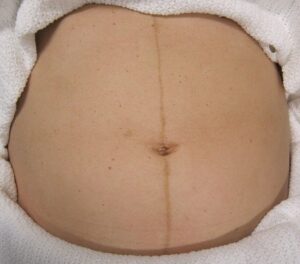
Your Answer: Linea Nigra
Explanation:This is Linea Nigra. It occurs in 3/4 of pregnancies and is due to increased melanocyte-stimulating hormone production by the placenta. This also causes melasma and darkening of the nipples.
-
This question is part of the following fields:
- Clinical Management
-
-
Question 24
Correct
-
You diagnose Erb-Duchenne palsy in a baby born with shoulder dystocia who suffered a brachial plexus injury. Which of the following nerve roots are likely to be affected?
Your Answer: C5 and C6
Explanation:Shoulder dystocia occurs when the fetal shoulder impacts on the maternal symphysis or sacrum during vaginal delivery. About 10% of babies with shoulder dystocia will suffer a brachial plexus injury, the most common one being Erb-Duchenne palsy. In Erb’s palsy, the upper nerve roots C5 and C6 are damaged due to excessive widening of the angle between the head and the shoulder. This causing temporary paralysis in the affected arm whereby the infant will present with its hand hanging limp by his side, internal rotation of the forearm, plus wrist and finger flexion. This sign is called the ‘waiter’s tip hand’. The palsy usually resolves spontaneously in a large proportion of cases.
-
This question is part of the following fields:
- Clinical Management
-
-
Question 25
Correct
-
In which part of the body does clomiphene trigger ovulation by antagonising oestrogen receptors?
Your Answer: Hypothalamus
Explanation:Clomiphene citrate is widely used in the induction of ovulation, especially in the treatment of anovulatory infertility and in conditions such as PCOS. The drug functions as a selective oestrogen receptor modulator, which acts in the hypothalamus to indicate low serum oestrogen levels. Reduced levels of negative feedback stimulate the secretion of GnRH from the hypothalamus, which in turn stimulate the production of gonadotropins (FSH and LH) from the anterior pituitary. These work to increase ovarian follicular activity.
-
This question is part of the following fields:
- Pharmacology
-
-
Question 26
Correct
-
A 26 year old patient with a past medical history of 2 terminations of pregnancies over the past 2 years, presents to the emergency centre complaining of severe abdominal pain and some vaginal bleeding. She has a regular 28 day cycle, and is on an oral contraceptive pill, but missed last month's period. Her last termination was over 6 months ago. She smokes almost a pack of cigarettes a day.
Which of the following is the most likely diagnosis?Your Answer: Ectopic pregnancy
Explanation:The clinical picture demonstrated is most likely that of a ruptured ectopic pregnancy. The period of amenorrhea may point to pregnancy, while the past medical history of 2 recent terminations of pregnancy may indicate a failure of her current contraceptive method. Smoking cigarettes have been shown to not only decrease the efficacy of OCPs, but also serve as a known risk factor for ectopic pregnancy. The lady is unlikely to have endometritis as her last termination was over 6 months ago. The lack of fever helps to make appendicitis, PID and pyelonephritis less likely, though they are still possible.
-
This question is part of the following fields:
- Clinical Management
-
-
Question 27
Incorrect
-
A 27-year-old G1P0 woman who is at 14 weeks of gestation presented to the medical clinic complaining of persistent nausea and vomiting. Upon history taking and interview, she reported that she frequently had poor appetite and felt lethargic. From her pre-pregnancy weight, it was also noted that she had 3% weight loss in difference. Upon further clinical observation, she looked dry, accompanied with coated tongue.
If the diagnosis of “hyperemesis gravidarum” is to be considered, which of the following will most likely confirm that diagnosis?Your Answer: first trimester (14 weeks)
Correct Answer: she looks dry with coated tongue
Explanation:Hyperemesis gravidarum refers to intractable vomiting during pregnancy, leading to weight loss and volume depletion, resulting in ketonuria and/or ketonemia. There is no consensus on specific diagnostic criteria, but it generally refers to the severe end of the spectrum regarding nausea and vomiting in pregnancy.
Hormone changes wherein hCG levels peak during the first trimester corresponds to the typical onset of hyperemesis symptoms. It is well-known that the lower oesophageal sphincter relaxes during pregnancy due to the elevations in estrogen and progesterone. This leads to an increased incidence of gastroesophageal reflux disease (GERD) symptoms in pregnancy, and one symptom of GERD is nausea.
Hyperemesis gravidarum refers to extreme cases of nausea and vomiting during pregnancy. The criteria for diagnosis include vomiting that causes significant dehydration (as evidenced by ketonuria or electrolyte abnormalities, and the dry with coated tongue) and weight loss (the most commonly cited marker for this is the loss of at least five percent of the patient’s pre-pregnancy weight) in the setting of pregnancy without any other underlying pathological cause for vomiting.
-
This question is part of the following fields:
- Obstetrics
-
-
Question 28
Correct
-
Among the following conditions which is not a contraindication to tocolysis?
Your Answer: Maternal hypothyroidism
Explanation:Maternal hypothyroidism which is usually treated with thyroxine is not a contraindication for suppression of labour.
Suppression of labour known as tocolysis is contraindicated in situations like suspected foetal compromise, which is diagnosed by cardiotocograph warranting delivery, in cases of placental abruption, in chorioamnionitis, in severe pre-eclampsia, cases were gestational age is more than 34 weeks, in cases of foetal death in utero and in cases where palliative care is planned due to foetal malformations. -
This question is part of the following fields:
- Obstetrics
-
-
Question 29
Correct
-
With regard to the cell cycle. In what phase do chromatids get cleaved into chromosomes and pulled apart?
Your Answer: Anaphase
Explanation:G0 is a resting phase. Interphase (G1,S,G2) is where the cell grows and DNA replication occurs forming chromatids. Mitosis is where cell division occurs and this happens in a the following phases: Prophase Chromatin condenses to chromosomes (paired as chromatids). Mitotic spindle forms Metaphase Chromatids align at the equatorial plane AKA the metaphase plate Anaphase Chromatids pulled apart into 2 constituent daughter chromosomes Telophase New nuclear envelopes form around each daughter chromosome Cytokinesis Cells divide Diagram illustrating Mitosis Image sourced from Wikipedia
-
This question is part of the following fields:
- Biochemistry
-
-
Question 30
Incorrect
-
A 26-year-old female G2P1 is in labour at the 38th week of gestation. Her membranes ruptured about 8 hours ago. At the moment, she is having contractions lasting 60 seconds every 4 minutes and is 8 cm dilated. The fetal heart tone baseline is currently 80/min with absent variability. The pregnancy was uneventful and she had regular prenatal check-ups.
Which of the following is the most appropriate next step in management?Your Answer: Immediate Caesarean section
Correct Answer: Maternal position change and oxygen
Explanation:This patient is towards the end of the first stage of labour and is having complications. Labour is divided into 3 stages. The first stage begins at regular uterine contractions and ends with complete cervical dilatation at 10 cm. It has a latent phase and an active phase- The active phase is usually considered to have begun when cervical dilatation reaches 4 cm. So this patient is in the active phase of the first stag- The second stage begins with complete cervical dilatation and ends with the delivery of the foetus. The third stage of labour is the period between the delivery of the foetus and the delivery of the placenta and fetal membranes.
This patient’s contractions seem adequate and yet the fetal heart tone with baseline 80/min and absent variability suggests fetal distress. This is category III of the fetal heart rate pattern because the baseline rate is < 110/min with absent variability. It is usually predictive of abnormal acid-base status. The recommended actions are maternal position change and oxygen administration, discontinuation of labour stimulus such as oxytocin, treatment of possible underlying conditions, and expedited delivery.
→ Magnesium sulphate infusion is mainly used to prevent eclamptic seizures and despite no evidence of its effectiveness as a tocolytic agent, it is used sometimes to reduce risks of preterm birth.
→ Fetal scalp pH monitoring would help determine if there is indeed an acidosis and should be done before deciding whether a Caesarean section is necessary, but maternal position change and oxygen administration should be done first.
→ Ultrasonography may be used for preinduction cervical length measurement or if the active stage has already started- It is considered more accurate than digital pelvic exam in the assessment of fetal descent; however, at this point maternal position change and oxygen administration should be done first.
→ Immediate Caesarean section would be done if fetal scalp pH monitoring revealed a pH < 7.20. At this point, the best next step is maternal position change and oxygen administration. -
This question is part of the following fields:
- Obstetrics
-
-
Question 31
Correct
-
A 35-year-old female went to a contraception clinic because she does not want to conceive for the next 2 years. She also has a history of heavy menstrual bleeding and pelvic pain. Imaging revealed fibroids. What is the best method of contraception for the patient in this case?
Your Answer: IUS
Explanation:IUS or Intra Uterine System/Device releases progestin. The progestin thickens the cervix, preventing the sperm from penetrating the cervix, and it also causes the uterine lining to become thinner, preventing any implantation. IUS may also prevent excessive bleeding and can help women with fibroids.
-
This question is part of the following fields:
- Gynaecology
-
-
Question 32
Correct
-
A 27-year-old woman presented to the medical clinic due to infertility. Upon interview, it was noted that she has been having unprotected intercourse with her husband regularly for the past year but has not become pregnant. She mentioned that her last menstrual period was 3 weeks ago. Her menses occur every 28 to 30 days and they last 4 to 5 days. A day before her menses, she has episodes of severe lower abdominal pain that is only partially relieved by ibuprofen.
Further history taking was done and revealed that she was treated for gonococcal cervicitis at age 19. The patient also takes a prenatal vitamin every day and does not use tobacco, alcohol, or illicit drugs. Her 31-year-old husband recently had semen analysis and his results were normal.
Further examination was done and the following are her results:
Blood pressure is 126/70mmHg
Pulse is 85/min
BMI is 31 kg/m2
Upon further examination and observation, it was revealed that she has a small uterus with a cervix that appears laterally displaced and there is accompanying pain upon cervical manipulation.
Which of the following is most likely considered the cause of the patient’s infertility?Your Answer: Endometriosis
Explanation:Endometriosis is a chronic gynaecologic disease characterized by the development and presence of histological elements like endometrial glands and stroma in anatomical positions and organs outside of the uterine cavity. The main clinical manifestations of the disease are chronic pelvic pain and impaired fertility. The localization of endometriosis lesions can vary, with the most commonly involved focus of the disease the ovaries followed by the posterior broad ligament, the anterior cul-de-sac, the posterior cul-de-sac, and the uterosacral ligament.
The clinical presentation of the disease differs in women and may be unexpected not only in the presentation but also in the duration. Clinicians usually suspect and are more likely to diagnose the disease in females presenting with the typical symptomatology such as dyspareunia, namely painful sexual intercourse, pelvic pain during menstruation (dysmenorrhea), pain in the urination (dysuria), defecation (dyschezia), and/or infertility. The pain is usually characterized as chronic, cyclic, and progressive (exacerbating over time). Furthermore, some women suffering from endometriosis experience hyperalgesia, a phenomenon, when even with the application of a nonpainful stimulus, an intolerable painful reaction is released. This condition indicates neuropathic pain.
Tenderness on vaginal examination, palpable nodules in the posterior fornix, adnexal masses, and immobility of the uterus are diagnostically indicating findings of endometriosis.
-
This question is part of the following fields:
- Obstetrics
-
-
Question 33
Correct
-
A 17-year-old girl presented to the medical clinic for emergency contraception. Upon interview, it was revealed that she had unprotected sexual intercourse last night and is worried that she may become pregnant. She mentioned that her last menstrual period was 1 week ago, and she has regular menses since menarche.
Further physical examination was performed and results are normal and her urine pregnancy test is negative. After discussing various emergency contraceptive options, the patient asked for a pill option and requested to not inform her parents about this visit.
In most states, which of the following is considered the most appropriate step in managing this patient?Your Answer: Provide levonorgestrel pill
Explanation:Levonorgestrel, also known as the morning-after pill, is a first-line oral emergency contraceptive pill with approval from the World Health Organization to prevent pregnancy. It is FDA-approved to be used within 72 hours of unprotected sexual intercourse or when a presumed contraceptive failure has occurred.
A prescription is not needed, and it is available over the counter at local pharmacies. The FDA has also approved levonorgestrel availability for all age groups due to its lack of life-threatening contraindications and side-effect profile.
There are several contraindications for the emergency contraceptive form, including allergy, hypersensitivity, severe liver disease, pregnancy, and drug-drug interactions with liver enzyme-inducing drugs. The medication is not for use in women confirmed to be pregnant; however, there is no proof nor reports of adverse effects on the mother or foetus following inadvertent exposure during pregnancy.
-
This question is part of the following fields:
- Obstetrics
-
-
Question 34
Correct
-
What is the anatomical landmark used for gauging the station of the fetal head during labour?
Your Answer: Ischial Spine
Explanation:The ischial spines and palpable through the vagina and are used as landmarks to assess the decent of the fetal head from the cervix. It also serves as a landmark for giving the pudendal block.
-
This question is part of the following fields:
- Anatomy
-
-
Question 35
Correct
-
A 24 year old patient in A&E is 34 weeks pregnant and her blood pressure is 147/96. Dipstick shows protein 2+. You send for a protein:creatinine ratio and this shows a ratio of 36 mg/mmol. What is the appropriate course of action?
Your Answer: Admit for observation
Explanation:The patient could be suffering from pre-eclampsia. A BP of 140/100 with proteinuria should be admitted immediately for observation and if the symptoms do not improve then managed immediately. According to the NICE guidelines BP should be monitored 4 times daily. A BP of 140/90 to 149/99 mmHg is classed as mild hypertension. Without proteinuria this can be monitored once weekly and the patient can be discharged.
-
This question is part of the following fields:
- Clinical Management
-
-
Question 36
Incorrect
-
You are attending the labour of a patient who has had a prolonged 1st stage of labour. You note the fetal head start to retract after being tightly applied to the vulva (turtle-neck sign). What is the next most appropriate management step?
Your Answer: C-section
Correct Answer: McRoberts' manoeuvre
Explanation:Call for help.
• Ensure personnel are available to ‘scribe’.
Document the time the head delivered, which shoulder is anterior (this is the arm most vulnerable to injury) and the times at which each manoeuvre is employed.
• Drop the level of the delivery bed as low as it will go, and flatten the back of the bed so the woman is completely flat. Remove the foot of the bed to allow access.
• Assess for and perform an episiotomy, if needed.
• Using one assistant on each of the mother’s legs, flex and abduct the legs at the hip (thighs to abdomen, known as McRoberts manoeuvre). This flattens the lumbosacral spine and will facilitate delivery is around 90 per cent of cases.
• If this fails, suprapubic pressure should be
applied by another assistant. This should be
applied over the posterior aspect of the anterior fetal shoulder and will act to push the shoulders together. It can be used in a constant and then rocking motion.
• If both these fail, then internal manoeuvres are necessary. The order of these will depend on the skill and experience of the person conducting the delivery and the individual case. These manoeuvres have been named after famous obstetricians, but it is the process rather than the name that is important:
• An attempt can be made to rotate the baby, so that the shoulders enter the diagonal to allow delivery. The first procedure is usually to insert a hand behind the anterior shoulder, and push it towards the chest (Rubin II). This will adduct the shoulders then push them into the diagonal. This can be combined with pressure on the
anterior aspect of the posterior shoulder
to aid rotation (Woods’ screw). If this fails,
an attempt can be made to rotate the baby
in the opposite direction (reverse Woods’
screw). Delivery of the posterior arm can be
attempted passing a hand into the vagina, in
front of the posterior shoulder and deliver
the posterior arm by swinging it in front of
the fetal chest.
If these all fail, the patient can be moved on to all fours as this increases the anterior–posterior diameter of the inlet. In this position, the posterior arm can be delivered.
After this, manoeuvres of last resort include a symphysiotomy, in which the maternal symphysis is divided, Zavanelli’s, in which the head is reduced back into the vagina and a Caesarean section performed and intentional fracture of the fetal
clavicle. -
This question is part of the following fields:
- Clinical Management
-
-
Question 37
Correct
-
A 50-year-old woman presents with moderately severe pain in her left groin and thigh. She had recently travelled by airplane from overseas and is at 18 weeks of gestation of her second pregnancy. The only incidence of trauma she can think of is when she hit her left knee on a table yesterday.
On physical examination, it is found that she has some swelling of her left ankle that is not present on the right side. Her first pregnancy was unremarkable except for development of some symptoms that were believed to be related to pelvic symphyseal separation around 28 weeks of gestation.
Which one of the following is the mostly cause for this patient's pain?Your Answer: deep venous Thrombosis (DVT) in her left leg
Explanation:For this pregnant patient who recently travelled overseas most likely has a deep venous thrombosis (DVT). It would also be expected that the patient would have oedema in the symptomatic leg and account for the swelling described.
Though they could cause unilateral leg pain, neither symphyseal separation nor sciatica due to a prolapsed intervertebral disc usually occur as early as 18 weeks of gestation. This patient’s symptoms also do not suggest either diagnosis.
Pain due to trauma would usually be maximal at the site where the trauma took place, which would be in the knee for this patient. Traumatic pain and house cleaning also would not cause the pain described or result in ankle swelling.
-
This question is part of the following fields:
- Obstetrics
-
-
Question 38
Correct
-
A 20-year-old primigravida at her 16 weeks of gestation, presented with the history of lower vaginal pressure, vaginal spotting and lower back pain.
Transvaginal ultrasound shows cervical shortening to 2 cm, cervical dilation, and protrusion of fetal membranes into the cervical canal. Findings confirms the woman has developed non-specific symptoms of cervical insufficiency which may lead to premature delivery.
Which among the following is the most appropriate management in this case?Your Answer: Reinforcement of the cervical ring with nonabsorbable suture material
Explanation:Patient mentioned in the given case has developed clinical features of cervical insufficiency and the possible treatment options include:
1- Cerclage, which is the technique used for the reinforcement of cervical ring with nonabsorbable suture material and is indicated based on ultrasonographic findings. It is the treatment of choice when cervical shortening is detected by ultrasonography before 22 to 24 weeks of gestation.2- Vaginal progesterone is used to reduce the risk of preterm delivery in women who have a prior history of idiopathic preterm delivery or cervical shortening, which is confirmed in the current pregnancy also by ultrasonography.This method is applicable only to those women who do not meet the criteria for Cerclage.
All the other options of management are incorrect in the given case.
-
This question is part of the following fields:
- Obstetrics
-
-
Question 39
Incorrect
-
A 22-year-old woman who is 28 weeks pregnant presented to the emergency department due to premature uterine contractions. Upon interview, it was noted the she has history of untreated mitral valve stenosis. Tocolysis was then planned after a necessary evaluation was performed and revealed that there is absence of contraindications.
Which of the following would be considered the drug of choice for tocolysis?Your Answer: Nifedipine
Correct Answer: Oxytocin antagonists
Explanation:Tocolysis is an obstetrical procedure to prolong gestation in patients, some of which are experiencing preterm labour. This is achieved through various medications that work to inhibit contractions of uterine smooth muscle.
There is no definitive first-line tocolytic agent by the American College of Obstetrics and Gynecology (ACOG) but nifedipine is most commonly used. However, in severe aortic stenosis, nifedipine can cause ventricular collapse and dysfunction.
The therapeutic target in the treatment of preterm labour is currently the pharmacological inhibition of uterine contractions with the use of various tocolytic agents. Tocolytic agents are used to maintain pregnancy for 24–48 hours to allow corticosteroids administration to act and to permit the transfer of the mother to a centre with a neonatal intensive care unit.
Oxytocin inhibitors work by competitively acting at the oxytocin receptor site. Oxytocin acts to increase the intracellular levels of inositol triphosphate. The medications currently in this class are atosiban and retosiban. Maternal nor fetal side effects have not been described for this tocolytic.
-
This question is part of the following fields:
- Obstetrics
-
-
Question 40
Incorrect
-
A patient comes to your office with her last menstrual period 4 weeks ago. She thinks that she may be pregnant because she has not had her period yet, but denies any symptoms such as nausea, fatigue, urinary frequency, or breast tenderness.
As she has a history of previous ectopic pregnancy, she is very anxious to find out and wants to be sure to get early prenatal care.
Among the following actions which is most appropriate at this time?Your Answer: Perform an abdominal ultrasound.
Correct Answer: Order a serum quantitative pregnancy test.
Explanation:Nausea, fatigue, breast tenderness, and increased frequency of urination are the most common symptoms of pregnancy, but their presence is not considered definitive as they are nonspecific symptoms which are not consistently found in early pregnancy, also these symptoms can occur even prior to menstruation.
In pregnancy a physical examination will reveal an enlarged uterus which is more boggy and soft, but these findings are not apparent until after 6th week of gestation. In addition, other conditions like adenomyosis, fibroids, or previous pregnancies can also result in an enlarged uterus which is palpable on physical examination.
An abdominal ultrasound will not demonstrate a gestational sac until a gestational age of 5 to 6 weeks, nor will it detect an ectopic pregnancy soon after a missed menstrual period, therefore it is not indicated in this patient.
A Doppler instrument will detect fetal cardiac action usually after 10 weeks of gestation.
A sensitive serum quantitative pregnancy test can detect placental HCG levels by 8 to 9 days post-ovulation and is considered as the most appropriate next step in evaluation of this patient.
-
This question is part of the following fields:
- Obstetrics
-
-
Question 41
Correct
-
The arterial blood supply to the bladder is via branches of which artery?
Your Answer: Internal Iliac
Explanation:The bladder is supplied by branches of the internal iliac artery, including the superior vesical artery, branches of the gluteal and obturator arteries and the inferior vesical artery in males and the vaginal and the uterine arteries in females.
-
This question is part of the following fields:
- Anatomy
-
-
Question 42
Correct
-
Which of the following changes would you expect in pregnancy?
Your Answer: Decreased TSH Increased Total T3 and T4
Explanation:Human chorionic gonadotrophin (hCG) has thyrotrophic activity owing to subunit homology with thyroid-stimulating hormone (TSH) and maternal TSH production is suppressed during the first trimester of pregnancy, when hCG levels are highest. The TSH response to thyrotrophin-releasing hormone (TRH) is reduced during the first trimester but returns to normal after this. Thyroid binding globulin increases in the first 2 weeks of pregnancy and reaches a plateau by 20 weeks. This leads to increased production of total T3 (tri-iodothyronine) and T4 (thyroxine).
-
This question is part of the following fields:
- Endocrinology
-
-
Question 43
Correct
-
A 46-year-old woman with regular menstrual cycles presents with a history of menorrhagia for the last 6 years. Her menstrual cycles are normal, but she has bled excessively for eight days every month, and her haemoglobin level was 90g/L one month ago. She's already on iron supplementation. She has a history of cervical intraepithelial neoplasia grade 3 (CIN3) in addition to the anaemia, albeit her yearly smear test has been normal since the laser treatment six years ago. She is also undergoing hypertension treatment. Physical examination is unremarkable. She is not willing for endometrial ablation or hysterectomy until her menopause. Which of the following medical therapies would be the best for her to utilize between now and the time she is expected to hit menopause, which is around the age of 50?
Your Answer: HRT given from the time of menopause at the age of approximately 50 years, reduces the decline of cognitive function, often seen as an early manifestation of AD
Explanation:Adenomyosis or dysfunctional uterine haemorrhage are the most likely causes of heavy periods.
Because she refuses to have a hysterectomy or endometrial ablation, hormonal therapy must be administered in addition to the iron therapy she is already receiving.
Any of the choices could be employed, but using therapy only during the luteal phase of the cycle in someone who is virtually surely ovulating (based on her typical monthly cycles) is unlikely to work.Danazol is prone to cause serious adverse effects (virilization), especially when used for a long period of time.
GnRH agonists would cause amenorrhoea but are more likely to cause substantial menopausal symptoms, and the °fa contraceptive pill (OCP) is generally best avoided in someone using hypertension medication.Treatment with norethisterone throughout the cycle is likely to be the most successful of the treatments available.
If a levonorgestrel-releasing intrauterine device (Mirena®) had been offered as an alternative, it would have been acceptable. -
This question is part of the following fields:
- Gynaecology
-
-
Question 44
Incorrect
-
A 67 year old patient with endometrial carcinoma is to undergo staging investigations. There is evidence of invasion into the vaginal wall, but the lymph nodes are spared, and there is no distant metastasis. According to FIGO, what stage is this?
Your Answer: 3A
Correct Answer: 3B
Explanation:Endometrial cancer is one of the most common gynaecological malignancies present in postmenopausal women, with a peak incidence between the ages of 60-89. Factors associated with endometrial cancer include obesity, hypertension and diabetes. Full staging for endometrial cancer is surgical, including several other radiologic investigations. According to FIGO staging classifications:
Stage 1 indicates a tumour confined to the uterine body
Stage 2 indicates the invasion of the cervical stroma
Stage 3 indicates local and regional spread, where the tumour invades the serosa in stage 3A, spreads to the vagina and parametrium in stage 3B, and metastasizes to the pelvic or para-aortic lymph nodes in stage 3C.
Stage 4 indicates tumour invasion on the bladder or bowel mucosa, or distant metastasis. -
This question is part of the following fields:
- Clinical Management
-
-
Question 45
Incorrect
-
Lymph drainage from the bladder is via which nodes?
Your Answer: Internal and Common iliac nodes only
Correct Answer: External, Internal and Common iliac nodes
Explanation:Lymphatic drainage of the bladder is to the common iliac nodes via the internal iliac nodes.
-
This question is part of the following fields:
- Anatomy
-
-
Question 46
Correct
-
Urinary incontinence has brought a 69-year-old woman to your clinic. When she laughs, sneezes, or coughs, as well as during activity, she experiences minor quantities of urine incontinence.
Which of the following is the most appropriate management next step?Your Answer: Pelvic floor muscles exercise
Explanation:Pelvic floor muscle exercises are the mainstay of behavioural therapy for stress incontinence. Up to 38 percent of patients with stress incontinence alone who follow a pelvic floor muscle exercise regimen for at least three months experience a cure.
Weighted cones or topical steroids can be used as adjuvants but are not sufficient when used alone.
Tension free vaginal tape and Burch’s colposuspension are considered for patients who fail to respond to conservative management strategies.
-
This question is part of the following fields:
- Gynaecology
-
-
Question 47
Correct
-
Which of the following uterotonic drugs is most strongly associated with a transient pyrexia occurring within 45 minutes of administration?
Your Answer: Dinoprostone
Explanation:Dinoprostone is associated with a transient pyrexia. This typically normalises within 4 hours of stopping treatment
-
This question is part of the following fields:
- Clinical Management
-
-
Question 48
Correct
-
A patient admitted to the medical ward complains of a mild fever and vaginal discharge. Clue cells are seen on microscopy from a vaginal swab. Which of the following infections feature clue cells?
Your Answer: Bacterial Vaginosis
Explanation:Bacterial vaginosis (BV) is a common infection of the vagina caused by the overgrowth of atypical bacteria, most commonly Gardnerella vaginalis, a gram-negative rod. In diagnosing BV, a swab is taken for microscopy, often revealing clue cells. Clue cells are cells of the vaginal epithelium which are covered by adherent Gardnerella, giving them a distinctive look under the microscope. Though many are asymptomatic, some infected women complain of a greyish, foul-smelling vaginal discharge. Their vaginal fluid pH may also become more alkaline. BV does not however present with pyrexia, so the lady’s fever could be attributed to another cause as she is still a patient on the medical ward.
-
This question is part of the following fields:
- Clinical Management
-
-
Question 49
Correct
-
When is the highest risk of maternal-fetal transmission of Toxoplasma Gondii during pregnancy?
Your Answer: 26-40 weeks
Explanation:The risk of transplacental transmission from mother to foetus is greater in later pregnancy i.e. 26-40 weeks. Although the risk of transmission is lower in early pregnancy, if infection does occur earlier, particularly before 10 weeks, then complications are typically more severe.
-
This question is part of the following fields:
- Microbiology
-
-
Question 50
Correct
-
A 40-year-old nulligravid woman comes to the office due to persistent abnormal uterine bleeding. Patient’s menstrual periods previously occurred monthly, which lasts of 4 days with moderate bleeding and light cramping. However, for the past 8 months, she has had intermenstrual spotting and bleeding which have occurred at varying intervals and last for 3-7 days.
Patient had started combination oral contraceptives 4 months ago, which has not improved the bleeding pattern.
On examination her temperature is 37.2 C (99 F), blood pressure is 126/76 mm Hg, pulse is 86/min and BMI is 29 kg/m2.
Speculum examination shows dark red blood in the posterior vaginal vault but no cervical or vaginal lesions. Remainder of the pelvic examination was normal.
Her laboratory results are as follows:
- Hemoglobin: 12.2 g/dL
- Prolactin: 5 ng/mL
- TSH: 1.8 µU/mL
- Urine pregnancy test is negative.
Pelvic ultrasound shows an anteverted uterus without any adnexal masses.
Which of the following is considered the best next step in management of this patient?Your Answer: Endometrial biopsy
Explanation:Uncontrolled endometrial proliferation due to excess and unregulated estrogen is the reason for intermenstrual bleeding and irregular menses along with abnormal uterine bleeding (AUB) in this patient. The condition is mostly associated with an increased risk of endometrial hyperplasia
ancer.
The absolute risk of endometrial hyperplasia
ancer is very low in women aged <45, therefore they can be started on combination medication with estrogen/progestin contraception (ie, medical management) without the evaluation of endometrium. The estrogen component of medication regulates the menstrual cycle by build up the endometrium; whereas the progestin component helps in shedding of the endometrium.
However, patients who have continued irregular menstrual bleeding even while on combination contraceptives require further evaluation as they have failed to improve with medical management. In such patients, the endometrial lining will be too thick for the progestin to completely shed during menstruation and this unshed endometrium continues to undergo dysregulated proliferation, leading to an increased risk of endometrial hyperplasia
ancer. Therefore, patients age below 45 with AUB who have failed medical management require an endometrial biopsy.
AUB persistent above 6 months, obesity, and/or tamoxifen therapy are the other indications for endometrial biopsy in women age <45, as all of these will increase the amount of unopposed endometrial estrogen exposure. In patients with heavy menstrual bleeding and anemia, coagulation studies are performed to evaluate for bleeding disorders like von Willebrand disease. It is not necessary in this patient as she have a normal hemoglobin level. In patients with heavy, but regular (ovulatory) bleeding an endometrial ablation, which is a procedure used to remove the excess endometrium, can be considered as the treatment option. Endometrial ablation is contraindicated in undiagnosed cases of AUB as it prevents evaluation of the endometrium in patients with possible endometrial hyperplasia
ancer.To check for abnormalities of the uterus like didelphys or of the Fallopian tube like scarring, a hysterosalpingogram is used but it is not useful to evaluate AUB. In addition, as the procedure could spread cancerous endometrial cells into the abdominal cavity, hysterosalpingogram is contraindicated in cases of undiagnosed AUB.
To evaluate secondary amenorrhea, ie. absence of menses for >6 months in a patient with previously irregular menses, a progesterone withdrawal test is used to determine whether amenorrhea is from low estrogen level, in negative cases there will be no bleeding after progesterone. This test is not indicated or relevant in this case as patient had continued bleeding while on oral contraceptives suggestive of high estrogen levels.
Evaluation for endometrial hyperplasia
ancer with an endometrial biopsy is required for those women age <45 with abnormal uterine bleeding who have failed medical management with oral contraceptives. -
This question is part of the following fields:
- Obstetrics
-
-
Question 51
Correct
-
A 32-year-old lady is two weeks postpartum and in good health. She has painful defecation that is accompanied by some new blood on the toilet paper. Which of the following diagnoses is the most likely?
Your Answer: Acute anal fissure.
Explanation:The history of acutely painful defecation associated with spotting of bright blood is very suggestive of an acute anal fissure. Typically, the patient reports severe pain during a bowel movement, with the pain lasting several minutes to hours afterward. The pain recurs with every bowel movement, and the patient commonly becomes afraid or unwilling to have a bowel movement, leading to a cycle of worsening constipation, harder stools, and more anal pain. Approximately 70% of patients note bright-red blood on the toilet paper or stool. Occasionally, a few drops may fall in the toilet bowl, but significant bleeding does not usually occur with an anal fissure.. After gently spreading the buttocks, a close check of the anal verge can typically confirm the diagnosis.
Rectal inspection is excruciatingly painful and opposed by sphincter spasm; however, if the fissure can be seen, it is not necessary to make the diagnosis at first.A perianal abscess, which presents as a sore indurated area lateral to the anus, or local trauma linked with anal intercourse or a foreign body, are two more painful anorectal disorders to rule out.
Anal fistulae do not appear in this way, but rather with perianal discharge, and the diagnosis is based on determining the external orifice of the fistula.
Although first-degree haemorrhoids bleed, they do not cause defecation to be unpleasant.
Although carcinoma of the anus or rectum can cause painful defecation, it would be exceptional in this situation.
-
This question is part of the following fields:
- Obstetrics
-
-
Question 52
Incorrect
-
A 35-year-old woman comes in to talk about the findings of a recent CT scan. Last week, the patient was involved in a car accident and had a CT scan of the abdomen and pelvis to rule out any intraabdominal trauma. The CT scan revealed a uterus that was significantly enlarged, with several intramural and pedunculated leiomyomata that did not squeeze the ureters or the surrounding intestine. The patient has a monthly menstrual period with light bleeding lasting four days. On the first day of her monthly period, she normally has stomach discomfort but does not require pain medication. There are no changes in bowel habits, urine frequency, urgency, or chronic pelvic pain in the patient. She doesn't have any chronic illnesses and doesn't use any drugs on a daily basis. The patient is in a monogamous, same-sex relationship and experiences no discomfort during sexual activity. The vital signs are OK, and the BMI is 24 kilograms per square metre. The lower abdomen has an irregularly expanded mass, which is consistent with uterine leiomyomata.
Which of the following is the most appropriate next step in this patient's care?Your Answer: Combination oral contraceptive pills
Correct Answer: Observation and reassurance only
Explanation:Leiomyomas uterine (fibroids)
Clinical features:
Menses that are heavy and last a long time, symptoms of pressure, pelvic discomfort, constipation, frequency of urination, complications during pregnancy, fertility problems, loss of pregnancy, premature birth, uterus enlargement and irregularityWorkup:
UltrasoundTreatment:
Asymptomatic: monitoring
Surgical intervention, hormonal contraceptionThis patient has uterine leiomyomata, or fibroids, which are benign smooth muscle (myometrial) tumours that are very prevalent in adult women (up to 25%). These tumours can expand the endometrium’s surface area, the uterus’ overall size and thickness, and compress adjacent structures; nevertheless, some individuals have no symptoms and are identified by chance during a physical examination or imaging (as in this patient’s CT scan after a car accident).
Heavy, prolonged menses are among the indications for uterine leiomyomata treatment (particularly if associated with anaemia).
Pelvic discomfort that persists (e.g., dyspareunia).
Symptoms in abundance (e.g., pelvic pressure, hydronephrosis, constipation).
Recurrent miscarriages.
Medical or surgical treatment options are available for patients with these clinical characteristics (e.g., myomectomy).This woman had mild menses and no pelvic discomfort or mass symptoms while having many big intramural and pedunculated leiomyomata (e.g., no ureter compression). There is no need for extra treatment in persons with asymptomatic fibroids. Only observation and reassurance are required.
In the treatment of symptomatic fibroids, a combination of oral contraceptive pills and progestin-containing intrauterine devices can be utilised, although they are not required in the management of asymptomatic fibroids. Furthermore, this patient has a minimal risk of unwanted pregnancy (e.g., monogamous, same-sex relationship), and the hazards of these contraceptives (e.g., venous thromboembolism, uterine perforation) outweigh the benefits.GnRH agonist therapy (e.g., leuprolide) is a treatment for symptomatic uterine fibroids that works by inhibiting pulsatile FSH and LH production in the hypothalamus, lowering oestrogen levels. Low oestrogen levels cause a temporary reduction in leiomyoma size, which helps with heavy menses and bulky symptoms. Because long-term usage of GnRH agonists is linked to an increased risk of osteoporotic fractures, they are only administered preoperatively.
Tranexamic acid is a nonhormonal medicinal medication that reduces heavy menstrual bleeding by preventing fibrin breakdown (i.e., an antifibrinolytic drug). This patient’s menses are light.
Uterine leiomyomata (fibroids) are benign myometrial tumours that can produce a range of symptoms but are often identified by chance. Heavy menstrual blood, pelvic pain, and bulk symptoms are all indications for treatment. Patients with asymptomatic fibroids merely need to be monitored and reassured. -
This question is part of the following fields:
- Gynaecology
-
-
Question 53
Incorrect
-
A 28-year-old presented with vaginal bleeding after a 6-week duration of amenorrhea. The bleeding was described to be heavier than ever compared with her previous periods. Upon interview, it was noted that her menstrual cycles was ranging from 4 to 6 weeks.
A urine pregnancy test was performed and the result was positive. Upon vaginal examination, it was noted that her cervical os is closed. An endovaginal ultrasound was performed and the results showed an endometrial thickness of 12mm and an empty uterus. There was also clear adnexa, and no fluid in the pouch of Douglas was seen. A cyst in the corpus luteum of the left ovary was also noted.
Which of the following is most likely the diagnosis of the patient?Your Answer: Complicated corpus luteum cysts
Correct Answer: Complete abortion
Explanation:Complete abortion is defined as a ‘complete’ passage of all conception products.
The first day of the last menstrual period and findings on any prior ultrasounds should be determined to establish the gestational age and location of the pregnancy. An abdominal exam should be performed to assess for peritoneal signs that might indicate a ruptured ectopic pregnancy or extra-uterine extension of a septic abortion. Lastly, a pelvic exam is central to the evaluation of suspected miscarriage. It should include both speculum-facilitated visualization of the cervix and a bimanual examination to assess for cervical motion tenderness that may indicate a septic abortion or an adnexal mass that may herald ectopic pregnancy.
Early pregnancy loss takes many different forms. In missed abortion, there is asymptomatic or ‘missed’ death of the embryo or foetus without sufficient uterine contractions to push out the products of conception. In contrast, threatened abortion is characterized by symptomatic, ‘threatened’ expulsion of the products of conception, yet the cervical os remains closed, and the embryo or foetus remains viable.
Although there is a lack of consensus, complete abortion is often defined as the absence of a gestational sac on ultrasound with an endometrial stripe thickness of less than 30 mm.
-
This question is part of the following fields:
- Obstetrics
-
-
Question 54
Incorrect
-
Which of the following is indicated for the treatment of chlamydial urethritis in pregnancy?
Your Answer: Metronidazole
Correct Answer: Azithromycin 1gram as single dose
Explanation:The best treatment option for chlamydial urethritis in pregnancy is Azithromycin 1g as a single dose orally. This is the preferred option as the drug is coming under category B1 in pregnancy.
Tetracycline antibiotics, including doxycycline, should never be used in pregnant or breastfeeding women.
Erythromycin Estolate is contraindicated in pregnancy due to its increased risk for hepatotoxicity. Ciprofloxacin is not commonly used for treating chlamydial urethritis and its use is not safe during pregnancy.
-
This question is part of the following fields:
- Obstetrics
-
-
Question 55
Correct
-
Regarding the Pituitary gland which of the following statements is true?
Your Answer: It is surrounded by the sella turcica
Explanation:The Sella turcica is composed of three parts:
1. The tuberculum sellae (horn of saddle): a variable slight to prominent median elevation forming the posterior
boundary of the prechiasmatic sulcus and the anterior boundary of the hypophysial fossa.
2. The hypophysial fossa (pituitary fossa): a median depression (seat of saddle) in the body of the sphenoid that accommodates the pituitary gland (L. hypophysis).
3. The dorsum sellae (back of saddle): a square plate of bone projecting superiorly from the body of the sphenoid.
It forms the posterior boundary of the Sella turcica, and its prominent superolateral angles make up the posterior clinoid processes. -
This question is part of the following fields:
- Anatomy
-
-
Question 56
Correct
-
Which of the following Oestrogens (Oestrogens) becomes the predominant circulating oestrogen during pregnancy?
Your Answer: Estriol
Explanation:The 3 main oestrogens are Estrone (E1) Oestradiol (E2) and Estriol (E3). Oestradiol is the predominant oestrogen during female reproductive years except during the early follicular phase when Estrone predominates. During pregnancy Estriol levels rise significantly and this becomes the dominant oestrogen during pregnancy. Ethinylestradiol and Mestranol are oestrogen found in COCP’s
-
This question is part of the following fields:
- Endocrinology
-
-
Question 57
Incorrect
-
Which of the following amniotic fluid indexes define oligohydramnios?
Your Answer: < 8 mm
Correct Answer:
Explanation:An assessment of amniotic fluid in pregnancy can be done by taking ultrasound measurements of the depth of amniotic fluid pockets. The combination of the measurements in four quadrants is called the amniotic fluid index (AFI), one of the major determinants of the biophysical profile which predicts pregnancy outcome. An AFI of less than 5 cm, or less than the 5th percentile is defined as oligohydramnios while an AFI of more than 25 cm is considered polyhydramnios.
-
This question is part of the following fields:
- Biophysics
-
-
Question 58
Correct
-
Uterine Cervix:
Your Answer: Is the portion of the uterus below the isthmus
Explanation:The uterus is divisible into two portions. The portion above the isthmus is termed the body, and that below, the cervix. The uterine cervix is the narrow inferior segment of the uterus, which projects into the vaginal cavity. It is a fibromuscular organ lined by a mucous membrane and measures approximately 3cm in length and 2.5cm in diameter. The cervix is continuous at its superior margins with the body of the uterus and at its inferior margins with the vagina.
-
This question is part of the following fields:
- Anatomy
-
-
Question 59
Incorrect
-
A 24-year-old primigravid woman comes to the office to establish prenatal care at 14 weeks gestation. Patient has had no vaginal bleeding or cramping, no chronic medical conditions, and her only medication is a daily dose of prenatal vitamin. Patient follows a vegan diet and drinks 2 cups of coffee in the morning, also she is an avid runner who runs 5 miles most days. Patient does not use tobacco, alcohol or any other illicit drugs.
On physical examination her vital signs are normal, with a pre-pregnancy BMI of 22 kg/m2.
Transvaginal ultrasound shows a single intrauterine gestation with a heart rate of 155/min.
Among the following possible lifestyle modifications needed during pregnancy, which is the most appropriate recommendation for this patient?Your Answer: Discontinue the vegan diet
Correct Answer: Increase caloric intake by about 350 kcal/day
Explanation:Nutrition in pregnancy
Weight gain must be:
– In patients <18.5 kg/m2, there should be an increase of 12.7 - 18 kg (28-40 lb)
– In patients 18.5 – 24.9 kg/m2 there should be an increase of 11.4 – 15.9 kg (25-35 lb)
– In patients 25 – 29.9 kg/m2 there should be an increase of 6.8 – 11.4 kg (15-25 lb)
– In patients ≥30 kg/m2 there should be an increase of 5 – 9 kg (11-20 lb)Supplementation required:
– Intake of daily prenatal vitamin
– Additional specific supplements as indicated
– Avoidance of harmful substances like drugs, alcohol, etc
– Substance abuse counseling
– Avoidance of fish with high mercury levels
– Moderating caffeine intakeFood safety:
– Avoid undercooked meat, fish & eggs
– Clean raw fruits & vegetables before consuming
– Avoid unpasteurized dairy productsNutrition in pregnancy is addressed at the initial prenatal visit based on pre-pregnancy BMI. Appropriate weight gain for a women with a normal pre-pregnancy BMI of 18.5 – 24.9 kg/m2 should be 11.4 – 15.9 kg (25-35 lb) during pregnancy. This weight gain is equivalent to the increasing caloric intake of 350 kcal/day during the second and 450 kcal/day during the third trimesters. Patients following any specific diets like veganism can continue their usual diet throughout pregnancy as long as it contains a well-balanced quantity of protein, carbohydrates and fats.
Vitamin and mineral supplementation during pregnancy is a single, daily prenatal vitamin recommended for majority of pregnant women as it helps to fulfill most of the daily vitamin and mineral supplementation requirements. In case of patients with vitamin or mineral deficiencies like iron, calcium, etc, a specific supplementation of the deficit vitamin/mineral only is required rather than multiple prenatal vitamins to avoid consuming harmful amounts of other vitamins like vitamin A. Vegans, who are at risk for some vitamin and mineral deficiencies like vitamin B12, calcium, iron, etc, secondary to lack of meat consumption, may require supplementation.
Pregnant women are counselled on avoidance of harmful substances like alcohol, drugs, etc and substances like fish with high mercury levels. Although high caffeine intake during pregnancy can be harmful, a moderate intake ie, 1 or 2 cups of coffee a day is thought to be safe.
Safe handling of food is important because some food products are found to result in congenital infection and intrauterine fetal demise. Patients are also counselled to avoid undercooked meat, fish, and eggs; to thoroughly clean raw fruits and vegetables and to avoid consumption of unpasteurized dairy products.
By maintaining a proper maternal nutrition during pregnancy, patients are provide appropriate nutrition to the fetal and thereby reducing the risk of pregnancy related complications like low birth weight, preterm delivery, etc.
Pregnant patients are counseled to avoid exercises like contact sports, downhill skiing, etc which increases the risk of abdominal trauma resulting in increased risk of placental abruption. But those patients with an uncomplicated pregnancy, who are already accustomed with long-duration, high-intensity exercise like running 5 miles/day, as in the given case, can continue with their regimen if tolerated.
Proper nutrition in pregnancy includes appropriate weight gain, supplementation of vitamins and minerals, avoidance of any harmful substances, and safe handling of food. Patients with a normal pre-pregnancy BMI should gain around 11.4-15.9 kg (25-35 lb) during pregnancy by increasing their caloric intake by 350 kcal/day in the second and 450 kcal/day in the third trimesters.
-
This question is part of the following fields:
- Obstetrics
-
-
Question 60
Correct
-
A 36 year old patient is seen in clinic for follow up of a vaginal biopsy which confirms cancer. What is the most common type?
Your Answer: Squamous cell carcinoma
Explanation:Squamous cell carcinoma is the most common type of vaginal cancer.
-
This question is part of the following fields:
- Clinical Management
-
-
Question 61
Correct
-
Regarding the uterine artery which of the following statements are FALSE?
Your Answer: It crosses the Ureter posteriorly
Explanation:The Uterine artery typically arises from the anterior branch of the internal iliac artery. It crosses the ureter ANTERIORLY. It is the primary source of arterial supply to the uterus and its branches anastomose with branches of the ovarian and vaginal arteries.
-
This question is part of the following fields:
- Anatomy
-
-
Question 62
Correct
-
A 34 year old white primigravida in her first trimester had established moderate hypertension before becoming pregnant. She currently has a blood pressure of 168/108 mm Hg. You are considering how to best manage her hypertension during the pregnancy. Which one of the following is associated with the greatest risk of fetal growth retardation if used for hypertension throughout pregnancy?
Your Answer: Atenolol (Tenormin)
Explanation:Atenolol and propranolol are associated with intrauterine growth retardation when used for prolonged periods during pregnancy. They are class D agents during pregnancy. Other beta-blockers may not share this risk.
Methyldopa, hydralazine, and calcium channel blockers have not been associated with intrauterine growth retardation. They are generally acceptable agents to use for established, significant hypertension during pregnancy.
-
This question is part of the following fields:
- Obstetrics
-
-
Question 63
Correct
-
A 27-year-old woman presents for difficulty and pain in attempting sexual intercourse. She states that she never had such symptoms prior. The pain is not felt at the time of penetration, but appears to hurt deeper in the vagina.
She was recently pregnant with her first child and delivery was three months ago. She did not have an episiotomy or sustain any vaginal lacerations during delivery. She denies any vaginal bleeding since her lochia had stopped two months ago. She is still breastfeeding her child.
Which of the following is the most likely cause of her dyspareunia?Your Answer: Atrophic vaginal epithelium.
Explanation:This is a patient that recently gave birth and is still breastfeeding presenting with dyspareunia. The most likely cause would be a thin atrophic vaginal epithelium. This is very common presentation and is due to the low oestrogen levels due to the prolactin elevation from breastfeeding.
An unrecognised and unsutured vaginal tear should have healed by this time and should not be causing issues.
Endometriosis tends to resolve during a pregnancy, but if this was the issue, it would have caused dyspareunia prior to pregnancy.
Vaginal infective causes of dyspareunia, such as monilial or trichomonal infections, are rare in amenorrhoeic women.
-
This question is part of the following fields:
- Obstetrics
-
-
Question 64
Correct
-
Question 65
Incorrect
-
Consider you are looking after a male baby in neonatal unit. Case chart shows that his mother has been abusing intravenous drugs until late this pregnancy.
You will not discharge this baby home after delivery in all of the following conditions except?Your Answer: Requirement for further assessment of withdrawal
Correct Answer: Weight loss greater than two percent of birth weight
Explanation:If a mother has been abusing drugs during antenatal period, there are some contraindications to discharge her baby home. These conditions includes:
– excessive weight loss, which is greater than ten percent of birth weigh
– suspected baby neglect or abuse
– suspected domestic violence
– a court order preventing baby from being discharged home or if there is requirement for further assessment of withdrawal symptoms.A 2-3 percentages weight loss during the early neonatal period is considered to be a normal finding and is therefore not considered as a contraindication to discharge the baby home.
-
This question is part of the following fields:
- Obstetrics
-
-
Question 66
Correct
-
To avoid potential haemolysis, Anti D immunoglobulin should be administered to which of the following?
Your Answer: Rhesus negative mother, non-sensitised, fetal cord blood Rh positive
Explanation:The Rhesus status of a mother is important in pregnancy and even abortion. The exposure of an Rh-negative mother exposed to Rh antigens from a positive foetus, will influence the development of anti-Rh antibodies. This may cause problems in subsequent pregnancies leading to haemolysis in the newborn. Rh Anti RhD- globulin is therefore given to non-sensitised Rh-negative mothers who give birth to Rh-positive children to prevent the formation of anti-Rh antibodies. Anti RhD globulin is not useful for already sensitized, or RhD positive mothers; its administration could result in maternal blood being bound and taken out of circulation.
-
This question is part of the following fields:
- Immunology
-
-
Question 67
Correct
-
A 18-year-old girl arrives at the ER with severe abdominal pain. When it started, she was in the school band. She says the pain began 30 minutes ago in the left lower region and didn't radiate. On a scale of 1 to 10, the discomfort is a 7 and is not accompanied by nausea, vomiting, or diarrhoea. Menarche began at the age of thirteen. Her menses were erratic at first, but she has had regular periods for the past six months.
Her vital signs are stable, and she has no fever. She uses combination oral contraceptives and is sexually active. She denies taking any other drugs. A flat abdomen with regular peristalsis is revealed on physical examination. Pelvic examination indicates a regular vagina with a normal-appearing cervix. There is no mucopurulent cervical discharge. Bimanual examination is remarkable with a tender 5-cm mass in the left adnexa.
A pregnancy test result is negative. A pelvic sonogram exhibits a normal intrauterine pregnancy and a 5 X 6 cm complex mass of the left ovary, with focal areas of calcification.
Which of the following is the most likely diagnosis?Your Answer: Cystic teratoma
Explanation:Mature cystic teratomas of the ovary are often discovered as incidental findings on physical examination, during radiographic studies, or during abdominal surgery performed for other indications.
Most mature cystic teratomas can be diagnosed at ultrasonography (US) but may have a variety of appearances, characterized by echogenic sebaceous material and calcification.
Follicular cysts are simple fluid-filled cysts and never have calcifications.
Mucinous cystadenoma usually develop in the third to fifth decades of life and typically cause vague symptoms, such as increasing abdominal girth, abdominal or pelvic pain, emesis, fatigue, indigestion, constipation, and urinary incontinence However, calcifications are not usually seen.
Brenner tumour is also a benign epithelial ovarian tumour but it is solid, occurring most often in women over 50 years of age.
Serous cystadenoma also does not show calcifications.
-
This question is part of the following fields:
- Gynaecology
-
-
Question 68
Incorrect
-
A 21 year old married gravida 1 para 1 has not used her oral contraceptives for 6 months. She comes to your office for evaluation because her menstrual period is 2 weeks late. Her menses had been regular since discontinuing the oral contraceptives. A urine hCG is negative. Which one of the following is true regarding this situation?
Your Answer: A serum progesterone level should be drawn
Correct Answer: It is unlikely that she is pregnant
Explanation:With the high level of sensitivity and specificity of current tests to measure hCG in serum and urine, pregnancy can now be diagnosed before the time of the first missed menstrual period- For current serum hCG assays, the low threshold for detection is 10-25 IU/L, while for urine assays it is 25-50 IU/L, which corresponds to approximately the seventh day after conception. Because the levels of hCG in the blood and urine are very similar, the tests are equivalent. Urine testing may reveal a positive result as early as 3-4 days after implantation. By the time of the expected menstrual period, the test will be positive 98% of the time- If a test is negative more than 1 week after the expected time of the menstrual period, it is almost certain the patient is not pregnant. To cover these rare instances where a woman has a low hCG and conceived later than expected, the test should be repeated in 1 week for a definitive result.
Since ectopic pregnancy is not a life-threatening problem for the mother until 2 months after conception, a patient with a negative urine hCG does not require ultrasonography to exclude ectopic pregnancy. Patients with a suspected ectopic pregnancy and a negative urine hCG should be followed closely, as early laparoscopic intervention can improve the chances of future fertility.
-
This question is part of the following fields:
- Gynaecology
-
-
Question 69
Incorrect
-
DEXA scans measure bone density by
Your Answer: Measuring absorption from a standardised XRAY beam energy (approx. 30 KeV) aimed at 2 or more sites
Correct Answer: Measuring absorption from two different XRAY beams with different energy peaks at the same site
Explanation:DEXA works by passing two low dose XRAY beams with different energy peaks at the patient’s bone. Some of the XRAY radiation will be absorbed (the greater the density the greater the absorption) whilst some will pass through to a detector. Soft tissue absorption is subtracted out and the BMD can be determined from the absorption of each beam. It is important to realise that two beams are used at each site when measuring bone density (hence ‘dual’). Although two sites are typically used (spine and femoral neck) when measuring bone density this is not why the term dual is used Computer analysis of multiple X-ray beams taken from different angles and geographical digital processing are features of CT scanning
-
This question is part of the following fields:
- Biophysics
-
-
Question 70
Incorrect
-
A 34 weeks pregnant patient has a blood pressure of 149/98. Urine dipstick shows protein 3+. You send a for a protein:creatinine ratio. What level would be diagnostic of significant proteinuria?
Your Answer: >300 mg/mmol
Correct Answer: >30 mg/mmol
Explanation:Pre-eclampsia is defined as hypertension of at least 140/90 mmHg recorded on at least two separate occasions and at least 4 hours apart and in the presence of at least 300 mg protein in a 24 hour collection of urine, arising de novo after the 20th week of pregnancy in a previously normotensive woman and resolving completely by the sixth postpartum week. Significant proteinuria = urinary protein: creatinine ratio >30 mg/mmol or 24-hour urine collection result shows greater than 300 mg protein.
-
This question is part of the following fields:
- Clinical Management
-
-
Question 71
Incorrect
-
A 35 year old female presented with complaints of a 3 cm lump in her right breast, which was firm & irregular. O/E there was also some colour change over the breast. The most likely diagnosis would be?
Your Answer: Phyllodes tumour
Correct Answer:
Explanation:Breast carcinoma is one of the most common malignancies in women. It presents as an irregular, firm consistency nodule/lump, which is attached to the skin most of the time. The overlying skin also exhibits a peau d’ orange appearance, along with dimpling. A sebaceous cyst is a small cystic swelling with no colour change and can occur anywhere over the skin. A lipoma is a benign tumour of fats which is soft in consistency.
-
This question is part of the following fields:
- Gynaecology
-
-
Question 72
Incorrect
-
You are called to see a 24 year old patient who is currently in labour but is failing to progress. A fetal blood sample is sent for analysis. pH is 7.22. Which of the following is the appropriate course of action?
Your Answer: Repeat in 30 minutes if CTG remains abnormal
Correct Answer: Consider delivery
Explanation:A normal pH value is above 7.25. A pH below 7.20 is confirmation of fetal compromise. Values between 7.20 and 7.25 are ‘borderline’.
The base deficit can also be useful in interpretation of the fetal scalp pH. A base excess of more than -10 demonstrates a significant metabolic acidosis, with increasing risk of fetal neurological injury beyond this level. Delivery should be considered.
-
This question is part of the following fields:
- Data Interpretation
-
-
Question 73
Correct
-
The number of chromosomes in the human somatic cell is:
Your Answer: 46
Explanation:In eukaryotes, the genome comprises several double-stranded, linear DNA molecules bound with proteins to form complexes called chromosomes. Each species of eukaryote has a characteristic number of chromosomes in the nuclei of its cells. Human body cells (somatic cells) have 46 chromosomes.
-
This question is part of the following fields:
- Cell Biology
-
-
Question 74
Incorrect
-
Regarding missed abortion, all of the following are CORRECT, EXCEPT:
Your Answer: Disseminated intra-vascular coagulation may occur as a sequalae of missed abortion
Correct Answer: Immediate evacuation should be done once the diagnosis is made
Explanation:Expectant management has been reported with unpredictable success rate ranging from 25–76%. Waiting for spontaneous expulsion of the products of conception would waste much time, during which women may suffer uncertainty and anxiety. However, when additional surgical evacuation is needed owing to failure, they may suffer from an emotional breakdown. It is thus not recommended for missed early miscarriage due to the risks of emergency surgical treatment and blood transfusion.
-
This question is part of the following fields:
- Obstetrics
-
-
Question 75
Incorrect
-
A 21-year-old nulliparous lady came seeking contraceptive advice. She has never smoked and has no relatives who have been diagnosed with breast cancer or heart disease.
Her weight is 90 kg, her height is 167 cm, her BMI is 32 kg/m2, and her blood pressure is 145/90 mmHg, as recorded on two occasions. She also suffers from hirsutism. she was diagnosed with PCOS.
What are your plans for her?Your Answer: Antiandrogen pill
Correct Answer: Combined oral contraceptive pill
Explanation:Women with polycystic ovarian syndrome (PCOS) have abnormalities in the metabolism of androgens and oestrogen and in the control of androgen production. PCOS can result from abnormal function of the hypothalamic-pituitary-ovarian (HPO) axis. A woman is diagnosed with polycystic ovaries (as opposed to PCOS) if she has 20 or more follicles in at least 1 ovary. The major features of PCOS include menstrual dysfunction, anovulation, and signs of hyperandrogenism. Other signs and symptoms of PCOS may include the following:
Hirsutism
Infertility
Obesity and metabolic syndrome
Diabetes
Obstructive sleep apnoeaDrugs used in the treatment of polycystic ovarian syndrome (PCOS) include metformin (off-label use), spironolactone, eflornithine (topical cream to treat hirsutism), and oral contraceptives. Oral contraceptives containing a combination of oestrogen and progestin increase sex hormone–binding globulin (SHBG) levels and thereby reduce the free testosterone level. Luteinizing hormone (LH) and follicle-stimulating hormone (FSH) levels are also suppressed. This restores cyclic exposure of the endometrium to oestrogen-progestin, with the resumption of menstrual periods and decreased hirsutism.
Drug of choice for treatment of PCOS are COCs, all other options are incorrect.
-
This question is part of the following fields:
- Gynaecology
-
-
Question 76
Incorrect
-
What form is 99% of body calcium found in?
Your Answer: Calcium Hydroxide
Correct Answer: Calcium Phosphate
Explanation:Calcium phosphate salts are the most abundant form of calcium in the body, making up 99%. The majority of these salts are stored in the skeleton in different forms, mostly, hydroxyapatite, a lattice-like crystal composed of calcium, phosphates and hydroxide. The remaining calcium can be found in the extracellular fluid, tissues and skeletal muscle.
-
This question is part of the following fields:
- Physiology
-
-
Question 77
Correct
-
A 29 year old obese woman presents complaining of difficult or painful sexual intercourse and dysmenorrhea. She is requesting a reversible contraceptive method. Which of the following would be most suitable?
Your Answer: Mirena
Explanation:Mirena is a form of contraception also indicated for the treatment of heavy menstrual bleeding and the management of dysmenorrhea, being able to reduce the latter considerably.
-
This question is part of the following fields:
- Gynaecology
-
-
Question 78
Correct
-
Which of the following statements is FALSE regarding Turner's syndrome?
Your Answer: Buccal smear is chromatin positive
Explanation:Turner syndrome patients have high FSH levels and low oestrogen levels. They have a short stature and buccal smear is chromatin negative.
-
This question is part of the following fields:
- Embryology
-
-
Question 79
Correct
-
In pregnancy, the following lung function value remains unchanged:
Your Answer: FEV1
Explanation:The biochemical and mechanical effects of progesterone and the enlarging uterus are responsible for some changes in lung function during pregnancy.
Progesterone increases the sensitivity of the respiratory centre to arterial carbon dioxide while also causing hyperaemia in the airway leading to nasal obstruction. As a result, minute ventilation and tidal volume increase by 50% to allow greater arterial oxygen saturation.
The enlarging uterus displaces the diaphragm upwards, and also limits the movement of the thoracic cage, thereby decreasing the functional residual capacity (FRC) and the expiratory reserve volume (ERV) by 20%.
Functional Expiratory Volume in 1 second (FEV1) and Forced Vital Capacity (FVC) remain unchanged in pregnancy.
-
This question is part of the following fields:
- Physiology
-
-
Question 80
Incorrect
-
A 25-year-old Aboriginal woman at ten weeks of gestation presents with a 2-week history of nausea, vomiting and dizziness. She has not seen any doctor during this illness.
On examination, she is found to be dehydrated, her heart rate is 135 per minute (sinus tachycardia), blood pressure 96/60 mm of Hg with a postural drop of more than 20 mm of Hg systolic pressure and is unable to tolerate both liquids and solids.Urine contains ketones and blood tests are pending.
How will you manage this case?Your Answer: Give ondansetron and intravenous fluids
Correct Answer: Give metoclopramide and intravenous normal saline
Explanation:Analysis of presentation shows the patient has developed hyperemesis gravidarum.
She is in early shock, presented as sinus tachycardia and hypotension, with ketonuria and requires immediate fluid resuscitation and anti-emetics. The first line fluid of choice is administration of normal saline 0.9%, and should avoid giving dextrose containing fluids as they can precipitate encephalopathy and worsens hyponatremia.The most appropriate management of a pregnant patient in this situation is administration of metoclopramide as the first line and Ondansetron as second line antiemetic, which are Australian category A and B1 drugs respectively. The following also should be considered and monitored for:
1. More refractory vomiting.
2. Failure to improve.
3. Recurrent hospital admissions.Steroids like prednisolone are third line medications which are used in resistant cases of hyperemesis gravidarum after proper consultation.
-
This question is part of the following fields:
- Obstetrics
-
-
Question 81
Correct
-
What is the role of DHEA produced by the fetal adrenal glands?
Your Answer: Stimulate placenta to form oestrogen
Explanation:Dehydroepiandrosterone (DHEA) is a steroid hormone synthesised from cholesterol (via Pregnenolone) by the adrenal glands. The foetus manufactures DHEA, which stimulates the placenta to form oestrogen, thus keeping a pregnancy going. Production of DHEA stops at birth, then begins again around age seven and peaks when a person is in their mid-20s
-
This question is part of the following fields:
- Endocrinology
-
-
Question 82
Correct
-
A 38 year old woman has had amenorrhea for a year now. She admits she stopped her COCP treatment 18 months ago. Her blood exams reveal the following: FSH=8, LH=7, Prolactin=400, Oestradiol=500. What is the most likely diagnosis?
Your Answer: Hypothalamic amenorrhea
Explanation:Functional Hypothalamic Amenorrhea (FHA) is a form of chronic anovulation, due to non-identifiable organic causes and often associated with stress, weight loss, excessive exercise, or a combination thereof. Investigations should include assessment of systemic and endocrinologic aetiologies, as FHA is a diagnosis of exclusion. A multidisciplinary treatment approach is necessary, including medical, dietary, and mental health support. Medical complications include, among others, bone density loss and infertility.
-
This question is part of the following fields:
- Gynaecology
-
-
Question 83
Incorrect
-
A 23-year-old woman complains of a tender lump that is smooth and mobile in her left breast measuring 1-2 cm. What is the most likely diagnosis?
Your Answer: Fibroadenoma
Correct Answer:
Explanation:Fibroadenoma usually occurs in younger women. These non-tender masses can be removed for aesthetic purposes. Breast cysts are common shifting masses inside the breast tissue more common in women over the age of 35.
-
This question is part of the following fields:
- Gynaecology
-
-
Question 84
Correct
-
Which of the following does not cause an increased risk of cervical cancer?
Your Answer: Alcohol
Explanation:Consuming alcohol and risk of cervical cancer are not associated. Not even drinking often and in large amounts are risk factors for developing cervical cancer.
So drinking alcohol and risk of cervical cancer aren’t associated. Based on their analyses of the scientific research evidence, that is the conclusion of, among many others, the:
American Cancer Society.
Centres for Disease Control and Prevention (CDC).
National Cancer Institute.
UK’s National Health Service.
Canadian Cancer Society.
Cancer Council Australia.
World Health Organization (WHO).All other options can increase the risk of acquiring cervical cancer.
-
This question is part of the following fields:
- Gynaecology
-
-
Question 85
Correct
-
A midwife is concerned regarding CTG changes and suggests a fetal blood sample (FBS). At what dilatation would you NOT perform FBS?
Your Answer: Less than 3cm
Explanation:Fetal Blood Sampling (FBS) should only be performed when the cervix is >3cm dilated.
Indications for FBS:
1. Pathological CTG in labour
2. Suspected acidosis in labourContraindications to FBS
– Maternal infection e.g. HIV, HSV and Hepatitis
– Known fetal coagulopathy
– Prematurity (< 34 weeks gestation)
– Acute fetal compromiseInterpretation of FBS results:
pH >7.25 = Normal -Repeat in 1 hour if CTG remains abnormal
7.21 to 7.24 = Borderline – Repeat in 30 minutes
<7.20 = Abnormal - Consider delivery -
This question is part of the following fields:
- Data Interpretation
-
-
Question 86
Correct
-
Raised FSH levels are found in all of the following conditions, EXCEPT:
Your Answer: Women on combined oral contraceptive pills
Explanation:Oestrogen- and progesterone-containing oral contraceptives inhibit LH, which suppresses the FSH and LH levels, preventing follicular development and ovulation. Combined pills suppress FSH and LH throughout the cycle, inhibit endometrial proliferation, and produce a scanty cervical mucus.
-
This question is part of the following fields:
- Endocrinology
-
-
Question 87
Incorrect
-
Which organism is the most common cause of puerperal sepsis?
Your Answer: Staphylococcus aureus
Correct Answer: Group A Streptococcus
Explanation:Puerperal sepsis is defined as sepsis occurring after birth until 6 weeks postnatal. The most common cause of puerperal sepsis is Group A streptococcus. Until 1937, puerperal sepsis was the major cause of maternal mortality. The discovery of sulphonamides in 1935 and the simultaneous reduction in the virulence of the haemolytic streptococcus resulted in a dramatic fall in maternal mortality.
-
This question is part of the following fields:
- Clinical Management
-
-
Question 88
Correct
-
An 80 year old female patient comes to the hospital with stress urinary incontinence. Pelvic organ prolapse is not apparent on physical exam.
What is the most appropriate next step in management?Your Answer: Pelvic floor muscle exercise
Explanation:Stress incontinence is characterized by the involuntary loss of urine with increases in intra-abdominal pressure. It is the most common type of incontinence in younger women, but also occurs in older women. Key risk factors include childbirth, medications that relax the urethral sphincter, obesity, lung disease (from chronic cough), and prior pelvic surgeries. Numerous treatments are available, although few studies compare one treatment with another.
Pelvic floor muscle exercises are the mainstay of behavioural therapy for stress incontinence. Up to 38 percent of patients with stress incontinence alone who follow a pelvic floor muscle exercise regimen for at least three months experience a cure.
Routine urodynamic tests are not recommended for urinary incontinence. Surgery is reserved for refractory incontinence.
-
This question is part of the following fields:
- Gynaecology
-
-
Question 89
Incorrect
-
After 2 years of marriage, a 36-year-old morbidly obese lady with a BMI of 41 has been unable to conceive. Her husband's sperm analysis is normal, and he has no additional abnormalities. The fallopian tube looks to be blocked.
What is the best course of action for her management?Your Answer: Start her on combined oral contraceptive pills
Correct Answer: Suggest her to lose weight
Explanation:This patient has been unable to conceive for over a year, and her fallopian tubes are blocked. Her body mass index is 42.
Because she has obstructed Fallopian tubes, in-vitro fertilisation (IVF) is an alternative to getting pregnant for this patient.
A woman with a BMI over 35, on the other hand, will need twice as many IVF rounds to conceive as a woman of normal weight.
As a result, the greatest advise for successful IVF would be to decrease weight as the first step in management.
Obese (BMI less than 40) patients’ IVF success chances are reduced by 25% and 50%, respectively. -
This question is part of the following fields:
- Gynaecology
-
-
Question 90
Correct
-
Which structure is the primary mechanism for shunting blood away from the fetal pulmonary circulation?
Your Answer: Foramen Ovale
Explanation:Blood enters the right atrium of the fetal heart and most passes through the foramen ovale into the left atrium. From there it is pumped through the aorta. The foramen ovale is the major structure for bypassing the fetal pulmonary circulation. Some of the blood in the right atrium does enters the right ventricle and then into the pulmonary artery however most of this passes through the ductus arteriosus into the aorta thus bypassing the fetal pulmonary circulation.
-
This question is part of the following fields:
- Embryology
-
-
Question 91
Correct
-
Question 92
Correct
-
Question 93
Incorrect
-
A 46-year-old mother of three teenagers has been using the combination oestrogen/progestogen contraceptive pill for ten years and has had regular light menstrual cycles during that time. She stopped taking it three months ago. She hasn't had a period since then, except the one she had right after she stopped. She is quite worried and believes she is pregnant, even though she has no additional symptoms that point to this conclusion. A large retroverted uterus is discovered during a vaginal examination. Which of the following is the most appropriate piece of advice?
Your Answer: Follicle-stimulating hormone (FSH) level should be assessed
Correct Answer: A pregnancy test should be performed.
Explanation:Despite the fact that pregnancy at her age is uncommon, the best advise you can give her is to take a pregnancy test.
If the test results show she is not pregnant, she can next decide whether to restart the oral contraceptive pill (0CP) or simply weep until the post-pill amenorrhoea goes away.
Although an increased follicle-stimulating hormone (FSH) level may indicate ovarian failure, it does not guarantee that no more periods will occur and does not rule out the possibility of a future pregnancy.
Obviously, she should be recommended to use a contraceptive method like condoms until the cause of her amenorrhoea is determined.
Other hormonal tests, such as luteinizing hormone and prolactin testing, may be required. -
This question is part of the following fields:
- Gynaecology
-
-
Question 94
Correct
-
Question 95
Correct
-
Which HPV subtypes are chiefly associated with causing cancer?
Your Answer: 16 and 18
Explanation:HPV 16 and 18 are responsible for 70% of cases of HPV related cancers. They are considered the most important high risk genotypes of HPV. As well as cervical cancer they are associated with cancers of the oropharynx and anogenital region.
There are over 100 genotypes of HPV including several other high risk HPV types. Gardasil® is a quadrivalent vaccine against HPV Types 6, 11, 16, and 18
HPV genotypes 6 and 11 are low risk and cause anogenital warts.
Typically 70% of HPV infections are cleared within 1 year and 90% are cleared within 2 years
-
This question is part of the following fields:
- Microbiology
-
-
Question 96
Correct
-
How many days after fertilisation does the morula form?
Your Answer: 4
Explanation:When there are about 12-32 blastomeres, the developing human is referred to as morula. It enters the uterine cavity around the 4th day after fertilization.
-
This question is part of the following fields:
- Embryology
-
-
Question 97
Correct
-
A 35 year old primigravida was in labour for 24 hours and delivered after an induction. She developed postpartum haemorrhage. Which of the following is the most likely cause for PPH?
Your Answer: Atonic uterus
Explanation:Uterine atony and failure of contraction and retraction of myometrial muscle fibres can lead to rapid and severe haemorrhage and hypovolemic shock. Poor myometrial contraction can result from fatigue due to prolonged labour or rapid forceful labour, especially if stimulated.
-
This question is part of the following fields:
- Obstetrics
-
-
Question 98
Correct
-
Which of the following can be considered as a major contraindication for the use of medroxyprogesterone acetate (Provera)?
Your Answer: History of breast cancer
Explanation:Contraindications of PROVERA (medroxyprogesterone acetate) include: undiagnosed abnormal genital bleeding, known, suspected, or history of breast cancer, known or suspected oestrogen- or progesterone-dependent neoplasia, active DVT, pulmonary embolism, or a history of these conditions, active arterial thromboembolic disease (for example, stroke and MI), or a history of these conditions, known anaphylactic reaction or angioedema, known liver impairment or disease, known or suspected pregnancy.
-
This question is part of the following fields:
- Gynaecology
-
-
Question 99
Correct
-
A 36 year old woman has a pelvic ultrasound scan showing multiple fibroids. What is the most common form of fibroid degeneration?
Your Answer: Hyaline degeneration
Explanation:Hyaline degeneration is the most common form of fibroid degeneration. Fibroids:
Risk Factors
– Black Ethnicity
– Obesity
– Early Puberty
– Increasing age (from puberty until menopause)
Protective Factors
– Pregnancy
– Multiparity -
This question is part of the following fields:
- Clinical Management
-
-
Question 100
Incorrect
-
A 36-year-old woman presents to the gynaecology clinic with a complaint of headache, irritability, abdominal bloating, anxiety, and breast tenderness around 4 to 5 days before menstruation for the last 8 months. There's also a limitation on daily activities and she has to take a week off from work. The patient's symptoms are relieved completely with the onset of menstruation.
Which of the following suggests an appropriate diagnosis?Your Answer: Premenstrual dysphoric disorder
Correct Answer: Premenstrual syndrome
Explanation:This patient meets the diagnostic criteria for premenstrual syndrome.
Affective and somatic symptoms over the five days before menses in each of the three previous menstrual cycles are diagnostic criteria for premenstrual syndrome.
Affective symptoms include:
– Depression.
– Anger outbursts.
– Irritability.
– Anxiety.
– Confusion.
– social withdrawal.
Somatic symptoms include:
– breast tenderness
– abdominal bloating
– headache and swelling of extremities.
Symptoms normally disappear within four days of menstruation and are present even when no medical therapy, drugs, or alcohol are used.Premenstrual dysphoric disorder is a severe form of premenstrual syndrome marked by intense melancholy, emotional lability with frequent crying, loss of interest in daily activities, reduced focus, exhaustion, sleeplessness, and a sense of being overwhelmed or out of control.
Symptoms must have been present for the majority of the previous 12 months, interfering with daily activities.The diagnoses of generalised anxiety disorder and depression alone are doubtful.
-
This question is part of the following fields:
- Gynaecology
-
SESSION STATS - PERFORMANCE PER SPECIALTY
