-
Question 1
Correct
-
Regarding cardiac excitation-contraction coupling, which of the following statements is CORRECT:
Your Answer: The Treppe effect refers to an increase in contractility secondary to an increase in heart rate.
Explanation:Although Ca2+entry during the action potential (AP) is essential for contraction, it only accounts for about 25% of the rise in intracellular Ca2+. The rest is released from Ca2+stores in the sarcoplasmic reticulum (SR). In relaxation, about 80% of Ca2+is rapidly pumped back into the SR (sequestered) by Ca2+ATPase pumps. The Ca2+that entered the cell during the AP is transported out of the cell primarily by the Na+/Ca2+exchanger in the membrane. When more action potentials occur per unit time, more Ca2+enters the cell during the AP plateau, more Ca2+is stored in the SR, more Ca2+is released from the SR and thus more Ca2+is left inside the cell and greater tension is produced during contraction. Increased heart rate increases the force of contraction in a stepwise fashion as intracellular [Ca2+] increases cumulatively over several beats; this is the Treppe effect. Cardiac glycosides such as digoxin have a positive inotropic effect.
-
This question is part of the following fields:
- Cardiovascular
- Physiology
-
-
Question 2
Incorrect
-
You've been requested to give a discussion to a group of medical students about cardiovascular physiology. One of them inquires about cardiac output and asks if you can explain it.
Which of the following statements is correct?
Your Answer: An average resting cardiac output in a woman is 4 L/min
Correct Answer: An average resting cardiac output in a woman is 5 L/min
Explanation:The terminology cardiac output refers to the amount of blood pumped by the heart in one minute. Women’s rates are around 5 L/min, whereas men’s rates are somewhat higher, around 5.5 L/min.
Cardiac output (CO) is calculated by multiplying stroke volume (SV) by heart rate (HR):
CO = HR x SVAs a result, both stroke volume and heart rate are exactly proportional to cardiac output. There will be an increase in cardiac output if the stroke volume or heart rate increases, and a reduction in cardiac output if the stroke volume or heart rate lowers.
-
This question is part of the following fields:
- Cardiovascular Physiology
- Physiology
-
-
Question 3
Incorrect
-
When a person changes from a supine to an upright position, which of the followingcompensatory mechanismsoccurs:
Your Answer: Decreased total peripheral resistance (TPR)
Correct Answer: Increased contractility
Explanation:On standing from a prone position, gravity causes blood to pool in veins in the legs. Central venous pressure (CVP) falls, causing a fall in stroke volume and cardiac output (due to Starling’s law) and thus a fall in blood pressure. Normally this fall in BP is rapidly corrected by the baroreceptor reflex which causes venoconstriction (partially restoring CVP), and an increase in heart rate and contractility, so restoring cardiac output and blood pressure. Impaired autonomic nervous activity in the elderly accounts for the greater likelihood of postural hypotension. Any symptoms of dizziness, blurred vision or syncope is due to a transient fall in cerebral perfusion that occurs before cardiac output and mean arterial pressure (MAP) can be corrected.
-
This question is part of the following fields:
- Cardiovascular
- Physiology
-
-
Question 4
Correct
-
If the ejection fraction increases, there will be a decrease in:
Your Answer: End-systolic volume
Explanation:An increase in ejection fraction means that a higher fraction of the end-diastolic volume is ejected in the stroke volume (e.g. because of the administration of a positive inotropic agent). When this situation occurs, the volume remaining in the ventricle after systole, the end-systolic volume, will be reduced. Cardiac output, stroke volume, and mean arterial pressure will be increased.
-
This question is part of the following fields:
- Cardiovascular
- Physiology
-
-
Question 5
Correct
-
A 67-year-old woman complains of general malaise, nausea, and vomiting. She is perplexed and declares that everything 'looks yellow.' Her potassium level is 6.8 mmol/l, according to a blood test.
Which of the drugs listed below is most likely to be the cause of her symptoms?Your Answer: Digoxin
Explanation:Because digoxin has a narrow therapeutic index, it can cause toxicity both during long-term therapy and after an overdose. Even when the serum digoxin concentration is within the therapeutic range, it can happen.
Acute digoxin toxicity usually manifests itself within 2-4 hours of an overdose, with serum levels peaking around 6 hours after ingestion and life-threatening cardiovascular complications following 8-12 hours.
Chronic digoxin toxicity is most common in the elderly or those with impaired renal function, and it is often caused by a coexisting illness. The clinical signs and symptoms usually appear gradually over days to weeks.
The following are characteristics of digoxin toxicity:
Nausea and vomiting
Diarrhoea
Abdominal pain
Confusion
Tachyarrhythmias or bradyarrhythmias
Xanthopsia (yellow-green vision)
Hyperkalaemia (early sign of significant toxicity)Some precipitating factors are as follows:
Elderly patients
Renal failure
Myocardial ischaemia
Hypokalaemia
Hypomagnesaemia
Hypercalcaemia
Hypernatraemia
Acidosis
Hypothyroidism
Spironolactone
Amiodarone
Quinidine
Verapamil
Diltiazem -
This question is part of the following fields:
- Cardiovascular Pharmacology
- Pharmacology
-
-
Question 6
Correct
-
Due to severe palpitations, a 28-year-old woman is transported to the Emergency Department by ambulance. Her heart rate is 180 beats per minute, and the rhythm strip shows supraventricular tachycardia. You intend to give adenosine.
Which of the following is NOT a contraindication for adenosine use?Your Answer: History of heart transplant
Explanation:The purine nucleoside adenosine is used to diagnose and treat paroxysmal supraventricular tachycardia. Adenosine works by stimulating A1-adenosine receptors and opening potassium channels that are sensitive to acetylcholine. This causes the atrioventricular (AV) node’s cell membrane to become hyperpolarized, slowing conduction by inhibiting calcium channels.
Patients who have had a heart transplant are extremely sensitive to the effects of adenosine and should start with a lower dose of 3 mg, then 6 mg, and finally 12 mg. Dipyridamole potentiates the effects of adenosine, so it should be used with caution in patients who are taking it.
The use of adenosine is contraindicated in the following situations:
Asthma
COPD (chronic obstructive pulmonary disease)
Decompensated heart failure
Long QT syndrome
AV block in the second or third degree
Sinusitis is a condition in which the sinuses become (unless pacemaker fitted)
Hypotension that is severeIt has a half-life of less than 10 seconds and acts quickly within that time frame. The actions last between 10 and 20 seconds.
Because of the short half-life of the drug, any side effects are usually only temporary. These are some of them:
a feeling of impending doom
Flushing of the face
Dyspnoea
Uncomfortable chest
Tastes metallic -
This question is part of the following fields:
- Cardiovascular Pharmacology
- Pharmacology
-
-
Question 7
Correct
-
For a tachyarrhythmia caused by hypovolaemic shock, which of the following is the first-line treatment:
Your Answer: Synchronised DC shock
Explanation:If there are any adverse symptoms, immediate cardioversion with synchronized DC shock is recommended. If cardioversion fails to stop the arrhythmia and the symptoms persist, amiodarone 300 mg IV over 10–20 minutes should be administered before attempting another cardioversion. The loading dosage of amiodarone is followed by a 24-hour infusion of 900 mg administered into a large vein.
-
This question is part of the following fields:
- Cardiovascular
- Pharmacology
-
-
Question 8
Correct
-
The patients listed below have been diagnosed with a variety of ailments.
In which of the following situations would aspirin be an effective treatment option?Your Answer: A 36-year-old with an acute migraine (dose of 900-1000 mg)
Explanation:A study published in the Cochrane Database of Systematic Reviews in 2010 found that a single 1000-mg dose of aspirin is effective in treating acute migraine. It was discovered that 24 percent of aspirin users were pain-free after two hours, compared to 11 percent of placebo users. Because the BNF recommends a maximum dose of 900 mg for analgesia and most non-proprietary aspirin comes in a dose of 300 mg, a dose of 900 mg is frequently prescribed in the UK.
Because aspirin is not recommended for children under the age of 16 due to the risk of Reye’s syndrome, it would be inappropriate to give it to the 12-year-old with the viral URTI.
For uncomplicated dental pain, aspirin is an acceptable option, but not for patients who are taking warfarin. The combination of aspirin’s antiplatelet action and warfarin’s anticoagulation properties puts the patient at high risk of bleeding. Furthermore, aspirin can deplete the therapeutic levels of warfarin by displacing it from plasma proteins. It would be better to use another NSAID or analgesic.
In gout, aspirin should be avoided because it reduces urate clearance in the urine and interferes with the action of uricosuric agents. Naproxen, diclofenac, and indomethacin are better options.
Although aspirin is useful for inflammatory pains, the dose of aspirin required for an adequate analgesic effect in severe pain is associated with significant side effects. Naproxen would be a better first-line treatment option.
-
This question is part of the following fields:
- Cardiovascular Pharmacology
- Pharmacology
-
-
Question 9
Incorrect
-
A 40-year-old man who has a history of asthma arrives at the emergency department complaining of palpitations that have been going on for 5 days. Which of the following beta-blockers is the safest for an asthmatic patient?
Your Answer: Carvedilol
Correct Answer: Atenolol
Explanation:Atenolol is a beta blocker, which is a type of medication that works by preventing certain natural substances in the body, such as epinephrine, from acting on the heart and blood vessels.
This effect reduces heart rate, blood pressure, and cardiac strain. Atenolol, bisoprolol fumarate, metoprolol tartrate, nebivolol, and (to a lesser extent) acebutolol have a lower action on beta2 (bronchial) receptors and are thus cardio selective but not cardiac specific.
They have a lower effect on airway resistance, although they are not without this adverse effect.
-
This question is part of the following fields:
- Cardiovascular
- Pharmacology
-
-
Question 10
Correct
-
A 68-year-old man is being treated with digoxin for atrial fibrillation. When serum digoxin levels are above the therapeutic range, he is at highest risk for developing digoxin toxicity if he also develops which of the following?
Your Answer: Hypokalaemia
Explanation:Predisposing factors for digoxin toxicity include hypoxia, hypercalcaemia, hypokalaemia and hypomagnesaemia There should also be care taken in the elderly who are particularly susceptible to digoxin toxicity. Hypokalaemia may be precipitated by use of diuretics. Hyponatremia can result in the development of other pathological disturbances, but it does not make digoxin toxicity worse.
-
This question is part of the following fields:
- Cardiovascular
- Pharmacology
-
-
Question 11
Incorrect
-
Arterial baroreceptors are located primarily in which of the following:
Your Answer: Ascending aorta
Correct Answer: Carotid sinus and aortic arch
Explanation:Arterial baroreceptors are located in the carotid sinus and aortic arch, and detect the mean arterial pressure (MAP). A decrease in MAP (such as in postural hypotension, or haemorrhage) reduces arterial stretch and decreases baroreceptor activity, resulting in decreased firing in afferent nerves travelling via the glossopharyngeal nerve (carotid sinus) and vagus nerve (aortic arch) to the medulla where the activity of the autonomic nervous system is coordinated. Sympathetic nerve activity consequently increases, causing an increase in heart rate and cardiac contractility, peripheral vasoconstriction with an increase in TPR, and venoconstriction with an increase in CVP and thus an increase in cardiac output and blood pressure. Parasympathetic activity (vagal tone) decreases, contributing to the rise in heart rate.
-
This question is part of the following fields:
- Cardiovascular
- Physiology
-
-
Question 12
Correct
-
A 45-year-old woman presents with persistent palpitations for the past two days. She has a good haemodynamic balance. An ECG is performed, which reveals that she has atrial flutter. The patient is examined by a cardiology registrar, who recommends using a 'rate control' strategy while she waits for cardioversion.
Which of the drugs listed below is the best fit for this strategy?Your Answer: Bisoprolol
Explanation:In atrial flutter, ventricular rate control is usually used as a stopgap measure until sinus rhythm can be restored. A beta-blocker (such as bisoprolol), diltiazem, or verapamil can be used to lower the heart rate.
Electrical cardioversion, pharmacological cardioversion, or catheter ablation can all be used to restore sinus rhythm. Cardioversion should not be attempted until the patient has been fully anticoagulated for at least three weeks if the duration of atrial flutter is unknown or has lasted for more than 48 hours. Emergency electrical cardioversion is the treatment of choice when there is an acute presentation with haemodynamic compromise. For the treatment of recurrent atrial flutter, catheter ablation is preferred.
-
This question is part of the following fields:
- Cardiovascular Pharmacology
- Pharmacology
-
-
Question 13
Correct
-
All of the following are indications for beta-blockers EXCEPT for:
Your Answer: Raynaud's disease
Explanation:Beta-blockers are contraindicated in Raynaud’s syndrome.
Beta-blockers may be indicated in:
Hypertension
Pheochromocytoma (only with an alpha-blocker)
Angina
Secondary prevention after ACS
Arrhythmias including atrial fibrillation
Heart failure
Thyrotoxicosis
Anxiety
Prophylaxis of migraine
Essential tremor
Glaucoma -
This question is part of the following fields:
- Cardiovascular
- Pharmacology
-
-
Question 14
Incorrect
-
The QRS duration of a broad-complex tachyarrhythmia is:
Your Answer: Greater than 0.12 s
Correct Answer: Greater than or equal to 0.12 s
Explanation:It’s a broad-complex tachycardia if the QRS duration is 0.12 seconds or more. It’s a narrow-complex tachycardia if the QRS complex is shorter than 0.12 seconds. The QRS duration should be examined if the patient with tachyarrhythmia is stable.
-
This question is part of the following fields:
- Cardiovascular
- Pharmacology
-
-
Question 15
Incorrect
-
What is the main mechanism of action of dobutamine as an inotropic sympathomimetic:
Your Answer: Alpha1-receptor agonist
Correct Answer: Beta1-receptor agonist
Explanation:Dobutamine directly stimulates the beta1-adrenergic receptors in the heart and increases contractility and cardiac output with little effect on the rate. In addition action on beta2-receptors causes vasodilation.
-
This question is part of the following fields:
- Cardiovascular
- Pharmacology
-
-
Question 16
Incorrect
-
What is nimodipine used predominantly in the treatment of?
Your Answer: Hypertensive emergencies
Correct Answer: Prevention and treatment of vascular spasm following subarachnoid haemorrhage
Explanation:Nimodipine is a smooth muscle relaxant that is related to nifedipine, but the effects preferentially act on cerebral arteries. It is exclusively used for the prevention and treatment of vascular spasm after an aneurysmal subarachnoid haemorrhage.
-
This question is part of the following fields:
- Cardiovascular
- Pharmacology
-
-
Question 17
Correct
-
Discontinuous capillaries are typically found where in the body:
Your Answer: Reticuloendothelial system
Explanation:Discontinuous capillaries, found in the reticuloendothelial system (bone marrow, liver and spleen), have large gaps between endothelial cells and are permeable to red blood cells.
-
This question is part of the following fields:
- Cardiovascular
- Physiology
-
-
Question 18
Correct
-
You examine a resuscitated patient who has been diagnosed with ventricular tachycardia. The patient's hemodynamics are normal. You intended to prescribe amiodarone to him, but you can't because he has a contraindication.
In these circumstances, which of the following is a contraindication to using amiodarone?Your Answer: Sinus node disease
Explanation:Amiodarone is an anti-arrhythmic medication that can be used to treat both ventricular and atrial arrhythmias.
The use of amiodarone is contraindicated in the following situations:
Conduction disturbances that are severe (unless pacemaker fitted)
Sinus node disease is a condition that affects the lymph nodes in (unless pacemaker fitted)
Sensitivity to iodine
Blockage of the Sino-atrial heart valve (except in cardiac arrest)
Bradycardia in the sinuses (except in cardiac arrest)
Thyroid disorders -
This question is part of the following fields:
- Cardiovascular Pharmacology
- Pharmacology
-
-
Question 19
Correct
-
Which of the following is NOT a benefit of low molecular weight heparin (LMWH) over unfractionated heparin therapy:
Your Answer: Its effects can be rapidly and completely reversed with protamine sulfate.
Explanation:Advantages of LMWHGreater ability to inhibit factor Xa directly, interacting less with platelets and so may have a lesser tendency to cause bleedingGreater bioavailability and longer half-life in plasma making once daily subcutaneous administration possibleMore predictable dose response avoiding the need for routine anticoagulant monitoringLower associated risk of heparin-induced thrombocytopenia or of osteoporosis
-
This question is part of the following fields:
- Cardiovascular
- Pharmacology
-
-
Question 20
Correct
-
An 82 year old man taking warfarin as a maintenance medication comes in to your clinic because of an infection. Which antibiotic is the safest choice for this patient?
Your Answer: Cefalexin
Explanation:Alterations in the international normalized ratio (INR) brought about by the concurrent use of antibiotics and warfarin may result in either excessive clotting or excessive bleeding if they are deemed to have a high risk for interaction. As such, there should be careful consideration of the class of antibiotic to be used.
Antibiotics from the following drug classes should generally be avoided as they have a high risk for interaction with warfarin, possible enhancing the anticoagulant effects of warfarin resulting in bleeding: Fluoroquinolones (e.g. ciprofloxacin, levofloxacin), Macrolides (e.g. clarithromycin, erythromycin, azithromycin), Nitroimidazoles (e.g. metronidazole), Sulphonamides (e.g. co-trimoxazole, a combination of trimethoprim and sulfamethoxazole), Trimethoprim, Tetracyclines (e.g. doxycycline).
Low risk antibiotics that have low risk for interaction with warfarin includes cephalexin, from the cephalosporin class, and clindamycin which is a lincomycin.
-
This question is part of the following fields:
- Cardiovascular
- Pharmacology
-
-
Question 21
Correct
-
Adenosine is primarily indicated for which of the following:
Your Answer: Paroxysmal supraventricular tachycardia
Explanation:Adenosine is usually the treatment of choice for terminating paroxysmal supraventricular tachycardia including those associated with accessory conduction pathways e.g. Wolff-Parkinson-White syndrome.
-
This question is part of the following fields:
- Cardiovascular
- Pharmacology
-
-
Question 22
Correct
-
A 55-year-old female is urgently rushed into the Emergency Department as she complains of chest pain that is worse on breathing, shortness of breath, palpitations, and haemoptysis.
She undergoes a CT pulmonary angiogram, which reveals a large pulmonary embolus. She is immediately started on heparin and shifted to the acute medical ward.
Which of the following does heparin activate?Your Answer: Antithrombin III
Explanation:Heparin works by binding to and activating the enzyme inhibitor antithrombin III.
Antithrombin III inactivates thrombin (factor IIa) by forming a 1:1 complex with thrombin. The heparin-antithrombin III complex also inhibits factor Xa and some other proteases involved with clotting. The heparin-ATIII complex can also inactivate IX, XI, XII, and plasmin.
Heparin is a polymer of glycosaminoglycan. It occurs naturally and is found in mast cells. Clinically, it is used in two forms:
1. Unfractionated: widely varying polymer chain lengths
2. Low molecular weight: Smaller polymers onlyHeparin is not thrombolytic or fibrinolytic. It prevents the progression of existing clots by inhibiting further clotting. The lysis of existing clots relies on endogenous thrombolytics.
Heparin is used for:
1. Prevention and treatment of venous thromboembolism
2. Treatment of disseminated intravascular coagulation
3. Treatment of fat embolism
4. Priming of haemodialysis and cardiopulmonary bypass machines -
This question is part of the following fields:
- Cardiovascular Pharmacology
- Pharmacology
-
-
Question 23
Correct
-
A 66-year-old female who is a known case of atrial fibrillation comes to the Emergency Department with the complaint of fever and vomiting for the past two days. When her medical chart is reviewed, you see that she takes Warfarin for her arrhythmia.
Which ONE of the following medications cannot be prescribed to this patient?Your Answer: Ibuprofen
Explanation:Like other non-steroidal anti-inflammatory drugs, Ibuprofen cannot be given with Warfarin as it would increase the bleeding risk of this patient.
-
This question is part of the following fields:
- Cardiovascular Pharmacology
- Pharmacology
-
-
Question 24
Correct
-
You are instructed by a senior to administer Mannitol to an RTA patient with increased intracranial pressure.
Mannitol is a low molecular weight compound that freely filters at the glomerulus and is not reabsorbed.
Out of the following, which is a contraindication to the use of mannitol?Your Answer: Severe pulmonary oedema
Explanation:Mannitol is the most widely used osmotic diuretic that is most commonly used to reduce cerebral oedema and intracranial pressure.
It is recommended to use mannitol for the reduction of CSF pressure/cerebral oedema in a dose of 0.25-2 g/kg as an intravenous infusion over 30-60 minutes. This can be repeated 1-2 times after 4-8 hours if needed.Mannitol has several contraindications and some of them are listed below:
1. Anuria due to renal disease
2. Acute intracranial bleeding (except during craniotomy)
3. Severe cardiac failure
4. Severe dehydration
5. Severe pulmonary oedema or congestion
6. Known hypersensitivity to mannitol -
This question is part of the following fields:
- Cardiovascular Pharmacology
- Pharmacology
-
-
Question 25
Correct
-
A young male has presented to the Emergency Department with a sudden onset of severe palpitations, shortness of breath, and chest pain. A 12-lead ECG is recorded, and it shows a narrow complex tachycardia that points to a diagnosis of supraventricular tachycardia.
Vagal manoeuvres are attempted but are unsuccessful in eliminating the arrhythmia. The next action plan is to use a drug to revert to sinus rhythm.
Out of the following, which is the first-line treatment for supraventricular tachycardia?Your Answer: Adenosine
Explanation:Paroxysmal supraventricular tachycardia is an intermittent tachycardia (HR > 100 bpm) and has the following characteristics:
1. Sudden onset/offset (Contrast with sinus tachycardia)
2. Electrical activity originates above the ventricle (Contrast with ventricular tachycardia)
3. Produces narrow QRS complex (<120ms) The most common cause of PSVT is Atrioventricular nodal re-entrant tachycardia (AVNRT), most common in young women with a mean age onset of 32 years old. There are recurrent episodes of palpitations, and most of the episodes spontaneously. Sometimes, some vagal manoeuvres are required:
1. Valsalva manoeuvre
2. immersing the face in ice-cold water
3. carotid sinus massage.If PSVT keeps persisting or is causing severe symptoms, the treatment of choice is intravenous adenosine. The patient’s ECG should be continuously monitored throughout the treatment.
The recommended doses in adults are as follows:
– Initial dose of adenosine is 6 mg by rapid IV bolus
– If unsuccessful, give another dose of adenosine 12 mg by rapid IV bolus
– If unsuccessful, give a further dose of adenosine 12 mg by rapid IV bolus
The latest ALS guidelines advocate 18 mg for the third dose, whereas the BNF/NICE guidelines advocate 12 mg.If adenosine fails or is contraindicated, intravenous verapamil can be used as an alternative, but it should be avoided in patients recently treated with beta-blockers.
Synchronized electrical cardioversion will be necessary with signs of hemodynamic instability or if drug treatment has failed to restore sinus rhythm.
Recurrent episodes of paroxysmal supraventricular tachycardia can be treated by catheter ablation or prevented with drugs such as flecainide, sotalol, diltiazem, or verapamil. -
This question is part of the following fields:
- Cardiovascular Pharmacology
- Pharmacology
-
-
Question 26
Incorrect
-
Cardiac myocytes are connected to each other by which of the following:
Your Answer: Sarcolemma
Correct Answer: Intercalated discs
Explanation:Adjacent cardiac myocytes are connected to each other by intercalated discs. The intercalated discs provide both a structural attachment by ‘glueing’ cells together at desmosomes and an electrical contact made up of proteins called connexons, called a gap junction, which essentially creates a low-resistance pathway between cells.
-
This question is part of the following fields:
- Cardiovascular
- Physiology
-
-
Question 27
Correct
-
Which of the following best describes digoxin:
Your Answer: A positive inotrope and negative chronotrope
Explanation:Digoxin is a cardiac glycoside used in the treatment of atrial fibrillation and flutter, and congestive cardiac failure. It acts by inhibiting the membrane Na/K ATPase in cardiac myocytes. This raises intracellular sodium concentration and increases intracellular calcium availability indirectly via Na/Ca exchange. The increase in intracellular calcium levels causes an increases the force of myocardial contraction (positive inotrope), and slows the heart rate (negative chronotrope).
-
This question is part of the following fields:
- Cardiovascular
- Pharmacology
-
-
Question 28
Correct
-
Noradrenaline exhibits its positive inotropic effect by which of the following mechanisms:
Your Answer: Binds to beta1-receptors and causes increased Ca2+ entry via L-type channels during the action potential
Explanation:Noradrenaline (the sympathetic neurotransmitter) is a positive inotrope; it binds to β1-adrenoceptors on the membrane and causes increased Ca2+entry via L-type channels during the AP and thus increases Ca2+release from the SR. Noradrenaline also increases Ca2+sequestration into the SR and thus more Ca2+is available for the next contraction. Cardiac glycosides (e.g. digoxin) slow the removal of Ca2+from the cell by inhibiting the membrane Na+pump which generates the Na+gradient required for driving the export of Ca2+; consequently the removal of Ca2+from the myocyte is slowed and more Ca2+is available for the next contraction. Acidosis is negatively inotropic, largely because H+competes for Ca2+binding sites.
-
This question is part of the following fields:
- Cardiovascular
- Physiology
-
-
Question 29
Correct
-
During the second and third trimesters of her pregnancy, a 36-year-old woman is given a drug to treat a medical condition. The foetus has developed hypoperfusion and the oligohydramnios sequence as a result of this.
Which of the following drugs is most likely to be the cause of these side effects?Your Answer: Ramipril
Explanation:Hypoperfusion, renal failure, and the oligohydramnios sequence are all linked to ACE inhibitor use in the second and third trimesters.
The oligohydramnios sequence refers to a foetus’ or neonate’s atypical physical appearance as a result of oligohydramnios in the uterus. It’s also linked to aortic arch obstructive malformations and patent ductus arteriosus.
The inhibitory effects on the renin-angiotensin-aldosterone system appear to be the cause of these defects. To avoid these risks, ACE inhibitors should be stopped before the second trimester.
-
This question is part of the following fields:
- Cardiovascular Pharmacology
- Pharmacology
-
-
Question 30
Correct
-
A 4-year-old girl is rushed to the Emergency Department by her grandparents after swallowing some of her grandfather's Warfarin tablets. On further questioning, it turns out that she took 5 of his 3 mg tablets which he needs to take due to a history of atrial fibrillation. The child appears healthy well-oriented in time, place and person, and has normal vitals.
What is the threshold dose of Warfarin that needs to be ingested for there to be a risk of anticoagulation?Your Answer: 0.5 mg/kg
Explanation:The clinical effects of Warfarin occur after a dose of greater than 0.5 mg/kg, and they will be observable 8-10 hours after consumption of the drug. The antidote used for Warfarin is Vitamin K.
1. In low-risk cases with no apparent bleeding:
an oral dose of 10 mg vitamin K2. If there is clinically significant bleeding
an intravenous dose of 250-300 mcg/kgActivated charcoal:
in cases of warfarin ingestion
binds to it and reduces the absorption of warfarin
the ingestion must have occurred within the last hour
There is, however, rarely a need for the use of activated charcoal because vitamin K is such as safe and effective antidote.Clotting studies, including an INR, can be performed, but small children who have ingested warfarin do not require INRs or follow up if they have been treated with 10 mg vitamin K. This dose of vitamin will completely reverse the anticoagulative effects of warfarin.
Perform INR if any of the following are present:
1. Delayed presentation (>6 hours)
2. Patients with symptoms or signs of anticoagulation
3. Possible massive ingestion -
This question is part of the following fields:
- Cardiovascular Pharmacology
- Pharmacology
-
-
Question 31
Correct
-
You review a sick patient in resus who has been prescribed mannitol as part of his treatment protocol.
Which SINGLE statement regarding mannitol is true?Your Answer: It is irritant to veins and causes phlebitis
Explanation:Mannitol is a low molecular weight compound and is therefore freely filtered at the glomerulus and is not reabsorbed. It, therefore, increases the osmolality of the glomerular filtrate and tubular fluid, increasing urinary volume by an osmotic effect. It also does not cross the blood-brain barrier (BBB).
Mannitol is primarily used to reduce the pressure and volume of cerebrospinal fluid (CSF). It decreases the volume of CSF by:
Decreasing the rate of CSF formation,and;
Withdrawing extracellular fluid from the brain across the BBB
Other uses of mannitol include:
Short-term management of glaucoma
Treatment of rhabdomyolysis
Preserve renal function in peri-operative jaundiced patients
To initiate diuresis in transplanted kidneys
Bowel preparation prior to colorectal procedures
The recommended dose of mannitol for the reduction of CSF pressure/cerebral oedema is 0.25-2g/kg as an intravenous infusion over 30-60 minutes. This can be repeated 1-2 times after 4-8 hours if needed.
Circulatory overload and rebound increases in intracranial pressure may occur following the use of mannitol. It is irritant to tissues and veins and can cause inflammation and phlebitis.
Mannitol causes an expansion of the extracellular fluid space, which may worsen congestive cardiac failure. Contraindications to the use of mannitol include:
Anuria
Intracranial bleeding (except during craniotomy)
Severe cardiac failure
Severe dehydration
Severe pulmonary oedema -
This question is part of the following fields:
- Cardiovascular Pharmacology
- Pharmacology
-
-
Question 32
Correct
-
An 80-year-old patient with a history of chronic heart failure presents to you. Examination reveals widespread oedema.
Which statement about plasma oncotic pressure (π p ) is true?Your Answer: The influence of π p on fluid movement is negligible if the capillary reflection co-efficient is 0.1
Explanation:Plasma oncotic pressure (πp) is typically 25-30 mmHg.
70% of π p is generated by albumin so Hypoalbuminemia will decrease π p
The osmotic power of albumin is enhanced by the Gibbs-Donnan effect.
The influence of π p on fluid movement is negligible if the capillary reflection coefficient is 0.1. Another way of saying a vessel is highly permeable is saying the reflection coefficient is close to 0.
-
This question is part of the following fields:
- Cardiovascular Physiology
- Physiology
-
-
Question 33
Correct
-
A 58-year-old man with a long history of depression presents with a deliberate overdose of verapamil tablets, which he is prescribed for a heart condition.
What is verapamil's mechanism of action?Your Answer: L-type calcium channel blockade
Explanation:Overdosing on calcium-channel blockers should always be taken seriously and regarded as potentially fatal. Verapamil and diltiazem are the two most lethal calcium channel blockers in overdose. These work by binding the alpha-1 subunit of L-type calcium channels, preventing calcium from entering the cell. In cardiac myocytes, vascular smooth muscle cells, and islet beta-cells, these channels play an important role.
The standard ABC approach should be used to resuscitate all patients as needed. If life-threatening toxicity is expected, intubation and ventilation should be considered early on. If hypotension and shock are developing, early invasive blood pressure monitoring is recommended.
The primary goal of specific treatments is to support the cardiovascular system. These are some of them:
1. Fluid resuscitation: Give up to 20 mL of crystalloid per kilogramme of body weight.
2. Calcium supplementation
This can be a good way to raise blood pressure and heart rate temporarily.
via central venous access: 10% calcium gluconate 60 mL IV (0.6-1.0 mL/kg in children) or 10% calcium chloride 20 mL IV (0.2 mL/kg in children)
Boluses can be given up to three times in a row.
To keep serum calcium >2.0 mEq/L, consider a calcium infusion.3. Atropine: 0.6 mg every 2 minutes up to 1.8 mg is an option, but it is often ineffective.
4. HIET (high-dose insulin-euglycemic therapy):
The role of HIET in the step-by-step management of cardiovascular toxicity has changed.5. Vasoactive infusions:
This was once thought to be a last-ditch measure, but it is now widely recommended that it be used sooner rather than later.
Insulin with a short half-life 50 mL of 50 percent glucose IV bolus plus 1 U/kg bolus (unless marked hyperglycaemia present)
Short-acting insulin/dextrose infusions should be continued.
Glucose should be checked every 20 minutes for the first hour, then hourly after that.
Regularly check potassium levels and replace if they fall below 2.5 mmol/L.
Titrate catecholamines to effect (inotropy and chronotropy); options include dopamine, adrenaline, and/or noradrenaline infusions.6. Sodium bicarbonate: Use 50-100 mEq sodium bicarbonate (0.5-1.0 mEq/kg in children) in cases where a severe metabolic acidosis develops.
7. Cardiac pacing: It can be difficult to achieve electrical capture, and it may not improve overall perfusion.
Bypass AV blockade with ventricular pacing, which is usually done at a rate of less than 60 beats per minute.8. Intralipid transport
Calcium channel blockers are lipid-soluble agents, so they should be used in refractory cases. -
This question is part of the following fields:
- Cardiovascular Pharmacology
- Pharmacology
-
-
Question 34
Correct
-
You are attending to a patient that has presented with a severe headache in the Emergency Department. The patient has signs of cerebral oedema and raised intracranial pressure.
You discuss the case with the on-call neurology registrar and decide to prescribe Mannitol. The nurse assisting you asks you to reconsider this management plan as she suspects the patient has a contraindication to Mannitol.
Out of the following, what is a contraindication to mannitol?Your Answer: Severe cardiac failure
Explanation:Mannitol is the most widely used osmotic diuretic that is most commonly used to reduce cerebral oedema and intracranial pressure.
It is recommended to use mannitol for the reduction of CSF pressure/cerebral oedema in a dose of 0.25-2 g/kg as an intravenous infusion over 30-60 minutes. This can be repeated 1-2 times after 4-8 hours if needed.Mannitol has several contraindications and some of them are listed below:
1. Anuria due to renal disease
2. Acute intracranial bleeding (except during craniotomy)
3. Severe cardiac failure
4. Severe dehydration
5. Severe pulmonary oedema or congestion
6. Known hypersensitivity to mannitol -
This question is part of the following fields:
- Cardiovascular Pharmacology
- Pharmacology
-
-
Question 35
Incorrect
-
Bendoflumethiazide may cause all of the following electrolyte imbalances EXCEPT for:
Your Answer: Hypomagnesaemia
Correct Answer: Hypocalcaemia
Explanation:Common side effects of thiazide diuretics include:
Excessive diuresis, postural hypotension, dehydration, renal impairment
Acid-base and electrolyte imbalance
Hypokalaemia, hyponatraemia, hypomagnesaemia, hypercalcaemia, hypochloraemic alkalosis
Metabolic imbalance
Hyperuricaemia and gout
Impaired glucose tolerance and hyperglycaemia
Altered plasma-lipid concentrations
Mild gastrointestinal disturbances -
This question is part of the following fields:
- Cardiovascular
- Pharmacology
-
-
Question 36
Correct
-
You examine a 48-year-old woman's blood results and notice that her glucose level is elevated. When you tell her about it, she tells you that her doctor recently ran some tests and discovered that she has impaired glucose tolerance.
Which of the following medications has not been linked to a reduction in glucose tolerance?Your Answer: Amlodipine
Explanation:The following drugs have been linked to impaired glucose tolerance:
Thiazide diuretics, e.g. Bendroflumethiazide
Loop diuretics, e.g. furosemide
Steroids, e.g. prednisolone
Beta-blockers, e.g. atenolol -
This question is part of the following fields:
- Cardiovascular Pharmacology
- Pharmacology
-
-
Question 37
Correct
-
In ventricular myocytes, the plateau phase of the action potential comes about through which of the following:
Your Answer: Opening of voltage-gated Ca 2+ channels
Explanation:After the intial upstroke of the action potential, Na+channels and currents rapidly inactivate, but in cardiac myocytes, the initial depolarisation activates voltage-gated Ca2+channels (slow L-type channels, threshold approximately – 45 mV) through which Ca2+floods into the cell. The resulting influx of Ca2+prevents the cell from repolarising and causes a plateau phase, that is maintained for about 250 ms until the L-type channels inactivate. The cardiac AP is thus much longer than that in nerve or skeletal muscle.
-
This question is part of the following fields:
- Cardiovascular
- Physiology
-
-
Question 38
Correct
-
Calcium-channel blockers can be divided into two categories: dihydropyridines and non-dihydropyridines. The basic chemical structure of these two classes differs, as does their relative selectivity for cardiac versus vascular L-type calcium channels. The phenylalkylamine class and the benzothiazepine class are two subgroups of non-dihydropyridines.
A phenylalkylamine calcium-channel blocker is, for example, which of the following?Your Answer: Verapamil
Explanation:Calcium-channel blockers, also known as calcium antagonists, stop calcium from entering cells through the L-type calcium channel. This causes vascular smooth muscle in vessel walls to relax, resulting in a decrease in peripheral vascular resistance.
They can be used for a variety of things, including:
Hypertension
Angina
Atrial fibrillation
MigraineCalcium-channel blockers can be divided into two categories: dihydropyridines and non-dihydropyridines. The basic chemical structure of these two classes differs, as does their relative selectivity for cardiac versus vascular L-type calcium channels.
Dihydropyridines have a high vascular selectivity and lower systemic vascular resistance and blood pressure. As a result, they’re frequently used to treat hypertension. Modified release formulations are also used to treat angina, but their powerful systemic vasodilator and pressure-lowering effects can cause reflex cardiac stimulation, resulting in increased inotropy and tachycardia, which can counteract the beneficial effects of reduced afterload on myocardial oxygen demand.
The suffix -dpine distinguishes dihydropyridines from other pyridines. Examples of dihydropyridines that are commonly prescribed include:
Amlodipine
Felodipine
Nifedipine
NimodipineThe phenylalkylamine class and the benzothiazepine class are two subgroups of non-dihydropyridines.
Phenylalkylamines are less effective as systemic vasodilators because they are relatively selective for the myocardium. This group of drugs lowers myocardial oxygen demand and reverses coronary vasospasm, making them useful in the treatment of angina. They are also occasionally used to treat arrhythmias. A phenylalkylamine calcium-channel blocker like verapamil is an example.
In terms of selectivity for vascular calcium channels, benzothiazepines fall somewhere between dihydropyridines and phenylalkylamines. They can lower arterial pressure without producing the same level of reflex cardiac stimulation as dihydropyridines because they have both cardiac depressant and vasodilator effects. Diltiazem is the only benzothiazepine currently in clinical use.
-
This question is part of the following fields:
- Cardiovascular Pharmacology
- Pharmacology
-
-
Question 39
Incorrect
-
Regarding the heart sounds in the cardiac cycle, which of the following statements is INCORRECT:
Your Answer: The fourth heart sound is heard in late diastole.
Correct Answer: The third heart sound is caused by filling of an abnormally stiff ventricle in atrial systole.
Explanation:Heart Sound – Phase of Cardiac Cycle – Mechanical Event:
First heart sound – Start of systole – Caused by closure of the atrioventricular (mitral & tricuspid) valves
Second heart sound – End of systole – Caused by closure of the semilunar (aortic and pulmonary) valves
Third heart sound – Early diastole – Caused by rapid flow of blood from the atria into the ventricles during the ventricular filling phase
Fourth heart sound – Late diastole – Caused by filling of an abnormally stiff ventricle in atrial systole -
This question is part of the following fields:
- Cardiovascular
- Physiology
-
-
Question 40
Incorrect
-
A patient is currently taking is glyceryl trinitrate among other chronic medications. Which of the following side effects is he LEAST likely to develop?
Your Answer: Flushing
Correct Answer: Syncope
Explanation:Nitrates are used in the treatment of angina pectoris and the prevention of myocardial ischaemia. Commonly used examples of nitrates are glyceryl trinitrate and isosorbide dinitrate. Unwanted effects, however, are common and can limit therapy, particularly when angina is severe or when patients are unusually sensitive to the effects of nitrates.
The following are common or very common side effects of nitrates:
- Arrhythmias
- Asthenia
- Cerebral ischaemia
- Dizziness
- Drowsiness
- Flushing
- Headache
- Hypotension
- Nausea and vomiting
- Diarrhoea, syncope and cyanosis can occur, but these are rare side effects.
Dry eyes, bradycardia and metabolic acidosis have not been reported.
-
This question is part of the following fields:
- Cardiovascular Pharmacology
- Pharmacology
-
-
Question 41
Correct
-
Continuous capillaries are typically found where in the body:
Your Answer: Blood-brain barrier
Explanation:Continuous capillaries, found in the skin, lungs, muscles and CNS, are the most selective with low permeability, as junctions between the endothelial cells are very tight, restricting the flow of molecules with MW > 10,000.
-
This question is part of the following fields:
- Cardiovascular
- Physiology
-
-
Question 42
Correct
-
An 80-year-old male has presented with chest pain characteristic of angina pectoris. Before initiating treatment with Glyceryl nitrate, you examine the patient and find a murmur. The patient reveals that he has a heart valve disorder, and you immediately put a hold on the GTN order.
Which of the following valve disorders is an absolute contraindication to the use of GTN?Your Answer: Mitral stenosis
Explanation:Angina pectoris is the most common symptom of ischemic heart disease and presents with chest pain relieved by rest and nitro-glycerine.
Nitrates are the first-line treatment to relieve chest pain caused by angina. The commonly used nitrates are:
1. Nitro-glycerine (NTG) – angina pectoris (treatment/prophylaxis), acute coronary syndrome, heart failure, hypertension
2. Isosorbide mononitrate (ISMN) – chronic angina pectoris (treatment)
3. Isosorbide dinitrate (ISDN) – angina pectoris (treatment/prophylaxis)The nitrate drugs cause vasodilation via the action of nitric oxide.
The contraindications to the use of nitrate are the following:
1. Allergy to nitrates
2. Concomitant use of phosphodiesterases (PDE) inhibitors such as tadalafil and sildenafil
3. Right ventricular infarction
4. Hypertrophic cardiomyopathy
5. Cardiac tamponade
6. Constrictive pericarditis
7. Hypotensive conditions
8. Hypovolaemia
9. Marked anaemia
10. Mitral stenosis
11. Raised intracranial pressure due to cerebral haemorrhage or head trauma
12. Toxic pulmonary oedema -
This question is part of the following fields:
- Cardiovascular Pharmacology
- Pharmacology
-
-
Question 43
Incorrect
-
A 62-year-old man complains of chest pain and goes to the emergency room. You diagnose him with an acute coronary syndrome and prescribe enoxaparin as part of his treatment plan.
Enoxaparin inactivates which of the following?Your Answer: Antithrombin III
Correct Answer: Thrombin
Explanation:Enoxaparin is a low molecular weight heparin (LMWH) that works in the same way as heparin by binding to and activating the enzyme inhibitor antithrombin III. Antithrombin III inactivates thrombin by forming a 1:1 complex with it. Factor Xa and a few other clotting proteases are also inhibited by the heparin-antithrombin III complex.
-
This question is part of the following fields:
- Cardiovascular Pharmacology
- Pharmacology
-
-
Question 44
Incorrect
-
A 23-year-old female has been prescribed a medication in the first trimester of pregnancy due to a life-threatening medical problem. After delivery, the foetus is found to have nasal hypoplasia, stippling of his bones and atrophy of bilateral optic discs along with growth retardation.
Which ONE of the following drugs has this woman most likely received?Your Answer: Chloramphenicol
Correct Answer: Warfarin
Explanation:Warfarin is teratogenic and can cause a host of abnormalities in the growing foetus. These include hypoplasia of the nasal bridge, stippling of the epiphyses, multiple ophthalmic complications, growth retardation, pectus carinatum, atrial septal defect, ventriculomegaly and a patent ductus arteriosus.
-
This question is part of the following fields:
- Cardiovascular Pharmacology
- Pharmacology
-
-
Question 45
Correct
-
The patient is a 78-year-old woman who has recently developed left-sided hemiplegia. A CT head scan is performed, and the diagnosis of an ischaemic stroke is confirmed. Her blood pressure is currently very high, with the most recent measurement being 196/124 mmHg, according to the nurse in charge. While you wait for the stroke team to review her, she asks you to prescribe something to help lower the patient's blood pressure.
Which of the following is the best drug treatment for this patient's BP reduction?Your Answer: Labetalol
Explanation:End-organ damage (e.g. encephalopathy, intracranial haemorrhage, acute myocardial infarction or ischaemia, dissection, pulmonary oedema, nephropathy, eclampsia, papilledema, and/or angiopathic haemolytic anaemia) characterises a hypertensive emergency (also known as ‘accelerated hypertension’ or malignant hypertension’ It’s a life-threatening condition that necessitates rapid blood pressure reduction to avoid end-organ damage and a negative outcome.
In the setting of a stroke syndrome (i.e., in the presence of focal neurological deficits), hypertensive emergencies usually necessitate a slower and more controlled blood pressure reduction than in other situations. Rapid reduction of MAP in the presence of an ischaemic stroke can compromise blood flow, leading to further ischaemia and worsening of the neurological deficit. In this situation, intravenous labetalol is the drug of choice for lowering blood pressure.
Significantly elevated blood pressure (>185/110 mmHg) is a contraindication to thrombolysis, but there is some evidence for controlling blood pressure before thrombolysis in exceptional circumstances, when it is only slightly above this threshold.
-
This question is part of the following fields:
- Cardiovascular Pharmacology
- Pharmacology
-
-
Question 46
Correct
-
A 67-year-old man complains of chest pain and goes to the emergency room. He takes several medications, including amiodarone.
Which of the following is amiodarone mechanism of action?Your Answer: Blocks Na + and K + channels and beta-adrenoreceptors in the heart
Explanation:Amiodarone is an anti-arrhythmic medication that can be used to treat both ventricular and atrial arrhythmias. It’s a class III anti-arrhythmic that works by blocking a variety of channels, including Na+ and K+ channels, as well as beta-adrenoreceptors. As a result, it slows conduction through the SA and AV nodes and prolongs phase 3 of the cardiac action potential (slowing repolarisation).
-
This question is part of the following fields:
- Cardiovascular Pharmacology
- Pharmacology
-
-
Question 47
Incorrect
-
Which of the following is most true of the sinoatrial node:
Your Answer: It is a region of specialised nerve cells that can initiate an impulse.
Correct Answer: Frequency of depolarisation is increased by sympathetic stimulation.
Explanation:Cardiac myocyte contraction is not dependent on an external nerve supply but instead the heart generates its own rhythm, demonstrating inherent rhythmicity. The heartbeat is initiated by spontaneous depolarisation of the sinoatrial node (SAN), a region of specialised myocytes in the right atrium close to the coronary sinus, at a rate of 100-110 beats/min. This intrinsic rhythm is primarily influenced by autonomic nerves, with vagal influences being dominant over sympathetic influences at rest. This vagal tone reduces the resting heart rate down to 60-80 beats/min. To increase heart rate, the autonomic nervous system increases sympathetic outflow to the SAN, with concurrent inhibition of vagal tone. These changes mean the pacemaker potential more rapidly reaches the threshold for action potential generation.
-
This question is part of the following fields:
- Cardiovascular
- Physiology
-
-
Question 48
Incorrect
-
One of your patients is undergoing resuscitation and is in septic shock. The intensive care outreach team arrives to assess them and determines that a dobutamine infusion should be started.
Which of the following receptors does dobutamine primarily affect?Your Answer: Dopamine receptors
Correct Answer: Beta-1 receptors
Explanation:Dobutamine is a synthetic isoprenaline derivative that is used to provide inotropic support to patients with low cardiac output caused by septic shock, myocardial infarction, or other cardiac conditions.
Dobutamine is a sympathomimetic drug that stimulates beta-1 adrenergic receptors in the heart to produce its primary effect. As a result, it has inotropic properties that increase cardiac contractility and output. It also has a small amount of alpha1- and beta-2-adrenergic activity.
A summary of the mechanism and effects of different inotropic agents is shown below:
Inotrope
Mechanism
Effects
Adrenaline (epinephrine)
Beta-1 and -2 agonist at increasing doses;
Alpha-agonist at high doses
Increased cardiac output;
Vasoconstriction at higher doses
Noradrenaline (norepinephrine)
Mainly alpha-agonist;
Beta-1 and -2 agonist at increasing doses
Vasoconstriction;
Some increased cardiac output
Dopamine
Dopamine agonist at low doses;
Beta-1 and -2 agonist at increasing doses;
Alpha-agonist at high doses
Increased cardiac output;
Vasoconstriction at higher doses
Dobutamine
Mainly beta-1 agonist
Increased cardiac output -
This question is part of the following fields:
- Cardiovascular Pharmacology
- Pharmacology
-
-
Question 49
Correct
-
Following the administration of a medication for a heart condition, a 69-year-old man develops hypothyroidism.
Which of the following drugs is most likely to be the cause?Your Answer: Amiodarone
Explanation:Amiodarone has a chemical structure that is similar to that of thyroxine and can bind to the nuclear thyroid receptor. It can cause both hypothyroidism and hyperthyroidism, though hypothyroidism is far more common, with 5-10% of patients suffering from it.
-
This question is part of the following fields:
- Cardiovascular Pharmacology
- Pharmacology
-
-
Question 50
Correct
-
Capillaries are designed with a small diffusion distance for nutrition and gaseous exchange with the tissues they serve. Capillaries come in a variety of shapes and sizes, each with its own function in transcapillary exchange.
Which of the following types of capillaries is the least permeable in the human body?
Your Answer: Continuous capillaries
Explanation:Capillaries are designed with a small diffusion distance for nutrition and gaseous exchange with the tissues they serve. Because oxygen and carbon dioxide are both highly soluble in lipids (lipophilic), they can easily diffuse along a concentration gradient across the endothelial lipid bilayer membrane. In contrast, glucose, electrolytes, and other polar, charged molecules are lipid-insoluble (hydrophilic). These chemicals are unable to pass through the lipid bilayer membrane directly and must instead travel through gaps between endothelial cells.
Capillaries are divided into three types: continuous, fenestrated, and sinusoidal. Each of these capillary types contains different sized gaps between the endothelial cells that operate as a filter, limiting which molecules and structures can pass through.The permeability of capillaries is affected by the wall continuity, which varies depending on the capillary type.
Skeletal muscle, myocardium, skin, lungs, and connective tissue all have continuous capillaries. These capillaries are the least permeable. They have a basement membrane and a continuous layer of endothelium. The presence of intercellular spaces allows water and hydrophilic molecules to pass across. Tight connections between the cells and the glycocalyx inhibit passage via these gaps, making diffusion 1000-10,000 times slower than for lipophilic compounds. The diffusion of molecules larger than 10,000 Da, such as plasma proteins, is likewise prevented by this narrow pore system. These big substances can pass through the capillary wall, but only very slowly, because endothelial cells have enormous holes.The kidneys, gut, and exocrine and endocrine glands all have fenestrated capillaries. These are specialized capillaries that allow fluid to be filtered quickly. Water, nutrients, and hormones can pass via windows or fenestrae in their endothelium, which are connected by a thin porous membrane. They are ten times more permeable than continuous capillaries due to the presence of these fenestrae. Fenestrated capillaries have a healthy basement membrane.
The spleen, liver, and bone marrow all have sinusoidal capillaries, also known as discontinuous capillaries. Their endothelium has huge gaps of >100 nm, and their basement membrane is inadequate. They are highly permeable as a result, allowing red blood cells to travel freely. -
This question is part of the following fields:
- Cardiovascular Physiology
- Physiology
-
-
Question 51
Correct
-
What is the most common application of Nitrates?
Your Answer: Angina
Explanation:In patients with exertional stable angina, nitrates improve exercise tolerance, time to onset of angina, and ST-segment depression during exercise testing. In combination with beta-blockers or calcium channel blockers, nitrates produce greater anti-anginal and anti-ischemic effects.
While they act as vasodilators, coronary vasodilators, and modest arteriolar dilators, the primary anti ischemic effect of nitrates is to decrease myocardial oxygen demand by producing systemic vasodilation more than coronary vasodilation. This systemic vasodilation reduces left ventricular systolic wall stress. -
This question is part of the following fields:
- Cardiovascular
- Pharmacology
-
-
Question 52
Correct
-
A 55-year-old male diabetic patient presents to the Emergency Room complaining of severe chest pain. His medical record shows that he had coronary angioplasty one week ago, during which he was administered abciximab.
Which of the following haematological diseases has a similar mechanism of action to this drug?Your Answer: Glanzmann’s thrombasthenia
Explanation:Abciximab is glycoprotein IIb/IIIa receptor antagonist that decreases aggregation of platelets by prevent their cross-linking. In Glanzmann’s thrombasthenia there are low levels of these same receptors leading to decreased bridging of platelets as fibrinogen cannot attach. There is increased bleeding time both in this disease and when there is use of abciximab.
-
This question is part of the following fields:
- Cardiovascular Pharmacology
- Pharmacology
-
-
Question 53
Correct
-
After returning from Thailand two days ago, a 61-year-old man presents to the department with severe diarrhoea and vomiting. He has a history of hypertension and takes an ACE inhibitor to treat it.
Which of the following statements about angiotensin-converting enzyme inhibitors is correct?Your Answer: They have been shown to reduce mortality in heart failure
Explanation:Angiotensin-converting enzyme (ACE) inhibitors prevent angiotensin I from being converted to angiotensin II. Angiotensin II has a variety of effects:
Sympathetic activity has increased.
Vasoconstriction in the arteries
Secretion of Vasopressin
Secretion of aldosteroneThe increase in systemic blood pressure is caused by arteriolar vasoconstriction. Vasopressin stimulates water reabsorption in the kidneys as well as the thirst sensation. In the distal convoluted tubules and collecting ducts, aldosterone causes the reabsorption of sodium and water from the urine in exchange for potassium secretion. As a result, ACE inhibitors lower systemic blood pressure while also causing hyperkalaemia.
Angiotensin-converting enzyme inhibitors (ACE inhibitors) are used in a variety of clinical settings, including heart failure. According to a meta-analysis, ACE inhibitors reduce death, MI, and overall admission in patients with heart failure by 28%.
ACE inhibitors are also used in the following clinical settings:
Hypertension
Chronic kidney disease
Diabetic nephropathy
Following a myocardial infarctionIn the presence of renal artery stenosis, ACE inhibitors are contraindicated because they can cause or exacerbate renal failure.
The most common side effect of ACE inhibitors is a dry cough caused by increased bradykinin production. There is, however, no known link to fibrosis of the lungs. -
This question is part of the following fields:
- Cardiovascular Pharmacology
- Pharmacology
-
-
Question 54
Correct
-
Which JVP waveform correlates to atrial systole?
Your Answer: The a wave
Explanation:JVP Waveform in Cardiac Cycle Physiology: a wave Right atrial contraction causes atrial systole (end diastole). the c wave During right isovolumetric ventricular contraction, the tricuspid valve bulges into the right atrium, resulting in isovolumetric contraction (early systole). descent by x Rapid ventricular ejection (mid systole) is caused by a combination of right atrial relaxation, tricuspid valve downward movement during right ventricular contraction, and blood ejection from both ventricles. the v-wave Ventricular ejection and isovolumetric relaxation (late systole) occur as a result of venous return filling the right atrium. y lineage Ventricular filling occurs when the tricuspid valve opens, allowing blood to flow rapidly from the right atrium to the right ventricle.
-
This question is part of the following fields:
- Cardiovascular
- Physiology
-
-
Question 55
Correct
-
Which of the following is the primary indication for loop diuretics?
Your Answer: Acute pulmonary oedema
Explanation:Loop diuretics have long been the cornerstone of pulmonary oedema treatment, with furosemide being the most commonly used of these drugs. Premedication with drugs that decrease preload (e.g., nitro-glycerine [NTG]) and afterload (e.g., angiotensin-converting enzyme [ACE] inhibitors) before the administration of loop diuretics can prevent adverse hemodynamic changes.
-
This question is part of the following fields:
- Cardiovascular
- Pharmacology
-
-
Question 56
Correct
-
A 72-year-old woman presents to your clinic with worsening oedema. She has ischaemic heart disease and heart failure. You decide to add a loop diuretic to her current drug regime to control the oedema. Which of the following is a contraindication to using a loop diuretic?
Your Answer: Anuria
Explanation:Loop diuretics are drugs used to manage and treat fluid overload associated with CHF, liver cirrhosis, and renal disease. The drugs commonly used are:
- Furosemide
- Bumetanide
- Torsemide
- Ethacrynic Acid
Loop diuretics inhibit the Na-K-Cl pump in the ascending loop of Henle, resulting in salt-water excretion. This relieves congestion and reduces oedema.
The contra-indications to the use of loop diuretics are:
1. Anuria
2. Comatose and precomatose states associated with liver cirrhosis
3. Renal failure due to nephrotoxic or hepatotoxic drugs
4. Severe hypokalaemia
5. Severe hyponatremia
6. History of hypersensitivity to furosemide, bumetanide, or torsemide (or sulphonamides)The following conditions or states are not contraindications, but loop diuretics needs to be used cautiously in these conditions:
1. Diabetes (but hyperglycaemia less likely than with thiazides)
2. Gout
3. Hypotension (correct before initiation of treatment)
4. Hypovolaemia (Correct before initiation of treatment) -
This question is part of the following fields:
- Cardiovascular Pharmacology
- Pharmacology
-
-
Question 57
Incorrect
-
You examine a patient who is experiencing a worsening of his chronic heart failure. You discuss his care with the on-call cardiology registrar, who recommends switching him from furosemide to bumetanide at an equivalent dose. He's on 80 mg of furosemide once a day right now.
What is the recommended dose of bumetanide?Your Answer: 20 mg
Correct Answer: 2 mg
Explanation:Bumetanide is 40 times more powerful than furosemide, and one milligram is roughly equivalent to 40 milligrams of furosemide. This patient is currently taking 80 mg of furosemide and should be switched to a 2 mg bumetanide once daily.
-
This question is part of the following fields:
- Cardiovascular Pharmacology
- Pharmacology
-
-
Question 58
Correct
-
A 59-year-old man presents to the emergency room with chest pain. The cardiology team recently discharged him. He underwent a procedure and was given several medications, including abciximab, during his stay. Which of the following statements about abciximab is correct?
Your Answer: It is a glycoprotein IIa/IIIb receptor antagonist
Explanation:Abciximab (ReoPro) is a glycoprotein IIb/IIIa receptor antagonist that is a chimeric monoclonal antibody. It is primarily used during and after coronary artery procedures such as angioplasty to inhibit platelet aggregation.
It’s approved for use as a supplement to heparin and aspirin in high-risk patients undergoing percutaneous transluminal coronary intervention to prevent ischaemic complications. Only one dose of abciximab should be given (to avoid additional risk of thrombocytopenia).
Before using, it is recommended that baseline prothrombin time, activated clotting time, activated partial thromboplastin time, platelet count, haemoglobin, and haematocrit be measured. 12 and 24 hours after starting treatment, haemoglobin and haematocrit should be measured again, as should platelet count 2-4 hours and 24 hours after starting treatment.
When used for high-risk patients undergoing angioplasty, the EPIC trial(link is external)found that abciximab reduced the risk of death, myocardial infarction, repeat angioplasty, bypass surgery, and balloon pump insertion.The use of abciximab is contraindicated in the following situations:
Internal bleeding is present.
Within the last two months, you’ve had major surgery, intracranial surgery, or trauma.
Stroke in the previous two years
Intracranial tumour
Aneurysm or arteriovenous malformation
Haemorrhagic diathesis is a type of haemorrhagic diathesis.
Vasculitis
Retinopathy caused by hypertensionThe following are some of the most common abciximab side effects:
Manifestations of bleeding
Bradycardia
Back ache
Pain in the chest
Vomiting and nausea
Pain at the puncture site
Thrombocytopenia -
This question is part of the following fields:
- Cardiovascular Pharmacology
- Pharmacology
-
-
Question 59
Incorrect
-
You're called to a cardiac arrest in your Emergency Department resuscitation area. The rhythm strip is shown in the diagram below. Defibrillation has already been attempted three times on the patient. You intended to administer amiodarone, but your department has informed you that it is not available. In these circumstances, if amiodarone is not available, which of the following drugs is recommended by the ALS guidelines?

Your Answer: Procainamide
Correct Answer: Lidocaine
Explanation:If amiodarone is unavailable in VF/pVT arrests, lidocaine at a dose of 1 mg/kg can be used instead, according to the latest ALS guidelines. If amiodarone has already been given, no lidocaine should be given.
-
This question is part of the following fields:
- Cardiovascular Pharmacology
- Pharmacology
-
-
Question 60
Correct
-
What is the mechanism of action of captopril:
Your Answer: Inhibition of the conversion of angiotensin I to angiotensin II
Explanation:Angiotensin-converting enzyme inhibitors (ACE inhibitors) e.g. captopril inhibit the conversion of angiotensin I to angiotensin II, and thus have a vasodilatory effect, lowering both arterial and venous resistance. The cardiac output increases and, because the renovascular resistance falls, there is an increase in renal blood flow. This latter effect, together with reduced aldosterone release, increases Na+ and H2O excretion, contracting the blood volume and reducing venous return to the heart.
-
This question is part of the following fields:
- Cardiovascular
- Pharmacology
-
-
Question 61
Correct
-
The cutaneous circulation's principal role is thermoregulation. This process is aided by the existence of arteriovenous anastomoses.
Which of the following anatomical areas has the greatest number of arteriovenous anastomoses?Your Answer: Pinna of the ear
Explanation:Short vessels called arteriovenous anastomoses (AVAs) link tiny arteries and veins. They have a large lumen diameter. The strong and muscular walls allow AVAs to completely clog the vascular lumen, preventing blood flow from artery to vein (acting like a sphincter). When the AVAs open, they create a low-resistance connection between arteries and veins, allowing blood to flow into the limbs’ superficial venous plexuses. There is no diffusion of solutes or fluid into the interstitium due to their strong muscle walls.
AVAs are densely innervated by adrenergic fibres from the hypothalamic temperature-regulation centre. High sympathetic output occurs at normal core temperatures, inducing vasoconstriction of the AVAs and blood flow through the capillary networks and deep plexuses. When the temperature rises, sympathetic output decreases, producing AVA vasodilation and blood shunting from the artery to the superficial venous plexus. Heat is lost to the environment as hot blood rushes near to the skin’s surface.
AVAs are a specialized anatomical adaptation that can only be found in large quantities in the fingers, palms, soles, lips, and pinna of the ear. -
This question is part of the following fields:
- Cardiovascular Physiology
- Physiology
-
-
Question 62
Correct
-
A 63-year-old man complains of chest pain and syncope on occasion. His heart rate is 37 beats per minute, and he has a second-degree heart block, according to his rhythm strip.
Which of the following would be the most appropriate next step in his management, according to the ALS bradycardia algorithm?Your Answer: Give atropine 500 mcg
Explanation:Atropine is used to treat bradycardia (sinus, atrial, or nodal) or AV block when the patient’s haemodynamic condition is compromised by the bradycardia.
If any of the following adverse features are present, the ALS bradycardia algorithm recommends a dose of atropine 500 mcg IV:
Shock
Syncope
Myocardial ischemia
Insufficiency of the heartIf this does not work, give additional 500 mcg doses at 3-5 minute intervals until a maximum dose of 3 mg is reached. The heart rate can be slowed paradoxically if the dose is higher than 3 mg.
The ALS bradycardia algorithm also suggests the following interim measures:
Transcutaneous pacing
Isoprenaline infusion 5 mcg/min
Adrenaline infusion 2-10 mcg/minutes
Alternative drugs (aminophylline, dopamine, glucagon, glycopyrrolate) -
This question is part of the following fields:
- Cardiovascular Pharmacology
- Pharmacology
-
-
Question 63
Correct
-
The ECG of a patient presenting with a history of intermittent palpitations has a prolonged QT interval.
Which of these can cause prolongation of the QT interval on the ECG?Your Answer: Hypomagnesaemia
Explanation:The causes of a prolonged QT interval include:
Hypomagnesaemia
Hypothermia
Hypokalaemia
Hypocalcaemia
Hypothyroidism
Jervell-Lange-Nielsen syndrome (autosomal dominant)
Romano Ward syndrome (autosomal recessive)
Ischaemic heart disease
Mitral valve prolapse
Rheumatic carditis
Erythromycin
Amiodarone
Quinidine
Tricyclic antidepressants
Terfenadine
Methadone
Procainamide
Sotalol -
This question is part of the following fields:
- Cardiovascular Physiology
- Physiology
-
-
Question 64
Incorrect
-
Which of the following best characterizes the correct administration of amiodarone for a shockable rhythm in adults on advanced life support:
Your Answer: Give 300 mg IV amiodarone after 3 shocks, and then every 3 - 5 minutes thereafter
Correct Answer: Give 300 mg IV amiodarone after 3 shocks
Explanation:After three shocks, 300 mg IV amiodarone should be administered. After five defibrillation attempts, a further dose of 150 mg IV amiodarone may be considered. If amiodarone is not available, lidocaine may be used as a substitute, but it should not be given if amiodarone has previously been administered.
-
This question is part of the following fields:
- Cardiovascular
- Pharmacology
-
-
Question 65
Correct
-
Regarding fibrinolytics, which of the following statements is INCORRECT:
Your Answer: Fibrinolytic drugs act as thrombolytics by directly degrading the fibrin mesh and so breaking up thrombi.
Explanation:Fibrinolytic drugs act as thrombolytics by activating plasminogen to form plasmin, which degrades fibrin and so breaks up thrombi.
-
This question is part of the following fields:
- Cardiovascular
- Pharmacology
-
-
Question 66
Correct
-
Oedema can occur as a result of any of the following WITH THE EXCEPTION OF:
Your Answer: Increased interstitial hydrostatic pressure
Explanation:Oedema is defined as a palpable swelling produced by the expansion of the interstitial fluid volume. A variety of clinical conditions are associated with the development of oedema, including heart failure, cirrhosis, and nephrotic syndrome. The development of oedema requires an alteration in capillary dynamics in a direction that favours an increase in net filtration and also inadequate removal of the additional filtered fluid by lymphatic drainage. Oedema may form in response to an elevation in capillary hydraulic pressure (which increases the delta hydraulic pressure) or increased capillary permeability, or it can be due to disruption of the endothelial glycocalyx, decreased interstitial compliance, a lower plasma oncotic pressure (which reduces the delta oncotic pressure), or a combination of these changes. Oedema can also be induced by lymphatic obstruction since the fluid that is normally filtered is not returned to the systemic circulation.
-
This question is part of the following fields:
- Cardiovascular
- Physiology
-
-
Question 67
Correct
-
Which of the following causes the first heart sound?
Your Answer: Closing of the atrioventricular valves
Explanation:The heart sounds are as a result of the various parts of the cardiac cycle.
Heart Sound – Phase of Cardiac Cycle – Mechanical Event:
1st heart sound – Systole starts – there is closure of the atrioventricular (mitral & tricuspid) valves
2nd heart sound – Systole ends – there is closure of the semilunar (aortic and pulmonary) valves
3rd heart sound – Early diastole – this is caused by rapid flow of blood from the atria into the ventricles during the ventricular filling phase
4th heart sound – Late diastole – this is caused by filling of an abnormally stiff ventricle in atrial systole -
This question is part of the following fields:
- Cardiovascular
- Physiology
-
-
Question 68
Correct
-
Before a patient is discharged, you are asked to review them. He is a 59-year-old man who was seen with epigastric pain that has since subsided, and he will be seen by his GP in the coming days. He's been hearing a lot about aspirin lately and wants to learn more about it.
Which of the following statements about aspirin's mechanism of action is correct?Your Answer: Inhibition of cyclo-oxygenase
Explanation:Aspirin works by inhibiting cyclo-oxygenase in an irreversible manner, resulting in a decrease in prostaglandin and thromboxane production. As a result, platelet activation and aggregation are reduced.
-
This question is part of the following fields:
- Cardiovascular Pharmacology
- Pharmacology
-
-
Question 69
Correct
-
On which of the following is preload primarily dependent?
Your Answer: End-diastolic volume
Explanation:Preload refers to the initial stretching of the cardiac myocytes before contraction. It is therefore related to muscle sarcomere length. The sarcomere length cannot be determined in the intact heart, and so, other indices of preload are used, like ventricular end-diastolic volume or pressure. The end-diastolic pressure and volume of the ventricles increase when venous return to the heart is increased, and this stretches the sarcomeres, which increase their preload.
-
This question is part of the following fields:
- Cardiovascular
- Physiology
-
-
Question 70
Incorrect
-
Regarding endothelin-1, which of the following statements is INCORRECT:
Your Answer: Endothelin-1 (ET-1) is an extremely potent vasoconstrictor peptide.
Correct Answer: Endothelin-1 release is inhibited by noradrenaline.
Explanation:Endothelin-1 (ET-1) is an extremely potent vasoconstrictor peptide which is released from the endothelium in the presence of many other vasoconstrictors, including angiotensin II, antidiuretic hormone (ADH) and noradrenaline, and may be increased in disease and hypoxia.
-
This question is part of the following fields:
- Cardiovascular
- Physiology
-
-
Question 71
Incorrect
-
Which of the following statements is correct regarding the lymphatic system?
Your Answer: The lymphatic system empties into the thoracic duct, which in turn empties into the jugular vein.
Correct Answer: Lymphatic vessels contain both smooth muscle and unidirectional valves.
Explanation:Fluid filtration out of the capillaries is usually slightly greater than fluid absorption into the capillaries. About 8 L of fluid per day is filtered by the microcirculation and returns to the circulation by the lymphatic system. Lymphatic capillaries drain into collecting lymphatics, then into larger lymphatic vessels. Both of these containing smooth muscle and unidirectional valves. From this point, lymph is propelled by smooth muscle constriction and vessel compression by body movements into afferent lymphatics. It then goes to the lymph nodes where phagocytes remove bacteria and foreign materials. It is here that most fluid is reabsorbed by capillaries, and the remainder returns to the subclavian veins via efferent lymphatics and the thoracic duct. The lymphatic system has a major role to play in the body’s immune defence and also has a very important role in the absorption and transportation of fats.
-
This question is part of the following fields:
- Cardiovascular
- Physiology
-
-
Question 72
Correct
-
An elderly patient presents to ED following a fall after feeling light headed when standing up. You are reviewing his medication and note that he is taking a high dose of furosemide. Loop diuretics act primarily at which of the following sites in the nephron:
Your Answer: Thick ascending limb
Explanation:Loop diuretics inhibit the Na+/K+/2Cl- symporter on the luminal membrane in the thick ascending limb of the loop of Henle, thus preventing reabsorption of NaCl and water. These agents reduce reabsorption of Cl- and Na+ and increase Ca2+ excretion and loss of K+ and Mg2+.
-
This question is part of the following fields:
- Cardiovascular
- Pharmacology
-
-
Question 73
Correct
-
You've been summoned to a young man in the resus area who is experiencing an SVT. You decide to use adenosine after trying several vagal manoeuvres without success.
Which of the following is the correct adenosine mechanism of action?Your Answer: Opens K + channels in the heart
Explanation:The purine nucleoside adenosine is used to diagnose and treat paroxysmal supraventricular tachycardia. Adenosine works by stimulating A1-adenosine receptors and opening potassium channels that are sensitive to acetylcholine. This causes the atrioventricular (AV) node’s cell membrane to become hyperpolarized, slowing conduction by inhibiting calcium channels.
Patients who have had a heart transplant are extremely sensitive to the effects of adenosine and should start with a lower dose of 3 mg, then 6 mg, and finally 12 mg.Dipyridamole potentiates the effects of adenosine, so it should be used with caution in patients who are taking it.
The use of adenosine is contraindicated in the following situations:
Asthma
COPD (chronic obstructive pulmonary disease)
Decompensated heart failure
Long QT syndrome
AV block in the second or third degree
Sinusitis is a condition in which the sinuses become (unless pacemaker fitted)
Hypotension that is severe -
This question is part of the following fields:
- Cardiovascular Pharmacology
- Pharmacology
-
-
Question 74
Correct
-
Captopril should not be used if you have any of the following conditions:
Your Answer: Renal artery stenosis
Explanation:Contraindications indications of Captopril include:
– Bilateral renal artery stenosis
– Hypersensitivity to ACE inhibitors
– Anuria
– History of ACEI-induced angioedema
– Hereditary or idiopathic angioedema
– Co-administration of Neprilysin inhibitors (e.g., sacubitril) with ACE inhibitors may increase angioedema risk; do not administer ACE inhibitors within 36 hours of switching to or from sacubitril/valsartan.
If ACE inhibitors are used, they should be initiated only under specialist supervision and renal function should be monitored regularly. ACE inhibitors should also be used with particular caution in patients who may have undiagnosed and clinically silent renovascular disease. This includes patients with peripheral vascular disease or those with severe generalised atherosclerosis. -
This question is part of the following fields:
- Cardiovascular
- Pharmacology
-
-
Question 75
Incorrect
-
Action potentials are transmitted from myocyte to myocyte via which of the following:
Your Answer: Tight junctions
Correct Answer: Gap junctions
Explanation:Action potentials are transmitted to adjacent myocytes via gap junctions.
-
This question is part of the following fields:
- Cardiovascular
- Physiology
-
-
Question 76
Incorrect
-
What is the primary mode of action of Enoxaparin?
Your Answer: Directly inhibits thrombin
Correct Answer: Inhibits factor Xa
Explanation:Heparin acts as an anticoagulant by enhancing the inhibition rate of clotting proteases by antithrombin III impairing normal haemostasis and inhibition of factor Xa. Low molecular weight heparins have a small effect on the activated partial thromboplastin time and strongly inhibit factor Xa. Enoxaparin is derived from porcine heparin that undergoes benzylation followed by alkaline depolymerization.
-
This question is part of the following fields:
- Cardiovascular
- Pharmacology
-
-
Question 77
Correct
-
A patient has a cardiac output of 4.8 L/min and a heart rate of 80 bpm, therefore their stroke volume is:
Your Answer: 60 mL
Explanation:Cardiac output (CO) = Stroke volume (SV) x Heart rate (HR).
Therefore SV = CO/HR
= 4.8/80
= 0.06 L = 60 mL. -
This question is part of the following fields:
- Cardiovascular
- Physiology
-
-
Question 78
Correct
-
A 74-year-old woman with a history of ischaemic heart disease and heart failure is complaining of worsening oedema, bloating, and a loss of appetite. She has ascites and peripheral oedema on examination. Her oedema is being controlled by an oral diuretic, but it appears that this is no longer enough. You discuss her care with the on-call cardiology registrar, who believes she is very likely to have significant gut oedema that is interfering with her diuretic absorption and that she will need to change her medication.
Which of the following oral diuretics is most likely to help you overcome this problem?Your Answer: Bumetanide
Explanation:Bumetanide is primarily used in patients with heart failure who have failed to respond to high doses of furosemide. Bumetanide and furosemide differ primarily in terms of bioavailability and pharmacodynamic potency. In the intestine, furosemide is only partially absorbed, with a bioavailability of 40-50 percent. Bumetanide, on the other hand, is almost completely absorbed in the intestine and has a bioavailability of about 80%. As a result, when it has a better bioavailability than furosemide, it is commonly used in patients with gut oedema.
When taken alone, Bendroflumethiazide is a moderately potent diuretic that is unlikely to control her oedema.
Mannitol is a type of osmotic diuretic used to treat cerebral oedema and high intracranial pressure.
Acetazolamide is a weak diuretic that inhibits carbonic anhydrase. It’s a rare occurrence.
-
This question is part of the following fields:
- Cardiovascular Pharmacology
- Pharmacology
-
-
Question 79
Correct
-
Which of the following is NOT a typical electrolyte disturbance caused by furosemide:
Your Answer: Hypercalcaemia
Explanation:Adverse effects of loop diuretics include:
Mild gastrointestinal disturbances, pancreatitis and hepatic encephalopathy
Hyperglycaemia
Acute urinary retention
Water and electrolyte imbalance
Hyponatraemia, hypocalcaemia, hypokalaemia, hypomagnesaemia, hypochloraemiaHypotension, hypovolaemia, dehydration, and venous thromboembolism
Metabolic alkalosis
Hyperuricaemia
Blood disorders (bone marrow suppression, thrombocytopenia, and leucopenia)
Visual disturbance, tinnitus and deafness
Hypersensitivity reactions -
This question is part of the following fields:
- Cardiovascular
- Pharmacology
-
-
Question 80
Incorrect
-
As a response to low blood pressure, the baroreceptor reflex will facilitate vasoconstriction by activating which receptor?
Your Answer: Beta1
Correct Answer: Alpha1
Explanation:The rate of baroreceptor firing slows down when blood pressure falls too low. This causes an increase in sympathetic stimulation of the heart, resulting in an increase in cardiac output. It also causes vasoconstriction by activating alpha 1 receptors in smooth muscle, which causes sympathetic stimulation of peripheral vessels.
Alpha2 receptors can be found in both the brain and the peripheral nervous system. They control sympathetic outflow in the brain stem.
Beta1 receptors, which are found on the cell membrane of cardiac muscle cells, stimulate heart rate and myocardial contractility. The smooth muscle cell membrane contains beta2 receptors, which promote smooth muscle relaxation in the lungs causing bronchodilation, GI tract, and peripheral blood vessels.
-
This question is part of the following fields:
- Cardiovascular
- Physiology
-
-
Question 81
Correct
-
A 59-year-old man presents to the emergency room with chest pain. He was recently released from the hospital after receiving abciximab during coronary angioplasty.
Which of the following is abciximab (ReoPro) mechanism of action?Your Answer: Antagonism of the glycoprotein IIb/IIIa receptor
Explanation:Abciximab (ReoPro) is a glycoprotein IIb/IIIa receptor antagonist that is a chimeric monoclonal antibody. It is primarily used during and after coronary artery procedures such as angioplasty to inhibit platelet aggregation.
-
This question is part of the following fields:
- Cardiovascular Pharmacology
- Pharmacology
-
-
Question 82
Correct
-
The average BP reading on ambulatory blood pressure monitoring for a 59-year-old Caucasian man is 152/96 mmHg (ABPM).
The first-line drug treatment for this patient would be which of the following? Please only choose ONE answer.Your Answer: Amlodipine
Explanation:An ambulatory blood pressure reading of >150/95 is classified as stage 2 hypertension, according to the NICE care pathway for hypertension, and the patient should be treated with an antihypertensive drug.
A calcium-channel blocker, such as amlodipine, would be the most appropriate medication for a 59-year-old Caucasian man.
-
This question is part of the following fields:
- Cardiovascular Pharmacology
- Pharmacology
-
-
Question 83
Correct
-
When an elderly dehydrated patient is moved from a supine to a standing position, her heart rate increases. Which of the following accounts for the increase in heart rate upon standing:
Your Answer: Decreased venous return
Explanation:On standing from a prone position, gravity causes blood to pool in veins in the legs. Central venous pressure (CVP) falls, causing a fall in stroke volume and cardiac output (due to Starling’s law) and thus a fall in blood pressure. Normally this fall in BP is rapidly corrected by the baroreceptor reflex which causes venoconstriction (partially restoring CVP), and an increase in heart rate and contractility, so restoring cardiac output and blood pressure. Impaired autonomic nervous activity in the elderly accounts for the greater likelihood of postural hypotension. Any symptoms of dizziness, blurred vision or syncope is due to a transient fall in cerebral perfusion that occurs before cardiac output and mean arterial pressure (MAP) can be corrected.
-
This question is part of the following fields:
- Cardiovascular
- Physiology
-
-
Question 84
Incorrect
-
Which of the following best describes the correct administration of adrenaline for a shockable rhythm in adult advanced life support?
Your Answer: Give 0.5 mg of adrenaline after the third shock and every 3 - 5 minutes thereafter
Correct Answer: Give 1 mg of adrenaline after the second shock and every 3 - 5 minutes thereafter
Explanation:Give adrenaline 1 mg IV (IO) (10 mL of 1:10,000 solution) after the 2nd shock for adult patients in cardiac arrest with a shockable rhythm. Repeat adrenaline 1 mg IV (IO) every 3-5 minutes whilst ALS continues.
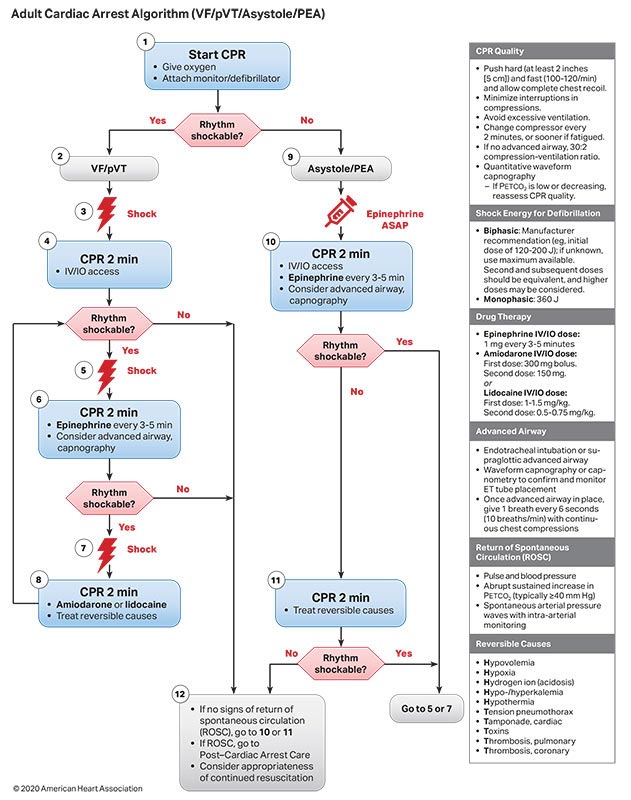
-
This question is part of the following fields:
- Cardiovascular
- Pharmacology
-
-
Question 85
Correct
-
Nitric oxide release from endothelium is stimulated by all of the following EXCEPT for:
Your Answer: Noradrenaline
Explanation:Nitric oxide (NO) production by the endothelium is increased by factors that elevate intracellular Ca2+, including local mediators such as bradykinin, histamine and serotonin, and some neurotransmitters (e.g. substance P). Increased flow (shear stress) also stimulates NO production and additionally activates prostacyclin synthesis. The basal production of NO continuously modulates vascular resistance; increased production of nitric oxide acts to cause vasodilation. Nitric oxide also inhibits platelet activation and thrombosis.
-
This question is part of the following fields:
- Cardiovascular
- Physiology
-
-
Question 86
Correct
-
You examine an elderly man who is experiencing chest pain. He doesn't recall all of his medications, but he does know that he takes a diuretic.
The enzyme carbonic anhydrase is inhibited by which of the following diuretics?Your Answer: Acetazolamide
Explanation:Acetazolamide is a non-competitive, reversible inhibitor of carbonic anhydrase found in the cytosol of cells and on the brush border of the proximal convoluted tubule. Bicarbonate and hydrogen ions are converted to carbonic acid by carbonic anhydrase, which then converts carbonic acid to carbon dioxide and water. As a result, acetazolamide reduces the availability of hydrogen ions, causing sodium and bicarbonate ions to accumulate in the renal tubule, resulting in diuresis.
The mechanism of action of the various types of diuretics is summarised below:1) Loop diuretics, e.g. furosemide, bumetanide
Act on the Na.K.2Cl co-transporters in the ascending loop of Henlé to inhibit sodium, chloride and potassium reabsorption.2) Thiazide diuretics, e.g. Bendroflumethiazide, hydrochlorothiazide
Act on the Na.Cl co-transporter in the distal convoluted tubule to inhibit sodium and chloride reabsorption.3) Osmotic diuretics, e.g. mannitol
Increases the osmolality of the glomerular filtrate and tubular fluid, increasing urinary volume by an osmotic effect.4) Aldosterone antagonists, e.g. spironolactone
Acts in the distal convoluted tubule as a competitive aldosterone antagonist resulting in inhibition of sodium reabsorption and increasing potassium reabsorption.5) Carbonic anhydrase inhibitors, e.g. acetazolamide
Inhibit the enzyme carbonic anhydrase preventing the conversion of bicarbonate and hydrogen ions into carbonic acid. -
This question is part of the following fields:
- Cardiovascular Pharmacology
- Pharmacology
-
-
Question 87
Correct
-
An 82-year-old woman was brought in an ambulance to the Emergency Department with a 1-hour history of left-sided weakness and dysphasia.
A CT scan is performed, and primary intracerebral haemorrhage is excluded as a possible cause. She is prepared for thrombolysis when her blood pressure is recorded at 200/115 mmHg.
Out of the following, which step would be the most appropriate as the next step in her management?Your Answer: Labetalol 10 mg IV
Explanation:A patient suffering from acute ischemic stroke can commonly present with hypertensive emergencies. Thrombolytic therapy is contraindicated in a patient with:
1. Systolic blood pressure greater than 185 mmHg
2. Diastolic blood pressure greater than 110 mmHgBut delaying thrombolytic therapy is associated with increased morbidity in patients with acute ischemic stroke.
Managing high blood pressure in acute ischemic stroke requires a slower and more controlled reduction in BP. In the presence of an ischaemic stroke, rapid reduction of MAP can compromise blood flow, causing further ischemia and worsening of the neurological deficit.
Intravenous labetalol is the agent of choice. The dose is 10 mg IV over 1-2 minutes. This dose can be repeated, or an infusion can be set up that runs at 2-8 mg/minute. Thrombolysis can be performed once the blood pressure is brought down to less than 180/105 mmHg.
A nitrate infusion (for example, Isoket) can be used as an alternative in patients with contraindications to the use of beta-blockers (e.g., asthma, heart block, cardiac failure).
-
This question is part of the following fields:
- Cardiovascular Pharmacology
- Pharmacology
-
-
Question 88
Correct
-
Regarding hypertensive crises, which of the following statements is CORRECT:
Your Answer: In a hypertensive emergency, blood pressure should be reduced by 20 - 25% within 2 hours.
Explanation:A hypertensive emergency is defined as severe hypertension (blood pressure ≥ 180/110 mmHg) with acute damage to the target organs. Prompt treatment with intravenous antihypertensive therapy is generally required; over the first few minutes or within 2 hours, blood pressure should be reduced by 20 – 25%. Severe hypertension without acute target organ damage is defined as hypertensive urgency.; blood pressure should be reduced gradually over 24 – 48 hours with oral antihypertensive therapy. If blood pressure is reduced too quickly in the management of hypertensive crises, there is a risk of reduced organ perfusion leading to cerebral infarction, blindness, deterioration in renal function, and myocardial ischaemia.
-
This question is part of the following fields:
- Cardiovascular
- Pharmacology
-
-
Question 89
Correct
-
A 34-year-old male presents to the Emergency Department with the complaint of palpitations and difficulty breathing, which started suddenly half an hour ago. His ECG shows findings of supraventricular tachycardia. You attempt vagal manoeuvres but cannot convert them back to sinus rhythm. Therefore, drug therapy is necessary to terminate the arrhythmia. Adenosine cannot be used in this patient because of a contra-indication listed in his medical record.
Which one of the conditions listed below would be a contraindication in this case?Your Answer: Asthma
Explanation:Entonox is a mixture of 50% Oxygen and 50% nitrous oxide and is given in an inhaled form as a quick form of analgesia. Entonox causes non-competitive inhibition of NMDA (N-methyl-D-aspartate) receptors, which are a subtype of the glutamate receptor.
It is stored in blue and white cylinders and administered via a pressure regulator and demand valve. The administration of this medicine reduces pain and anxiety in paediatric and dental procedures ands during labour.
Effects are apparent after 20 seconds, and peak action occurs after 3 to 5 minutes as it is a drug with a rapid onset and the patient will also recover rapidly from its effects. Entonox is widely used as it does not accumulate in the body and does not cause many side effects. However, a notable side effect is the inhibition of Vitamin B12 synthesis.
-
This question is part of the following fields:
- Cardiovascular Pharmacology
- Pharmacology
-
-
Question 90
Correct
-
Which of the following statements is correct with regards to heparin-induced thrombocytopaenia (HIT)?
Your Answer: HIT typically develops 5-10 days after starting heparin.
Explanation:Heparin-induced thrombocytopenia (HIT) is a prothrombotic disorder caused by antibodies that recognize complexes of platelet factor 4 (PF4) and heparin. HIT is frequently considered in the differential diagnosis of thrombocytopenia occurring in patients on heparin therapy. HIT is a challenging diagnosis because of routine heparin use in hospitalized patients, the common occurrence of thrombocytopenia. The process of heparin dependent IgG antibodies binding to heparin/platelet factor 4 complexes activates platelets and produces a hypercoagulable state. This syndrome typically develops 5-10 days (range 4-15 days) after heparin is commenced. It can occur with unfractionated heparin, low molecular weight heparin, or, rarely, fondaparinux. The diagnosis of HIT requires the combination of a compatible clinical picture and laboratory confirmation of the presence of heparin dependent platelet activating HIT antibodies. Discontinuation of heparin alone or initiation of a vitamin K antagonist alone like warfarin, is not sufficient to stop the development of thrombosis in patients with acute HIT. If there is moderate clinical suspicion for HIT, all sources of heparin must be discontinued and there must be consideration of anticoagulant treatment with a non-heparin drug.
-
This question is part of the following fields:
- Cardiovascular
- Pharmacology
-
-
Question 91
Correct
-
Which of the following is NOT an adverse effect associated with warfarin therapy:
Your Answer: Neutropenia
Explanation:Adverse effects of warfarin:
The most common adverse effect of warfarin is bleedingOther common adverse effects of warfarin include nausea, vomiting, diarrhoea, jaundice, hepatic dysfunction, pancreatitis, pyrexia, alopecia, purpura, and rash
Skin necrosis is a rare but serious adverse effect of warfarin; treatment with warfarin should be stopped if warfarin related skin necrosis is suspected
Calciphylaxis is a rare, but a very serious condition that causes vascular calcification and cutaneous necrosis
-
This question is part of the following fields:
- Cardiovascular
- Pharmacology
-
-
Question 92
Correct
-
Which of the following medications may lessen warfarin's anticoagulant effect:
Your Answer: Phenytoin
Explanation:Phenytoin will decrease the level or effect of warfarin by affecting hepatic/intestinal enzyme CYP3A4 metabolism.
Metronidazole will increase the level or effect of warfarin by affecting hepatic enzyme CYP2C9/10 metabolism.
NSAIDs, when given with Warfarin, increase anticoagulation. -
This question is part of the following fields:
- Cardiovascular
- Pharmacology
-
-
Question 93
Correct
-
In the treatment of bradyarrhythmias with adverse characteristics or risk of asystole, what is the initial suggested dose of atropine?
Your Answer: 500 micrograms
Explanation:Atropine 500 mcg IV bolus should be administered if there are any adverse features or risk of asystole. If the reaction is not adequate, repeat the steps every 3 to 5 minutes up to a maximum dose of 3 mg. In the case of acute myocardial ischemia or myocardial infarction, atropine should be taken with caution since the increased heart rate may aggravate the ischemia or increase the size of the infarct.
-
This question is part of the following fields:
- Cardiovascular
- Pharmacology
-
-
Question 94
Correct
-
You have been called to review a patient and his management in the resuscitation room. A very sick patient has been started on mannitol in his treatment protocol.
Out of the following, what is NOT an FDA-recognized indication for the use of mannitol?
Your Answer: Congestive cardiac failure
Explanation:Mannitol is the most widely used osmotic diuretic that is most commonly used to reduce cerebral oedema and intracranial pressure.
Mannitol has four FDA approved uses clinically:
1. Reduction of intracranial pressure and brain mass
2. reduce intraocular pressure if this is not achievable by other means
3. promote diuresis for acute renal failure to prevent or treat the oliguric phase before irreversible damage
4. promote diuresis to promote the excretion of toxic substances, materials, and metabolitesIt can be used in rhabdomyolysis-induced renal failure, especially in crush injuries. Mannitol reduces osmotic swelling and oedema in the injured muscle cells and helps restore skeletal muscle function.
It is a low molecular weight compound and can be freely filtered at the glomerulus and not reabsorbed. This way increases the osmolality of the glomerular filtrate and tubular fluid, increasing urinary volume by an osmotic effect. It also does not cross the blood-brain barrier (BBB).
Mannitol causes an expansion of the extracellular fluid space, which may worsen congestive cardiac failure. Contraindications to the use of mannitol include:
1. Anuria due to renal disease
2. Acute intracranial bleeding (except during craniotomy)
3. Severe cardiac failure
4. Severe dehydration
5. Severe pulmonary oedema or congestion
6. Known hypersensitivity to mannitol -
This question is part of the following fields:
- Cardiovascular Pharmacology
- Pharmacology
-
-
Question 95
Correct
-
Which of the following does NOT predispose to digoxin toxicity in a patient taking digoxin:
Your Answer: Hyponatraemia
Explanation:Hypoxia, hypercalcaemia, hypokalaemia and hypomagnesaemia predispose to digoxin toxicity. Care should also be taken in the elderly who are particularly susceptible to digoxin toxicity. Hypokalaemia may be precipitated by use of diuretics. Although hyponatremia can result in the development of other pathological disturbances, it does not potentiate digoxin toxicity.
-
This question is part of the following fields:
- Cardiovascular
- Pharmacology
-
-
Question 96
Correct
-
Regarding the cardiac cycle, which of the following statements is INCORRECT:
Your Answer: The second heart sound occurs in late diastole caused by closure of the atrioventricular valves.
Explanation:Diastole is usually twice the length of systole at rest, but decreases with increased heart rate. During systole, contraction of the ventricles compresses the coronary arteries and suppresses blood flow. This is particularly evident in the left ventricle, where during systole the ventricular pressure is the same as or greater than that in the arteries and as a result more than 85% of left ventricular perfusion occurs during diastole. This becomes a problem if the heart rate is increased as the diastolic interval is shorter and can result in ischaemia. The second heart sound, caused by closure of the semilunar valves, marks the end of systole.
-
This question is part of the following fields:
- Cardiovascular
- Physiology
-
-
Question 97
Incorrect
-
What is the recommended dosing regime for amiodarone in the treatment of a stable regular broad-complex tachycardia:
Your Answer: 300 mg IV over 5 minutes, followed by an IV infusion of 900 mg over the next 24 hours
Correct Answer: 300 mg IV over 10 - 60 minutes, followed by an IV infusion of 900 mg over the next 24 hours
Explanation:A ventricular tachycardia (or broad-complex tachycardia of uncertain origin) should be treated with amiodarone 300 mg IV over 10 – 60 min, followed by an infusion of 900 mg over the next 24 hours.
-
This question is part of the following fields:
- Cardiovascular
- Pharmacology
-
-
Question 98
Correct
-
In adult basic life support, chest compressions should be performed at which of the following rates:
Your Answer: 100 - 120 per minute
Explanation:Chest compressions should be performed at a rate of 100 – 120 per minute.
-
This question is part of the following fields:
- Cardiovascular
- Pharmacology
-
-
Question 99
Correct
-
An 85-year-old woman is brought in from her nursing home. She arrives in the Emergency Department and appears confused. The staff member from the nursing home accompanying her informs you that she takes a water tablet.
From her past medical history and records, you deduce that the water tablet is a loop diuretic.
Which of the following parts of a nephron does a loop diuretic act on?Your Answer: Ascending loop of Henlé
Explanation:Loop diuretics are drugs used to manage and treat fluid overload associated with CHF, liver cirrhosis, and renal disease. The drugs commonly used are:
Furosemide
Bumetanide
Torsemide
Ethacrynic AcidLoop diuretics act on the apical membrane of the thick ascending loop of Henle and inhibit the Na-K-Cl cotransporter. This blocks the reabsorption of sodium and chloride and results in salt-water excretion. This relieves congestion and reduces oedema.
Other diuretics act on the following part of the nephron:
1. Thiazide diuretics – Na/Cl co-transporter in the distal convoluted tubule
2. Osmotic diuretics – PCT and the loop of Henle
3. Aldosterone antagonists – distal convoluted tubule
4. Carbonic anhydrase inhibitors – inhibit the carbonic anhydrase and act on proximal tubular cells -
This question is part of the following fields:
- Cardiovascular Pharmacology
- Pharmacology
-
-
Question 100
Correct
-
You examine a 73-year-old patient who is experiencing a worsening of his chronic heart failure. Bumetanide was recently prescribed for him.
Which of the following statements about bumetanide is correct?Your Answer: It has better intestinal absorption than furosemide
Explanation:Bumetanide is a loop diuretic that inhibits sodium, chloride, and potassium reabsorption by acting on the Na.K.2Cl co-transporter in the ascending loop of Henlé. This reduces the osmotic gradient that forces water out of the collecting duct system and prevents the formation of a hypertonic renal medulla. This has a strong diuretic effect on the body.
It’s primarily used in patients with heart failure who aren’t responding to high doses of furosemide. Bumetanide and furosemide differ primarily in terms of bioavailability and pharmacodynamic potency.
In the intestine, furosemide is only partially absorbed, with a bioavailability of 40-50 percent. Bumetanide, on the other hand, is almost completely absorbed in the intestine and has a bioavailability of about 80%. Bumetanide is 40 times more potent than furosemide, and one milligram is roughly equivalent to 40 milligrams of furosemide.
Bumetanide also lowers the concentration of neuronal chloride, making GABA’s action more depolarizing. In the neonatal period, it is being studied as an antiepileptic.
-
This question is part of the following fields:
- Cardiovascular Pharmacology
- Pharmacology
-
SESSION STATS - PERFORMANCE PER SPECIALTY
