-
Question 1
Incorrect
-
Regarding penicillin antibiotics, which of the following statements is CORRECT:
Your Answer: Patients who only develop a rash or urticaria immediately after penicillin should not be noted as having a penicillin allergy.
Correct Answer: Patients with a history of atopy are at higher risk of hypersensitivity reactions.
Explanation:Allergic reactions to penicillins occur in 1 – 10% of exposed individuals; anaphylactic reactions occur in fewer than 0.05% of treated patients. Patients with a history of atopic allergy are at higher risk of anaphylactic reactions to penicillins. Patients with a history of anaphylaxis, urticaria, or rash immediately after penicillin use should not receive a penicillin or other beta-lactam antibiotics; about 0.5 – 6.5 % of penicillin-sensitive patients will also be allergic to the cephalosporins.
Patients with a history of a more minor rash (i.e. non-confluent, non-pruritic rash restricted to a small area of the body) or delayed reaction (rash occurring more than 72 hours after penicillin administration), may not be truly allergic and may be considered for penicillin or beta-lactam treatment in severe infection (although possibility of allergy should be borne in mind). Other beta-lactam antibiotics (including cephalosporins) can be used in these patients.
-
This question is part of the following fields:
- Infections
- Pharmacology
-
-
Question 2
Incorrect
-
Regarding ciprofloxacin, which of the following statements is INCORRECT:
Your Answer: Ciprofloxacin interferes with bacterial nucleic acid synthesis.
Correct Answer: Ciprofloxacin decreases plasma concentrations of theophylline.
Explanation:Ciprofloxacin increases plasma concentrations of theophylline. There is an increased risk of convulsions when quinolones are given with NSAIDs or theophylline. There is an increased risk of tendon damage when quinolones are given with corticosteroids. Quinolones are known to increase the QT-interval and should not be taken with concomitantly with other drugs that are known to cause QT-interval prolongation. There is an increased risk of myopathy when erythromycin or clarithromycin are taken with simvastatin or atorvastatin.
-
This question is part of the following fields:
- Infections
- Pharmacology
-
-
Question 3
Correct
-
When an elderly dehydrated patient is moved from a supine to a standing position, her heart rate increases. Which of the following accounts for the increase in heart rate upon standing:
Your Answer: Decreased venous return
Explanation:On standing from a prone position, gravity causes blood to pool in veins in the legs. Central venous pressure (CVP) falls, causing a fall in stroke volume and cardiac output (due to Starling’s law) and thus a fall in blood pressure. Normally this fall in BP is rapidly corrected by the baroreceptor reflex which causes venoconstriction (partially restoring CVP), and an increase in heart rate and contractility, so restoring cardiac output and blood pressure. Impaired autonomic nervous activity in the elderly accounts for the greater likelihood of postural hypotension. Any symptoms of dizziness, blurred vision or syncope is due to a transient fall in cerebral perfusion that occurs before cardiac output and mean arterial pressure (MAP) can be corrected.
-
This question is part of the following fields:
- Cardiovascular
- Physiology
-
-
Question 4
Correct
-
A 5-year-old girl presents in a paediatric clinic with symptoms of viral gastroenteritis. You encourage the mother to treat the child at home with oral rehydration therapy (ORT), e.g. dioralyte.
Out of the following, which statement is FALSE regarding the use of ORT in the management of gastroenteritis?Your Answer: ORT is sugar-free
Explanation:One of the major complications of gastroenteritis is dehydration. Choosing the correct fluid replacement therapy is essential according to a patient’s hydration status.
Oral rehydration therapy (ORT) refers to the restitution of water and electrolyte deficits in dehydrated patients using an oral rehydration salt (ORS) solution. It is a fluid replacement strategy that is less invasive than other strategies for fluid replacement and has successfully lowered the mortality rate of diarrhoea in developing countries.
Some characteristics of Oral rehydration solutions are:
– slightly hypo-osmolar (about 250 mmol/litre) to prevent the possible induction of osmotic diarrhoea.
– contain glucose (e.g. 90 mmol/L in dioralyte). The addition of glucose improves sodium and water absorption in the bowel and prevents hypoglycaemia.
– also contains essential mineral saltsCurrent NICE guidance recommends that 50 ml/kg is given over 4 hours to treat mild dehydration.
Once rehydrated, a child should continue with their usual daily fluid intake plus 200 ml ORT after each loose stool. In an infant, give ORT at 1-1.5 x the normal feed volume and in an adult, give 200-400 ml after each loose stool. -
This question is part of the following fields:
- Fluids & Electrolytes
- Pharmacology
-
-
Question 5
Incorrect
-
Which of the following classes of drugs may predispose to lithium toxicity:
Your Answer: Theophylline
Correct Answer: Thiazide diuretics
Explanation:Excretion of lithium may be reduced by thiazide diuretics, NSAIDs, and ACE inhibitors thus predisposing to lithium toxicity. Loop diuretics also cause lithium retention but are less likely to result in lithium toxicity.
-
This question is part of the following fields:
- Central Nervous System
- Pharmacology
-
-
Question 6
Correct
-
Which of the following microbes binds strongly to CD4 antigen:
Your Answer: HIV
Explanation:HIV mainly infects CD4+ T helper cells. Viral replication results in progressive T-cell depletion and impaired cell-mediated immunity with subsequent secondary opportunistic infections and increased risk of malignancy. B-cell function is also reduced as a result of lack of T-cell stimulation.
HIV is not a notifiable disease. -
This question is part of the following fields:
- Microbiology
- Principles
-
-
Question 7
Incorrect
-
A patient diagnosed with cranial nerve palsy exhibits asymmetrical movement of the palate, nasal regurgitation of food, and nasal quality to the voice.
Which of the following cranial nerves is most likely responsible for the aforementioned features?Your Answer: Hypoglossal nerve
Correct Answer: Vagus nerve
Explanation:The vagus nerve, ‘the wanderer’, contains motor fibres (to the palate and vocal cords), sensory components (posterior and floor of external acoustic meatus) and visceral afferent and efferent fibres.
Palatal weakness can cause nasal speech and nasal regurgitation of food. The palate moves asymmetrically when the patient says ‘ahh’. Recurrent nerve palsy results in hoarseness, loss of volume and ‘bovine cough’.
-
This question is part of the following fields:
- Anatomy
- Central Nervous System
-
-
Question 8
Incorrect
-
The QRS duration of a broad-complex tachyarrhythmia is:
Your Answer: Greater than 0.12 s
Correct Answer: Greater than or equal to 0.12 s
Explanation:It’s a broad-complex tachycardia if the QRS duration is 0.12 seconds or more. It’s a narrow-complex tachycardia if the QRS complex is shorter than 0.12 seconds. The QRS duration should be examined if the patient with tachyarrhythmia is stable.
-
This question is part of the following fields:
- Cardiovascular
- Pharmacology
-
-
Question 9
Correct
-
For a tachyarrhythmia caused by hypovolaemic shock, which of the following is the first-line treatment:
Your Answer: Synchronised DC shock
Explanation:If there are any adverse symptoms, immediate cardioversion with synchronized DC shock is recommended. If cardioversion fails to stop the arrhythmia and the symptoms persist, amiodarone 300 mg IV over 10–20 minutes should be administered before attempting another cardioversion. The loading dosage of amiodarone is followed by a 24-hour infusion of 900 mg administered into a large vein.
-
This question is part of the following fields:
- Cardiovascular
- Pharmacology
-
-
Question 10
Correct
-
A 30-year-old man present to the ED with abdominal pain, nausea and vomiting. It has been present for the past two days.
Which of the following statements regarding diarrhoea and vomiting is true?
Your Answer: E.Coli can cause diarrhoea and renal failure
Explanation:Escherichia coli strain 0157 causes enterohaemorrhagic diarrhoea and can lead to renal failure, haemolytic anaemia and thrombocytopenia.
Norwalk virus is an RNA virus.
Although transmission of rotavirus is primarily through the faeco-oral route, airborne spread has been seen in some cases.
Cryptosporidium are protozoa with acid fast walls and are resistant to both chlorine treatment and conventional filtering methods.
There is no therapy effective in treating cryptosporidium diarrhoea as the protozoa is not susceptible to antibiotics.
-
This question is part of the following fields:
- Microbiology
- Specific Pathogen Groups
-
-
Question 11
Incorrect
-
You examine a 78-year-old man who has been diagnosed with chronic lymphocytic leukaemia (CLL).
What is the MAIN contributory factor in this condition's immunodeficiency?Your Answer: Neutropenia
Correct Answer: Hypogammaglobulinemia
Explanation:Immunodeficiency is present in all patients with chronic lymphocytic leukaemia (CLL), though it is often mild and not clinically significant. Infections are the leading cause of death in 25-50 percent of CLL patients, with respiratory tract, skin, and urinary tract infections being the most common.
Hypogammaglobulinemia is the most common cause of immunodeficiency in CLL patients, accounting for about 85 percent of all cases.
-
This question is part of the following fields:
- Haematology
- Pathology
-
-
Question 12
Correct
-
What is the direct mechanism of action of digoxin as a positive inotrope:
Your Answer: Inhibition of Na+/K+ ATPase pump
Explanation:Digoxin directly inhibits membrane Na+/K+ ATPase, which is responsible for Na+/K+ exchange across the myocyte cell membrane. This increases intracellular Na+ and produces a secondary increase in intracellular Ca2+ that increases the force of myocardial contraction. The increase in intracellular Ca2+ occurs because the decreased Na+ gradient across the membrane reduces the extrusion of Ca2+ by the Na+/Ca2+ exchanger that normally occurs during diastole. Digoxin and K+ ions compete for the receptor on the outside of the muscle cell membrane, and so the effects of digoxin may be dangerously increased in hypokalaemia.
-
This question is part of the following fields:
- Cardiovascular
- Pharmacology
-
-
Question 13
Correct
-
A 38-year-old woman is investigated for Addison's disease. She had low blood pressure, weakness, weight loss, and skin discoloration. An adrenocorticotropic hormone (ACTH) stimulation test is scheduled as part of her treatment.
Which of the following statements about ACTH is correct?Your Answer: It is released in response to the release of CRH
Explanation:The anterior pituitary gland produces and secretes a peptide hormone called adrenocorticotropic hormone (ACTH) (adenohypophysis). It is secreted in response to the hypothalamus’s secretion of the hormone corticotropin-releasing hormone (CRH).
ACTH promotes cortisol secretion via binding to cell surface ACTH receptors in the zona fasciculata of the adrenal cortex.
ACTH also promotes the production of beta-endorphin, which is a precursor to melanocyte-releasing hormone (MRH).
-
This question is part of the following fields:
- Endocrine Physiology
- Physiology
-
-
Question 14
Correct
-
When there is the presence of distended and engorged veins in the umbilical area, which of the following portosystemic anastomoses has most likely occurred?
Your Answer: Para-umbilical veins and inferior epigastric vein
Explanation:Caput medusae is a condition that consists of collateral veins radiating from the umbilicus and results from recanalization of the umbilical vein.
Under normal conditions, the portal venous blood traverses the liver and drains into the inferior vena cava of the systemic venous circulation by way of the hepatic veins. This is the direct route. However, other, smaller communications exist between the portal and systemic systems, and they become important when the direct route becomes blocked. These communications are as follows:
At the lower third of the oesophagus, the oesophageal branches of the left gastric vein (portal tributary) anastomose with the oesophageal veins draining the middle third of the oesophagus into the azygos veins (systemic tributary).
Halfway down the anal canal, the superior rectal veins (portal tributary) draining the upper half of the anal canal anastomosis with the middle and inferior rectal veins (systemic tributaries), which are tributaries of the internal iliac and internal pudendal veins, respectively.
The paraumbilical veins connect the left branch of the portal vein with the superficial veins of the anterior abdominal wall (systemic tributaries). The paraumbilical veins travel in the falciform ligament and accompany the ligamentum teres.
The veins of the ascending colon, descending colon, duodenum, pancreas, and liver (portal tributary) anastomose with the renal, lumbar, and phrenic veins (systemic tributaries).
-
This question is part of the following fields:
- Abdomen And Pelvis
- Anatomy
-
-
Question 15
Correct
-
An analytical study is conducted to compare the risk of stroke between Ticagrelor therapy and Warfarin therapy among patients with atrial fibrillation. The following is obtained from the study:
No. of patients who took Ticagrelor: 300
No. of patients who took Ticagrelor and suffered a stroke: 30
No. of patients who took Warfarin: 500
No. of patients who took Warfarin and suffered a stroke: 20
Compute for the absolute risk reduction of a stroke, with Warfarin as the standard of treatment.Your Answer: -0.06
Explanation:Absolute risk reduction (ARR) is computed as the difference between the absolute risk in the control group (ARC) and the absolute risk in the treatment group (ART).
Since Warfarin is the standard of treatment, Warfarin is considered as the control group.
ARR = ARC-ART
ARR = (20/500) – (30/300)
ARR = -0.06This means that there is increased risk of stroke in the treatment group, which is the Ticagrelor group.
-
This question is part of the following fields:
- Evidence Based Medicine
-
-
Question 16
Correct
-
A 50-year-old man presents with signs and symptoms of an anaphylactic reaction. His GP had recently given him a new medication.
Which one of these is the most likely medication responsible for the drug-induced anaphylactic reaction?
Your Answer: Penicillin
Explanation:The most common cause of drug-induced anaphylaxis is penicillin.
The second commonest cause are NSAIDs. Other drugs associated with anaphylaxis are ACE inhibitors and aspirin.
-
This question is part of the following fields:
- Infections
- Pharmacology
-
-
Question 17
Correct
-
Which of the following could denote a diagnosis of acquired immunodeficiency syndrome (AIDS) in a patient infected with HIV:
Your Answer: CD4 count < 200 cells/uL
Explanation:A diagnosis of AIDS can be made in a patient infected with HIV if the patient has a CD4 count < 200 cells/uL, or an AIDS-defining illness. Antiretroviral treatment should be considered in patients with CD4 counts < 350 cells/uL.
Oral candidiasis is not an AIDS defining illness – candidiasis of the bronchi, trachea, lungs or of the oesophagus is an AIDS defining illness.
A positive p24 antigen test seen in early HIV infection and does not indicate the development of AIDS.
-
This question is part of the following fields:
- Microbiology
- Pathogens
-
-
Question 18
Correct
-
Which of the following best describes the therapeutic effect of calcium gluconate when used in treatment for hyperkalaemia:
Your Answer: Reduces cardiac cell membrane excitability
Explanation:Calcium resonium is an ion-exchange resin that exchanges sodium for potassium as it passes through the intestine, leading to excretion of potassium from the body. Salbutamol and insulin act to increase intracellular uptake of K+ via Na-K ATP pump. Sodium bicarbonate acts to correct acidosis and thus promotes intracellular uptake of K+. Calcium gluconate acts to protect the cardiac membrane and has no effect on serum K+ levels.
-
This question is part of the following fields:
- Fluids And Electrolytes
- Pharmacology
-
-
Question 19
Correct
-
Regarding postural hypotension, which of the following statements is INCORRECT:
Your Answer: Postural hypotension usually causes a reflex bradycardia.
Explanation:On standing from a prone position, gravity causes blood to pool in veins in the legs. Central venous pressure (CVP) falls, causing a fall in stroke volume and cardiac output (due to Starling’s law) and thus a fall in blood pressure. Normally this fall in BP is rapidly corrected by the baroreceptor reflex which causes venoconstriction (partially restoring CVP), and an increase in heart rate and contractility, so restoring cardiac output and blood pressure. Impaired autonomic nervous activity in the elderly accounts for the greater likelihood of postural hypotension. Any symptoms of dizziness, blurred vision or syncope is due to a transient fall in cerebral perfusion that occurs before cardiac output and mean arterial pressure (MAP) can be corrected.
-
This question is part of the following fields:
- Cardiovascular
- Physiology
-
-
Question 20
Incorrect
-
The big toe of a 59-year-old female is red, hot, and swollen. The patient is diagnosed with acute gout. You intend to start her on a nonsteroidal anti-inflammatory medicine (NSAID). Her husband was diagnosed with a peptic ulcer, and she is apprehensive about the potential adverse effects of NSAIDs.
Which of the following NSAIDs has the lowest chance of causing side effects?Your Answer: Naproxen
Correct Answer: Ibuprofen
Explanation:Non-steroidal anti-inflammatory medications (NSAIDs) have slight differences in anti-inflammatory activity, but there is a lot of diversity in individual response and tolerance to these treatments. Approximately 60% of patients will respond to any NSAID; those who do not respond to one may well respond to another. Pain relief begins soon after the first dose, and a full analgesic effect should be achieved within a week, whereas an anti-inflammatory effect may take up to three weeks to achieve (or to be clinically assessable). If the desired results are not reached within these time frames, another NSAID should be attempted.
By inhibiting the enzyme cyclo-oxygenase, NSAIDs limit the generation of prostaglandins. They differ in their selectivity for inhibiting various types of cyclo-oxygenase; selective inhibition of cyclo-oxygenase-2 is linked to reduced gastrointestinal discomfort. Susceptibility to gastrointestinal effects is influenced by a number of different parameters, and an NSAID should be chosen based on the frequency of side effects.
Ibuprofen is an anti-inflammatory, analgesic, and antipyretic propionic acid derivative. Although it has fewer side effects than other non-selective NSAIDs, its anti-inflammatory properties are less effective. For rheumatoid arthritis, daily doses of 1.6 to 2.4 g are required, and it is contraindicated for illnesses characterized by inflammation, such as acute gout.Because it combines strong efficacy with a low incidence of adverse effects, Naproxen is one of the top choices. It is more likely to cause negative effects than ibuprofen.
Similar to ibuprofen, ketoprofen and diclofenac have anti-inflammatory characteristics, however they have additional negative effects.Indomethacin has a similar or better effect to naproxen, however it comes with a lot of side effects, such as headaches, dizziness, and gastrointestinal problems.
-
This question is part of the following fields:
- Musculoskeletal Pharmacology
- Pharmacology
-
-
Question 21
Incorrect
-
In the emergency department, a 50-year-old female appears with a lack of sensation over the front two-thirds of her tongue. Taste and salivation are both present. The patient might have damage which of her nerves?
Your Answer: Hypoglossal nerve
Correct Answer: Lingual nerve
Explanation:The lingual nerve, a branch of the mandibular nerve, transmits sensation to the anterior two-thirds of the tongue.
The chorda tympani, a branch of the facial nerve, transmits taste to the front two-thirds of the tongue as well as secretomotor innervation to the submandibular and sublingual glands.
As a result, any damage to the lingual nerve can cause changes in salivary secretion on the affected side, as well as a loss of taste in the anterior two-thirds of the tongue and temporary or permanent sensory changes in the anterior two-thirds of the tongue and the floor of the mouth.
-
This question is part of the following fields:
- Anatomy
- Cranial Nerve Lesions
-
-
Question 22
Incorrect
-
A paediatric patient comes to the emergency room with complaints of right lower quadrant pain. The attending physician is considering appendicitis. Inside the operating room, the surgeon asks the medical student to locate the McBurney's point prior to the first incision.
Which of the following is the surface anatomy of the McBurney's point?Your Answer: Two-thirds of the distance from the anterior superior iliac spine to the umbilicus
Correct Answer: One-third of the distance from the anterior superior iliac spine to the umbilicus
Explanation:Inflammation of the appendix is a significant public health problem with a lifetime incidence of 8.6% in men and 6.7% in women, with the highest incidence occurring in the second and third decade of life. While the rate of appendectomy in developed countries has decreased over the last several decades, it remains one of the most frequent emergent abdominal operations. Appendicitis can often result in anorexia, nausea, vomiting, and fever.
McBurney’s point, which is found one-third of the distance between the anterior superior iliac spine and the umbilicus, is often the point of maximal tenderness in a patient with an anatomically normal appendix. A McBurney’s incision is chiefly used for cecostomy and appendectomy. It gives a limited exposure only, and should any doubt arise about the diagnosis, an infraumbilical right paramedian incision should be used instead.
-
This question is part of the following fields:
- Abdomen And Pelvis
- Anatomy
-
-
Question 23
Correct
-
You examine a 73-year-old patient who is experiencing a worsening of his chronic heart failure. Bumetanide was recently prescribed for him.
Which of the following statements about bumetanide is correct?Your Answer: It has better intestinal absorption than furosemide
Explanation:Bumetanide is a loop diuretic that inhibits sodium, chloride, and potassium reabsorption by acting on the Na.K.2Cl co-transporter in the ascending loop of Henlé. This reduces the osmotic gradient that forces water out of the collecting duct system and prevents the formation of a hypertonic renal medulla. This has a strong diuretic effect on the body.
It’s primarily used in patients with heart failure who aren’t responding to high doses of furosemide. Bumetanide and furosemide differ primarily in terms of bioavailability and pharmacodynamic potency.
In the intestine, furosemide is only partially absorbed, with a bioavailability of 40-50 percent. Bumetanide, on the other hand, is almost completely absorbed in the intestine and has a bioavailability of about 80%. Bumetanide is 40 times more potent than furosemide, and one milligram is roughly equivalent to 40 milligrams of furosemide.
Bumetanide also lowers the concentration of neuronal chloride, making GABA’s action more depolarizing. In the neonatal period, it is being studied as an antiepileptic.
-
This question is part of the following fields:
- Cardiovascular Pharmacology
- Pharmacology
-
-
Question 24
Incorrect
-
A 54 year old patient presents with vertigo, ipsilateral hemiataxia, dysarthria, ptosis and miosis.
Which of these blood vessels has most likely been occluded?
Your Answer: Superior cerebellar artery
Correct Answer: Posterior inferior cerebellar artery
Explanation:Posterior inferior cerebellar artery (PICA) occlusion is characterised by vertigo, ipsilateral hemiataxia, dysarthria, ptosis and miosis. PICA occlusion causes infarction of the posterior inferior cerebellum, inferior cerebellar vermis and lateral medulla.
-
This question is part of the following fields:
- Anatomy
- Central Nervous System
-
-
Question 25
Correct
-
On which of the following types of receptors does loperamide act?
Your Answer: Opioid receptors
Explanation:Loperamide inhibits acetylcholine release from the myenteric plexus acts by action on opioid mu-receptors, and this then reduces bowel motility. The intestinal transit time is increased, thereby facilitating water reabsorption.
-
This question is part of the following fields:
- Gastrointestinal
- Pharmacology
-
-
Question 26
Incorrect
-
In inserting a nasogastric tube, which area is least likely to be a site of resistance when the tube goes from the nose to the stomach?
Your Answer: In the posterior mediastinum where the oesophagus is crossed by the left main bronchus
Correct Answer: In the posterior mediastinum where the oesophagus is crossed by the pulmonary trunk
Explanation:In the posterior mediastinum where the oesophagus is crossed by the pulmonary trunk offers the least resistance when nasogastric tube is inserted from the nose to the stomach.
-
This question is part of the following fields:
- Anatomy
- Thorax
-
-
Question 27
Correct
-
Infection with Campylobacter jejuni is one of the most common risk factors for which of the following conditions?
Your Answer: Guillain-Barre syndrome
Explanation:One of the most common risk factors for GBS is infection with Campylobacter jejuni, which causes diarrhoea.
Guillain-Barré syndrome (GBS) is a rare autoimmune disorder in which the body’s immune system attacks the nerves, resulting in muscle weakness and paralysis.
Infection with Streptococcus pyogenes can cause acute glomerulonephritis and rheumatic fever.
Haemolytic uraemic syndrome is commonly linked to E. coli infection.
Following measles infection, subacute sclerosing panencephalitis develops.
-
This question is part of the following fields:
- Microbiology
- Pathogens
-
-
Question 28
Correct
-
Which of the following is NOT an effect of gastrin:
Your Answer: Stimulation of insulin release
Explanation:Gastrin acts to:
Stimulate acid secretion from parietal cells (both directly and indirectly by stimulating release of histamine from ECL cells)
Stimulate pepsinogen secretion from chief cells
Increase gastric motility
Stimulate growth of gastric mucosa -
This question is part of the following fields:
- Gastrointestinal
- Physiology
-
-
Question 29
Correct
-
Which of the following drug classes may cause bronchoconstriction:
Your Answer: Beta-blockers
Explanation:Beta-blockers, including those considered to be cardioselective, should usually be avoided in patients with a history of asthma, bronchospasm or a history of obstructive airways disease. However, when there is no alternative, a cardioselective beta-blocker can be given to these patients with caution and under specialist supervision. In such cases the risk of inducing bronchospasm should be appreciated and appropriate precautions taken.
-
This question is part of the following fields:
- Cardiovascular
- Pharmacology
-
-
Question 30
Incorrect
-
A 30-year-old woman was involved in a road traffic accident and had a class I haemorrhage.
Which physiological parameter is consistent with a diagnosis of class I haemorrhage?
Your Answer: 25% of blood volume lost
Correct Answer: Increased pulse pressure
Explanation:There are 4 classes of haemorrhage. Classification is based on clinical signs and physiological parameters.
In CLASS I:Blood loss (ml) is < or = 750
Blood loss(% blood volume) < or = 15%
Pulse rate (bpm) is <100
Respiratory rate is 14-20
Urine output (ml/hr) is >30
Pulse pressure is normal or increased
Systolic BP is normal
CNS/mental status patient is slightly anxiousIn CLASS II:
Blood loss (ml) is 750 – 1500
Blood loss(% blood volume) is 15 – 30%
Pulse rate (bpm) is 100 – 120
Respiratory rate is 20-30
Urine output (ml/hr) is 20-30
Pulse pressure is decreased
Systolic BP is normal
CNS/mental status patient is mildly anxiousIn CLASS III:
Blood loss (ml) is 1500 – 2000
Blood loss(% blood volume) is 30- 40%
Pulse rate (bpm) is 120 – 140
Respiratory rate is 30-40
Urine output (ml/hr) is 5-15
Pulse pressure is decreased
Systolic BP is decreased
CNS/mental status patient is anxious, confusedIn CLASS IV:
Blood loss (ml) is >2000
Blood loss(% blood volume) is >40%
Pulse rate (bpm) is >140
Respiratory rate is >40
Urine output (ml/hr) is negligible
Pulse pressure is decreased
Systolic BP is decreased
CNS/mental status patient is confused, lethargic -
This question is part of the following fields:
- Cardiovascular Physiology
- Physiology
-
-
Question 31
Correct
-
A patient presents with severe vomiting. They take a maintenance dose of 12.5 mg of prednisolone daily for their COPD. They are unable to swallow or keep down tablets at present, and you plan on converting them to IV hydrocortisone.
What dose of hydrocortisone is equivalent to this dose of prednisolone? Select ONE answer only.Your Answer: 50 mg
Explanation:Prednisolone is four times more potent than hydrocortisone, and therefore, a dose of 12.5 mg would be equivalent to 50 mg of hydrocortisone.
The following table summarises the relative potency of the main corticosteroids compared with hydrocortisone:
Corticosteroid
Potency relative to hydrocortisone
Prednisolone
4 times more potent
Triamcinolone
5 times more potent
Methylprednisolone
5 times more potent
Dexamethasone
25 times more potent -
This question is part of the following fields:
- Endocrine Pharmacology
- Pharmacology
-
-
Question 32
Correct
-
Severe vomiting and diarrhoea were reported by a 25-year-old man. He's dehydrated and needs intravenous fluids to rehydrate. You give him cyclizine as part of his treatment.
What is cyclizine's main mechanism of action?Your Answer: Antihistamine action
Explanation:Cyclizine is a piperazine derivative that functions as an antihistamine (H1-receptor antagonist). To prevent nausea and vomiting, it is thought to act on the chemoreceptor trigger zone (CTZ) and the labyrinthine apparatus. It has a lower antimuscarinic effect as well.
-
This question is part of the following fields:
- CNS Pharmacology
- Pharmacology
-
-
Question 33
Incorrect
-
In all of the following conditions, lymphocytosis typically occurs except for:
Your Answer: Pertussis
Correct Answer: Corticosteroid therapy
Explanation:In infants and young children, lymphocytosis often occurs in response to infections that would normally produce a neutrophil reaction in adults.
Lymphocytosis occurs in:
1. Viral infections (e.g. infectious mononucleosis, HIV, rubella, mumps, viral hepatitis, cytomegalovirus, herpes simplex or zoster)
2. Bacterial infections (e.g. pertussis, tuberculosis, toxoplasmosis, syphilis)
3. Chronic lymphoid leukaemias
4. Acute lymphoblastic leukaemias
5. Non-Hodgkin lymphoma
6. Thyrotoxicosis -
This question is part of the following fields:
- Immune Responses
- Pathology
-
-
Question 34
Correct
-
Which of the following is NOT a typical effect caused by adrenaline:
Your Answer: Bronchoconstriction
Explanation:Actions of adrenaline:
Cardiovascular system
– Increased rate and force of cardiac contraction
– Vasoconstriction of vessels in skin, mucous membranes and splanchnic bed
– Vasodilation of skeletal muscle vessels
– Increased cardiac output and blood pressure
Respiratory system
– Bronchodilation
– Increased ventilation rate
Gastrointestinal system
– Smooth muscle relaxation
– Contraction of sphincters
– Metabolism
– Decreased insulin release
– Increased glucagon release
– Increased thermogenesis
– Increased glycolysis
– Increased lipolysis
Eye
– Pupillary dilation -
This question is part of the following fields:
- Endocrine
- Physiology
-
-
Question 35
Correct
-
A 30-year old male is taken to the emergency room after suffering a blunt trauma to the abdomen. He is complaining of severe abdominal pain, however all his other vital signs remain stable. A FAST scan is performed to assess for hemoperitoneum.
If hemoperitoneum is present, it is most likely to be observed in which of the following areas?Your Answer: Liver
Explanation:The Focused Assessment with Sonography in Trauma (FAST) is an ultrasound protocol developed to assess for hemoperitoneum and hemopericardium. Numerous studies have demonstrated sensitivities between 85% to 96% and specificities exceeding 98%.
The FAST exam evaluates four regions for pathologic fluid: (1) the right upper quadrant, (2) the subxiphoid (or subcostal) view, (3) the left upper quadrant, and (4) the suprapubic region.
The right upper quadrant (RUQ) visualizes the hepatorenal recess, also known as Morrison’s pouch, the right paracolic gutter, the hepato-diaphragmatic area, and the caudal edge of the left liver lobe. The probe is positioned in the sagittal orientation along the patient’s flank at the level of the 8 to 11 rib spaces. The hand is placed against the bed to ensure visualization of the retroperitoneal kidney. The RUQ view is the most likely to detect free fluid with an overall sensitivity of 66%. Recent retrospective evidence suggests the area along the caudal edge of the left lobe of the liver has the highest sensitivity, exceeding 93%.
-
This question is part of the following fields:
- Abdomen And Pelvis
- Anatomy
-
-
Question 36
Correct
-
After reviewing a child with respiratory distress who presented to the clinic, you make a diagnosis of bronchiolitis.
What is the most common causative organism?
Your Answer: Respiratory syncitial virus
Explanation:Bronchiolitis is a common respiratory infection that occurs in infancy between the ages of 3-6 months and in the winter months. It is most commonly caused by the respiratory syncytial virus (70% of cases)
Although it can also be caused by parainfluenza virus, adenovirus, coronavirus, rhinovirus, and influenza virus, these are not the most common causes
-
This question is part of the following fields:
- Microbiology
- Specific Pathogen Groups
-
-
Question 37
Incorrect
-
Which of the following statements is true regarding the extensor pollicis longus?
Your Answer: It arises from the lateral epicondyle of the elbow
Correct Answer: It is innervated by the posterior interosseous nerve
Explanation:Extensor pollicis longus is part of the deep extensors of the forearm together with extensor pollicis brevis, abductor pollicis longus, extensor indicis and supinator muscles. It is located on the posterior aspect of forearm, extending from the middle third of the ulna, and adjacent interosseous membrane, to the distal phalanx of the thumb.
Extensor digitorum is innervated by posterior interosseous nerve which is a continuation of a deep branch of radial nerve (root value C7 and C8).
Extensor pollicis brevis receives its blood supply from the posterior interosseous artery and perforating branches of the anterior interosseous artery.
The main action of extensor pollicis longus is extension of the thumb at the metacarpophalangeal and interphalangeal joints. Extension at the metacarpophalangeal joint occurs in synergy with extensor pollicis brevis muscle. When the thumb reaches the full extension or abduction, extensor pollicis longus can also assist in adduction of the thumb.
-
This question is part of the following fields:
- Anatomy
- Upper Limb
-
-
Question 38
Incorrect
-
Regarding bile acids, which of the following statements is INCORRECT:
Your Answer: Bile acids form micelles in aqueous solutions.
Correct Answer: The main primary bile acids are deoxycholic acid and lithocholic acid.
Explanation:Bile acids have a hydrophobic and a hydrophilic end and in aqueous solution, bile salts orient themselves around droplets of lipid forming micelles to keep the lipid droplets dispersed. The principal primary bile acids are cholic acid and chenodeoxycholic acid. They are made more soluble by conjugation with taurine or glycine in the liver. Of the bile acids excreted into the intestine, about 95% are reabsorbed into the portal circulation by active transport mechanisms in the distal ileum and recycled by the liver.
-
This question is part of the following fields:
- Gastrointestinal
- Physiology
-
-
Question 39
Incorrect
-
At rest, saliva is produced predominantly by which of the following:
Your Answer: Parotid gland
Correct Answer: Submandibular gland
Explanation:At rest, most saliva is produced by the submandibular gland (65%). When stimulated by the autonomic nervous system, about 50% of saliva is produced by the parotid gland with only 30% produced by the submandibular gland.
-
This question is part of the following fields:
- Gastrointestinal
- Physiology
-
-
Question 40
Correct
-
Regarding aciclovir, which of the following statements is INCORRECT:
Your Answer: Aciclovir eradicates herpes simplex virus from the body.
Explanation:Aciclovir is active against herpesviruses but does not eradicate latent virus.
-
This question is part of the following fields:
- Infections
- Pharmacology
-
-
Question 41
Incorrect
-
Fusidic acid is primarily indicated for infections caused by which of the following microorganisms:
Your Answer: Gonococcal infections
Correct Answer: Staphylococcal infections
Explanation:Fusidic acid is a narrow spectrum antibiotic used for staphylococcal infections, primarily topically for minor staphylococcal skin (impetigo) or eye infection. It is sometimes used orally for penicillin-resistant staphylococcal infection, including osteomyelitis or endocarditis, in combination with other antibacterials.
-
This question is part of the following fields:
- Infections
- Pharmacology
-
-
Question 42
Incorrect
-
The following are all examples of type III hypersensitivity EXCEPT for:
Your Answer: Post-streptococcal glomerulonephritis
Correct Answer: Goodpasture's syndrome
Explanation:Examples of type III reactions include:
Extrinsic allergic alveolitis
Systemic lupus erythematosus (SLE)
Post-streptococcal glomerulonephritis
Reactive arthritis
Rheumatoid arthritis -
This question is part of the following fields:
- Immune Responses
- Pathology
-
-
Question 43
Correct
-
A 54-year-old man returns from a recently holiday on a cruise ship with a dry cough and a fever. Today he has also had several episodes of diarrhoea and has developed bilateral pleuritic chest pain. He states that he is short of breath, most notably on exertion. He had been prescribed amoxicillin by the cruise ship doctor a few days earlier but has not seen any improvement.
Which of the following is the most likely causative organism? Select ONE answer only.Your Answer: Legionella pneumophila
Explanation:Legionella pneumophilais a Gram negative bacterium that is found in natural water supplies and in the soil, transmitted predominantly via inhalation of aerosols generated from contaminated water (direct person-to-person spread of infected patients does not occur). It is the cause of Legionnaires’ disease. Outbreaks of Legionnaires’ disease have been linked to poorly maintained air conditioning systems, whirlpool spas and hot tubs.
The clinical features of the pneumonic form of Legionnaires’ disease include:
Mild flu-like prodrome for 1-3 days
Cough (usually non-productive and occurs in approximately 90%)
Pleuritic chest pain
Haemoptysis
Headache
Nausea, vomiting and diarrhoea
Anorexia
Legionella pneumophilainfections can be successfully treated with macrolide antibiotics, such as erythromycin, or quinolones, such as ciprofloxacin. Tetracyclines, such as doxycycline, can also be used.
The syndrome of inappropriate antidiuretic hormone secretion (SIADH) can occur with Legionnaires’ disease and will result in hyponatraemia as is seen in this case.
Legionella pneumophilainfections are resistant to amoxicillin but can be successfully treated with macrolide antibiotics, such as erythromycin, or quinolones, such as ciprofloxacin. Tetracyclines, such as doxycycline, can also be used. The majority of cases of Legionnaires’ disease are caused by Legionella pneumophila, however many other species of Legionella have been identified.
Legionella longbeachae is another less commonly encountered species that has also been implicated in outbreaks. It is predominantly found in soil and potting compost, and has caused outbreaks of Pontiac fever, the non-respiratory and less severe variant of Legionnaires’ disease. -
This question is part of the following fields:
- Microbiology
- Specific Pathogen Groups
-
-
Question 44
Incorrect
-
A patient complains of stomach ache. You see a midline scar in the epigastric area when you examine the abdomen. Upon further interrogation, the patient reveals that she had a subtotal gastrectomy for recurring stomach ulcers several years ago. The stomach mucosa secretes a variety of vital compounds, and her ability to secrete some of these molecules has been harmed as a result of his surgery.
The gastric ECL cells secrete which of the following substances?
Your Answer: Secretin
Correct Answer: Histamine
Explanation:Enterochromaffin-like cells (ECL cells) are a type of neuroendocrine cell located beneath the epithelium in the stomach glands. They’re most typically located near the parietal cells of the stomach. The ECL cells’ primary role is to produce histamine, which stimulates the formation of stomach acid by the parietal cells.
The table below summarizes the many cell types found in the stomach, as well as the substances secreted by each cell type and the function of the secretion:
Cell type/ Substance secreted/ Function of secretion
Parietal cells/ Hydrochloric acid/ Kills microbes and activates pepsinogen
Parietal cells/ Intrinsic factor/Binds to vitamin B12 and facilitates its absorption
Chief cells/ Pepsinogen/ Protein digestion
Chief cells/ Gastric lipase/ Fat digestion
G-cells/ Gastrin/ Stimulates gastric acid secretion
Enterochromaffin-like cells (ECL cells) /Histamine/ Stimulates gastric acid secretion
Mucous-neck cells/ Mucous and bicarbonate/ Protects stomach epithelium from acid
D-cells/ Somatostatin/ Inhibits gastric acid secretion -
This question is part of the following fields:
- Gastrointestinal Physiology
- Physiology
-
-
Question 45
Correct
-
Leukaemia has been diagnosed in a 6-year-old child on your list. He comes to the ER with a complication related to this diagnosis.
Which type of leukaemia do you think this is?Your Answer: Acute lymphoblastic leukaemia
Explanation:Acute lymphoblastic leukaemia (ALL) is the most common childhood cancer that primarily affects children. ALL is most common between the ages of 2 and 4, and it is uncommon in adults.
-
This question is part of the following fields:
- Haematology
- Pathology
-
-
Question 46
Correct
-
Which of the following drugs is first line treatment for a stable regular broad-complex tachycardia:
Your Answer: Amiodarone
Explanation:A regular broad-complex tachycardia is likely to be ventricular tachycardia or a regular supraventricular rhythm with bundle branch block. A ventricular tachycardia (or broad-complex tachycardia of uncertain origin) should be treated with amiodarone 300 mg IV over 10 – 60 min, followed by an infusion of 900 mg over the next 24 hours. If previously confirmed as SVT with bundle branch block, the patient should be treated as for narrow-complex tachycardia.
-
This question is part of the following fields:
- Cardiovascular
- Pharmacology
-
-
Question 47
Incorrect
-
You come across a 60-year-old woman with a history of chronic pancreatitis. Today she is complaining of epigastric pain. She has blood tests done especially to review her cholecystokinin levels.
Which of the following is a cholecystokinin (CCK) releasing site?Your Answer: D-cells in the pancreas
Correct Answer: I-cells in the upper small intestine
Explanation:The I-cells in the duodenum generate and release cholecystokinin (CCK), a peptide hormone. It has a crucial role in the digestion process as a hormonal regulator.
CCK cells are concentrated in the proximal small intestine, and when food is consumed, the hormone is produced into the bloodstream. The presence of partly digested lipids and proteins in the duodenum is one of the most powerful stimulus for CCK synthesis.
CCK’s key physiological effects include:
Encourages the pancreas to release digesting enzymes into the small intestine.
Stimulates gallbladder contraction and sphincter of Oddi relaxation, resulting in bile delivery into the duodenum.
Gastric emptying is inhibited, and gastric acid output is reduced.
Satiety induction is a process that involves inducing a feeling of fullness. -
This question is part of the following fields:
- Gastrointestinal Physiology
- Physiology
-
-
Question 48
Correct
-
The movement of molecules across the cell membrane relies greatly on active transport.
Which of the following statements about active transport is correct?Your Answer: Active transport occurs in glucose absorption from the gut
Explanation:The movement of a material against a concentration gradient, i.e. from a low to a high concentration, is known as active transport. Primary active transport is defined as active transport that involves the use of chemical energy, such as adenosine triphosphate (ATP). Secondary active transport occurs when an electrochemical gradient is used.
The sodium-potassium pump, calcium ATPase pump, and proton pump are all key active transport systems that use ATP. An electrochemical gradient is used by the sodium-calcium co-transporter, which is an example of secondary active transport.
The sodium-dependent hexose transporter SGLUT-1 transports glucose and galactose into enterocytes. Secondary active transport is exemplified here.
-
This question is part of the following fields:
- Basic Cellular Physiology
- Physiology
-
-
Question 49
Correct
-
You are asked to review the blood results on a 56-year-old man who appears to be acutely unwell. His results show that he is neutropenic.
Which ONE of the following is NOT a recognized cause of a neutropenia?Your Answer: Hyposplenism
Explanation:Neutropenia is defined as a total neutrophil count of < 2.0 x 10⁹/l.
It can be caused by:
Viral infections
Collagen disease e.g. SLE and RA
Chemotherapy and radiotherapy
Hypersplenism
Marrow infiltration
Vitamin and folate deficiency
Drug reactions
Drugs that cause neutropenia include flecainide, phenytoin, carbimazole, indomethacin and co-trimoxazole. -
This question is part of the following fields:
- Haematology
- Pathology
-
-
Question 50
Incorrect
-
Regarding gas exchange at the alveolar-capillary membrane, which of the following statements is CORRECT:
Your Answer: Rate of diffusion is primarily dependent on the alveolar-capillary concentration gradient of O 2 and CO 2 .
Correct Answer: The rate of diffusion in lungs can be estimated by measuring the diffusing capacity of the lungs for carbon monoxide.
Explanation:Gas exchange between alveolar air and blood in the pulmonary capillaries takes place by diffusion across the alveolar-capillary membrane. Diffusion occurs from an area of high partial pressure to an area of low partial pressure, thus the driving force for diffusion is the alveolar-capillary partial pressure gradient. Diffusion occurs across a membrane and is therefore governed by Fick’s law. Although CO2is larger than O2, it is is much more soluble and diffuses 20 times more rapidly. The diffusing capacity for oxygen (DLO2) cannot be measured directly but the rate of diffusion in the lungs can be estimated by measuring the diffusing capacity of the lungs for carbon monoxide (DLCO).
-
This question is part of the following fields:
- Physiology
- Respiratory
-
-
Question 51
Correct
-
When calculating the ventilation over perfusion ratio of a male patient, you should remember the ideal V/Q ratio for this patient to compare with his results. What is the approximate ventilation value for a healthy male patient?
Your Answer: 5 L/min
Explanation:The ventilation/perfusion ratio (V/Q ratio) is a ratio used to assess the efficiency and adequacy of the matching ventilation and perfusion. The ideal V/Q ratio is 1. In an average healthy male, the ventilation value is approximately 5 L/min and the perfusion value is approximately 5 L/min.
Any mismatch between ventilation and perfusion will be evident in the V/Q ratio. If perfusion is normal but ventilation is reduced, the V/Q ratio will be less than 1, whereas if ventilation is normal but perfusion is reduced, the V/Q ratio will be greater than 1. If the alveoli were ventilated but not perfused at all, then the V/Q ratio would be infinity.
-
This question is part of the following fields:
- Physiology
- Respiratory Physiology
-
-
Question 52
Correct
-
In a ward round, you come across a patient's treatment chart prescribed an antibiotic to fight his infection. This antibiotic disrupts cell membrane function.
Which of the following antimicrobial drugs is prescribed to this patient?Your Answer: Nystatin
Explanation:Nystatin binds ergosterol (unique to the fungi cell membrane) and forms membrane pores that allow K+ leakage, acidification, and subsequent death of the fungus.
Vancomycin inhibits cell wall peptidoglycan formation by binding the D-Ala-D-Ala portion of cell wall precursors.
Flucloxacillin inhibits the synthesis of bacterial cell walls. It inhibits cross-linkage between the linear peptidoglycan polymer chains that make up a major component of the cell wall of Gram-positive bacteria.
Trimethoprim inhibits bacterial dihydrofolate reductase.
Isoniazid decreases the synthesis of mycolic acids in mycobacteria.
-
This question is part of the following fields:
- Infections
- Pharmacology
-
-
Question 53
Correct
-
A dermatological examination of a patient presenting with a lump shows a visible collection of fluid measuring 0.3 cm in diameter.
Which one of these best describes the lump you have found on examination?Your Answer: Vesicle
Explanation:A vesicle is a visible collection of fluid measuring less than 0.5 cm in diameter.
A furuncle, or boil, is a pyogenic infection of the hair follicle commonly caused by infection with Staphylococcus aureus.
A carbuncle is a collection of individual boils clustered together.
A bulla is a visible collection of clear fluid measuring greater than 0.5 cm in diameter.
A pustule is a small visible skin elevation containing an accumulation of pus.
-
This question is part of the following fields:
- General Pathology
- Pathology
-
-
Question 54
Incorrect
-
A patient suffers a stab wound to the neck. The entry point of the blade is situated within the posterior triangle of the neck.
Which of the following muscles is LEAST likely to be involved? Select ONE answer only.Your Answer: Splenius capitis
Correct Answer: Sternohyoid
Explanation:The anterior triangle is the triangular area of the neck found anteriorly to the sternocleidomastoid muscle. It is formed by the anterior border of sternocleidomastoid laterally, the median line of the neck medially and by the inferior border of the mandible superiorly. The apex of the anterior triangle extends towards the manubrium sterni. The anterior triangle contains:
Muscles: thyrohyoid, sternothyroid, sternohyoid muscles
Organs: thyroid gland, parathyroid glands, larynx, trachea, esophagus, submandibular gland, caudal part of the parotid gland
Arteries: superior and inferior thyroid, common carotid, external carotid, internal carotid artery (and sinus), facial, submental, lingual arteries
Veins: anterior jugular veins, internal jugular, common facial, lingual, superior thyroid, middle thyroid veins, facial vein, submental vein, lingual veins
Nerves: vagus nerve (CN X), hypoglossal nerve (CN XII), part of sympathetic trunk, mylohyoid nerveThe posterior triangle is a triangular area found posteriorly to the sternocleidomastoid muscle. It has three borders; anterior, posterior and inferior borders. The anterior border is the posterior margin of the sternocleidomastoid muscle. The posterior border is the anterior margin of the trapezius muscle, while the inferior border is the middle one-third of the clavicle. The investing layer of deep cervical fascia and integument forms the roof of the space, while the floor is covered with the prevertebral fascia along with levator scapulae, splenius capitis and the scalene muscles. The inferior belly of omohyoid subdivides the posterior triangle into a small supraclavicular, and a large occipital, triangle.
Contents:
Vessels: the third part of the subclavian artery, suprascapular and transverse cervical branches of the thyrocervical trunk, external jugular vein, lymph nodes
Nerves: accessory nerve (CN XI), the trunks of the brachial plexus, fibers of the cervical plexus -
This question is part of the following fields:
- Anatomy
- Head And Neck
-
-
Question 55
Incorrect
-
A 40-year-old man has been admitted for alcohol detoxification. You are asked to review the patient's treatment chart and notice that he has been prescribed Pabrinex by one of your colleagues.
Out of the following, which vitamin is not found in Pabrinex?Your Answer: Vitamin B1
Correct Answer: Vitamin B12
Explanation:Pabrinex is indicated in patients that require rapid therapy for severe depletion or malabsorption of water-soluble vitamins B and C, particularly in alcoholism detoxification.
Pabrinex has the following:
1. Thiamine (vitamin B1)
2. Riboflavin (vitamin B2)
3. Nicotinamide (Vitamin B3, niacin and nicotinic acid)
4. Pyridoxine (vitamin B6)
5. Ascorbic acid (vitamin C)
6. GlucoseSuspected or established Wernicke’s encephalopathy is treated by intravenous infusion of Pabrinex/ The dose is 2-3 pairs three times a day for three to five days, followed by one pair once daily for an additional three to five days or for as long as improvement continues.
-
This question is part of the following fields:
- Fluids & Electrolytes
- Pharmacology
-
-
Question 56
Correct
-
The renin-angiotensin-aldosterone system (RAAS) controls blood pressure and fluid balance.
Which of the following sites produces the most angiotensinogen?Your Answer: The liver
Explanation:Angiotensinogen is an alpha-2-globulin generated predominantly by the liver and released into the blood. Renin, which cleaves the peptide link between the leucine and valine residues on angiotensinogen, converts it to angiotensin I.
Angiotensinogen levels in the blood are raised by:
Corticosteroid levels have risen.
Thyroid hormone levels have risen.
Oestrogen levels have risen.
Angiotensin II levels have risen. -
This question is part of the following fields:
- Physiology
- Renal Physiology
-
-
Question 57
Correct
-
A 61-year-old woman returns to get the results of recent blood tests she had done for non-specific malaise, lethargy, and weight loss.
The only abnormality discovered during the blood tests was a 580 x 10 9 /l increase in platelets. Her platelets were also elevated on a blood test taken 6 months earlier, according to her previous results. You're aware of the recent emergence of elevated platelet levels as a cancer risk marker and decide to look into it.
Which of the following cancers is most likely to cause isolated thrombocytosis?Your Answer: Colorectal cancer
Explanation:Raised platelet levels have emerged as a cancer risk marker, according to a large population-based study published in 2017(link is external). According to the study, 12 percent of men and 6% of women with thrombocytosis were diagnosed with cancer within a year. These figures increased to 18% in men and 10% in women if a second platelet count was taken within 6 months of the first and showed an increased or stable elevated platelet count.
The researchers discovered that thrombocytosis linked to cancer is most common in colorectal and lung cancers, and it is linked to a worse prognosis. Furthermore, one-third of the cancer patients in the study had no other symptoms that would have prompted an immediate cancer referral.
The exact mechanism by which these cancers cause thrombocytosis is unknown, but one theory proposes the existence of pathogenic feedback loops between malignant cells and platelets, with a reciprocal interaction between tumour growth and metastasis, as well as thrombocytosis and platelet activation. Another hypothesis is that thrombocytosis occurs independently of cancer but aids in its spread and progression.
The findings show that routinely testing for thrombocytosis could cut the time it takes to diagnose colorectal and lung cancer by at least two months. In the UK, this could result in around 5500 earlier cancer diagnoses per year.
Because the positive predictive value of thrombocytosis in middle age for cancer (10%) is higher than the positive predictive value for a woman in her 50s presenting with a new breast lump (8.5%), this is clearly an important research paper that should be used to adjust future clinical practise. The current NICE guidelines predate these new research findings, so we’ll have to wait and see how they affect cancer referral guidelines in the UK.
Because there are so many possible cancers associated with thrombocytosis, the treating clinician should take a thorough history and perform a thorough clinical examination if a patient is diagnosed with it. Further investigation and the most appropriate referral route should be aided by this information.
It’s worth noting that the patients in the study had their blood tests done for a medical reason rather than as a random screening test.
If there are no other symptoms to guide investigation and referral (one-third of the patients in the study had no other symptoms), keep in mind that the two most common cancers encountered were colorectal and lung cancer, so a chest X-ray and a faecal immunochemical test (FIT) for faecal blood may be reasonable initial investigations.
-
This question is part of the following fields:
- Haematology
- Pathology
-
-
Question 58
Correct
-
The myocardium is responsible for creating the force with which the atrial and ventricular muscles contract. It is made up of myocytes, which are heart muscle cells.
Which of the following statements about cardiac muscle anatomy is correct?Your Answer: Cardiac myocytes have intercalated discs
Explanation:Typically, granuloma has Langerhan’s cells (large multinucleated cells ) surrounded by epithelioid cell aggregates, T lymphocytes and fibroblasts.
Antigen presenting monocytic cells found in the skin are known as Langerhan’s cells.
-
This question is part of the following fields:
- Basic Cellular Physiology
- Physiology
-
-
Question 59
Incorrect
-
In the ventricular myocyte action potential, depolarisation occurs through the opening of:
Your Answer: L-type channels
Correct Answer: Voltage-gated Na + channels
Explanation:An action potential (AP) is initiated when the myocyte is depolarised to a threshold potential of about -65 mV, as a result of transmission from an adjacent myocyte via gap junctions. Fast voltage-gated Na+channels are activated and a Na+influx depolarises the membrane rapidly to about +30 mV. This initial depolarisation is similar to that in nerve and skeletal muscle, and assists the transmission to the next myocyte.
-
This question is part of the following fields:
- Cardiovascular
- Physiology
-
-
Question 60
Correct
-
A 17-year-old patient with a headache, fever, and a non-blanching rash is brought to the emergency room. Meningococcal infection is confirmed by a lumbar puncture. Neisseria meningitidis uses one of the following immune evasion mechanisms:
Your Answer: Secretes IgA protease
Explanation:Meningococci have 3 important virulence factors, as follows:
Polysaccharide capsule – Individuals with immunity against meningococcal infections have bactericidal antibodies against cell wall antigens and capsular polysaccharides; a deficiency of circulating anti meningococcal antibodies is associated with the disease.
Lipo-oligosaccharide endotoxin (LOS)
Immunoglobulin A1 (IgA1) -
This question is part of the following fields:
- Microbiology
- Principles
-
-
Question 61
Correct
-
A 49-year-old woman with haemoglobin of 6 g/dL following persistent vaginal bleeding receives blood transfusion. She developed pain and burning at her cannula site and complains of a feeling of “impending doom”, nausea, and severe back pain shortly after transfusion was started. Her temperature is 38.9ºC.
What is the most appropriate treatment?Your Answer: Stop the transfusion and administer IV fluids
Explanation:Acute haemolytic transfusion reactions present with: Feeling of ‘impending doom’ as the earliest symptom, fever and chills, pain and warmth at transfusion site, nausea and vomiting, back, joint, and chest pain. Transfusion should be stopped immediately and IV fluid (usually normal saline) administered.
Supportive measures and paracetamol can be given since patient has fever but it is not the immediate first step.
-
This question is part of the following fields:
- Haematology
- Pathology
-
-
Question 62
Incorrect
-
A 68-year-old man with BPH presents to the emergency department in significant pain secondary to urinary retention. What is the location of the neuronal cell bodies that are responsible for urinary bladder discomfort sensation?
Your Answer: Dorsal root ganglia of spinal cord levels L1 - L4
Correct Answer: Dorsal root ganglia of spinal cord levels S2, S3 and S4
Explanation:The activation of stretch receptors with visceral afferents relayed through the pelvic nerve plexus and into the pelvic splanchnic nerves causes bladder pain. The sensory fibres of spinal nerves S2 – S4 enter the dorsal root ganglia.
-
This question is part of the following fields:
- Abdomen
- Anatomy
-
-
Question 63
Correct
-
Which of the following organisms can penetrate intact skin:
Your Answer: Leptospira spp.
Explanation:Leptospirosis is a bacterial disease caused byLeptospira spp. It is the most common zoonotic infection worldwide.
It is usually contracted by exposure to water contaminated with the urine of infected animals (such as rodents, cattle, and dogs). The most important reservoirs are rodents, and rats are the most common source worldwide.
The bacteria enter the body through the skin or mucous membranes. This is more likely if the skin is broken by leptospirosis is somewhat unusual in that it can enter the body through intact skin. -
This question is part of the following fields:
- Microbiology
- Principles
-
-
Question 64
Incorrect
-
Due to severe palpitations, a 28-year-old woman is transported to the Emergency Department by ambulance. Her heart rate is 180 beats per minute, and the rhythm strip shows supraventricular tachycardia. You intend to give adenosine.
Which of the following is NOT a contraindication for adenosine use?Your Answer: Decompensated heart failure
Correct Answer: History of heart transplant
Explanation:The purine nucleoside adenosine is used to diagnose and treat paroxysmal supraventricular tachycardia. Adenosine works by stimulating A1-adenosine receptors and opening potassium channels that are sensitive to acetylcholine. This causes the atrioventricular (AV) node’s cell membrane to become hyperpolarized, slowing conduction by inhibiting calcium channels.
Patients who have had a heart transplant are extremely sensitive to the effects of adenosine and should start with a lower dose of 3 mg, then 6 mg, and finally 12 mg. Dipyridamole potentiates the effects of adenosine, so it should be used with caution in patients who are taking it.
The use of adenosine is contraindicated in the following situations:
Asthma
COPD (chronic obstructive pulmonary disease)
Decompensated heart failure
Long QT syndrome
AV block in the second or third degree
Sinusitis is a condition in which the sinuses become (unless pacemaker fitted)
Hypotension that is severeIt has a half-life of less than 10 seconds and acts quickly within that time frame. The actions last between 10 and 20 seconds.
Because of the short half-life of the drug, any side effects are usually only temporary. These are some of them:
a feeling of impending doom
Flushing of the face
Dyspnoea
Uncomfortable chest
Tastes metallic -
This question is part of the following fields:
- Cardiovascular Pharmacology
- Pharmacology
-
-
Question 65
Correct
-
A suspicious growth on the posterior tongue of a 40-year-old man was discovered by his dentist and was immediately referred for possible oral cancer.
The lymph from the posterior tongue will drain to which of the following nodes?Your Answer: Deep cervical nodes
Explanation:Lymph from the medial anterior two thirds of the tongue travels to the deep cervical lymph nodes.
Lymph from the lateral anterior tongue goes to the submandibular nodes. -
This question is part of the following fields:
- Anatomy
- Head And Neck
-
-
Question 66
Correct
-
Which of the following corticosteroids has the most potent mineralocorticoid effect:
Your Answer: Fludrocortisone
Explanation:Fludrocortisone has the most potent mineralocorticosteroid activity, making it ideal for mineralocorticoid replacement in adrenal insufficiency.
-
This question is part of the following fields:
- Endocrine
- Pharmacology
-
-
Question 67
Incorrect
-
Funnel plots are typically used to display:
Your Answer: The survival of a sample cohort
Correct Answer: The existence of publication bias in meta-analysis
Explanation:Funnel plots are used to demonstrate the existence of publication bias in meta-analysis. Funnel plots are scatter plots of treatment effects estimated from individual studies on the x axis and some measure of study size on the y axis. Each point on the graph represents one of the studies. A symmetrical inverted funnel shape indicates an absence of publication bias. If there is publication bias, there will be asymmetry of the open wide end due to the absence of small negative results.
-
This question is part of the following fields:
- Evidence Based Medicine
- Study Methodology
-
-
Question 68
Incorrect
-
A 45-old woman is on several medications and being treated for epilepsy and bipolar disorder. In the ward rounds, you are asked to examine her in detail and discover she has a noticeable tremor. You believe that one of her medications may be responsible for this new onset tremor.
Which of the following medications is least likely to be responsible for this tremor?Your Answer: Olanzapine
Correct Answer: Carbamazepine
Explanation:The only medication that does not commonly cause tremors is carbamazepine.
The other drugs present with the following types of tremors as a side effect to their usage:
1. Sodium valproate – Postural tremor is most common, but a resting tremor can also occur. Approximately 25% of patients taking sodium valproate are found to develop a tremor within 12 months of starting therapy.
2. Lithium – fine hand tremor is very commonly seen and reported in as many as 50% of patients during the first week of therapy. The tremor tends to reduce with time and is only present in around 5% of patients taking the medication two years or longer.
3. Atypical antipsychotics, such as olanzapine and quetiapine – tremor and limb shakiness. -
This question is part of the following fields:
- CNS Pharmacology
- Pharmacology
-
-
Question 69
Correct
-
An ambulance transports a 40-year-old man to the hospital. He ingested a significant amount of aspirin.
In the early stages of an aspirin overdose, which form of acid-base problem should you anticipate?Your Answer: Respiratory alkalosis
Explanation:When you take too much aspirin, you have a mix of respiratory alkalosis and metabolic acidosis. Respiratory centre stimulation produces hyperventilation and respiratory alkalosis in the early phases. The direct acid actions of aspirin tend to create a higher anion gap metabolic acidosis in the latter phases.
Below summarizes some of the most common reasons of acid-base abnormalities:Respiratory alkalosis:
– Hyperventilation (e.g. anxiety, pain, fever)
– Pulmonary embolism
– Pneumothorax
– CNS disorders (e.g. CVA, SAH, encephalitis)
– High altitude
– Pregnancy
– Early stages of aspirin overdoseRespiratory acidosis:
– COPD
– Life-threatening asthma
– Pulmonary oedema
– Respiratory depression (e.g. opiates, benzodiazepines)
– Neuromuscular disease (e.g. Guillain-Barré syndrome, muscular dystrophy
– Incorrect ventilator settings (hypoventilation)
– ObesityMetabolic alkalosis:
– Vomiting
– Cardiac arrest
– Multi-organ failure
– Cystic fibrosis
– Potassium depletion (e.g. diuretic usage)
– Cushing’s syndrome
– Conn’s syndromeMetabolic acidosis (with raised anion gap):
– Lactic acidosis (e.g. hypoxaemia, shock, sepsis, infarction)
– Ketoacidosis (e.g. diabetes, starvation, alcohol excess)
– Renal failure
– Poisoning (e.g. late stages of aspirin overdose, methanol, ethylene glycol)Metabolic acidosis (with normal anion gap):
– Renal tubular acidosis
– Diarrhoea
– Ammonium chloride ingestion
– Adrenal insufficiency -
This question is part of the following fields:
- Physiology
- Renal Physiology
-
-
Question 70
Incorrect
-
Which of the following comprises a negative feedback mechanism?
Your Answer: Detectors, attenuators, comparators, a set point and effectors
Correct Answer: Detectors, comparators, a variable set point and effectors
Explanation:Negative feedback loops, also known as inhibitory loops, play a crucial role in controlling human health. It is a self-regulating mechanism of some sort.
A negative feedback system is made up of three main components: a detector (often neural receptor cells) that measures the variable in question and provides input to the comparator; a comparator (usually a neural assembly in the central nervous system) that receives input from the detector, compares the variable to the variable set point, and determines whether or not a response is required.
The comparator activates an effector (typically muscular or glandular tissue) to conduct the appropriate reaction to return the variable to its set point.
-
This question is part of the following fields:
- Basic Cellular
- Physiology
-
-
Question 71
Incorrect
-
A 6-year-old child with a few itchy honey crusted sores on her left cheek is brought in by her mother. Following a thorough examination of the child, you diagnose impetigo and recommend a course of topical fusidic acid.
Fusidic acid's mode of action is which of the following?Your Answer: Inhibition of cell wall synthesis
Correct Answer: Inhibition of protein synthesis
Explanation:By binding EF-G-GDP, fusidic acid prevents both peptide translocation and ribosome disassembly, which slows protein synthesis. Because it has a novel structure and mechanism of action, it is unlikely to cause cross-resistance with existing antibiotics.
-
This question is part of the following fields:
- Infections
- Pharmacology
-
-
Question 72
Incorrect
-
A novel anti-tuberculosis medicine was compared to standard treatment and shown to cut the risk of death from 30 to 10 per 1000 people. How many patients would need to be treated (number need to treat (NNT)) in order to prevent 10 additional tuberculosis deaths:
Your Answer: 250
Correct Answer: 500
Explanation:The risk of mortality in the control group (usual therapy) minus the risk of death in the treatment group equals the absolute risk reduction (ARR) of treatment.
30/1000 minus 10/1000 = 20/1000 = 0.02NNT = 1/ARR = 1/0.02 = 50
As a result, 50 people would need to be treated in order to prevent one additional fatality, and 500 people would need to be treated in order to avoid 10 additional deaths. -
This question is part of the following fields:
- Evidence Based Medicine
- Statistics
-
-
Question 73
Correct
-
Regarding the renin-angiotensin-aldosterone system (RAAS), which of the following statements is CORRECT:
Your Answer: Angiotensin II has a predominant vasoconstrictor effect on the efferent arteriole.
Explanation:Angiotensin II constricts both the afferent and efferent arterioles, but preferentially increases efferent resistance. The net effect of the more prominent increase in efferent tone is that the intraglomerular pressure is stable or increased, thereby tending to maintain or even raise the GFR. Renin is produced by granular cells of the juxtaglomerular apparatus. Renin cleaves plasma angiotensinogen (produced in the liver) into angiotensin I. Angiotensin I is converted by angiotensin-converting enzyme (ACE) on pulmonary endothelial cells to angiotensin II. Angiotensin II acts to potentiate sympathetic activity (positive feedback).
-
This question is part of the following fields:
- Physiology
- Renal
-
-
Question 74
Correct
-
Which of the following best describes the correct administration of adrenaline for a shockable rhythm in adult advanced life support?
Your Answer: Give 1 mg of adrenaline after the second shock and every 3 - 5 minutes thereafter
Explanation:Give adrenaline 1 mg IV (IO) (10 mL of 1:10,000 solution) after the 2nd shock for adult patients in cardiac arrest with a shockable rhythm. Repeat adrenaline 1 mg IV (IO) every 3-5 minutes whilst ALS continues.
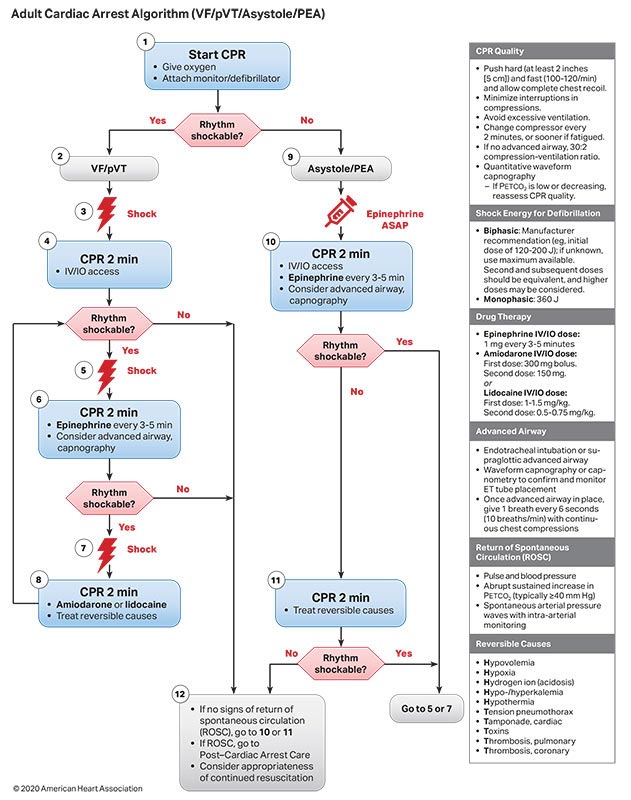
-
This question is part of the following fields:
- Cardiovascular
- Pharmacology
-
-
Question 75
Incorrect
-
Which of the following statements is correct regarding flow through the cardiovascular system?
Your Answer: If the vessel diameter is suddenly reduced, flow rate will increase.
Correct Answer: Turbulent blood flow may be caused by increased cardiac output.
Explanation:Frictional forces at the sides of a vessel cause a drag force on the fluid touching them in laminar blood flow, which creates a velocity gradient where the flow is greatest at the centre. Laminar blood flow may become disrupted and flow may become turbulent at high velocities, especially in large arteries or where the velocity increases sharply at points of sudden narrowing in the vessels, or across valves. There is increased tendency for thrombi formation when there is turbulent blood flow. Clinically, turbulence may be heard as a murmur or a bruit. As a result of elevated cardiac output, there may be turbulent blood flow, even when the cardiac valves are anatomically normal, and as a result, a physiological murmur can be heard. One such example is pregnancy.
-
This question is part of the following fields:
- Basic Cellular
- Physiology
-
-
Question 76
Correct
-
Regarding carbon dioxide transport in the blood, which of the following statements is CORRECT:
Your Answer: Deoxygenated haemoglobin acts as a buffer for H+ ions.
Explanation:CO2generated in the tissues and water combine to form carbonic acid which readily dissociates to form HCO3-and H+. The first part of this reaction is very slow in plasma, but is accelerated dramatically by the enzyme carbonic anhydrase present in red blood cells. Bicarbonate is therefore formed preferentially in red cells, from which it freely diffuses down its concentration gradient into plasma where it is transported to the lungs. The red cell membrane is impermeable to H+ions which remain in the cell. To maintain electroneutrality, Cl-ions diffuse into the cell to replace HCO3-, an effect known as the chloride shift. Deoxygenated haemoglobin acts as a buffer for H+, allowing the reaction to continue.
-
This question is part of the following fields:
- Physiology
- Respiratory
-
-
Question 77
Incorrect
-
Question 78
Correct
-
Which of the following statements is true about anterior cord syndrome?
Your Answer: There is preservation of proprioception
Explanation:Anterior cord syndrome is an incomplete cord syndrome that predominantly affects the anterior 2/3 of the spinal cord, characteristically resulting in motor paralysis below the level of the lesion as well as the loss of pain and temperature at and below the level of the lesion. The patient presentation typically includes these two findings; however, there is variability depending on the portion of the spinal cord affected. Other findings include back pain, or autonomic dysfunction such as hypotension, neurogenic bowel or bladder, and sexual dysfunction. The severity of motor dysfunction can vary, typically resulting in paraplegia or quadriplegia.
Proprioception, vibratory sense, two-point discrimination, and fine touch are not affected in anterior cord syndrome. These sensations are under the control of the dorsal column of the spinal cord, which is supplied by two posterior spinal arteries running in the posterior lateral sulci.
-
This question is part of the following fields:
- Anatomy
- Central Nervous System
-
-
Question 79
Incorrect
-
The second generation antihistamine, cetirizine is a less-sedating antihistamine than the older antihistamine, chlorphenamine because:
Your Answer: It is cleared more rapidly by the kidneys.
Correct Answer: It is less lipid-soluble so less able to cross the blood brain barrier.
Explanation:All older antihistamines such as chlorphenamine cause sedation. The newer antihistamines e.g. cetirizine cause less sedation and psychomotor impairment than the older antihistamines because they are much less lipid soluble and penetrate the blood brain barrier only to a slight extent.
-
This question is part of the following fields:
- Pharmacology
- Respiratory
-
-
Question 80
Incorrect
-
Regarding an avulsion fracture, a sudden contraction of which muscle may lead to fracture of the head of the fibula?
Your Answer: Peroneus brevis
Correct Answer: Biceps femoris
Explanation:Avulsion fractures of the fibular head are rare and are so-called the arcuate signal. The “arcuate signal” is used to describe an avulsed bone fragment related to the insertion site of the tendon of the biceps femoris associated with the arcuate complex, which consists of the fabellofibular, popliteofibular, and arcuate ligaments. Such lesions are typically observed in direct trauma to the knee with excessive varus and internal rotation forces or indirect trauma with the same direction of the force.
-
This question is part of the following fields:
- Anatomy
- Lower Limb
-
-
Question 81
Correct
-
Which of the following increases the tendency for oedema to occur?
Your Answer: Increased venous pressure
Explanation:When more fluid is filtered out of the capillaries than can be returned to the circulation by the lymphatics, oedema occurs. Changes that increase capillary hydrostatic pressure or decrease plasma oncotic pressure will increase filtration.
Arteriolar constriction reduces hydrostatic capillary pressure and transiently increase absorption of fluid.
Dehydration increases plasma protein concentration and therefore increases plasma oncotic pressure and absorption. Capillary hydrostatic pressure and filtration are increased when there is increased venous pressure. -
This question is part of the following fields:
- Cardiovascular
- Physiology
-
-
Question 82
Correct
-
You have been asked to give a tutorial on common upper limb neurology to a group of medical students. You use the example of a man falling from a balcony onto spiked fencing, sustaining a puncture wound to the axilla. This results in an injury to the musculocutaneous nerve. Which of the following clinical features would you LEAST expect to see in this patient:
Your Answer: Weakness of forearm pronation
Explanation:Flexion of the arm and flexion and supination of the forearm are weakened but not lost entirely due to the actions of the pectoralis major and deltoid, the brachioradialis and the supinator muscles respectively. There is loss of sensation over the lateral aspect of the forearm. Forearm pronation would not be affected as this is primarily produced by the pronator quadratus and pronator teres muscles, innervated by the median nerve.
-
This question is part of the following fields:
- Anatomy
- Upper Limb
-
-
Question 83
Correct
-
What proportion of peripheral blood leukocytes are monocytes?
Your Answer: 5 - 10%
Explanation:Monocytes account for around 5 to 10% of peripheral white cells. Monocytes in peripheral blood are generally bigger than other leukocytes and feature a large central oval or indented nucleus with clumped chromatin. The abundant cytoplasm staining blue and containing numerous fine vacuoles gives the appearance of ground glass. Cytoplasmic granules are another type of granule.
Monocytes evolve from the granulocyte-macrophage progenitor to become monoblasts, promonocytes, monocytes, and tissue macrophages (in increasing order of maturity). Monocytes only stay in the bone marrow for a short time before exiting to circulate in the bloodstream for 20-40 hours before becoming macrophages.
-
This question is part of the following fields:
- Immune Responses
- Pathology
-
-
Question 84
Incorrect
-
You've been summoned to your Emergency Department resuscitation area to see a patient. You consider giving him an atropine shot because he is severely bradycardic.
Which of the following statements about the use of atropine is correct?Your Answer: It acts as an agonist to the action of acetylcholine
Correct Answer: It blocks the effects of the vagus nerve on both the SA and AV nodes
Explanation:At muscarinic receptors, atropine blocks the action of the parasympathetic neurotransmitter acetylcholine. As a result, it inhibits the vagus nerve’s effects on both the SA and AV nodes, increasing sinus automaticity and facilitating AV node conduction.
At muscarinic receptors, atropine blocks the action of the parasympathetic neurotransmitter acetylcholine. As a result, it inhibits the vagus nerve’s effects on both the SA and AV nodes, increasing sinus automaticity and facilitating AV node conduction.
The most common cause of asystole during cardiac arrest is primary myocardial pathology, not excessive vagal tone, and there is no evidence that atropine is helpful in the treatment of asystole or PEA. As a result, it is no longer included in the ALS algorithm’s non-shockable section. Atropine is most commonly used in the peri-arrest period. It is used to treat bradycardia (sinus, atrial, or nodal) or AV block when the patient’s haemodynamic condition is compromised by the bradycardia.
If any of the following adverse features are present, the ALS bradycardia algorithm recommends a dose of 500 mcg IV:
Shock
Syncope
Myocardial ischaemia
Heart failureAtropine is also used for the following purposes:
Topically as a cycloplegic and mydriatic to the eyes
To cut down on secretions (e.g. in anaesthesia)
Organophosphate poisoning is treated with
Atropine’s side effects are dose-dependent and include:
Mouth is parched
Vomiting and nausea
Vision is hazy
Retention of urine
Tachyarrhythmias
It can also cause severe confusion and hallucinations in patients, especially the elderly. -
This question is part of the following fields:
- Cardiovascular Pharmacology
- Pharmacology
-
-
Question 85
Correct
-
A patient complains of stomach ache. You see a midline scar in the epigastric area when you examine the abdomen. Upon further interrogation, the patient reveals that she had a subtotal gastrectomy for recurring stomach ulcers several years ago. The stomach mucosa secretes a variety of vital compounds, and her ability to secrete some of these molecules has been harmed as a result of his surgery.
The stomach G-cells are responsible for which of the following?Your Answer: Secretion of gastrin
Explanation:G-cells are a type of cell found in the stomach’s pyloric antrum, duodenum, and pancreas. The secretion of the peptide hormone gastrin is their major function.
The table below summarizes the many cell types found in the stomach, as well as the substances secreted by each cell type and the function of the secretion:
Cell type/ Substance secreted/ Function of secretion
Parietal cells/ Hydrochloric acid/ Kills microbes and activates pepsinogen
Parietal cells/ Intrinsic factor/Binds to vitamin B12 and facilitates its absorption
Chief cells/ Pepsinogen/ Protein digestion
Chief cells/ Gastric lipase/ Fat digestion
G-cells/ Gastrin/ Stimulates gastric acid secretion
Enterochromaffin-like cells (ECL cells) /Histamine/ Stimulates gastric acid secretion
Mucous-neck cells/ Mucous and bicarbonate/ Protects stomach epithelium from acid
D-cells/ Somatostatin/ Inhibits gastric acid secretion -
This question is part of the following fields:
- Gastrointestinal Physiology
- Physiology
-
-
Question 86
Correct
-
Which of the following statements is correct regarding homeostasis?
Your Answer: In negative feedback mechanisms, effectors always act to move the variable in the opposite direction to the change that was originally detected.
Explanation:The vast majority of systems within the body work by negative feedback mechanisms. This negative feedback refers to the way that effectors act to move the variable in the opposite direction to the change that was originally detected. Because there is an inherent time delay between detecting a change in a variable and effecting a response, the negative feedback mechanisms cause oscillations in the variable they control. There is a narrow range of values within which a normal physiological function occurs and this is called the ‘set point’. The release of oxytocin in childbirth is an example of positive feedback.
-
This question is part of the following fields:
- Basic Cellular
- Physiology
-
-
Question 87
Correct
-
A 25-year-old footballer develops pain and stiffness in his thigh. A diagnosis of iliopsoas syndrome is made.
Iliacus is innervated by which of the following nerves? Select ONE answer only.Your Answer: Femoral nerve
Explanation:Iliacus is innervated by the femoral nerve.
-
This question is part of the following fields:
- Anatomy
- Lower Limb
-
-
Question 88
Correct
-
Regarding benzodiazepines, which of the following statements is INCORRECT:
Your Answer: Diazepam is a short-acting benzodiazepine.
Explanation:Diazepam is used to produce mild sedation with amnesia. It is a long-acting drug with active metabolites and a second period of drowsiness can occur several hours after its administration. Midazolam is a water-soluble benzodiazepine that is often used in preference to intravenous diazepam; recovery is faster than from diazepam, but may be significantly longer in the elderly, in patients with a low cardiac output, or after repeated dosing. Midazolam is associated with profound sedation when high doses are given intravenously or when it is used with certain other drugs.
-
This question is part of the following fields:
- Anaesthesia
- Pharmacology
-
-
Question 89
Incorrect
-
A man working as a waiter cuts his arm on a glass while he was working. The palmaris longus muscle was damaged as a consequence of his injury.
Which of the following statements regarding the palmaris longus muscle is considered correct?Your Answer: It is absent in approximately 50% of the population
Correct Answer: It receives its blood supply from the ulnar artery
Explanation:The palmaris longus is a small, fusiform-shaped muscle located on the anterior forearm of the human upper extremity. The palmaris longus muscle is commonly present but may be absent in a small percentage of the population, ranging from 2.5% to 26% of individuals, depending on the studied population.
The palmaris longus belongs to the anterior forearm flexor group in the human upper extremity. The muscle attaches proximally to the medial humeral epicondyle and distally to the palmar aponeurosis and flexor retinaculum. The blood supply to the palmaris longus muscle is via the ulnar artery, a branch of the brachial artery in the human upper extremity.
The palmaris longus muscle receives its innervation via branches of the median nerve containing nerve roots C5-T1. Median nerve injury at or above the elbow joint (including brachial plexus and nerve root injury) can lead to deficits in the palmaris longus and other forearm flexor muscles, leading to weakened elbow flexion, wrist flexion, radial deviation, finger flexion, thumb opposition, flexion, and abduction, in addition to the loss of sensory function in the distribution of the median nerve.
-
This question is part of the following fields:
- Anatomy
- Upper Limb
-
-
Question 90
Correct
-
Which of the following is the most abundant peripheral blood leucocyte:
Your Answer: Neutrophils
Explanation:Neutrophils are the most abundant peripheral blood leucocyte, comprising about 50 – 70% of circulating white cells. Neutrophils have a characteristic dense nucleus consisting of between two and five lobes, and a pale cytoplasm with an irregular outline containing many fine pink-blue or grey-blue granules. The granules are divided into primary, which appear at the promyelocyte stage, and secondary, which appear at the myelocyte stage and predominate in the mature nucleus. Both types of granule are lysosomal in origin; the primary contains myeloperoxidase and other acid hydrolases; the secondary contains lactoferrin, lysozyme and other enzymes. The lifespan of neutrophils in the blood is only 6 – 10 hours. In response to tissue damage, cytokines and complement proteins, neutrophils migrate from the bloodstream to the site of insult within minutes, where they destroy pathogens by phagocytosis.
-
This question is part of the following fields:
- Immune Responses
- Pathology
-
SESSION STATS - PERFORMANCE PER SPECIALTY
