-
Question 1
Incorrect
-
A 30-year-old man suffers from an open femoral shaft fracture after being involved in a road traffic accident. As a consequence of his injury, the nerve that was damaged innervates the popliteus muscle.
In which of the following nerves is the popliteus muscle innervated by?Your Answer: Superficial peroneal nerve
Correct Answer: Tibial nerve
Explanation:The popliteus muscle is innervated by the tibial nerve (L4, 5 and S1).
-
This question is part of the following fields:
- Anatomy
- Lower Limb
-
-
Question 2
Correct
-
A 68-year-old female has presented to the Emergency Department with chest pain, palpitations, and breathlessness complaints. On ECG, she is diagnosed with ventricular arrhythmia and is administered lidocaine.
Which of the following is the correct mechanism of action of lidocaine?Your Answer: Blocks Na+ channels in the heart
Explanation:Lidocaine is a tertiary amide local anaesthetic and also a class IV antiarrhythmic.
Like other local anaesthetics, lidocaine works on the voltage-gated sodium ion channel on the nerve cell membranes. It works in the following steps:
1. diffuses through neural sheaths and the axonal membrane into the axoplasm
2. binds fast voltage-gated Na+ channels in the neuronal cell membrane and inactivates them
3. With sufficient blockage, the membrane of the postsynaptic neuron will not depolarise and will be unable to transmit an action potential, thereby preventing the transmission of pain signalsThe same principle applies to Lidocaine’s actions in the heart as it blocks the sodium channels in the conduction system and the myocardium. This raises the threshold for depolarizing, making it less likely for the heart to initiate or conduct any action potential that can cause arrhythmia.
-
This question is part of the following fields:
- Cardiovascular Pharmacology
- Pharmacology
-
-
Question 3
Correct
-
What is the earliest physiological effect that causes postural hypotension:
Your Answer: A fall in central venous pressure
Explanation:When autonomic reflexes are impaired or intravascular volume is markedly depleted, a significant reduction in blood pressure occurs upon standing, a phenomenon termed Postural Hypotension (orthostatic hypotension). Orthostatic hypotension can cause dizziness, syncope, and even angina or stroke. When autonomic reflexes are impaired, blood pressure falls progressively after standing because the gravitational pooling of blood in the legs cannot be compensated by sympathetic vasoconstriction.
-
This question is part of the following fields:
- Cardiovascular
- Physiology
-
-
Question 4
Incorrect
-
Which of the following pathogens is most likely to cause an infection in a chemo patient with significant neutropenia?
Your Answer: Listeria monocytogenes
Correct Answer: Candida
Explanation:Chemotherapy that is too aggressive weakens your immune system, putting you at risk for a fungal and many other infection.
Neutropenia is a condition in which a person’s neutrophil count is abnormally low. Neutrophils are an infection-fighting type of white blood cell. Neutrophils fight infection by killing bacteria and fungi (yeast) that infiltrate the body.
Fungal organisms are significant pathogens in the setting of neutropenia.
-
This question is part of the following fields:
- Immune Responses
- Pathology
-
-
Question 5
Correct
-
The most common complication of paracetamol overdose is:
Your Answer: Hepatic failure
Explanation:The maximum daily dose of paracetamol in an adult is 4 grams. Doses greater than this can lead to hepatotoxicity and, less frequently, acute kidney injury. Early symptoms of paracetamol toxicity include nausea, vomiting, and abdominal pain, and usually settle within 24 hours. Symptoms of liver damage include right subcostal pain and tenderness, and this peaks 3 to 4 days after paracetamol ingestion. Other signs of hepatic toxicity include encephalopathy, bleeding, hypoglycaemia, and cerebral oedema.
-
This question is part of the following fields:
- Central Nervous System
- Pharmacology
-
-
Question 6
Incorrect
-
Epigastric pain and haematemesis present in a 67-year-old man. In the emergency room, he is stabilised and referred to the on-call medical team. He has been scheduled for an endoscopy in the morning due to a suspected peptic ulcer. Before transferring him to the ward, you consider giving him a proton pump inhibitor (PPI).
Which of the following doses and routes are the best?Your Answer: Omeprazole 40 mg intravenously
Correct Answer: A PPI should not be prescribed
Explanation:PPIs should not be used prior to endoscopic therapy when an early endoscopic examination is performed within 24 hours of admission, according to current recommendations.
High-dose PPI therapy reduces the risk of rebleeding and surgery after endoscopic treatment of severe peptic ulcer bleeding. Both oral and intravenous PPIs produce similar results, and there is no discernible benefit to using the intravenous formulation in patients who can tolerate oral medication. -
This question is part of the following fields:
- Gastrointestinal Pharmacology
- Pharmacology
-
-
Question 7
Incorrect
-
Regarding red blood cell group antigens and antibodies, which of the following statements is CORRECT:
Your Answer: Anti-A and anti-B antibodies are usually IgG.
Correct Answer: Anti-D antibodies are usually IgG.
Explanation:Approximately 400 red blood cell group antigens have been described. The ABO group antigens are unusual in that naturally occurring antibodies occur in the plasma of subjects who lack the corresponding antigen, even if they have not been exposed to that antigen previously. The most important of these natural antibodies are anti-A and anti-B, which are usually IgM. Anti-D antibodies don’t occur naturally, and are therefore immune antibodies that result from previous transfusions or pregnancy. Only IgG antibodies are capable of transplacental passage and the most important immune antibody is the Rh antibody, anti-D.
-
This question is part of the following fields:
- Immune Responses
- Pathology
-
-
Question 8
Incorrect
-
Question 9
Incorrect
-
Eosinophils comprise what percentage of circulating white cells:
Your Answer: 0.2
Correct Answer: 1 - 3%
Explanation:Eosinophils comprise 1 – 3% of circulating white cells. Eosinophils are similar to neutrophils, except that the cytoplasmic granules are coarser and more deeply red staining, and there are rarely more than three nuclear lobes. They are less motile, but longer lived. They enter inflammatory exudates and have a special role in allergic responses, defence against parasites and removal of fibrin formed during inflammation. Thus they play a role in local immunity and tissue repair.
-
This question is part of the following fields:
- Immune Responses
- Pathology
-
-
Question 10
Incorrect
-
Molecules with a molecular weight of less than which of the following are filtered freely at the glomerular filtration barrier:
Your Answer: 9000 Da
Correct Answer: 7000 Da
Explanation:Molecular weight is the main factor in determining whether a substance is filtered or not – molecules < 7 kDa in molecular weight are filtered freely e.g. glucose, amino acids, urea, ions but larger molecules are increasingly restricted up to 70 kDa, above which filtration is insignificant. Negatively charged molecules are further restricted, as they are repelled by negative charges, particularly in the basement membrane. Albumin has a molecular weight of 69 kDa and is negatively charged, thus only very small amounts are filtered (and all of the filtered albumin is reabsorbed in the proximal tubule), whereas small molecules such as ions, glucose, amino acids and urea pass the filter without hindrance. This means that ultrafiltrate is virtually protein free, but otherwise has an identical composition of that of plasma. The epithelial lining of the Bowman's capsule consists of a single layer of cells called podocytes. The glomerular capillary endothelium is perforated by pores (fenestrations) which allow plasma components with a molecular weight of < 70 kDa to pass freely.
-
This question is part of the following fields:
- Physiology
- Renal
-
-
Question 11
Correct
-
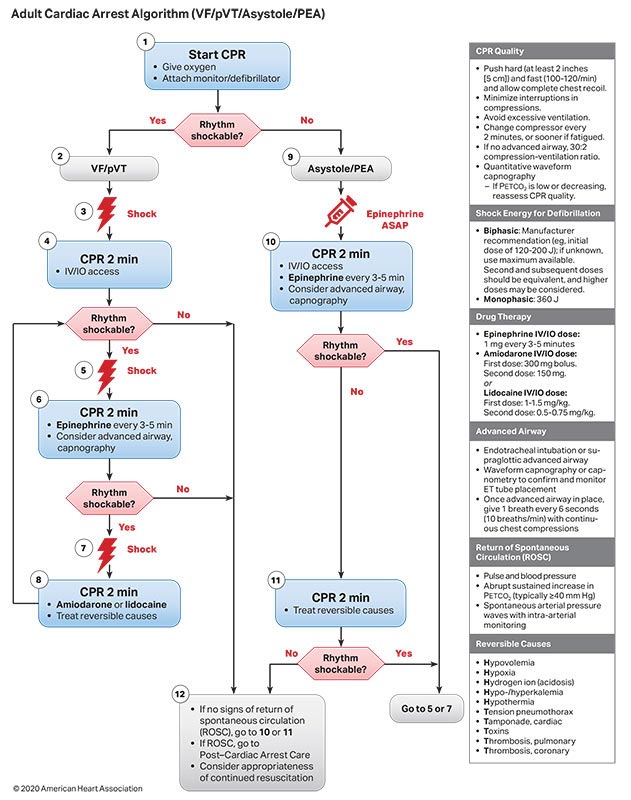
Which of the following best describes the correct administration of adrenaline for a shockable rhythm in adult advanced life support?
Your Answer: Give 1 mg of adrenaline after the second shock and every 3 - 5 minutes thereafter
Explanation:Give adrenaline 1 mg IV (IO) (10 mL of 1:10,000 solution) after the 2nd shock for adult patients in cardiac arrest with a shockable rhythm. Repeat adrenaline 1 mg IV (IO) every 3-5 minutes whilst ALS continues.
-
This question is part of the following fields:
- Cardiovascular
- Pharmacology
-
-
Question 12
Correct
-
Regarding cytotoxic T cells, which of the following statements is CORRECT:
Your Answer: They kill target cells by inducing cell apoptosis.
Explanation:CD8+ T-cells (Cytotoxic T cells)
Recognise antigen only in association with HLA Class I molecules (found on all nucleated cells; present endogenous antigens such as those found in cells infected by viruses or intracellular bacteria.)
Comprise about 25% of peripheral T-cells
Responsible for cytotoxic killing of target cells -
This question is part of the following fields:
- Immune Responses
- Pathology
-
-
Question 13
Incorrect
-
A blood test of a 7-year-old child with a 6-day history of bloody diarrhoea reveals a low platelet count, anaemia, and impaired kidney function. What bacteria is suspected of causing such a condition?
Your Answer: Clostridium difficile
Correct Answer: Escherichia coli
Explanation:Escherichia coli produces shiga toxin that causes diarrhoea, hemorrhagic colitis, and haemolytic uremic syndrome.
Haemolytic uremic syndrome is characterized by anaemia, thrombocytopenia, and acute renal failure. Transmission of E. coli is possible after consuming contaminated, undercooked drinks and foods. E. coli enters the body via the faecal-oral pathway.
-
This question is part of the following fields:
- Microbiology
- Pathogens
-
-
Question 14
Correct
-
Which of the following is an action of glucagon:
Your Answer: Stimulates glycogenolysis
Explanation:Glucagon is a peptide hormone that is produced and secreted by alpha cells of the islets of Langerhans, which are located in the endocrine portion of the pancreas. The main physiological role of glucagon is to stimulate hepatic glucose output, thereby leading to increases in glycaemia. It provides the major counter-regulatory mechanism to insulin in maintaining glucose homeostasis.
Hypoglycaemia is the principal stimulus for the secretion of glucagon but may also be used as an antidote in beta-blocker overdose and in anaphylaxis in patients on beta-blockers that fail to respond to adrenaline.
Glucagon then causes:
Glycogenolysis
Gluconeogenesis
Lipolysis in adipose tissue
The secretion of glucagon is also stimulated by:
Adrenaline
Cholecystokinin
Arginine
Alanine
Acetylcholine
The secretion of glucagon is inhibited by:
Insulin
Somatostatin
Increased free fatty acids
Increased urea productionGlycolysis is the metabolic pathway that converts glucose into pyruvate. The free energy released by this process is used to form ATP and NADH. Glycolysis is inhibited by glucagon, and glycolysis and gluconeogenesis are reciprocally regulated so that when one cell pathway is activated, the other is inactive and vice versa.
Glucagon has a minor effect of enhancing lipolysis in adipose tissue. Lipolysis is the breakdown of lipids and involves the hydrolysis of triglycerides into glycerol and free fatty acids. It makes fatty acids available for oxidation.
-
This question is part of the following fields:
- Endocrine
- Pharmacology
-
-
Question 15
Correct
-
A 23 year old student presents to ED with a widespread maculopapular rash. She recently had a sore throat and was started on a course of antibiotics. The most likely antibiotic that she was prescribed is:
Your Answer: Amoxicillin
Explanation:Maculopapular rashes are commonly seen with ampicillin and amoxicillin. However they are not usually related to true penicillin allergy. Very often, they occur in patients with glandular fever and so, broad-spectrum penicillins should not be used blindly, for management and treatment of a sore throat. There is also an increased risk of rash in patients with acute or chronic lymphocytic leukaemia or in cytomegalovirus infection.
-
This question is part of the following fields:
- Infections
- Pharmacology
-
-
Question 16
Correct
-
Regarding the abductor pollicis longus, which of the following statements is true?
Your Answer: It extends the thumb at the carpometacarpal joint
Explanation:Abductor pollicis longus is a muscle found in the posterior compartment of the forearm. It is one of the five deep extensors in the forearm, along with the supinator, extensor pollicis brevis, extensor pollicis longus and extensor indicis.
Abductor pollicis longus is innervated by the posterior interosseous nerve (C7, C8), which is a continuation of the deep branch of the radial nerve. The radial nerve is a branch of the posterior cord of the brachial plexus.
Blood supply to the abductor pollicis longus muscle comes from the interosseous branches of the ulnar artery.
Acting alone or with abductor pollicis brevis, abductor pollicis longus pulls the thumb away from the palm. More specifically, it produces (mid-) extension and abduction of the thumb at the first metacarpophalangeal joint. This action is seen in activities such as bowling and shovelling.
Working together with the long and short extensors of the thumb, the muscle also helps to fully extend the thumb at the metacarpophalangeal joint. This action is important for loosening the hand grip, for example, when letting go of objects previously being held. Abductor pollicis longus also helps to abduct the hand (radial deviation) at the radiocarpal joint.
-
This question is part of the following fields:
- Anatomy
- Upper Limb
-
-
Question 17
Correct
-
A 30-year-old woman presents with a history of fever and sore throat. On examination, there is tonsillar exudate and cervical lymphadenopathy and a diagnosis of tonsillitis is made. A course of penicillin is prescribed.
What is the mechanism of action of penicillin?
Your Answer: Inhibition of cell wall synthesis
Explanation:Penicillin is bactericidal and produces its antimicrobial action by preventing cross-linkage between the linear peptidoglycan polymer chains that make up the bacterial cell wall. This action inhibits cell wall synthesis.
-
This question is part of the following fields:
- Infections
- Pharmacology
-
-
Question 18
Incorrect
-
Regarding the lumbar plexus, which of the following is a direct muscular branch?
Your Answer: Nerve to obturator internus
Correct Answer: Nerve to quadratus lumborum
Explanation:The lumbar plexus gives rise to several branches which supply various muscles and regions of the posterior abdominal wall and lower limb. These branches include the Iliohypogastric, ilioinguinal, genitofemoral, lateral femoral cutaneous, femoral and obturator nerves.
In addition, the lumbar plexus gives off muscular branches from its roots, a branch to the lumbosacral trunk and occasionally an accessory obturator nerve.
-
This question is part of the following fields:
- Anatomy
- Lower Limb
-
-
Question 19
Incorrect
-
How is measles primarily transmitted:
Your Answer: Direct skin contact with rash
Correct Answer: Respiratory droplet route
Explanation:Measles belongs to the paramyxoviridae group of viruses. The incubation period is 7-18 days (average 10) and it is spread by airborne or droplet transmission. The classical presentation is of a high fever with coryzal symptoms and photophobia with conjunctivitis often being present. The rash that is associated is a widespread erythematous maculopapular rash. Koplik spots are pathognomonic for measles, and are the presence of white lesions on the buccal mucosa.
Differential diagnoses would include:
Rubella
Roseola infantum (exanthem subitom)
Scarlet fever
Kawasaki disease
Erythema infectiosum (5thdisease)
Enterovirus
Infectious mononucleosis
Diagnosis can be confirmed by the following means:
Salivary swab for measles specific IgM
Serum sample for measles specific IgM
Salivary swab for RNA detection
Possible complications include:
Otitis media
Febrile convulsions
Pneumonia
Bronchiectasis
Diarrhoea
Meningitis
Encephalitis
Immunosuppression
Subacute sclerosing panencephalitis
Death -
This question is part of the following fields:
- Microbiology
- Pathogens
-
-
Question 20
Correct
-
A 30-year-old man present to the ED with abdominal pain, nausea and vomiting. It has been present for the past two days.
Which of the following statements regarding diarrhoea and vomiting is true?
Your Answer: E.Coli can cause diarrhoea and renal failure
Explanation:Escherichia coli strain 0157 causes enterohaemorrhagic diarrhoea and can lead to renal failure, haemolytic anaemia and thrombocytopenia.
Norwalk virus is an RNA virus.
Although transmission of rotavirus is primarily through the faeco-oral route, airborne spread has been seen in some cases.
Cryptosporidium are protozoa with acid fast walls and are resistant to both chlorine treatment and conventional filtering methods.
There is no therapy effective in treating cryptosporidium diarrhoea as the protozoa is not susceptible to antibiotics.
-
This question is part of the following fields:
- Microbiology
- Specific Pathogen Groups
-
-
Question 21
Correct
-
Identify the type of graph described below:
A graph wherein the frequency distribution is represented by adjoining vertical bars and cases are stacked in adjoining columns. It can be used for continuous quantitative data, such as to analyse outbreak data to show an epidemic curve.Your Answer: Histogram
Explanation:A histogram is used to demonstrate the distribution of continuous quantitative data. It is a very familiar graphical display device for representing the distribution of a single batch of data. The range of the data is divided into class intervals or bins, and the number of values falling into each interval is counted. The histogram then consists of a series of rectangles whose widths are defined by the class limits implied by the binwidths, and whose heights depend on the number of values in each bin. Histograms quickly reveal such attributes of the data distribution as location, spread, and symmetry. If the data are multimodal (i.e., more than one “hump” in the distribution of the data), this is quickly evident as well.
-
This question is part of the following fields:
- Evidence Based Medicine
-
-
Question 22
Correct
-
An elderly man with chronic heart and lung disease develops Legionnaires' Disease. By what route was the infection most likely to have been acquired:
Your Answer: Inhalation of aerosolised contaminated water
Explanation:Legionella pneumophilais a Gram negative bacterium that is found in natural water supplies and in the soil, transmitted predominantly via inhalation of aerosols generated from contaminated water (direct person-to-person spread of infected patients does not occur). It is the cause of Legionnaires’ disease. Outbreaks of Legionnaires’ disease have been linked to poorly maintained air conditioning systems, whirlpool spas and hot tubs.
The clinical features of the pneumonic form of Legionnaires’ disease include:
Mild flu-like prodrome for 1-3 days
Cough (usually non-productive and occurs in approximately 90%)
Pleuritic chest pain
Haemoptysis
Headache
Nausea, vomiting and diarrhoea
Anorexia
Legionella pneumophilainfections can be successfully treated with macrolide antibiotics, such as erythromycin, or quinolones, such as ciprofloxacin. Tetracyclines, such as doxycycline, can also be used.
The syndrome of inappropriate antidiuretic hormone secretion (SIADH) can occur with Legionnaires’ disease and will result in hyponatraemia as is seen in this case.
Legionella pneumophilainfections are resistant to amoxicillin but can be successfully treated with macrolide antibiotics, such as erythromycin, or quinolones, such as ciprofloxacin. Tetracyclines, such as doxycycline, can also be used. The majority of cases of Legionnaires’ disease are caused by Legionella pneumophila, however many other species of Legionella have been identified.
Legionella longbeachae is another less commonly encountered species that has also been implicated in outbreaks. It is predominantly found in soil and potting compost, and has caused outbreaks of Pontiac fever, the non-respiratory and less severe variant of Legionnaires’ disease. -
This question is part of the following fields:
- Microbiology
- Pathogens
-
-
Question 23
Incorrect
-
Following the administration of a medication for a heart condition, a 69-year-old man develops hypothyroidism.
Which of the following drugs is most likely to be the cause?Your Answer: Digoxin
Correct Answer: Amiodarone
Explanation:Amiodarone has a chemical structure that is similar to that of thyroxine and can bind to the nuclear thyroid receptor. It can cause both hypothyroidism and hyperthyroidism, though hypothyroidism is far more common, with 5-10% of patients suffering from it.
-
This question is part of the following fields:
- Cardiovascular Pharmacology
- Pharmacology
-
-
Question 24
Correct
-
Which of the following movements does the iliacus muscle produce?
Your Answer: Flexion of the thigh at the hip joint
Explanation:The iliacus flexes the thigh at the hip joint when the trunk is stabilised. It flexes the trunk against gravity when the body is supine.
-
This question is part of the following fields:
- Abdomen
- Anatomy
-
-
Question 25
Correct
-
You have been asked to give a tutorial on common upper limb neurology to a group of medical students. You use the example of a man falling from a balcony onto spiked fencing, sustaining a puncture wound to the axilla. This results in an injury to the musculocutaneous nerve. Which of the following clinical features would you LEAST expect to see in this patient:
Your Answer: Weakness of forearm pronation
Explanation:Flexion of the arm and flexion and supination of the forearm are weakened but not lost entirely due to the actions of the pectoralis major and deltoid, the brachioradialis and the supinator muscles respectively. There is loss of sensation over the lateral aspect of the forearm. Forearm pronation would not be affected as this is primarily produced by the pronator quadratus and pronator teres muscles, innervated by the median nerve.
-
This question is part of the following fields:
- Anatomy
- Upper Limb
-
-
Question 26
Incorrect
-
A 58-year-old man presented to the emergency room complaining of a chest pain that has been going on for the past 12 hours. Upon further investigation, a troponin test was ordered and the results came back negative. He was given a discharge order from the emergency department.
Which of the following aspects of this test is considered the most significant in the decision made that it was safe to send the patient home?Your Answer: Negative predictive value
Correct Answer: Likelihood ratio
Explanation:The Likelihood Ratio (LR) is the likelihood that a given test result would be expected in a patient with the target disorder compared to the likelihood that that same result would be expected in a patient without the target disorder.
The LR is used to assess how good a diagnostic test is and to help in selecting an appropriate diagnostic tests or sequence of tests. They have advantages over sensitivity and specificity because they are less likely to change with the prevalence of the disorder, they can be calculated for several levels of the symptom/sign or test, they can be used to combine the results of multiple diagnostic test and they can be used to calculate post-test probability for a target disorder.
A LR greater than 1 produces a post-test probability which is higher than the pre-test probability. An LR less than 1 produces a post-test probability which is lower than the pre-test probability. When the pre-test probability lies between 30 and 70 per cent, test results with a very high LR (say, above 10) rule in disease. An LR below 1 produces a post-test probability les than the pre-test probability. A very low LR (say, below 0.1) virtually rules out the chance that the patient has the disease.
-
This question is part of the following fields:
- Evidence Based Medicine
-
-
Question 27
Incorrect
-
Regarding the cardiac cycle, which of the following statements is INCORRECT:
Your Answer: More than 85% of left ventricular perfusion occurs during diastole.
Correct Answer: The second heart sound occurs in late diastole caused by closure of the atrioventricular valves.
Explanation:Diastole is usually twice the length of systole at rest, but decreases with increased heart rate. During systole, contraction of the ventricles compresses the coronary arteries and suppresses blood flow. This is particularly evident in the left ventricle, where during systole the ventricular pressure is the same as or greater than that in the arteries and as a result more than 85% of left ventricular perfusion occurs during diastole. This becomes a problem if the heart rate is increased as the diastolic interval is shorter and can result in ischaemia. The second heart sound, caused by closure of the semilunar valves, marks the end of systole.
-
This question is part of the following fields:
- Cardiovascular
- Physiology
-
-
Question 28
Correct
-
A 64-year-old lady attends the emergency department with a known brain tumour. Her left eye is directed outwards and downwards, she can't open it, and her pupil is fixed and dilated. The tumour is most likely compressing which of the following structures:
Your Answer: Oculomotor nerve
Explanation:The oculomotor nerve is the third cranial nerve. It is the main source of innervation to the extraocular muscles and also contains parasympathetic fibres which relay in the ciliary ganglion. Damage to the third cranial nerve may cause diplopia, pupil mydriasis, and/or upper eyelid ptosis. The clinical manifestations of third cranial nerve dysfunction reflect its constituent parts.
-
This question is part of the following fields:
- Anatomy
- Cranial Nerve Lesions
-
-
Question 29
Incorrect
-
You are asked to review the blood results on a 56-year-old man who appears to be acutely unwell. His results show that he is neutropenic.
Which ONE of the following is NOT a recognized cause of a neutropenia?Your Answer: Rheumatoid arthritis
Correct Answer: Hyposplenism
Explanation:Neutropenia is defined as a total neutrophil count of < 2.0 x 10⁹/l.
It can be caused by:
Viral infections
Collagen disease e.g. SLE and RA
Chemotherapy and radiotherapy
Hypersplenism
Marrow infiltration
Vitamin and folate deficiency
Drug reactions
Drugs that cause neutropenia include flecainide, phenytoin, carbimazole, indomethacin and co-trimoxazole. -
This question is part of the following fields:
- Haematology
- Pathology
-
-
Question 30
Correct
-
Question 31
Correct
-
A 33-year-old woman who is investigated for recurrent renal stones is discovered to have a markedly elevated parathyroid hormone (PTH) level.
Which of the following would stimulate PTH release under normal circumstances? Select ONE answer only.Your Answer: Decreased plasma calcium concentration
Explanation:Parathyroid hormone (PTH) is a polypeptide containing 84 amino acids. It is the principal controller of free calcium in the body.
PTH is synthesised by and released from the chief cells of the four parathyroid glands that are located immediately behind the thyroid gland.
PTH is released in response to the following stimuli:
Decreased plasma calcium concentration
Increased plasma phosphate concentration (indirectly by binding to plasma calcium and reducing the calcium concentration)
PTH release is inhibited by the following factors:
Normal/increased plasma calcium concentration
Hypomagnesaemia
The main actions of PTH are:
Increases plasma calcium concentration
Decreases plasma phosphate concentration
Increases osteoclastic activity (increasing calcium and phosphate resorption from bone)
Increases renal tubular reabsorption of calcium
Decreases renal phosphate reabsorption
Increases renal conversion of 25-hydroxycholecalciferol to 1,25-dihydroxycholecalciferol (via stimulation of 1-alpha hydroxylase)
Increases calcium and phosphate absorption in the small intestine (indirectly via increased 1,25-dihydroxycholecalciferol) -
This question is part of the following fields:
- Endocrine Physiology
- Physiology
-
-
Question 32
Incorrect
-
Which of the following statements about propofol is TRUE:
Your Answer: If accidentally injected outside a vein it can cause tissue necrosis.
Correct Answer: Propofol has some antiemetic action.
Explanation:Propofol has some antiemetic properties. It’s for this reason that it’s used to treat postoperative nausea and vomiting. Propofol is mostly processed in the liver, with the kidneys excreting just around 1% of it unaltered. Propofol, unlike thiopental, does not produce tissue necrosis when it is extravasated. Propofol lowers intracranial pressure via lowering brain metabolic rate and cerebral blood flow. Propofol is thought to be safe for people with bronchial asthma and chronic obstructive pulmonary disease.
-
This question is part of the following fields:
- Anaesthesia
- Pharmacology
-
-
Question 33
Incorrect
-
Which of these statements about the monospot test is true?
Your Answer: It is positive in infectious mononucleosis before the onset of symptoms
Correct Answer: It can be positive in rubella
Explanation:Infectious mononucleosis can be diagnosed using specific EBV antibodies and a variety of unrelated non-EBV heterophile antibodies.
Heterophile antibodies:
About 70-90% of patients with EBV infectious mononucleosis produce antibodies against an antigen produced in one species that react against antigens from other species called heterophile antibodies. False positives can be seen with rubella, hepatitis, SLE, malaria, toxoplasmosis, lymphoma and leukaemia.These antibodies can be detected by two main screening tests:
The monospot test uses horse red blood cells. It agglutinates in the presence of heterophile antibodies.
Paul-Bunnell test uses sheep red blood cells. The blood agglutinates in the presence of heterophile antibodies.EBV-specific antibodies:
Patients can remain heterophile-negative after six weeks and are then considered to be heterophile-negative and should be tested for EBV-specific antibodies. EBV-specific antibodies test are helpful if a false positive heterophile antibody test is suspected.
The indirect Coombs test is used to detect in-vitro antibody-antigen reactions. It is typically used in antenatal antibody screening and in preparation for blood transfusion.
Heterophile antibody tests are generally not positive in the incubation period of infectious mononucleosis (4-6 weeks) before the onset of symptoms. -
This question is part of the following fields:
- Microbiology
- Specific Pathogen Groups
-
-
Question 34
Incorrect
-
An analytical cohort study aimed to determine a relationship between intake of dietary calcium and incidence of hip fractures among post-menopausal women. The following are the data obtained from the study:
No. of post-menopausal women who took Calcium: 500
No. of post-menopausal women who took Calcium and suffered a hip fracture: 10
No. of post-menopausal women who took placebo: 500
No. of post-menopausal women who took placebo and suffered a hip fracture: 25
Compute for the absolute risk in the placebo group.Your Answer: 0.02
Correct Answer: 0.05
Explanation:The absolute risk (AR) is the probability or chance of an event. It is computed as the number of events in treated or control groups, divided by the number of people in that group.
AR = 25/500 = 0.05
-
This question is part of the following fields:
- Evidence Based Medicine
-
-
Question 35
Correct
-
A patient presents with a history of excessive thirst, urination and high fluid intake. His blood sugar is normal. You estimate his osmolarity as part of his work-up.
Which of these equations can be used to estimate osmolarity?
Your Answer: 2 (Na + ) + 2 (K + ) + Glucose + Urea
Explanation:Osmolality and osmolarity are measurements of the solute concentration of a solution. Although the two terms are often used interchangeably, there are differences in the definitions, how they are calculated and the units of measurement used.
Osmolarity, expressed as mmol/L, is an estimation of the osmolar concentration of plasma. It is proportional to the number of particles per litre of solution.
Measured Na+, K+, urea and glucose concentrations are used to calculate the value indirectly.
It is unreliable in pseudohyponatremia and hyperproteinaemia.The equations used to calculate osmolarity are:
Osmolarity = 2 (Na+) + 2 (K+) + Glucose + Urea (all in mmol/L)
OR
Osmolarity = 2 (Na+) + Glucose + Urea (all in mmol/L)Doubling of sodium accounts for the negative ions associated with sodium, and the exclusion of potassium approximately allows for the incomplete dissociation of sodium chloride.
-
This question is part of the following fields:
- Basic Cellular Physiology
- Physiology
-
-
Question 36
Incorrect
-
A 29-year-old male presents with a 3-day history of bloody diarrhoea and abdominal pain.
All the following are causes of infectious bloody diarrhoea EXCEPT?
Your Answer: Schistosoma mansoni
Correct Answer: Enterotoxigenic Escherichia coli
Explanation:Infective causes of bloody diarrhoea include:
Salmonella spp
Campylobacter spp
Schistosomiasis
Entamoeba histolytica (Amoebiasis )
Shigella spp
Clostridium difficile
Yersinia spp
Enteroinvasive Escherichia coliEnterotoxigenic Escherichia coli is non-invasive and does not cause inflammation of the gut and bloody diarrhoea. It presents with copious watery diarrhoea and usually are not associated with abdominal cramping.
-
This question is part of the following fields:
- Microbiology
- Specific Pathogen Groups
-
-
Question 37
Correct
-
A 18 year old university student develops facial swelling and dark frothy urine. Urine dipstick demonstrates haematuria and proteinuria. Approximately 3 weeks ago, he was treated with oral antibiotics for a sore throat. His condition is most likely to be secondary to infection with:
Your Answer: Streptococcus pyogenes
Explanation:Post-streptococcal glomerulonephritis is a postinfectious immune-mediated reaction secondary to infection with Streptococcus pyogenes. It typically occurs 2 weeks or more after acute/initial infection, and presents with haematuria, reduced urine output, peripheral oedema, proteinuria, and hypertension. Permanent kidney damage is rare.
-
This question is part of the following fields:
- Microbiology
- Pathogens
-
-
Question 38
Correct
-
Question 39
Correct
-
A 32-year old male patient has been diagnosed with meningococcal meningitis and was given appropriate treatments. Because he is a family man, he fears that he might transmit the infection to the rest of his family members.
The causative agent of meningococcal meningitis is spread via what mode of transmission?Your Answer: Respiratory droplet route
Explanation:N. meningitidis, the causative agent of meningococcal meningitis, is considered both a commensal and a pathogen. It can be found in the surfaces of mucous membranes such as the nasopharynx and oropharynx. With this, it can be transmitted from a carrier to a new host via respiratory droplet secretions.
-
This question is part of the following fields:
- Microbiology
- Pathogens
-
-
Question 40
Correct
-
Which of the following is considered an example of an observational study?
Your Answer: Cohort study
Explanation:The two most common types of observational studies are cohort studies and case-control studies; a third type is cross-sectional studies.
-
This question is part of the following fields:
- Evidence Based Medicine
-
-
Question 41
Incorrect
-
A 54-year-old man returns from a recently holiday on a cruise ship with a dry cough and a fever. Today he has also had several episodes of diarrhoea and has developed bilateral pleuritic chest pain. He states that he is short of breath, most notably on exertion. He had been prescribed amoxicillin by the cruise ship doctor a few days earlier but has not seen any improvement.
Which of the following is the most likely causative organism? Select ONE answer only.Your Answer: Klebsiella pneumoniae
Correct Answer: Legionella pneumophila
Explanation:Legionella pneumophilais a Gram negative bacterium that is found in natural water supplies and in the soil, transmitted predominantly via inhalation of aerosols generated from contaminated water (direct person-to-person spread of infected patients does not occur). It is the cause of Legionnaires’ disease. Outbreaks of Legionnaires’ disease have been linked to poorly maintained air conditioning systems, whirlpool spas and hot tubs.
The clinical features of the pneumonic form of Legionnaires’ disease include:
Mild flu-like prodrome for 1-3 days
Cough (usually non-productive and occurs in approximately 90%)
Pleuritic chest pain
Haemoptysis
Headache
Nausea, vomiting and diarrhoea
Anorexia
Legionella pneumophilainfections can be successfully treated with macrolide antibiotics, such as erythromycin, or quinolones, such as ciprofloxacin. Tetracyclines, such as doxycycline, can also be used.
The syndrome of inappropriate antidiuretic hormone secretion (SIADH) can occur with Legionnaires’ disease and will result in hyponatraemia as is seen in this case.
Legionella pneumophilainfections are resistant to amoxicillin but can be successfully treated with macrolide antibiotics, such as erythromycin, or quinolones, such as ciprofloxacin. Tetracyclines, such as doxycycline, can also be used. The majority of cases of Legionnaires’ disease are caused by Legionella pneumophila, however many other species of Legionella have been identified.
Legionella longbeachae is another less commonly encountered species that has also been implicated in outbreaks. It is predominantly found in soil and potting compost, and has caused outbreaks of Pontiac fever, the non-respiratory and less severe variant of Legionnaires’ disease. -
This question is part of the following fields:
- Microbiology
- Specific Pathogen Groups
-
-
Question 42
Correct
-
A patient with abdominal pain, vomiting and bloody diarrhoea develops a low platelet count and deranged renal function. A diagnosis of haemolytic uraemic syndrome is made.
Which of the following organisms is a recognised cause of haemolytic uraemic syndrome? Select ONE answer only.Your Answer: Escherichia coli
Explanation:E.Colistrain 0157 causes enterohaemorrhagic diarrhoea and can be followed by haemolytic uraemic syndrome (renal failure, haemolytic anaemia and thrombocytopenia).
-
This question is part of the following fields:
- Microbiology
- Specific Pathogen Groups
-
-
Question 43
Incorrect
-
Parasympathetic preganglionic neurons originate in which of the following locations:
Your Answer: Thalamus
Correct Answer: Brainstem and pelvic splanchnic nerves
Explanation:Parasympathetic preganglionic neurones originate in the brainstem from which they run in cranial nerves III, VII, IX and X and also from the second and third sacral segments of the spinal cord. Parasympathetic preganglionic neurones release acetylcholine into the synapse, which acts on cholinergic nicotinic receptors on the postganglionic fibre. Parasympathetic peripheral ganglia are generally found close to or within their target, whereas sympathetic peripheral ganglia are located largely in two sympathetic chains on either side of the vertebral column (paravertebral ganglia), or in diffuse prevertebral ganglia of the visceral plexuses of the abdomen and pelvis. Parasympathetic postganglionic neurones release acetylcholine, which acts on cholinergic muscarinic receptors.
-
This question is part of the following fields:
- Basic Cellular
- Physiology
-
-
Question 44
Correct
-
Which of the following anatomic structures will gallstones most likely lodge into, and cause cholestasis?
Your Answer: Hartmann’s pouch
Explanation:Hartmann’s pouch is a diverticulum that can occur at the neck of the gallbladder. It is one of the rarest congenital anomalies of the gallbladder. Hartmann’s gallbladder pouch is a frequent but inconsistent feature of normal and pathologic human gallbladders. It is caused by adhesions between the cystic duct and the neck of the gallbladder. As a result, it is classified as a morphologic rather than an anatomic entity.
There is a significant association between the presence of Hartmann’s pouch and gallbladder stones. It is the most common location for gallstones to become lodged and cause cholestasis.
-
This question is part of the following fields:
- Abdomen And Pelvis
- Anatomy
-
-
Question 45
Incorrect
-
You suspected a fungal nail infection in a 50-year-old man who presented with an itchy, scaly rash between his toes and a thicker, discoloured nail on his big toe that has been there for almost one month already. Which of the following tests is most likely to confirm your suspected diagnosis?
Your Answer: Nail clippings for NAAT
Correct Answer: Nail clippings for microscopy and culture
Explanation:Nail clippings for microscopy and culture are a diagnostic test for fungal infection. Because some fungi are restricted to the lower parts of the nail, clippings should be taken from the discoloured or brittle parts and cut back as far as possible from the free edge.
-
This question is part of the following fields:
- Microbiology
- Pathogens
-
-
Question 46
Incorrect
-
Your consultant requests that you do a lumbar puncture on a patient who is suspected of having meningitis. This patient, a 15-year-old female, presented to the emergency department with a fever, headache, and neck stiffness. Where should you aspirate a sample of CSF?
Your Answer: Subdural space
Correct Answer: Subarachnoid space
Explanation:A lumbar puncture, also known as a spinal tap, is a procedure that involves inserting a needle into the lower back’s lumbar region.
A needle is inserted into the space between the arachnoid mater and the pia mater, also known as the subarachnoid space, to remove a sample of cerebrospinal fluid.
-
This question is part of the following fields:
- Anatomy
- Head And Neck
-
-
Question 47
Incorrect
-
Which of the following comprises a negative feedback mechanism?
Your Answer: Detectors, attenuators, comparators, a set point and effectors
Correct Answer: Detectors, comparators, a variable set point and effectors
Explanation:Negative feedback loops, also known as inhibitory loops, play a crucial role in controlling human health. It is a self-regulating mechanism of some sort.
A negative feedback system is made up of three main components: a detector (often neural receptor cells) that measures the variable in question and provides input to the comparator; a comparator (usually a neural assembly in the central nervous system) that receives input from the detector, compares the variable to the variable set point, and determines whether or not a response is required.
The comparator activates an effector (typically muscular or glandular tissue) to conduct the appropriate reaction to return the variable to its set point.
-
This question is part of the following fields:
- Basic Cellular
- Physiology
-
-
Question 48
Correct
-
Question 49
Incorrect
-
The causative organism for an infection in a patient you are reviewing is a facultative anaerobe.
Which of these is a facultative anaerobic organism?Your Answer: Clostridium perfringens
Correct Answer: Staphylococcus aureus
Explanation:Facultative anaerobic bacteria make energy in the form of ATP by aerobic respiration in an oxygen rich environment and can switch to fermentation in an oxygen poor environment.
Examples of facultative anaerobes are:
Staphylococcus spp.
Listeria spp.
Streptococcus spp.
Escherichia coliMycobacterium tuberculosis, and Pseudomonas aeruginosa are obligate aerobe. They require oxygen to grow
Campylobacter jejuni and Clostridium spp are obligate anaerobes.
They live and grow in the absence of oxygen. -
This question is part of the following fields:
- Microbiology
- Principles Of Microbiology
-
-
Question 50
Correct
-
Which of the following intravenous induction drugs results in the highest drop in blood pressure:
Your Answer: Propofol
Explanation:Propofol’s most frequent side effect is hypotension, which affects 17% of paediatric patients and 26% of adults. This is attributable to systemic vasodilation as well as a decrease in preload and afterload. Propofol has a little negative inotropic impact as well. The drop in blood pressure is dosage-dependent and is more noticeable in the elderly, thus this should be expected.
-
This question is part of the following fields:
- Anaesthesia
- Pharmacology
-
-
Question 51
Incorrect
-
Regarding a case-control study, which of the following statements is INCORRECT:
Your Answer: It is subject to recall bias.
Correct Answer: The usual outcome measure is the relative risk.
Explanation:A case-control study is a longitudinal, retrospective, observational study which investigates the relationship between a risk factor and one or more outcomes. This is done by selecting patients who already have a specific disease (cases), matching them to patients who do not (controls) and then collecting data from the patients to compare past exposure to a possible risk factor. The usual outcome measure is the odds ratio.
-
This question is part of the following fields:
- Evidence Based Medicine
- Study Methodology
-
-
Question 52
Correct
-
Which of the following is NOT a typical effect caused by adrenaline:
Your Answer: Bronchoconstriction
Explanation:Actions of adrenaline:
Cardiovascular system
– Increased rate and force of cardiac contraction
– Vasoconstriction of vessels in skin, mucous membranes and splanchnic bed
– Vasodilation of skeletal muscle vessels
– Increased cardiac output and blood pressure
Respiratory system
– Bronchodilation
– Increased ventilation rate
Gastrointestinal system
– Smooth muscle relaxation
– Contraction of sphincters
– Metabolism
– Decreased insulin release
– Increased glucagon release
– Increased thermogenesis
– Increased glycolysis
– Increased lipolysis
Eye
– Pupillary dilation -
This question is part of the following fields:
- Endocrine
- Physiology
-
-
Question 53
Incorrect
-
Antispasmodic drugs are primarily indicated in which of the following conditions:
Your Answer: Gastroenteritis
Correct Answer: Irritable bowel syndrome
Explanation:Antispasmodics, such as antimuscarinics, may be used in the management of irritable bowel syndrome. Other antispasmodics used include direct-acting smooth muscle relaxants such as mebeverine, alverine, and peppermint oil. Antispasmodics are contraindicated in bowel obstruction and severe inflammatory bowel disease. Antispasmodics are occasionally of value in treating abdominal cramp associated with diarrhoea but they should not be used for primary treatment. Antispasmodics should be avoided in young children with gastroenteritis because they are rarely effective and have troublesome side effects. Antimuscarinics are contraindicated in urinary retention.
-
This question is part of the following fields:
- Gastrointestinal
- Pharmacology
-
-
Question 54
Incorrect
-
The renin-angiotensin-aldosterone system (RAAS) controls blood pressure and fluid balance.
Which of the following sites produces the most angiotensinogen?Your Answer: The kidneys
Correct Answer: The liver
Explanation:Angiotensinogen is an alpha-2-globulin generated predominantly by the liver and released into the blood. Renin, which cleaves the peptide link between the leucine and valine residues on angiotensinogen, converts it to angiotensin I.
Angiotensinogen levels in the blood are raised by:
Corticosteroid levels have risen.
Thyroid hormone levels have risen.
Oestrogen levels have risen.
Angiotensin II levels have risen. -
This question is part of the following fields:
- Physiology
- Renal Physiology
-
-
Question 55
Correct
-
A 65-year-old man presents with cough and shortness of breath. His sputum is rusty in colour and is suffering from a fever. Upon examination, it was noted that he has crackles in the right upper lobe. A chest X-ray showed the presence of a right upper lobe cavitation.
Among the following microorganisms, which is considered to be mostly associated with a cavitating upper lobe pneumonia?Your Answer: Klebsiella pneumoniae
Explanation:Klebsiella pneumoniae is among the most common Gram-negative bacteria encountered by physicians worldwide and accounts for 0.5-5.0% of all cases of pneumonia. This organism can cause extensive pulmonary necrosis and frequent cavitation.
It is one of the causes that could be suspected when there is cavitatory pneumonia with or without a bulging fissure sign. Often, there can be extensive lobar opacification with air bronchograms.
A helpful feature which may help to distinguish from pneumococcal pneumonia is that Klebsiella pneumoniae develops cavitation in 30-50% of cases (in comparison, cavitation is rare in pneumococcal pneumonia). This occurs early and progresses quickly.
-
This question is part of the following fields:
- Microbiology
- Specific Pathogen Groups
-
-
Question 56
Incorrect
-
Regarding control of hospital acquired infection (HAI), which of the following statements is CORRECT:
Your Answer: Autoclaving is a method of disinfection.
Correct Answer: Chlorhexidine is an anti-staphylococcal agent.
Explanation:Chlorhexidine is an anti-staphylococcal agent. Cleaning is the removal of foreign material from areas or objects to a point at which they are visually free from debris. Disinfection is the reduction in the number of infectious particles. Isopropyl alcohol is not effective against C. difficile spores. Autoclaving is a method of sterilisation.
-
This question is part of the following fields:
- Microbiology
- Principles
-
-
Question 57
Incorrect
-
Regarding protein digestion, which of the following statements is CORRECT:
Your Answer: Pepsin released from gastric parietal cells hydrolyses protein to polypeptide.
Correct Answer: Oligopeptides are broken down into small peptides and amino acids by pancreatic carboxypeptidases and aminopeptidases located on the brush border.
Explanation:Digestion of dietary protein begins in the stomach where pepsin hydrolyses protein to polypeptides, and continues in the duodenum where pancreatic proteases (trypsin and chymotrypsin) continue the process of hydrolysis forming oligopeptides. These are further broken down into small peptides and amino acids by pancreatic carboxypeptidases and aminopeptidases located on luminal membrane epithelial cells. Free amino acids are absorbed across the apical membrane by secondary active transport coupled with Na+transport into the cell. Amino acids cross the basal membrane into the capillaries by facilitated diffusion.
-
This question is part of the following fields:
- Gastrointestinal
- Physiology
-
-
Question 58
Incorrect
-
Which of the following does NOT typically cause a neutrophil leucocytosis:
Your Answer: Corticosteroid therapy
Correct Answer: Glandular fever
Explanation:Causes of neutrophil leucocytosis:
Bacterial infection
Inflammation and tissue necrosis (e.g. cardiac infarct, trauma, vasculitis, myositis)
Metabolic disorders (e.g. uraemia, acidosis, eclampsia, gout)
Pregnancy
Acute haemorrhage or haemolysis
Neoplasms of all types
Drugs (e.g. corticosteroid therapy, lithium, tetracyclines)
Asplenia
Myeloproliferative disorders (e.g. CML, essential thrombocythaemia, polycythaemia vera, myelofibrosis)
Rare inherited disorders -
This question is part of the following fields:
- Immune Responses
- Pathology
-
-
Question 59
Correct
-
A 40-year-old male presents to your clinic complaining of a cough with bloody sputum for the past three months. He has also had fever, night sweats, and has noticed some weight loss over the past three months.
Which ONE of the following statements regarding this disease is correct?Your Answer: It can be diagnosed using the Ziehl-Neelson stain
Explanation:Tuberculosis is an infection caused by the microorganism Mycobacterium tuberculosis. TB can affect any organ system in the body, but it most commonly affects the lungs, followed by the lymph nodes.
Option Tuberculosis is spread by the faecal-oral route: It is spread by inhalation of droplet nuclei.
There are different methods to diagnose a tuberculosis infection.
1) Direct Microscopy: The organisms are visualised using Ziehl-Neelsen or Auramine staining. This is the quickest method to establish a diagnosis and start treatment.
2) Culture: M. tuberculosis can be grown on Lowenstein-Jensen or Ogawa mediums, but it can take up to 8 weeks; therefore, ZN staining is also performed to start treatment immediately.Option There are several types of vaccine currently available: The BCG vaccine is the only vaccine approved to prevent TB and is administered at birth.
Option Miliary tuberculosis refers to tuberculosis that affects the spine: Miliary tuberculosis refers to a tuberculosis infection disseminated throughout the body’s organ systems via the blood or lymphatics. Pott’s disease is extrapulmonary TB that affects the spine. It usually affects the lower thoracic and upper lumbar regions.
Option A Ghon focus typically appears at the apex of a lung: The Ghon focus is a primary sign of TB that forms in the lung of previously unaffected patients. It typically occurs in the mid or lower zones of the lung.
-
This question is part of the following fields:
- Microbiology
- Specific Pathogen Groups
-
-
Question 60
Incorrect
-
An increased anion gap metabolic acidosis is typically caused by which of the following?
Your Answer: Chronic diarrhoea
Correct Answer: Propylene glycol overdose
Explanation:Causes of a raised anion gap acidosis can be remember using the mnemonic MUDPILES:
-Methanol
-Uraemia (in renal failure)
-Diabetic ketoacidosis
-Propylene glycol overdose
-Infection/Iron overdose/Isoniazid/Inborn errors of metabolism
-Lactic acidosis
-Ethylene glycol overdose
-Salicylate overdose -
This question is part of the following fields:
- Physiology
- Renal
-
SESSION STATS - PERFORMANCE PER SPECIALTY
