-
Question 1
Correct
-
Where is angiotensin I primarily converted to angiotensin II:
Your Answer: Lungs
Explanation:Angiotensin I is converted to angiotensin II by the removal of two C-terminal residues by the enzyme angiotensin-converting enzyme (ACE). This primarily occurs in the lungs, although it does also occur to a lesser degree in endothelial cells and renal epithelial cells.
The main actions of angiotensin II are:
Vasoconstriction of vascular smooth muscle (resulting in increased blood pressure)
Vasoconstriction of the efferent arteriole of the glomerulus (resulting in an increased filtration fraction and preserved glomerular filtration rate)
Stimulation of aldosterone release from the zona glomerulosa of the adrenal cortex
Stimulation of anti-diuretic hormone (vasopressin) release from the posterior pituitary
Stimulation of thirst via the hypothalamus
Acts on the Na+/H+ exchanger in the proximal tubule of the kidney to stimulate Na+reabsorption and H+excretion -
This question is part of the following fields:
- Physiology
- Renal
-
-
Question 2
Correct
-
Fenestrated capillaries are typically found where in the body:
Your Answer: Renal glomeruli
Explanation:Fenestrated capillaries, found in renal glomeruli, endocrine glands and intestinal villi, are more permeable than continuous capillaries with less tight junctions, and the endothelial cells are also punctured by pores which allow large amounts of fluids or metabolites to pass.
-
This question is part of the following fields:
- Cardiovascular
- Physiology
-
-
Question 3
Incorrect
-
A somatostatinoma is diagnosed in a 74-year-old patient who has recently developed diabetes mellitus, recurrent episodes of gallstones, and Steatorrhoea. She also has a tumour in the head of her pancreas.
Which of the following is the most likely effect of this tumour?Your Answer:
Correct Answer: Inhibit gastric acid secretion
Explanation:Somatostatin-producing cells present in the pyloric antrum, duodenum, and pancreatic islets are known as D-cells or delta-cells. Somatostatin inhibits gastric acid secretion by acting directly on acid-producing parietal cells in the stomach via a G-protein coupled receptor.
Somatostatin affects hormones in the following ways:
Inhibits the anterior pituitary’s secretion of growth hormone.
Inhibits the anterior pituitary’s secretion of thyroid-stimulating hormone.The secretion of various gastrointestinal hormones is inhibited (including gastrin, CCK, secretin, motilin, VIP and GIP)
Reduces the rate at which the stomach empties.
Inhibits the release of insulin and glucagon from the pancreas.The pancreas’ exocrine secretory activity is inhibited.
Somatostatin can also slow the digestive process by suppressing the production of hormones such gastrin, secretin, and histamine, which reduces gastric acid secretion.A somatostatinoma is a cancerous tumour of the endocrine pancreas’ D-cells, which make somatostatin. Somatostatin inhibits pancreatic and gastrointestinal hormones when levels are high. The following clinical characteristics are related with somatostatinomas:
Insulin secretion blockage causes diabetes mellitus.
Gallstones by inhibition of CCK and secretin Steatorrhoea via inhibition of CCK and secretinHypochlorhydria is caused by the suppression of gastrin, a hormone that increases gastric acid output regularly.
-
This question is part of the following fields:
- Gastrointestinal Physiology
- Physiology
-
-
Question 4
Incorrect
-
What is the primary mode of action of Enoxaparin?
Your Answer:
Correct Answer: Inhibits factor Xa
Explanation:Heparin acts as an anticoagulant by enhancing the inhibition rate of clotting proteases by antithrombin III impairing normal haemostasis and inhibition of factor Xa. Low molecular weight heparins have a small effect on the activated partial thromboplastin time and strongly inhibit factor Xa. Enoxaparin is derived from porcine heparin that undergoes benzylation followed by alkaline depolymerization.
-
This question is part of the following fields:
- Cardiovascular
- Pharmacology
-
-
Question 5
Incorrect
-
Gastric emptying is inhibited by all of the following EXCEPT for:
Your Answer:
Correct Answer: Parasympathetic stimulation
Explanation:Gastric emptying is decreased by:
Enterogastric inhibitory reflexes stimulated by – Distension of the duodenum, The presence of fats in the duodenum (by stimulating release of cholecystokinin), A fall in the pH of chyme in the duodenum, An increase in the osmolality of chyme in the duodenum, Irritation of the mucosal lining of the duodenum, Hormones: Cholecystokinin, Secretin -
This question is part of the following fields:
- Gastrointestinal
- Physiology
-
-
Question 6
Incorrect
-
Loop diuretics primarily act on which Na+ transporter?
Your Answer:
Correct Answer: Na + /K + /2Cl - symporter
Explanation:The most potent diuretics are loop diuretics e.g. furosemide. They work by inhibiting the Na+/K+/2Cl-symporter in the thick ascending limb of the loop of Henle, which inhibits sodium, potassium, and chloride reabsorption. As a result, there is diuresis with loss of these electrolytes. There is a reduction in transcellular voltage difference, paracellular calcium and magnesium reabsorption.
The medullary interstitium becomes more concentrated by salt reabsorption in the ascending limb. Loop diuretics block this process and reduce the ability of the kidney to concentrate urine. In the collecting duct, there is increased sodium delivery to the principal cells, which increases potassium secretion in return for sodium reabsorption. -
This question is part of the following fields:
- Physiology
- Renal
-
-
Question 7
Incorrect
-
Glucagon may be used as an antidote for overdose with which of the following:
Your Answer:
Correct Answer: Beta blockers
Explanation:Glucagon is a peptide hormone that is produced and secreted by alpha cells of the islets of Langerhans, which are located in the endocrine portion of the pancreas. The main physiological role of glucagon is to stimulate hepatic glucose output, thereby leading to increases in glycaemia. It provides the major counter-regulatory mechanism to insulin in maintaining glucose homeostasis.
Hypoglycaemia is the principal stimulus for the secretion of glucagon but may also be used as an antidote in beta-blocker overdose and in anaphylaxis in patients on beta-blockers that fail to respond to adrenaline.
Glucagon then causes:
Glycogenolysis
Gluconeogenesis
Lipolysis in adipose tissue
The secretion of glucagon is also stimulated by:
Adrenaline
Cholecystokinin
Arginine
Alanine
Acetylcholine
The secretion of glucagon is inhibited by:
Insulin
Somatostatin
Increased free fatty acids
Increased urea productionGlycolysis is the metabolic pathway that converts glucose into pyruvate. The free energy released by this process is used to form ATP and NADH. Glycolysis is inhibited by glucagon, and glycolysis and gluconeogenesis are reciprocally regulated so that when one cell pathway is activated, the other is inactive and vice versa.
Glucagon has a minor effect of enhancing lipolysis in adipose tissue. Lipolysis is the breakdown of lipids and involves the hydrolysis of triglycerides into glycerol and free fatty acids. It makes fatty acids available for oxidation.
-
This question is part of the following fields:
- Endocrine
- Pharmacology
-
-
Question 8
Incorrect
-
Lidocaine's antiarrhythmic mode of action is as follows:
Your Answer:
Correct Answer: Blocks inactivated Na+ channels
Explanation:Lidocaine is a class 1B antidysrhythmic; combines with fast Na channels and thereby inhibits recovery after repolarization, resulting in decreasing myocardial excitability and conduction velocity. However, in ischaemic areas, where anoxia causes depolarisation and arrhythmogenic activity, many Na+ channels are inactivated and therefore susceptible to lidocaine.
-
This question is part of the following fields:
- Cardiovascular
- Pharmacology
-
-
Question 9
Incorrect
-
A 70 year old man who has a previous history of small cell lung cancer was found to have severe hyponatraemia on a recent blood test and he is sent to the emergency room. In the nephron, where is the likely cause of this abnormality?
Your Answer:
Correct Answer: Distal nephron
Explanation:In the cancer patient, hyponatremia is usually caused by the syndrome of inappropriate antidiuretic hormone (SIADH). This develops more frequently with small cell lung cancer (SCLC) than with other malignancies. The pathogenesis of this is as a result of the process whereby ADH binds V2 receptors on renal principal cells in the late distal tubule and collecting ducts, resulting in elevation of cAMP levels. Increased cAMP levels cause fusion of intracellular vesicles with the apical membrane. There are water channels called aquaporins in their membranes of these vesicles, and these increase the water permeability, thus facilitating increased water reabsorption and urine concentration. Thus, by increasing water retention, ADH causes blood to be diluted, which then decreases the concentration of solutes like sodium.
-
This question is part of the following fields:
- Endocrine
- Physiology
-
-
Question 10
Incorrect
-
A 60-year-old man presents with marked breathlessness. He has with a history of ischaemic heart disease. On examination, there is coarse bibasal crackles, marked peripheral oedema and chest X-ray taken is consistent with severe pulmonary oedema. RR is 28 per minute.
Which receptor is responsible for detecting pulmonary oedema and the subsequent increase in respiratory rate?Your Answer:
Correct Answer: Juxtacapillary receptors
Explanation:Pulmonary oedema causes stimulation of the Juxtacapillary receptors (J receptors) leading to a reflex increase in breathing rate. These receptors are also thought to be involved in the sensation of dyspnoea. The J receptors are sensory cells and are located within the alveolar walls in juxtaposition to the pulmonary capillaries.
Aortic baroreceptor are involved in detecting blood pressure
Central chemoreceptors detect changes in CO2 and hydrogen ion within the brain
Atrial volume receptors regulate plasma volume
-
This question is part of the following fields:
- Physiology
- Respiratory Physiology
-
-
Question 11
Incorrect
-
A patient with a high potassium level is at risk of going into cardiac arrest. What changes in the ECG may indicate the incident of cardiac arrest in this patient?
Your Answer:
Correct Answer: Peaked T waves and broad QRS complex
Explanation:Severe hyperkalaemia can result in a heart attack or a life-threatening arrhythmia.
T waves become narrow-based, pointed, and tall if hyperkalaemia is not treated.
The QRS complex widens and eventually merges with the T wave, resulting in a classic sine-wave electrocardiogram. Ventricular fibrillation and asystole are likely to follow.
-
This question is part of the following fields:
- Physiology
- Renal
-
-
Question 12
Incorrect
-
Angiotensin II is part of the RAAS system. One of its effects is the constriction of efferent arterioles. Which of the following best describes the effect of angiotensin II- mediated constriction of efferent arterioles?
Your Answer:
Correct Answer: Decreased renal plasma flow, increased filtration fraction, increased GFR
Explanation:The Renin-Angiotensin-Aldosterone System (RAAS) is a hormone system composed of renin, angiotensin, and aldosterone. Those hormones are essential for the regulation of blood pressure and fluid balance.
Cases of hypotension, sympathetic stimulation, or hyponatremia can activate the Renin-angiotensin-aldosterone system (RAAS). The following process will then increase the blood volume and blood pressure as a response.
When renin is released it will convert the circulating angiotensinogen to angiotensin I. The ACE or angiotensin-converting enzyme will then catalyst its conversion to angiotensin II, which is a potent vasoconstrictor. Angiotensin II can constrict the vascular smooth muscles and the efferent arteriole of the glomerulus.
The efferent arteriole is a blood vessel that delivers blood away from the capillaries of the kidney. The angiotensin II-mediated constriction of efferent arterioles increases GFR, reduces renal blood flow and peritubular capillary hydrostatic pressure, and increases peritubular colloid osmotic pressure, as a response to its action of increasing the filtration fraction.
-
This question is part of the following fields:
- Physiology
- Renal Physiology
-
-
Question 13
Incorrect
-
An increased anion gap metabolic acidosis is typically caused by which of the following?
Your Answer:
Correct Answer: Propylene glycol overdose
Explanation:Causes of a raised anion gap acidosis can be remember using the mnemonic MUDPILES:
-Methanol
-Uraemia (in renal failure)
-Diabetic ketoacidosis
-Propylene glycol overdose
-Infection/Iron overdose/Isoniazid/Inborn errors of metabolism
-Lactic acidosis
-Ethylene glycol overdose
-Salicylate overdose -
This question is part of the following fields:
- Physiology
- Renal
-
-
Question 14
Incorrect
-
You review the arterial blood gas (ABG) of a patient with lactic acidosis.
Which SINGLE statement regarding lactic acidosis is true?Your Answer:
Correct Answer: Type A lactic acidosis is typically due to tissue hypoxia
Explanation:Lactic acidosis is defined as a pH <7.35 and a lactate >5 mmol/L. It is a common finding in critically ill patients and is often associated with other serious underlying pathologies. The anion gap is raised in lactic acidosis.
There are major adverse consequences of severe acidaemia, which affect all body systems, and there is an associated increase in mortality of critically ill patients with a raised lactate. The mortality associated with lactic acidosis despite full supportive treatment remains at 60-90%.
Acquired lactic acidosis is classified into two subtypes:
Type A is due to tissue hypoxia
Type B is due to non-hypoxic processes affecting the production and elimination of lactate
Lactic acidosis can be extreme after a seizure but usually resolves spontaneously within a few hours.
Left ventricular failure typically results in tissue hypoperfusion and a type A lactic acidosis.
Some causes of type A and type B lactic acidosis are shown below:
Type A lactic acidosis
Type B lactic acidosis
Shock (including septic shock)
Left ventricular failure
Severe anaemia
Asphyxia
Cardiac arrest
CO poisoning
Respiratory failure
Severe asthma and COPD
Regional hypoperfusion
Renal failure
Liver failure
Sepsis (non-hypoxic sepsis)
Thiamine deficiency
Alcoholic ketoacidosis
Diabetic ketoacidosis
Cyanide poisoning
Methanol poisoning
Biguanide poisoning -
This question is part of the following fields:
- Physiology
- Renal Physiology
-
-
Question 15
Incorrect
-
Regarding alteplase, which of the following statements is INCORRECT:
Your Answer:
Correct Answer: Alteplase is commonly associated with hypotensive effects.
Explanation:Alteplase is a recombinant tissue-type plasminogen activator (tPA), a naturally occurring fibrin-specific enzyme that has selectivity for activation of fibrin-bound plasminogen. It has a short half-life of 3 – 4 minutes and must be given by continuous intravenous infusion but is not associated with antigenic or hypotensive effects, and can be used in patients when recent streptococcal infections or recent use of streptokinase contraindicates the use of streptokinase.
-
This question is part of the following fields:
- Cardiovascular
- Pharmacology
-
-
Question 16
Incorrect
-
You review an 83-year-old woman who has stage 5 chronic kidney disease. She has a number of electrolyte problems.
Which ONE of the following decreases the renal reabsorption of phosphate?Your Answer:
Correct Answer: Parathyroid hormone
Explanation:Parathyroid hormone (PTH) is a polypeptide containing 84 amino acids. It is the principal controller of free calcium in the body.
The main actions of parathyroid hormone are:
Increases plasma calcium concentration
Decreases plasma phosphate concentration
Increases osteoclastic activity (increasing calcium and phosphate resorption from bone)
Increases renal tubular reabsorption of calcium
Decreases renal phosphate reabsorption
Increases renal conversion of 25-hydroxycholecalciferol to 1,25-dihydroxycholecalciferol (via stimulation of 1-alpha hydroxylase)
Increases calcium and phosphate absorption in the small intestine (indirectly via increased 1,25-dihydroxycholecalciferol) -
This question is part of the following fields:
- Endocrine Physiology
- Physiology
-
-
Question 17
Incorrect
-
A 72 year old man is brought to ED by ambulance with sudden onset chest pain, palpitations and shortness of breath. His HR is 160 bpm and BP 90/65. ECG demonstrates new-onset fast atrial fibrillation. Which of the following is the first-line treatment option in this case:
Your Answer:
Correct Answer: Synchronised DC cardioversion
Explanation:All patients with adverse features suggesting life-threatening haemodynamic instability (shock, syncope, heart failure, myocardial ischaemia) caused by new onset atrial fibrillation should undergo emergency electrical cardioversion with synchronised DC shock without delaying to achieve anticoagulation.
-
This question is part of the following fields:
- Cardiovascular
- Pharmacology
-
-
Question 18
Incorrect
-
A 50-year-old man, known hypertensive on amlodipine has been visiting his GP with symptoms of headache, tiredness, and muscle weakness. His blood test today shows a low potassium level of 2.8 mmol/L, and a slightly raised sodium level at 147 mmol/L.
What is the MOST LIKELY diagnosis?
Your Answer:
Correct Answer: Conn’s syndrome
Explanation:When there are excessive levels of aldosterone independent of the renin-angiotensin aldosterone axis, primary hyperaldosteronism occurs. Secondary hyperaldosteronism occurs due to high renin levels.
Causes of primary hyperaldosteronism include:
Conn’s syndrome
Adrenal hyperplasia
Adrenal cancer
Familial aldosteronismCauses of secondary hyperaldosteronism include:
Renal vasoconstriction
Oedematous disorders
Drugs – diuretics
Obstructive renal artery diseaseAlthough patients are usually asymptomatic, when clinical features are present, classically hyperaldosteronism presents with:
Hypokalaemia
Sodium levels can be normal or slightly raised
Hypertension
Metabolic alkalosis
Less common, clinical features are:
Lethargy
Headaches
Intermittent paraesthesia
Polyuria and polydipsia
Muscle weakness (from persistent hypokalaemia)
Tetany and paralysis (rare) -
This question is part of the following fields:
- Endocrine Physiology
- Physiology
-
-
Question 19
Incorrect
-
Glomerular filtration rate can be calculated using any substance that:
Your Answer:
Correct Answer: is freely filtered and neither reabsorbed nor secreted by the nephron
Explanation:Clearance of a substance can provide an accurate estimate of the glomerular filtration rate (GFR) provided that the substance is:freely filterednot reabsorbed in the nephronnot secreted in the nephronnot synthesised or metabolised by the kidney
-
This question is part of the following fields:
- Physiology
- Renal
-
-
Question 20
Incorrect
-
What is the recommended dosing regime for amiodarone in the treatment of a stable regular broad-complex tachycardia:
Your Answer:
Correct Answer: 300 mg IV over 10 - 60 minutes, followed by an IV infusion of 900 mg over the next 24 hours
Explanation:A ventricular tachycardia (or broad-complex tachycardia of uncertain origin) should be treated with amiodarone 300 mg IV over 10 – 60 min, followed by an infusion of 900 mg over the next 24 hours.
-
This question is part of the following fields:
- Cardiovascular
- Pharmacology
-
-
Question 21
Incorrect
-
The role of the juxtaglomerular (granular) cells of the juxtaglomerular apparatus is:
Your Answer:
Correct Answer: Production of renin
Explanation:Juxtaglomerular cells synthesise renin. These cells are specialised smooth muscle cells that are located in the walls of the afferent arterioles, and there are some in the efferent arterioles.
-
This question is part of the following fields:
- Physiology
- Renal
-
-
Question 22
Incorrect
-
Beta cells of the endocrine pancreas produce which of the following hormones:
Your Answer:
Correct Answer: Insulin
Explanation:Insulin is produced by beta cells, located centrally within the islets of Langerhans, in the endocrine tissues of the pancreas. Insulin is a polypeptide hormone consisting of two short chains (A and B) linked by disulphide bonds. Proinsulin is synthesised as a single-chain peptide. Within storage granules, a connecting peptide (C peptide) is removed by proteases to yield insulin. Insulin release is stimulated initially during eating by the parasympathetic nervous system and gut hormones such as secretin, but most output is driven by the rise in plasma glucose concentration that occurs after a meal. The effects of insulin are mediated by the receptor tyrosine kinase.
-
This question is part of the following fields:
- Endocrine
- Physiology
-
-
Question 23
Incorrect
-
The QRS duration of a broad-complex tachyarrhythmia is:
Your Answer:
Correct Answer: Greater than or equal to 0.12 s
Explanation:It’s a broad-complex tachycardia if the QRS duration is 0.12 seconds or more. It’s a narrow-complex tachycardia if the QRS complex is shorter than 0.12 seconds. The QRS duration should be examined if the patient with tachyarrhythmia is stable.
-
This question is part of the following fields:
- Cardiovascular
- Pharmacology
-
-
Question 24
Incorrect
-
When the pulmonary artery is completely blocked, what is the ventilation over perfusion ratio for the area that it supplies?
Your Answer:
Correct Answer: Infinity
Explanation:The ventilation/perfusion ratio (V/Q ratio) is a ratio used to assess the efficiency and adequacy of the matching ventilation and perfusion.
A pulmonary artery carries deoxygenated blood from the right side of the heart to the lungs. When a large pulmonary embolus completed blocked a pulmonary artery the alveoli were ventilated but not perfused at all, then the V/Q ratio would be infinity.
-
This question is part of the following fields:
- Physiology
- Respiratory Physiology
-
-
Question 25
Incorrect
-
A trauma victim who has been intubated is tachycardic, hypotensive, and has a poor urine output. You feel she is dehydrated and decide to use a central venous catheter to help you manage her. As part of this, you keep an eye on the waveform of central venous pressure (CVP).
Which of the following cardiac cycle phases corresponds to the CVP waveform's 'a wave'?Your Answer:
Correct Answer: End diastole
Explanation:The pressure measured in the right atrium or superior vena cava is known as central venous pressure (CVP). In a spontaneously breathing subject, the usual CVP value is 0-8 cmH2O (0-6 mmHg).
The structure of the CVP waveform is as follows:
The CVP’s components are listed in the table below:
Component of the waveform
The cardiac cycle phase.
mechanical event
mechanical event Diastole
Atrial contraction
a wave
C wave
v wave
Early systole
The tricuspid valve closes and bulges
Late Systole
Filling of the atrium with systolic blood
x descent
y descent
Mid systole
Relaxation of the atrium
Early diastole
Filling of the ventricles at an early stage -
This question is part of the following fields:
- Cardiovascular Physiology
- Physiology
-
-
Question 26
Incorrect
-
In the foetus at 4 months gestation, where does haematopoiesis mainly occur?
Your Answer:
Correct Answer: Liver and spleen
Explanation:The first place that haematopoiesis occurs in the foetus is in the yolk sac. Later on, it occurs in the liver and spleen, which are the major hematopoietic organs from about 6 weeks until 6 – 7 months gestation. At this point, the bone marrow becomes the most important site. Haemopoiesis is restricted to the bone marrow in normal childhood and adult life.
-
This question is part of the following fields:
- Basic Cellular
- Physiology
-
-
Question 27
Incorrect
-
Which of the following is a common adverse effect of glucagon:
Your Answer:
Correct Answer: Nausea
Explanation:Adverse effects include:
Common: Nausea
Uncommon: Vomiting
Rare: Abdominal pain, hypertension, hypotension, tachycardia -
This question is part of the following fields:
- Endocrine
- Pharmacology
-
-
Question 28
Incorrect
-
Which of the following acts to inhibit antidiuretic hormone (ADH) release from the posterior pituitary:
Your Answer:
Correct Answer: Atrial natriuretic peptide
Explanation:ADH release is inhibited by low plasma osmolality, alcohol, caffeine, glucocorticoids and atrial natriuretic peptide (ANP).
ADH release is stimulated primarily by raised plasma osmolality detected by osmoreceptors in the anterior hypothalamus. Other factors that increase ADH release include: extracellular fluid volume depletion, angiotensin II, nausea, pain, stress, exercise, emotion, hypoglycaemia.
-
This question is part of the following fields:
- Endocrine
- Physiology
-
-
Question 29
Incorrect
-
You examine a 48-year-old patient who has had proximal weakness, hypertension, and easy bruising in the past. She exhibits considerable face fullness and truncal obesity on examination. You diagnose her�with Cushing's syndrome.
When would her random cortisol level likely be abnormal?Your Answer:
Correct Answer: 2400 hrs
Explanation:Cortisol levels fluctuate throughout the day, with the greatest levels occurring around 0900 hours and the lowest occurring at 2400 hrs during sleep.
The diurnal swing of cortisol levels is lost in Cushing’s syndrome, and levels are greater throughout the 24-hour period. In the morning, levels may be normal, but they may be high at night-time, when they are generally repressed.
-
This question is part of the following fields:
- Endocrine Physiology
- Physiology
-
-
Question 30
Incorrect
-
A 28-year-old patient is intubated and has a central venous catheter inserted after being diagnosed with septic shock. You keep track of her central venous pressure.
The normal value for central venous pressure is which of the following?Your Answer:
Correct Answer: 0-8 cmH 2 O
Explanation:The pressure measured in the right atrium or superior vena cava is known as central venous pressure (CVP). In a spontaneously breathing subject, the usual CVP value is 0-8 cmH2O (0-6 mmHg).
At the conclusion of expiration, the CVP should be measured with the patient resting flat. The catheter’s tip should be at the intersection of the superior vena cava and the right atrium. An electronic transducer is installed and zeroed at the level of the right atrium to measure it (usually in the 4th intercostal space in the mid-axillary line).
CVP is a good predictor of preload in the right ventricle. Hypovolaemia is indicated by a volume challenge of 250-500 mL crystalloid eliciting an increase in CVP that is not sustained for more than 10 minutes.CVP is influenced by a number of factors, including:
Mechanical ventilation (and PEEP)
Pulmonary hypertension
Pulmonary embolism
Heart failure
Pleural effusion
Decreased cardiac output
Cardiac tamponade
CVP is reduced by the following factors:
Distributive shock
Negative pressure ventilation
Hypovolaemia
Deep inhalation -
This question is part of the following fields:
- Cardiovascular Physiology
- Physiology
-
-
Question 31
Incorrect
-
Regarding the partial pressure of gases, which of the following statements is INCORRECT:
Your Answer:
Correct Answer: At high altitude, the oxygen fraction is reduced.
Explanation:At altitude, the oxygen fraction is unaltered but the barometric pressure and thus partial pressure of oxygen is reduced.
-
This question is part of the following fields:
- Physiology
- Respiratory
-
-
Question 32
Incorrect
-
Which of the following statements is incorrect regarding the electron transfer system?
Your Answer:
Correct Answer: The electron transfer system occurs in anaerobic respiration.
Explanation:The electron transfer system is responsible for most of the energy produced during respiration. The is a system of hydrogen carriers located in the inner mitochondrial membrane. Hydrogen is transferred to the electron transfer system via the NADH2molecules produced during glycolysis and the Krebs cycle. As a result, a H+ion gradient is generated across the inner membrane which drives ATP synthase. The final hydrogen acceptor is oxygen and the H+ions and O2 combine to form water.
-
This question is part of the following fields:
- Basic Cellular
- Physiology
-
-
Question 33
Incorrect
-
Regarding calcium handling by the kidneys, which of the following statements is CORRECT:
Your Answer:
Correct Answer: Activated vitamin D upregulates Ca 2+ ATPase pumps in the distal tubule.
Explanation:Calcium that is not protein bound is freely filtered in the glomerulus, and there is reabsorption along the nephron.About 70% is reabsorbed in the proximal tubule.About 20% is reabsorbed in the thick ascending limb of the loop of Henle.This reabsorption is mainly passive and paracellular and driven by sodium reabsorption. Sodium reabsorption causes water reabsorption, which raises tubular calcium concentration, causing calcium to diffuse out of the tubules. The positive lumen potential also encourages calcium to leave the tubule.About 5 – 10% is reabsorbed in the distal convoluted tubule.Less than 0.5% is reabsorbed in the collecting ducts.Calcium reabsorption in the distal nephron is active and transcellular and is the major target for hormonal control.Calcium homeostasis is primarily controlled by three hormones: parathyroid hormone, activated vitamin D and calcitonin.Parathyroid hormone acts on the kidneys to increase calcium reabsorption in the distal tubule by activating Ca2+entry channels in the apical membrane and the Ca2+ATPase pump in the basolateral membrane (and to decrease phosphate reabsorption in the proximal tubule).Activated vitamin D acts to increase calcium reabsorption in the distal tubule via activation of a basolateral Ca2+ATPase pump (and to increase phosphate reabsorption).Calcitonin acts to inhibit renal reabsorption of calcium (and phosphate).
-
This question is part of the following fields:
- Physiology
- Renal
-
-
Question 34
Incorrect
-
Regarding conduction of nerve impulses, which of the following statements is CORRECT:
Your Answer:
Correct Answer: The action potential in myelinated axons is propagated only at the nodes of Ranvier.
Explanation:An action potential is a self-propagating response, successive depolarisation moving along each segment of an unmyelinated nerve until it reaches the end. It is all-or-nothing and does not decrease in size. Conduction in myelinated fibres is much faster, up to 50 times that of the fastest unmyelinated nerve. Myelinated fibres are insulated except at areas devoid of myelin called nodes of Ranvier. The depolarisation jumps from one node of Ranvier to another by a process called saltatory conduction. Saltatory conduction not only increases the velocity of impulse transmission but also conserves energy for the axon because depolarisation only occurs at the nodes and not along the whole length of the nerve fibre. Larger diameter myelinated nerve fibres conduct nerve impulses faster than small unmyelinated nerve fibres.
-
This question is part of the following fields:
- Basic Cellular
- Physiology
-
-
Question 35
Incorrect
-
Following a decrease in extracellular volume, which of the following is a reaction to enhanced sympathetic innervation of the kidney:
Your Answer:
Correct Answer: Release of renin
Explanation:The RAS pathway begins with renin cleaving its substrate, angiotensinogen (AGT), to produce the inactive peptide, angiotensin I, which is then converted to angiotensin II by endothelial angiotensin-converting enzyme (ACE). ACE activation of angiotensin II occurs most extensively in the lung. Angiotensin II mediates vasoconstriction as well as aldosterone release from the adrenal gland, resulting in sodium retention and increased blood pressure.
-
This question is part of the following fields:
- Physiology
- Renal
-
-
Question 36
Incorrect
-
Regarding the phases of gastric secretion, which of the following statements is INCORRECT:
Your Answer:
Correct Answer: A high pH in the stomach inhibits gastrin secretion.
Explanation:A low pH in the stomach inhibits gastrin secretion, therefore when the stomach is empty or when acid has been secreted for some time after food has entered it, there is inhibition of acid secretion. However, when food first enters the stomach, the pH rises, and this leads to release of the inhibition and causes a maximum secretion of gastrin. Thus gastric acid secretion is self-regulating.
-
This question is part of the following fields:
- Gastrointestinal
- Physiology
-
-
Question 37
Incorrect
-
Pancreatic ductal alkaline fluid secretion is mainly stimulated by which of the following hormones:
Your Answer:
Correct Answer: Secretin
Explanation:Pancreatic exocrine secretion is controlled by:
Parasympathetic stimulation which enhances secretion of both the enzyme and aqueous components
Sympathetic stimulation which inhibits pancreatic secretion
Secretin which stimulates secretion of the alkaline-rich fluid from ductal cells
Cholecystokinin which stimulates secretion of the enzyme-rich fluid from acinar cellsSomatostatin which inhibits secretion from both acinar and ductal cells
Gastrin which stimulates pancreatic acinar cells to secrete digestive enzymes -
This question is part of the following fields:
- Gastrointestinal
- Physiology
-
-
Question 38
Incorrect
-
Intrinsic factor is vital for gastrointestinal absorption of which of the following:
Your Answer:
Correct Answer: Vitamin B12
Explanation:Intrinsic factor is essential for the absorption of the small amounts of vitamin B12 normally present in the diet from the terminal ileum. The parietal cells of the stomach produce intrinsic factor, and following a gastrectomy, the absorption of vitamin B12 will be markedly reduced, and a deficiency state will exist.
-
This question is part of the following fields:
- Gastrointestinal
- Physiology
-
-
Question 39
Incorrect
-
On review of a patient's serum and urine osmolality test result, you note that both osmolarities are decreased. There urine osmolality does not increase with fluid ingestion.
What is the most likely cause?Your Answer:
Correct Answer: Hyponatraemia
Explanation:As part of the investigation of hyponatraemia, serum osmolality is commonly requested in combination with urine osmolality to aid diagnosis.
When:
Serum osmolality is decreased and urine osmolality is decreased with no intake of fluid, the causes are
Hyponatraemia
Overhydration
Adrenocortical insufficiency
Sodium loss (diuretic or a low-salt diet)Serum osmolality is normal or increased and urine osmolality is increased the causes include:
Dehydration
Hyperkalaemia
Hyperglycaemia
Hyponatremia
Mannitol therapy
Diabetes mellitus
Alcohol ingestion
Congestive heart failure
Renal disease and uraemiaSerum osmolality is normal or increased and urine osmolality is decreased the usual cause is diabetes insipidus
Serum osmolality is decreased and urine osmolality is increased the usual cause is syndrome of inappropriate antidiuresis (SIAD)
-
This question is part of the following fields:
- Basic Cellular Physiology
- Physiology
-
-
Question 40
Incorrect
-
Question 41
Incorrect
-
Which of the following conditions manifests hyperkalaemia as one of its symptoms?
Your Answer:
Correct Answer: Congenital adrenal hyperplasia
Explanation:Plasma potassium greater than 5.5 mmol/L is hyperkalaemia or elevated plasma potassium level. Among the causes of hyperkalaemia include congenital adrenal hyperplasia.
Congenital adrenal hyperplasia is a general term referring to autosomal recessive disorders involving a deficiency of an enzyme needed in cortisol and/or aldosterone synthesis. The level of cortisol and/or aldosterone deficiency affects the clinical manifestations of congenital adrenal hyperplasia. When it involves hypoaldosteronism, it can result in hyponatremia and hyperkalaemia. While hypercortisolism can cause hypoglycaemia.
The other causes of hyperkalaemia may include renal failure, excess potassium supplementation, Addison’s disease (adrenal insufficiency), renal tubular acidosis (type 4), rhabdomyolysis, burns, trauma, Tumour lysis syndrome, acidosis, and medications such as ACE inhibitors, angiotensin receptor blockers, NSAIDs, beta-blockers, digoxin, and suxamethonium.
Bartter’s syndrome is characterized by hypokalaemic alkalosis with normal to low blood pressure.
Type 1 and 2 renal tubular acidosis both cause hypokalaemia.
Gitelman’s syndrome is a defect of the distal convoluted tubule of the kidney. It causes metabolic alkalosis with hypokalaemia and hypomagnesemia.
And excessive liquorice ingestion causes hypermineralocorticoidism and hypokalaemia as well. Thus, among the choices, only congenital adrenal hyperplasia can cause hyperkalaemia
.
-
This question is part of the following fields:
- Physiology
- Renal Physiology
-
-
Question 42
Incorrect
-
Which of the following does NOT predispose to digoxin toxicity in a patient taking digoxin:
Your Answer:
Correct Answer: Hyponatraemia
Explanation:Hypoxia, hypercalcaemia, hypokalaemia and hypomagnesaemia predispose to digoxin toxicity. Care should also be taken in the elderly who are particularly susceptible to digoxin toxicity. Hypokalaemia may be precipitated by use of diuretics. Although hyponatremia can result in the development of other pathological disturbances, it does not potentiate digoxin toxicity.
-
This question is part of the following fields:
- Cardiovascular
- Pharmacology
-
-
Question 43
Incorrect
-
All of the following are indications for beta-blockers EXCEPT for:
Your Answer:
Correct Answer: Prinzmetal's angina
Explanation:Beta-blockers are contraindicated in Prinzmetal’s angina.Beta-blockers may be indicated in:HypertensionPheochromocytoma (only with an alpha-blocker)AnginaSecondary prevention after ACSArrhythmias including atrial fibrillationHeart failureThyrotoxicosisAnxietyProphylaxis of migraineEssential tremorGlaucoma
-
This question is part of the following fields:
- Cardiovascular
- Pharmacology
-
-
Question 44
Incorrect
-
By which of the following is mean arterial pressure (MAP) primarily determined?
Your Answer:
Correct Answer: Total peripheral resistance and cardiac output
Explanation:Mean arterial pressure (MAP) = Cardiac output (CO) x Total peripheral resistance (TPR).
Cardiac output is dependent on the central venous pressure (CVP). CVP, in turn, is highly dependent on the blood volume.
Any alterations of any of these variables will likely change MAP. -
This question is part of the following fields:
- Cardiovascular
- Physiology
-
-
Question 45
Incorrect
-
You examine a patient's blood tests and discover that her electrolyte levels are abnormal.
Which of the following is the major extracellular cation?Your Answer:
Correct Answer: Sodium
Explanation:Electrolytes are compounds that may conduct an electrical current and dissociate in solution. Extracellular and intracellular fluids contain these chemicals. The predominant cation in extracellular fluid is sodium, whereas the major anion is chloride. Potassium is the most abundant cation in the intracellular fluid, while phosphate is the most abundant anion. These electrolytes are necessary for homeostasis to be maintained.
-
This question is part of the following fields:
- Basic Cellular Physiology
- Physiology
-
-
Question 46
Incorrect
-
Continuous capillaries are typically found where in the body:
Your Answer:
Correct Answer: Blood-brain barrier
Explanation:Continuous capillaries, found in the skin, lungs, muscles and CNS, are the most selective with low permeability, as junctions between the endothelial cells are very tight, restricting the flow of molecules with MW > 10,000.
-
This question is part of the following fields:
- Cardiovascular
- Physiology
-
-
Question 47
Incorrect
-
Which of the following statements is correct regarding homeostasis?
Your Answer:
Correct Answer: In negative feedback mechanisms, effectors always act to move the variable in the opposite direction to the change that was originally detected.
Explanation:The vast majority of systems within the body work by negative feedback mechanisms. This negative feedback refers to the way that effectors act to move the variable in the opposite direction to the change that was originally detected. Because there is an inherent time delay between detecting a change in a variable and effecting a response, the negative feedback mechanisms cause oscillations in the variable they control. There is a narrow range of values within which a normal physiological function occurs and this is called the ‘set point’. The release of oxytocin in childbirth is an example of positive feedback.
-
This question is part of the following fields:
- Basic Cellular
- Physiology
-
-
Question 48
Incorrect
-
The following all cause a right shift in the oxygen dissociation curve EXCEPT for:
Your Answer:
Correct Answer: Foetal haemoglobin
Explanation:A decreased affinity of haemoglobin for oxygen (and hence increased ease of dissociation), shown by a right shift in the oxygen dissociation curve, is caused by a fall in pH, a rise in PCO2(the Bohr effect) and an increase in temperature. These changes occur in metabolically active tissues such as in exercise, and encourage oxygen release. The metabolic by-product 2,3-diphosphoglycerate (2,3 -DPG) also causes a right shift; 2, 3 -DPG may also be raised in chronic anaemia, chronic lung disease, or at high altitude. Foetal haemoglobin (HbF) binds 2, 3 -DPG less strongly than does adult haemoglobin (HbA), and so the HbF dissociation curve lies to the left of that for HbA, reflecting its higher oxygen affinity. This helps transfer oxygen from mother to foetus.
-
This question is part of the following fields:
- Physiology
- Respiratory
-
-
Question 49
Incorrect
-
Which of the following is NOT a typical clinical feature of diabetic ketoacidosis:
Your Answer:
Correct Answer: Cheyne–Stokes respiration
Explanation:Clinical features of DKA:
Symptoms: Polyuria, polydipsia, thirst, lethargy, weight loss, nausea, vomiting, anorexia, abdominal pain, dehydration, headache, altered mental state
Signs: Dry mucous membranes, ketotic breath, tachycardia, hypotension, Kussmaul breathing, focal signs of precipitant e.g. infection -
This question is part of the following fields:
- Endocrine
- Physiology
-
-
Question 50
Incorrect
-
Question 51
Incorrect
-
Digoxin is predominantly used for which of the following:
Your Answer:
Correct Answer: Rate control in persistent and permanent atrial fibrillation
Explanation:Digoxin is most useful for controlling the ventricular response in persistent and permanent atrial fibrillation and atrial flutter. Digoxin is usually only effective for controlling the ventricular rate at rest, and should therefore only be used as monotherapy in predominantly sedentary patients with non-paroxysmal atrial fibrillation. It is now rarely used for rapid control of heart rate, as even with intravenous administration, response may take many hours. Digoxin is reserved for patients with worsening or severe heart failure due to left ventricular systolic dysfunction refractory to combination therapy with first-line agents. Digoxin is contraindicated in supraventricular arrhythmias associated with accessory conduction pathways e.g. Wolff-Parkinson-White syndrome.
-
This question is part of the following fields:
- Cardiovascular
- Pharmacology
-
-
Question 52
Incorrect
-
Which of the following is the most common cause of hyperthyroidism:
Your Answer:
Correct Answer: Graves disease
Explanation:Graves disease is the most common cause of hyperthyroidism. It is an autoimmune disease in which autoantibodies against TSH receptors are produced. These antibodies bind to and stimulate these TSH receptors leading to an excess production of thyroid hormones. Therefore, the signs and symptoms of Graves disease are the same as those of hyperthyroidism, reflecting the actions of increased circulating levels of thyroid hormones: increased heat production, weight loss, increased 02 consumption and cardiac output and exophthalmos (bulging eyes, not drooping eyelids). TSH levels will be decreased (not increased) as a result of the negative feedback effect of increased T3 levels on the anterior pituitary.
-
This question is part of the following fields:
- Endocrine
- Physiology
-
-
Question 53
Incorrect
-
What is the mechanism of action of captopril:
Your Answer:
Correct Answer: Angiotensin-converting enzyme inhibitor
Explanation:Captopril is an angiotensin-converting enzyme (ACE) inhibitor, which inhibits the conversion of angiotensin I to angiotensin II.
-
This question is part of the following fields:
- Cardiovascular
- Pharmacology
-
-
Question 54
Incorrect
-
Glucagon is the main catabolic hormone of the body and raises the concentration of glucose and fat in the bloodstream.
Which pancreatic islet cells secretes glucagon?Your Answer:
Correct Answer: Alpha
Explanation:Glucagon, secreted from the pancreatic islet alpha cells, is considered to be the main catabolic hormone of the body. It raises the concentration of glucose and fat in the bloodstream
There are five different pancreatic islet cells:
Alpha cells (20%) – produce glucagon
Beta cells (70%) – produce insulin and amylin
Delta cells (<10%) – produce somatostatin
Gamma cells (<5%) – produce pancreatic polypeptide
Epsilon cells (<1%) – produce ghrelin -
This question is part of the following fields:
- Endocrine Physiology
- Physiology
-
-
Question 55
Incorrect
-
A 17-year-old male patient diagnosed with cystic fibrosis is experiencing shortness of breath, coughing, and flu-like symptoms. His X-ray results shows atelectasis, or collapsed lung, specifically in his lower right lung. All of the following statements are true regarding collapsed lungs, except for which one.
Your Answer:
Correct Answer: Atelectasis is an example of a perfusion defect
Explanation:Atelectasis is a complete or partial collapse of the lung. It occurs when the alveoli deflate or are filled with alveolar fluid. It is considered a ventilation defect of the alveoli due to cystic fibrosis. It is not a perfusion defect. A perfusion defect will produce pathological dead space in which the lung alveoli are ventilated adequately but are not perfused, and there is no gas exchange. While with atelectasis, the alveoli remain perfused. However, there is impaired oxygen delivery and intrapulmonary shunting of blood will be present in the collapsed area. Since there is no exchange of gas at the capillary-alveolar interface of the collapsed segments, the pulmonary capillary blood will have similar PO2 and PCO2.
-
This question is part of the following fields:
- Physiology
- Respiratory Physiology
-
-
Question 56
Incorrect
-
Which of the following drugs is first line treatment for a stable regular broad-complex tachycardia:
Your Answer:
Correct Answer: Amiodarone
Explanation:A regular broad-complex tachycardia is likely to be ventricular tachycardia or a regular supraventricular rhythm with bundle branch block. A ventricular tachycardia (or broad-complex tachycardia of uncertain origin) should be treated with amiodarone 300 mg IV over 10 – 60 min, followed by an infusion of 900 mg over the next 24 hours. If previously confirmed as SVT with bundle branch block, the patient should be treated as for narrow-complex tachycardia.
-
This question is part of the following fields:
- Cardiovascular
- Pharmacology
-
-
Question 57
Incorrect
-
Regarding inflammatory bowel disease, acute mild to moderate disease of the rectum or rectosigmoid should be treated initially with:
Your Answer:
Correct Answer: Local aminosalicylate
Explanation:Acute mild to moderate disease affecting the rectum (proctitis) or the rectosigmoid is treated initially with local application of an aminosalicylate; alternatively, a local corticosteroid can be used but it is less effective. A combination of a local aminosalicylate and a local corticosteroid can be used for proctitis that does not respond to a local aminosalicylate alone.
-
This question is part of the following fields:
- Gastrointestinal
- Pharmacology
-
-
Question 58
Incorrect
-
A 64-year-old woman with a history of chronic breathlessness is referred for lung function testing.
Which of the following statements regarding lung function testing is FALSE? Select ONE answer only.Your Answer:
Correct Answer: In restrictive lung disease, the FVC is increased
Explanation:In restrictive lung disorders there is a reduction in the forced vital capacity (FVC) and the forced expiratory volume in one second (FEV1). The decline in the FVC is greater than that of the FEV1, resulting in preservation of the FEV1/FVC ratio (>0.7%).
In obstructive lung disease, FEV1is reduced to <80% of normal and FVC is usually reduced but to a lesser extent than FEV1. The FEV1/FVC ratio is reduced to <0.7.
According to the latestNICE guidelines(link is external), airflow obstruction is defined as follows:
Mild airflow obstruction = an FEV1 of >80% in the presence of symptoms
Moderate airflow obstruction = FEV1 of 50-79%
Severe airflow obstruction = FEV1 of 30-49%
Very severe airflow obstruction = FEV1<30%.
Spirometry is a poor predictor of durability and quality of life in COPD but can be used as part of the assessment of severity.
COPD can only be diagnosed on spirometry if the FEV1 is <80% and FEV1/FVC ratio is < 0.7. -
This question is part of the following fields:
- Physiology
- Respiratory Physiology
-
-
Question 59
Incorrect
-
A patient complains of stomach ache. You see a midline scar in the epigastric area when you examine the abdomen. Upon further interrogation, the patient reveals that she had a subtotal gastrectomy for recurring stomach ulcers several years ago. The stomach mucosa secretes a variety of vital compounds, and her ability to secrete some of these molecules has been harmed as a result of his surgery.
The stomach G-cells are responsible for which of the following?Your Answer:
Correct Answer: Secretion of gastrin
Explanation:G-cells are a type of cell found in the stomach’s pyloric antrum, duodenum, and pancreas. The secretion of the peptide hormone gastrin is their major function.
The table below summarizes the many cell types found in the stomach, as well as the substances secreted by each cell type and the function of the secretion:
Cell type/ Substance secreted/ Function of secretion
Parietal cells/ Hydrochloric acid/ Kills microbes and activates pepsinogen
Parietal cells/ Intrinsic factor/Binds to vitamin B12 and facilitates its absorption
Chief cells/ Pepsinogen/ Protein digestion
Chief cells/ Gastric lipase/ Fat digestion
G-cells/ Gastrin/ Stimulates gastric acid secretion
Enterochromaffin-like cells (ECL cells) /Histamine/ Stimulates gastric acid secretion
Mucous-neck cells/ Mucous and bicarbonate/ Protects stomach epithelium from acid
D-cells/ Somatostatin/ Inhibits gastric acid secretion -
This question is part of the following fields:
- Gastrointestinal Physiology
- Physiology
-
-
Question 60
Incorrect
-
Which of the following represents ventricular repolarisation on the ECG:
Your Answer:
Correct Answer: T wave
Explanation:P wave = Atrial depolarisation
QRS complex = Ventricular depolarisation
T wave = Ventricular repolarisation -
This question is part of the following fields:
- Cardiovascular
- Physiology
-
-
Question 61
Incorrect
-
1-alpha-hydroxylase is a cytochrome p450 enzyme that is involved in the production of vitamin D's hormonally active metabolite.
Which of the following promotes the activity of 1-alpha-hydroxylase?Your Answer:
Correct Answer: Parathyroid hormone
Explanation:1-alpha-hydroxylase converts 25-hydroxycholecalciferol to 1,25-dihydroxycholecalciferol in the kidney.
The key regulatory point in the formation of 1,25-dihydroxycholecalciferol is 1-alpha-hydroxylase, which is promoted by parathyroid hormone or hypophosphatemia.
-
This question is part of the following fields:
- Endocrine Physiology
- Physiology
-
-
Question 62
Incorrect
-
Polyuria and polydipsia develop in a patient with a history of affective disorder, who has been on long-term lithium treatment. She has a fluid deprivation test done because she is suspected of having nephrogenic diabetic insipidus. Which of the following urine osmolality findings would be the most reliable in confirming the diagnosis?
Your Answer:
Correct Answer: After fluid deprivation <300 mosmol/kg, after IM desmopressin >800 mosmol/kg
Explanation:The inability to produce concentrated urine is a symptom of diabetes insipidus. Excessive thirst, polyuria, and polydipsia are all symptoms of this condition. There are two forms of diabetes insipidus: Nephrogenic diabetes insipidus and cranial (central) diabetes insipidus.
A lack of ADH causes cranial diabetic insipidus. Patients with cranial diabetes insipidus can have a urine output of up to 10-15 litres per 24 hours, however most patients can maintain normonatraemia with proper fluid consumption. Thirty percent of cases are idiopathic, while another thirty percent are caused by head injuries. Neurosurgery, brain tumours, meningitis, granulomatous disease (e.g. sarcoidosis), and medicines like naloxone and phenytoin are among the other reasons. There is also a very rare hereditary type that is linked to diabetes, optic atrophy, nerve deafness, and bladder atonia.
Renal resistance to the action of ADH causes nephrogenic diabetes insipidus. Urine output is significantly increased, as it is in cranial diabetes insipidus. Secondary polydipsia can keep serum sodium levels stable or raise them. Chronic renal dysfunction, metabolic diseases (e.g., hypercalcaemia and hypokalaemia), and medications, such as long-term lithium use and demeclocycline, are all causes of nephrogenic diabetes insipidus.
The best test to establish if a patient has diabetes insipidus vs another cause of polydipsia is the water deprivation test, commonly known as the fluid deprivation test. It also aids in the distinction between cranial and nephrogenic diabetes insipidus. Weight, urine volume, urine osmolality, and serum osmolality are all measured after patients are denied water for up to 8 hours. At the end of the 8-hour period, 2 micrograms of IM desmopressin is given, and measures are taken again at 16 hours.
The following are the way results are interpreted:
Urine osmolality after fluid deprivation : Urine osmolality after IM desmopressin
Cranial diabetes insipidus: <300 mosmol/kg : >800 mosmol/kg
Nephrogenic diabetes insipidus: <300 mosmol/kg : <300 mosmol/kg
Primary polydipsia: >800 mosmol/kg : >800 mosmol/kg -
This question is part of the following fields:
- Physiology
- Renal Physiology
-
-
Question 63
Incorrect
-
Regarding carbon dioxide transport in the blood, which of the following statements is CORRECT:
Your Answer:
Correct Answer: Deoxygenated haemoglobin acts as a buffer for H+ ions.
Explanation:CO2generated in the tissues and water combine to form carbonic acid which readily dissociates to form HCO3-and H+. The first part of this reaction is very slow in plasma, but is accelerated dramatically by the enzyme carbonic anhydrase present in red blood cells. Bicarbonate is therefore formed preferentially in red cells, from which it freely diffuses down its concentration gradient into plasma where it is transported to the lungs. The red cell membrane is impermeable to H+ions which remain in the cell. To maintain electroneutrality, Cl-ions diffuse into the cell to replace HCO3-, an effect known as the chloride shift. Deoxygenated haemoglobin acts as a buffer for H+, allowing the reaction to continue.
-
This question is part of the following fields:
- Physiology
- Respiratory
-
-
Question 64
Incorrect
-
Regarding renal clearance, which of the following statements is CORRECT:
Your Answer:
Correct Answer: The MDRD equation uses plasma creatinine to estimate the GFR making an adjustment for age, sex and race.
Explanation:Clearance is defined as the volume of plasma that is cleared of a substance per unit time. Inulin clearance is the gold standard for measurement of GFR but creatinine clearance is typically used instead. Creatinine is freely filtered and not reabsorbed, but there is a little creatinine tubular secretion. In practice, GFR is usually estimated from the plasma creatinine using a formula e.g. the MDRD equation making an adjustment for age, sex and race.
-
This question is part of the following fields:
- Physiology
- Renal
-
-
Question 65
Incorrect
-
Platelet alpha granules release which of the following?
Your Answer:
Correct Answer: Von Willebrand factor (VWF)
Explanation:There are three types of storage granules contained in platelets. These are dense granules which contain the following:
-ATP
-ADP
-serotonin and calcium alpha granules containing clotting factors
-von Willebrand factor (VWF)
-platelet-derived growth factor (PDGF)
– other proteins lysosomes containing hydrolytic enzymes. -
This question is part of the following fields:
- Basic Cellular
- Physiology
-
-
Question 66
Incorrect
-
As a response to low blood pressure, the baroreceptor reflex will facilitate vasoconstriction by activating which receptor?
Your Answer:
Correct Answer: Alpha1
Explanation:The rate of baroreceptor firing slows down when blood pressure falls too low. This causes an increase in sympathetic stimulation of the heart, resulting in an increase in cardiac output. It also causes vasoconstriction by activating alpha 1 receptors in smooth muscle, which causes sympathetic stimulation of peripheral vessels.
Alpha2 receptors can be found in both the brain and the peripheral nervous system. They control sympathetic outflow in the brain stem.
Beta1 receptors, which are found on the cell membrane of cardiac muscle cells, stimulate heart rate and myocardial contractility. The smooth muscle cell membrane contains beta2 receptors, which promote smooth muscle relaxation in the lungs causing bronchodilation, GI tract, and peripheral blood vessels.
-
This question is part of the following fields:
- Cardiovascular
- Physiology
-
-
Question 67
Incorrect
-
You've been requested to give a discussion to a group of medical students about cardiovascular physiology. One of them inquires about cardiac output and asks if you can explain it.
Which of the following statements is correct?
Your Answer:
Correct Answer: An average resting cardiac output in a woman is 5 L/min
Explanation:The terminology cardiac output refers to the amount of blood pumped by the heart in one minute. Women’s rates are around 5 L/min, whereas men’s rates are somewhat higher, around 5.5 L/min.
Cardiac output (CO) is calculated by multiplying stroke volume (SV) by heart rate (HR):
CO = HR x SVAs a result, both stroke volume and heart rate are exactly proportional to cardiac output. There will be an increase in cardiac output if the stroke volume or heart rate increases, and a reduction in cardiac output if the stroke volume or heart rate lowers.
-
This question is part of the following fields:
- Cardiovascular Physiology
- Physiology
-
-
Question 68
Incorrect
-
Glucagon is secreted by which of the following pancreatic cell types:
Your Answer:
Correct Answer: α cells
Explanation:Glucagon is a peptide hormone that is produced and secreted by alpha cells of the islets of Langerhans, which are located in the endocrine portion of the pancreas. The main physiological role of glucagon is to stimulate hepatic glucose output, thereby leading to increases in glycaemia. It provides the major counter-regulatory mechanism to insulin in maintaining glucose homeostasis.
Hypoglycaemia is the principal stimulus for the secretion of glucagon but may also be used as an antidote in beta-blocker overdose and in anaphylaxis in patients on beta-blockers that fail to respond to adrenaline.
Glucagon then causes:
Glycogenolysis
Gluconeogenesis
Lipolysis in adipose tissue
The secretion of glucagon is also stimulated by:
Adrenaline
Cholecystokinin
Arginine
Alanine
Acetylcholine
The secretion of glucagon is inhibited by:
Insulin
Somatostatin
Increased free fatty acids
Increased urea productionGlycolysis is the metabolic pathway that converts glucose into pyruvate. The free energy released by this process is used to form ATP and NADH. Glycolysis is inhibited by glucagon, and glycolysis and gluconeogenesis are reciprocally regulated so that when one cell pathway is activated, the other is inactive and vice versa.
Glucagon has a minor effect of enhancing lipolysis in adipose tissue. Lipolysis is the breakdown of lipids and involves the hydrolysis of triglycerides into glycerol and free fatty acids. It makes fatty acids available for oxidation.
-
This question is part of the following fields:
- Endocrine
- Physiology
-
-
Question 69
Incorrect
-
Capillaries are designed with a small diffusion distance for nutrition and gaseous exchange with the tissues they serve. Capillaries come in a variety of shapes and sizes, each with its own function in transcapillary exchange.
Which of the following types of capillaries is the least permeable in the human body?
Your Answer:
Correct Answer: Continuous capillaries
Explanation:Capillaries are designed with a small diffusion distance for nutrition and gaseous exchange with the tissues they serve. Because oxygen and carbon dioxide are both highly soluble in lipids (lipophilic), they can easily diffuse along a concentration gradient across the endothelial lipid bilayer membrane. In contrast, glucose, electrolytes, and other polar, charged molecules are lipid-insoluble (hydrophilic). These chemicals are unable to pass through the lipid bilayer membrane directly and must instead travel through gaps between endothelial cells.
Capillaries are divided into three types: continuous, fenestrated, and sinusoidal. Each of these capillary types contains different sized gaps between the endothelial cells that operate as a filter, limiting which molecules and structures can pass through.The permeability of capillaries is affected by the wall continuity, which varies depending on the capillary type.
Skeletal muscle, myocardium, skin, lungs, and connective tissue all have continuous capillaries. These capillaries are the least permeable. They have a basement membrane and a continuous layer of endothelium. The presence of intercellular spaces allows water and hydrophilic molecules to pass across. Tight connections between the cells and the glycocalyx inhibit passage via these gaps, making diffusion 1000-10,000 times slower than for lipophilic compounds. The diffusion of molecules larger than 10,000 Da, such as plasma proteins, is likewise prevented by this narrow pore system. These big substances can pass through the capillary wall, but only very slowly, because endothelial cells have enormous holes.The kidneys, gut, and exocrine and endocrine glands all have fenestrated capillaries. These are specialized capillaries that allow fluid to be filtered quickly. Water, nutrients, and hormones can pass via windows or fenestrae in their endothelium, which are connected by a thin porous membrane. They are ten times more permeable than continuous capillaries due to the presence of these fenestrae. Fenestrated capillaries have a healthy basement membrane.
The spleen, liver, and bone marrow all have sinusoidal capillaries, also known as discontinuous capillaries. Their endothelium has huge gaps of >100 nm, and their basement membrane is inadequate. They are highly permeable as a result, allowing red blood cells to travel freely. -
This question is part of the following fields:
- Cardiovascular Physiology
- Physiology
-
-
Question 70
Incorrect
-
All of the following statement are correct regarding endothelium derived nitric oxide except:
Your Answer:
Correct Answer: Nitric oxide production is inhibited by local mediators such as bradykinin, histamine and serotonin.
Explanation:Factors that elevate intracellular Ca2+ increase nitric oxide (NO) production by the endothelium included local mediators such as histamine and serotonin, bradykinin, and some neurotransmitters like substance P. NO production is also stimulated by increased flow (shear stress) and additionally activates prostacyclin synthesis. As a result of basal production of NO, there is continuous modulation of vascular resistance and as a result, there is increased production of nitric oxide acts which causes vasodilation. Platelet activation and thrombosis are inhibited by nitric oxide.
-
This question is part of the following fields:
- Cardiovascular
- Physiology
-
-
Question 71
Incorrect
-
The myocardium is responsible for creating the force with which the atrial and ventricular muscles contract. It is made up of myocytes, which are heart muscle cells.
Which of the following statements about cardiac muscle anatomy is correct?Your Answer:
Correct Answer: Cardiac myocytes have intercalated discs
Explanation:Typically, granuloma has Langerhan’s cells (large multinucleated cells ) surrounded by epithelioid cell aggregates, T lymphocytes and fibroblasts.
Antigen presenting monocytic cells found in the skin are known as Langerhan’s cells.
-
This question is part of the following fields:
- Basic Cellular Physiology
- Physiology
-
-
Question 72
Incorrect
-
Which of the following conditions require IV Lidocaine administration?
Your Answer:
Correct Answer: Refractory ventricular fibrillation in cardiac arrest
Explanation:IV Lidocaine is indicated in Ventricular Arrhythmias or Pulseless Ventricular Tachycardia (after defibrillation, attempted CPR, and vasopressor administration)
-
This question is part of the following fields:
- Cardiovascular
- Pharmacology
-
-
Question 73
Incorrect
-
Which of the following is NOT an effect of gastrin:
Your Answer:
Correct Answer: Stimulation of insulin release
Explanation:Gastrin acts to:
Stimulate acid secretion from parietal cells (both directly and indirectly by stimulating release of histamine from ECL cells)
Stimulate pepsinogen secretion from chief cells
Increase gastric motility
Stimulate growth of gastric mucosa -
This question is part of the following fields:
- Gastrointestinal
- Physiology
-
-
Question 74
Incorrect
-
Which of the following is characterised by passive carrier-mediated transport down a chemical concentration gradient:
Your Answer:
Correct Answer: Facilitated diffusion
Explanation:Facilitated diffusion is the process of spontaneous passive transport of molecules or ions down their concentration gradient across a cell membrane via specific transmembrane transporter (carrier) proteins. The energy required for conformational changes in the transporter protein is provided by the concentration gradient rather than by metabolic activity.
-
This question is part of the following fields:
- Basic Cellular
- Physiology
-
-
Question 75
Incorrect
-
A 29 year old patient with known inflammatory bowel disease presents to ED with surgical complications following his recent ileocaecal resection. Removal of the terminal ileum may result in the malabsorption of which of the following:
Your Answer:
Correct Answer: Vitamin B12
Explanation:On ingestion, vitamin B12 is bound to R protein found in saliva and gastric secretions, which protects it from digestion in the stomach. Intrinsic factor is secreted by gastric parietal cells. Receptors for the IF-B12 complex are present in the membrane of epithelial cells of the terminal ileum, which bind the complex and allow uptake of vitamin B12 across the apical membrane by endocytosis. Vitamin B12 is then transported across the basal membrane into the portal blood where it is bound to transcobalamin II and processed by the liver. In pernicious anaemia, there are autoantibodies against gastric parietal cells and intrinsic factor, resulting in vitamin B12 deficiency anaemia.
-
This question is part of the following fields:
- Gastrointestinal
- Physiology
-
-
Question 76
Incorrect
-
A 60 -year-old man is tested to have low calcium levels . After additional questioning, it becomes clear that he has a calcium-deficient diet.
What is the daily calcium intake recommendation for a healthy adult?Your Answer:
Correct Answer: 1300 mg
Explanation:A daily calcium intake of 1,000 to 1,300 mg is advised for adults. Women have a slightly higher calcium need than men and are at a higher risk of developing osteoporosis as they age.
Calcium-rich foods include the following:
Milk, cheese, and butter as dairy products.
Broccoli, spinach, and green beans as green veggies.
Bread, rice, and cereals as whole grain foods.
Sardines, salmon, and other bony fish
Eggs
Nuts
The following foods have the least calcium:
Carrot
Fruits such as kiwis, raspberries, oranges, and papaya
Chicken and pork in meats. -
This question is part of the following fields:
- Endocrine Physiology
- Physiology
-
-
Question 77
Incorrect
-
Gastrin release from antral G-cells is inhibited by all but which one of the following:
Your Answer:
Correct Answer: Vagal stimulation
Explanation:Gastrin secretion is inhibited by:
Low gastric pH (negative feedback mechanism)
Somatostatin
Secretin
Gastric inhibitory polypeptide (GIP)
Cholecystokinin -
This question is part of the following fields:
- Gastrointestinal
- Physiology
-
-
Question 78
Incorrect
-
You're evaluating a male patient who's having a lung function test done. In calculating the patient’s functional residual capacity, what parameters should you add to derive the functional residual capacity volume?
Your Answer:
Correct Answer: Expiratory reserve volume + residual volume
Explanation:The volume of air that remains in the lungs after a single breath is known as functional residual capacity (FRC). It is calculated by combining the expiratory reserve volume and residual volume.
-
This question is part of the following fields:
- Physiology
- Respiratory Physiology
-
-
Question 79
Incorrect
-
You are teaching a group of medical students about cardiovascular examination. You are discussing heart sounds and the cardiac cycle. Which of the following stages of the cardiac cycle occurs immediately after the aortic valve closes:
Your Answer:
Correct Answer: Isovolumetric relaxation
Explanation:Immediately after the closure of the semilunar valves, the ventricles rapidly relax and ventricular pressure decreases rapidly but the AV valves remain closed as initially the ventricular pressure is still greater than atrial pressure. This is isovolumetric relaxation. Atrial pressure continues to rise because of venous return, with the v wave of the JVP waveform peaking during this phase. Rapid flow of blood from the atria into the ventricles during the ventricular filling phase causes thethird heart sound, which is normal in children but, in adults, is associated with disease such as ventricular dilation.
-
This question is part of the following fields:
- Cardiovascular
- Physiology
-
-
Question 80
Incorrect
-
A patient with Conn’s syndrome will experience which of the following clinical features?
Your Answer:
Correct Answer: Hypernatraemia
Explanation:Conditions to consider in the differential diagnosis of primary aldosteronism or Conn’s syndrome include hypertension, metabolic alkalosis, hypokalaemia, hypernatremia, and low renin levels.
-
This question is part of the following fields:
- Endocrine
- Physiology
-
-
Question 81
Incorrect
-
From which of the following cell types are platelets derived?
Your Answer:
Correct Answer: Megakaryocytes
Explanation:Synthesis of platelets occurs in the bone marrow by fragmentation of megakaryocytes cytoplasm, derived from the common myeloid progenitor cell. The average time for differentiation of the human stem cell to the production of platelets is about 10 days. The major regulator of platelet formation is thrombopoietin and 95% of this is produced by the liver. Normal platelet count is 150 – 450 x 109/L and the normal lifespan of a platelet is about 10 days. Usually about one-third of the marrow output of platelets may be trapped at any one time in the normal spleen.
-
This question is part of the following fields:
- Basic Cellular
- Physiology
-
-
Question 82
Incorrect
-
Which of the following drug classes may cause bronchoconstriction:
Your Answer:
Correct Answer: Beta-blockers
Explanation:Beta-blockers, including those considered to be cardioselective, should usually be avoided in patients with a history of asthma, bronchospasm or a history of obstructive airways disease. However, when there is no alternative, a cardioselective beta-blocker can be given to these patients with caution and under specialist supervision. In such cases the risk of inducing bronchospasm should be appreciated and appropriate precautions taken.
-
This question is part of the following fields:
- Cardiovascular
- Pharmacology
-
-
Question 83
Incorrect
-
What is the primary function of the mitochondria?
Your Answer:
Correct Answer: The production of the cell's supply of chemical energy
Explanation:The mitochondria is responsible for the production of the cell’s supply of chemical energy. It does this by using molecular oxygen, sugar and small fatty acid molecules to generate adenosine triphosphate (ATP) by a process ss known as oxidative phosphorylation. An enzyme called ATP synthase is required.
Transcription of ribosomal RNA occurs in the nucleolus
Production of messenger RNA occur in the nucleus
Production of lysosome occurs in the Golgi apparatus
The post-translational processing of newly made proteins occurs in the endoplasmic reticulum
-
This question is part of the following fields:
- Basic Cellular Physiology
- Physiology
-
-
Question 84
Incorrect
-
Where in the nephron is most K+reabsorbed:
Your Answer:
Correct Answer: Proximal tubule
Explanation:Approximately 65 – 70% of filtered K+is reabsorbed in the proximal tubule. Potassium reabsorption is tightly linked to that of sodium and water. The reabsorption of sodium drives that of water, which may carry some potassium with it. The potassium gradient resulting from the reabsorption of water from the tubular lumen drives the paracellular reabsorption of potassium and may be enhanced by the removal of potassium from the paracellular space via the Na+/K+ATPase pump. In the later proximal tubule, the positive potential in the lumen also drives the potassium reabsorption through the paracellular route.
-
This question is part of the following fields:
- Physiology
- Renal
-
-
Question 85
Incorrect
-
The syndrome of inappropriate antidiuresis due to excessive antidiuretic hormone (ADH) secretion is diagnosed in a male patient with a history of recurrent hyponatraemia.
Which of the following produces ADH?Your Answer:
Correct Answer: Hypothalamus
Explanation:Antidiuretic hormone (ADH), commonly known as vasopressin, is a peptide hormone that controls how much water the body retains.
It is produced in the magnocellular and parvocellular neurosecretory cells of the paraventricular nucleus and supraoptic nucleus in the hypothalamus from a prohormone precursor. It is subsequently carried to the posterior pituitary via axons and stored in vesicles.
The secretion of ADH from the posterior pituitary is regulated by numerous mechanisms:
Increased plasma osmolality: Osmoreceptors in the hypothalamus detect an increase in osmolality and trigger ADH release.Stretch receptors in the atrial walls and big veins detect a decrease in atrial pressure as a result of this (cardiopulmonary baroreceptors). ADH release is generally inhibited by atrial receptor firing, but when the atrial receptors are stretched, the firing reduces and ADH release is promoted.
Hypotension causes baroreceptor firing to diminish, resulting in increased sympathetic activity and ADH release.
An increase in angiotensin II stimulates angiotensin II receptors in the hypothalamus, causing ADH production to increase.The main sites of action for ADH are:
The kidney is made up of two parts. ADH’s main job is to keep the extracellular fluid volume under control. It increases permeability to water by acting on the renal collecting ducts via V2 Receptors (via a camp-dependent mechanism). This leads to a decrease in urine production, an increase in blood volume, and an increase in arterial pressure as a result.Vascular system: Vasoconstriction is a secondary function of ADH. ADH causes vasoconstriction via binding to V1 Receptors on vascular smooth muscle (via the IP3 signal transduction pathway). An increase in arterial pressure occurs as a result of this.
-
This question is part of the following fields:
- Physiology
- Renal Physiology
-
-
Question 86
Incorrect
-
Intracellular [Ca2+] rise in cardiac excitation-contraction coupling is mainly as a result of:
Your Answer:
Correct Answer: Ca 2+ release from sarcoplasmic reticulum
Explanation:Although Ca2+entry during the action potential (AP) is essential for contraction, it only accounts for about 25% of the rise in intracellular Ca2+. The rest is released from Ca2+stores in the sarcoplasmic reticulum (SR). APs travel down invaginations of the sarcolemma called T-tubules, which are close to, but do not touch, the terminal cisternae of the SR. During the AP plateau, Ca2+enters the cell and activates Ca2+sensitive Ca2+release channels in the sarcoplasmic reticulum allowing stored Ca2+to flood into the cytosol; this is called Ca2+-induced Ca2+release. The amount of Ca2+released is dependent on how much is stored, and on the size of the initial Ca2+influx during the AP.
-
This question is part of the following fields:
- Cardiovascular
- Physiology
-
-
Question 87
Incorrect
-
A patient had a left Colles' fracture, which you were able to repair. It was their second fragility fracture this year, and you'd like to provide them some tips on how to keep their bones healthy.
What percentage of the calcium in the body is kept in the bones? Only ONE response is acceptable.Your Answer:
Correct Answer: 99%
Explanation:Calcium is stored in bones for nearly all of the body’s calcium, but it is also found in some cells (most notably muscle cells) and the blood. The average adult diet comprises roughly 25 mmol of calcium per day, of which the body absorbs only about 5 mmol.
-
This question is part of the following fields:
- Endocrine Physiology
- Physiology
-
-
Question 88
Incorrect
-
A 60-year-old patient with a history of hypertension and chronic kidney disease (CKD) walks into the clinic to discuss her most recent blood results indicating an accelerated progression of CKD.
Which of the following is the correct definition for accelerated progression of CKD?
Your Answer:
Correct Answer: A sustained decrease in GFR of 15 ml/minute/1.73 m 2 per year
Explanation:Chronic kidney disease (CKD) is a disorder in which kidney function gradually deteriorates over time. It’s fairly prevalent, and it typically remains unnoticed for years, with only advanced stages of the disease being recognized. There is evidence that medication can slow or stop the progression of CKD, as well as lessen or prevent consequences and the risk of cardiovascular disease (CVD).
CKD is defined as kidney damage (albuminuria) and/or impaired renal function (GFR 60 ml/minute per 1.73 m2) for three months or longer, regardless of clinical diagnosis.
A prolonged decline in GFR of 25% or more with a change in GFR category within 12 months, or a sustained drop in GFR of 15 ml/minute/1.73 m² per year, is considered accelerated CKD progression.
End-stage renal disease (ESRD) is defined as severe irreversible kidney impairment with a GFR of less than 15 ml/minute per 1.73 m² and a GFR of less than 15 ml/minute per 1.73 m². -
This question is part of the following fields:
- Physiology
- Renal Physiology
-
-
Question 89
Incorrect
-
A 59-year-old woman presents with a history of tiredness and weight gain and a diagnosis of hypothyroidism is suspected.
Which of these changes is likely to appear first in primary hypothyroidism?Your Answer:
Correct Answer: Increased thyroid-stimulating hormone (TSH)
Explanation:The earliest biochemical change seen in hypothyroidism is an increase in thyroid-stimulating hormone (TSH) levels.
Triiodothyronine (T3) and thyroxine (T4) levels are normal in the early stages.
TBG levels are generally unchanged in primary hypothyroidism.
-
This question is part of the following fields:
- Endocrine Physiology
- Physiology
-
-
Question 90
Incorrect
-
For a tachyarrhythmia caused by hypovolaemic shock, which of the following is the first-line treatment:
Your Answer:
Correct Answer: Synchronised DC shock
Explanation:If there are any adverse symptoms, immediate cardioversion with synchronized DC shock is recommended. If cardioversion fails to stop the arrhythmia and the symptoms persist, amiodarone 300 mg IV over 10–20 minutes should be administered before attempting another cardioversion. The loading dosage of amiodarone is followed by a 24-hour infusion of 900 mg administered into a large vein.
-
This question is part of the following fields:
- Cardiovascular
- Pharmacology
-
-
Question 91
Incorrect
-
The following statements concerning lung compliance is true EXCEPT?
Your Answer:
Correct Answer: Lung compliance is described by the equation: C = ∆ P/ ∆V, where C = compliance, P = pressure, and V = volume
Explanation:Lung compliance is the change in volume per unit change in distending pressure.
It is calculated using the equation:
Lung compliance = ΔV / ΔP
Where:
ΔV is the change in volume
ΔP is the change in pleural pressure.Lung compliance is inversely proportional to stiffness and elastance.
It comprises static (no airflow) and dynamic (during continuous breathing) components.
It is the slope of the pressure-volume curve.
Lung compliance describes the distensibility of the lungs and the chest wall.
-
This question is part of the following fields:
- Physiology
- Respiratory Physiology
-
-
Question 92
Incorrect
-
A patient who was put on low molecular weight heparin for suspected DVT and was scheduled for an ultrasound after the weekend, arrives at the emergency department with significant hematemesis. Which of the following medications can be used as a heparin reversal agent:
Your Answer:
Correct Answer: Protamine sulfate
Explanation:The management of bleeding in a patient receiving heparin depends upon the location and severity of bleeding, the underlying thromboembolic risk, and the current aPTT (for heparin) or anti-factor Xa activity (for LMW heparin). As an example, a patient with minor skin bleeding in the setting of a mechanical heart valve (high thromboembolic risk) and a therapeutic aPTT may continue heparin therapy, whereas a patient with major intracerebral bleeding in the setting of venous thromboembolism several months prior who is receiving heparin bridging perioperatively may require immediate heparin discontinuation and reversal with protamine sulphate. If haemorrhage occurs it is usually sufficient to withdraw unfractionated or low molecular weight heparin, but if rapid reversal of the effects of the heparin is required, protamine sulphate is a specific antidote (but only partially reverses the effects of low molecular weight heparins). Clinician judgment and early involvement of the appropriate consulting specialists is advised.
-
This question is part of the following fields:
- Cardiovascular
- Pharmacology
-
-
Question 93
Incorrect
-
You've been asked to visit a 20-year-old patient who has been complaining of stomach pain, diarrhoea, and bloating. The GP recently saw the patient and is now looking into numerous possible reasons for stomach hypermotility.
Which of the following factors contributes to increased stomach motility?Your Answer:
Correct Answer: Gastrin
Explanation:Gastrin is a peptide hormone that aids in gastric motility by stimulating the generation of gastric acid by the parietal cells of the stomach. G-cells in the stomach’s pyloric antrum, the duodenum, and the pancreas release it.
The following stimuli cause the release of gastrin:
Stimulation of the vagus nerve
Hypercalcaemia
stomach bloating
Proteins that have been partially digested, particularly amino acids.
The presence of acid and somatostatin inhibits the release of gastrin.
Gastrin’s main actions are as follows:
Gastric parietal cells are stimulated to release hydrochloric acid.
ECL cells are stimulated to produce histamine.
Gastric parietal cell maturation and fundal growth stimulation
Causes the secretion of pepsinogen by the gastric chief cells.
Improves antral muscle mobility
stimulates gastric contractions
Increases gastric emptying rate and stimulates pancreatic secretion
Gallbladder emptying is induced. -
This question is part of the following fields:
- Gastrointestinal Physiology
- Physiology
-
-
Question 94
Incorrect
-
Compliance is greater in all but which one of the following:
Your Answer:
Correct Answer: Pulmonary oedema
Explanation:Compliance changes at different lung volumes. Initially at lower lung volumes the compliance of the lung is poor and greater pressure change is required to cause a change in volume. This occurs if the lungs become collapsed for a period of time. At functional residual capacity (FRC) compliance is optimal since the elastic recoil of the lung tending towards collapse is balanced by the tendency of the chest wall to spring outwards. At higher lung volumes the compliance of the lung again becomes less as the lung becomes stiffer. At all volumes, the base of the lung has a greater compliance than the apex. Patients with emphysema have increased compliance. Compliance is affected by a person’s age, sex and height.
-
This question is part of the following fields:
- Physiology
- Respiratory
-
-
Question 95
Incorrect
-
Regarding the refractory period, which of the following statements is INCORRECT:
Your Answer:
Correct Answer: Action potentials can occur in the relative refractory period but the amplitude of the action potential is smaller.
Explanation:Following the action potential, Na+channels remain inactive for a time in a period known as the absolute refractory period where they cannot be opened by any amount of depolarisation. Following this there is a relative refractory period where the temporary hyperpolarisation (due to delayed closure of rectifier K+channels) makes the cell more difficult to depolarise and an action potential can be generated only in response to a larger than normal stimulus. The refractory period limits the frequency at which action potentials can be generated, and ensures that, once initiated, an action potential can travel only in one direction. An action potential is an all or nothing response so the amplitude of the action potential cannot be smaller.
-
This question is part of the following fields:
- Basic Cellular
- Physiology
-
-
Question 96
Incorrect
-
Na+ is reabsorbed via the Na+/K+/2Cl-symporter in which part of the loop of Henle?
Your Answer:
Correct Answer: Thick ascending limb
Explanation:In the thick ascending limb is the part of the loop of Henle in which there is active reabsorption of Na+and Cl- ions from the tubular fluid. This occurs via the Na+/K+/2Cl-symporter on the apical membrane.
This mechanism is by:
1. Na+ions are transported across the basolateral membrane by Na+pumps and the Cl-ions by diffusion.
2. K+leaks back into the tubular fluid via apical ROMK K+channels which creates a positive charge.
3. This positive charge drives the reabsorption of cations (Na+, K+, Ca2+, Mg2+) through paracellular pathways.
4. Due to the thick ascending limb being impermeable to water, the tubular fluid osmolality is reduced by ion reabsorption, the interstitial fluid osmolality is increased, and an osmotic difference is created. -
This question is part of the following fields:
- Physiology
- Renal
-
-
Question 97
Incorrect
-
Dexamethasone would be most useful for which of the following conditions:
Your Answer:
Correct Answer: Raised intracranial pressure secondary to malignancy
Explanation:Dexamethasone has a very high glucocorticoid activity in conjunction with insignificant mineralocorticoid activity. This makes it particularly suitable for high-dose therapy in conditions where fluid retention would be a disadvantage such as in the management of raised intracranial pressure or cerebral oedema secondary to malignancy. Dexamethasone also has a long duration of action and this, coupled with its lack of mineralocorticoid action makes it particularly suitable for suppression of corticotropin secretion in congenital adrenal hyperplasia. In most individuals a single dose of dexamethasone at night, is sufficient to inhibit corticotropin secretion for 24 hours. This is the basis of the ‘overnight dexamethasone suppression test’ for diagnosing Cushing’s syndrome.
-
This question is part of the following fields:
- Endocrine
- Pharmacology
-
-
Question 98
Incorrect
-
A 25 year old woman who is a known diabetic is brought to the ED with diabetic ketoacidosis. She promptly received an insulin infusion. Which of the following are expected to increase upon infusion of insulin?
Your Answer:
Correct Answer: Blood pH
Explanation:Ketoacidosis is characterized by hyperglycaemia, glycosuria, hyperkalaemia, and metabolic acidosis with respiratory compensation. An insulin infusion would be able to address these by lowering blood glucose through increased insulin-mediated cellular uptake, lowering urine glucose concentration as cellular glucose uptake is increased, decreasing K+ in her blood by shifting it into cells, and increasing blood ph by addressing the metabolic acidosis. The metabolic acidosis is addressed by the reduction of ketoacids production thereby returning her blood ph to normal and reducing the need for compensatory hyperventilation.
-
This question is part of the following fields:
- Endocrine
- Physiology
-
-
Question 99
Incorrect
-
A 20-year-old with type I diabetes mellitus has an episode of hypoglycaemia following inadvertent administration of too much insulin.
The mechanism by which insulin causes glucose to be transported into cells is?
Your Answer:
Correct Answer: Facilitated diffusion
Explanation:The only mechanism by which insulin facilitates uptake of glucose into cells is by facilitated diffusion through a family of hexose transporters.
The major transporter used for glucose uptake is GLUT4. GLUT4 is made available in the plasma membrane by the action of insulin.
When insulin concentrations are low, GLUT4 transporters are present in cytoplasmic vesicles, where they are cannot be used for transporting glucose. -
This question is part of the following fields:
- Endocrine Physiology
- Physiology
-
-
Question 100
Incorrect
-
A 67-year-old man with chronic breathlessness is sent for a lung function test.
Which statement concerning lung function testing is true?Your Answer:
Correct Answer: In restrictive lung disease, the FEV 1 /FVC ratio is usually >0.7
Explanation:In restrictive lung disease, the FEV1/FVC ratio is usually >0.7%.
In obstructive lung disease, FEV1 is reduced to <80% of normal and FVC is usually reduced. The FEV1/FVC ratio is reduced to <0.7. Airflow obstruction is defined in the NICE guidelines as:
Mild airflow obstruction = an FEV 1 of >80% in the presence of symptoms
Moderate airflow obstruction = FEV 1 of 50-79%
Severe airflow obstruction = FEV 1 of 30-49%
Very severe airflow obstruction = FEV1<30%. Spirometry is a poor predictor of quality of life in COPD. However, it can be used as part of the assessment of severity of COPD. -
This question is part of the following fields:
- Physiology
- Respiratory Physiology
-
-
Question 101
Incorrect
-
Which of the following is required for vitamin B12 absorption:
Your Answer:
Correct Answer: Intrinsic factor
Explanation:Intrinsic factor is essential for the absorption of the small amounts of vitamin B12 normally present in the diet from the terminal ileum. The parietal cells of the stomach produce intrinsic factor, and following a gastrectomy, the absorption of vitamin B12 will be markedly reduced, and a deficiency state will exist.
-
This question is part of the following fields:
- Gastrointestinal
- Physiology
-
-
Question 102
Incorrect
-
All of the following cause bronchoconstriction, EXCEPT for:
Your Answer:
Correct Answer: Adrenaline
Explanation:Factors causing bronchoconstriction:
- Via muscarinic receptors
- Parasympathetic stimulation
- Stimulation of irritant receptors
- Inflammatory mediators e.g. histamine, prostaglandins, leukotrienes
- Beta-blockers
-
This question is part of the following fields:
- Physiology
- Respiratory
-
-
Question 103
Incorrect
-
A 33 year old female patient presents to emergency room with some symptoms that she thinks might be due to a drug that she has recently started. She was started on hyoscine butyl bromide for symptomatic relief of irritable bowel syndrome. The least likely expected side effect of this drug in this patient is:
Your Answer:
Correct Answer: Diarrhoea
Explanation:One of the commonest antispasmodic medications that is used is hyoscine butylbromide. It is an antimuscarinic and typical side effects of this class of drugs include:
– dilation of pupils with loss of accommodation (cycloplegia)
-photophobia resulting in blurred vision (Blind as a bat)
-dry mouth, eyes and skin (Dry as a bone),
-elevated temperature (Hot as a hare)
-skin flushing (Red as a beet)
-confusion or agitation particularly in the elderly (Mad as a hatter)
-reduced bronchial secretions
-transient bradycardia followed by tachycardia, palpitation and arrhythmias
-urinary retention and/or constipation -
This question is part of the following fields:
- Gastrointestinal
- Pharmacology
-
-
Question 104
Incorrect
-
Molecules with a molecular weight of less than which of the following are filtered freely at the glomerular filtration barrier:
Your Answer:
Correct Answer: 7000 Da
Explanation:Molecular weight is the main factor in determining whether a substance is filtered or not – molecules < 7 kDa in molecular weight are filtered freely e.g. glucose, amino acids, urea, ions but larger molecules are increasingly restricted up to 70 kDa, above which filtration is insignificant. Negatively charged molecules are further restricted, as they are repelled by negative charges, particularly in the basement membrane. Albumin has a molecular weight of 69 kDa and is negatively charged, thus only very small amounts are filtered (and all of the filtered albumin is reabsorbed in the proximal tubule), whereas small molecules such as ions, glucose, amino acids and urea pass the filter without hindrance. This means that ultrafiltrate is virtually protein free, but otherwise has an identical composition of that of plasma. The epithelial lining of the Bowman's capsule consists of a single layer of cells called podocytes. The glomerular capillary endothelium is perforated by pores (fenestrations) which allow plasma components with a molecular weight of < 70 kDa to pass freely.
-
This question is part of the following fields:
- Physiology
- Renal
-
-
Question 105
Incorrect
-
Regarding protein digestion, which of the following statements is CORRECT:
Your Answer:
Correct Answer: Oligopeptides are broken down into small peptides and amino acids by pancreatic carboxypeptidases and aminopeptidases located on the brush border.
Explanation:Digestion of dietary protein begins in the stomach where pepsin hydrolyses protein to polypeptides, and continues in the duodenum where pancreatic proteases (trypsin and chymotrypsin) continue the process of hydrolysis forming oligopeptides. These are further broken down into small peptides and amino acids by pancreatic carboxypeptidases and aminopeptidases located on luminal membrane epithelial cells. Free amino acids are absorbed across the apical membrane by secondary active transport coupled with Na+transport into the cell. Amino acids cross the basal membrane into the capillaries by facilitated diffusion.
-
This question is part of the following fields:
- Gastrointestinal
- Physiology
-
-
Question 106
Incorrect
-
The flow of ions across a cell membrane causes electrical activity in biological tissues. Excitable tissues are specialized tissues that may generate a significant electrical signal called an action potential, which is followed by a refractory period.
Which set of ion channels is responsible for the refractory period?Your Answer:
Correct Answer: Sodium channels
Explanation:A refractory period follows each action potential. The absolute refractory time and the relative refractory period are two divisions of refractory periods. Because the sodium channels seal after an AP, they enter an inactive state during which they cannot be reopened regardless of membrane potential, this time occurs.
The sodium channels slowly come out of inactivation during the relative refractory period that follows. During this time, a stronger stimulus than that required to initiate an action potential can excite the cell. The strength of the stimulus required early in the relative refractory period is relatively high, and it steadily decreases as more sodium channels recover from the inactivation of the refractory period.
Nodes of Ranvier are periodic holes in a myelinate axon when there is no myelin and the axonal membrane is exposed. There are no gated ion channels in the portion of the axon covered by the myelin sheath, but there is a high density of ion channels in the Nodes of Ranvier. Action potentials can only occur at the nodes as a result of this.
-
This question is part of the following fields:
- Basic Cellular Physiology
- Physiology
-
-
Question 107
Incorrect
-
Which of the following states that the total pressure exerted by a mixture of gases is equal to the sum of the partial pressures of each of the gases in the mixture:
Your Answer:
Correct Answer: Dalton's law
Explanation:Dalton’s law states that when two or more gases, which do not react chemically, are present in the same container, the total pressure is the sum of the partial pressures of each gas.
-
This question is part of the following fields:
- Physiology
- Respiratory
-
-
Question 108
Incorrect
-
A patient is sent in to ED by her GP with hyponatraemia and hyperkalaemia. There is most likely to be a deficiency in which of the following hormones:
Your Answer:
Correct Answer: Aldosterone
Explanation:A deficiency of aldosterone, as seen in adrenal insufficiency, can result in hyponatraemia and hyperkalaemia.
-
This question is part of the following fields:
- Endocrine
- Physiology
-
-
Question 109
Incorrect
-
What is nimodipine used predominantly in the treatment of?
Your Answer:
Correct Answer: Prevention and treatment of vascular spasm following subarachnoid haemorrhage
Explanation:Nimodipine is a smooth muscle relaxant that is related to nifedipine, but the effects preferentially act on cerebral arteries. It is exclusively used for the prevention and treatment of vascular spasm after an aneurysmal subarachnoid haemorrhage.
-
This question is part of the following fields:
- Cardiovascular
- Pharmacology
-
-
Question 110
Incorrect
-
Question 111
Incorrect
-
Fatigue, dizziness upon standing, muscle weakness, weight loss, nausea, and sweating are all symptoms that a patient may experience in Addison's disease.
Which of the following claims about Addison's disease is correct?Your Answer:
Correct Answer: ACTH levels are elevated in primary insufficiency
Explanation:The adrenal glands produce too little steroid hormones, which causes Addison’s disease. The production of glucocorticoids, mineralocorticoids, and sex steroids are all altered. The most prevalent cause is autoimmune adrenalitis, which accounts for 70-80 percent of cases.
It affects more women than males and occurs most frequently between the ages of 30 and 50.
The following are some of the clinical signs and symptoms of Addison’s disease:
Weakness and sluggishness
Hypotension is a condition in which the blood pressure (notably orthostatic hypotension)
Vomiting and nausea
Loss of weight
Axillary and pubic hair loss
Depression
Hyperpigmentation is a condition in which a person’s (palmar creases, buccal mucosa and exposed areas more commonly affected)
The following are the classic biochemical hallmarks of Addison’s disease:
Hyponatraemia
Hyperkalaemia
Hypercalcaemia
Hypoglycaemia
Acidosis metabolica
When ACTH levels are combined with cortisol levels, it is possible to distinguish between primary and secondary adrenal insufficiency:
In primary insufficiency, levels rise.
In secondary insufficiency, levels are low or low normal. -
This question is part of the following fields:
- Endocrine Physiology
- Physiology
-
-
Question 112
Incorrect
-
A 38-year-old woman is investigated for Addison's disease. She had low blood pressure, weakness, weight loss, and skin discoloration. An adrenocorticotropic hormone (ACTH) stimulation test is scheduled as part of her treatment.
Which of the following statements about ACTH is correct?Your Answer:
Correct Answer: It is released in response to the release of CRH
Explanation:The anterior pituitary gland produces and secretes a peptide hormone called adrenocorticotropic hormone (ACTH) (adenohypophysis). It is secreted in response to the hypothalamus’s secretion of the hormone corticotropin-releasing hormone (CRH).
ACTH promotes cortisol secretion via binding to cell surface ACTH receptors in the zona fasciculata of the adrenal cortex.
ACTH also promotes the production of beta-endorphin, which is a precursor to melanocyte-releasing hormone (MRH).
-
This question is part of the following fields:
- Endocrine Physiology
- Physiology
-
-
Question 113
Incorrect
-
Regarding airway resistance, which of the following statements is CORRECT:
Your Answer:
Correct Answer: Airway resistance is predominantly determined by the radius of the airway as described by Poiseuille's law.
Explanation:Flow through airways is described by Darcy’s law which states that flow is directly proportional to the mouth-alveolar pressure gradient and inversely proportional to airway resistance. Airway resistance is primarily determined by the airway radius according to Poiseuille’s law, and whether the flow is laminar or turbulent. Parasympathetic stimulation causes bronchoconstriction and sympathetic stimulation causes bronchodilation, but mediated by beta2-adrenoceptors. Muscarinic antagonists e.g. ipratropium bromide cause bronchodilation.
-
This question is part of the following fields:
- Physiology
- Respiratory
-
-
Question 114
Incorrect
-
The ECG of a patient presenting with a history of intermittent palpitations has a prolonged QT interval.
Which of these can cause prolongation of the QT interval on the ECG?Your Answer:
Correct Answer: Hypomagnesaemia
Explanation:The causes of a prolonged QT interval include:
Hypomagnesaemia
Hypothermia
Hypokalaemia
Hypocalcaemia
Hypothyroidism
Jervell-Lange-Nielsen syndrome (autosomal dominant)
Romano Ward syndrome (autosomal recessive)
Ischaemic heart disease
Mitral valve prolapse
Rheumatic carditis
Erythromycin
Amiodarone
Quinidine
Tricyclic antidepressants
Terfenadine
Methadone
Procainamide
Sotalol -
This question is part of the following fields:
- Cardiovascular Physiology
- Physiology
-
-
Question 115
Incorrect
-
A 58-year-old woman presents with symptoms of increase in weight, proximal muscular weakening and withering, easy bruising, and acne. You notice that she has a full, plethoric aspect to her face, as well as significant supraclavicular fat pads, when you examine her. She has previously been diagnosed with Cushing's syndrome.
Which of the following biochemical profiles best supports this diagnosis?Your Answer:
Correct Answer: Hypokalaemic metabolic alkalosis
Explanation:Cushing’s syndrome is a group of symptoms and signs brought on by long-term exposure to high amounts of endogenous or exogenous glucocorticoids. Cushing’s syndrome affects about 10-15 persons per million, and it is more common in those who have had a history of obesity, hypertension, or diabetes.
A typical biochemical profile can help establish a diagnosis of Cushing’s syndrome. The following are the primary characteristics:
Hypokalaemia
Alkalosis metabolique -
This question is part of the following fields:
- Endocrine Physiology
- Physiology
-
-
Question 116
Incorrect
-
The functional residual capacity (FRC) will be decreased in which of the following:
Your Answer:
Correct Answer: Pulmonary fibrosis
Explanation:Factors decreasing FRC:
Restrictive ventilatory defects e.g. pulmonary fibrosis
Posture – lying supine
Increased intra-abdominal pressure (e.g. obesity, pregnancy, ascites)
Reduced muscle tone of diaphragm e.g. muscle relaxants in anaesthesia, neuromuscular disease -
This question is part of the following fields:
- Physiology
- Respiratory
-
-
Question 117
Incorrect
-
Regarding platelets, which of the following statements is CORRECT:
Your Answer:
Correct Answer: Platelets are produced in the bone marrow by fragmentation of the cytoplasm of megakaryocytes.
Explanation:Platelets are produced in the bone marrow by fragmentation of the cytoplasm of megakaryocytes, derived from the common myeloid progenitor cell. The time interval from differentiation of the human stem cell to the production of platelets averages 10 days. Thrombopoietin is the major regulator of platelet formation and 95% of this is produced by the liver. The normal platelet count is approximately 150 – 450 x 109/L and the normal platelet lifespan is 10 days. Under normal circumstances, about one-third of the marrow output of platelets may be trapped at any one time in the normal spleen.
-
This question is part of the following fields:
- Basic Cellular
- Physiology
-
-
Question 118
Incorrect
-
What is the main mechanism of action of dobutamine as an inotropic sympathomimetic:
Your Answer:
Correct Answer: Beta1-receptor agonist
Explanation:Dobutamine directly stimulates the beta1-adrenergic receptors in the heart and increases contractility and cardiac output with little effect on the rate. In addition action on beta2-receptors causes vasodilation.
-
This question is part of the following fields:
- Cardiovascular
- Pharmacology
-
-
Question 119
Incorrect
-
Regarding endothelin-1, which of the following statements is INCORRECT:
Your Answer:
Correct Answer: Endothelin-1 release is inhibited by noradrenaline.
Explanation:Endothelin-1 (ET-1) is an extremely potent vasoconstrictor peptide which is released from the endothelium in the presence of many other vasoconstrictors, including angiotensin II, antidiuretic hormone (ADH) and noradrenaline, and may be increased in disease and hypoxia.
-
This question is part of the following fields:
- Cardiovascular
- Physiology
-
-
Question 120
Incorrect
-
The mechanism of action of abciximab is by:
Your Answer:
Correct Answer: Blocking the binding of fibrinogen to GPIIb/IIIa receptor sites
Explanation:Abciximab is a glycoprotein IIb/IIIa inhibitors and prevents platelet aggregation by blocking the binding of fibrinogen to receptors on platelets.
-
This question is part of the following fields:
- Cardiovascular
- Pharmacology
-
-
Question 121
Incorrect
-
Adenosine has a half-life of approximately:
Your Answer:
Correct Answer: 8 - 10 seconds
Explanation:Adenosine stimulates A1-adenosine receptors and opens acetylcholine sensitive K+ channels, increasing K+ efflux. This hyperpolarises the cell membrane in the atrioventricular node and, by inhibiting the calcium channels, slows conduction in the AVN. As it has a very short duration of action (half-life only about 8 – 10 seconds), most side effects are short lived.
-
This question is part of the following fields:
- Cardiovascular
- Pharmacology
-
-
Question 122
Incorrect
-
A patient complains of stomach ache. You see a midline scar in the epigastric area when you examine the abdomen. Upon further interrogation, the patient reveals that she had a subtotal gastrectomy for recurring stomach ulcers several years ago. The stomach mucosa secretes a variety of vital compounds, and her ability to secrete some of these molecules has been harmed as a result of his surgery.
The gastric ECL cells secrete which of the following substances?
Your Answer:
Correct Answer: Histamine
Explanation:Enterochromaffin-like cells (ECL cells) are a type of neuroendocrine cell located beneath the epithelium in the stomach glands. They’re most typically located near the parietal cells of the stomach. The ECL cells’ primary role is to produce histamine, which stimulates the formation of stomach acid by the parietal cells.
The table below summarizes the many cell types found in the stomach, as well as the substances secreted by each cell type and the function of the secretion:
Cell type/ Substance secreted/ Function of secretion
Parietal cells/ Hydrochloric acid/ Kills microbes and activates pepsinogen
Parietal cells/ Intrinsic factor/Binds to vitamin B12 and facilitates its absorption
Chief cells/ Pepsinogen/ Protein digestion
Chief cells/ Gastric lipase/ Fat digestion
G-cells/ Gastrin/ Stimulates gastric acid secretion
Enterochromaffin-like cells (ECL cells) /Histamine/ Stimulates gastric acid secretion
Mucous-neck cells/ Mucous and bicarbonate/ Protects stomach epithelium from acid
D-cells/ Somatostatin/ Inhibits gastric acid secretion -
This question is part of the following fields:
- Gastrointestinal Physiology
- Physiology
-
-
Question 123
Incorrect
-
Intrinsic factor is secreted by which of the following cell types in the stomach:
Your Answer:
Correct Answer: Parietal cells
Explanation:Intrinsic factor is essential for the absorption of the small amounts of vitamin B12 normally present in the diet from the terminal ileum. The parietal cells of the stomach produce intrinsic factor, and following a gastrectomy, the absorption of vitamin B12 will be markedly reduced, and a deficiency state will exist.
-
This question is part of the following fields:
- Gastrointestinal
- Physiology
-
-
Question 124
Incorrect
-
In the ventricular myocyte action potential, depolarisation occurs through the opening of:
Your Answer:
Correct Answer: Voltage-gated Na + channels
Explanation:An action potential (AP) is initiated when the myocyte is depolarised to a threshold potential of about -65 mV, as a result of transmission from an adjacent myocyte via gap junctions. Fast voltage-gated Na+channels are activated and a Na+influx depolarises the membrane rapidly to about +30 mV. This initial depolarisation is similar to that in nerve and skeletal muscle, and assists the transmission to the next myocyte.
-
This question is part of the following fields:
- Cardiovascular
- Physiology
-
-
Question 125
Incorrect
-
Regarding fat digestion, which of the following statements is CORRECT:
Your Answer:
Correct Answer: Chylomicrons are exocytosed from enterocytes to enter lacteals and thus the lymphatic system.
Explanation:Dietary fat is chiefly composed of triglycerides (esters of free fatty acids and glycerol which may be saturated or unsaturated). The essential fatty acids are linoleic acid and alpha-linoleic acid, which cannot be manufactured in the body. Dietary fat provides 37 kJ (9 kcal) of energy per gram. Fats are digested almost entirely in the small intestine and are only released from the stomach into the duodenum at the rate at which they can be digested.
Pancreatic lipase is the most significant enzyme for fat digestion. In the duodenum fat is emulsified by bile acids, a process where larger lipid droplets are broken down into much smaller droplets providing a greater surface area for enzymatic digestion. Micelles are arranged so that hydrophobic lipid molecules lie in the centre, surrounded by bile acids arranged such the outer region is hydrophilic. Dietary and synthesised lipids are incorporated into chylomicrons in the Golgi body, which are exocytosed from the basolateral membrane to enter lacteals and thus the lymphatic system. -
This question is part of the following fields:
- Gastrointestinal
- Physiology
-
-
Question 126
Incorrect
-
The proximal convoluted tubule (PCT) is the first part of the renal tubule and lies in the renal cortex. The bulk of reabsorption of solute occurs is the PCT and 100% of glucose is reabsorbed here.
Which of the following is the mechanism of glucose reabsorption in the PCT?Your Answer:
Correct Answer: Secondary active transport
Explanation:Glucose reabsorption occurs exclusively in the proximal convoluted tubule by secondary active transport through the Na.Glu co-transporters, driven by the electrochemical gradient for sodium.
The co-transporters transport two sodium ions and one glucose molecule across the apical membrane, and the glucose subsequently crosses the basolateral membrane by facilitated diffusion. -
This question is part of the following fields:
- Physiology
- Renal Physiology
-
-
Question 127
Incorrect
-
All of the following are indications for beta-blockers EXCEPT for:
Your Answer:
Correct Answer: Raynaud's disease
Explanation:Beta-blockers are contraindicated in Raynaud’s syndrome.
Beta-blockers may be indicated in:
Hypertension
Pheochromocytoma (only with an alpha-blocker)
Angina
Secondary prevention after ACS
Arrhythmias including atrial fibrillation
Heart failure
Thyrotoxicosis
Anxiety
Prophylaxis of migraine
Essential tremor
Glaucoma -
This question is part of the following fields:
- Cardiovascular
- Pharmacology
-
-
Question 128
Incorrect
-
Achlorhydria is diagnosed in a 37-year-old individual who has had recurring episodes of gastroenteritis. This is an autoimmune illness of the gastric parietal cells that causes insufficient stomach acid production.
Damage to stomach parietal cells will alter the secretion of which other substance?Your Answer:
Correct Answer: Intrinsic factor
Explanation:Achlorhydria is an autoimmune illness of the gastric parietal cells that causes insufficient stomach acid production. The parietal cells that have been injured are unable to create the necessary amount of stomach acid. As a result, the pH of the stomach rises, food digestion suffers, and the risk of gastroenteritis rises.
The secretion of hydrochloric acid and intrinsic factor is controlled by the gastric parietal cells, which are epithelial cells in the stomach. These cells can be found in the gastric glands, the fundus lining, and the stomach body.
In response to the following three stimuli, the stomach parietal cells release hydrochloric acid:
H2 Histamine receptors are stimulated by histamine (most significant contribution)
Acetylcholine stimulates M3 Receptors via parasympathetic action.
CCK2 receptors are stimulated by Gastrin.Intrinsic factor, which is essential for vitamin B12 absorption, is also produced by stomach parietal cells.
Omeprazole is a proton pump inhibitor that is both selective and irreversible. It inhibits the H+/K+-ATPase system present on the secretory membrane of gastric parietal cells, which lowers stomach acid secretion.
Ranitidine inhibits histamine H2-receptors in a competitive manner. The reversible inhibition of H2-receptors in gastric parietal cells reduces both the volume and concentration of gastric acid. -
This question is part of the following fields:
- Gastrointestinal Physiology
- Physiology
-
-
Question 129
Incorrect
-
A 19-year-old with a longstanding history of asthma presents to the ED with worsening symptoms of cough and wheeze and a peak expiratory flow rate (PEFR) measurement is taken.
Which statement concerning PEFR is true?Your Answer:
Correct Answer: PEFR is dependent upon the patient's height
Explanation:The maximum flow rate generated during a forceful exhalation, after maximal inspiration is the peak expiratory flow rate (PEFR).
PEFR is dependent upon initial lung volume. It is, therefore, dependant on patient’s age, sex and height.
PEFR is dependent on voluntary effort and muscular strength of the patient.
PEFR is decreased with increasing airway resistance, e.g. in asthma, and it correlates well with the forced expiratory volume in one second (FEV1) value measured in spirometry. This correlation decreases in patients with asthma as airflow decreases.
-
This question is part of the following fields:
- Physiology
- Respiratory Physiology
-
-
Question 130
Incorrect
-
A lung function test is being performed on a male patient. For this patient, which of the following volumes for functional residual capacity is considered a normal result?
Your Answer:
Correct Answer: 2.0 L
Explanation:The volume of air that remains in the lungs after a single breath is known as functional residual capacity (FRC). It is calculated by combining the expiratory reserve volume and residual volume. In a 70 kg, average-sized male, a normal functional residual capacity is approximately 2100 mL.
-
This question is part of the following fields:
- Physiology
- Respiratory Physiology
-
-
Question 131
Incorrect
-
Question 132
Incorrect
-
What is the mechanism of action of captopril:
Your Answer:
Correct Answer: Inhibition of the conversion of angiotensin I to angiotensin II
Explanation:Angiotensin-converting enzyme inhibitors (ACE inhibitors) e.g. captopril inhibit the conversion of angiotensin I to angiotensin II, and thus have a vasodilatory effect, lowering both arterial and venous resistance. The cardiac output increases and, because the renovascular resistance falls, there is an increase in renal blood flow. This latter effect, together with reduced aldosterone release, increases Na+ and H2O excretion, contracting the blood volume and reducing venous return to the heart.
-
This question is part of the following fields:
- Cardiovascular
- Pharmacology
-
-
Question 133
Incorrect
-
Question 134
Incorrect
-
Which of the following statements is correct with regards to heparin-induced thrombocytopaenia (HIT)?
Your Answer:
Correct Answer: HIT typically develops 5-10 days after starting heparin.
Explanation:Heparin-induced thrombocytopenia (HIT) is a prothrombotic disorder caused by antibodies that recognize complexes of platelet factor 4 (PF4) and heparin. HIT is frequently considered in the differential diagnosis of thrombocytopenia occurring in patients on heparin therapy. HIT is a challenging diagnosis because of routine heparin use in hospitalized patients, the common occurrence of thrombocytopenia. The process of heparin dependent IgG antibodies binding to heparin/platelet factor 4 complexes activates platelets and produces a hypercoagulable state. This syndrome typically develops 5-10 days (range 4-15 days) after heparin is commenced. It can occur with unfractionated heparin, low molecular weight heparin, or, rarely, fondaparinux. The diagnosis of HIT requires the combination of a compatible clinical picture and laboratory confirmation of the presence of heparin dependent platelet activating HIT antibodies. Discontinuation of heparin alone or initiation of a vitamin K antagonist alone like warfarin, is not sufficient to stop the development of thrombosis in patients with acute HIT. If there is moderate clinical suspicion for HIT, all sources of heparin must be discontinued and there must be consideration of anticoagulant treatment with a non-heparin drug.
-
This question is part of the following fields:
- Cardiovascular
- Pharmacology
-
-
Question 135
Incorrect
-
What is the correct adrenaline dose for a patient with pulseless ventricular tachycardia?
Your Answer:
Correct Answer: 10 ml of 1 in 10,000 adrenaline solution
Explanation:Ventricular fibrillation or pulseless ventricular tachycardia (VF/VT) are referred to as shockable rhythm.
IV adrenaline 1 mg (10 mL of 1:10,000 solution) should be administered after 3 shocks and every 3 – 5 minutes/after alternate shocks thereafter for a shockable rhythm.
For a non-shockable rhythm, 1 mg IV adrenaline should be administered as soon as IV access is obtained, and then every 3 – 5 minutes/after alternate shocks thereafter.
-
This question is part of the following fields:
- Cardiovascular
- Pharmacology
-
-
Question 136
Incorrect
-
In adult basic life support, chest compressions should be performed at which of the following rates:
Your Answer:
Correct Answer: 100 - 120 per minute
Explanation:Chest compressions should be performed at a rate of 100 – 120 per minute.
-
This question is part of the following fields:
- Cardiovascular
- Pharmacology
-
-
Question 137
Incorrect
-
Regarding haemoglobin, which of the following statements is CORRECT:
Your Answer:
Correct Answer: In degradation of haemoglobin, the haem group is split from the haemoglobin and converted to biliverdin and ultimately to bilirubin.
Explanation:Haemoglobin is composed of four polypeptide globin chains each with its own iron containing haem molecule. Haem synthesis occurs largely in the mitochondria by a series of biochemical reactions commencing with the condensation of glycine and succinyl coenzyme A under the action of the key rate-limiting enzyme delta-aminolevulinic acid (ALA) synthase. The globin chains are synthesised by ribosomes in the cytosol. Haemoglobin synthesis only occurs in immature red blood cells.
There are three types of haemoglobin in normal adult blood: haemoglobin A, A2 and F:
– Normal adult haemoglobin (HbA) makes up about 96 – 98 % of total adult haemoglobin, and consists of two alpha (α) and two beta (β) globin chains.
– Haemoglobin A2 (HbA2), a normal variant of adult haemoglobin, makes up about 1.5 – 3.5 % of total adult haemoglobin and consists of two α and two delta (δ) globin chains.
– Foetal haemoglobin is the main Hb in the later two-thirds of foetal life and in the newborn until approximately 12 weeks of age. Foetal haemoglobin has a higher affinity for oxygen than adult haemoglobin.
Red cells are destroyed by macrophages in the liver and spleen after , 120 days. The haem group is split from the haemoglobin and converted to biliverdin and then bilirubin. The iron is conserved and recycled to plasma via transferrin or stored in macrophages as ferritin and haemosiderin. An increased rate of haemoglobin breakdown results in excess bilirubin and jaundice. -
This question is part of the following fields:
- Basic Cellular
- Physiology
-
-
Question 138
Incorrect
-
In the extrinsic pathway of the coagulation cascade, the tenase complex is:
Your Answer:
Correct Answer: Factor VIIa-tissue factor complex
Explanation:The extrinsic pathway for initiating the formation of prothrombin activator begins with a traumatized vascular wall or traumatized extravascular tissues that come in contact with the blood. Exposed and activated by vascular injury, with plasma factor VII. The extrinsic tenase complex, factor VIIa-tissue factor complex, activates factor X to factor Xa.
-
This question is part of the following fields:
- Basic Cellular
- Physiology
-
-
Question 139
Incorrect
-
A 28 year old man presents with abdominal pain and constipation, and bloods show hypocalcaemia. Which of the following hormones is increased as a result of hypocalcaemia?
Your Answer:
Correct Answer: Parathyroid hormone
Explanation:Parathyroid hormone (PTH), also called parathormone or parathyrin, is a peptide hormone that is secreted by the parathyroid glands, which lie immediately behind the thyroid gland. In particular, this hormone is made by chief cells. It regulates the serum calcium concentration through its effects on bone, kidney, and intestine. This hormone is primarily released in response to decreasing plasma Ca2+ concentration and it serves to increase plasma calcium levels and decrease plasma phosphate levels.
PTH activates Ca2+entry channels in the apical membrane and the Ca2+ATPase pump in the basolateral membrane and as a result, increases calcium reabsorption in the distal tubule of the nephron. It inhibits reabsorption of phosphate and this increases its excretion by in the proximal tubule of the nephron. -
This question is part of the following fields:
- Endocrine
- Physiology
-
-
Question 140
Incorrect
-
What is the earliest physiological effect that causes postural hypotension:
Your Answer:
Correct Answer: A fall in central venous pressure
Explanation:When autonomic reflexes are impaired or intravascular volume is markedly depleted, a significant reduction in blood pressure occurs upon standing, a phenomenon termed Postural Hypotension (orthostatic hypotension). Orthostatic hypotension can cause dizziness, syncope, and even angina or stroke. When autonomic reflexes are impaired, blood pressure falls progressively after standing because the gravitational pooling of blood in the legs cannot be compensated by sympathetic vasoconstriction.
-
This question is part of the following fields:
- Cardiovascular
- Physiology
-
-
Question 141
Incorrect
-
Regarding gastric motility and emptying, which of the following statements is CORRECT:
Your Answer:
Correct Answer: Gastric emptying is inhibited by the presence of the products of fat digestion in the duodenum.
Explanation:Gastric emptying is decreased by the presence of fats in the duodenum (by stimulating release of cholecystokinin). Mixing of the food with gastric secretions takes place in the distal body and antrum of the stomach where the muscularis externa layer is thicker. The stomach has an additional inner oblique smooth muscle layer (in addition to the inner circular layer and outer longitudinal layer). Gastric emptying is increased by a low gastric pH and decreased by a low duodenal pH.
-
This question is part of the following fields:
- Gastrointestinal
- Physiology
-
-
Question 142
Incorrect
-
You are seeing a child with known mitochondrial disease who has presented breathlessness and cough. Which of the following best describes the function of mitochondria:
Your Answer:
Correct Answer: Energy production
Explanation:Mitochondria are membrane-bound organelles that are responsible for the production of the cell’s supply of chemical energy. This is achieved by using molecular oxygen to utilise sugar and small fatty acid molecules to generate adenosine triphosphate (ATP). This process is known as oxidative phosphorylation and requires an enzyme called ATP synthase. ATP acts as an energy-carrying molecule and releases the energy in situations when it is required to fuel cellular processes. Mitochondria are also involved in other cellular processes, including Ca2+homeostasis and signalling. Mitochondria contain a small amount of maternal DNA.
Mitochondria have two phospholipid bilayers, an outer membrane and an inner membrane. The inner membrane is intricately folded inwards to form numerous layers called cristae. The cristae contain specialised membrane proteins that enable the mitochondria to synthesise ATP. Between the two membranes lies the intermembrane space, which stores large proteins that are required for cellular respiration. Within the inner membrane is the perimitochondrial space, which contains a jelly-like matrix. This matrix contains a large quantity of ATP synthase.
Mitochondrial disease, or mitochondrial disorder, refers to a group of disorders that affect the mitochondria. When the number or function of mitochondria in the cell are disrupted, less energy is produced and organ dysfunction results. -
This question is part of the following fields:
- Basic Cellular
- Physiology
-
-
Question 143
Incorrect
-
Regarding fibrinolytics, which of the following statements is INCORRECT:
Your Answer:
Correct Answer: Fibrinolytic drugs act as thrombolytics by directly degrading the fibrin mesh and so breaking up thrombi.
Explanation:Fibrinolytic drugs act as thrombolytics by activating plasminogen to form plasmin, which degrades fibrin and so breaks up thrombi.
-
This question is part of the following fields:
- Cardiovascular
- Pharmacology
-
-
Question 144
Incorrect
-
A 32 year old woman presents with episodes of flushing, headaches and palpitations. On examination her blood pressure is significantly elevated. Which of the following is the most likely diagnosis:
Your Answer:
Correct Answer: Pheochromocytoma
Explanation:Phaeochromocytomas are catecholamine-secreting tumours which occur in about 0.1% of patients with hypertension. In about 90% of cases they arise from the adrenal medulla. The remaining 10%, which arise from extra-adrenal chromaffin tissue, are termed paragangliomas. Common presenting symptoms include one or more of headache, sweating, pallor and palpitations. Less commonly, patients describe anxiety, panic attacks and pyrexia. Hypertension, whether sustained or episodic, is present in at least 90% of patients. Left untreated phaeochromocytoma can occasionally lead to hypertensive crisis, encephalopathy, hyperglycaemia, pulmonary oedema, cardiac arrhythmias, or even death.
-
This question is part of the following fields:
- Endocrine
- Physiology
-
-
Question 145
Incorrect
-
Monoamine oxidase is primarily involved in the degradation of which of the following:
Your Answer:
Correct Answer: Noradrenaline
Explanation:Catecholamines are broken down extracellularly and in the liver by catechol-O-methyltransferase (COMT) and intracellularly by monoamine oxidase (MAO).
-
This question is part of the following fields:
- Endocrine
- Physiology
-
-
Question 146
Incorrect
-
Which of the following best describes digoxin:
Your Answer:
Correct Answer: A positive inotrope and negative chronotrope
Explanation:Digoxin is a cardiac glycoside used in the treatment of atrial fibrillation and flutter, and congestive cardiac failure. It acts by inhibiting the membrane Na/K ATPase in cardiac myocytes. This raises intracellular sodium concentration and increases intracellular calcium availability indirectly via Na/Ca exchange. The increase in intracellular calcium levels causes an increases the force of myocardial contraction (positive inotrope), and slows the heart rate (negative chronotrope).
-
This question is part of the following fields:
- Cardiovascular
- Pharmacology
-
-
Question 147
Incorrect
-
Which law describes the rate of diffusion in a solution?
Your Answer:
Correct Answer: Fick’s law
Explanation:Fick’s law describes the rate of diffusion in a solution. Fick’s law states that:
Jx = -D A (ΔC / Δx)
Where:
Jx = The amount of substance transferred per unit time
D = Diffusion coefficient of that particular substance
A = Surface area over which diffusion occurs
ΔC = Concentration difference across the membrane
Δx = Distance over which diffusion occurs
The negative sign reflects movement down the concentration gradient -
This question is part of the following fields:
- Basic Cellular Physiology
- Physiology
-
-
Question 148
Incorrect
-
During anaerobic respiration, what is the net generation of ATP molecules:
Your Answer:
Correct Answer: 2
Explanation:In anaerobic respiration, two ATP molecules are produced for every glucose molecule, as opposed to the 38 molecules of ATP produced in aerobic respiration.
-
This question is part of the following fields:
- Basic Cellular
- Physiology
-
-
Question 149
Incorrect
-
The correct statement regarding the parasympathetic nervous system is which of the following?
Your Answer:
Correct Answer: Parasympathetic preganglionic neurones run in cranial nerves III, VII, IX and X.
Explanation:The electron transfer system is responsible for most of the energy produced during respiration. The is a system of hydrogen carriers located in the inner mitochondrial membrane. Hydrogen is transferred to the electron transfer system via the NADH2 molecules produced during glycolysis and the Krebs cycle. As a result, a H+ion gradient is generated across the inner membrane which drives ATP synthase. The final hydrogen acceptor is oxygen and the H+ions and O2 combine to form water.
-
This question is part of the following fields:
- Basic Cellular
- Physiology
-
-
Question 150
Incorrect
-
Regarding fat digestion, which of the following statements is CORRECT:
Your Answer:
Correct Answer: Chylomicrons consist of a cholesterol and triglyceride core with a phospholipid coat studded with apolipoproteins.
Explanation:Dietary fat is chiefly composed of triglycerides. In the duodenum fat is emulsified by bile acids, a process where larger lipid droplets are broken down into much smaller droplets providing a greater surface area for enzymatic digestion. Once inside the epithelial cell, lipid is taken into the smooth endoplasmic reticulum where much of it is re esterified. Dietary and synthesised lipids are then incorporated into chylomicrons in the Golgi body, which are exocytosed from the basolateral membrane to enter lacteals. Chylomicrons consist mainly of triglyceride with small amounts of cholesterol and cholesteryl esters in the centre with a phospholipid coat studded with apolipoproteins. Fat-soluble are absorbed into enterocytes from micelles by simple diffusion together with the products of fat digestion.
-
This question is part of the following fields:
- Gastrointestinal
- Physiology
-
-
Question 151
Incorrect
-
In adult advanced life support, which of the following best describes the correct administration of adrenaline for a non-shockable rhythm:
Your Answer:
Correct Answer: Give 1 mg of adrenaline as soon as intravenous access is achieved and every 3 - 5 minutes thereafter
Explanation:IV adrenaline 1 mg (10 mL of 1:10,000 solution) should be given after 3 shocks and every 3 – 5 minutes/after alternate shocks thereafter.
-
This question is part of the following fields:
- Cardiovascular
- Pharmacology
-
-
Question 152
Incorrect
-
Atrial natriuretic peptide (ANP) is primarily produced in response to:
Your Answer:
Correct Answer: An increase in intravascular fluid volume
Explanation:Atrial natriuretic peptide (ANP) is released from cardiac atrial muscle cells in response to atrial stretch caused by an increase in intravascular fluid volume and is also produced in collecting duct cells.
Atrial natriuretic peptide acts to inhibit sodium reabsorption in the distal nephron. -
This question is part of the following fields:
- Physiology
- Renal
-
-
Question 153
Incorrect
-
Which of the following factors does NOT decrease glucagon secretion:
Your Answer:
Correct Answer: Catecholamines
Explanation:Factors that increase glucagon secretion:
↓ Blood glucose
↑ Amino acids
Cholecystokinin
Catecholamines
AcetylcholineFactors that decrease glucagon secretion:
↑ Blood glucose
Insulin
Somatostatin
Fatty acids, ketoacids -
This question is part of the following fields:
- Endocrine
- Physiology
-
-
Question 154
Incorrect
-
Regarding haemoglobin, which of the following statements is INCORRECT:
Your Answer:
Correct Answer: Haemoglobin synthesis occurs in mature erythrocytes.
Explanation:Haemoglobin is composed of four polypeptide globin chains each with its own iron containing haem molecule. Haem synthesis occurs largely in the mitochondria by a series of biochemical reactions commencing with the condensation of glycine and succinyl coenzyme A under the action of the key rate-limiting enzyme delta-aminolevulinic acid (ALA) synthase. The globin chains are synthesised by ribosomes in the cytosol. Haemoglobin synthesis only occurs in immature red blood cells.
There are three types of haemoglobin in normal adult blood: haemoglobin A, A2 and F:
– Normal adult haemoglobin (HbA) makes up about 96 – 98 % of total adult haemoglobin, and consists of two alpha (α) and two beta (β) globin chains.
– Haemoglobin A2 (HbA2), a normal variant of adult haemoglobin, makes up about 1.5 – 3.5 % of total adult haemoglobin and consists of two α and two delta (δ) globin chains.
– Foetal haemoglobin is the main Hb in the later two-thirds of foetal life and in the newborn until approximately 12 weeks of age. Foetal haemoglobin has a higher affinity for oxygen than adult haemoglobin.
Red cells are destroyed by macrophages in the liver and spleen after , 120 days. The haem group is split from the haemoglobin and converted to biliverdin and then bilirubin. The iron is conserved and recycled to plasma via transferrin or stored in macrophages as ferritin and haemosiderin. An increased rate of haemoglobin breakdown results in excess bilirubin and jaundice. -
This question is part of the following fields:
- Basic Cellular
- Physiology
-
-
Question 155
Incorrect
-
Which of the following describes the pulse pressure:
Your Answer:
Correct Answer: Systolic - diastolic pressure
Explanation:During systole, the pressure in the left ventricle increases and blood is ejected into the aorta. The rise in pressure stretches the elastic walls of the aorta and large arteries and drives blood flow. Systolic pressure is the maximum arterial pressure during systole. During diastole, arterial blood flow is partly maintained by elastic recoil of the walls of large arteries. The minimum pressure reached before the next systole is the diastolic pressure. The difference between the systolic and diastolic pressure is the pulse pressure.
-
This question is part of the following fields:
- Cardiovascular
- Physiology
-
-
Question 156
Incorrect
-
A patient presents with a history of excessive thirst, urination and high fluid intake. His blood sugar is normal. You estimate his osmolarity as part of his work-up.
Which of these equations can be used to estimate osmolarity?
Your Answer:
Correct Answer: 2 (Na + ) + 2 (K + ) + Glucose + Urea
Explanation:Osmolality and osmolarity are measurements of the solute concentration of a solution. Although the two terms are often used interchangeably, there are differences in the definitions, how they are calculated and the units of measurement used.
Osmolarity, expressed as mmol/L, is an estimation of the osmolar concentration of plasma. It is proportional to the number of particles per litre of solution.
Measured Na+, K+, urea and glucose concentrations are used to calculate the value indirectly.
It is unreliable in pseudohyponatremia and hyperproteinaemia.The equations used to calculate osmolarity are:
Osmolarity = 2 (Na+) + 2 (K+) + Glucose + Urea (all in mmol/L)
OR
Osmolarity = 2 (Na+) + Glucose + Urea (all in mmol/L)Doubling of sodium accounts for the negative ions associated with sodium, and the exclusion of potassium approximately allows for the incomplete dissociation of sodium chloride.
-
This question is part of the following fields:
- Basic Cellular Physiology
- Physiology
-
-
Question 157
Incorrect
-
Antidiuretic hormone (ADH) levels are found to be increased in a young lady with unexplained hyponatraemia.
In a healthy patient under normal circumstances, in which of the following conditions would ADH not be released?Your Answer:
Correct Answer: Increased alcohol intake
Explanation:Antidiuretic hormone (ADH) is produced in the hypothalamus’s supraoptic nucleus and then released into the blood via axonal projections from the hypothalamus to the posterior pituitary.
It is carried down axonal extensions from the hypothalamus (the neurohypophysial capillaries) to the posterior pituitary, where it is kept until it is released, after being synthesized in the hypothalamus.
The secretion of ADH from the posterior pituitary is regulated by numerous mechanisms:
Increased plasma osmolality: Osmoreceptors in the hypothalamus detect an increase in osmolality and trigger ADH release.Hypovolaemia causes a drop in atrial pressure, which stretch receptors in the atrial walls and big veins detect (cardiopulmonary baroreceptors). ADH release is generally inhibited by atrial receptor firing, but when the atrial receptors are stretched, the firing reduces and ADH release is promoted.
Hypotension causes baroreceptor firing to diminish, resulting in increased sympathetic activity and ADH release.
An increase in angiotensin II stimulates angiotensin II receptors in the hypothalamus, causing ADH production to increase.Nicotine, Sleep, Fright, and Exercise are some of the other elements that might cause ADH to be released.
Alcohol (which partly explains the diuretic impact of alcohol) and elevated levels of ANP/BNP limit ADH release. -
This question is part of the following fields:
- Physiology
- Renal Physiology
-
-
Question 158
Incorrect
-
If the ejection fraction increases, there will be a decrease in:
Your Answer:
Correct Answer: End-systolic volume
Explanation:An increase in ejection fraction means that a higher fraction of the end-diastolic volume is ejected in the stroke volume (e.g. because of the administration of a positive inotropic agent). When this situation occurs, the volume remaining in the ventricle after systole, the end-systolic volume, will be reduced. Cardiac output, stroke volume, and mean arterial pressure will be increased.
-
This question is part of the following fields:
- Cardiovascular
- Physiology
-
-
Question 159
Incorrect
-
A 30-year-old woman was involved in a road traffic accident and had a class I haemorrhage.
Which physiological parameter is consistent with a diagnosis of class I haemorrhage?
Your Answer:
Correct Answer: Increased pulse pressure
Explanation:There are 4 classes of haemorrhage. Classification is based on clinical signs and physiological parameters.
In CLASS I:Blood loss (ml) is < or = 750
Blood loss(% blood volume) < or = 15%
Pulse rate (bpm) is <100
Respiratory rate is 14-20
Urine output (ml/hr) is >30
Pulse pressure is normal or increased
Systolic BP is normal
CNS/mental status patient is slightly anxiousIn CLASS II:
Blood loss (ml) is 750 – 1500
Blood loss(% blood volume) is 15 – 30%
Pulse rate (bpm) is 100 – 120
Respiratory rate is 20-30
Urine output (ml/hr) is 20-30
Pulse pressure is decreased
Systolic BP is normal
CNS/mental status patient is mildly anxiousIn CLASS III:
Blood loss (ml) is 1500 – 2000
Blood loss(% blood volume) is 30- 40%
Pulse rate (bpm) is 120 – 140
Respiratory rate is 30-40
Urine output (ml/hr) is 5-15
Pulse pressure is decreased
Systolic BP is decreased
CNS/mental status patient is anxious, confusedIn CLASS IV:
Blood loss (ml) is >2000
Blood loss(% blood volume) is >40%
Pulse rate (bpm) is >140
Respiratory rate is >40
Urine output (ml/hr) is negligible
Pulse pressure is decreased
Systolic BP is decreased
CNS/mental status patient is confused, lethargic -
This question is part of the following fields:
- Cardiovascular Physiology
- Physiology
-
-
Question 160
Incorrect
-
Regarding fluid balance, which of the following statements is CORRECT:
Your Answer:
Correct Answer: About three-quarters of extracellular fluid is interstitial.
Explanation:An ‘average’ person (70 kg male) contains about 40 litres of water in total, separated into different fluid compartments by biological semipermeable membranes; plasma cell membranes between extracellular and intracellular fluid, and capillary walls between interstitial and intravascular fluid. Around two-thirds of the total fluid (27 L) is intracellular fluid (ICF) and one-third of this (13 L) is extracellular fluid (ECF). The ECF can be further divided into intravascular fluid (3.5 L) and interstitial fluid (9.5 L).
Transcellular fluid refers to any fluid that does not contribute to any of the main compartments but which are derived from them e.g. gastrointestinal secretions and cerebrospinal fluid, and has a collective volume of approximately 2 L.
Osmosis is the passive movement of water across a semipermeable membrane from regions of low solute concentration to those of higher solute concentration. -
This question is part of the following fields:
- Basic Cellular
- Physiology
-
-
Question 161
Incorrect
-
Which of the following is the site of secretion of intrinsic factor:
Your Answer:
Correct Answer: Stomach
Explanation:Intrinsic factor is essential for the absorption of the small amounts of vitamin B12 normally present in the diet from the terminal ileum. The parietal cells of the stomach produce intrinsic factor, and following a gastrectomy, the absorption of vitamin B12 will be markedly reduced, and a deficiency state will exist.
-
This question is part of the following fields:
- Gastrointestinal
- Physiology
-
-
Question 162
Incorrect
-
The pathophysiology of Addison's disease is as follows:
Your Answer:
Correct Answer: Adrenocortical insufficiency
Explanation:Primary adrenal insufficiency, also known as Addison’s disease, occurs when the adrenal glands cannot produce an adequate amount of hormones despite a normal or increased corticotropin (ACTH) level.
-
This question is part of the following fields:
- Endocrine
- Physiology
-
-
Question 163
Incorrect
-
The ventilation over perfusion ratio is highest at the apex of the lung. What is the approximate V/Q ratio at this area?
Your Answer:
Correct Answer: 3.3
Explanation:The ventilation/perfusion ratio (V/Q ratio) is a ratio used to assess the efficiency and adequacy of the matching ventilation and perfusion. The ideal V/Q ratio is 1.
Any mismatch between ventilation and perfusion will be evident in the V/Q ratio. If perfusion is normal but ventilation is reduced, the V/Q ratio will be less than 1, whereas if ventilation is normal, but perfusion is reduced, the V/Q ratio will be greater than 1.
If the alveoli were ventilated but not perfused at all, then the V/Q ratio would be infinity. The V/Q ratio is also affected by location. The various areas of the lungs have a different V/Q ratio since ventilation and perfusion increase from the apex to the base of the lungs. The apex of the lungs has a V/Q ratio of approximately 3.3.
-
This question is part of the following fields:
- Physiology
- Respiratory Physiology
-
-
Question 164
Incorrect
-
What is the pathophysiology of a phaeochromocytoma:
Your Answer:
Correct Answer: Catecholamine-secreting tumour
Explanation:Phaeochromocytomas are catecholamine-secreting tumours which occur in about 0.1% of patients with hypertension. In about 90% of cases they arise from the adrenal medulla. The remaining 10%, which arise from extra-adrenal chromaffin tissue, are termed paragangliomas. Common presenting symptoms include one or more of headache, sweating, pallor and palpitations. Less commonly, patients describe anxiety, panic attacks and pyrexia. Hypertension, whether sustained or episodic, is present in at least 90% of patients. Left untreated phaeochromocytoma can occasionally lead to hypertensive crisis, encephalopathy, hyperglycaemia, pulmonary oedema, cardiac arrhythmias, or even death.
-
This question is part of the following fields:
- Endocrine
- Physiology
-
-
Question 165
Incorrect
-
Depolarisation of a neuron begins with which of the following:
Your Answer:
Correct Answer: Opening of ligand-gated Na + channels
Explanation:Action potentials are initiated in nerves by activation of ligand-gated Na+channels by neurotransmitters. Opening of these Na+channels results in a small influx of sodium and depolarisation of the negative resting membrane potential (-70 mV). If the stimulus is sufficiently strong, the resting membrane depolarises enough to reach threshold potential (generally around -55 mV), at which point an action potential can occur. Voltage-gated Na+channels open, causing further depolarisation and activating more voltage-gated Na+channels and there is a sudden and massive sodium influx, driving the cell membrane potential to about +40 mV.
-
This question is part of the following fields:
- Basic Cellular
- Physiology
-
-
Question 166
Incorrect
-
Which of the following is a physiological function that is mediated by a hormone released by the posterior pituitary:
Your Answer:
Correct Answer: Water retention
Explanation:Antidiuretic hormone (ADH), released by the posterior pituitary, acts on the kidneys to increase water permeability in the distal nephron allowing greater water reabsorption and concentration of urine. Prolactin, from the anterior pituitary, is responsible for milk production. The thyroid hormones, from the thyroid gland, are responsible for an increase in basal metabolic rate (stimulated by TSH from the anterior pituitary). FSH/LH, from the anterior pituitary, are responsible for maturation of egg and sperm. Calcitonin, from the thyroid gland, is responsible for decreasing calcium levels.
-
This question is part of the following fields:
- Endocrine
- Physiology
-
-
Question 167
Incorrect
-
The following all cause a left shift in the oxygen dissociation curve EXCEPT for:
Your Answer:
Correct Answer: Decrease in pH
Explanation:An increased affinity of haemoglobin for oxygen, shown by a left shift in the oxygen dissociation curve, is caused in the lungs by a rise in pH, a fall in PCO2,a decrease in temperature and a decrease in 2,3 -DPG. Carbon monoxide (CO) binds 240 times more strongly than O2to haemoglobin and by occupying O2-binding sites, reduces oxygen capacity. CO also increases oxygen affinity, shifting the oxygen haemoglobin curve to the left and making O2release to tissues more difficult.
-
This question is part of the following fields:
- Physiology
- Respiratory
-
-
Question 168
Incorrect
-
Which of the following statements regarding the pituitary gland is CORRECT:
Your Answer:
Correct Answer: Cortisol inhibits release of adrenocorticotropic hormone (ACTH) from the anterior pituitary.
Explanation:Anterior pituitary hormones are released under the control of hypothalamic releasing or inhibiting hormones originating from small neurons with their cell bodies in the hypothalamus and released into the blood at the median eminence. These hypothalamic hormones are transported directly to the anterior pituitary via hypophyseal portal vessels. The anterior pituitary hormones (and the hormones released by their target organs) inhibit further release of hypothalamic and anterior pituitary hormones by negative feedback mechanisms e.g. cortisol inhibits the release of ACTH. Prolactin release from the anterior pituitary is inhibited by dopamine.The posterior pituitary is really a direct extension of the hypothalamus. Oxytocin and ADH are manufactured in the cell bodies of large neurons in the hypothalamus and are transported down the axons of these cells to their terminals on capillaries originating from the inferior hypophyseal artery within the posterior pituitary gland. ADH release is controlled by negative feedback mechanisms based on plasma osmolality and blood volume, oxytocin however is involved in positive feedback mechanisms.
-
This question is part of the following fields:
- Endocrine
- Physiology
-
-
Question 169
Incorrect
-
Which of the following best characterizes the correct administration of amiodarone for a shockable rhythm in adults on advanced life support:
Your Answer:
Correct Answer: Give 300 mg IV amiodarone after 3 shocks
Explanation:After three shocks, 300 mg IV amiodarone should be administered. After five defibrillation attempts, a further dose of 150 mg IV amiodarone may be considered. If amiodarone is not available, lidocaine may be used as a substitute, but it should not be given if amiodarone has previously been administered.
-
This question is part of the following fields:
- Cardiovascular
- Pharmacology
-
-
Question 170
Incorrect
-
Antidiuretic hormone (ADH) has which of the following effects:
Your Answer:
Correct Answer: Increases urine osmolality
Explanation:ADH binds V2 receptors on renal principal cells in the late distal tubule and collecting ducts, raising cAMP levels and causing intracellular vesicles to fuse with the apical membrane. In their membrane these vesicles have water channels called aquaporins, which increase the water permeability allowing greater water reabsorption and concentration of urine. ADH also binds to V1 receptor receptors on vascular smooth muscle, causing vasoconstriction and enhancing the effect of aldosterone on sodium reabsorption in the distal tubule. ADH release is stimulated primarily by raised plasma osmolality detected by osmoreceptors in the anterior hypothalamus. Other factors that increase ADH release include: extracellular fluid volume depletion, angiotensin II, nausea, pain, stress, exercise, emotion, hypoglycaemia. ADH release is inhibited by low plasma osmolality, alcohol, caffeine, glucocorticoids and atrial natriuretic peptide (ANP). ADH deficiency (or an inadequate response to ADH) results in diabetes insipidus. Excess levels of ADH results in syndrome of inappropriate ADH secretion (SIADH).
-
This question is part of the following fields:
- Endocrine
- Physiology
-
-
Question 171
Incorrect
-
Regarding saliva, which of the following statements is CORRECT:
Your Answer:
Correct Answer: Saliva production is decreased by inhibition of the parasympathetic nervous system.
Explanation:At rest, saliva is predominantly produced by the submandibular gland (65%) but when stimulated, the parotid glands produce a higher proportion of the total saliva production (50%) than at rest. Saliva is alkaline and hypotonic to plasma. The predominant digestive enzymes in saliva are alpha-amylase and lingual lipase; lingual lipase is not functionally very important, but alpha-amylase is important for the initiation of starch digestion. Saliva production is decreased by inhibition of the parasympathetic nervous system e.g. by sleep, dehydration, anticholinergic drugs and fear.
-
This question is part of the following fields:
- Gastrointestinal
- Physiology
-
-
Question 172
Incorrect
-
The Frank-Starling curve is shifted downhill in heart failure due to which of the following?
Your Answer:
Correct Answer: Decrease in contractility
Explanation:The Frank–Starling mechanism states that the left ventricle can increase its force of contraction and hence stroke volume in response to increases in venous return and thus preload.
Changes in afterload or inotropy cause the Frank–Starling curve to rise or fall. In heart failure, the Frank–Starling curve is shifted downward (flattened), requiring higher venous return and filling pressure to enhance contractility and stroke volume.
-
This question is part of the following fields:
- Cardiovascular
- Physiology
-
-
Question 173
Incorrect
-
The resting membrane potential of a neurone is usually about:
Your Answer:
Correct Answer: -70 mV
Explanation:In most neurones the resting potential has a value of approximately -70 mV. The threshold potential is generally around -55 mV. Initial depolarisation occurs as a result of a Na+influx through ligand-gated Na+channels. Action potential is an all or nothing response; because the size of the action potential is constant, the intensity of the stimulus is coded by the frequency of firing of a neuron. Repolarisation occurs primarily due to K+efflux.
-
This question is part of the following fields:
- Basic Cellular
- Physiology
-
-
Question 174
Incorrect
-
Which of the following is NOT a common side effect of adenosine:
Your Answer:
Correct Answer: Yellow vision
Explanation:Common side effects of adenosine include:
Apprehension
Dizziness, flushing, headache, nausea, dyspnoea
Angina (discontinue)
AV block, sinus pause and arrhythmia (discontinue if asystole or severe bradycardia occur) -
This question is part of the following fields:
- Cardiovascular
- Pharmacology
-
-
Question 175
Incorrect
-
Which one of these equations best defines lung compliance?
Your Answer:
Correct Answer: Change in volume / change in pressure
Explanation:Lung compliance is defined as change in volume per unit change in distending pressure.
Lung compliance is calculated using the equation:
Lung compliance = ΔV / ΔP
Where:
ΔV is the change in volume
ΔP is the change in pleural pressure.Static compliance is lung compliance in periods without gas flow, and is calculated using the equation:
Static compliance = VT / Pplat − PEEP
Where:
VT = tidal volume
Pplat = plateau pressure
PEEP = positive end-expiratory pressure -
This question is part of the following fields:
- Physiology
- Respiratory Physiology
-
-
Question 176
Incorrect
-
Regarding calcium channel blockers, which of the following statements is CORRECT:
Your Answer:
Correct Answer: Calcium channel blockers inhibit L-type voltage-sensitive calcium channels in arterial smooth muscle causing vasodilation.
Explanation:Calcium channel blockers inhibit L-type voltage-sensitive calcium channels in arterial smooth muscle, causing relaxation and vasodilation (reduction in peripheral vascular resistance). They also block calcium channels within the myocardium and conducting tissues of the heart which produces a negative inotropic effect by reducing calcium influx during the plateau phase of the action potential.
They have a variety of uses, including:
Hypertension
Angina
Atrial fibrillation
Migraine
Calcium channel blockers have been found to be moderately useful in the prevention of migraines. The best evidence is for this is with verapamil. This may be due to the prevention of the arteriolar constriction that is associated with migraine. They are commonly used for this elsewhere in the world but are not currently licensed for this use in the UK.
The following are common side effects of all calcium-channel blockers:
Abdominal pain
Dizziness
Drowsiness
Flushing
Headache
Nausea and vomiting
Palpitations
Peripheral oedema
Skin reactions
Tachycardia
Verapamil is highly negatively inotropic and reduces cardiac output, slows the heart rate and may impair atrioventricular conduction. It may precipitate heart failure, exacerbate conduction disorders, and cause hypotension at high doses and should not be used with beta-blockers. Nifedipine has less myocardial effects than verapamil and has no antiarrhythmic properties but has more influence on the vessels. Nimodipine is used solely for the prevention and treatment of vascular spasm following aneurysmal subarachnoid haemorrhage. -
This question is part of the following fields:
- Cardiovascular
- Pharmacology
-
-
Question 177
Incorrect
-
Which of the following statements is correct regarding flow through the cardiovascular system?
Your Answer:
Correct Answer: Turbulent blood flow may be caused by increased cardiac output.
Explanation:Frictional forces at the sides of a vessel cause a drag force on the fluid touching them in laminar blood flow, which creates a velocity gradient where the flow is greatest at the centre. Laminar blood flow may become disrupted and flow may become turbulent at high velocities, especially in large arteries or where the velocity increases sharply at points of sudden narrowing in the vessels, or across valves. There is increased tendency for thrombi formation when there is turbulent blood flow. Clinically, turbulence may be heard as a murmur or a bruit. As a result of elevated cardiac output, there may be turbulent blood flow, even when the cardiac valves are anatomically normal, and as a result, a physiological murmur can be heard. One such example is pregnancy.
-
This question is part of the following fields:
- Basic Cellular
- Physiology
-
-
Question 178
Incorrect
-
Regarding bicarbonate handling by the proximal tubule, which of the following statements is CORRECT:
Your Answer:
Correct Answer: For each H + secreted into the lumen, one Na + and one HCO 3 - is reabsorbed into the plasma.
Explanation:About 80% of bicarbonate is reabsorbed in the proximal tubule. HCO3-is not transported directly, tubular HCO3-associates with H+secreted by epithelial Na+/H+antiporters to form carbonic acid (H2CO3) which readily dissociates to form carbon dioxide and water in the presence of carbonic anhydrase. CO2and water diffuse into the tubular cells, where they recombine to form carbonic acid which dissociates to H+and HCO3-. This HCO3-is transported into the interstitium largely by Na+/HCO3-symporters on the basolateral membrane (and H+is secreted back into the lumen). For each H+secreted into the lumen, one Na+and one HCO3-are reabsorbed into the plasma. H+is recycled so there is little net secretion of H+at this stage.
-
This question is part of the following fields:
- Physiology
- Renal
-
-
Question 179
Incorrect
-
Angiotensin II acts to cause all but which one of the following effects:
Your Answer:
Correct Answer: Inhibit release of ADH from the posterior pituitary gland
Explanation:Angiotensin II acts to:
Stimulate release of aldosterone from the zona glomerulosa of the adrenal cortex (which in turn acts to increase sodium reabsorption)
Cause systemic vasoconstriction
Cause vasoconstriction of the renal arterioles (predominant efferent effect thus intraglomerular pressure is stable or increased, thereby tending to maintain or even raise the GFR)
Directly increase Na+reabsorption from the proximal tubule (by activating Na+/H+antiporters)
Stimulate synthesis and release of ADH from the hypothalamus and posterior pituitary respectively
Stimulate the sensation of thirst
Potentiate sympathetic activity (positive feedback)
Inhibit renin production by granular cells (negative feedback) -
This question is part of the following fields:
- Physiology
- Renal
-
-
Question 180
Incorrect
-
Regarding cardiac excitation-contraction coupling, which of the following statements is CORRECT:
Your Answer:
Correct Answer: The Treppe effect refers to an increase in contractility secondary to an increase in heart rate.
Explanation:Although Ca2+entry during the action potential (AP) is essential for contraction, it only accounts for about 25% of the rise in intracellular Ca2+. The rest is released from Ca2+stores in the sarcoplasmic reticulum (SR). In relaxation, about 80% of Ca2+is rapidly pumped back into the SR (sequestered) by Ca2+ATPase pumps. The Ca2+that entered the cell during the AP is transported out of the cell primarily by the Na+/Ca2+exchanger in the membrane. When more action potentials occur per unit time, more Ca2+enters the cell during the AP plateau, more Ca2+is stored in the SR, more Ca2+is released from the SR and thus more Ca2+is left inside the cell and greater tension is produced during contraction. Increased heart rate increases the force of contraction in a stepwise fashion as intracellular [Ca2+] increases cumulatively over several beats; this is the Treppe effect. Cardiac glycosides such as digoxin have a positive inotropic effect.
-
This question is part of the following fields:
- Cardiovascular
- Physiology
-
-
Question 181
Incorrect
-
Which of the following corticosteroids has the most potent mineralocorticoid effect:
Your Answer:
Correct Answer: Fludrocortisone
Explanation:Fludrocortisone has the most potent mineralocorticosteroid activity, making it ideal for mineralocorticoid replacement in adrenal insufficiency.
-
This question is part of the following fields:
- Endocrine
- Pharmacology
-
-
Question 182
Incorrect
-
The functional residual capacity (FRC) will be increased in which of the following:
Your Answer:
Correct Answer: Emphysema
Explanation:Factors increasing FRC:
Emphysema
Air trapping in asthma
Ageing (due to loss of elastic properties)
Increasing height of patient -
This question is part of the following fields:
- Physiology
- Respiratory
-
-
Question 183
Incorrect
-
Which of the following comprises a negative feedback mechanism?
Your Answer:
Correct Answer: Detectors, comparators, a variable set point and effectors
Explanation:Negative feedback loops, also known as inhibitory loops, play a crucial role in controlling human health. It is a self-regulating mechanism of some sort.
A negative feedback system is made up of three main components: a detector (often neural receptor cells) that measures the variable in question and provides input to the comparator; a comparator (usually a neural assembly in the central nervous system) that receives input from the detector, compares the variable to the variable set point, and determines whether or not a response is required.
The comparator activates an effector (typically muscular or glandular tissue) to conduct the appropriate reaction to return the variable to its set point.
-
This question is part of the following fields:
- Basic Cellular
- Physiology
-
-
Question 184
Incorrect
-
Cardiac myocytes contract by excitation-contraction coupling, very much like skeletal myocytes. On the other hand, calcium-induced calcium release (CICR) is a mechanism that is unique to Cardiac myocytes. The influx of calcium ions (Ca 2+) into the cell causes a 'calcium spark,' which causes more ions to be released into the cytoplasm.
In CICR, which membrane protein in the sarcoplasmic reticulum is involved?Your Answer:
Correct Answer: Ryanodine receptor
Explanation:Cardiac myocytes contract by excitation-contraction coupling, just like skeletal myocytes. Heart myocytes, on the other hand, utilise a calcium-induced calcium release mechanism that is unique to cardiac muscle (CICR). The influx of calcium ions (Ca2+) into the cell causes a ‘calcium spark,’ which causes more ions to be released into the cytoplasm.
An influx of sodium ions induces an initial depolarisation, much as it does in skeletal muscle; however, in cardiac muscle, the inflow of Ca2+ sustains the depolarisation, allowing it to remain longer. Due to potassium ion (K+) inflow, CICR causes a plateau phase in which the cells remain depolarized for a short time before repolarizing. Skeletal muscle, on the other hand, repolarizes almost instantly.
The release of Ca2+ from the sarcoplasmic reticulum is required for calcium-induced calcium release (CICR). This is mostly accomplished by ryanodine receptors (RyR) on the sarcoplasmic reticulum membrane; Ca2+ binds to RyR, causing additional Ca2+ to be released.
-
This question is part of the following fields:
- Basic Cellular Physiology
- Physiology
-
-
Question 185
Incorrect
-
A 57-year-old woman receives vitamin B12 injections following a gastrectomy.
Which of the following cell types, if absent, is responsible for her vitamin B12 deficiency?Your Answer:
Correct Answer: Parietal cells
Explanation:Intrinsic factor, produced by the parietal cells of the stomach, is essential for the absorption of vitamin B12 from the terminal ileum.
After a gastrectomy, the absorption of vitamin B12 is markedly reduced, and a deficiency will occur. -
This question is part of the following fields:
- Gastrointestinal Physiology
- Physiology
-
-
Question 186
Incorrect
-
What is the main mechanism of action of dopamine as an inotropic sympathomimetic:
Your Answer:
Correct Answer: Beta1-receptor agonist
Explanation:Dopamine is a neurotransmitter and a metabolic precursor of the catecholamines. It acts on beta1-receptors in cardiac muscle increasing cardiac contractility, and increases renal perfusion by stimulating dopamine receptors in the renal vasculature. This is of benefit in cardiogenic shock where deterioration of renal function is common.
-
This question is part of the following fields:
- Cardiovascular
- Pharmacology
-
-
Question 187
Incorrect
-
How is filtered K+mainly reabsorbed in the thick ascending limb of the loop of Henle:
Your Answer:
Correct Answer: Secondary active transport via Na + /K + /2Cl - cotransporter
Explanation:Around 30% of filtered K+is reabsorbed in the thick ascending limb of the loop of Henle, primarily via the luminal Na+/K+/2Cl-cotransporter, but there is also significant paracellular reabsorption, encouraged by the positive potential in the tubular lumen.
-
This question is part of the following fields:
- Physiology
- Renal
-
-
Question 188
Incorrect
-
Digoxin is contraindicated in all of the following EXCEPT for:
Your Answer:
Correct Answer: Asthma
Explanation:Digoxin is contraindicated in:Supraventricular arrhythmias associated with accessory conduction pathways e.g. Wolff-Parkinson-White syndromeVentricular tachycardia or fibrillationHeart conduction problems e.g. second degree or intermittent complete heart blockHypertrophic cardiomyopathy (unless concomitant atrial fibrillation and heart failure but should be used with caution)
-
This question is part of the following fields:
- Cardiovascular
- Pharmacology
-
-
Question 189
Incorrect
-
Renin is produced by which of the following:
Your Answer:
Correct Answer: Granular cells in the wall of the afferent arteriole
Explanation:Juxtaglomerular cells are specialised smooth muscle cells mainly in the walls of the afferent arterioles (and some in the efferent arterioles) which synthesise renin.
-
This question is part of the following fields:
- Physiology
- Renal
-
-
Question 190
Incorrect
-
Question 191
Incorrect
-
In the treatment of hypertensive episodes in pheochromocytoma, which of the following medication types is administered as first-line management:
Your Answer:
Correct Answer: Alpha-blockers
Explanation:The first line of management in controlling blood pressure and preventing intraoperative hypertensive crises is to use a combination of alpha and beta-adrenergic inhibition. In phaeochromocytoma, alpha-blockers are used to treat hypertensive episodes in the short term. Tachycardia can be managed by the careful addition of a beta-blocker, preferably a cardioselective beta-blocker, once alpha blockade has been established. Long term management of pheochromocytoma involves surgery.
-
This question is part of the following fields:
- Cardiovascular
- Pharmacology
-
-
Question 192
Incorrect
-
If the afferent arteriole's diameter is smaller than the efferent arteriole's diameter in the glomerulus:
Your Answer:
Correct Answer: The net filtration pressure will decrease
Explanation:The relative resistance of the afferent and efferent arterioles substantially influences glomerular capillary hydrostatic pressure and consequently GFR. Filtration is forced through the filtration barrier due to high pressure in the glomerular capillaries. Afferent arteriolar constriction lowers this pressure while efferent arteriolar constriction raises it.
-
This question is part of the following fields:
- Physiology
- Renal
-
-
Question 193
Incorrect
-
Regarding fat digestion, which of the following statements is CORRECT:
Your Answer:
Correct Answer: Lipids are reesterified in the smooth endoplasmic reticulum of the enterocyte.
Explanation:Fats are digested almost entirely in the small intestine and are only released from the stomach into the duodenum at the rate at which they can be digested (the presence of fatty acids and monoglycerides in the duodenum inhibits gastric emptying). In the duodenum fat is emulsified by bile acids, a process where larger lipid droplets are broken down into much smaller droplets providing a greater surface area for enzymatic digestion. Pancreatic lipase digests triglyceride into monoglycerides and free fatty acids. The products of fat digestion (fatty acids and monoglycerides), cholesterol and fat-soluble vitamins diffuse passively into the enterocytes. Once inside the epithelial cell, lipid is taken into the smooth endoplasmic reticulum where much of it is re esterified. Dietary and synthesised lipids are then incorporated into chylomicrons in the Golgi body, which are exocytosed from the basolateral membrane to enter lacteals.
-
This question is part of the following fields:
- Gastrointestinal
- Physiology
-
-
Question 194
Incorrect
-
You've been asked to give a discussion to a group of medical students about skeletal muscle physiology and its use in clinical medicine. They pose a series of difficult questions to you.
Which of the following definitions for the A-band of the sarcomere is correct?
Your Answer:
Correct Answer: A band that contains the entire length of a single thick filament (myosin)
Explanation:Myofibrils, which are around 1 m in diameter, make up each myofiber. The cytoplasm separates them and arranges them in a parallel pattern along the cell’s long axis. These myofibrils are made up of actin and myosin filaments that are repeated in sarcomeres, which are the myofiber’s basic functional units.
Myofilaments are the filaments that make up myofibrils, and they’re made mostly of proteins. Myofilaments are divided into three categories:
Myosin filaments are thick filaments made up mostly of the protein myosin.
Actin filaments are thin filaments made up mostly of the protein actin.
Elastic filaments are mostly made up of the protein titin.
The sarcomere is a Z-line segment that connects two adjacent Z-lines.
The I-bands are thin filament zones that run from either side of the Z-lines to the thick filament’s beginning.
Between the I-bands is the A-band, which spans the length of a single thick filament.
The H-zone is a zone of thick filaments that is not overlaid by thin filaments in the sarcomere’s centre. The H-zone keeps the myosin filaments in place by surrounding them with six actin filaments each.
The M-band (or M-line) is a disc of cross-connecting cytoskeleton elements in the centre of the H-zone.
The thick filament is primarily made up of myosin. The thin filament is primarily made up of actin. Actin, tropomyosin, and troponin are found in a 7:1:1 ratio in thin filaments. -
This question is part of the following fields:
- Basic Cellular Physiology
- Physiology
-
-
Question 195
Incorrect
-
Which of the following neurotransmitter and receptor combinations is present at the neuromuscular junction:
Your Answer:
Correct Answer: Acetylcholine acting at nicotinic receptors
Explanation:At the neuromuscular junction, acetylcholine is released from the prejunctional membrane which acts on cholinergic nicotinic receptors on the postjunctional membrane.
-
This question is part of the following fields:
- Basic Cellular
- Physiology
-
-
Question 196
Incorrect
-
Gastrin release from antral G-cells is stimulated by all but which one of the following:
Your Answer:
Correct Answer: Secretin
Explanation:Gastrin secretion is stimulated by:
The presence of small peptides and amino acids in chyme
Gastric distension
Vagal stimulation directly via acetylcholine and indirectly via gastrin-releasing peptide (GRP)
Raised gastric pH -
This question is part of the following fields:
- Gastrointestinal
- Physiology
-
-
Question 197
Incorrect
-
A 58-year-old patient presents with sputum production and worsening exertional breathlessness. A spirometry is done and his results leads to a diagnosis of obstructive lung disease with mild airflow obstruction.
What FEV1 value would correspond with mild airflow obstruction according to the NICE guidelines?
Your Answer:
Correct Answer: FEV 1 >80%
Explanation:Airflow obstruction according to the latest NICE guidelines, is defined as:
Mild airflow obstruction = an FEV 1 of >80% in the presence of symptoms
Moderate airflow obstruction = FEV 1 of 50-79%
Severe airflow obstruction = FEV 1 of 30-49%
Very severe airflow obstruction = FEV1<30%.
-
This question is part of the following fields:
- Physiology
- Respiratory Physiology
-
-
Question 198
Incorrect
-
You are reviewing a patient with hypocalcaemia secondary to hypoparathyroidism. Parathyroid hormone (PTH) acts to increased calcium reabsorption at which of the following sites in the nephron:
Your Answer:
Correct Answer: Distal convoluted tubule
Explanation:Parathyroid hormone (PTH) is a peptide hormone synthesised by the chief cells of the parathyroid glands, located immediately behind the thyroid gland. PTH is primarily released in response to decreasing plasma [Ca2+] concentration. PTH acts to increase plasma calcium levels and decrease plasma phosphate levels.
Parathyroid hormone (PTH) acts to increase calcium reabsorption in the distal tubule of the nephron (by activating Ca2+entry channels in the apical membrane and the Ca2+ATPase pump in the basolateral membrane) and increase phosphate excretion by inhibiting reabsorption in the proximal tubule of the nephron. -
This question is part of the following fields:
- Endocrine
- Physiology
-
-
Question 199
Incorrect
-
Which of the following best describes the correct administration of adrenaline for a shockable rhythm in adult advanced life support?
Your Answer:
Correct Answer: Give 1 mg of adrenaline after the second shock and every 3 - 5 minutes thereafter
Explanation:Give adrenaline 1 mg IV (IO) (10 mL of 1:10,000 solution) after the 2nd shock for adult patients in cardiac arrest with a shockable rhythm. Repeat adrenaline 1 mg IV (IO) every 3-5 minutes whilst ALS continues.
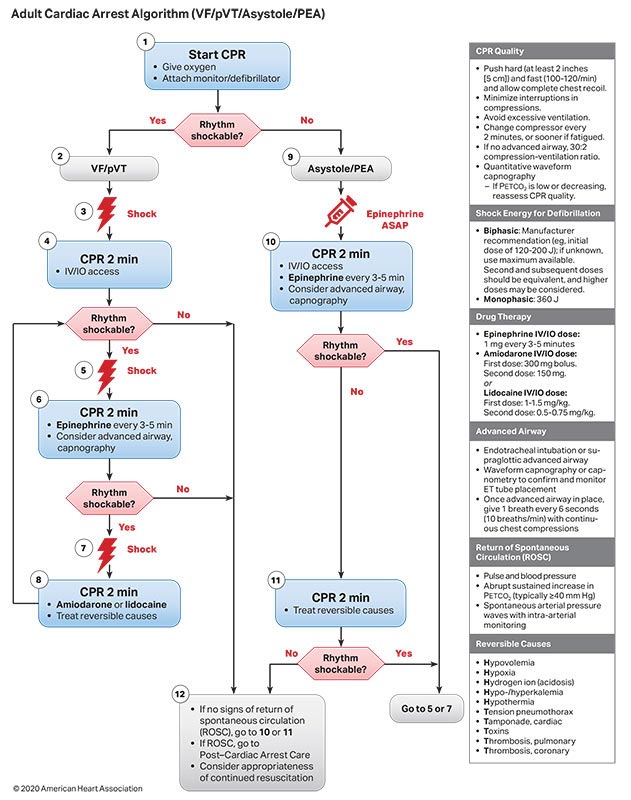
-
This question is part of the following fields:
- Cardiovascular
- Pharmacology
-
-
Question 200
Incorrect
-
Regarding gas exchange at the alveolar-capillary membrane, which of the following statements is CORRECT:
Your Answer:
Correct Answer: Transfer of oxygen is usually perfusion-limited.
Explanation:Gas exchange between alveolar air and blood in the pulmonary capillaries takes place by diffusion across the alveolar-capillary membrane. Diffusion occurs from an area of high partial pressure to an area of low partial pressure, thus the driving force for diffusion is the alveolar-capillary partial pressure gradient. Diffusion occurs until equilibrium is reached, but random movement of particles continues to occur and this is known as dynamic equilibrium. The diffusing capacity for oxygen (DLO2) cannot be measured directly but the rate of diffusion in the lungs can be estimated by measuring the diffusing capacity of the lungs for carbon monoxide (DLCO), not by measuring total lung capacity. The rate of transfer of a gas may be diffusion or perfusion limited; carbon monoxide transfer is diffusion-limited, oxygen transfer is usually perfusion-limited.
-
This question is part of the following fields:
- Physiology
- Respiratory
-
SESSION STATS - PERFORMANCE PER SPECIALTY
