-
Question 1
Incorrect
-
Among the following infectious diseases, which is typically considered to have an incubation period of less than 3 weeks?
Your Answer: Infectious mononucleosis
Correct Answer: Diphtheria
Explanation:C. diphtheriae, which is the causative agent of diphtheria, is carried in the upper respiratory tract and spread by droplet infection or hand-to-mouth contact. The incubation period averages 2 to 5 days.
Infectious mononucleosis is caused by Epstein-Barr virus (EBV). The incubation period for EBV varies from 2 weeks to 2 months.
The incubation for Hepatitis A virus is approximately 1 month.
The incubation period for Hepatitis C ranges from 2 weeks to 6 months.
The period from infection to development of anti-HIV antibodies is usually less than 1 month but may be up to 3 months.
-
This question is part of the following fields:
- Microbiology
- Specific Pathogen Groups
-
-
Question 2
Incorrect
-
A 78-year-old man complains of lumps in his neck. Several large, non-tender cervical lymph nodes are discovered during your examination.
You arrange for some blood tests, and the results reveal that he has lymphocytosis with a count of 16 x 10 9 /l.
In this case, what is the most likely diagnosis?Your Answer:
Correct Answer: Chronic lymphocytic leukaemia
Explanation:The most common type of adult leukaemia is chronic lymphocytic leukaemia (CLL). It develops as a result of relatively mature lymphocytes clonally proliferating. The B-cell lineage accounts for approximately 95% of cases. CLL is primarily a disease of adult men, with men over the age of 50 accounting for more than 75% of CLL patients.
It is the most indolent form of chronic leukaemia, and it is frequently discovered by chance when blood counts are taken for other reasons, such as ‘well man’ screening tests. The patient may develop lymphadenopathy, hepatosplenomegaly, anaemia, and infections as the disease progresses.
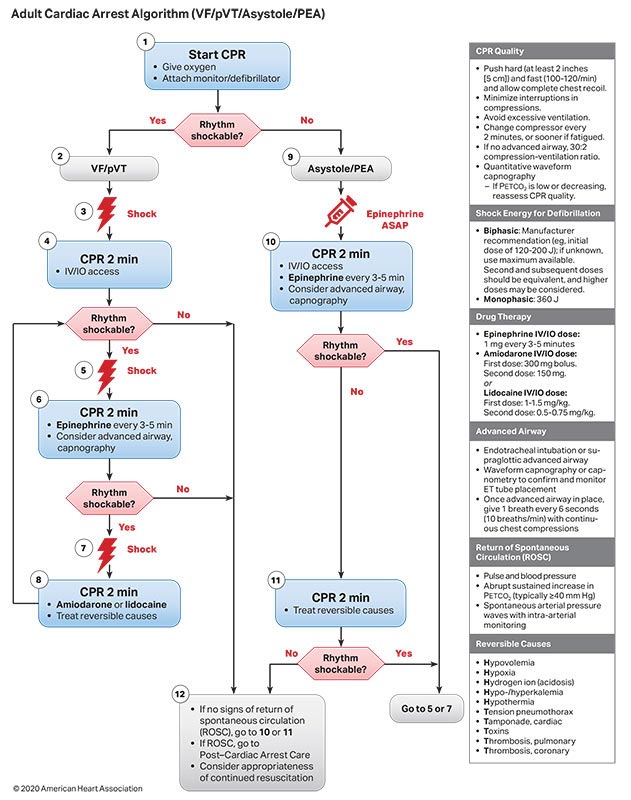
The following are examples of CLL laboratory findings:
Clonal B cell lymphocytosis (diagnosed at greater than 5 x 10⁹/l, but can reach 300 x 109/l)
In advanced disease, normocytic, normochromic anaemia is present.Patients with autoimmune-related haemolytic anaemias have a positive direct antiglobulin test (DAT).
Although bone marrow aspiration is not always required, it can aid in the diagnosis of CLL. If there has been rapid lymph node enlargement, a lymph node biopsy is required to rule out Richter’s syndrome. This is the transition from low-grade lymphoma to high-grade lymphoma, which is characterised by fever, weight loss, and pain.
Although there is no cure for CLL, it can be managed with chemotherapy regimens that help patients live longer. Early treatment has no benefit, and the standard treatment for early disease is to watch and wait, with examinations and blood counts every 3 to 12 months. Chemotherapy is usually reserved for patients who have a disease that is active and causing symptoms.
The following is the overall prognosis for CLL:
1/3 will not require treatment and will live a long time.
1/3 will go through an indolent phase before the disease progresses.
1/3 of patients will have an aggressive disease that requires immediate treatment. -
This question is part of the following fields:
- Haematology
- Pathology
-
-
Question 3
Incorrect
-
Which statement concerning aerosol transmission is true?
Your Answer:
Correct Answer: They can be spread via ventilation systems in hospitals
Explanation:Aerosols are airborne particles less than 5 µm in size containing infective organisms.
They usually cause infection of both the upper and/or lower respiratory tract.
The organisms can remain suspended in the air for long periods and also survive outside the body.
They can be transmitted through the ventilation systems and can spread over great distances.
Some examples of organisms transmitted by the aerosol route include: Varicella zoster virus, Mycobacterium tuberculosis and measles virus
-
This question is part of the following fields:
- Microbiology
- Principles Of Microbiology
-
-
Question 4
Incorrect
-
Which of the following is NOT a contraindication to treatment with aspirin at analgesic doses:
Your Answer:
Correct Answer: Myasthenia gravis
Explanation:Aspirin (at analgesic doses) is contraindicated in:
People with a history of true hypersensitivity to aspirin or salicylates (symptoms of hypersensitivity to aspirin or salicylates include bronchospasm, urticaria, angioedema, and vasomotor rhinitis)
People with active or previous peptic ulceration
People with haemophilia or another bleeding disorder
Children younger than 16 years of age (risk of Reye’s syndrome)
People with severe cardiac failure
People with severe hepatic impairment
People with severe renal impairmentN.B. Owing to an association with Reye’s syndrome, aspirin-containing preparations should not be given to children under 16 years, unless specifically indicated, e.g. for Kawasaki disease.
-
This question is part of the following fields:
- Central Nervous System
- Pharmacology
-
-
Question 5
Incorrect
-
Cardiac myocytes are connected to each other by which of the following:
Your Answer:
Correct Answer: Intercalated discs
Explanation:Adjacent cardiac myocytes are connected to each other by intercalated discs. The intercalated discs provide both a structural attachment by ‘glueing’ cells together at desmosomes and an electrical contact made up of proteins called connexons, called a gap junction, which essentially creates a low-resistance pathway between cells.
-
This question is part of the following fields:
- Cardiovascular
- Physiology
-
-
Question 6
Incorrect
-
Regarding gas exchange at the alveolar-capillary membrane, which of the following statements is CORRECT:
Your Answer:
Correct Answer: Transfer of oxygen is usually perfusion-limited.
Explanation:Gas exchange between alveolar air and blood in the pulmonary capillaries takes place by diffusion across the alveolar-capillary membrane. Diffusion occurs from an area of high partial pressure to an area of low partial pressure, thus the driving force for diffusion is the alveolar-capillary partial pressure gradient. Diffusion occurs until equilibrium is reached, but random movement of particles continues to occur and this is known as dynamic equilibrium. The diffusing capacity for oxygen (DLO2) cannot be measured directly but the rate of diffusion in the lungs can be estimated by measuring the diffusing capacity of the lungs for carbon monoxide (DLCO), not by measuring total lung capacity. The rate of transfer of a gas may be diffusion or perfusion limited; carbon monoxide transfer is diffusion-limited, oxygen transfer is usually perfusion-limited.
-
This question is part of the following fields:
- Physiology
- Respiratory
-
-
Question 7
Incorrect
-
A patient is sent in to ED by her GP with hyponatraemia and hyperkalaemia. There is most likely to be a deficiency in which of the following hormones:
Your Answer:
Correct Answer: Aldosterone
Explanation:A deficiency of aldosterone, as seen in adrenal insufficiency, can result in hyponatraemia and hyperkalaemia.
-
This question is part of the following fields:
- Endocrine
- Physiology
-
-
Question 8
Incorrect
-
A 4-year old boy is taken to the emergency room after a sudden onset of coughing and wheezing. Further investigation reveals that he was drawing quietly in his room, when suddenly, he became anxious and started coughing. The parents also noted that the eraser on top of the pencil was missing.
A plain radiographic chest imaging is conducted, and confirmed foreign body aspiration.
Which of the following areas in the tracheobronchial tree is the most probable location of the aspirated eraser?Your Answer:
Correct Answer: Right main bronchus
Explanation:In foreign body aspiration, the foreign body is more likely to enter the right main bronchus because it is shorter, wider and more vertical than the left main bronchus. In a patient who is standing or sitting, the foreign body tends to become lodged in the posterobasal segment of the inferior lobe of the right lung.
-
This question is part of the following fields:
- Anatomy
- Thorax
-
-
Question 9
Incorrect
-
A patient diagnosed with cranial nerve palsy exhibits asymmetrical movement of the palate, nasal regurgitation of food, and nasal quality to the voice.
Which of the following cranial nerves is most likely responsible for the aforementioned features?Your Answer:
Correct Answer: Vagus nerve
Explanation:The vagus nerve, ‘the wanderer’, contains motor fibres (to the palate and vocal cords), sensory components (posterior and floor of external acoustic meatus) and visceral afferent and efferent fibres.
Palatal weakness can cause nasal speech and nasal regurgitation of food. The palate moves asymmetrically when the patient says ‘ahh’. Recurrent nerve palsy results in hoarseness, loss of volume and ‘bovine cough’.
-
This question is part of the following fields:
- Anatomy
- Central Nervous System
-
-
Question 10
Incorrect
-
Haemophilia B results from a deficiency in:
Your Answer:
Correct Answer: Factor IX
Explanation:Haemophilia B is a bleeding disorder caused by a deficiency of clotting factor IX. It is the second commonest form of haemophilia, and is rarer than haemophilia A. Haemophilia B tends to be similar to haemophilia A but less severe. The two disorders can only be distinguished by specific coagulation factor assays.
The incidence is one-fifth of that of haemophilia A. Laboratory findings demonstrate prolonged APTT, normal PT and low factor IX.
Haemophilia B inherited in an X-linked recessive fashion, affecting males born to carrier mothers.
There is also a variation called Leyden, in which factor IX levels are below 1% until puberty, when they rise, potentially reaching as high as 40-60% of normal. This is thought to be due to the effects of testosterone at puberty. -
This question is part of the following fields:
- Haematology
- Pathology
-
-
Question 11
Incorrect
-
All of the following typically occurs as part of normal passive expiration except:
Your Answer:
Correct Answer: Contraction of the internal intercostal muscles
Explanation:Passive expiration is produced primarily by relaxation of the inspiratory muscles (diaphragm and external intercostal muscles) in addition to the elastic recoil of the lungs.
In expiration, several movements occur. There are:
1. depression of the sternal ends of the ribs (‘pump handle’ movement),
2. depression of the lateral shafts of the ribs (‘bucket handle’ movement) and
3. elevation of the diaphragm.
These result in a reduction of the thorax in an anteroposterior, transverse and vertical direction respectively. There is then a decreased intrathoracic volume and increased intrathoracic pressure and air is forced out of the lungs. -
This question is part of the following fields:
- Anatomy
- Thorax
-
-
Question 12
Incorrect
-
Which of the following is NOT typically present in the nasopharyngeal flora:
Your Answer:
Correct Answer: Bacteroides spp.
Explanation:Bacteroides spp. are typically found in the normal flora of the lower gastrointestinal tract. Species commonly found in the flora of the nasopharynx include: Staphylococcus aureus, Staphylococcus epidermidis, Streptococcus pneumoniae, Neisseria meningitidis, Haemophilus influenzae, Corynebacterium spp., Moraxella spp. and Candida spp.
-
This question is part of the following fields:
- Microbiology
- Principles
-
-
Question 13
Incorrect
-
How does dipyridamole mediate its antiplatelet effect:
Your Answer:
Correct Answer: It is a phosphodiesterase inhibitor.
Explanation:Dipyridamole inhibits both the reuptake of adenosine and phosphodiesterase, preventing the degradation of cAMP and thus blocking the platelet aggregation response to ADP.
-
This question is part of the following fields:
- Haematology
- Pathology
-
-
Question 14
Incorrect
-
A 24 year old male sustained an insect bite and presents with a red hot arm and acute cellulitis has been diagnosed. The predominant white cells in this type of acute inflammation are:
Your Answer:
Correct Answer: Neutrophils
Explanation:Neutrophil polymorphs are the predominant type of white cells in an acute reaction. They pass between endothelial cell junctions to invade damaged tissue so that the effects of injury can be combated. Extravasation occurs with the movement of leukocytes out of the vessel lumen, and is achieved in five phases which are margination, ‘rolling’, adhesion, transmigration and chemotaxis.
-
This question is part of the following fields:
- Inflammatory Responses
- Pathology
-
-
Question 15
Incorrect
-
The following statements about cross-sectional studies are true EXCEPT?
Your Answer:
Correct Answer: They can be used to determine the relative risk of a condition
Explanation:The UK national census is an example of a cross-sectional study.
Cross-sectional studies can be used to assess the prevalence of a condition, and support or refute inferences of cause and effect.
Cross-sectional studies are observations of the frequency and characteristics of a disease in a given population at one particular point in time.
Cross-sectional studies do not differentiate between cause and effect and also do not establish the sequence of events.
Cross-sectional studies cannot be used to calculate the relative risk of a condition.
-
This question is part of the following fields:
- Evidence Based Medicine
-
-
Question 16
Incorrect
-
Which of the following leukaemias is most common in children in the UK:
Your Answer:
Correct Answer: Acute lymphoblastic leukaemia
Explanation:Acute lymphoblastic leukaemia (ALL) is caused by an accumulation of lymphoblasts in the bone marrow and is the most common malignancy of childhood. The incidence of ALL is highest at 3 – 7 years, with 75% of cases occurring before the age of 6. There is a secondary rise after the age of 40 years. 85% of cases are of B-cell lineage and have an equal sex incidence; there is a male predominance for the 15% of T-cell lineage.
-
This question is part of the following fields:
- Haematology
- Pathology
-
-
Question 17
Incorrect
-
Regarding postural hypotension, which of the following statements is INCORRECT:
Your Answer:
Correct Answer: Postural hypotension usually causes a reflex bradycardia.
Explanation:On standing from a prone position, gravity causes blood to pool in veins in the legs. Central venous pressure (CVP) falls, causing a fall in stroke volume and cardiac output (due to Starling’s law) and thus a fall in blood pressure. Normally this fall in BP is rapidly corrected by the baroreceptor reflex which causes venoconstriction (partially restoring CVP), and an increase in heart rate and contractility, so restoring cardiac output and blood pressure. Impaired autonomic nervous activity in the elderly accounts for the greater likelihood of postural hypotension. Any symptoms of dizziness, blurred vision or syncope is due to a transient fall in cerebral perfusion that occurs before cardiac output and mean arterial pressure (MAP) can be corrected.
-
This question is part of the following fields:
- Cardiovascular
- Physiology
-
-
Question 18
Incorrect
-
A 29-year-old volunteer returns from a recent trip to the middle east with profuse watery diarrhoea. You make a diagnosis of cholera and organize a hospital admission for rehydration with intravenous fluids.
What is the mechanism of action of cholera toxin?
Your Answer:
Correct Answer: ADP-ribosylation of the G regulatory protein
Explanation:Cholera is caused by Vibrio cholerae, a motile, Gram-negative, curved bacillus. It is transmitted through water and food (especially seafood) and is primarily a disease seen in developing countries where there is poor sanitation and lack of safe water supplies.
The cholera toxin leads to stimulation of adenyl cyclase, ADP-ribosylation of the G regulatory protein, inactivation of GTPase leading to active outpouring of NaCl.
The cholera toxin consists of an A (the toxin) and B subunit. The B subunit attaches to the gut mucosa and presents the A subunit to the cell. The toxin stimulates adenyl cyclase by irreversible ADP-ribosylation of the GTP binding domain of adenyl cyclase leading to the opening of chloride channels resulting in an outpouring of NaCl and water into the lumen of the gut and causing secretory diarrhoea.
Incubation period is between 2 and 5 days, but can be as short as just a few hours.
-
This question is part of the following fields:
- Microbiology
- Principles Of Microbiology
-
-
Question 19
Incorrect
-
In adults, the conus medullaris of the spinal cord lies at which of the following vertebral levels:
Your Answer:
Correct Answer: L1/L2
Explanation:At birth, the conus medullaris lies at L3. By the age of 21, it sits at L1/L2.
-
This question is part of the following fields:
- Anatomy
- Head And Neck
-
-
Question 20
Incorrect
-
You're in resus with a 69-year-old woman who is very sick. You decide to contact the intensive care outreach team because she appears to be in septic shock. They decide to start a dobutamine infusion as soon as they arrive.
Which of the following statements about dobutamine is correct?Your Answer:
Correct Answer: It may be infused via a peripheral line
Explanation:Dobutamine is a synthetic isoprenaline derivative that is used to provide inotropic support to patients with low cardiac output caused by septic shock, myocardial infarction, or other cardiac conditions.
Dobutamine is a sympathomimetic drug that stimulates beta-1 adrenergic receptors in the heart to produce its primary effect. As a result, it has inotropic properties that increase cardiac contractility and output. It also has a small amount of alpha1- and beta-2-adrenergic activity.
It is infused intravenously after being diluted to a volume of at least 50 ml in a suitable crystalloid solution. The dose is titrated to response and ranges from 0.5 to 40 g/kg/min. Extravasation-induced skin necrosis is uncommon, and dobutamine can be administered through a peripheral line.
At doses below 10 g/kg/min, side effects are rare, but at higher doses, they can include:
Nausea and vomiting
Tachycardia
Dysrhythmias
Angina
Hypertension
Headache -
This question is part of the following fields:
- Cardiovascular Pharmacology
- Pharmacology
-
-
Question 21
Incorrect
-
A young male has presented to you with respiratory depression and small pupils on examination. You diagnose opioid overdose and immediately start therapy with Naloxone.
Which of the following statements is TRUE regarding naloxone?Your Answer:
Correct Answer: It can be given by a continuous infusion if repeated doses are required
Explanation:Naloxone is a short-acting, specific antagonist of mu(μ)-opioid receptors. It is used to reverse the effects of opioid toxicity.
It can be given by a continuous infusion if repeated doses are required and the infusion rate is adjusted according to the vital signs. Initially, the infusion rate can be set at 60% of the initial resuscitative IV dose per hour.
Naloxone has a shorter duration of action (6-24 hours) than most opioids and so close monitoring according to the respiratory rate and depth of coma and repeated injections are necessary. When repeated doses are needed in opioid addicts, naloxone administration may precipitate a withdrawal syndrome with abdominal cramps, nausea and diarrhoea, but these usually settle within 2 hours.
An initial dose of 0.4 to 2 mg can be given intravenously and can be repeated at 2 to 3-minute intervals to a maximum of 10mg.
If the intravenous route is inaccessible, naloxone can be administered via an IO line, subcutaneously (SQ), IM, or via the intranasal (IN) route.
-
This question is part of the following fields:
- CNS Pharmacology
- Pharmacology
-
-
Question 22
Incorrect
-
A 15-year-old male is admitted to a rehabilitation centre with a history of multiple strokes, myopathy and learning disabilities since childhood. He is under the care of a multidisciplinary team, and his genetic testing reports show the presence of a mitochondrial disorder.
Which one of the following diseases does this patient most likely have?Your Answer:
Correct Answer: MELAS
Explanation:Mitochondrial diseases are a group of disorders caused by dysfunctional mitochondria. Most cases are maternally inherited, as we inherit our mitochondrial DNA from our mothers only, although mutations in nuclear DNA cause some cases.
Examples of Mitochondrial Diseases include:
1. Mitochondrial encephalomyopathy, lactic acidosis and stroke-like episodes (MELAS)
2. Mitochondrial epilepsy with ragged red fibres (MERRF)
3. Leber’s hereditary optic neuropathy (LHON)
4. Diabetes mellitus and deafness (DAD)
5. Neuropathy, ataxia, retinitis pigmentosa, and ptosis (NARP)
6. Leigh syndrome (subacute sclerosing encephalopathy).Red-green colour blindness and G6PD deficiency have an X-linked recessive pattern of inheritance.
Tay-Sachs Disease and spinal muscular atrophy have an autosomal recessive pattern of inheritance.
-
This question is part of the following fields:
- General Pathology
- Pathology
-
-
Question 23
Incorrect
-
Surface area of the absorptive surface in the small intestine is increased by all but which of the following:
Your Answer:
Correct Answer: Teniae coli
Explanation:Factors increasing the surface area include:The small intestine is very long – about 5 m in length.The inner wall of the small intestine is covered by numerous folds of mucous membrane called plicae circulares.The lining of the small intestine is folded into many finger-like projections called villi.The surface of the villi is covered with a layer of epithelial cells which, in turn, have many small projections called microvilli that project towards the lumen of the intestine (forming the brush border).
-
This question is part of the following fields:
- Gastrointestinal
- Physiology
-
-
Question 24
Incorrect
-
A 30-year-old man presents with diarrhoea, fever, vomiting, and abdominal cramps. A stool culture was ordered and showed growth of Salmonella spp.
Among the following serotypes of Salmonella spp., which is considered to be the most common cause of salmonella gastroenteritis?Your Answer:
Correct Answer: Serotype D
Explanation:A common cause of gastroenteritis, Salmonella enteritidis, and Salmonella typhi, which causes enteric fever, are both group D. Therefore, serotype D Salmonella species are most commonly associated with gastroenteritis.
-
This question is part of the following fields:
- Microbiology
- Specific Pathogen Groups
-
-
Question 25
Incorrect
-
Which of the following movements is controlled by the pectoralis major muscle?
Your Answer:
Correct Answer: Flexion, adduction and medial rotation of the humerus
Explanation:The pectoralis major is a muscle that runs across the top of the chest and connects to a ridge on the back of the humerus (the bone of the upper arm).
Adduction, or lowering, of the arm (opposed to the deltoideus muscle) and rotation of the arm forward around the axis of the body are two of its main functions.
-
This question is part of the following fields:
- Anatomy
- Upper Limb
-
-
Question 26
Incorrect
-
Regarding the abductor digiti minimi, which of the following statements is false?
Your Answer:
Correct Answer: It assists with flexion of the fifth finger at the middle phalanx
Explanation:Abductor digiti minimi is a short intrinsic muscle of the hand. It belongs to the group of muscles collectively called hypothenar muscles due to their acting on the 5th finger. Besides abductor digiti minimi, other hypothenar muscles include flexor digiti minimi brevis and opponens digiti minimi.
The main function of abductor digiti minimi involves abduction of the 5th finger, as well as flexion of its proximal phalanx. Along with other hypothenar muscles, this muscle forms the hypothenar eminence on the medial side of the palm.
Like other hypothenar muscles, abductor digiti minimi receives nervous supply from the deep branch of the ulnar nerve, derived from root values C8 and T1.
Abductor digiti minimi receives arterial blood supply from the palmar branch of ulnar artery, palmar digital artery, as well as branches of the ulnar side of the superficial palmar arch. The venous blood from the muscle is drained via the venous networks of the palm into the deep veins of the arm (vv. ulnares).
-
This question is part of the following fields:
- Anatomy
- Upper Limb
-
-
Question 27
Incorrect
-
Which of the following best describes the correct administration of adrenaline for a shockable rhythm in adult advanced life support?
Your Answer:
Correct Answer: Give 1 mg of adrenaline after the second shock and every 3 - 5 minutes thereafter
Explanation:Give adrenaline 1 mg IV (IO) (10 mL of 1:10,000 solution) after the 2nd shock for adult patients in cardiac arrest with a shockable rhythm. Repeat adrenaline 1 mg IV (IO) every 3-5 minutes whilst ALS continues.
-
This question is part of the following fields:
- Cardiovascular
- Pharmacology
-
-
Question 28
Incorrect
-
A 61-year-old patient experiences a spontaneous rupture of his Achilles tendon following a course of antibiotics
Which of the antibiotics listed below is MOST likely to be the cause?Your Answer:
Correct Answer: Ciprofloxacin
Explanation:Tendinopathy and spontaneous tendon rupture are caused by fluoroquinolones, which are an uncommon but well-known cause. Tendon problems caused by fluoroquinolones are expected to affect 15 to 20 people per 100,000. Patients over the age of 60 are most likely to develop them.
It usually affects the Achilles tendon, but it has also been described in cases involving the quadriceps, peroneus brevis, extensor pollicis longus, long head of biceps brachii, and rotator cuff tendons. The exact aetiology is uncertain, although the fluoroquinolone medication is thought to obstruct collagen activity and/or cut off blood supply to the tendon.
Other factors linked to tendon rupture spontaneously include:
Gout
Treatment with corticosteroids
Hypercholesterolaemia
Long-term dialysis
Kidney transplant
Rheumatoid arthritis -
This question is part of the following fields:
- Infections
- Pharmacology
-
-
Question 29
Incorrect
-
Where:
Capillary hydrostatic pressure is (P c)Hydrostatic pressure in the interstices is (P I )
Plasma oncotic pressure is (π p)Interstitial oncotic pressure is (π i)
Which of the following formulas best represents fluid flow at the capillary bed?
Your Answer:
Correct Answer: Volume / min = (P c - P i ) - (π p - π i )
Explanation:Starling’s equation for fluid filtration describes fluid flow at the capillary bed.
Filtration forces (capillary hydrostatic pressure and interstitial oncotic pressure) stimulate fluid movement out of the capillary, while resorption forces promote fluid movement into the capillary (interstitial hydrostatic pressure and plasma oncotic pressure). Although the forces fluctuate along the length of the capillary bed, overall filtration is achieved.At the capillary bed, there is fluid movement.
The reflection coefficient (σ), the surface area accessible (S), and the hydraulic conductance of the wall (Lp) are frequently used to account for the endothelium’s semi-permeability, yielding:
Volume / min = LpS [(Pc- Pi) – σ(πp– πi)]
Volume /min = (Pc-Pi) – (πp–πi) describes the fluid circulation at the capillaries.
Where:
Pc= capillary hydrostatic pressure
Pi= interstitial hydrostatic pressure
πp= plasma oncotic pressure
πi= interstitial oncotic pressure -
This question is part of the following fields:
- Cardiovascular Physiology
- Physiology
-
-
Question 30
Incorrect
-
A patient suffers a lower limb fracture that causes damage to the nerve that innervates peroneus longus.
Peroneus longus receives its innervation from which of the following nerves? Select ONE answer only.Your Answer:
Correct Answer: Superficial peroneal nerve
Explanation:Peroneus brevis is innervated by the superficial peroneal nerve.
Peroneus longus is innervated by the superficial peroneal nerve.
Peroneus tertius is innervated by the deep peroneal nerve. -
This question is part of the following fields:
- Anatomy
- Lower Limb
-
-
Question 31
Incorrect
-
A 39-year-old woman's son with meningococcal meningitis was recently admitted to the Paediatric Intensive Care Unit. She is currently 22 weeks pregnant and is concerned about the possibility of her also contracting the disease as she cared closely for her son during his admission.
Which antibiotic would be the MOST appropriate choice for chemoprophylaxis in this case?
Your Answer:
Correct Answer: Ciprofloxacin
Explanation:Ciprofloxacin is recommended for use as meningococcal chemoprophylaxis in all age groups and in pregnancy, and is the most appropriate for this patient.
However, rifampicin is the drug of choice for meningococcal chemoprophylaxis because it is licensed for chemoprophylaxis, but multiple doses are necessary and it is not readily available in community pharmacies. It also interacts with oral contraceptives.
-
This question is part of the following fields:
- Microbiology
- Specific Pathogen Groups
-
-
Question 32
Incorrect
-
Regarding Campylobacter gastroenteritis, which of the following statements is INCORRECT:
Your Answer:
Correct Answer: Infection usually requires antibiotic treatment.
Explanation:Campylobacter jejuni is the primary human pathogen, typically causing dysentery (bloody diarrhoea illness) following ingestion of contaminated meat, especially poultry. Infection is typically self-limiting and does not require antibiotic therapy. Campylobacter gastroenteritis is associated with the immune-mediated complications of Guillain-Barre syndrome, reactive arthritis and Reiter’s syndrome.
-
This question is part of the following fields:
- Microbiology
- Pathogens
-
-
Question 33
Incorrect
-
Which of the following microbes binds strongly to CD4 antigen:
Your Answer:
Correct Answer: HIV
Explanation:HIV mainly infects CD4+ T helper cells. Viral replication results in progressive T-cell depletion and impaired cell-mediated immunity with subsequent secondary opportunistic infections and increased risk of malignancy. B-cell function is also reduced as a result of lack of T-cell stimulation.
HIV is not a notifiable disease. -
This question is part of the following fields:
- Microbiology
- Principles
-
-
Question 34
Incorrect
-
The weight distribution in a group of patients included in a study was normal. The patients averaged 80 kg in weight. 5 kg was determined to be the standard deviation. Which of the following statements most accurately describes this group of patients:
Your Answer:
Correct Answer: 68% of the patients will weigh between 75 and 85 kg.
Explanation:We can estimate the range of values that would be anticipated to include particular proportions of observations if we know the mean and standard deviation of a collection of normally distributed data: 68.2 percent of the sample results fall within a one SD range above and below the mean (+/- 1 SD), implying that 68 percent of the patients will weigh between 75 and 85 kg. Because +/- 2 SD encompasses 95.4 percent of the data, around 95 percent of the patients will weigh between 70 and 90 kg. +/- 3 SD encompasses 99.7% of the values, implying that nearly all of the patients will weigh between 65 and 95 kg.
-
This question is part of the following fields:
- Evidence Based Medicine
- Statistics
-
-
Question 35
Incorrect
-
A 72-year-old man has a past medical history of diverticular disease. He now presents in the clinic with crampy abdominal pain. The nurse at the triage suggests prescribing hyoscine butyl bromide to help relieve the abdominal pain. However, you do not agree with this medication, as you can see on his chart that the patient has several other comorbidities.
Out of the following, what is NOT a contraindication to using hyoscine butyl bromide?Your Answer:
Correct Answer: Prostatic hyperplasia
Explanation:Hyoscine butylbromide is an antispasmodic drug that blocks muscarinic receptors and reduces intestinal motility. It is used for gastrointestinal and genitourinary smooth muscle spasms and symptomatic relief of IBS.
It has the following contraindications:
1. Closed-angle glaucoma
2. Gastrointestinal obstruction
3. Intestinal atony
4. Paralytic ileus
5. Toxic megacolon
6. Severe ulcerative colitis
7. Significant bladder outflow obstruction
8. Urinary retention
9. Myasthenia gravisUse cautiously in the following conditions:
1. Acute myocardial infarction (in adults)
2. Arrhythmias (may be worsened)
3. Autonomic neuropathy
4. Hypertension
5. Cardiac insufficiency (due to association with tachycardia)
6. Congestive cardiac failure (maybe worsened)
7. Cardiac surgery (due to association with tachycardia)
8. Gastro-oesophageal reflux disease
9. Ulcerative colitis
10. Prostatic hyperplasia
11. Use in children (increased risk of side effects) -
This question is part of the following fields:
- Gastrointestinal Pharmacology
- Pharmacology
-
-
Question 36
Incorrect
-
An analytical study is conducted to compare the risk of stroke between Ticagrelor therapy and Warfarin therapy among patients with atrial fibrillation. The following is obtained from the study:
No. of patients who took Ticagrelor: 300
No. of patients who took Ticagrelor and suffered a stroke: 30
No. of patients who took Warfarin: 500
No. of patients who took Warfarin and suffered a stroke: 20
Compute for the absolute risk in the Ticagrelor group.Your Answer:
Correct Answer: 0.1
Explanation:The absolute risk (AR) is the probability or chance of an event. It is computed as the number of events in treated or control groups, divided by the number of people in that group.
AR = 30/300 = 0.1
-
This question is part of the following fields:
- Evidence Based Medicine
-
-
Question 37
Incorrect
-
Digoxin exhibits its positive inotropic effect by which of the following mechanisms:
Your Answer:
Correct Answer: Inhibits the Na+/K+ pump on the myocyte membrane
Explanation:Cardiac glycosides (e.g. digoxin) slow the removal of Ca2+from the cell by inhibiting the membrane Na+pump (Na+/K+ATPase) which generates the Na+gradient required for driving the export of Ca2+by Na+/Ca2+exchange; consequently the removal of Ca2+from the myocyte is slowed and more Ca2+is available for the next contraction.
-
This question is part of the following fields:
- Cardiovascular
- Physiology
-
-
Question 38
Incorrect
-
When the pulmonary artery is completely blocked, what is the ventilation over perfusion ratio for the area that it supplies?
Your Answer:
Correct Answer: Infinity
Explanation:The ventilation/perfusion ratio (V/Q ratio) is a ratio used to assess the efficiency and adequacy of the matching ventilation and perfusion.
A pulmonary artery carries deoxygenated blood from the right side of the heart to the lungs. When a large pulmonary embolus completed blocked a pulmonary artery the alveoli were ventilated but not perfused at all, then the V/Q ratio would be infinity.
-
This question is part of the following fields:
- Physiology
- Respiratory Physiology
-
-
Question 39
Incorrect
-
A 73-year-old woman arrives at the emergency department 48 hours after being discharged from the hospital after a two-week stay for sepsis treatment. She has fever, productive cough with thick green sputum, and shortness of breath. An X-ray shows left lower lobe pneumonia. Which of the bacteria listed below is more likely to be the causative agent:
Your Answer:
Correct Answer: Pseudomonas aeruginosa
Explanation:Hospital-acquired pneumonia (HAP), or nosocomial pneumonia, is a lower respiratory infection that was not incubating at the time of hospital admission and that presents clinically 2 or more days after hospitalization. Pneumonia that presents sooner should be regarded as community acquired pneumonia. VAP refers to nosocomial pneumonia that develops among patients on ventilators. Ventilator-associated pneumonia (VAP) is defined as pneumonia that presents more than 48 hours after endotracheal intubation.
Common bacteria involved in hospital-acquired pneumonia (HAP) include the following [10] :
Pseudomonas Aeruginosa
Staphylococcus aureus, including methicillin-susceptible S aureus (MSSA) and methicillin-resistant S aureus (MRSA)
Klebsiella pneumoniae
Escherichia coli -
This question is part of the following fields:
- Infections
- Microbiology
-
-
Question 40
Incorrect
-
A 60-year-old female with a past history of rheumatic fever and a prosthetic mitral valve presents to you with fever and an episode of expressive dysphasia that lasted around 30 minutes. There is no history of known drug allergies On examination you note a systolic murmur and you suspect it is infective endocarditis.
Which antibacterial agents would be the most appropriate to prescribe in this case?
Your Answer:
Correct Answer: Vancomycin, rifampicin and gentamicin
Explanation:Endocarditis is infective or non infective inflammation (marantic endocarditis) of the inner layer of the heart and it often involves the heart valves.
Risk factors include:
Prosthetic heart valves
Congenital heart defects
Prior history of endocarditis
Rheumatic fever
Illicit intravenous drug useIn the presentation of endocarditis, the following triad is often quoted:
Persistent fever
Embolic phenomena
New or changing murmurA combination of vancomycin, rifampicin and gentamicin is advised if the patient has a cardiac prostheses, is penicillin allergic, or if methicillin-resistant Staphylococcus aureus (MRSA) is suspected. In this case the patient has a prosthetic valve making this the most appropriate initial treatment regimen.
Flucloxacillin and gentamicin are current recommended by NICE and the BNF for the initial ‘blind’ therapy in endocarditis. This patient has prostheses and this is not the most appropriate initial treatment regimen.
Other features that may be present include heart failure, splenomegaly, finger clubbing, renal features (haematuria, proteinuria, nephritis), and vasculitic features (splinter haemorrhages, Osler’s nodes, Janeway lesions, Roth’s spots).
-
This question is part of the following fields:
- Microbiology
- Specific Pathogen Groups
-
SESSION STATS - PERFORMANCE PER SPECIALTY
