-
Question 1
Correct
-
Regarding the foetal oxygen-haemoglobin dissociation curve, which of the following statements is CORRECT:
Your Answer: The HbF dissociation curve lies to the left of that for HbA.
Explanation:Foetal haemoglobin (HbF) has a higher affinity for oxygen than adult haemoglobin (HbA) because it’s gamma chains bind 2,3-DPG less avidly than beta chains of HbA. The HbF dissociation curve lies to the left of that for HbA. In the placenta PCO2moves from the foetal to the maternal circulation, shifting the maternal curve further right and the foetal curve further left (the double Bohr effect). The higher affinity of HbF relative to HbA helps transfer oxygen from mother to foetus. Therefore even through blood returning from the placenta to the foetus in the umbilical vein has a PO2of only about 4 kPa, its saturation is 70%. Oxygen transport in the foetus is also helped by a high Hb of about 170 – 180 g/L.
-
This question is part of the following fields:
- Physiology
- Respiratory
-
-
Question 2
Incorrect
-
Which of the following statements is correct regarding the partial pressure of oxygen during respiration?
Your Answer: Alveolar PO 2 > Inhaled PO 2
Correct Answer: Exhaled PO 2 > Alveolar PO 2
Explanation:Because of humidification, inspired PO2 in the airways is less than inhaled PO2.
Because of gas exchange, alveolar PO2 is less than inhaled or inspired PO2.
Because of mixing with anatomical dead space (air that has not taken part in gas exchange, exhaled PO2 is greater than alveolar O2, and therefore that has relatively higher PO2 on the way out, but is less than inhaled or inspired PO2.
Typical values for a resting young healthy male (in kPa) are shown below:
-Inhaled air: PO221.2, PCO20.0
-Inspired air in airways (after humidification): PO219.9, PCO20.0
-Alveolar air (after equilibrium with pulmonary capillaries): PO213.3, PCO25.3
-Exhaled air (after mixing with anatomical dead space air): PO215.5, PCO24.3 -
This question is part of the following fields:
- Physiology
- Respiratory
-
-
Question 3
Correct
-
In the resus area of your Emergency Department, you are called to a VF cardiac arrest.
During an adult VF arrest, which of the following points should be treated with adrenaline?Your Answer: After the 3 rd shock, once chest compressions have been resumed
Explanation:In non-shockable (PEA/asystole) cardiac arrests, adrenaline should be given as soon as circulatory access is gained. The dose is 1 mg via IV or IO (10 mL of 1:10,000 or 1 mL of 1:1000).
Once chest compressions have been resumed after the third shock in a shockable (Vf/pVT) cardiac arrest, adrenaline should be administered. The dosage is one milligram (10 mL of 1:10,000 or 1 mL of 1:1000)
It should be given every 3-5 minutes after that (i.e. alternate loops) and without interrupting chest compressions.
Systemic vasoconstriction is caused by the alpha-adrenergic effects of adrenaline, which raises coronary and cerebral perfusion pressures.Adrenaline’s beta-adrenergic effects are inotropic (increased myocardial contractility) and chronotropic (increased heart rate), and they can increase coronary and cerebral blood flow. However, concomitant increases in myocardial oxygen consumption and ectopic ventricular arrhythmias (especially in the absence of acidaemia), transient hypoxemia due to pulmonary arteriovenous shunting, impaired microcirculation, and increased post-cardiac arrest myocardial dysfunction may offset these benefits.
Although there is no evidence of long-term benefit from its use in cardiac arrest, the improved short-term survival reported in some studies justifies its use.
-
This question is part of the following fields:
- Cardiovascular Pharmacology
- Pharmacology
-
-
Question 4
Correct
-
In patients who are not at risk of hypercapnic respiratory failure but are requiring oxygen, the oxygen saturations should be maintained at which of the following?
Your Answer: 94 - 98%
Explanation:Oxygen saturation should be 94 – 98% in most acutely ill patients with a normal or low arterial carbon dioxide (PaCO2). In some clinical situations, however, like cardiac arrest and carbon monoxide poisoning, it is more appropriate to aim for the highest possible oxygen saturation until the patient is stable.
-
This question is part of the following fields:
- Pharmacology
- Respiratory
-
-
Question 5
Correct
-
In a ward round, you come across a patient's treatment chart prescribed an antibiotic to fight his infection. This antibiotic is a protein synthesis inhibitor.
Which of the following antimicrobial drugs is prescribed to this patient?Your Answer: Gentamicin
Explanation:Gentamicin, an aminoglycoside antibiotic, acts by binding to the 30S subunit of the bacterial ribosome inhibiting the binding of aminoacyl-tRNA and thus preventing initiation of protein synthesis.
Vancomycin inhibits cell wall peptidoglycan formation by binding the D-Ala-D-Ala portion of cell wall precursors.
Penicillins and cephalosporins are the major antibiotics that inhibit bacterial cell wall synthesis. They inactivate transpeptidases that help cross-link peptidoglycans in cell walls.
Metronidazole and the other 5-nitroimidazole agents inhibit nucleic acid synthesis by forming toxic free radical metabolites in the bacterial cell that damage DNA.
Ciprofloxacin inhibits prokaryotic enzymes topoisomerase II (DNA gyrase) and topoisomerase IV.
-
This question is part of the following fields:
- Infections
- Pharmacology
-
-
Question 6
Correct
-
Regarding antimuscarinic antispasmodics, which of the following statements is CORRECT:
Your Answer: They are contraindicated in paralytic ileus.
Explanation:Antimuscarinics are contraindicated in paralytic ileus. Antimuscarinics reduce intestinal motility by blocking muscarinic acetylcholine receptors and relaxing smooth muscle. Hyoscine butylbromide is advocated as a gastrointestinal antispasmodic, but it is poorly absorbed and thus has limited clinical utility. Antimuscarinics cause a reduction in bronchial secretions (they can be used to this effect in palliative patients). Antispasmodics are occasionally of value in treating abdominal cramp associated with diarrhoea but they should not be used for primary treatment. Antispasmodics should be avoided in young children with gastroenteritis because they are rarely effective and have troublesome side effects.
-
This question is part of the following fields:
- Gastrointestinal
- Pharmacology
-
-
Question 7
Correct
-
Which of the following statements is correct regarding anti-D immunoglobulin?
Your Answer: It is administered as part of routine antenatal care for rhesus-negative mothers.
Explanation:In all non-sensitised pregnant women who are RhD-negative, it is recommended that routine antenatal anti-D prophylaxis is offered. Even if there is previous anti-D prophylaxis, use of routine antenatal anti-D prophylaxis should be given for a sensitising event early in the same pregnancy. Postpartum anti-D prophylaxis should also be given even if there has been previous routine antenatal anti-D prophylaxis or antenatal anti-D prophylaxis for a sensitising event in the same pregnancy.
-
This question is part of the following fields:
- Immunoglobulins And Vaccines
- Pharmacology
-
-
Question 8
Correct
-
Nifedipine commonly causes which of the following adverse effects?
Your Answer: Ankle oedema
Explanation:Most common adverse effects of Nifedipine include:
Peripheral oedema (10-30%)
Dizziness (23-27%)
Flushing (23-27%)
Headache (10-23%)
Heartburn (11%)
Nausea (11%) -
This question is part of the following fields:
- Cardiovascular
- Pharmacology
-
-
Question 9
Incorrect
-
A 28-year-old female patient with a history of hypothyroidism arrives at the Emergency Department after taking 30 of her 200 mcg levothyroxine tablets. She tells you she's 'tired of life' and 'can't take it any longer.' She is currently asymptomatic, and her findings are all within normal limits.
What is the minimum amount of levothyroxine that must be taken before thyrotoxicosis symptoms appear?Your Answer: >20 mg
Correct Answer: >10 mg
Explanation:An overdose of levothyroxine can happen by accident or on purpose. Intentional overdosing is sometimes done to lose weight, but it can also happen in patients who are suicidal. The development of thyrotoxicosis, which can lead to excited sympathetic activity and high metabolism syndrome, is the main source of concern. The time between ingestion and the emergence of clinical features associated with an overdose is often quite long.
After a levothyroxine overdose, the majority of patients are asymptomatic. Symptoms and signs are usually only seen in patients who have taken more than 10 mg of levothyroxine in total.
The following are the most commonly seen clinical features in patients developing clinical features:
Tremor
Agitation
Sweating
Insomnia
Headache
Increased body temperature
Increased blood pressure
Diarrhoea and vomiting
Less common clinical features associated with levothyroxine overdose include:
Seizures
Acute psychosis
Thyroid storm
Tachycardia
Arrhythmias
ComaThe continued absorption of the ingested levothyroxine causes a progressive rise in both total serum T4 and total serum T3 levels in the first 24 hours after an overdose. However, in some cases, the biochemical picture is completely normal. Thyroid function tests are not always recommended after a thyroxine overdose. Although elevated thyroxine levels are common, they have little clinical significance and have no impact on treatment. Following a levothyroxine overdose, the following biochemical features are common:
T4 and T3 levels in the blood are elevated.
Free T4 and Free T3 levels are higher.
TSH levels in the blood are low.
If the patient is cooperative and more than 10 mg of levothyroxine has been consumed, activated charcoal can be given (i.e., likely to become symptomatic)
Within an hour of ingestion, the patient presents.The treatment is mostly supportive and aimed at managing the sympathomimetic symptoms that come with levothyroxine overdose. If beta blockers aren’t an option, try propranolol 10-40 mg PO 6 hours or diltiazem 60-180 mg 8 hours.
-
This question is part of the following fields:
- Endocrine Pharmacology
- Pharmacology
-
-
Question 10
Correct
-
Which of the following drugs decreases plasma-theophylline levels:
Your Answer: Carbamazepine
Explanation:Examples of enzyme-inhibiting drugs (raise plasma theophylline level):
Erythromycin
Clarithromycin
Ciprofloxacin
Fluconazole
Verapamil
Allopurinol
Cimetidine
Examples of enzyme-inducing drugs (lower plasma theophylline level):
Primidone
Phenobarbital
Carbamazepine
Phenytoin
Ritonavir
Rifampicin
St John’s Wort -
This question is part of the following fields:
- Pharmacology
- Respiratory
-
-
Question 11
Correct
-
What is the main mechanism of action of metoclopramide:
Your Answer: Dopamine antagonist
Explanation:Metoclopramide is a dopamine-receptor antagonist. Blockade of inhibitory dopamine receptors in the GI tract may allow stimulatory actions of ACh at muscarinic synapses to predominate. Metoclopramide also blocks dopamine D2-receptors within the chemoreceptor trigger zone (CTZ). At high doses, it is also thought to have some 5-HT3antagonist activity.
-
This question is part of the following fields:
- Central Nervous System
- Pharmacology
-
-
Question 12
Correct
-
Which of the following states that the total pressure exerted by a mixture of gases is equal to the sum of the partial pressures of each of the gases in the mixture:
Your Answer: Dalton's law
Explanation:Dalton’s law states that when two or more gases, which do not react chemically, are present in the same container, the total pressure is the sum of the partial pressures of each gas.
-
This question is part of the following fields:
- Physiology
- Respiratory
-
-
Question 13
Correct
-
You examine a 73-year-old patient who is experiencing a worsening of his chronic heart failure. Bumetanide was recently prescribed for him.
Which of the following statements about bumetanide is correct?Your Answer: It has better intestinal absorption than furosemide
Explanation:Bumetanide is a loop diuretic that inhibits sodium, chloride, and potassium reabsorption by acting on the Na.K.2Cl co-transporter in the ascending loop of Henlé. This reduces the osmotic gradient that forces water out of the collecting duct system and prevents the formation of a hypertonic renal medulla. This has a strong diuretic effect on the body.
It’s primarily used in patients with heart failure who aren’t responding to high doses of furosemide. Bumetanide and furosemide differ primarily in terms of bioavailability and pharmacodynamic potency.
In the intestine, furosemide is only partially absorbed, with a bioavailability of 40-50 percent. Bumetanide, on the other hand, is almost completely absorbed in the intestine and has a bioavailability of about 80%. Bumetanide is 40 times more potent than furosemide, and one milligram is roughly equivalent to 40 milligrams of furosemide.
Bumetanide also lowers the concentration of neuronal chloride, making GABA’s action more depolarizing. In the neonatal period, it is being studied as an antiepileptic.
-
This question is part of the following fields:
- Cardiovascular Pharmacology
- Pharmacology
-
-
Question 14
Incorrect
-
Which of the following is NOT an adverse effect associated with statin therapy:
Your Answer: Interstitial lung disease
Correct Answer: Aplastic anaemia
Explanation:Adverse effects of statins include:, Headache, Epistaxis, Gastrointestinal disorders (such as constipation, flatulence, dyspepsia, nausea, and diarrhoea), Musculoskeletal and connective tissue disorders (such as myalgia, arthralgia, pain in the extremity, muscle spasms, joint swelling, and back pain), Hyperglycaemia and diabetes, Myopathy and rhabdomyolysis, Interstitial lung disease and Hepatotoxicity
-
This question is part of the following fields:
- Cardiovascular
- Pharmacology
-
-
Question 15
Correct
-
Which of the following is first-line for management of status epilepticus:
Your Answer: Intravenous lorazepam
Explanation:First-line treatment is with intravenous lorazepam if available. Intravenous diazepam is effective but it carries a high risk of thrombophlebitis so should only be used if intravenous lorazepam is not immediately available. Absorption of diazepam from intramuscular injection or from suppositories is too slow for treatment of status epilepticus. When facilities for resuscitation are not immediately available or if unable to secure immediate intravenous access, diazepam can be administered as a rectal solution or midazolam oromucosal solution can be given into the buccal cavity.
-
This question is part of the following fields:
- Central Nervous System
- Pharmacology
-
-
Question 16
Correct
-
Regarding paracetamol, which of the following statements is CORRECT:
Your Answer: It has anti-pyretic action.
Explanation:Paracetamol is a non-opioid analgesic, similar in efficacy to aspirin, with antipyretic properties but no anti-inflammatory properties. It is well absorbed orally and does not cause gastric irritation. Paracetamol is a suitable first-line choice for most people with mild-to-moderate pain, and for combination therapy.
-
This question is part of the following fields:
- Central Nervous System
- Pharmacology
-
-
Question 17
Correct
-
A 45-year-old man, a known case of epilepsy, visits his neurologist with complaints of red, swollen gums.
Which of the following medications is most likely responsible for his symptoms?Your Answer: Phenytoin
Explanation:Phenytoin is a commonly used antiepileptic drug. A well-recognized side-effect of phenytoin is gingival enlargement and occurs in about 50% of patients receiving phenytoin. It is believed that reduced folate levels may cause this, and evidence suggests that folic acid supplementation may help prevent this in patients starting phenytoin.
As evidence suggests, drug-induced gingival enlargement may also improve by substituting with other anticonvulsant drugs and reinforcing a good oral hygiene regimen. Surgical excision of hyperplastic gingiva is often necessary to correct the aesthetic and functional impairment associated with this condition to manage it successfully.
Phenytoin is also the only anticonvulsant therapy associated with the development of Dupuytren’s contracture.
Other side effects are:
1. Ataxia
2. Drug-induced lupus
3. Hirsutism
4. Pruritic rash
5. Megaloblastic anaemia
6. Nystagmus -
This question is part of the following fields:
- CNS Pharmacology
- Pharmacology
-
-
Question 18
Correct
-
The primary mechanism of action of ketamine is:
Your Answer: N-methyl-D-aspartate (NMDA)-receptor antagonist
Explanation:Ketamine is a non-competitive antagonist of the calcium-ion channel in the NMDA (N-methyl-D-aspartate) receptor. It further inhibits the NMDA-receptor by binding to its phencyclidine binding site. Ketamine also acts at other receptors as an opioid receptor agonist (analgesic effects), as an muscarinic anticholinergic receptor antagonist (antimuscarinic effects) and by blocking fast sodium channels (local anaesthetic effect).
Overdose may lead to panic attacks and aggressive behaviour; rarely seizures, increased ICP, and cardiac arrest
Very similar in chemical makeup to PCP (phencyclidine), but it is shorter acting and less toxic
-
This question is part of the following fields:
- Anaesthesia
- Pharmacology
-
-
Question 19
Correct
-
The second generation antihistamine, cetirizine is a less-sedating antihistamine than the older antihistamine, chlorphenamine because:
Your Answer: It is less lipid-soluble so less able to cross the blood brain barrier.
Explanation:All older antihistamines such as chlorphenamine cause sedation. The newer antihistamines e.g. cetirizine cause less sedation and psychomotor impairment than the older antihistamines because they are much less lipid soluble and penetrate the blood brain barrier only to a slight extent.
-
This question is part of the following fields:
- Pharmacology
- Respiratory
-
-
Question 20
Correct
-
Following an injury sustained during a rugby match, a 16-year-old boy is brought to the Emergency Department by his mother. His forearm appears to be deformed, and you believe he has a distal radius fracture. A numerical rating scale is used to assess his pain, and the triage nurse informs you that he is in moderate pain.'
The RCEM guidance recommends which of the following analgesics for the treatment of moderate pain in a child of this age?Your Answer: Oral codeine phosphate 1 mg/kg
Explanation:According to a 2018 audit conducted by the Royal College of Emergency Medicine (RCEM), the standard of care for children presenting to EDs with fractured limbs has deteriorated, with most patients waiting longer than ever before for pain relief. More than one-tenth of the children who came in with significant pain from a limb fracture received no pain relief at all.
For all patients, including children, the Agency for Health Care Policy and Research (AHCPR) in the United States recommends using the ABCs of pain management:
A – Ask about pain regularly. Assess pain systematically.
B – Believe the patient and family in their reports of pain and what relieves it.
C – Choose pain control options appropriate for the patient, family, and setting.
D – Deliver interventions in a timely, logical, coordinated fashion.
E – Empower patients and their families. Enable patients to control their course to the greatest extent possible.The RCEM guidelines recommend assessing a child’s pain within 15 minutes of arrival. This is a fundamental requirement. For the assessment of pain in children, a variety of rating scales are available; which one is used depends on the child’s age and ability to use the scale. These are some of them:
Faces of Wong-Baker Scale for assessing pain
Scale of numerical evaluation
The behavioural scale is a scale that measures how people behave.The RCEM has provided the following visual guide:
The RCEM has established the following guidelines for when patients in severe pain should receive appropriate analgesia:
100% within 60 minutes of arrival or triage, whichever is earliest
75% within 30 minutes of arrival or triage, whichever is earliest
50% within 20 minutes of arrival or triage, whichever is earliest -
This question is part of the following fields:
- CNS Pharmacology
- Pharmacology
-
-
Question 21
Correct
-
As a result of a cardiovascular drug she was prescribed, a 67-year-old woman develops corneal microdeposits.
Which of the following drugs is the MOST LIKELY cause?Your Answer: Amiodarone
Explanation:Corneal microdeposits are almost universally present (over 90%) in people who have been taking amiodarone for more than six months, especially at doses above 400 mg/day. Although these deposits usually cause no symptoms, about 10% of patients report seeing a ‘bluish halo.’ This goes away once the treatment is stopped, and it rarely causes vision problems.
Other effects of amiodarone on the eye are much rarer, occurring in only 1-2 percent of patients:
Optic neuropathy is a condition that affects the eyes.
Non-arteritic anterior ischaemic optic neuropathy (N-AION)
Swelling of the optic disc -
This question is part of the following fields:
- Cardiovascular Pharmacology
- Pharmacology
-
-
Question 22
Correct
-
Regarding V/Q mismatch, which of the following statements is CORRECT:
Your Answer: In a true shunt, increasing inspired oxygen has no effect on improving hypoxaemia.
Explanation:Both ventilation and perfusion increase towards the lung base, because of the effects of gravity, but the gravitational effects are greater on perfusion than ventilation and therefore there is a regional variation in V/Q ratio from lung apex (high V/Q) to lung base (low V/Q). In a pure shunt, there is normal perfusion but absent ventilation and the V/Q ratio = 0. In a true shunt increasing oxygen fraction has no effect because the oxygen-enriched air fails to reach the shunted blood. An increased A-a gradient is seen in V/Q mismatch.
-
This question is part of the following fields:
- Physiology
- Respiratory
-
-
Question 23
Correct
-
Naloxone is a reversal agent for which of the following groups of drugs:
Your Answer: Opioids
Explanation:Naloxone is a specific antagonist of mu(μ)-opioid receptors, the specific antidote for opioid overdose and will reverse respiratory depression and coma if given at sufficient dosage. The initial dose is usually 0.8 mg (2 mL) intravenously (the dose range suggested by BNF is 0.4-2 mg). It can also be given by intramuscular injection if the intravenous route is not feasible.
As naloxone has a shorter duration of action than most opioids, close monitoring and repeated injections are necessary according to the respiratory rate and depth of coma. The dose is generally repeated every 2-3 minutes to a maximum of 10 mg. When repeated doses are needed, naloxone may be given by a continuous infusion adjusted according to the vital signs. Initially, the infusion rate can be set at 60% of the initial resuscitative IV dose per hour.
In opioid addicts, naloxone administration may precipitate a withdrawal syndrome with abdominal cramps, nausea and diarrhoea, but these usually settle within 2 hours. -
This question is part of the following fields:
- Anaesthesia
- Pharmacology
-
-
Question 24
Correct
-
Regarding the partial pressure of gases, which of the following statements is INCORRECT:
Your Answer: At high altitude, the oxygen fraction is reduced.
Explanation:At altitude, the oxygen fraction is unaltered but the barometric pressure and thus partial pressure of oxygen is reduced.
-
This question is part of the following fields:
- Physiology
- Respiratory
-
-
Question 25
Correct
-
Regarding ciprofloxacin, which of the following statements is INCORRECT:
Your Answer: Ciprofloxacin decreases plasma concentrations of theophylline.
Explanation:Ciprofloxacin increases plasma concentrations of theophylline. There is an increased risk of convulsions when quinolones are given with NSAIDs or theophylline. There is an increased risk of tendon damage when quinolones are given with corticosteroids. Quinolones are known to increase the QT-interval and should not be taken with concomitantly with other drugs that are known to cause QT-interval prolongation. There is an increased risk of myopathy when erythromycin or clarithromycin are taken with simvastatin or atorvastatin.
-
This question is part of the following fields:
- Infections
- Pharmacology
-
-
Question 26
Correct
-
Which of the following is NOT one of insulin's actions:
Your Answer: Increased gluconeogenesis
Explanation:Insulin has a number of effects on glucose metabolism, including:
Inhibition of glycogenolysis and gluconeogenesis
Increased glucose transport into fat and muscle
Increased glycolysis in fat and muscle
Stimulation of glycogen synthesis
By inhibiting gluconeogenesis, insulin maintains the availability of amino acids as substrates for protein synthesis. Thus, insulin supports protein synthesis through direct and indirect mechanisms. -
This question is part of the following fields:
- Endocrine
- Pharmacology
-
-
Question 27
Correct
-
A patient presents to ED with heartburn for which they already take regular antacids. Which of the following drugs can be affected if taken with antacids:
Your Answer: Digoxin
Explanation:Antacids should preferably not be taken at the same time as other drugs since they may affect absorption. When antacids are taken with acidic drugs (e.g. digoxin, phenytoin, chlorpromazine, isoniazid) they cause the absorption of the acidic drugs to be decreased, which causes low blood concentrations of the drugs, which ultimately results in reduced effects of the drugs. Antacids taken with drugs such as pseudoephedrine and levodopa increase absorption of the drugs and can cause toxicity/adverse events due to increased blood levels of the drugs. Antacids that contain magnesium trisilicate and magnesium hydroxide when taken with some other medications (such as tetracycline) will bind to the drugs, and reduce their absorption and effects.
-
This question is part of the following fields:
- Gastrointestinal
- Pharmacology
-
-
Question 28
Correct
-
You're evaluating a 37-year-old woman who is 12 weeks pregnant. She has experienced vaginal bleeding.
Which of the following anti-D statements is correct?Your Answer: Routine antenatal prophylaxis is recommended for RhD negative women at 28 and 34 weeks
Explanation:Anti-D is an IgG antibody that targets the antigen Rhesus D (RhD). Plasma from rhesus-negative donors who have been immunised against the anti-D-antigen is used to make anti-D immunoglobulin.
Only RhD negative women are given Anti-D Ig. Women who are RhD negative do not have the RhD antigen on their RBC. If a foetus has the RhD antigen (i.e. is RhD positive) and the mother is exposed to foetal blood, she may develop antibodies to RhD that pass through the placenta and attack foetal red cells (resulting in newborn haemolytic disease). Anti-D is given to bind and neutralise foetal red cells in the maternal circulation before an immune response is triggered. In the event of a sensitising event, 500 IU Anti-D Ig should be administered intramuscularly.
The following are examples of potentially sensitising events:
Birth
Haemorrhage during pregnancy
Miscarriage
Ectopic pregnancy
Death within the womb
Amniocentesis
Chorionic villus sampling
Trauma to the abdomenThe sooner anti-D is given in the event of a sensitising event, the better; however, it is most effective within 72 hours, and the BNF states that it is still likely to have some benefit if given outside of this time frame.
At 28 and 34 weeks, RhD negative women should receive routine antenatal prophylaxis. This is regardless of whether they have previously received Anti-D for a sensitising event during the same pregnancy.
Prophylactic anti-D is not necessary before 12 weeks gestation, as confirmed by scan, in uncomplicated miscarriage (where the uterus is not instrumented), or mild, painless vaginal bleeding, as the risk of foeto-maternal haemorrhage (FMH) is negligible. In cases of therapeutic termination of pregnancy, whether by surgical or medical means, 250 IU of prophylactic anti-D immunoglobulin should be given to confirmed RhD negative women who are not known to be RhD sensitised.
-
This question is part of the following fields:
- Immunological Products & Vaccines
- Pharmacology
-
-
Question 29
Correct
-
A 40-year-old man who has a history of asthma arrives at the emergency department complaining of palpitations that have been going on for 5 days. Which of the following beta-blockers is the safest for an asthmatic patient?
Your Answer: Atenolol
Explanation:Atenolol is a beta blocker, which is a type of medication that works by preventing certain natural substances in the body, such as epinephrine, from acting on the heart and blood vessels.
This effect reduces heart rate, blood pressure, and cardiac strain. Atenolol, bisoprolol fumarate, metoprolol tartrate, nebivolol, and (to a lesser extent) acebutolol have a lower action on beta2 (bronchial) receptors and are thus cardio selective but not cardiac specific.
They have a lower effect on airway resistance, although they are not without this adverse effect.
-
This question is part of the following fields:
- Cardiovascular
- Pharmacology
-
-
Question 30
Correct
-
You examine a 72-year-old man who has recently begun bumetanide treatment for worsening heart failure.
Which of these statements about bumetanide is correct?Your Answer: It has better intestinal absorption than furosemide
Explanation:Bumetanide is a loop diuretic that is used to treat congestive heart failure. It is frequently used in patients who have failed to respond to high doses of furosemide.
It has a potency of about 40 times that of furosemide, with a 1 mg dose being roughly equivalent to a 40 mg dose of furosemide.
Seizures are not known to be triggered by bumetanide. In fact, it lowers the concentration of neuronal chloride, making GABA’s action more depolarizing, and it’s currently being tested as an antiepileptic in the neonatal period.It takes effect after 1 hour of oral administration, and diuresis takes 6 hours to complete.
Bumetanide absorbs much better in the intestine than furosemide. Because it has a higher bioavailability than furosemide, it is commonly used in patients with gut oedema.
-
This question is part of the following fields:
- Cardiovascular Pharmacology
- Pharmacology
-
-
Question 31
Correct
-
Which of the following is NOT a benefit of low molecular weight heparin (LMWH) over unfractionated heparin therapy:
Your Answer: Its effects can be rapidly and completely reversed with protamine sulfate.
Explanation:Advantages of LMWHGreater ability to inhibit factor Xa directly, interacting less with platelets and so may have a lesser tendency to cause bleedingGreater bioavailability and longer half-life in plasma making once daily subcutaneous administration possibleMore predictable dose response avoiding the need for routine anticoagulant monitoringLower associated risk of heparin-induced thrombocytopenia or of osteoporosis
-
This question is part of the following fields:
- Cardiovascular
- Pharmacology
-
-
Question 32
Correct
-
A 4-year-old child has been convulsing for 20 minutes. She has received two doses of lorazepam. She takes phenytoin for maintenance therapy, and you draw up a phenobarbitone infusion.
What dose of phenobarbitone is advised in the treatment of the convulsing child that reaches that stage of the APLS algorithm? Select ONE answer only.Your Answer: 20 mg/kg over 30-60 minutes
Explanation:If a convulsing child reaches step 3 of the APLS algorithm, then a phenytoin infusion should be set up at 20 mg/kg over 20 minutes. If they are already taken phenytoin as maintenance therapy, then a phenobarbitone infusion should be set up at 20 mg/kg over 30-60 minutes.
-
This question is part of the following fields:
- CNS Pharmacology
- Pharmacology
-
-
Question 33
Correct
-
In relation to ketamine, which of the following statements is TRUE:
Your Answer: It is usually associated with tachycardia, increased blood pressure and increased cardiac output.
Explanation:Ketamine has hypnotic, analgesic and local anaesthetic properties. Major adverse effects include Hypertension, Increased cardiac output, Increased ICP, Tachycardia, Tonic-clonic movements, Visual hallucinations and Vivid dreams.
Ketamine is mostly utilized in paediatric anaesthesia, especially when repeated dosing is necessary (such as for serial burns dressings). Ketamine has little effect on respiratory drive, and protective airway reflexes are unaffected. Ketamine is also a bronchial smooth muscle relaxant, hence it plays a unique function in the treatment of severe asthma. -
This question is part of the following fields:
- Anaesthesia
- Pharmacology
-
-
Question 34
Correct
-
Which of the following is NOT a notifiable disease:
Your Answer: HIV
Explanation:HIV mainly infects CD4+ T helper cells. Viral replication results in progressive T-cell depletion and impaired cell-mediated immunity with subsequent secondary opportunistic infections and increased risk of malignancy. B-cell function is also reduced as a result of lack of T-cell stimulation.
HIV is not a notifiable disease. -
This question is part of the following fields:
- Infections
- Pharmacology
-
-
Question 35
Correct
-
A 21 year old student presents to the emergency room with severe acute asthma. Salbutamol and ipratropium bromide nebuliser are prescribed. The most appropriate dose of salbutamol that should be prescribed initially for this patient is which of the following?
Your Answer: 5 mg every 15 - 30 minutes
Explanation:The first line treatment for acute asthma is high-dose inhaled short-acting beta2-agonists like salbutamol or terbutaline. Oxygen use should be reserved for hypoxemic patients in order to maintain oxygen saturations of 94 – 98%. In patients with moderate to severe asthma, a pressurised metered dose inhaler with spacer device is preferred (4 puffs initially, followed by 2 puffs every 2 minutes according to response, up to 10 puffs, whole process repeated every 10 – 20 minutes if necessary). For patients with life-threatening features or poorly responsive severe asthma, the oxygen-driven nebuliser route is recommended (salbutamol 5 mg at 15 – 30 minute intervals). In patients with severe acute asthma that is poorly responsive to initial bolus dose, continuous nebulisation should be considered (salbutamol at 5 – 10 mg/hour). For those in whom inhaled therapy cannot be used reliably, the intravenous route is usually reserved.
-
This question is part of the following fields:
- Pharmacology
- Respiratory
-
-
Question 36
Correct
-
Which of the following side effects has limited the use of etomidate as an intravenous induction agent:
Your Answer: Adrenocortical suppression
Explanation:Etomidate causes the least cardiovascular depression of the intravenous induction agents, with only a small reduction in the cardiac output and blood pressure. In the past, etomidate was widely used to induce anaesthesia in the shocked, elderly or cardiovascularly unstable patient. However, more recently it has become less popular as a single induction dose blocks the normal stress-induced increase in adrenal cortisol production for 4 – 8 hours, and up to 24 hours in elderly and debilitated patients. Although no increase in mortality has been identified following a single dose during induction of anaesthesia, the use of etomidate has declined due to a perceived potential morbidity.
-
This question is part of the following fields:
- Anaesthesia
- Pharmacology
-
-
Question 37
Correct
-
You examine a 43-year-old woman who was referred to you by a friend. She suffers from a variety of medical conditions and takes a variety of medications, including amitriptyline.
Which of the following is NOT a contraindication to amitriptyline treatment?Your Answer: Breastfeeding
Explanation:Amitriptyline is a tricyclic antidepressant (TCA) that is most commonly used to treat depression, but it can also be used to treat anxiety disorders, chronic pain, and attention deficit hyperactivity disorder (ADHD). It inhibits reuptake, raising serotonin and noradrenaline levels while also inhibiting acetylcholine action.
TCAs have a number of drawbacks, including:
Acute Porphyria
Arrhythmias
During bipolar disorder’s manic phase
Heart block
After a myocardial infarction, there is an immediate recovery period.TCA levels in breast milk are too low to be harmful, and use can be continued while breastfeeding.
-
This question is part of the following fields:
- CNS Pharmacology
- Pharmacology
-
-
Question 38
Correct
-
Which of the following is NOT a typical feature of benzodiazepine toxicity:
Your Answer: Hyperventilation
Explanation:Features of benzodiazepine toxicity include: drowsiness, ataxia, dysarthria, nystagmus, occasionally respiratory depression and coma
-
This question is part of the following fields:
- Anaesthesia
- Pharmacology
-
-
Question 39
Correct
-
A 60-year-old man comes to your department with complaints of epigastric pain. There is a history of rheumatoid arthritis and he has been taking ibuprofen 200 mg TDS for the last 2 weeks.
The following scenarios would prompt you to consider the co-prescription of a PPI for gastroprotection with NSAIDs EXCEPT?
Your Answer: Long-term use for chronic back pain in a patient aged 30
Explanation:The current recommendations by NICE suggest that gastro-protection should be considered if patients have ≥1 of the following:
Aged 65 or older
– Using maximum recommended dose of an NSAID
– History of peptic ulcer or GI bleeding
– Concomitant use of: antidepressants like SSRIs and SNRIs, Corticosteroids, anticoagulants and low dose aspirin
– Long-term NSAID usage for: long-term back pain if older than 45 and patients with OA or RA at any ageThe maximum recommended dose of ibuprofen is 2.4 g daily and this patient is on 400 mg of ibuprofen TDS.
-
This question is part of the following fields:
- Musculoskeletal Pharmacology
- Pharmacology
-
-
Question 40
Correct
-
Question 41
Correct
-
Which of the following intravenous induction drugs results in the highest drop in blood pressure:
Your Answer: Propofol
Explanation:Propofol’s most frequent side effect is hypotension, which affects 17% of paediatric patients and 26% of adults. This is attributable to systemic vasodilation as well as a decrease in preload and afterload. Propofol has a little negative inotropic impact as well. The drop in blood pressure is dosage-dependent and is more noticeable in the elderly, thus this should be expected.
-
This question is part of the following fields:
- Anaesthesia
- Pharmacology
-
-
Question 42
Incorrect
-
You've been summoned to a young man in the resus area who is experiencing an SVT. You decide to use adenosine after trying several vagal manoeuvres without success.
Which of the following is the correct adenosine mechanism of action?Your Answer: Slows conduction through the sino-atrial node
Correct Answer: Opens K + channels in the heart
Explanation:The purine nucleoside adenosine is used to diagnose and treat paroxysmal supraventricular tachycardia. Adenosine works by stimulating A1-adenosine receptors and opening potassium channels that are sensitive to acetylcholine. This causes the atrioventricular (AV) node’s cell membrane to become hyperpolarized, slowing conduction by inhibiting calcium channels.
Patients who have had a heart transplant are extremely sensitive to the effects of adenosine and should start with a lower dose of 3 mg, then 6 mg, and finally 12 mg.Dipyridamole potentiates the effects of adenosine, so it should be used with caution in patients who are taking it.
The use of adenosine is contraindicated in the following situations:
Asthma
COPD (chronic obstructive pulmonary disease)
Decompensated heart failure
Long QT syndrome
AV block in the second or third degree
Sinusitis is a condition in which the sinuses become (unless pacemaker fitted)
Hypotension that is severe -
This question is part of the following fields:
- Cardiovascular Pharmacology
- Pharmacology
-
-
Question 43
Correct
-
A 23-year-old student presents to the emergency department with a terrible headache, photophobia, and a fever. On her lower limbs, you see a non-blanching purpuric rash. In the department, a lumbar puncture is conducted. What do you think you'll notice on Gram stain:
Your Answer: Gram negative diplococci
Explanation:Bacterial meningitis and septicaemia are most commonly caused by meningococcal bacteria. The Gram-negative diplococci Neisseria Meningitidis causes meningitis. Gram stain and culture of CSF identify the etiologic organism, N meningitidis. In bacterial meningitis, Gram stain is positive in 70-90% of untreated cases, and culture results are positive in as many as 80% of cases.
-
This question is part of the following fields:
- Infections
- Microbiology
-
-
Question 44
Correct
-
A patient who is taking ramipril for high blood pressure complains of a dry persistent cough. What is the mechanism of cough in ACE inhibitor therapy:
Your Answer: Decreased bradykinin breakdown
Explanation:Blocking ACE also diminishes the breakdown of the potent vasodilator bradykinin which is the cause of the persistent dry cough. Angiotensin-II receptor blockers do not have this effect, therefore they are useful alternative for patients who have to discontinue an ACE inhibitor because of persistent cough.
-
This question is part of the following fields:
- Cardiovascular
- Pharmacology
-
-
Question 45
Correct
-
Which of the following is an adverse effect of carbamazepine:
Your Answer: Aplastic anaemia
Explanation:Common adverse effects include nausea and vomiting, sedation, dizziness, headache, blurred vision and ataxia. These adverse effects are dose related and are most common at the start of treatment.
Other adverse effects include:
Allergic skin reactions (and rarely, more serious dermatological conditions)
Hyponatraemia (avoid concomitant use with diuretics)
Leucopenia, thrombocytopenia and other blood disorders including aplastic anaemia
Hepatic impairment -
This question is part of the following fields:
- Central Nervous System
- Pharmacology
-
-
Question 46
Correct
-
A 58-year-old male has cellulitis of his left leg. Because he is allergic to penicillin, you start him on erythromycin.
What is erythromycin's mechanism of action?Your Answer: Inhibition of protein synthesis
Explanation:Bacteriostatic antibiotics include erythromycin and other macrolide antibiotics. They work by attaching to the bacterial ribosome’s 50S subunit, preventing translocation and thereby protein synthesis. Macrolide antibiotics are actively concentrated inside leukocytes and delivered to the infection site as a result.
-
This question is part of the following fields:
- Infections
- Pharmacology
-
-
Question 47
Correct
-
What is the main mechanism of action of dobutamine as an inotropic sympathomimetic:
Your Answer: Beta1-receptor agonist
Explanation:Dobutamine directly stimulates the beta1-adrenergic receptors in the heart and increases contractility and cardiac output with little effect on the rate. In addition action on beta2-receptors causes vasodilation.
-
This question is part of the following fields:
- Cardiovascular
- Pharmacology
-
-
Question 48
Incorrect
-
On which of the following types of receptors does loperamide act?
Your Answer: Muscarinic receptors
Correct Answer: Opioid receptors
Explanation:Loperamide inhibits acetylcholine release from the myenteric plexus acts by action on opioid mu-receptors, and this then reduces bowel motility. The intestinal transit time is increased, thereby facilitating water reabsorption.
-
This question is part of the following fields:
- Gastrointestinal
- Pharmacology
-
-
Question 49
Correct
-
Following a bee sting, a 8-year old boy was transported to resus with symptoms and signs of an anaphylactic reaction. You decide to administer adrenaline IM stat. What is the recommended dose of intramuscular adrenaline?
Your Answer: 0.3 mL of 1:1000
Explanation:Anaphylaxis is a type I hypersensitivity reaction that is severe and life-threatening. It is marked by the fast onset of life-threatening airway and/or circulatory issues, which are generally accompanied by skin and mucosal abnormalities. When an antigen attaches to specific IgE immunoglobulins on mast cells, degranulation and the release of inflammatory mediators takes place (e.g. histamine, prostaglandins, and leukotrienes).
The most important medicine for treating anaphylactic responses is adrenaline. It decreases oedema and reverses peripheral vasodilation as an alpha-adrenergic receptor agonist. Its beta-adrenergic effects widen the bronchial airways, enhance the force of cardiac contraction, and inhibit the release of histamine and leukotriene. The first medicine to be given is adrenaline, and the IM route is optimal for most people.
In anaphylaxis, age-related dosages of IM adrenaline are:
150 mcg (0.15 mL of 1:1000) for a child under 6 years
300 mcg (0.3 mL of 1:1000) for a child aged 6 to 12 years
500 mcg (0.5 mL of 1:1000) for children aged 12 and above
500 mcg for adults (0.5 mL of 1:1000) -
This question is part of the following fields:
- Pharmacology
- Respiratory Pharmacology
-
-
Question 50
Incorrect
-
Hartmann's solution contains how much sodium:
Your Answer: 150 mmol/L
Correct Answer: 131 mmol/L
Explanation:Hartmann’s solution (compound sodium lactate) contains: Na+131 mmol/L, K+5 mmol/L, HCO3-29 mmol/L (as lactate), Cl-111 mmol/L, Ca2+2 mmol/L. It can be used instead of isotonic sodium chloride solution during or after surgery, or in the initial management of the injured or wounded; it may reduce the risk of hyperchloraemic acidosis.
-
This question is part of the following fields:
- Fluids And Electrolytes
- Pharmacology
-
-
Question 51
Correct
-
Cefotaxime (or ceftriaxone) is used first line for which of the following infections:
Your Answer: Blind treatment of suspected bacterial meningitis
Explanation:Cefotaxime (or ceftriaxone) are indicated first line in:
– Blind treatment of meningitis in patients > 3 months (with amoxicillin if patient > 50 years)
– Meningitis caused by meningococci
– Meningitis caused by pneumococci
– Meningitis caused by H. influenzae
– Severe or invasive salmonellosis
– Typhoid fever
– Gonorrhoea
– Gonococcal arthritis
– Haemophilus influenzae epiglottitis -
This question is part of the following fields:
- Infections
- Pharmacology
-
-
Question 52
Correct
-
Which of the following best characterizes the correct administration of amiodarone for a shockable rhythm in adults on advanced life support:
Your Answer: Give 300 mg IV amiodarone after 3 shocks
Explanation:After three shocks, 300 mg IV amiodarone should be administered. After five defibrillation attempts, a further dose of 150 mg IV amiodarone may be considered. If amiodarone is not available, lidocaine may be used as a substitute, but it should not be given if amiodarone has previously been administered.
-
This question is part of the following fields:
- Cardiovascular
- Pharmacology
-
-
Question 53
Correct
-
What is the most common application of Nitrates?
Your Answer: Angina
Explanation:In patients with exertional stable angina, nitrates improve exercise tolerance, time to onset of angina, and ST-segment depression during exercise testing. In combination with beta-blockers or calcium channel blockers, nitrates produce greater anti-anginal and anti-ischemic effects.
While they act as vasodilators, coronary vasodilators, and modest arteriolar dilators, the primary anti ischemic effect of nitrates is to decrease myocardial oxygen demand by producing systemic vasodilation more than coronary vasodilation. This systemic vasodilation reduces left ventricular systolic wall stress. -
This question is part of the following fields:
- Cardiovascular
- Pharmacology
-
-
Question 54
Correct
-
A young female was diagnosed with a urinary tract infection and was sent home with medications. However, after 48 hours of discharge, she returned to the hospital because there had been no relief from her symptoms. The urine sensitivity test report is still unavailable. Fresh blood tests were sent, and her estimated GFR is calculated to be >60 ml/minute.
She was prescribed nitrofurantoin 100 mg modified-release orally twice a day for two days.
Out of the following, which antibiotic is most appropriate to be prescribed to this patient?Your Answer: Fosfomycin
Explanation:The NICE guidelines for women with lower UTIs who are not pregnant are:
1. Consider prescribing a different antibiotic if symptoms do not improve within 48 hours or worsen at any time
2. If the urine culture and susceptibility test results are available, review the choice of antibiotic according to the results and change the antibiotic accordingly if symptoms are not improving or bacteria is resistant to the prescribed antibioticThe first choice of antibiotics for non-pregnant women aged 16 years and over is:
1. Nitrofurantoin
100 mg modified-release PO BD for 3 days – if eGFR >45 ml/minute
2. Trimethoprim
200 mg PO BD for three daysThe second-choice (no improvement in lower UTI symptoms on first-choice for at least 48 hours, or when first-choice is not suitable) are:
1. Nitrofurantoin
100 mg modified-release PO BD for three days – if eGFR >45 ml/minute
2. Pivmecillinam
400 mg PO initial dose, then 200 mg PO TDS for three days
3. Fosfomycin 3 g single sachet dose -
This question is part of the following fields:
- Infections
- Pharmacology
-
-
Question 55
Correct
-
Regarding ampicillin, which of the following statements is CORRECT:
Your Answer: Ampicillin may cause a widespread maculopapular rash in a patient with glandular fever.
Explanation:Ampicillin is a broad-spectrum antibiotic, active against certain Gram-positive and Gram-negative organisms but is inactivated by penicillinases (similar to amoxicillin in spectrum). Ampicillin is associated with high levels of resistance, therefore it is often not appropriate for blind treatment of infection. It is principally indicated for the treatment of exacerbations of chronic bronchitis and middle ear infections, both of which may be due to Streptococcus pneumoniae and H. influenzae, and for urinary tract infections.
Maculopapular rashes commonly occur with ampicillin (and amoxicillin) but are not usually related to true penicillin allergy. They almost always occur in patients with glandular fever; thus broad-spectrum penicillins should not be used for blind treatment of a sore throat. The risk of rash is also increased in patients with acute or chronic lymphocytic leukaemia or in cytomegalovirus infection.
-
This question is part of the following fields:
- Infections
- Pharmacology
-
-
Question 56
Correct
-
Regarding dynamic compression of the airways, which of the following statements is CORRECT:
Your Answer: It occurs during forced expiration.
Explanation:Dynamic compression occurs because as the expiratory muscles contract during forced expiration, all the structures within the lungs, including the airways, are compressed by the positive intrapleural pressure. Consequently the smaller airways collapse before the alveoli empty completely and some air remains within the lungs (the residual volume). Physiologically this is important as a completely deflated lung with collapsed alveoli requires significantly more energy to inflate. Dynamic compression does not occur in normal expiration because the intrapleural pressure is negative throughout the whole cycle.
-
This question is part of the following fields:
- Physiology
- Respiratory
-
-
Question 57
Incorrect
-
A patient presents with acute severe asthma. Her initial salbutamol nebulization produced a poor response and you administer another nebuliser with ipratropium bromide added on.
Which statement about ipratropium bromide is true?Your Answer: It is a muscarinic agonist
Correct Answer: It can trigger acute closed-angle glaucoma
Explanation:Ipratropium bromide is an antimuscarinic drug. It is used in the management of acute asthma and COPD.
It provides short-term relief in chronic asthma. Short-acting β2agonists are preferred and act more quickly.
The commonest side effect of ipratropium bromide is dry mouth. Tremor is commonly seen with β2agonists.
It can trigger acute closed-angle glaucoma in patients that are susceptible.
First-line treatment for moderate asthma attacks is short-acting β2agonists.
The BTS guidelines recommend that nebulised ipratropium bromide (0.5 mg 4-6 hourly) be added to β2agonist treatment in patients with a poor initial response to β2agonist therapy or with acute severe or life-threatening asthma.
Its duration of action is 3-6 hours, maximum effect occurs 30-60 minutes after use, and bronchodilation can be maintained with three times per day dosing.
-
This question is part of the following fields:
- Pharmacology
- Respiratory Pharmacology
-
-
Question 58
Correct
-
What is the primary mode of action of Enoxaparin?
Your Answer: Inhibits factor Xa
Explanation:Heparin acts as an anticoagulant by enhancing the inhibition rate of clotting proteases by antithrombin III impairing normal haemostasis and inhibition of factor Xa. Low molecular weight heparins have a small effect on the activated partial thromboplastin time and strongly inhibit factor Xa. Enoxaparin is derived from porcine heparin that undergoes benzylation followed by alkaline depolymerization.
-
This question is part of the following fields:
- Cardiovascular
- Pharmacology
-
-
Question 59
Correct
-
Regarding alteplase, which of the following statements is INCORRECT:
Your Answer: Alteplase is commonly associated with hypotensive effects.
Explanation:Alteplase is a recombinant tissue-type plasminogen activator (tPA), a naturally occurring fibrin-specific enzyme that has selectivity for activation of fibrin-bound plasminogen. It has a short half-life of 3 – 4 minutes and must be given by continuous intravenous infusion but is not associated with antigenic or hypotensive effects, and can be used in patients when recent streptococcal infections or recent use of streptokinase contraindicates the use of streptokinase.
-
This question is part of the following fields:
- Cardiovascular
- Pharmacology
-
-
Question 60
Incorrect
-
A 56-year-old female presents at the hospital with a diabetic foot ulcer that has become infected. She has a longstanding history of type 2 diabetes mellitus and diabetic polyneuropathy. She has trouble controlling her blood sugar levels, and recently, she was converted to a new insulin regimen that includes intermediate-acting insulin.
Out of the following, which one is the intermediate-acting insulin?Your Answer: Insulin aspart
Correct Answer: Isophane insulin
Explanation:Insulin is used mainly in type 1 diabetes, where the pancreas makes no insulin and can sometimes be prescribed in type 1 diabetes. There are different types of insulin categorized by their onset of action:
1. Intermediate-acting insulins (isophane insulin NPH):
– intermediate duration of action, designed to mimic the effect of endogenous basal insulin
– starts their action in 1 to 4 hours
– peaks in 4 to 8 hours
– dosing is usually twice a day and helps maintain blood sugar throughout the day
– Isophane insulin is a suspension of insulin with protamine2. Short-acting insulins (regular insulin)
– starts the action in 30 to 40 minutes
– peaks in 90 to 120 minutes
– duration of action is 6 to 8 hours
– taken before meals, and food is necessary within 30 minutes after its administration to avoid hypoglycaemia3. Long-acting insulins (glargine, detemir, degludec)
– start action in 1 to 2 hours
– plateau effect over 12 to 24 hours
– Dosing is usually during the night-time after meals. Their long duration of action helps in reducing the frequency of dosing throughout the day.4. Rapid-acting insulins (lispro, aspart, glulisine)
– start their action in 5 to 15 minutes
– peak in 30 minutes
– The duration of action is 3 to 5 hours
– generally used before meals and always used along with short-acting or long-acting insulins to control sugar levels throughout the day. -
This question is part of the following fields:
- Endocrine Pharmacology
- Pharmacology
-
-
Question 61
Incorrect
-
A 32-year-old female is diagnosed case of bipolar disorder and is on medication. She presents to her psychiatric team with symptoms of severe depression. She is currently taking Lithium.
Out of the following, which is TRUE regarding lithium?Your Answer: It can induce hyperthyroidism
Correct Answer: It commonly causes a tremor
Explanation:Lithium is the drug of choice for bipolar disorders but is commonly associated with side effects and toxicity.
Fine hand tremor is very commonly seen and reported in as many as 50% of patients during the first week of therapy with Lithium. The tremor tends to reduce with time and is only present in around 5% of patients taking the medication two years or longer. Lithium tremors are more common with older age, presumably due to the additive effects of age-related essential tremors.
Option The normal therapeutic range is 2.0-2.5 mmol/l: Lithium should be carefully monitored as it has a very low therapeutic index. The normal therapeutic range is 0.4-0.8 mmol/l. Levels should be checked one week after starting therapy and one week after every change in dosage. (Option Levels should be checked one month after starting therapy)
Option It can induce hyperthyroidism: Lithium has a known effect on thyroid function. Lithium decreases the production of T4 and T3 and commonly causes hypothyroidism. More rarely, lithium causes hyperthyroidism due to thyroiditis.
Option It can induce diabetes mellitus: Lithium can induce nephrogenic diabetes insipidus but not diabetes mellitus.
-
This question is part of the following fields:
- CNS Pharmacology
- Pharmacology
-
-
Question 62
Correct
-
A 42-year-old woman presents with face swelling prominently affecting her upper lip and hands. She has previously been diagnosed with hereditary angioedema.
Which of these is the most appropriate management option for this acute attack?Your Answer: Fresh frozen plasma
Explanation:Hereditary angioedema is inherited as an autosomal dominant disorder and is caused by deficiency of C1 esterase inhibitor, a protein that forms part of the complement system.
Attacks can be precipitated by stress and minor surgical procedures. Clinical features of hereditary angioedema include oedema of the skin and mucous membranes commonly affecting the face, tongue and extremities.
Angioedema and anaphylaxis due to a deficiency of C1 esterase inhibitor are resistant to adrenaline, steroids and antihistamines. Treatment is with fresh frozen plasma or C1 esterase inhibitor concentrate, which contains C1 esterase inhibitor.
Short-term prophylaxis for events that may precipitate angioedema attack is achieved with C1 esterase inhibitor or fresh frozen plasma infusions before the event while long-term prophylaxis can be achieved with antifibrinolytic drugs (tranexamic acid) or androgenic steroids.
-
This question is part of the following fields:
- Pharmacology
- Respiratory Pharmacology
-
-
Question 63
Correct
-
A 6-year-old girl is brought into the paediatric emergency room by her mother in a state of high-grade fever and extreme irritability. She is also reluctant to urinate as it is associated with lower abdominal pain and stinging. She has no history of any UTIs requiring antibiotics in the past 12 months.
The urine sensitivity test report is still unavailable. A clean catch urine sample is taken for urine dipstick, which reveals the presence of blood, protein, leukocytes and nitrites. Fresh blood tests were sent, and her estimated GFR is calculated to be 40 ml/minute.
Out of the following, which antibiotic is most appropriate to be prescribed to this patient?Your Answer: Trimethoprim
Explanation:The NICE guidelines for children and young people under 16 years lower UTIs are:
1. Get a urine sample before antibiotics are taken, and do a dipstick test OR send for culture and susceptibility
2. Assess and manage children under 5 with lower UTI with fever as recommended in the NICE guideline on fever in under 5s.
3. Prescribe an immediate antibiotic prescription and take into account the previous urine culture and susceptibility results, previous antibiotic use, which may have led to resistant bacteria
4. If urine culture and susceptibility report is sent
– Review the choice of antibiotic when the results are available AND
– change the antibiotic according to susceptibility results if the bacteria are resistant and symptoms are not improving, using a narrow-spectrum antibiotic wherever possibleThe choice of antibiotics for non-pregnant young people under 16 years with lower UTI is summarised below:
1. Children under 3 months:
– Refer to paediatric specialist and treat with intravenous antibiotic in line with NICE guideline on fever in under 5s
2. Children over 3 months:
– First-choice
Nitrofurantoin – if eGFR >45 ml/minute
Trimethoprim – (if low risk of resistance*)
– Second-choice (no improvement in lower UTI symptoms on first-choice for at least 48 hours, or when first-choice not suitable)
Nitrofurantoin – if eGFR >45 ml/minute and not used as first-choice
Amoxicillin (only if culture results available and susceptible)
Cefalexin -
This question is part of the following fields:
- Infections
- Pharmacology
-
-
Question 64
Correct
-
You're taking a history of a 59-year-old banker who has had heartburn in the past.
Which of the following information about antacids is correct?Your Answer: Magnesium carbonate can reduce the absorption of drugs taken at the same time
Explanation:Antacids such as aluminium hydroxide and magnesium carbonate are commonly used. They’re both water-insoluble and can reduce the absorption of drugs taken together. Allow at least 1-2 hours between taking these antacids and any other medications.
Because it reduces gastrointestinal phosphate absorption, aluminium hydroxide can also be used to treat hyperphosphatemia in patients with renal failure.
Magnesium carbonate has a laxative effect, whereas aluminium hydroxide has a constipating effect.
-
This question is part of the following fields:
- Gastrointestinal Pharmacology
- Pharmacology
-
-
Question 65
Correct
-
A 23 year old student presents to ED with a widespread maculopapular rash. She recently had a sore throat and was started on a course of antibiotics. The most likely antibiotic that she was prescribed is:
Your Answer: Amoxicillin
Explanation:Maculopapular rashes are commonly seen with ampicillin and amoxicillin. However they are not usually related to true penicillin allergy. Very often, they occur in patients with glandular fever and so, broad-spectrum penicillins should not be used blindly, for management and treatment of a sore throat. There is also an increased risk of rash in patients with acute or chronic lymphocytic leukaemia or in cytomegalovirus infection.
-
This question is part of the following fields:
- Infections
- Pharmacology
-
-
Question 66
Correct
-
The following all cause a right shift in the oxygen dissociation curve EXCEPT for:
Your Answer: Foetal haemoglobin
Explanation:A decreased affinity of haemoglobin for oxygen (and hence increased ease of dissociation), shown by a right shift in the oxygen dissociation curve, is caused by a fall in pH, a rise in PCO2(the Bohr effect) and an increase in temperature. These changes occur in metabolically active tissues such as in exercise, and encourage oxygen release. The metabolic by-product 2,3-diphosphoglycerate (2,3 -DPG) also causes a right shift; 2, 3 -DPG may also be raised in chronic anaemia, chronic lung disease, or at high altitude. Foetal haemoglobin (HbF) binds 2, 3 -DPG less strongly than does adult haemoglobin (HbA), and so the HbF dissociation curve lies to the left of that for HbA, reflecting its higher oxygen affinity. This helps transfer oxygen from mother to foetus.
-
This question is part of the following fields:
- Physiology
- Respiratory
-
-
Question 67
Incorrect
-
A 53 year old women presents to the emergency room with a chronic cough. The pulmonary receptors likely to be involved in causing her cough are:
Your Answer: Juxtapulmonary (J) receptors
Correct Answer: Irritant receptors
Explanation:Throughout the airways, there are irritant receptors which are located between epithelial cells which are made of rapidly adapting afferent myelinated fibres in the vagus nerve. A cough is as a result of receptor stimulation located in the trachea, hyperpnoea is as a result of receptor stimulation in the lower airway. Stimulation may also result in reflex bronchial and laryngeal constriction. Many factors can stimulate irritant receptors. These include irritant gases, smoke and dust, airway deformation, pulmonary congestion, rapid inflation/deflation and inflammation. Deep augmented breaths or sighs seen every 5 – 20 minutes at rest are due to stimulation of these irritant receptors. This reverses the slow lung collapse that occurs in quiet breathing.
-
This question is part of the following fields:
- Physiology
- Respiratory
-
-
Question 68
Correct
-
Regarding airway resistance, which of the following statements is INCORRECT:
Your Answer: In the lower respiratory tract, airway resistance is mostly determined by the smallest bronchioles.
Explanation:Airway resistance is primarily determined by the airway radius according to Poiseuille’s law, and whether the flow is laminar or turbulent. The major site of airway resistance is the medium-sized bronchi. The smallest airways would seem to offer the highest resistance, but they do not because of their branching parallel arrangement.
-
This question is part of the following fields:
- Physiology
- Respiratory
-
-
Question 69
Incorrect
-
Which of the following is NOT an adverse effect associated with warfarin therapy:
Your Answer: Calciphylaxis
Correct Answer: Neutropenia
Explanation:Adverse effects of warfarin:
The most common adverse effect of warfarin is bleedingOther common adverse effects of warfarin include nausea, vomiting, diarrhoea, jaundice, hepatic dysfunction, pancreatitis, pyrexia, alopecia, purpura, and rash
Skin necrosis is a rare but serious adverse effect of warfarin; treatment with warfarin should be stopped if warfarin related skin necrosis is suspected
Calciphylaxis is a rare, but a very serious condition that causes vascular calcification and cutaneous necrosis
-
This question is part of the following fields:
- Cardiovascular
- Pharmacology
-
-
Question 70
Correct
-
Calcium-channel blockers can be divided into two categories: dihydropyridines and non-dihydropyridines. The basic chemical structure of these two classes differs, as does their relative selectivity for cardiac versus vascular L-type calcium channels. The phenylalkylamine class and the benzothiazepine class are two subgroups of non-dihydropyridines.
A phenylalkylamine calcium-channel blocker is, for example, which of the following?Your Answer: Verapamil
Explanation:Calcium-channel blockers, also known as calcium antagonists, stop calcium from entering cells through the L-type calcium channel. This causes vascular smooth muscle in vessel walls to relax, resulting in a decrease in peripheral vascular resistance.
They can be used for a variety of things, including:
Hypertension
Angina
Atrial fibrillation
MigraineCalcium-channel blockers can be divided into two categories: dihydropyridines and non-dihydropyridines. The basic chemical structure of these two classes differs, as does their relative selectivity for cardiac versus vascular L-type calcium channels.
Dihydropyridines have a high vascular selectivity and lower systemic vascular resistance and blood pressure. As a result, they’re frequently used to treat hypertension. Modified release formulations are also used to treat angina, but their powerful systemic vasodilator and pressure-lowering effects can cause reflex cardiac stimulation, resulting in increased inotropy and tachycardia, which can counteract the beneficial effects of reduced afterload on myocardial oxygen demand.
The suffix -dpine distinguishes dihydropyridines from other pyridines. Examples of dihydropyridines that are commonly prescribed include:
Amlodipine
Felodipine
Nifedipine
NimodipineThe phenylalkylamine class and the benzothiazepine class are two subgroups of non-dihydropyridines.
Phenylalkylamines are less effective as systemic vasodilators because they are relatively selective for the myocardium. This group of drugs lowers myocardial oxygen demand and reverses coronary vasospasm, making them useful in the treatment of angina. They are also occasionally used to treat arrhythmias. A phenylalkylamine calcium-channel blocker like verapamil is an example.
In terms of selectivity for vascular calcium channels, benzothiazepines fall somewhere between dihydropyridines and phenylalkylamines. They can lower arterial pressure without producing the same level of reflex cardiac stimulation as dihydropyridines because they have both cardiac depressant and vasodilator effects. Diltiazem is the only benzothiazepine currently in clinical use.
-
This question is part of the following fields:
- Cardiovascular Pharmacology
- Pharmacology
-
-
Question 71
Correct
-
Your consultant decides to use ketamine for a patient requiring procedural sedation in the Emergency Department. At what receptor does ketamine primarily act:
Your Answer: NMDA receptor
Explanation:In contrast to most other anaesthetic agents, ketamine is a NMDA (N-methyl-D-aspartate) receptor antagonist. It is a non-competitive antagonist of the calcium-ion channel in the NMDA receptor. It further inhibits the NMDA-receptor by binding to its phencyclidine binding site. Ketamine also acts at other receptors as an opioid receptor agonist (analgesic effects), as an muscarinic anticholinergic receptor antagonist (antimuscarinic effects) and by blocking fast sodium channels (local anaesthetic effect).
-
This question is part of the following fields:
- Anaesthesia
- Pharmacology
-
-
Question 72
Correct
-
A 63-year-old man complains of chest pain and syncope on occasion. His heart rate is 37 beats per minute, and he has a second-degree heart block, according to his rhythm strip.
Which of the following would be the most appropriate next step in his management, according to the ALS bradycardia algorithm?Your Answer: Give atropine 500 mcg
Explanation:Atropine is used to treat bradycardia (sinus, atrial, or nodal) or AV block when the patient’s haemodynamic condition is compromised by the bradycardia.
If any of the following adverse features are present, the ALS bradycardia algorithm recommends a dose of atropine 500 mcg IV:
Shock
Syncope
Myocardial ischemia
Insufficiency of the heartIf this does not work, give additional 500 mcg doses at 3-5 minute intervals until a maximum dose of 3 mg is reached. The heart rate can be slowed paradoxically if the dose is higher than 3 mg.
The ALS bradycardia algorithm also suggests the following interim measures:
Transcutaneous pacing
Isoprenaline infusion 5 mcg/min
Adrenaline infusion 2-10 mcg/minutes
Alternative drugs (aminophylline, dopamine, glucagon, glycopyrrolate) -
This question is part of the following fields:
- Cardiovascular Pharmacology
- Pharmacology
-
-
Question 73
Correct
-
The functional residual capacity (FRC) will be decreased in which of the following:
Your Answer: Pulmonary fibrosis
Explanation:Factors decreasing FRC:
Restrictive ventilatory defects e.g. pulmonary fibrosis
Posture – lying supine
Increased intra-abdominal pressure (e.g. obesity, pregnancy, ascites)
Reduced muscle tone of diaphragm e.g. muscle relaxants in anaesthesia, neuromuscular disease -
This question is part of the following fields:
- Physiology
- Respiratory
-
-
Question 74
Correct
-
Regarding aspirin at analgesic doses, which of the following statements is CORRECT:
Your Answer: It is contraindicated in patients with severe heart failure.
Explanation:Aspirin (at analgesic doses) is contraindicated in severe heart failure. Aspirin irreversibly inhibits cyclooxygenase (COX) enzymes resulting in decreased production of prostaglandins (which can lead to irritation of the gastric mucosa). The analgesic dose is greater than the antiplatelet dose, and taken orally it has a duration of action of about 4 hours. Clinical features of salicylate toxicity in overdose include hyperventilation, tinnitus, deafness, vasodilatation, and sweating.
-
This question is part of the following fields:
- Central Nervous System
- Pharmacology
-
-
Question 75
Correct
-
Which of the following is NOT a contraindication to the use of diazepam:
Your Answer: Acute alcohol withdrawal
Explanation:Benzodiazepines are used to treat symptoms in patients with acute alcohol withdrawal syndrome.
Benzodiazepines are contraindicated in:
Respiratory depression
Marked neuromuscular respiratory weakness, such as unstable myasthenia gravis
Obstructive sleep apnoea syndrome (symptoms may be aggravated)
Severe hepatic impairment (the elimination half-life of diazepam may be prolonged; increased risk of coma)
Phobic or obsessional states, chronic psychosis or hyperkinesis (paradoxical reactions may occur). -
This question is part of the following fields:
- Anaesthesia
- Pharmacology
-
-
Question 76
Correct
-
All of the following cause bronchodilation, EXCEPT for:
Your Answer: Stimulation of irritant receptors
Explanation:Factors causing bronchodilation: Via beta2-adrenoceptors
Sympathetic stimulation:
Adrenaline (epinephrine)
Beta2-adrenergic agonists e.g. salbutamol
Anticholinergic and muscarinic antagonists e.g. ipratropium -
This question is part of the following fields:
- Physiology
- Respiratory
-
-
Question 77
Correct
-
Compliance is decreased by all but which one of the following:
Your Answer: Aging
Explanation:Factors increasing compliance:
Old age
EmphysemaFactors decreasing compliance:
Pulmonary fibrosis
Pulmonary oedema
Atelectasis
Extremes of lung volumes (at higher lung volumes the compliance of the lung becomes less as the lung becomes stiffer) -
This question is part of the following fields:
- Physiology
- Respiratory
-
-
Question 78
Incorrect
-
After collapsing in his nursing home, a 70-year-old man is brought into the ER. He is a known case of diabetes mellitus and is on medication for it. An RBS of 2.5 mmol/L (3.9-5.5 mmol/L) is recorded in the ER.
Out of the following, which medication for diabetes mellitus is MOST likely responsible for his hypoglycaemic episode?Your Answer: Metformin
Correct Answer: Pioglitazone
Explanation:Pioglitazone is used to treat type 2 diabetes mellitus. It selectively stimulates the nuclear receptor peroxisome proliferator-activated receptor gamma (PPAR-γ) and to a lesser extent PPAR-α.
Of the medications mentioned in this question, only pioglitazone is a recognized cause of hypoglycaemia.
-
This question is part of the following fields:
- Endocrine Pharmacology
- Pharmacology
-
-
Question 79
Incorrect
-
A 60-year-old man with insulin-controlled diabetes mellitus asks you about how his ability to drive is affected. He owns a car as well as a motorcycle.
Which of the following statements about driving with diabetes under insulin control is correct?Your Answer: He must check his blood glucose levels no more than 60 minutes before the start of the journey
Correct Answer: He must monitor his blood glucose levels every 2 hours whilst driving
Explanation:The DVLA sends a detailed information sheet about their licence and driving to all drivers with diabetes mellitus. The primary danger of driving while diabetic is hypoglycaemia.
The DVLA must be notified of the following diabetic patients:
All of the drivers are on insulin. (Licenses are being reviewed more frequently.)
Those who are at high risk of hypoglycaemia and have had more than one episode of severe hypoglycaemia in the previous year. (Severe hypoglycaemia is defined as requiring the assistance of another person to manage.)
Those who are unaware of their hypoglycaemia
Anyone who has ever been in a car accident due to hypoglycaemia
Anyone with diabetic retinopathy who needs laser treatment (to both eyes or to a second eye if sight only in one eye)
Patients with diabetes complications that impair their ability to drive.To drive, drivers with insulin-treated diabetes must meet the following requirements:
They need to be aware of hypoglycaemia.
They must not have had more than one episode of hypoglycaemia in the previous 12 months that necessitated the assistance of another person.
They must check their blood glucose levels no later than 2 hours before the first journey.
While driving, they must check their blood glucose levels every two hours.
The visual acuity and visual field standards must be met.Any significant changes in their condition must be reported to the DVLA. Furthermore, on days when they are not driving, group 2 licence holders must test their blood glucose twice daily using a metre that can store three months’ worth of readings.
In addition to this advice, the DVLA also offers the following advice to diabetic patients:
When taking tablets that have the potential to cause hypoglycaemia (such as sulfonylureas and glinides), monitoring may be necessary if there has been more than one episode of severe hypoglycaemia.
Drivers must show good control and be able to recognise hypoglycaemia.
Verify that your vision meets the required standard.If a patient feels hypoglycaemic or has a blood glucose level of less than 4.0 mmol/L, they should not drive. Driving should not be resumed until blood glucose levels have returned to normal, which should take 45 minutes.
If there are any warning signs, patients should carry rapidly absorbed sugar in their vehicle and stop, turn off the ignition, and eat it.
If resuscitation is required, a card stating which medications they are taking should be carried.
If hypoglycaemia causes an accident, a diabetic driver may be charged with driving under the influence of drugs.
-
This question is part of the following fields:
- Endocrine Pharmacology
- Pharmacology
-
-
Question 80
Incorrect
-
For which of the following infections is phenoxymethylpenicillin (penicillin V) primarily used?
Your Answer: Infective endocarditis
Correct Answer: Streptococcal tonsillitis
Explanation:Phenoxymethylpenicillin (penicillin V) is less active than benzylpenicillin but both have similar antibacterial spectrum. Because penicillin V is gastric-acid stable, it is suitable for oral administration, but should not be used for serious infections as absorption can be unpredictable and plasma concentrations can be variable.
Its uses are:
1. mainly for respiratory tract infections in children
2. for streptococcal tonsillitis
3. for continuing treatment after one or more injections of benzylpenicillin when clinical response has begun.
4. for prophylaxis against streptococcal infections following rheumatic fever and against pneumococcal infections following splenectomy or in sickle-cell disease.It should not be used for meningococcal or gonococcal infections.
-
This question is part of the following fields:
- Infections
- Pharmacology
-
-
Question 81
Correct
-
A 65-year-old man comes for a visit at the clinic with complaints of abdominal pain. On inquiring about drug history, you find out that he has been taking around 8-10 paracetamol to help relieve the pain.
Out of the following, which one is believed to be the main mechanism of action for paracetamol?Your Answer: Selective inhibition of COX-3 receptors
Explanation:The FDA categorizes Paracetamol as an NSAID (nonsteroidal anti-inflammatory drug) as it is believed to selectively inhibit cyclo-oxygenase 3 (COX-3) receptors in the brain and spinal cord.
COX-3 is a unique variant of the more known COX-1 and COX-2. It is responsible for the production of prostaglandins in central areas, which sensitizes free nerve endings to the chemical mediators of pain. Therefore, by selectively inhibiting COX-3, paracetamol effectively reduces pain sensation by increasing the pain threshold.
Acetaminophen does not inhibit cyclooxygenase in peripheral tissues and, therefore, has no peripheral anti-inflammatory effects.
The antipyretic actions of acetaminophen are likely attributed to direct action on heat-regulating centres in the brain, resulting in peripheral vasodilation, sweating, and loss of body heat. -
This question is part of the following fields:
- CNS Pharmacology
- Pharmacology
-
-
Question 82
Correct
-
You review a 56-year-old man who has recently been prescribed antibiotics for a chest infection. He suffers from COPD and is currently prescribed salbutamol and Seretide inhalers, and Phyllocontin continus. Since starting the antibiotics, he has been experiencing nausea, vomiting and abdominal pain.
Which of the following antibiotics is he MOST LIKELY to have been prescribed for his chest infection? Select ONE answer only .Your Answer: Levofloxacin
Explanation:Phyllocontin continus contains aminophylline (a mixture of theophylline and ethylenediamine), a bronchodilator used in the management of COPD and asthma.
This patient is exhibiting symptoms of theophylline toxicity, which may have been triggered by the prescription of the antibiotic. Quinolone antibiotics, such as ciprofloxacin and levofloxacin, and macrolide antibiotics, such as erythromycin, increase the plasma concentration of theophyllines and can lead to toxicity.
The drugs that commonly affect the half-life and the plasma concentration of theophylline are summarised in the table below:
Drugs increasing plasma concentration of theophylline
Drugs decreasing plasma concentration of theophylline
Calcium channel blockers, e.g. Verapamil
Cimetidine
Fluconazole
Macrolides, e.g. erythromycin
Quinolones, e.g. ciprofloxacin
Methotrexate
Barbiturates
Carbamazepine
Phenobarbitol
Phenytoin (and fosphenytoin)
Rifampicin
St. John’s wort -
This question is part of the following fields:
- Pharmacology
- Respiratory Pharmacology
-
-
Question 83
Incorrect
-
Regarding flucloxacillin, which of the following statements is CORRECT:
Your Answer: It is used first line for infected animal bites.
Correct Answer: It is resistant to bacterial beta-lactamases.
Explanation:Flucloxacillin is unique in that it is beta-lactamase stable and it can be used in infections caused by beta-lactamase producing staphylococci e.g. S. aureus. It is acid-stable and can therefore be given by mouth as well as by injection. It is used first line for treatment of widespread impetigo infection, cellulitis, mastitis, osteomyelitis, septic arthritis, severe erysipelas, severe/spreading otitis externa and infective endocarditis caused by staphylococci. The most common adverse effects of flucloxacillin include nausea, vomiting, skin rash, and diarrhoea. Cholestatic jaundice and hepatitis may occur very rarely, up to two months after treatment with flucloxacillin has been stopped. Administration for more than 2 weeks and increasing age are risk factors. First line treatment of animal and human bites is co-amoxiclav.
-
This question is part of the following fields:
- Infections
- Pharmacology
-
-
Question 84
Correct
-
A 43 year old lady who has a previous medical history of hyperthyroidism presents to the emergency room with sweating, palpitations and agitation. On examination, she is tachycardic, hypertensive and hyperpyrexic. She recently had a stomach bug and has not been able to take her medication regularly. The best medication to immediately treat her symptoms is which of the following?
Your Answer: Propranolol
Explanation:There is a high suspicion of a thyroid crisis in this patient and emergent treatment should be initiated even before the results of TFT’s have returned. Antiadrenergic drugs like IV propranolol should be administered immediately to minimise sympathomimetic symptoms. Antithyroid medications like propylthiouracil or carbimazole should be administered to block further synthesis of thyroid hormones. After thionamide therapy has been started to prevent stimulation of new hormone synthesis, there should then be delayed administration of oral iodine solution. Hydrocortisone administration is also recommended as it treats possible relative adrenal insufficiency while also decreases peripheral conversion of T4 to T3.
-
This question is part of the following fields:
- Endocrine
- Pharmacology
-
-
Question 85
Incorrect
-
Regarding pressures and airflow during the normal breathing cycle, which of the following statements is INCORRECT:
Your Answer: At rest, before inspiration begins, alveolar pressure equals atmospheric pressure.
Correct Answer: Negative intrapleural pressure causes dynamic compression of the airways.
Explanation:Dynamic compression occurs during forced expiration, when as the expiratory muscles contract, all the structures within the lungs, including the airways, are compressed by the positive intrapleural pressure. Consequently the smaller airways collapse before the alveoli empty completely and some air remains within the lungs (the residual volume).
-
This question is part of the following fields:
- Physiology
- Respiratory
-
-
Question 86
Correct
-
A 7-year-old presented to a GP with a history of headache, neck stiffness and photophobia. On examination, HR is 122, BP is 87/42, RR is 28, SaO 2 is 95%, temperature is 39.4 o C. There is a recent non-blanching rash on legs and arms. The GP administered a dose of antibiotics before transferring child to the Emergency Department.
Which of these is the most appropriate antibiotic to administer in this scenario from the choices available?
Your Answer: Give IM benzylpenicillin 600 mg
Explanation:Meningococcal septicaemia should be suspected in a child with a non-blanching rash especially in the presence of:
An ill-looking child
Neck stiffness
Lesions larger than 2 mm in diameter (purpura)
Capillary refill time of>3 secondsThe index child is very sick and shows signs of septic shock. In the prehospital setting, a single dose of benzylpenicillin should be given immediately. The correct dose for this childs age is IM benzylpenicillin 600 mg.
The recommended doses of benzylpenicillin according to age are:
Infants <1 year of age: IM or IV benzylpenicillin 300 mg
Children 1 to 9 years of age: IM or IV benzylpenicillin 600mg
Children and adults 10 years or older: IM or IV benzylpenicillin 1.2g -
This question is part of the following fields:
- Infections
- Pharmacology
-
-
Question 87
Incorrect
-
Regarding gas exchange at the alveolar-capillary membrane, which of the following statements is CORRECT:
Your Answer: Transfer of carbon monoxide is perfusion-limited.
Correct Answer: Transfer of oxygen is usually perfusion-limited.
Explanation:Gas exchange between alveolar air and blood in the pulmonary capillaries takes place by diffusion across the alveolar-capillary membrane. Diffusion occurs from an area of high partial pressure to an area of low partial pressure, thus the driving force for diffusion is the alveolar-capillary partial pressure gradient. Diffusion occurs until equilibrium is reached, but random movement of particles continues to occur and this is known as dynamic equilibrium. The diffusing capacity for oxygen (DLO2) cannot be measured directly but the rate of diffusion in the lungs can be estimated by measuring the diffusing capacity of the lungs for carbon monoxide (DLCO), not by measuring total lung capacity. The rate of transfer of a gas may be diffusion or perfusion limited; carbon monoxide transfer is diffusion-limited, oxygen transfer is usually perfusion-limited.
-
This question is part of the following fields:
- Physiology
- Respiratory
-
-
Question 88
Correct
-
A 63 year old lady presents to ED with a persistent cough and red currant jelly sputum. She has a history of chronic alcohol abuse and has an X-ray which demonstrates a cavitating pneumonia. The most likely causative pathogen is:
Your Answer: Klebsiella pneumoniae
Explanation:One of the results of Klebsiella pneumoniae is pneumonia that is usually a very severe infection. It is characterised by thick, bloody sputum (red currant jelly sputum), and is associated with complications like lung abscess, cavitation, necrosis, empyema and pleural effusions.
-
This question is part of the following fields:
- Infections
- Microbiology
-
-
Question 89
Incorrect
-
Regarding amoxicillin, which of the following statements is INCORRECT:
Your Answer: It is better absorbed than ampicillin when given orally.
Correct Answer: It is used first line for bacterial tonsillitis.
Explanation:Amoxicillin is a derivative of ampicillin and has a similar antibacterial spectrum. It is better absorbed than ampicillin when given orally, producing higher plasma and tissue concentrations; unlike ampicillin, absorption is not affected by the presence of food in the stomach.
The adverse effects of amoxicillin are mainly gastrointestinal and mild and include nausea, vomiting and diarrhoea. Amoxicillin is used first line for low to moderate severity community acquired pneumonia, exacerbations of chronic bronchitis, for acute otitis media, for acute sinusitis, for oral infections/dental abscess, for Listeria meningitis (in combination with another antibiotic), for infective endocarditis (in combination with another antibiotic) and for H. Pylori eradication (in combination with metronidazole/clarithromycin and a PPI).
Penicillin V is used first line for bacterial tonsillitis; amoxicillin should be avoided in blind treatment of a sore throat as there is a high risk of a rash if glandular fever is present.
-
This question is part of the following fields:
- Infections
- Pharmacology
-
-
Question 90
Correct
-
A 27-year-old man was sent to the emergency department by ambulance with suspected anaphylaxis. What is the best first-line treatment for this patient?
Your Answer: 500 micrograms of adrenaline intramuscularly
Explanation:Anaphylaxis is the sudden onset of systemic hypersensitivity due to IgE-mediated chemical release from mast cells and basophils.
If anaphylaxis is suspected, 500 micrograms of adrenaline should be administered promptly (0.5 ml of 1:1000 solution).
In anaphylaxis, the intramuscular route is the most immediate approach; the optimal site is the anterolateral aspect of the middle part of the thigh.
Intravenous adrenaline should only be given by people who are well-versed in the use and titration of vasopressors in their routine clinical practice.
-
This question is part of the following fields:
- Pharmacology
- Respiratory
-
-
Question 91
Incorrect
-
Dysuria and urinary frequency are symptoms of a 29-year-old woman. A urine dipstick is used to detect the presence of blood, protein, leucocytes, and nitrites in the urine. You diagnose a urinary tract infection and give antibiotics to the patient.
In the United Kingdom, which of the following antibiotics has the highest percentage of E.coli resistance?Your Answer: Ciprofloxacin
Correct Answer: Trimethoprim
Explanation:In the United Kingdom, antibiotic resistance is becoming a significant factor in the treatment of urinary tract infections and pyelonephritis. E. coli (the main causative organism of both urinary tract infections and acute pyelonephritis) resistance to the following antibiotics in laboratory-processed urine specimens is:
30.3 percent trimethoprim (varies by area from 27.1 to 33.4 percent )
19.8 percent co-amoxiclav (varies by area from 10.8 to 30.7 percent )
Ciprofloxacin (Cipro): 10.6% (varies by area from 7.8 to 13.7 percent )
Cefalexin has a concentration of 9.9%. (varies by area from 8.1 to 11.4 percent ) -
This question is part of the following fields:
- Infections
- Pharmacology
-
-
Question 92
Correct
-
Which of the following is NOT an effect of benzodiazepines:
Your Answer: Analgesic effect
Explanation:Benzodiazepines are gamma-aminobutyric acid (GABA) receptor agonists which enhance inhibitory synaptic transmission throughout the central nervous system, with sedative, hypnotic, anxiolytic, anticonvulsant, amnesic and muscle relaxant properties.
-
This question is part of the following fields:
- Anaesthesia
- Pharmacology
-
-
Question 93
Correct
-
Regarding nitrous oxide, which of the following statements is CORRECT:
Your Answer: Nitrous oxide may be used for maintenance of anaesthesia where its use allows reduced dosage of other agents.
Explanation:For anaesthesia, nitrous oxide is commonly used in a concentration of around 50 – 66% in oxygen in association with other inhalation or intravenous agents. Nitrous oxide cannot be used as the sole anaesthetic agent due to lack of potency, but is useful as part of a combination of drugs since it allows reduction in dosage of other agents. Exposure to nitrous oxide for prolonged periods, either by continuous or by intermittent administration, may result in megaloblastic anaemia as a result of interference with the action of vitamin B12. Nitrous oxide increases cerebral blood flow and should be avoided in patients with, or at risk of, raised intracranial pressure. Nitrous oxide may be administered by any trained personnel experienced in its use.
-
This question is part of the following fields:
- Anaesthesia
- Pharmacology
-
-
Question 94
Correct
-
Which of the following local anaesthetics has the longest duration of action:
Your Answer: Bupivacaine
Explanation:Bupivacaine has a longer duration of action than the other local anaesthetics, up to 8 hours when used for nerve blocks. It has a slow onset, taking up to 30 minutes for full effect. It is often used in lumbar epidural blockade and is particularly suitable for continuous epidural analgesia in labour, or for postoperative pain relief. It is the principal drug used for spinal anaesthesia.
-
This question is part of the following fields:
- Anaesthesia
- Pharmacology
-
-
Question 95
Correct
-
A 28-year-old woman in her second trimester is diagnosed with a psychiatric illness. She is started on treatment with a drug. The treatment results in her baby being born with poor tone, feeding problems, hypothyroidism, and a goitre
Out of the following, which drug is most likely responsible for the baby's condition?Your Answer: Lithium
Explanation:In pregnancy and postpartum, lithium is an effective treatment for relapse prevention in bipolar disorder. However, lithium has also been associated with risks during pregnancy for both the mother and the unborn child. Recent large studies have confirmed the association between first-trimester lithium exposure and an increased risk of congenital malformations.
Lithium levels need to be monitored more frequently throughout pregnancy and the postnatal period.
If given in the 1st-trimester, lithium is associated with a risk of fetal cardiac malformations, such as Ebstein’s anomaly.
If given in the 2nd and 3rd-trimesters, there is a risk of the following:
1. hypotonia
2. lethargy
3. feeding problems
4. hypothyroidism
5. goitre
6. nephrogenic diabetes insipidus in the neonate -
This question is part of the following fields:
- CNS Pharmacology
- Pharmacology
-
-
Question 96
Correct
-
The following all cause a left shift in the oxygen dissociation curve EXCEPT for:
Your Answer: Decrease in pH
Explanation:An increased affinity of haemoglobin for oxygen, shown by a left shift in the oxygen dissociation curve, is caused in the lungs by a rise in pH, a fall in PCO2,a decrease in temperature and a decrease in 2,3 -DPG. Carbon monoxide (CO) binds 240 times more strongly than O2to haemoglobin and by occupying O2-binding sites, reduces oxygen capacity. CO also increases oxygen affinity, shifting the oxygen haemoglobin curve to the left and making O2release to tissues more difficult.
-
This question is part of the following fields:
- Physiology
- Respiratory
-
-
Question 97
Incorrect
-
Which of the following side effects would you least associated with ciprofloxacin:
Your Answer: QT-interval prolongation
Correct Answer: Folate deficiency
Explanation:Common side effects include diarrhoea, dizziness, headache, nausea and vomiting.
Other adverse effects include: Tendon damage (including rupture), Seizures (in patients with and without epilepsy), QT-interval prolongation, Photosensitivity and Antibiotic-associated colitis -
This question is part of the following fields:
- Infections
- Pharmacology
-
-
Question 98
Correct
-
Regarding loop diuretics, which of the following statements is INCORRECT:
Your Answer: The risk of hypokalaemia is greater with loop diuretics than with an equipotent dose of a thiazide diuretic.
Explanation:Hypokalaemia can occur with both thiazide and loop diuretics. The risk of hypokalaemia depends on the duration of action as well as the potency and is thus greater with thiazides than with an equipotent dose of a loop diuretic. Hypokalaemia is dangerous in severe cardiovascular disease and in patients also being treated with cardiac glycosides. Often the use of potassium-sparing diuretics avoids the need to take potassium supplements. In hepatic failure, hypokalaemia caused by diuretics can precipitate encephalopathy, particularly in alcoholic cirrhosis.
-
This question is part of the following fields:
- Cardiovascular
- Pharmacology
-
-
Question 99
Incorrect
-
In the Emergency Department, a 35-year-old woman actively seizing is brought in. She is quickly shifted into the resuscitation room and is administered a dose of benzodiazepine. The seizure is quickly terminated.
Once the patient is stable, she tells you she is a known case of epilepsy and takes phenytoin to control it.
Which of the following is the primary mechanism of action of phenytoin?Your Answer: GABA receptor agonist
Correct Answer: Sodium channel blocker
Explanation:Phenytoin is in the anticonvulsants class of drugs and is used in the management and treatment of the following:
1. epilepsy
2. generalized tonic-clonic seizures
3. complex partial seizures
4. status epilepticus.It works by inactivating the voltage-gated sodium channels responsible for increasing the action potential. It is non-specific and targets almost all voltage-gated sodium channel subtypes. More specifically, phenytoin prevents seizures by inhibiting the positive feedback loop that results in neuronal propagation of high-frequency action potentials.
-
This question is part of the following fields:
- CNS Pharmacology
- Pharmacology
-
-
Question 100
Correct
-
A 65-year-old man presents with a red, hot, swollen great toe. A diagnosis of acute gout is made. His past medical history includes heart failure and type 2 diabetes mellitus.
Which of the following is the most appropriate medication to use in the treatment of his gout? Select ONE answer only.Your Answer: Colchicine
Explanation:In the absence of any contra-indications, high-dose NSAIDs are the first-line treatment for acute gout. Naproxen 750 mg as a stat dose followed by 250 mg TDS is a commonly used and effective regime.
Aspirin should not be used in gout as it reduces the urinary clearance of urate and interferes with the action of uricosuric agents. Naproxen, Diclofenac or Indomethacin are more appropriate choices.
Allopurinol is used prophylactically, preventing future attacks by reducing serum uric acid levels. It should not be started in the acute phase as it increases the severity and duration of symptoms.
Colchicine acts on the neutrophils, binding to tubulin to prevent neutrophil migration into the joint. It is as effective as NSAIDs in relieving acute attacks. It also has a role in prophylactic treatment if Allopurinol is not tolerated.
NSAIDs are contra-indicated in heart failure as they can cause fluid retention and congestive cardiac failure. Colchicine is the preferred treatment in patients with heart failure or those who are intolerant of NSAIDs. -
This question is part of the following fields:
- Musculoskeletal Pharmacology
- Pharmacology
-
-
Question 101
Correct
-
For which of the following class of drugs can neostigmine be used as a reversal agent?
Your Answer: Non-depolarising muscle relaxants
Explanation:Neostigmine is used specifically for reversal of nondepolarizing (competitive) blockade and is anticholinesterase. It acts within one minute of intravenous injection, and the effects last for 20 to 30 minutes. After this time period, a second dose may then be necessary.
-
This question is part of the following fields:
- Anaesthesia
- Pharmacology
-
-
Question 102
Correct
-
Flumazenil is a reversal agent for which of the following groups of drugs:
Your Answer: Benzodiazepines
Explanation:Flumazenil is a benzodiazepine antagonist used for the reversal of the sedative effects of benzodiazepines after anaesthesia, sedation and similar procedures.
-
This question is part of the following fields:
- Anaesthesia
- Pharmacology
-
-
Question 103
Incorrect
-
Regarding the management of diabetic ketoacidosis (DKA), insulin should initially be given:
Your Answer: At a concentration of 0.1 units/mL at a fixed rate 0.1 units/kg/hour
Correct Answer: At a concentration of 1 unit/mL at a fixed rate of 0.1 units/kg/hour
Explanation:An intravenous insulin infusion should be started at a concentration of 1 unit/mL, at a fixed rate of 0.1 units/kg/hour. Established subcutaneous long-acting insulin therapy should be continued concomitantly. Blood ketone and blood glucose concentrations should be checked hourly and the insulin infusion rate adjusted accordingly. Blood ketone concentration should fall by at least 0.5 mmol/litre/hour and blood glucose concentration should fall by at least 3 mmol/litre/hour.
-
This question is part of the following fields:
- Endocrine
- Pharmacology
-
-
Question 104
Correct
-
Regarding chemical control of respiration, which of the following statements is INCORRECT:
Your Answer: The blood-brain barrier is freely permeable to HCO3 - ions.
Explanation:CSF is separated from the blood by the blood-brain barrier. This barrier is impermeable to polar molecules such as H+and HCO3-but CO2can diffuse across it easily. The pH of CSF is therefore determined by the arterial PCO2and the CSF HCO3-and is not affected by blood pH.
-
This question is part of the following fields:
- Physiology
- Respiratory
-
-
Question 105
Correct
-
Which of the following is NOT a contraindication to treatment with aspirin at analgesic doses:
Your Answer: Myasthenia gravis
Explanation:Aspirin (at analgesic doses) is contraindicated in:
People with a history of true hypersensitivity to aspirin or salicylates (symptoms of hypersensitivity to aspirin or salicylates include bronchospasm, urticaria, angioedema, and vasomotor rhinitis)
People with active or previous peptic ulceration
People with haemophilia or another bleeding disorder
Children younger than 16 years of age (risk of Reye’s syndrome)
People with severe cardiac failure
People with severe hepatic impairment
People with severe renal impairmentN.B. Owing to an association with Reye’s syndrome, aspirin-containing preparations should not be given to children under 16 years, unless specifically indicated, e.g. for Kawasaki disease.
-
This question is part of the following fields:
- Central Nervous System
- Pharmacology
-
-
Question 106
Correct
-
A patient presents with severe vomiting. They take a maintenance dose of 12.5 mg of prednisolone daily for their COPD. They are unable to swallow or keep down tablets at present, and you plan on converting them to IV hydrocortisone.
What dose of hydrocortisone is equivalent to this dose of prednisolone? Select ONE answer only.Your Answer: 50 mg
Explanation:Prednisolone is four times more potent than hydrocortisone, and therefore, a dose of 12.5 mg would be equivalent to 50 mg of hydrocortisone.
The following table summarises the relative potency of the main corticosteroids compared with hydrocortisone:
Corticosteroid
Potency relative to hydrocortisone
Prednisolone
4 times more potent
Triamcinolone
5 times more potent
Methylprednisolone
5 times more potent
Dexamethasone
25 times more potent -
This question is part of the following fields:
- Endocrine Pharmacology
- Pharmacology
-
-
Question 107
Incorrect
-
A 7-days-old neonate is taken to the emergency department. She's pyretic, lethargic, and unresponsive, and her fontanelle has bulged. Antibiotics are started, and a lumbar puncture reveals Gram-negative rods. Which pathogen is most likely to be the cause:
Your Answer: Neisseria meningitidis
Correct Answer: Escherichia coli
Explanation:Among neonates, group B streptococci (GBS) are the most commonly identified causes of bacterial meningitis, implicated in roughly 50% of all cases. Escherichia coli(Gram-negative rods) accounts for another 20%. Thus, the identification and treatment of maternal genitourinary infections is an important prevention strategy.
-
This question is part of the following fields:
- Infections
- Microbiology
-
-
Question 108
Correct
-
A patient who is a known case of rheumatoid arthritis presents to the clinic as his grandson was recently diagnosed with chickenpox. His grandson spent the weekend with her, and he was in close contact with him. He takes 50 mg of prednisolone once daily and has been for the past six months. There is no history of chickenpox.
Out of the following, which is TRUE regarding the next plan of action for her care?Your Answer: She should receive prophylactic varicella-zoster Immunoglobulin (VZIG)
Explanation:Varicella-zoster immunoglobulin (VZIG) is indicated for post exposure prevention and treatment of varicella. It is recommended as prophylaxis for high-risk patients with no known immunity (i.e. no known previous chickenpox) who have had a significant exposure to varicella-zoster (considered >4 hours close contact).
The high-risk groups are:
1. Neonates
2. Pregnant women
3. The immunocompromised (e.g. cancer, immunosuppressive therapies)
4. Those on high dose steroids (children on more than 2 mg/kg/day for more than 14 days, or adults on 40 mg/day for more than a week)This patient is at high risk of developing adrenal insufficiency and may need a temporary increase in her steroid dose during infection or stress. It would be inappropriate to stop or wean down her dose of prednisolone and can cause side effects.
Since he is on steroids without immunity for chickenpox, he is at risk of developing severe varicella infection, with possible complications including pneumonia, hepatitis and DIC.
If he develops a varicella infection, he will need to be admitted and require a specialist review and intravenous Acyclovir.
-
This question is part of the following fields:
- Immunological Products & Vaccines
- Pharmacology
-
-
Question 109
Incorrect
-
The average BP reading on ambulatory blood pressure monitoring for a 59-year-old Caucasian man is 152/96 mmHg (ABPM).
The first-line drug treatment for this patient would be which of the following? Please only choose ONE answer.Your Answer: Ramipril
Correct Answer: Amlodipine
Explanation:An ambulatory blood pressure reading of >150/95 is classified as stage 2 hypertension, according to the NICE care pathway for hypertension, and the patient should be treated with an antihypertensive drug.
A calcium-channel blocker, such as amlodipine, would be the most appropriate medication for a 59-year-old Caucasian man.
-
This question is part of the following fields:
- Cardiovascular Pharmacology
- Pharmacology
-
-
Question 110
Correct
-
A 61-year-old patient experiences a spontaneous rupture of his Achilles tendon following a course of antibiotics
Which of the antibiotics listed below is MOST likely to be the cause?Your Answer: Ciprofloxacin
Explanation:Tendinopathy and spontaneous tendon rupture are caused by fluoroquinolones, which are an uncommon but well-known cause. Tendon problems caused by fluoroquinolones are expected to affect 15 to 20 people per 100,000. Patients over the age of 60 are most likely to develop them.
It usually affects the Achilles tendon, but it has also been described in cases involving the quadriceps, peroneus brevis, extensor pollicis longus, long head of biceps brachii, and rotator cuff tendons. The exact aetiology is uncertain, although the fluoroquinolone medication is thought to obstruct collagen activity and/or cut off blood supply to the tendon.
Other factors linked to tendon rupture spontaneously include:
Gout
Treatment with corticosteroids
Hypercholesterolaemia
Long-term dialysis
Kidney transplant
Rheumatoid arthritis -
This question is part of the following fields:
- Infections
- Pharmacology
-
-
Question 111
Correct
-
Which of the following is NOT a pharmacological effect of beta-blockers:
Your Answer: Reduced AV conduction time
Explanation:Effects of beta-blockers:
Cardiovascular system:
Reduce blood pressure
Reduce heart rate, contractility and cardiac output
Increase AV conduction time, refractoriness and suppress automaticityEye:
Reduce intraocular pressureRespiratory system:
Cause bronchoconstriction -
This question is part of the following fields:
- Cardiovascular
- Pharmacology
-
-
Question 112
Correct
-
After collapsing in his nursing home, a 70-year-old man is brought into the ER. He has diabetes mellitus and is on medication for it. An RBS of 2.0 mmol/L (3.9-5.5 mmol/L) is recorded in the ER.
Out of the following, which medication for diabetes mellitus is LEAST likely responsible for his hypoglycaemic episode?Your Answer: Metformin
Explanation:Metformin is a biguanide used as the first-line to treat type 2 diabetes mellitus. It has a good reputation as it has an extremely low risk of causing hypoglycaemia compared to the other agents for diabetes. It does not affect the insulin secreted by the pancreas or increase insulin levels. Toxicity with metformin can, however, cause lactic acidosis with associated hypoglycaemia.
-
This question is part of the following fields:
- Endocrine Pharmacology
- Pharmacology
-
-
Question 113
Correct
-
A 70-year-old woman presents with exacerbation of her chronic obstructive pulmonary disease (COPD), increased cough, wheeze and chest tightness. On examination, she is tachypnoeic and oxygen saturation is 86%. You plan to administer supplemental oxygen.
Which oxygen delivery system is most appropriate to use initially?Your Answer: Venturi mask
Explanation:In life-threatening emergencies, oxygen should be started immediately otherwise, it should be prescribed like any other drug. The prescription should include a target saturation range.
Until blood gases can be measured, initial oxygen should be administered using a controlled concentration of 24% or 28%.
The ideal mask is a Venturi mask.The other mask are not ideal for initial use
-
This question is part of the following fields:
- Pharmacology
- Respiratory Pharmacology
-
-
Question 114
Incorrect
-
Which of the following is caused by an alpha-1 antitrypsin deficiency?
Your Answer: Cystic fibrosis
Correct Answer: Early onset emphysema
Explanation:Mucus contains chemicals such as alpha-1-antitrypsin, lysozyme, and IgA that protect the airway from pathogens and damaging proteases released from dead bacteria and immune cells. Early-onset emphysema results from a genetic deficit of alpha-1-antitrypsin, which is caused by unregulated protease activity in the lungs, which results in the degradation of elastin in the alveoli.
-
This question is part of the following fields:
- Physiology
- Respiratory
-
-
Question 115
Incorrect
-
A 23 year old woman has noticed her skin seems to have a yellow tinge and presents to the emergency room. On examination she is found to have jaundice and mild splenomegaly, and blood tests show that her Hb is 79 g/L. She only takes one regular medication. The medication that is most likely to cause haemolytic anaemia is:
Your Answer: Lithium
Correct Answer: Mefenamic acid
Explanation:Mefenamic acid is a nonsteroidal anti-inflammatory drug (NSAID) that is used short-term (7 days or less) to treat mild to moderate pain in adults and children who are at least 14 years old. Mefenamic acid is also used to treat menstrual pain. It has only minor anti-inflammatory properties and has occasionally been associated with diarrhoea and haemolytic anaemia. If these occur, treatment should be discontinued.
-
This question is part of the following fields:
- Musculoskeletal
- Pharmacology
-
-
Question 116
Correct
-
You examine a 79-year-old woman who has had hypertension and atrial fibrillation in the past. Her most recent blood tests show that she has severe renal impairment.
Which medication adjustments should you make in this patient's case?Your Answer: Reduce dose of digoxin
Explanation:Digoxin is excreted through the kidneys, and impaired renal function can lead to elevated digoxin levels and toxicity.
The patient’s digoxin dose should be reduced in this case, and their digoxin level and electrolytes should be closely monitored. -
This question is part of the following fields:
- Cardiovascular Pharmacology
- Pharmacology
-
-
Question 117
Correct
-
Antispasmodic drugs are primarily indicated in which of the following conditions:
Your Answer: Irritable bowel syndrome
Explanation:Antispasmodics, such as antimuscarinics, may be used in the management of irritable bowel syndrome. Other antispasmodics used include direct-acting smooth muscle relaxants such as mebeverine, alverine, and peppermint oil. Antispasmodics are contraindicated in bowel obstruction and severe inflammatory bowel disease. Antispasmodics are occasionally of value in treating abdominal cramp associated with diarrhoea but they should not be used for primary treatment. Antispasmodics should be avoided in young children with gastroenteritis because they are rarely effective and have troublesome side effects. Antimuscarinics are contraindicated in urinary retention.
-
This question is part of the following fields:
- Gastrointestinal
- Pharmacology
-
-
Question 118
Correct
-
Which of the following types of food is most commonly implicated in anaphylactic reactions:
Your Answer: Nuts
Explanation:Anaphylaxis can be triggered by any of a very broad range of triggers, but those most commonly identified include food, drugs, latex and venom. Of foods, nuts are the most common cause; muscle relaxants, antibiotics, NSAIDs and aspirin are the most commonly implicated drugs. Food is the commonest trigger in children and drugs the commonest in adults. A significant number of cases are idiopathic. Most reactions occur over several minutes; rarely, reactions may be slower in onset. The speed of onset of the reaction depends on the trigger e.g. intravenous medications will cause a more rapid onset than stings which in turn will cause a more rapid onset than ingestion of food.
-
This question is part of the following fields:
- Pharmacology
- Respiratory
-
-
Question 119
Correct
-
Question 120
Correct
-
For a tachyarrhythmia caused by hypovolaemic shock, which of the following is the first-line treatment:
Your Answer: Synchronised DC shock
Explanation:If there are any adverse symptoms, immediate cardioversion with synchronized DC shock is recommended. If cardioversion fails to stop the arrhythmia and the symptoms persist, amiodarone 300 mg IV over 10–20 minutes should be administered before attempting another cardioversion. The loading dosage of amiodarone is followed by a 24-hour infusion of 900 mg administered into a large vein.
-
This question is part of the following fields:
- Cardiovascular
- Pharmacology
-
-
Question 121
Incorrect
-
A 6-year-old child with a few itchy honey crusted sores on her left cheek is brought in by her mother. Following a thorough examination of the child, you diagnose impetigo and recommend a course of topical fusidic acid.
Fusidic acid's mode of action is which of the following?Your Answer: Inhibition of DNA gyrase
Correct Answer: Inhibition of protein synthesis
Explanation:By binding EF-G-GDP, fusidic acid prevents both peptide translocation and ribosome disassembly, which slows protein synthesis. Because it has a novel structure and mechanism of action, it is unlikely to cause cross-resistance with existing antibiotics.
-
This question is part of the following fields:
- Infections
- Pharmacology
-
-
Question 122
Correct
-
An 82 year old man taking warfarin as a maintenance medication comes in to your clinic because of an infection. Which antibiotic is the safest choice for this patient?
Your Answer: Cefalexin
Explanation:Alterations in the international normalized ratio (INR) brought about by the concurrent use of antibiotics and warfarin may result in either excessive clotting or excessive bleeding if they are deemed to have a high risk for interaction. As such, there should be careful consideration of the class of antibiotic to be used.
Antibiotics from the following drug classes should generally be avoided as they have a high risk for interaction with warfarin, possible enhancing the anticoagulant effects of warfarin resulting in bleeding: Fluoroquinolones (e.g. ciprofloxacin, levofloxacin), Macrolides (e.g. clarithromycin, erythromycin, azithromycin), Nitroimidazoles (e.g. metronidazole), Sulphonamides (e.g. co-trimoxazole, a combination of trimethoprim and sulfamethoxazole), Trimethoprim, Tetracyclines (e.g. doxycycline).
Low risk antibiotics that have low risk for interaction with warfarin includes cephalexin, from the cephalosporin class, and clindamycin which is a lincomycin.
-
This question is part of the following fields:
- Cardiovascular
- Pharmacology
-
-
Question 123
Correct
-
Regarding ACE inhibitors, which of the following statements is CORRECT:
Your Answer: Angiotensin-II receptor blockers are a useful alternative in patients who cannot tolerate ACE-inhibitors due a persistent cough.
Explanation:ACE inhibitors should be used with caution in patients of Afro-Caribbean descent who may respond less well; calcium channel blockers are first line for hypertension in these patients. ACE inhibitors have a role in the management of diabetic nephropathy. ACE inhibitors are contraindicated in pregnant women. ACE inhibitors inhibit the breakdown of bradykinin; this is the cause of the persistent dry cough. Blocking ACE also diminishes the breakdown of the potent vasodilator bradykinin which is the cause of the persistent dry cough. Angiotensin-II receptor blockers do not have this effect, therefore they are useful alternative for patients who have to discontinue an ACE inhibitor because of persistent cough.
-
This question is part of the following fields:
- Cardiovascular
- Pharmacology
-
-
Question 124
Correct
-
Ipratropium bromide should be used with caution in patients with which of the following conditions:
Your Answer: Prostatic hyperplasia
Explanation:Ipratropium bromide is an antimuscarinic drug used in the management of acute asthma and COPD. It can provide short-term relief in chronic asthma, but short-acting β2agonists act more quickly and are preferred.
The BTS guidelines recommend that nebulised ipratropium bromide (0.5 mg 4-6 hourly) can be added to β2agonist treatment for patients with acute severe or life-threatening asthma or those with a poor initial response to β2 agonist therapy.
The aerosol inhalation of ipratropium can be used for short-term relief in mild chronic obstructive pulmonary disease in patients who are not already using a long-acting antimuscarinic drug (e.g. tiotropium).Its maximum effect occurs 30-60 minutes after use; its duration of action is 3-6 hours, and bronchodilation can usually be maintained with treatment three times per day.
The commonest side effect of ipratropium bromide is dry mouth. It can also trigger acute closed-angle glaucoma in susceptible patients. Tremor is commonly seen with β2agonists but not with antimuscarinics. Ipratropium bromide should be used with caution in: Men with prostatic hyperplasia and bladder-outflow obstruction (worsened urinary retention has been reported in elderly men), People with chronic kidney disease (CKD) stages 3 and above (because of the risk of drug toxicity), People with angle-closure glaucoma (nebulised mist of antimuscarinic drugs can precipitate or worsen acute angle-closure glaucoma) -
This question is part of the following fields:
- Pharmacology
- Respiratory
-
-
Question 125
Correct
-
Fusidic acid is primarily indicated for infections caused by which of the following microorganisms:
Your Answer: Staphylococcal infections
Explanation:Fusidic acid is a narrow spectrum antibiotic used for staphylococcal infections, primarily topically for minor staphylococcal skin (impetigo) or eye infection. It is sometimes used orally for penicillin-resistant staphylococcal infection, including osteomyelitis or endocarditis, in combination with other antibacterials.
-
This question is part of the following fields:
- Infections
- Pharmacology
-
-
Question 126
Correct
-
Which of the following infections is vancomycin most likely prescribed for?
Your Answer: Clostridium difficile colitis
Explanation:125 mg PO q6hr for 10 days is indicated for treatment of Clostridium difficile (C. difficile)-associated diarrhoea
-
This question is part of the following fields:
- Infections
- Pharmacology
-
-
Question 127
Correct
-
Which of the following is NOT a common side effect of diazepam:
Your Answer: Bradycardia
Explanation:Adverse effects include:
Drowsiness and lightheadedness
Confusion and ataxia (especially in the elderly), amnesia, muscle weakness
Headache, vertigo, tremor, dysarthria, hypotension, decreased libido, erectile dysfunction, gynaecomastia, urinary retention
Paradoxical effects such as talkativeness, excitement, irritability, aggression, anti-social behaviour, and suicidal ideation
Withdrawal symptoms, for example anxiety, depression, anorexia, impaired concentration, insomnia, abdominal cramps, palpitations, tremor, tinnitus and perceptual disturbances
Tolerance and dependence (people who use benzodiazepines longer term can develop tolerance and eventual dependence) -
This question is part of the following fields:
- Anaesthesia
- Pharmacology
-
-
Question 128
Correct
-
You review a patient with a history of Addison’s disease. He takes 100 mg of hydrocortisone per day to control this.
What dose of prednisolone is equivalent to this dose of hydrocortisone? Select ONE answer only.Your Answer: 25 mg
Explanation:Prednisolone is four times more potent than hydrocortisone, and therefore, a dose of 25 mg would be equivalent to 100 mg of hydrocortisone.
The following table summarises the relative potency of the main corticosteroids compared with hydrocortisone:
Corticosteroid
Potency relative to hydrocortisone
Prednisolone
4 times more potent
Triamcinolone
5 times more potent
Methylprednisolone
5 times more potent
Dexamethasone
25 times more potent -
This question is part of the following fields:
- Endocrine Pharmacology
- Pharmacology
-
-
Question 129
Incorrect
-
You examine a 50-year-old female who has a swollen, painful right big toe. She has a history of gout, and this discomfort is identical to prior relapses, according to her. She is currently taking 200 mg of allopurinol per day and has been for the last year. This is her second round of acute gout within this time period. She has no prior medical history to speak of and does not take any other medications. She doesn't have any known drug allergies.
Which of the following management options is the SINGLE MOST APPROPRIATE?Your Answer: Continue with the allopurinol and commence colchicine
Correct Answer: Continue with the allopurinol and commence naproxen
Explanation:Allopurinol should not be started during an acute gout episode because it can both prolong and trigger another acute attack. Allopurinol should be continued in patients who are currently taking it, and acute attacks should be treated as usual with NSAIDs or colchicine, as needed.
Non-steroidal anti-inflammatory medications (NSAIDs), such as naproxen, are the first-line treatment for acute gout attacks. Colchicine can be used in situations where NSAIDs are contraindicated, such as in patients with hypertension or those who have had a history of peptic ulcer disease. Because there is no reason for this patient to avoid NSAIDs, naproxen would be the medicine of choice from the list above.
It would be reasonable to titrate up the allopurinol dose once the acute episode has subsided, targeting <6 mg/dl (<360 µmol/l) plasma urate levels .
Febuxostat (Uloric) is a drug that can be used instead of allopurinol to treat persistent gout. -
This question is part of the following fields:
- Musculoskeletal Pharmacology
- Pharmacology
-
-
Question 130
Correct
-
The functional residual capacity (FRC) will be increased in which of the following:
Your Answer: Emphysema
Explanation:Factors increasing FRC:
Emphysema
Air trapping in asthma
Ageing (due to loss of elastic properties)
Increasing height of patient -
This question is part of the following fields:
- Physiology
- Respiratory
-
-
Question 131
Incorrect
-
Which of the following is NOT an adverse effect of amitriptyline:
Your Answer: Hepatic impairment
Correct Answer: Hypokalaemia
Explanation:Adverse effects include:
Antimuscarinic effects: Dry mouth, Blurred vision, Constipation, Urinary retention, Sedation, Confusion
Cardiovascular effects: Heart block, Arrhythmias, Tachycardia, Postural hypotension, QT-interval prolongation, Hepatic impairment, Narrow-angle glaucoma -
This question is part of the following fields:
- Central Nervous System
- Pharmacology
-
-
Question 132
Correct
-
You need to give your patient antibiotics, so you call microbiology for some advice.
Of the following antibacterial drugs, which of them is a protein synthesis inhibitor?
Your Answer: Erythromycin
Explanation:Bacteriostatic antibiotics include erythromycin and other macrolides. They work by attaching to the bacterial ribosome’s 50S subunit, preventing translocation and, as a result, inhibit protein synthesis. Macrolide antibiotics are actively concentrated inside leukocytes and delivered into the infection site as a result.
Action Mechanisms- Examples:
Cell wall production is inhibited
Vancomycin
Vancomycin
CephalosporinsThe function of the cell membrane is disrupted
Nystatin
Polymyxins
Amphotericin BInhibition of protein synthesis
Chloramphenicol
Macrolides
Aminoglycosides
TetracyclinesNucleic acid synthesis inhibition
Quinolones
Trimethoprim
Rifampicin
5-nitroimidazoles
Sulphonamides
Anti-metabolic activity
Isoniazid -
This question is part of the following fields:
- Infections
- Pharmacology
-
-
Question 133
Correct
-
You want to give colchicine to a patient who has acute gout. Which of the following is a contraindication to the use of colchicine?
Your Answer: Blood dyscrasias
Explanation:Colchicine is used to prevent or treat gout attacks (flares). It works by reducing swelling and the development of uric acid crystals, which cause pain in the affected joint(s).
Colchicine should be avoided by patients who have blood dyscrasias or bone marrow disorders.
-
This question is part of the following fields:
- Musculoskeletal
- Pharmacology
-
-
Question 134
Correct
-
Carbamazepine is indicated for all of the following EXCEPT for:
Your Answer: Myoclonic seizures
Explanation:Carbamazepine is a drug of choice for simple and complex focal seizures and is a first-line treatment option for generalised tonic-clonic seizures. It is also used in trigeminal neuralgia and diabetic neuropathy. Carbamazepine may exacerbate tonic, atonic, myoclonic and absence seizures and is therefore not recommended if these seizures are present.
-
This question is part of the following fields:
- Central Nervous System
- Pharmacology
-
-
Question 135
Correct
-
A 20-year-old boy took almost 25 tablets of paracetamol almost 4 hours ago. The boy is healthy and has no known comorbid or drug history.
Out of the following metabolic pathways, which one is primarily responsible for the toxic effects of paracetamol?Your Answer: N-hydroxylation
Explanation:Paracetamol is predominantly metabolized in the liver by three main metabolic pathways:
1. Glucuronidation (45-55%)
2. Sulphate conjugation (30-35%)
3. N-hydroxylation via the hepatic cytochrome P450 enzyme system (10-15%)Cytochrome P450 enzymes catalyse the oxidation of acetaminophen to the reactive metabolite N-acetyl-p-benzoquinoneimine (NAPQI). NAPQI primarily contributes to the toxic effects of acetaminophen. NAPQI is an intermediate metabolite that is further metabolized by fast conjugation with glutathione. The conjugated metabolite is then excreted in the urine as mercapturic acid. High doses of acetaminophen (overdoses) can lead to hepatic necrosis due to depleting glutathione and high binding levels of reactive metabolite (NAPQI) to important parts of liver cells.
-
This question is part of the following fields:
- CNS Pharmacology
- Pharmacology
-
-
Question 136
Correct
-
In adult advanced life support, which of the following best describes the correct administration of adrenaline for a non-shockable rhythm:
Your Answer: Give 1 mg of adrenaline as soon as intravenous access is achieved and every 3 - 5 minutes thereafter
Explanation:IV adrenaline 1 mg (10 mL of 1:10,000 solution) should be given after 3 shocks and every 3 – 5 minutes/after alternate shocks thereafter.
-
This question is part of the following fields:
- Cardiovascular
- Pharmacology
-
-
Question 137
Correct
-
Stimulation of J receptors located on alveolar and bronchial walls results in all of the following EXCEPT for:
Your Answer: Tachycardia
Explanation:Juxtapulmonary or ‘J’ receptors are located on alveolar and bronchial walls close to the capillaries. Their afferents are small unmyelinated C-fibres or myelinated nerves in the vagus nerve. Activation causes depression of somatic and visceral activity by producing apnoea or rapid shallow breathing, a fall in heart rate and blood pressure, laryngeal constriction and relaxation of skeletal muscles via spinal neurones. J receptors are stimulated by increased alveolar wall fluid, pulmonary congestion and oedema, microembolism and inflammatory mediators. J receptors are thought to be involved in the sensation of dyspnoea in lung disease.
-
This question is part of the following fields:
- Physiology
- Respiratory
-
-
Question 138
Correct
-
A young male has presented to the Emergency Department with a sudden onset of severe palpitations, shortness of breath, and chest pain. A 12-lead ECG is recorded, and it shows a narrow complex tachycardia that points to a diagnosis of supraventricular tachycardia.
Vagal manoeuvres are attempted but are unsuccessful in eliminating the arrhythmia. The next action plan is to use a drug to revert to sinus rhythm.
Out of the following, which is the first-line treatment for supraventricular tachycardia?Your Answer: Adenosine
Explanation:Paroxysmal supraventricular tachycardia is an intermittent tachycardia (HR > 100 bpm) and has the following characteristics:
1. Sudden onset/offset (Contrast with sinus tachycardia)
2. Electrical activity originates above the ventricle (Contrast with ventricular tachycardia)
3. Produces narrow QRS complex (<120ms) The most common cause of PSVT is Atrioventricular nodal re-entrant tachycardia (AVNRT), most common in young women with a mean age onset of 32 years old. There are recurrent episodes of palpitations, and most of the episodes spontaneously. Sometimes, some vagal manoeuvres are required:
1. Valsalva manoeuvre
2. immersing the face in ice-cold water
3. carotid sinus massage.If PSVT keeps persisting or is causing severe symptoms, the treatment of choice is intravenous adenosine. The patient’s ECG should be continuously monitored throughout the treatment.
The recommended doses in adults are as follows:
– Initial dose of adenosine is 6 mg by rapid IV bolus
– If unsuccessful, give another dose of adenosine 12 mg by rapid IV bolus
– If unsuccessful, give a further dose of adenosine 12 mg by rapid IV bolus
The latest ALS guidelines advocate 18 mg for the third dose, whereas the BNF/NICE guidelines advocate 12 mg.If adenosine fails or is contraindicated, intravenous verapamil can be used as an alternative, but it should be avoided in patients recently treated with beta-blockers.
Synchronized electrical cardioversion will be necessary with signs of hemodynamic instability or if drug treatment has failed to restore sinus rhythm.
Recurrent episodes of paroxysmal supraventricular tachycardia can be treated by catheter ablation or prevented with drugs such as flecainide, sotalol, diltiazem, or verapamil. -
This question is part of the following fields:
- Cardiovascular Pharmacology
- Pharmacology
-
-
Question 139
Correct
-
Which of the following statements is INCORRECT. Fick's law tells us that the rate of diffusion of a gas across a membrane increases as:
Your Answer: the partial pressure gradient decreases.
Explanation:Fick’s law tells us that the rate of diffusion of a gas increases:
the larger the surface area involved in gas exchange
the greater the partial pressure gradient across the membrane
the thinner the membrane
the more soluble the gas in the membrane
the lower the molecular weight of the gas -
This question is part of the following fields:
- Physiology
- Respiratory
-
-
Question 140
Correct
-
You review a 46-year-old woman who has recently been prescribed antibiotics for a urinary tract infection. She suffers from COPD and is currently prescribed salbutamol and Seretide inhalers, and Phyllocontin continus. Since starting the antibiotics, she has been experiencing nausea, vomiting and abdominal pain.
Which of the following antibiotics is she MOST LIKELY to have been prescribed for her UTI? Select ONE answer only .Your Answer: Ciprofloxacin
Explanation:Phyllocontin continus contains aminophylline (a mixture of theophylline and ethylenediamine), a bronchodilator used in the management of COPD and asthma.
This patient is exhibiting symptoms of theophylline toxicity, which may have been triggered by the prescription of the antibiotic. Quinolone antibiotics, such as ciprofloxacin and levofloxacin, and macrolide antibiotics, such as erythromycin, increase the plasma concentration of theophyllines and can lead to toxicity.
The drugs that commonly affect the half-life and the plasma concentration of theophylline are summarised in the table below:
Drugs increasing plasma concentration of theophylline
Drugs decreasing plasma concentration of theophylline
Calcium channel blockers, e.g. Verapamil
Cimetidine
Fluconazole
Macrolides, e.g. erythromycin
Quinolones, e.g. ciprofloxacin
Methotrexate
Barbiturates
Carbamazepine
Phenobarbitol
Phenytoin (and fosphenytoin)
Rifampicin
St. John’s wort -
This question is part of the following fields:
- Pharmacology
- Respiratory Pharmacology
-
-
Question 141
Incorrect
-
Captopril should not be used if you have any of the following conditions:
Your Answer: Asthma
Correct Answer: Renal artery stenosis
Explanation:Contraindications indications of Captopril include:
– Bilateral renal artery stenosis
– Hypersensitivity to ACE inhibitors
– Anuria
– History of ACEI-induced angioedema
– Hereditary or idiopathic angioedema
– Co-administration of Neprilysin inhibitors (e.g., sacubitril) with ACE inhibitors may increase angioedema risk; do not administer ACE inhibitors within 36 hours of switching to or from sacubitril/valsartan.
If ACE inhibitors are used, they should be initiated only under specialist supervision and renal function should be monitored regularly. ACE inhibitors should also be used with particular caution in patients who may have undiagnosed and clinically silent renovascular disease. This includes patients with peripheral vascular disease or those with severe generalised atherosclerosis. -
This question is part of the following fields:
- Cardiovascular
- Pharmacology
-
-
Question 142
Incorrect
-
Regarding airway resistance, which of the following statements is CORRECT:
Your Answer: Sympathetic stimulation causes bronchodilation via beta1-adrenergic receptors.
Correct Answer: Airway resistance is predominantly determined by the radius of the airway as described by Poiseuille's law.
Explanation:Flow through airways is described by Darcy’s law which states that flow is directly proportional to the mouth-alveolar pressure gradient and inversely proportional to airway resistance. Airway resistance is primarily determined by the airway radius according to Poiseuille’s law, and whether the flow is laminar or turbulent. Parasympathetic stimulation causes bronchoconstriction and sympathetic stimulation causes bronchodilation, but mediated by beta2-adrenoceptors. Muscarinic antagonists e.g. ipratropium bromide cause bronchodilation.
-
This question is part of the following fields:
- Physiology
- Respiratory
-
-
Question 143
Correct
-
Nitrous oxide is associated with which of the following adverse effects:
Your Answer: Megaloblastic anaemia
Explanation:Exposure to nitrous oxide for prolonged periods, either by continuous or by intermittent administration, may result in megaloblastic anaemia as a result of interference with the action of vitamin B12; neurological toxic effects can occur without preceding overt haematological changes. Depression of white cell formation may also occur.
-
This question is part of the following fields:
- Anaesthesia
- Pharmacology
-
-
Question 144
Correct
-
Regarding antacids, which of the following statements is CORRECT:
Your Answer: Antacids are contraindicated in hypophosphataemia.
Explanation:Antacids are contraindicated in hypophosphataemia. Liquid preparations are more effective than tablet preparations. Magnesium-containing antacids tend to be laxative whereas aluminium-containing antacids tend to be constipating. Antacids are best taken when symptoms occur or are expected, usually between meals and at bedtime. Antacids should preferably not be taken at the same time as other drugs since they may impair absorption.
-
This question is part of the following fields:
- Gastrointestinal
- Pharmacology
-
-
Question 145
Correct
-
Which of the following is NOT a common side effect of amiodarone:
Your Answer: Blue/green teeth discolouration
Explanation:Common side effects of amiodarone include: Bradycardia, Nausea and vomiting, Thyroid disorders – hypothyroidism and hyperthyroidism, Persistent slate grey skin discoloration, Photosensitivity, Pulmonary toxicity (including pneumonitis and fibrosis), Hepatotoxicity, Corneal microdeposits (sometimes with night glare), Peripheral neuropathy and Sleep disorders.
-
This question is part of the following fields:
- Cardiovascular
- Pharmacology
-
-
Question 146
Correct
-
You are prescribing ipratropium bromide for a patient who has presented with an exacerbation of her COPD. What is the mechanism of action of ipratropium bromide:
Your Answer: Muscarinic antagonist
Explanation:Ipratropium bromide is an antimuscarinic drug used in the management of acute asthma and COPD. It can provide short-term relief in chronic asthma, but short-acting β2agonists act more quickly and are preferred.
The BTS guidelines recommend that nebulised ipratropium bromide (0.5 mg 4-6 hourly) can be added to β2agonist treatment for patients with acute severe or life-threatening asthma or those with a poor initial response to β2 agonist therapy.
The aerosol inhalation of ipratropium can be used for short-term relief in mild chronic obstructive pulmonary disease in patients who are not already using a long-acting antimuscarinic drug (e.g. tiotropium).Its maximum effect occurs 30-60 minutes after use; its duration of action is 3-6 hours, and bronchodilation can usually be maintained with treatment three times per day.
The commonest side effect of ipratropium bromide is dry mouth. It can also trigger acute closed-angle glaucoma in susceptible patients. Tremor is commonly seen with β2agonists but not with antimuscarinics. Ipratropium bromide should be used with caution in: Men with prostatic hyperplasia and bladder-outflow obstruction (worsened urinary retention has been reported in elderly men), People with chronic kidney disease (CKD) stages 3 and above (because of the risk of drug toxicity), People with angle-closure glaucoma (nebulised mist of antimuscarinic drugs can precipitate or worsen acute angle-closure glaucoma) -
This question is part of the following fields:
- Pharmacology
- Respiratory
-
-
Question 147
Correct
-
An elderly female with a diagnosed psychiatric illness was prescribed prochlorperazine for her complaints of dizziness and nausea. Two days later, she returned to the clinic with no improvement in the symptoms.
Which one of the following is the mechanism of action of prochlorperazine?Your Answer: Dopamine receptor antagonism
Explanation:Prochlorperazine is a phenothiazine drug as it is categorized as a first-generation antipsychotic. It mainly blocks the D2 (dopamine 2) receptors in the brain. Along with dopamine, it also blocks histaminergic, cholinergic, and noradrenergic receptors.
It exerts its antiemetic effect via dopamine (D2) receptor antagonist. It is used to treat nausea and vomiting of various causes, including labyrinthine disorders.
-
This question is part of the following fields:
- CNS Pharmacology
- Pharmacology
-
-
Question 148
Correct
-
In patients requiring oxygen, who are at risk of hypercapnic respiratory failure, oxygen saturations should be maintained at:
Your Answer: 88 - 92%
Explanation:A lower target of 88 – 92% oxygen saturation is indicated for patients at risk of hypercapnic respiratory failure e.g. patients with COPD. Until blood gases can be measured, initial oxygen should be given using a controlled concentration of 28% or less, titrated towards the SpO2 of 88 – 92%. The aim is to provide the patient with enough oxygen to achieve an acceptable arterial oxygen tension without worsening carbon dioxide retention and respiratory acidosis.
-
This question is part of the following fields:
- Pharmacology
- Respiratory
-
-
Question 149
Correct
-
A 34-year-old man arrives at the department befuddled. He has a history of schizophrenia and is on an antipsychotic medication, but he can't recall what it's called.
Which of the following statements about antipsychotic drug side effects is correct?Your Answer: Haloperidol is the most common causative antipsychotic drug
Explanation:Extrapyramidal side effects are most common with piperazine phenothiazines (fluphenazine, prochlorperazine, and trifluoperazine) and butyrophenones (fluphenazine, prochlorperazine, and trifluoperazine) (benperidol and haloperidol). The most common causative antipsychotic drug is haloperidol.
Tardive dyskinesia (rhythmic, involuntary movements of the tongue, face, and jaw) is most commonly associated with long-term or high-dose treatment. It is the most serious form of extrapyramidal symptoms because withdrawal of the causative drug may make it irreversible, and treatment is usually ineffective.
Dystonia (abnormal facial and body movements) is more common in children and young adults, and it usually shows up after only a few doses. Procyclidine 5 mg IV or benzatropine 2 mg IV as a bolus can be used to treat acute dystonia.
An unpleasant feeling of restlessness characterises akathisia. The inability to initiate movement is known as akinesia.
Renal impairment causes increased cerebral sensitivity, so lower doses should be used.
In elderly patients with dementia-related psychosis who are treated with haloperidol, there is an increased risk of death. This appears to be due to a higher risk of heart attacks and infections like pneumonia.
The following are some of the antipsychotic drugs’ contraindications:
Reduced level of consciousness/coma
Depression of the central nervous system
Phaeochromocytoma -
This question is part of the following fields:
- CNS Pharmacology
- Pharmacology
-
-
Question 150
Correct
-
Regarding benzodiazepines, which of the following statements is INCORRECT:
Your Answer: Diazepam is a short-acting benzodiazepine.
Explanation:Diazepam is used to produce mild sedation with amnesia. It is a long-acting drug with active metabolites and a second period of drowsiness can occur several hours after its administration. Midazolam is a water-soluble benzodiazepine that is often used in preference to intravenous diazepam; recovery is faster than from diazepam, but may be significantly longer in the elderly, in patients with a low cardiac output, or after repeated dosing. Midazolam is associated with profound sedation when high doses are given intravenously or when it is used with certain other drugs.
-
This question is part of the following fields:
- Anaesthesia
- Pharmacology
-
-
Question 151
Correct
-
Which of the following statements is incorrect regarding potassium replacement?
Your Answer: Oral potassium supplements are often required for patients taking spironolactone.
Explanation:It is very seldom that potassium supplements are required with the small doses of diuretics given to treat hypertension. Potassium-sparing diuretics like spironolactone (rather than potassium supplements), are recommended for hypokalaemia prevention when diuretics are given to eliminate oedema, such as furosemide or the thiazides.
-
This question is part of the following fields:
- Fluids And Electrolytes
- Pharmacology
-
-
Question 152
Correct
-
A 22-year-old man comes to the emergency department with a human bite injury to his hand received from a punch during a fight 3 hours earlier outside a bar. On closer inspection, you discover bite marks on his first and second knuckles. Which of the following is the best treatment option for this patient:
Your Answer: Oral co-amoxiclav for 7 days
Explanation:Even if there is no evidence of infection, prophylactic antibiotics should be administered for all human bite wounds that are less than 72 hours old. The first-line therapy is 7 days of co-amoxiclav. In penicillin-allergic people, metronidazole + doxycycline is an option. Streptococcus spp., Staphylococcus aureus, Haemophilus spp., Eikenella corrodens, Bacteroides spp., and other anaerobes are the most prevalent organisms found in human bites.
-
This question is part of the following fields:
- Infections
- Microbiology
-
-
Question 153
Incorrect
-
A 39-year-old man who is suffering from a bacterial infection require antibiotic treatment. You need to figure out which antibiotic is most suitable. Listed below are antimicrobial drugs.
Which one is a nucleic acid synthesis inhibitor?
Your Answer: Gentamicin
Correct Answer: Ciprofloxacin
Explanation:Ciprofloxacin and other quinolone antibiotics work by blocking DNA gyrase, an enzyme that compresses bacterial DNA into supercoils, as well as a type II topoisomerase, which is required for bacterial DNA separation. As a result, they prevent nucleic acid synthesis.
The following is a summary of the many modes of action of various types of antimicrobial agents:Action Mechanisms- Examples:
Cell wall production is inhibited
Vancomycin
Vancomycin
CephalosporinsThe function of the cell membrane is disrupted
Nystatin
Polymyxins
Amphotericin BInhibition of protein synthesis
Chloramphenicol
Macrolides
Aminoglycosides
TetracyclinesNucleic acid synthesis inhibition
Quinolones
Trimethoprim
Rifampicin
5-nitroimidazoles
Sulphonamides
Anti-metabolic activity
Isoniazid -
This question is part of the following fields:
- Infections
- Pharmacology
-
-
Question 154
Incorrect
-
A 52-year-old patient requires procedural sedation for DC cardioversion of atrial fibrillation. You plan on using propofol as the sedative agent.
Propofol works as a result of action on what type of receptor? Select ONE answer only.Your Answer: Kainate
Correct Answer: Gamma-aminobutyric acid (GABA)
Explanation:Propofol (2,6-diisopropylphenol) is a short-acting phenol derivative that is primarily used for the induction of anaesthesia.
Its mechanism of action is unclear but is thought to act by potentiating the inhibitory neurotransmitters GABA and glycine, which enhances spinal inhibition during anaesthesia.
The dose for induction of anaesthesia is 1.5-2.5mg/kg. The dose for maintenance of anaesthesia is 4-12 mg/kg/hour. Following intravenous injection, propofol acts within 30 seconds and its duration of action is 5-10 minutes.
Propofol produces a 15-25% decrease in blood pressure and systemic vascular resistance without a compensatory increase in heart rate. It is negatively inotropic and decreases cardiac output by approximately 20%.
The main side effects of propofol are:
Pain on injection (in up to 30%)
Hypotension
Transient apnoea
Hyperventilation
Coughing and hiccough
Headache
Thrombosis and phlebitis -
This question is part of the following fields:
- Anaesthesia
- Pharmacology
-
-
Question 155
Incorrect
-
A 33 year old female patient presents to emergency room with some symptoms that she thinks might be due to a drug that she has recently started. She was started on hyoscine butyl bromide for symptomatic relief of irritable bowel syndrome. The least likely expected side effect of this drug in this patient is:
Your Answer: Dry mouth
Correct Answer: Diarrhoea
Explanation:One of the commonest antispasmodic medications that is used is hyoscine butylbromide. It is an antimuscarinic and typical side effects of this class of drugs include:
– dilation of pupils with loss of accommodation (cycloplegia)
-photophobia resulting in blurred vision (Blind as a bat)
-dry mouth, eyes and skin (Dry as a bone),
-elevated temperature (Hot as a hare)
-skin flushing (Red as a beet)
-confusion or agitation particularly in the elderly (Mad as a hatter)
-reduced bronchial secretions
-transient bradycardia followed by tachycardia, palpitation and arrhythmias
-urinary retention and/or constipation -
This question is part of the following fields:
- Gastrointestinal
- Pharmacology
-
-
Question 156
Incorrect
-
A 72-year-old man has a past medical history of diverticular disease. He now presents in the clinic with crampy abdominal pain. The nurse at the triage suggests prescribing hyoscine butyl bromide to help relieve the abdominal pain. However, you do not agree with this medication, as you can see on his chart that the patient has several other comorbidities.
Out of the following, what is NOT a contraindication to using hyoscine butyl bromide?Your Answer: Closed-angle glaucoma
Correct Answer: Prostatic hyperplasia
Explanation:Hyoscine butylbromide is an antispasmodic drug that blocks muscarinic receptors and reduces intestinal motility. It is used for gastrointestinal and genitourinary smooth muscle spasms and symptomatic relief of IBS.
It has the following contraindications:
1. Closed-angle glaucoma
2. Gastrointestinal obstruction
3. Intestinal atony
4. Paralytic ileus
5. Toxic megacolon
6. Severe ulcerative colitis
7. Significant bladder outflow obstruction
8. Urinary retention
9. Myasthenia gravisUse cautiously in the following conditions:
1. Acute myocardial infarction (in adults)
2. Arrhythmias (may be worsened)
3. Autonomic neuropathy
4. Hypertension
5. Cardiac insufficiency (due to association with tachycardia)
6. Congestive cardiac failure (maybe worsened)
7. Cardiac surgery (due to association with tachycardia)
8. Gastro-oesophageal reflux disease
9. Ulcerative colitis
10. Prostatic hyperplasia
11. Use in children (increased risk of side effects) -
This question is part of the following fields:
- Gastrointestinal Pharmacology
- Pharmacology
-
-
Question 157
Incorrect
-
A patient presents with a cough, productive of green sputum and fever. He was commenced on antibiotics 4 days earlier, but his condition has worsened. There is a documented history of penicillin allergy, and the GP prescribed erythromycin.
Erythromycin exert its pharmacological effect by binding to?
Your Answer: N-acetylmuramic acid
Correct Answer: The 50S subunit of the bacterial ribosome
Explanation:Macrolides are bacteriostatic antibiotics. They act by binding to the 50S subunit of the bacterial ribosome and inhibit translocation, therefore, inhibiting protein synthesis.
-
This question is part of the following fields:
- Infections
- Pharmacology
-
-
Question 158
Incorrect
-
A 42-year-old patient with worsening epigastric pain has been referred to you by a GP. The patient has been taking omeprazole for a month, but her symptoms are getting worse.
Which of the following is NOT a well-known side effect of proton pump inhibitor treatment?Your Answer: Diarrhoea
Correct Answer: Pelvic fracture
Explanation:Proton pump inhibitors (PPIs) have a variety of side effects, including:
Vomiting and nausea
Pain in the abdomen
Flatulence
Diarrhoea
Constipation
HeadachePPIs have been linked to a significant increase in the risk of focal tachyarrhythmias (link is external).
Low serum magnesium and sodium levels have been linked to long-term use of PPIs, according to the US Food and Drug Administration (link is external).Long-term PPI use has also been linked to an increased risk of fracture, according to epidemiological evidence (link is external). Observational studies have discovered a slight link between hip, wrist, and spine fractures. However, there is no link between the two and an increased risk of pelvic fracture. For this reason, the MHRA recommends that patients at risk of osteoporosis who take PPIs maintain an adequate calcium and vitamin D intake.
-
This question is part of the following fields:
- Gastrointestinal Pharmacology
- Pharmacology
-
-
Question 159
Incorrect
-
Salbutamol should be used with caution in patients with which of the following:
Your Answer: History of tendon rupture
Correct Answer: Susceptibility to QT-interval prolongation
Explanation:Beta-2 agonists should be used with caution in people with:
Cardiovascular disease, including arrhythmias and hypertension (beta-2 agonists may cause an increased risk of arrhythmias and significant changes to blood pressure and heart rate)
Diabetes(risk of hyperglycaemia and ketoacidosis, especially with intravenous use)
Hyperthyroidism(beta-2 agonists may stimulate thyroid activity)
Hypokalaemia(potentially serious hypokalaemia may result from beta-2 agonist therapy; this effect may be potentiated in severe asthma by concomitant treatment with theophylline, corticosteroids, diuretics and by hypoxia)
Susceptibility to QT-interval prolongation
Convulsive disorders -
This question is part of the following fields:
- Pharmacology
- Respiratory
-
-
Question 160
Incorrect
-
What is nimodipine used predominantly in the treatment of?
Your Answer: Hypertensive emergencies
Correct Answer: Prevention and treatment of vascular spasm following subarachnoid haemorrhage
Explanation:Nimodipine is a smooth muscle relaxant that is related to nifedipine, but the effects preferentially act on cerebral arteries. It is exclusively used for the prevention and treatment of vascular spasm after an aneurysmal subarachnoid haemorrhage.
-
This question is part of the following fields:
- Cardiovascular
- Pharmacology
-
-
Question 161
Incorrect
-
Flucloxacillin is used first line for all of the following infections EXCEPT for:
Your Answer: Endocarditis caused by staphylococci
Correct Answer: Otitis media
Explanation:Flucloxacillin is used first line for treatment of widespread impetigo infection, cellulitis, mastitis, osteomyelitis, septic arthritis, severe erysipelas, severe/spreading otitis externa and infective endocarditis caused by staphylococci. Amoxicillin is first line for acute otitis media.
-
This question is part of the following fields:
- Infections
- Pharmacology
-
-
Question 162
Incorrect
-
Which of the following is NOT a side effect of phenytoin:
Your Answer: Skin rashes
Correct Answer: Ototoxicity
Explanation:Adverse effects of phenytoin include:
Nausea and vomiting
Drowsiness, lethargy, and loss of concentration
Headache, dizziness, tremor, nystagmus and ataxia
Gum enlargement or overgrowth
Coarsening of facial features, acne and hirsutism
Skin rashes
Blood disorders -
This question is part of the following fields:
- Central Nervous System
- Pharmacology
-
-
Question 163
Incorrect
-
A 45-old woman is on several medications and being treated for epilepsy and bipolar disorder. In the ward rounds, you are asked to examine her in detail and discover she has a noticeable tremor. You believe that one of her medications may be responsible for this new onset tremor.
Which of the following medications is least likely to be responsible for this tremor?Your Answer: Lithium
Correct Answer: Carbamazepine
Explanation:The only medication that does not commonly cause tremors is carbamazepine.
The other drugs present with the following types of tremors as a side effect to their usage:
1. Sodium valproate – Postural tremor is most common, but a resting tremor can also occur. Approximately 25% of patients taking sodium valproate are found to develop a tremor within 12 months of starting therapy.
2. Lithium – fine hand tremor is very commonly seen and reported in as many as 50% of patients during the first week of therapy. The tremor tends to reduce with time and is only present in around 5% of patients taking the medication two years or longer.
3. Atypical antipsychotics, such as olanzapine and quetiapine – tremor and limb shakiness. -
This question is part of the following fields:
- CNS Pharmacology
- Pharmacology
-
-
Question 164
Incorrect
-
A patient presents with an acute severe asthma attack. Following a poor response to his initial salbutamol nebuliser, you administer a further nebuliser that this time also contains ipratropium bromide.
After what time period would you expect the maximum effect of the ipratropium bromide to occur? Select ONE answer only.Your Answer: 10-15 minutes
Correct Answer: 30 -60 minutes
Explanation:Ipratropium bromide is an antimuscarinic drug used in the management of acute asthma and COPD. It can provide short-term relief in chronic asthma, but short-acting β2agonists act more quickly and are preferred.
The BTS guidelines recommend that nebulised ipratropium bromide (0.5 mg 4-6 hourly) can be added to β2agonist treatment for patients with acute severe or life-threatening asthma or those with a poor initial response to β2 agonist therapy.
The aerosol inhalation of ipratropium can be used for short-term relief in mild chronic obstructive pulmonary disease in patients who are not already using a long-acting antimuscarinic drug (e.g. tiotropium).Its maximum effect occurs 30-60 minutes after use; its duration of action is 3-6 hours, and bronchodilation can usually be maintained with treatment three times per day.
The commonest side effect of ipratropium bromide is dry mouth. It can also trigger acute closed-angle glaucoma in susceptible patients. Tremor is commonly seen with β2agonists but not with antimuscarinics. Ipratropium bromide should be used with caution in: Men with prostatic hyperplasia and bladder-outflow obstruction (worsened urinary retention has been reported in elderly men), People with chronic kidney disease (CKD) stages 3 and above (because of the risk of drug toxicity), People with angle-closure glaucoma (nebulised mist of antimuscarinic drugs can precipitate or worsen acute angle-closure glaucoma) -
This question is part of the following fields:
- Pharmacology
- Respiratory Pharmacology
-
-
Question 165
Correct
-
Despite taking the oral contraceptive pill, a 29-year-old woman becomes pregnant. During a medication review, you discover that she is epileptic and that her antiepileptic therapy has recently been changed.
Which of the following antiepileptics is most likely to impair the oral contraceptive pill's effectiveness?Your Answer: Carbamazepine
Explanation:The metabolism of ethinyl oestradiol and progestogens has been shown to be increased by enzyme-inducing antiepileptics. The oral contraceptive pill (OCP) is less effective in preventing pregnancy as a result of this increased breakdown.
Antiepileptic drugs that induce enzymes include:
Carbamazepine
Phenytoin
Phenobarbital
TopiramateAntiepileptics that do not induce enzymes are unlikely to affect contraception. Non-enzyme-inducing anticonvulsants include the following:
Clonazepam
Gabapentin
Levetiracetam
Piracetam
Sodium valproate is a type of valproate that is used toLamotrigine is an antiepileptic drug that does not cause the production of enzymes. It does, however, require special consideration, unlike other non-enzyme-inducing antiepileptics. The OCP does not appear to affect epilepsy directly, but it does appear to lower lamotrigine levels in the blood. This could result in a loss of seizure control and the occurrence of seizures.
-
This question is part of the following fields:
- CNS Pharmacology
- Pharmacology
-
-
Question 166
Incorrect
-
What is the main mechanism of action of flecainide:
Your Answer: Closes K+ channels
Correct Answer: Blocks Na+ channels
Explanation:Flecainide inhibits the transmembrane influx of extracellular Na+ ions via fast channels on cardiac tissues resulting in a decrease in rate of depolarisation of the action potential, prolonging the PR and QRS intervals. At high concentrations, it exerts inhibitory effects on slow Ca2+ channels, accompanied by moderate negative inotropic effect.
-
This question is part of the following fields:
- Cardiovascular
- Pharmacology
-
-
Question 167
Incorrect
-
Which of the following is NOT a typical feature of lithium toxicity:
Your Answer: Arrhythmias
Correct Answer: Miosis
Explanation:Features of toxicity include:
Increasing gastrointestinal disturbances (vomiting, diarrhoea, anorexia)
Visual disturbances
Polyuria and incontinence
Muscle weakness and tremor
Tinnitus
CNS disturbances (dizziness, confusion and drowsiness increasing to lack of coordination, restlessness, stupor)
Abnormal reflexes and myoclonus
Hypernatraemia
With severe overdosage (serum-lithium concentration > 2 mmol/L) seizures, cardiac arrhythmias (including sinoatrial block, bradycardia and first-degree heart block), blood pressure changes, electrolyte imbalance, circulatory failure, renal failure, coma and sudden death may occur. -
This question is part of the following fields:
- Central Nervous System
- Pharmacology
-
-
Question 168
Incorrect
-
One of your patients is in resuscitation and is suffering from kidney failure. The intensive care outreach team arrives to assess them and determines that a dopamine infusion is necessary.
Dopamine primarily acts on which of the following receptors at low doses?Your Answer: Alpha-2 receptors
Correct Answer: Dopamine receptors
Explanation:Dopamine is a catecholamine that occurs naturally and is used to treat low cardiac output, septic shock, and renal failure. It is both adrenaline and noradrenaline’s immediate precursor.
Dopamine acts on D1 and D2 dopamine receptors in the renal, mesenteric, and coronary beds at low doses (1-5 g/kg/min). Dopamine causes a significant decrease in renal vascular resistance and an increase in renal blood flow at these doses. Within this dose range, it is also involved in central modulation of behaviour and movement.
Dopamine stimulates beta- and alpha-adrenergic receptors directly and indirectly at higher doses. Beta-stimulation predominates at a rate of 5-10 g/kg/min, resulting in a positive inotropic effect that increases cardiac output and coronary blood flow. Alpha-stimulation predominates at infusion rates greater than 15 g/kg/min, resulting in peripheral vasoconstriction and an increase in venous return and systolic blood pressure.
Below is a summary of the mechanisms and effects of various inotropic agents:
Inotrope
Mechanism
Effects
Adrenaline (epinephrine)
Beta-1 and -2 agonist at increasing doses;
Alpha-agonist at high doses
Increased cardiac output;
Vasoconstriction at higher doses
Noradrenaline (norepinephrine)
Mainly alpha-agonist;
Beta-1 and -2 agonist at increasing doses
Vasoconstriction;
Some increased cardiac output
Dopamine
Dopamine agonist at low doses;
Beta-1 and -2 agonist at increasing doses;
Alpha-agonist at high doses
Increased cardiac output;
Vasoconstriction at higher doses
Dobutamine
Mainly beta-1 agonist
Increased cardiac output -
This question is part of the following fields:
- Cardiovascular Pharmacology
- Pharmacology
-
-
Question 169
Incorrect
-
Which of the following is a contraindication to the use of opioid analgesics:
Your Answer: Acute myocardial infarction
Correct Answer: Raised intracranial pressure
Explanation:Opioids should be avoided in people who have:
A risk of paralytic ileus (opioids reduce gastric motility)
Acute respiratory depressionAn acute exacerbation of asthma (opioids can aggravate bronchoconstriction as a result of histamine release)
Conditions associated with increased intracranial pressure including head injury (opioids can interfere with pupillary response making neurological assessment difficult and may cause retention of carbon dioxide aggravating the increased intracranial pressure) -
This question is part of the following fields:
- Central Nervous System
- Pharmacology
-
-
Question 170
Incorrect
-
An 11-year-old presented to a GP with a history of headache, neck stiffness and photophobia. On examination, HR is 122, BP is 87/42, RR is 28, SaO 2 is 95%, temperature is 39.4 o C. There is a recent petechial rash on legs and arms. The GP administered a dose of antibiotics in the prehospital setting before transferring to the Emergency Department. Which of these would the GP have administered?
Your Answer: Oral penicillin V 500 mg
Correct Answer: IM benzylpenicillin 1.2 g
Explanation:General Practitioners are advised to give a single injection of benzylpenicillin by intravenous or intramuscular injection before transferring the patient urgently to the ED when bacterial meningitis is suspected.
The recommended doses are:
Infants under 1 year: 300 mg
Children ages 1 to 9 years: 600 mg
Children aged 10 years and over: 1.2g
Adults: 1.2g -
This question is part of the following fields:
- Infections
- Pharmacology
-
-
Question 171
Correct
-
You're examining a 58-year-old male who has cellulitis in his left leg. Because he is allergic to penicillin, you start him on erythromycin.
Which of the following statements about erythromycin is correct?Your Answer: It can be used to treat Legionnaire’s disease
Explanation:Bacteriostatic antibiotics include erythromycin and other macrolide antibiotics. They work by attaching to the bacterial ribosome’s 50S subunit, preventing translocation and thereby protein synthesis. Macrolide antibiotics are actively concentrated inside leukocytes and delivered to the infection site as a result.
Erythromycin is an orally active antibiotic that can also be given intravenously. It is metabolized in the liver and eliminated in the bile and has a biological half-life of 1.5 hours.
It has a similar antibacterial spectrum to benzylpenicillin (i.e., a narrow spectrum, primarily against Gram-positive pathogens) and can be used as a penicillin substitute in people who are allergic to penicillin.
Erythromycin is unsuccessful in the treatment of meningitis because it does not penetrate the central nervous system well enough. It is efficient against a variety of unusual pathogens, unlike penicillin. -
This question is part of the following fields:
- Infections
- Pharmacology
-
-
Question 172
Incorrect
-
A 66-year-old female who is a known case of atrial fibrillation comes to the Emergency Department with the complaint of fever and vomiting for the past two days. When her medical chart is reviewed, you see that she takes Warfarin for her arrhythmia.
Which ONE of the following medications cannot be prescribed to this patient?Your Answer: Codeine
Correct Answer: Ibuprofen
Explanation:Like other non-steroidal anti-inflammatory drugs, Ibuprofen cannot be given with Warfarin as it would increase the bleeding risk of this patient.
-
This question is part of the following fields:
- Cardiovascular Pharmacology
- Pharmacology
-
-
Question 173
Correct
-
You're currently treating an infection in a patient and trying to figure out which antibiotic would be best.
Which of the following antimicrobial drugs inhibits the formation of cell walls?Your Answer: Cefuroxime
Explanation:Cefuroxime and other cephalosporin antibiotics are bactericidal ß-lactam antibiotics. They work similarly to penicillins in that they prevent cross-linking between the linear peptidoglycan polymer chains that make up the bacterial cell wall. As a result, they prevent the formation of cell walls.
The following is a summary of the various mechanisms of action of various types of antimicrobial agents:1) Inhibition of cell wall synthesis
Penicillins
Cephalosporins
Vancomycin2) Disruption of cell membrane function
Polymyxins
Nystatin
Amphotericin B3) Inhibition of protein synthesis
Macrolides
Aminoglycosides
Tetracyclines
Chloramphenicol4) Inhibition of nucleic acid synthesis
Quinolones
Trimethoprim
5-nitroimidazoles
Rifampicin5) Anti-metabolic activity
Sulphonamides
Isoniazid -
This question is part of the following fields:
- Infections
- Pharmacology
-
-
Question 174
Incorrect
-
Which of the following classes of drugs may predispose to lithium toxicity:
Your Answer: Theophylline
Correct Answer: Thiazide diuretics
Explanation:Excretion of lithium may be reduced by thiazide diuretics, NSAIDs, and ACE inhibitors thus predisposing to lithium toxicity. Loop diuretics also cause lithium retention but are less likely to result in lithium toxicity.
-
This question is part of the following fields:
- Central Nervous System
- Pharmacology
-
-
Question 175
Incorrect
-
Which of the following is NOT a typical side effect of digoxin:
Your Answer: Gynaecomastia
Correct Answer: Hypokalaemia
Explanation:Digoxin does not cause hypokalaemia, but hypokalaemia does potentiate digoxin toxicity. The adverse effects of digoxin are frequently due to its narrow therapeutic window and include:
Cardiac adverse effects – Sinoatrial and atrioventricular block, Premature ventricular contractions, PR prolongation and ST-segment depression
Nausea, vomiting and diarrhoea
Blurred or yellow vision
CNS effects – weakness, dizziness, confusion, apathy, malaise, headache, depression, psychosis
Thrombocytopenia and agranulocytosis (rare)
Gynaecomastia in men in prolonged administration -
This question is part of the following fields:
- Cardiovascular
- Pharmacology
-
-
Question 176
Incorrect
-
Aldin is a 24-year-old male patient who arrives at the emergency department diagnosed with psittacosis based on his symptoms and history of being a pigeon enthusiast. Which of the following is the causative bacteria of psittacosis?
Your Answer: Legionella pneumophila
Correct Answer: Chlamydia psittaci
Explanation:Chlamydia psittaci is a microorganism that is commonly found in birds.
These bacteria can infect people and cause psittacosis. Psittacosis is an infectious disease that may cause high fever and pneumonia associated with headaches, altered mental state, and hepatosplenomegaly.
-
This question is part of the following fields:
- Infections
- Microbiology
-
-
Question 177
Incorrect
-
Regarding propofol, which of the following statements is INCORRECT:
Your Answer: Propofol decreases the ventilatory response to carbon dioxide.
Correct Answer: A lower induction dose of propofol is required in children.
Explanation:Elderly patients have a reduced volume of distribution and slower clearance of the drug. They are therefore more sensitive to the effects of propofol and the drug wears off more slowly. They need less of the drug, which should be injected slowly, monitoring its effect on the patient. The opposite is true in children, who need larger doses of propofol. This is particularly so in children under three years of age. Propofol is not recommended for induction of anaesthesia in children under one month of age or for maintenance of anaesthesia in children under three years old.
-
This question is part of the following fields:
- Anaesthesia
- Pharmacology
-
-
Question 178
Incorrect
-
When treating diabetic ketoacidosis (DKA), glucose should be given together with insulin as soon as the blood glucose concentration falls below 14 mmol/L in the form of:
Your Answer: 20% glucose intravenous infusion at a rate of 125 mL/hour
Correct Answer: 10% glucose intravenous infusion at a rate of 125 mL/hour
Explanation:In addition to the sodium chloride 0.9 percent infusion, glucose 10% should be given intravenously (into a large vein with a large-gauge needle) at a rate of 125 mL/hour once blood glucose concentration falls below 14 mmol/litre.
-
This question is part of the following fields:
- Endocrine
- Pharmacology
-
-
Question 179
Incorrect
-
A 20-year-old asthmatic patient's symptoms is deteriorating and patient is moved to the resuscitation area of the Emergency Department. A loading dose of IV aminophylline is administered and her symptoms begin to improve. You are asked to check her theophylline levels after an appropriate time period.
How long should you wait before taking her blood sample be taken?
Your Answer: 12 hours
Correct Answer: 4-6 hours
Explanation:Plasma theophylline concentration is usually measured five days after starting oral treatment and three days after each dose adjustment.
A blood sample to check theophylline concentration should usually be taken after 4-6 hours if an IV dose of aminophylline was given.
-
This question is part of the following fields:
- Pharmacology
- Respiratory Pharmacology
-
-
Question 180
Correct
-
Regarding benzylpenicillin, which of the following statements is CORRECT:
Your Answer: If meningococcal disease is suspected, benzylpenicillin should be given before transfer to hospital.
Explanation:Benzylpenicillin (although inactivated by bacterial beta-lactamases) is effective for many streptococcal (including pneumococcal), gonococcal, and meningococcal infections and also for anthrax, diphtheria, gas gangrene, leptospirosis, and treatment of Lyme disease. If meningococcal disease (meningitis with non-blanching rash or meningococcal septicaemia) is suspected, benzylpenicillin should be given before transfer to hospital, so long as this does not delay the transfer; benzylpenicillin is no longer the drug of first choice for pneumococcal meningitis. Although benzylpenicillin is effective in the treatment of tetanus, metronidazole is preferred. Benzylpenicillin is inactivated by gastric acid and absorption from the gastrointestinal tract is poor and therefore it must be given by injection.
-
This question is part of the following fields:
- Infections
- Pharmacology
-
-
Question 181
Incorrect
-
Regarding antiemetics, which of the following statements is INCORRECT:
Your Answer: Metoclopramide acts directly on the gastrointestinal tract.
Correct Answer: Of the antiemetics, cyclizine is most commonly associated with acute dystonic reactions.
Explanation:Cyclizine acts by inhibiting histamine pathways and cholinergic pathways involved in transmission from the vestibular apparatus to the vomiting centre. Metoclopramide is a dopamine-receptor antagonist which acts both peripherally in the GI tract and centrally within the chemoreceptor trigger zone. Prochlorperazine is a dopamine-D2 receptor antagonist and acts centrally by blocking the chemoreceptor trigger zone. Metoclopramide and prochlorperazine are both commonly associated with extrapyramidal effects, such as acute dystonic reaction. Cyclizine may rarely cause extrapyramidal effects.
-
This question is part of the following fields:
- Central Nervous System
- Pharmacology
-
-
Question 182
Incorrect
-
Due to severe palpitations, a 28-year-old woman is transported to the Emergency Department by ambulance. Her heart rate is 180 beats per minute, and the rhythm strip shows supraventricular tachycardia. You intend to give adenosine.
Which of the following is NOT a contraindication for adenosine use?Your Answer: 2 nd -degree heart block
Correct Answer: History of heart transplant
Explanation:The purine nucleoside adenosine is used to diagnose and treat paroxysmal supraventricular tachycardia. Adenosine works by stimulating A1-adenosine receptors and opening potassium channels that are sensitive to acetylcholine. This causes the atrioventricular (AV) node’s cell membrane to become hyperpolarized, slowing conduction by inhibiting calcium channels.
Patients who have had a heart transplant are extremely sensitive to the effects of adenosine and should start with a lower dose of 3 mg, then 6 mg, and finally 12 mg. Dipyridamole potentiates the effects of adenosine, so it should be used with caution in patients who are taking it.
The use of adenosine is contraindicated in the following situations:
Asthma
COPD (chronic obstructive pulmonary disease)
Decompensated heart failure
Long QT syndrome
AV block in the second or third degree
Sinusitis is a condition in which the sinuses become (unless pacemaker fitted)
Hypotension that is severeIt has a half-life of less than 10 seconds and acts quickly within that time frame. The actions last between 10 and 20 seconds.
Because of the short half-life of the drug, any side effects are usually only temporary. These are some of them:
a feeling of impending doom
Flushing of the face
Dyspnoea
Uncomfortable chest
Tastes metallic -
This question is part of the following fields:
- Cardiovascular Pharmacology
- Pharmacology
-
-
Question 183
Incorrect
-
Regarding the management of gout, which of the following statements is CORRECT:
Your Answer: Colchicine is first line for management of acute gout.
Correct Answer: Allopurinol may cause an acute attack of gout when first started.
Explanation:Allopurinol is a treatment for the prevention of gout. The initiation of treatment may precipitate an acute attack, and should be covered with an NSAID or colchicine, continued for at least one month after the hyperuricaemia has been corrected. Colchicine is not indicated for long term prevention of gout. NSAIDs are first line for acute gout; colchicine is an alternative in whom NSAIDs are contraindicated, not tolerated or ineffective (including in people taking anticoagulants). Ibuprofen is not recommended for acute gout, given it has only weak anti-inflammatory properties; naproxen, diclofenac or indometacin are indicated instead.
-
This question is part of the following fields:
- Musculoskeletal
- Pharmacology
-
-
Question 184
Incorrect
-
Carbon dioxide is transported in the blood approximately:
Your Answer: 50% as bicarbonate ions, 49% as carbamino compounds and < 1% dissolved in plasma.
Correct Answer: 60% as bicarbonate ions, 30% as carbamino compounds and 10% dissolved in plasma.
Explanation:Carbon dioxide is transported in the blood from tissues to the lungs in three ways as bicarbonate ions (60%), as carbamino compounds with proteins (30%) or simply dissolved in plasma (10%).
-
This question is part of the following fields:
- Physiology
- Respiratory
-
-
Question 185
Incorrect
-
Which of these is NOT a lithium side effect:
Your Answer: Hyperthyroidism
Correct Answer: Peptic ulcer disease
Explanation:Adverse Effects of lithium Include
Leucocytosis (most patients)
Polyuria/polydipsia (30-50%)
Dry mouth (20-50%)
Hand tremor (45% initially, 10% after 1 year of treatment)
Confusion (40%)
Decreased memory (40%)
Headache (40%)
Muscle weakness (30% initially, 1% after 1 year of treatment)
Electrocardiographic (ECG) changes (20-30%)
Nausea, vomiting, diarrhoea (10-30% initially, 1-10% after 1-2 years of treatment)
Hyperreflexia (15%)
Muscle twitch (15%)
Vertigo (15%)
Extrapyramidal symptoms, goitre (5%)
Hypothyroidism (1-4%)
Acne (1%)
Hair thinning (1%) -
This question is part of the following fields:
- Central Nervous System
- Pharmacology
-
-
Question 186
Incorrect
-
Which of these drugs may reduce the efficacy of contraception?
Your Answer: Levetiracetam
Correct Answer: Carbamazepine
Explanation:Antiepileptic medications such as carbamazepine (Tegretol), topiramate (Topamax), and phenytoin (Dilantin) are widely known for reducing the contraceptive effectiveness of OCPs.
-
This question is part of the following fields:
- Central Nervous System
- Pharmacology
-
-
Question 187
Incorrect
-
In adult basic life support, chest compressions should be performed at which of the following rates:
Your Answer: 90 - 100 per minute
Correct Answer: 100 - 120 per minute
Explanation:Chest compressions should be performed at a rate of 100 – 120 per minute.
-
This question is part of the following fields:
- Cardiovascular
- Pharmacology
-
-
Question 188
Incorrect
-
You review a patient with urinary sepsis and decide to start her on gentamicin.
Which statement about gentamicin is true?
Your Answer: It is orally active
Correct Answer: Ototoxicity is a dose-related effect
Explanation:Gentamicin, an aminoglycoside antibiotic, acts by binding to the 30S subunit of the bacterial ribosome inhibiting the binding of aminoacyl-tRNA, and thus prevents initiation of protein synthesis.
Gentamicin is given by injection because it is NOT absorbed orally.
It is excreted in the kidneys by glomerular filtration
Gentamicin is not to be used for the treatment of Neisseria meningitidis, Neisseria gonorrhoea, or Legionella pneumophila.There is a risk of patient going into shock from lipid A endotoxin release.
Two of its most notable side effects are hearing loss reversible nephrotoxicity and which are both dose-related and levels should be monitored in patients.
-
This question is part of the following fields:
- Infections
- Pharmacology
-
-
Question 189
Incorrect
-
A patient presents with haemoptysis, weight loss, and night sweats. You suspect he may have tuberculosis. He works at an asylum seeker hostel, and has not received a BCG vaccination. In which of the following patient groups would the BCG vaccine be safe to administer?
Your Answer: The patient is HIV positive and asymptomatic
Correct Answer: The patient is asplenic
Explanation:Persons with chronic diseases. Persons with chronic renal disease or undergoing dialysis, and those with hyposplenism or asplenia, may receive BCG vaccine if indicated.
Only 2 absolute contraindications apply to all vaccines:
- anaphylaxis following a previous dose of the relevant vaccine
- anaphylaxis following any component of the relevant vaccine
2 further contraindications apply to live vaccines (both parenteral and oral):
- People who are significantly immunocompromised should not receive live vaccines. This is regardless of whether the immunocompromising condition is caused by disease or treatment.
- Pregnant women should not receive live vaccines, in general. Women should be advised not to become pregnant within 28 days of receiving a live vaccine.
Use of live vaccines in people who are immunocompromised:
People who are immunocomprised are at risk of adverse events or vaccine-related disease if they receive a live vaccine.Live vaccines include:
BCG (bacille Calmette–Guérin) vaccine
oral cholera vaccine (Vaxchora)
Some Japanese encephalitis virus vaccines
MMR (measles-mumps-rubella) vaccine
rotavirus vaccine
oral typhoid vaccine
varicella vaccine
yellow fever vaccine
zoster vaccine (Zostavax) -
This question is part of the following fields:
- Immunological Products & Vaccines
- Pharmacology
-
-
Question 190
Correct
-
A 72 year old man is brought to ED by ambulance with sudden onset chest pain, palpitations and shortness of breath. His HR is 160 bpm and BP 90/65. ECG demonstrates new-onset fast atrial fibrillation. Which of the following is the first-line treatment option in this case:
Your Answer: Synchronised DC cardioversion
Explanation:All patients with adverse features suggesting life-threatening haemodynamic instability (shock, syncope, heart failure, myocardial ischaemia) caused by new onset atrial fibrillation should undergo emergency electrical cardioversion with synchronised DC shock without delaying to achieve anticoagulation.
-
This question is part of the following fields:
- Cardiovascular
- Pharmacology
-
-
Question 191
Incorrect
-
A 50-year-old woman has an anaphylactic reaction following accidental ingestion peanuts at a restaurant. She is a known hypertensive on atenolol 50 mg daily and BP is well controlled. She is also on amlodipine 5 mg daily. Two doses of IM adrenaline has been given without improvement.
Which medication may prove helpful in this patient?
Your Answer: IM Insulin
Correct Answer: IM Glucagon
Explanation:Resistant to the effects of adrenaline in anaphylaxis is seen in patients taking beta-blockers.
Glucagon can be used to overcome the effects of the beta-blockade if initial doses of adrenaline are unsuccessful in patients taking beta-blockers.
-
This question is part of the following fields:
- Pharmacology
- Respiratory Pharmacology
-
-
Question 192
Incorrect
-
Which of the following statements is correct regarding gentamicin?
Your Answer: Hepatotoxicity is the most common adverse effect at toxic doses.
Correct Answer: Gentamicin is ineffective against anaerobic bacteria.
Explanation:Gentamicin is the aminoglycoside of choice and is a parenterally administered, broad spectrum antibiotic typically used for moderate to severe gram negative infections. However, it is inactive against anaerobes. There is poor activity against haemolytic streptococci and pneumococci. It is usually given in conjunction with a penicillin or metronidazole (or both) when used for the blind treatment of undiagnosed serious infections. Nephrotoxicity and ototoxicity are the main toxic effects due to damage to the vestibulocochlear nerve (CN VIII).
It is contraindicated in myasthenia gravis and should be used with great care in renal disease as it may result in accumulation and a higher risk of toxic side effects.
-
This question is part of the following fields:
- Infections
- Pharmacology
-
-
Question 193
Incorrect
-
In a ward round, you come across a patient's treatment chart prescribed an antibiotic to fight his infection. This antibiotic disrupts cell membrane function.
Which of the following antimicrobial drugs is prescribed to this patient?Your Answer: Vancomycin
Correct Answer: Nystatin
Explanation:Nystatin binds ergosterol (unique to the fungi cell membrane) and forms membrane pores that allow K+ leakage, acidification, and subsequent death of the fungus.
Vancomycin inhibits cell wall peptidoglycan formation by binding the D-Ala-D-Ala portion of cell wall precursors.
Flucloxacillin inhibits the synthesis of bacterial cell walls. It inhibits cross-linkage between the linear peptidoglycan polymer chains that make up a major component of the cell wall of Gram-positive bacteria.
Trimethoprim inhibits bacterial dihydrofolate reductase.
Isoniazid decreases the synthesis of mycolic acids in mycobacteria.
-
This question is part of the following fields:
- Infections
- Pharmacology
-
-
Question 194
Incorrect
-
A 73-year-old woman arrives at the emergency department 48 hours after being discharged from the hospital after a two-week stay for sepsis treatment. She has fever, productive cough with thick green sputum, and shortness of breath. An X-ray shows left lower lobe pneumonia. Which of the bacteria listed below is more likely to be the causative agent:
Your Answer: Streptococcus pneumoniae
Correct Answer: Pseudomonas aeruginosa
Explanation:Hospital-acquired pneumonia (HAP), or nosocomial pneumonia, is a lower respiratory infection that was not incubating at the time of hospital admission and that presents clinically 2 or more days after hospitalization. Pneumonia that presents sooner should be regarded as community acquired pneumonia. VAP refers to nosocomial pneumonia that develops among patients on ventilators. Ventilator-associated pneumonia (VAP) is defined as pneumonia that presents more than 48 hours after endotracheal intubation.
Common bacteria involved in hospital-acquired pneumonia (HAP) include the following [10] :
Pseudomonas Aeruginosa
Staphylococcus aureus, including methicillin-susceptible S aureus (MSSA) and methicillin-resistant S aureus (MRSA)
Klebsiella pneumoniae
Escherichia coli -
This question is part of the following fields:
- Infections
- Microbiology
-
-
Question 195
Incorrect
-
Regarding oral rehydration therapy, which of the following statements is INCORRECT:
Your Answer: Diarrhoea is the most common indication for fluid and electrolyte replacement worldwide.
Correct Answer: Oral rehydration solutions should be slightly hyperosmolar.
Explanation:Oral rehydration therapy (ORT) is a fluid replacement strategy used to prevent or treat dehydration. It is less invasive than other strategies for fluid replacement and has successfully lowered the mortality rate of diarrhoea in developing countries. Oral rehydration solutions should be slightly hypo-osmolar (about 250 mmol/litre) to prevent the possible induction of osmotic diarrhoea.
ORT contains glucose (e.g. 90 mmol/L in dioralyte). The addition of glucose improves sodium and water absorption in the bowel and prevents hypoglycaemia. It also contains essential mineral salts.
Current NICE guidance recommends that 50 ml/kg is given over 4 hours for the treatment of mild dehydration.
Once rehydrated, a child should continue with their usual daily fluid intake plus 200 ml ORT after each loose stool. In an infant, give ORT at 1-1.5 x the normal feed volume and in an adult, give 200-400 ml after each loose stool. -
This question is part of the following fields:
- Fluids And Electrolytes
- Pharmacology
-
-
Question 196
Incorrect
-
Which of the following bacteria is a rod-shaped, oxidase-positive, opportunistic gram-negative bacteria that can cause a catheter-related urinary tract infection (UTI)?
Your Answer: Staphylococcus aureus
Correct Answer: Pseudomonas aeruginosa
Explanation:Listeria monocytogenes is a gram-positive bacteria that does not produce spores.
Staphylococcus aureus is a gram-positive bacteria, while Candida albicans is a gram-positive yeast with a single bud.
Among the choices, gram-negative bacteria include only Klebsiella pneumoniae and Pseudomonas aeruginosa.
Pseudomonas aeruginosa is an oxidase-positive bacterium, while Klebsiella pneumoniae is an oxidase-negative bacterium.
P. aeruginosa can cause urinary tract infections (UTIs) and is spread through poor hygiene or contaminated medical equipment or devices, such as catheters that haven’t been fully sterilized.
-
This question is part of the following fields:
- Infections
- Microbiology
-
-
Question 197
Correct
-
What is the recommended dosing regime for amiodarone in the treatment of a stable regular broad-complex tachycardia:
Your Answer: 300 mg IV over 10 - 60 minutes, followed by an IV infusion of 900 mg over the next 24 hours
Explanation:A ventricular tachycardia (or broad-complex tachycardia of uncertain origin) should be treated with amiodarone 300 mg IV over 10 – 60 min, followed by an infusion of 900 mg over the next 24 hours.
-
This question is part of the following fields:
- Cardiovascular
- Pharmacology
-
-
Question 198
Incorrect
-
A 23-year-old female has been prescribed a medication in the first trimester of pregnancy due to a life-threatening medical problem. After delivery, the foetus is found to have nasal hypoplasia, stippling of his bones and atrophy of bilateral optic discs along with growth retardation.
Which ONE of the following drugs has this woman most likely received?Your Answer: Ibuprofen
Correct Answer: Warfarin
Explanation:Warfarin is teratogenic and can cause a host of abnormalities in the growing foetus. These include hypoplasia of the nasal bridge, stippling of the epiphyses, multiple ophthalmic complications, growth retardation, pectus carinatum, atrial septal defect, ventriculomegaly and a patent ductus arteriosus.
-
This question is part of the following fields:
- Cardiovascular Pharmacology
- Pharmacology
-
-
Question 199
Incorrect
-
A patient with pronounced tremor, muscle contractions, muscle spasms, and slowness of movement is brought in by his family. He has a long history of mental health issues for which he is currently treated with a variety of medications.
Which of the medications listed below is most likely to be the cause of these side effects?Your Answer: Olanzapine
Correct Answer: Haloperidol
Explanation:Acute dyskinesias and dystonic reactions, tardive dyskinesia (rhythmic, involuntary movements of the tongue, face, and jaw), Parkinsonism (tremor, bradykinesia, and rigidity), akinesia, akathisia, and neuroleptic malignant syndrome are all examples of extrapyramidal side effects. They are caused by dopamine depletion or blockade in the basal ganglia; this lack of dopamine frequently mimics idiopathic extrapyramidal pathologies.
The first-generation antipsychotics, which are strong dopamine D2 receptor antagonists, are the drugs most commonly associated with extrapyramidal side effects. Haloperidol and fluphenazine are the two drugs in this class that are most commonly associated with extrapyramidal side effects. Extrapyramidal adverse effects are less common in second-generation antipsychotics (e.g., olanzapine) than in first-generation antipsychotics.
Other drugs are linked to extrapyramidal symptoms as well, but at a lower rate. Some antidepressants, lithium, various anticonvulsants, antiemetics, and, in rare cases, oral contraceptive agents are among them.
-
This question is part of the following fields:
- CNS Pharmacology
- Pharmacology
-
-
Question 200
Incorrect
-
Which of the following best describes the correct administration of adrenaline for a shockable rhythm in adult advanced life support?
Your Answer:
Correct Answer: Give 1 mg of adrenaline after the second shock and every 3 - 5 minutes thereafter
Explanation:Give adrenaline 1 mg IV (IO) (10 mL of 1:10,000 solution) after the 2nd shock for adult patients in cardiac arrest with a shockable rhythm. Repeat adrenaline 1 mg IV (IO) every 3-5 minutes whilst ALS continues.
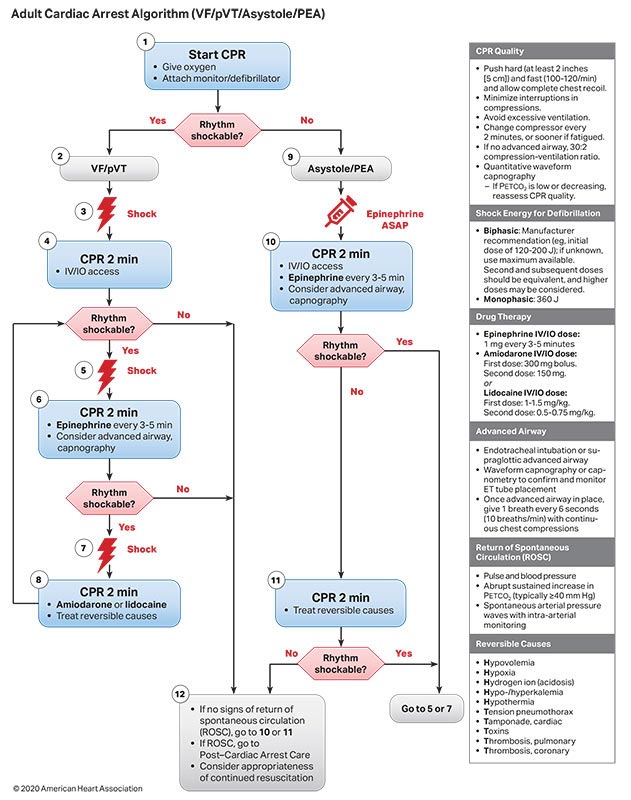
-
This question is part of the following fields:
- Cardiovascular
- Pharmacology
-
SESSION STATS - PERFORMANCE PER SPECIALTY
