-
Question 1
Correct
-
A 42 years old woman presents to a gynaecologic clinic with mid-cycle, moderate-intensity abdominal pain. There is also a similar episode of pain around a month ago, which remained for about 3 days and resolved spontaneously. She is otherwise healthy with a normal regular cycle of about 28 days duration.
Examination reveals normal vitals, soft and non-tender abdomen without any guarding or rebound tenderness.
The most likely cause of the patient's problem is?Your Answer: Ovulation pain
Explanation:This patient has developed symptoms of ovulation discomfort, which is also known as Mittelschmerz syndrome. Lower abdominal and pelvic pain that arises around the middle of a woman’s menstrual cycle characterises this condition.
The discomfort usually appears suddenly and disappears within hours, though it can continue up to three days.The symptoms of ovulation pain can include:
– Lower abdomen pain.
– The pain typically occurs about two weeks before the menstrual period is due.
– The pain is felt on the right or left side, depending on which ovary is releasing an egg.
– The pain may switch from one side to the other from one cycle to the next, or remain on one side for a few cycles.
The duration of pain ranges anywhere from minutes to 48 hours. -
This question is part of the following fields:
- Gynaecology
-
-
Question 2
Incorrect
-
What is the lower reference limit for sperm concentration according to the WHO criteria?
Your Answer: 1.5 million spermatozoa per ml
Correct Answer: 15 million spermatozoa per ml
Explanation:WHO guidelines
Semen volume: Greater than or equal to 1.5 ml
pH: Greater than or equal to 7.2
Sperm concentration: Greater than or equal to 15 million spermatozoa per ml
Total sperm number: 39 million spermatozoa per ejaculate or more
Total motility (% of progressive motility and nonprogressive motility): 40% or more motile or 32% or more with progressive motility
Vitality: 58% or more live spermatozoa
Sperm morphology (percentage of normal forms): 4% or more -
This question is part of the following fields:
- Data Interpretation
-
-
Question 3
Incorrect
-
Which group of beta haemolytic streptococci is associated with chorioamnionitis?
Your Answer: A
Correct Answer: B
Explanation:Chorioamnionitis occurs due to prolong rupture of the fetal membranes. It is most commonly caused by B streptococcus.
-
This question is part of the following fields:
- Microbiology
-
-
Question 4
Correct
-
Question 5
Correct
-
A 30-year-old primigravida woman presented to the clinic for her first antenatal check-up. Upon interview, it was noted that she was taking folic acid along with some other nutritional supplements as medication.
All of the following are considered correct regarding neural tube defects and folate before and during pregnancy, except:Your Answer: Prevalence of neural tube defects among non-indigenous population is almost double than that in Aboriginal and Torres Strait Islander babies
Explanation:Neural tube defects (NTDs) are common complex congenital malformations resulting from failure of the neural tube closure during embryogenesis. It is established that folic acid supplementation decreases the prevalence of NTDs, which has led to national public health policies regarding folic acid.
Neural tube defects (NTD) were 43% more common in Indigenous than in non-Indigenous infants in Western Australia in the 1980s, and there has been a fall in NTD overall in Western Australia since promotion of folate and voluntary fortification of food has occurred.
Women should take 5 mg/d of folic acid for the 2 months before conception and during the first trimester.
Women planning pregnancy might be exposed to medications with known antifolate activities affecting different parts of the folic acid metabolic cascade. A relatively large number of epidemiologic studies have shown an increased risk of NTDs among babies exposed in early gestation to antiepileptic drugs (carbamazepine, valproate, barbiturates), sulphonamides, or methotrexate. Hence, whenever women use these medications, or have used them near conception, they should take 5 mg/d of folic acid until the end of the first trimester of pregnancy.
-
This question is part of the following fields:
- Obstetrics
-
-
Question 6
Correct
-
What is the normal pH value of an umbilical arterial sample of a new born term baby?
Your Answer: 7.2
Explanation:The normal range for a term baby is pH: 7.18 – 7.38, and preterm pH: 7.14 – 7.4. A pH below 7.1 therefore indicates acidosis.
-
This question is part of the following fields:
- Physiology
-
-
Question 7
Correct
-
A 34 weeks pregnant patient has a blood pressure of 149/98. Urine dipstick shows protein 3+. You send a for a protein:creatinine ratio. What level would be diagnostic of significant proteinuria?
Your Answer: >30 mg/mmol
Explanation:Pre-eclampsia is defined as hypertension of at least 140/90 mmHg recorded on at least two separate occasions and at least 4 hours apart and in the presence of at least 300 mg protein in a 24 hour collection of urine, arising de novo after the 20th week of pregnancy in a previously normotensive woman and resolving completely by the sixth postpartum week. Significant proteinuria = urinary protein: creatinine ratio >30 mg/mmol or 24-hour urine collection result shows greater than 300 mg protein.
-
This question is part of the following fields:
- Clinical Management
-
-
Question 8
Correct
-
Which of the following organisms causes toxoplasmosis?
Your Answer: Toxoplasma Gondii
Explanation:Toxoplasma gondii, an intracellular protozoan, is the main causative agent for Toxoplasmosis. Though the primary host for the organism is the domestic cat, humans can become infected by eating undercooked meat of animals harbouring cysts, consuming water or food contaminated with cat faeces, or through maternal-fetal transmission. Toxoplasmosis can cause complications in pregnancy such as miscarriages and congenital infection which can lead to hydrocephalus, microcephaly, mental disability and vision loss.
-
This question is part of the following fields:
- Microbiology
-
-
Question 9
Incorrect
-
All of the following organs are involved in oestrogen production except:
Your Answer: Testes
Correct Answer: Anterior pituitary
Explanation:Oestrogen can be produced by variety of organs including the corpus leuteum, placenta, adrenal glands and testes. However it is not produced by the anterior pituitary. The anterior pituitary produces LH and FSH which in turn causes oestrogen secretion.
-
This question is part of the following fields:
- Endocrinology
-
-
Question 10
Incorrect
-
Which one of the following factors will most likely increase the chances of ovulation in female?
Your Answer: Endometrial decidualization
Correct Answer: LH surge
Explanation:Different changes can occur during the menstrual cycle including an increased body temperature at the time of ovulation, thinning of the cervical mucus and few other changes, but it is the LH surge which is the most important factor necessary for ovulation.
Mittelschmerz is characterised by recurrent midcycle pain which occurs around the time of ovulation. -
This question is part of the following fields:
- Physiology
-
-
Question 11
Correct
-
During the inflammatory phase of wound healing what is the predominant cell type found in the wound during days 3-4?
Your Answer: Macrophages
Explanation:Wound healing is initiated when inflammation begins. Macrophages predominate after neutrophils and peak 3-4 days after inflammation begins. They destroy and phagocytose the organism and debris using enzymes. The next step is the resolution of inflammation and healing of the wound.
-
This question is part of the following fields:
- Physiology
-
-
Question 12
Incorrect
-
A 30-year-old woman at 32 weeks of gestation is discovered to have a positive group B Streptococcus vaginal swab.
Which of the following is considered the most appropriate treatment for the patient?Your Answer: Penicillin
Correct Answer: No treatment needed before labour
Explanation:About 1 in 4 pregnant women carry GBS bacteria in their body. Doctors should test pregnant woman for GBS bacteria when they are 36 through 37 weeks pregnant.
Giving pregnant women antibiotics through the vein (IV) during labour can prevent most early-onset GBS disease in newborns. A pregnant woman who tests positive for GBS bacteria and gets antibiotics during labour has only a 1 in 4,000 chance of delivering a baby who will develop GBS disease. If she does not receive antibiotics during labour, her chance of delivering a baby who will develop GBS disease is 1 in 200.
Pregnant women cannot take antibiotics to prevent early-onset GBS disease in newborns before labour. The bacteria can grow back quickly. The antibiotics only help during labour.
-
This question is part of the following fields:
- Obstetrics
-
-
Question 13
Incorrect
-
A 33-year-old lady seeks counsel from your clinic since she has a history of deep vein thrombosis. She was on progesterone-only tablets (POP) until five months ago, when she decided to get pregnant. However, the pregnancy turned out to be ectopic. Thankfully, she made it through. She doesn't want to get pregnant again and asks if she may resume taking the tablets.
Which of the following is the best piece of advise you could give?Your Answer: She can take progesterone only pills after 12 months of first ectopic pregnancy
Correct Answer: She cannot take progesterone only pills
Explanation:Oestrogen-containing contraceptives are not recommended for this woman since she has a history of DVT. This is most likely why she was started on POP instead of standard combination tablets prior. Progesterone is also contraindicated with a history of ectopic pregnancy and should never be used again. Barrier approaches, for example, could be applied in this woman’s case.
The following are absolute contraindications to taking just progesterone pills:
– Pregnancy
– Breast cancer
– Vaginal bleeding that hasn’t been diagnosed
– Ectopic pregnancy history or a high risk of ectopic pregnancyProgesterone-only pills have the following relative contraindications:
– Active viral hepatitis
– Severe chronic liver disease
– Malabsorption syndrome
– Severe arterial disease
– Successfully treated breast cancer more than 5 years ago
– Concomitant use of hepatic enzyme inducing medications. -
This question is part of the following fields:
- Gynaecology
-
-
Question 14
Correct
-
In threatened abortion, which one of the following items is TRUE?
Your Answer: More than 50% will abort
Explanation:Threatened abortion:
– Vaginal bleeding with closed cervical os during the first 20 weeks of pregnancy
– Occurs in 25% of 1st-trimester pregnancies
– 50% survival
More than half of threatened abortions will abort. The risk of spontaneous abortion, in a patient with a threatened abortion, is less if fetal cardiac activity is present. -
This question is part of the following fields:
- Obstetrics
-
-
Question 15
Correct
-
Among the following which is the most likely finding of placental abruption in a pregnant woman?
Your Answer: Vaginal bleeding
Explanation:Placental abruption is defined as the premature separation of placenta from uterus and the condition usually presents with bleeding, uterine contractions and fetal distress. It is one of the most significant cause of third-trimester bleeding and is often associated with fetal and maternal mortality and morbidity. In all pregnant women with vaginal bleeding in the second half of the pregnancy, this condition should be considered as a differential diagnoses.
Though vaginal bleeding is the most common presenting symptom reported by almost 80% of women with placental abruption, vaginal bleeding is concealed in 20% of women with placental abruption, therefore, absence of vaginal bleeding does not exclude placental abruption.Symptoms and complications of placental abruption varies according to patient, frequency of appearance of some common features is as follows:
- Vaginal bleeding is the common presentation in 80% of patients.
- Abdominal or lower back pain with uterine tenderness is found in 70%
- Fetal distress is seen in 60% of women.
- Abnormal uterine contractions like hypertonic, high frequency contractions are seen in 35% cases.
- Idiopathic premature labor in 25% of patients.
- Fetal death in about 15% of cases.Examination findings include vaginal bleeding, uterine contractions with or without tenderness, shock, absence of fetal heart sounds and increased fundal height due to an expanding hematoma. Shock is seen in class 3 placental abruption which represents almost 24% of all cases of placental abruption.
-
This question is part of the following fields:
- Obstetrics
-
-
Question 16
Incorrect
-
A 25 year old female who was on sodium valproate for epilepsy came for the advice about contraception. Which of the following is accurate?
Your Answer: She can use COCP with oestrogen 50ug and progesterone higher dose
Correct Answer: She can use COCP
Explanation:There are no interactions between the combined oral contraceptive pill, progesterone-only pill, medroxyprogesterone injections or levonorgestrel implants and the AEDs valproic acid (sodium valproate), vigabatrin, lamotrigine, gabapentin, tiagabine, levetiracetam, zonisamide, ethosuximide and the benzodiazepines. So she can use COCP along with Sodium valproate.
-
This question is part of the following fields:
- Gynaecology
-
-
Question 17
Correct
-
A 52-year-old lady comes to your office with vaginal bleeding 7 hours after sexual intercourse. She hasn't had a menstrual period in over a year. A year ago, she had a normal pap smear. She has no other symptoms and appears to be in good condition.
Which of the following is the most likely underlying cause of this woman's postcoital bleeding?Your Answer: Vaginal atrophy
Explanation:Vaginal atrophy (thinning of vaginal tissue): Oestrogen helps to keep this tissue healthy. After menopause, low oestrogen levels can cause your vaginal walls to become thin, dry, and inflamed. That often leads to bleeding after sex.
Vaginal atrophy is the most common cause of post menopausal vaginal bleeding.
With a normal pap smear a year ago, this patient is unlikely to develop cervical cancer.
Cervical ectropions are not common in post-menopausal women.
Endometrial cancer and cervical polyps are possible causes of postcoital bleeding, however, they are not as common as vaginal atrophy.
-
This question is part of the following fields:
- Gynaecology
-
-
Question 18
Correct
-
Question 19
Correct
-
Fetal urine production starts at what gestation?
Your Answer: 8-11 weeks
Explanation:Fetal urine contributes significantly to amniotic fluid production in the second trimester of pregnancy. As early as 8-11 weeks, urine production begins and can be observed in the fetal bladder on ultrasound scans. The urine creates a hypotonic fluid which contains increasing concentrations of urea and creatinine. By term, a foetus produces about 800 ml of urine a day, of which 250ml is eliminated through fetal swallowing.
-
This question is part of the following fields:
- Clinical Management
-
-
Question 20
Incorrect
-
Regarding the renal tract during pregnancy, the following are true, EXCEPT:
Your Answer: The renal pelvis calyces are dilated
Correct Answer: The bladder tone increases
Explanation:Incontinence in women is typically related to dysfunction of the bladder or pelvic floor muscles, with such dysfunction often arising during pregnancy or childbirth, or at the time of menopause.
A pregnant woman may experience an increase in the size of the kidneys and ureter due to the increased blood volume and vasculature.
Later in pregnancy, the woman might develop physiological hydronephrosis and hydroureteronephrosis, which are normal.
There is an increase in glomerular filtration rate associated with an increase in creatinine clearance, protein, albumin excretion, and urinary glucose excretion.
There is also an increase in sodium retention from the renal tube so oedema and water retention is a common sign in pregnant women -
This question is part of the following fields:
- Physiology
-
-
Question 21
Correct
-
A 19 year old patient on Lamotrigine 125 mg twice a day for the past two years has recently been prescribed Microgynon 30 as a contraceptive before she leaves for Uni. What could the main concern be?
Your Answer: Combined contraceptive may reduce Lamotrigine levels and increase seizure risk
Explanation:Lamotrigine, a drug used to treat epilepsy, is less effective when taken with combined oral contraceptives. The oestrogen component of the pill decreases the circulating levels of Lamotrigine, increasing the risk of seizures. The combination is therefore classified as a UKMEC 3, as the risk of the drug combination may outweigh the benefit. As an alternative, the progesterone-only pill, depo progesterone, Mirena or the copper IUD may be considered as there is no restriction on concomitant use. Lamotrigine is not metabolised through cytochrome P450 like other antiepileptic drugs such as carbamazepine and phenytoin, neither is it an enzyme inhibitor.
-
This question is part of the following fields:
- Clinical Management
-
-
Question 22
Incorrect
-
What is the main reason for the active management of the third stage of labour?
Your Answer: Reduce risk of perineal tearing
Correct Answer: Prevent postpartum haemorrhage
Explanation:According to the WHO, active management of the third stage of labour has been shown to decrease the risk of postpartum haemorrhage in vaginal births worldwide. Per the guidelines from the International Federation of Gynaecologists and Obstetricians (FIGO), the active management of the third stage is summarised as follows:
1. The administration of a uterotonic (oxytocin, ergometrine or misoprostol), within one minute of fetal delivery,
2.Controlled cord traction with manual support to the uterus until placental delivery
3. Fundal massage immediately after placental delivery. -
This question is part of the following fields:
- Clinical Management
-
-
Question 23
Incorrect
-
Urinary incontinence has brought a 69-year-old woman to your clinic. When she laughs, sneezes, or coughs, as well as during activity, she experiences minor quantities of urine incontinence.
Which of the following is the most appropriate management next step?Your Answer: Tension-free vaginal tape
Correct Answer: Pelvic floor muscles exercise
Explanation:Pelvic floor muscle exercises are the mainstay of behavioural therapy for stress incontinence. Up to 38 percent of patients with stress incontinence alone who follow a pelvic floor muscle exercise regimen for at least three months experience a cure.
Weighted cones or topical steroids can be used as adjuvants but are not sufficient when used alone.
Tension free vaginal tape and Burch’s colposuspension are considered for patients who fail to respond to conservative management strategies.
-
This question is part of the following fields:
- Gynaecology
-
-
Question 24
Correct
-
A 29 year old patient who is 22 weeks pregnant seeks your advice as she was recently exposed to chickenpox. Regarding fetal varicella syndrome (FVS) which of the following statements is correct regarding maternal varicella infection?
Your Answer: FVS may result if there is maternal varicella infection within the 1st 20 weeks gestation
Explanation:(13-20 weeks). If a mother has chickenpox in late pregnancy (5 days prior to delivery) then there is risk of neonatal varicella infection which may be severe.
-
This question is part of the following fields:
- Microbiology
-
-
Question 25
Incorrect
-
What is the anterior boundary of the pelvic outlet?
Your Answer: pubic tubercle
Correct Answer: pubic arch
Explanation:The pelvic outlet is bounded anteriorly by the inferior border of the pubic arch, posteriorly by the sacrotuberous ligament and the tip of the coccyx and laterally by the ischial tuberosities.
-
This question is part of the following fields:
- Anatomy
-
-
Question 26
Incorrect
-
Oligohydramnios is defined as an amniotic fluid index of?
Your Answer: < 2 cm
Correct Answer:
Explanation:AFI involves measuring the depth of amniotic fluid pockets in all 4 quadrants.
Oligohydramnios AFI< 5cm or deepest amniotic fluid pocket < 2cm
Polyhydramnios AFI > 25cm or deepest amniotic fluid pocket > 8cm -
This question is part of the following fields:
- Biophysics
-
-
Question 27
Incorrect
-
Regarding lymph drainage of the lower vagina where does the majority of lymph drain to?
Your Answer: Lumbar nodes
Correct Answer: Inguinal nodes
Explanation:Lymphatic vessels from the vagina drain from the parts of the vagina as follows:
• Superior part: to the internal and external iliac lymph nodes.
• Middle part: to the internal iliac lymph nodes.
• Inferior part: to the sacral and common iliac nodes. -
This question is part of the following fields:
- Anatomy
-
-
Question 28
Incorrect
-
A woman presents with pain and oedema of one leg, 3 days after an obstructed labour. Upon examination the leg is cold and pale. What is the most likely diagnosis?
Your Answer: DVT
Correct Answer: Embolus
Explanation:Venous thromboembolism (VTE) during pregnancy and the postpartum window occurs at a 6-10-fold higher rate compared with age-matched peers and is a major cause of morbidity and mortality. Hypercoagulability persists for 6-8 weeks after delivery with the highest risk of PE being during the postpartum period. The lack of randomized trials in pregnant women leads to variability in practice, which are largely based on expert consensus or extrapolation from non-pregnant cohorts. The standard treatment of VTE in pregnancy is anticoagulation with low molecular weight heparin (LMWH), which like unfractionated heparin does not cross the placenta and is not teratogenic.
-
This question is part of the following fields:
- Gynaecology
-
-
Question 29
Incorrect
-
What is the half life of Oxytocin?
Your Answer: 45 minutes
Correct Answer: 5 minutes
Explanation:The half-life of Oxytocin is approximately 5 minutes
The half-life of Misoprostol is approximately 20-40 minutes
The half-life of Ergometrine is approximately 30-120 minutes -
This question is part of the following fields:
- Clinical Management
-
-
Question 30
Incorrect
-
A 30-year-old woman presents to you for oral contraceptive pills. Her past medical history reveals that she has migraine headaches on occasions, associated with paraesthesia's in her right arm.
Examination reveals that she weighs 120kg and has a BMI of 36.
Which one of the following would be the most appropriate contraceptive methods for her?Your Answer: Implanon
Correct Answer: Condoms
Explanation:This woman suffers from a classic migraine with focused neurological symptoms. The use of any OCP preparation containing oestrogen in such patients is strictly prohibited. Androgenic consequences of progesterone include hirsutism, acne, and weight gain. Progesterone of any sort (norgestrel, drospirenone, cyproterone, etc.) should be avoided by a lady of her size; consequently, a barrier approach such as male condoms is the best option.
It is recommended that formulations containing 20-30 mcg ethinylestradiol be evaluated first when choosing a combined oral contraceptive pill (COCP). The progesterone component can be norgestrel, drospirenone, cyproterone, and so on; however, norgestrel-containing formulations are less expensive and more accessible to patients.
For specific cases, the type of progesterone should be considered:
– Patients who have unpleasant fluid retention and weight gain as a side effect of COCPs may be administered drospirenone (Yaz®. Yasmin®)-containing preparations.
– Drospirenone inhibits the production of mineralocorticoids and does not cause fluid retention. It may even be linked to a small amount of weight reduction.
– A preparation containing cyproterone acetate is preferable if the patient has suspected polycystic ovarian syndrome (PCOS). -
This question is part of the following fields:
- Gynaecology
-
-
Question 31
Incorrect
-
Where is fetal DHEA produced?
Your Answer: Thymus
Correct Answer: Adrenals
Explanation:Dehydroepiandrosterone (DHEA) is a steroid hormone synthesised from cholesterol (via Pregnenolone) by the adrenal glands. The foetus manufactures DHEA, which stimulates the placenta to form oestrogen, thus keeping a pregnancy going. Production of DHEA stops at birth, then begins again around age seven and peaks when a person is in their mid-20s
-
This question is part of the following fields:
- Endocrinology
-
-
Question 32
Incorrect
-
The second meiotic division of the oocyte is normally completed:
Your Answer: At the stage of the primary follicle
Correct Answer: After the sperm penetrates the secondary oocyte
Explanation:Upon penetration, if all is normally occurring, the process of egg-activation occurs, and the oocyte is said to have become activated. This is thought to be induced by a specific protein phospholipase c zeta. It undergoes its secondary meiotic division, and the two haploid nuclei (paternal and maternal) fuse to form a zygote.
-
This question is part of the following fields:
- Embryology
-
-
Question 33
Correct
-
A 27 year old patient is maintained on warfarin during pregnancy due to a mechanical mitral valve. She has read about warfarin embryopathy. Which of the following is a typical feature?
Your Answer: Stippled epiphyses
Explanation:Warfarin is teratogenic if it is used in the first trimester. It causes bone defects and haemorrhages in the developing foetus. It causes the formation of multiple ossification centres in the long bones. Resulting in stippled epiphyses and hence deform long bones.
-
This question is part of the following fields:
- Pharmacology
-
-
Question 34
Incorrect
-
Looking at the picture below what is the diagnosis:
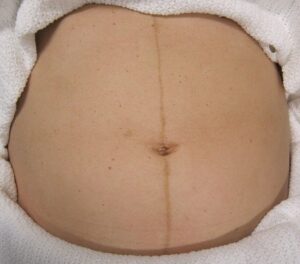
Your Answer: Chadwick's sign
Correct Answer: Linea Nigra
Explanation:This is Linea Nigra. It occurs in 3/4 of pregnancies and is due to increased melanocyte-stimulating hormone production by the placenta. This also causes melasma and darkening of the nipples.
-
This question is part of the following fields:
- Clinical Management
-
-
Question 35
Incorrect
-
Which immunoglobulin provides passive immunity to the neonate?
Your Answer: IgM
Correct Answer: IgG
Explanation:Passive immunity to the neonate is provided by immunoglobulin G (IgG) since it can be transferred through the placenta from mother to the foetus.
IgA is transferred from mothers to offspring through breast milk.
IgM molecular structure is too big to be filtered through the placental vasculature to the foetus. IgM is the first Ig to be synthesised by the neonate -
This question is part of the following fields:
- Immunology
-
-
Question 36
Incorrect
-
Which of the following cell types act as professional antigen presenter cells (APCs)
Your Answer: Basophils
Correct Answer: Macrophages
Explanation:Macrophages are the antigen presenting cells, they phagocytose the pathogen and after breaking them down present their protein structure to the B and T cells for a specific immune reaction to take place.
-
This question is part of the following fields:
- Immunology
-
-
Question 37
Incorrect
-
Placental production of hPL, hCG, Oestrogen and Progesterone are examples of which type of mechanism
Your Answer: Apocrine
Correct Answer: Endocrine
Explanation:Hormones that are secreted into the circulation at one site but have effects on distal target organs are endocrine as is the case with the hormones above. Autocrine and Intracrine messengers act within the same cell. Exocrine glands secrete their products into ducts. Apocrine is a histological term used to describe some types of exocrine gland.
-
This question is part of the following fields:
- Endocrinology
-
-
Question 38
Incorrect
-
In which part of the body does clomiphene trigger ovulation by antagonising oestrogen receptors?
Your Answer: Anterior pituitary
Correct Answer: Hypothalamus
Explanation:Clomiphene citrate is widely used in the induction of ovulation, especially in the treatment of anovulatory infertility and in conditions such as PCOS. The drug functions as a selective oestrogen receptor modulator, which acts in the hypothalamus to indicate low serum oestrogen levels. Reduced levels of negative feedback stimulate the secretion of GnRH from the hypothalamus, which in turn stimulate the production of gonadotropins (FSH and LH) from the anterior pituitary. These work to increase ovarian follicular activity.
-
This question is part of the following fields:
- Pharmacology
-
-
Question 39
Incorrect
-
Regarding the rectus sheath which of the following statements are true?
Your Answer: Above the arcuate line the external oblique divides into two lamellae
Correct Answer: Above the arcuate line the internal oblique divides into two lamellae
Explanation:The rectus sheath is formed by the aponeurosis of the internal and external oblique muscles and the transversus abdominus muscle. The internal oblique divides into two lamellae and encloses the rectus muscle. Anteriorly it fuses with the aponeurosis of the external oblique and posteriorly with that of the transverus abdominus. Below the arcuate line the aponeurosis of all the flat muscles lies anteriorly and posteriorly it is only enclosed by the transveralis fascia.
-
This question is part of the following fields:
- Anatomy
-
-
Question 40
Incorrect
-
A 30 year old women who is 24 weeks pregnant attends clinic due to suprapubic pain. Ultrasound shows a viable foetus and also a fibroid with a cystic fluid filled centre. What is the likely diagnosis?
Your Answer:
Correct Answer: Cystic degeneration of fibroid
Explanation:A fibroid is a benign tumour of the smooth muscles of the uterus also known as a leiomyoma. It has a typical whorled appearance and this may be altered following degeneration which occurs in four main types:
1. Red degeneration, also known as carneous degeneration, of degeneration that can involve a uterine leiomyoma. While it is an uncommon type of degeneration, it is thought to be the most common form of degeneration of a leiomyoma during pregnancy. Red degeneration follows an acute disruption of the blood supply to the fibroid during growth typically in a mid-second trimester presenting as sudden onset of pain with tenderness localizing to the area of the uterus along with pyrexia and leucocytosis. On ultrasound it can have peripheral (rim).2. Hyaline degeneration is the most common form of degeneration that can occur in a uterine leiomyoma. It is thought to occur in up to 60% of uterine leiomyomasoccurs when the fibroid outgrows its blood supply. this may progresses to central necrosis leaving a cystic space in the centre knowns as cystic degeneration.
3. Cystic degeneration is an uncommon type of degeneration that a uterine leiomyoma (fibroid) can undergo. This type of degeneration is thought to represent ,4% of all types of uterine leiomyoma degeneration. When the leiomyoma increases in size, the vascular supply to it becomes inadequate and leads to different types of degeneration: hyaline, cystic, myxoid, or red degeneration. Dystrophic calcification may also occur. Hyalinization is the commonest type of degeneration. Cystic degeneration is an extreme sequel of edema. Ultrasound may show a hypoechoic or heterogeneous uterine mass with cystic areas.
4. Myxoid degeneration of leiomyoma is one of the rarer types of degeneration that can occur in a uterine leiomyoma. While this type of degeneration is generally considered rare, the highest prevalence for this type of degeneration has been reported as up to 50% of all degenerations of leiomyomas. Fibroids (i.e. uterine leiomyomas) that have undergone myxoid degeneration are filled with a gelatinous material and can be difficult to differentiate from cystic degeneration; however, they typically appear as more complex cystic masses. They appear hypocellular with a myxoid matrix.
-
This question is part of the following fields:
- Clinical Management
-
-
Question 41
Incorrect
-
Question 42
Incorrect
-
Under which one of the following conditions is the pelvic inlet felt to be contracted?
Your Answer:
Correct Answer:
Explanation:Contracted pelvis occurs when one or more of its diameters is reduced so that it interferes with the normal mechanism of labour. A transverse diameter below 11 cm will result in difficult delivery of the foetus and C-section will be the better option in that case
-
This question is part of the following fields:
- Anatomy
-
-
Question 43
Incorrect
-
A 30 year old women comes to see you and advises she has felt a little unwell with diarrhoea and flu like symptoms. She is 28 weeks pregnant. Upon questioning she discloses she ate a soft cheese and deli meats platter 5 days earlier. A blood culture confirms listeria infection. What is the appropriate treatment (she has no known drug allergies)?
Your Answer:
Correct Answer: Amoxicillin
Explanation:The diagnosis of listeria depends on clinical suspicion and isolation of the organism from blood, vaginal swabs or the placenta. Meconium staining of the amniotic fluid in a preterm foetus may increase clinical suspicion for listeriosis. For women with listeriosis during pregnancy, intravenous antibiotic treatment (ampicillin 2 g given every 6 hours) is indicated.
-
This question is part of the following fields:
- Microbiology
-
-
Question 44
Incorrect
-
When does Oocytogenesis complete?
Your Answer:
Correct Answer: Birth
Explanation:During the early fetal life, oogonia proliferate by mitosis. They enlarge to form primary oocyte before birth. No primary oocyte is form after birth. The primary oocyte is dormant is the ovarian follicles until puberty. As the follicle matures, the primary oocyte completes its first meiotic division and gives rise to secondary oocyte. During ovulation the secondary oocytes starts the second meiotic division but is only completed if a sperm penetrates it. This 1st and 2nd meiotic division is known as ootidogenesis.
-
This question is part of the following fields:
- Embryology
-
-
Question 45
Incorrect
-
You review a 28 year old patient in the fertility clinic. She has a diagnosis of PCOS. She has been trying to conceive for 2 years. Her BMI is 26 kg/m2. She is a non-smoker. She has been taking Clomiphene and metformin for the past 6 months. What is the next most appropriate treatment?
Your Answer:
Correct Answer: Gonadotrophins
Explanation:Clomiphene shouldn’t be continued for more than 6 months. The second line options are Gonadotrophins or ovarian drilling.
-
This question is part of the following fields:
- Clinical Management
-
-
Question 46
Incorrect
-
A 29-year-old single lady comes to your clinic with two days history of minor left-sided lower abdomen ache. Her blood pressure is 125/90 mmHg, her pulse rate is 90 beats per minute, and her temperature is 37.3°C.
She is otherwise in perfect health. There is no discomfort, rebound, or guarding on the abdominal exam. On the left side of the uterus, an ultrasonographic examination reveals a 6cm solid mass lateral to the uterus.
Which of the following diagnoses is the most likely?Your Answer:
Correct Answer: Ovarian teratoma
Explanation:Mature cystic teratomas of the ovary are often discovered as incidental findings on physical examination, during radiographic studies, or during abdominal surgery performed for other indications.
When symptoms are present, they may include abdominal pain, mass or swelling, and abnormal uterine bleeding. Bladder symptoms, gastrointestinal disturbances, and back pain are less frequent. When abdominal pain is present, it usually is constant and ranges from slight to moderate in intensity.
Mucinous cystadenomas are relatively common (12% to 15% of all ovarian tumours). They can become massive. These tumours usually develop in the third to fifth decades of life and typically cause vague symptoms, such as increasing abdominal girth, abdominal or pelvic pain, emesis, fatigue, indigestion, constipation, and urinary incontinence.
Corpus luteal cysts present with irregular menses, abdominal fullness due to fluid build up and pelvic pressure.
Endometriosis mainly presents with cyclic pain at site of involvement and dysmenorrhea.
-
This question is part of the following fields:
- Gynaecology
-
-
Question 47
Incorrect
-
The ovaries produce androgen and progesterone. What is the common precursor for both of these hormones?
Your Answer:
Correct Answer: Cholesterol
Explanation:Both the female hormones, namely progesterone and oestrogen as well as the male hormones or androgens are lipid soluble. The common precursor of these is cholesterol.
-
This question is part of the following fields:
- Endocrinology
-
-
Question 48
Incorrect
-
What percentage of infants will have permanent neurological dysfunction as a result of brachial plexus injury secondary to shoulder dystocia?
Your Answer:
Correct Answer:
Explanation:Shoulder dystocia occurs when the anterior or posterior fetal shoulder impacts on the maternal symphysis or sacrum and may require additional manevours to release the shoulders after gentle downward traction has failed. The most common injury that can occur, is to the brachial plexus due to lateral flexion of the head during traction. This may cause a neurological disability, Erb’s Palsy ( injury to C5 and C6 of the brachial plexus) in which there is a less than 10% chance that this injury would be permanent.
-
This question is part of the following fields:
- Clinical Management
-
-
Question 49
Incorrect
-
You diagnose Erb-Duchenne palsy in a baby born with shoulder dystocia who suffered a brachial plexus injury. Which of the following nerve roots are likely to be affected?
Your Answer:
Correct Answer: C5 and C6
Explanation:Shoulder dystocia occurs when the fetal shoulder impacts on the maternal symphysis or sacrum during vaginal delivery. About 10% of babies with shoulder dystocia will suffer a brachial plexus injury, the most common one being Erb-Duchenne palsy. In Erb’s palsy, the upper nerve roots C5 and C6 are damaged due to excessive widening of the angle between the head and the shoulder. This causing temporary paralysis in the affected arm whereby the infant will present with its hand hanging limp by his side, internal rotation of the forearm, plus wrist and finger flexion. This sign is called the ‘waiter’s tip hand’. The palsy usually resolves spontaneously in a large proportion of cases.
-
This question is part of the following fields:
- Clinical Management
-
-
Question 50
Incorrect
-
A women has undergone genetic testing due to her family history and has the BRCA 2 gene. What would you advise her lifetime risk of breast cancer is?
Your Answer:
Correct Answer: 45%
Explanation:The life time risk of breast cancer in BRCA 2 gene is 45% and of ovarian cancer is 15%.
-
This question is part of the following fields:
- Genetics
-
-
Question 51
Incorrect
-
Question 52
Incorrect
-
A 35-year-old woman presented to the emergency department with complaints of abdominal pain and nausea. She noted that her symptoms began 2 days ago but has severely increased over the last 3 hours. It was also noted that the patient has passed several vaginal blood clots in the last hour.
Upon history taking, it was noted that she has a history of irregular menstrual cycles and is not sure of the date of her last period. Two years ago, she was diagnosed with a bicornuate uterus during an infertility evaluation. Aside from these, the patient has no other medical conditions and has no past surgeries.
Further examination was done and the following are her results:
BMI is 28 kg/m2
Blood pressure is 90/56mmHg
Pulse is 120/min
An abdominal examination was performed and revealed guarding with decreased bowel sounds. Speculum examination also revealed moderate bleeding with clots from the cervix. Her urine pregnancy test result turned out positive. A transvaginal ultrasound was performed and revealed a gestational sac at the upper left uterine cornu and free fluid in the posterior cul-de-sac of the pelvis.
Which of the following is considered the next step in best managing the patient's condition?Your Answer:
Correct Answer: Surgical exploration
Explanation:Ectopic pregnancy is a known complication of pregnancy that can carry a high rate of morbidity and mortality when not recognized and treated promptly. It is essential that providers maintain a high index of suspicion for an ectopic in their pregnant patients as they may present with pain, vaginal bleeding, or more vague complaints such as nausea and vomiting. Ectopic pregnancy, in essence, is the implantation of an embryo outside of the uterine cavity most commonly in the fallopian tube.
Providers should identify any known risk factors for ectopic pregnancy in their patient’s history, such as if a patient has had a prior confirmed ectopic pregnancy, known fallopian tube damage (history of pelvic inflammatory disease, tubal surgery, known obstruction), or achieved pregnancy through infertility treatment.
Performance of laparoscopic surgery is safe and effective treatment modalities in hemodynamically stable women with a non-ruptured ectopic pregnancy.
Patients with relatively low hCG levels would benefit from the single-dose methotrexate protocol. Patients with higher hCG levels may necessitate two-dose regimens. There is literature suggestive that methotrexate treatment does not have adverse effects on ovarian reserve or fertility. hCG levels should be trended until a non-pregnancy level exists post-methotrexate administration.
Surgical management is necessary when the patients demonstrate any of the following: an indication of intraperitoneal bleeding, symptoms suggestive of ongoing ruptured ectopic mass, or hemodynamically instability. Women who present early in pregnancy and have testing suggestive of an ectopic pregnancy would jeopardize the viability of an intrauterine pregnancy if given Methotrexate. The patient may have a cervical ectopic pregnancy and would thus run the risk of haemorrhage and potential hemodynamic instability if a dilation and curettage are performed.
-
This question is part of the following fields:
- Obstetrics
-
-
Question 53
Incorrect
-
The softening of the cervical isthmus that occurs early in gestation is called:
Your Answer:
Correct Answer: Hegar's sign
Explanation:Hegar’s sign: softening of womb (uterus) due to its increased blood supply, perceptible on gentle finger pressure on the neck (cervix). This is one of the confirmatory signs of pregnancy and is usually obvious by the 16th week.
-
This question is part of the following fields:
- Obstetrics
-
-
Question 54
Incorrect
-
A patient asks you in clinic when she can start trying to conceive again. She has just completed chemotherapy for gestational trophoblastic disease (GTD)?
Your Answer:
Correct Answer: 1 year from completion of treatment
Explanation:According to the RCOG greentop guidelines, a women who have underdone chemotherapy for GTD are advised not to conceive for 1 years after completion of the chemotherapy.
-
This question is part of the following fields:
- Clinical Management
-
-
Question 55
Incorrect
-
Besides infertility, the most common symptoms of a luteal phase defect is:
Your Answer:
Correct Answer: Early abortion
Explanation:Luteal phase defect is an ovulatory disorder of considerable clinical importance that is implicated in infertility and recurrent spontaneous abortion.
-
This question is part of the following fields:
- Physiology
-
-
Question 56
Incorrect
-
An 8-year-old girl presents with a history of a bright red bloodstain in her underpants one day prior to consultation. Her mother reports that the girl started cycling lessons one week ago. How will you proceed with the investigation in this case?
Your Answer:
Correct Answer: Examination under Anaesthesia
Explanation:A local exam might not help in locating the cause of the bleeding because it might be underneath the superficial structures. A thorough examination should be done under GA to accurately locate the source of bleeding.
-
This question is part of the following fields:
- Gynaecology
-
-
Question 57
Incorrect
-
Which of the following is an appropriate treatment for Diazepam overdose?
Your Answer:
Correct Answer: Flumazenil
Explanation:Flumazenil is used for benzodiazepine overdose.
Naloxone is used for opioid overdose.
Parvolex (N-acetyl cysteine) is used for paracetamol overdose.
Protamine can be used for Heparin reversal.
Beriplex can be used for Warfarin reversal. -
This question is part of the following fields:
- Pharmacology
-
-
Question 58
Incorrect
-
A patient arrives on labour ward she is 37 weeks pregnant. Her last pregnancy ended with delivery via uncomplicated lower segment C-Section 4 years ago. Contractions are 5 minutes apart and on examination the cervix is 5cm dilated. What is the risk of uterine rupture with vaginal delivery?
Your Answer:
Correct Answer: 25 per 10,000
Explanation:Consideration of the risk of scar rupture is probably the most important consideration when determining whether delivery should be by elective Caesarean section or by trial of vaginal delivery.
Most published studies do not differentiate between scar dehiscence and rupture, however, analysis of observational and comparative studies indicates that the excess risk of uterine rupture following trial of labour compared with women undergoing repeat elective Caesarean section is considerably lower than 1 per cent (25/10000); indeed, some studies do not demonstrate any increased risk. -
This question is part of the following fields:
- Epidemiology
-
-
Question 59
Incorrect
-
Regarding listeria infection during pregnancy, what is the fetal case mortality rate?
Your Answer:
Correct Answer: 25%
Explanation:Listeria Monocytogenes is a cause of congenital infection. The most common source of the bacteria is food, especially unpasteurised milk. Congenital listeriosis can lead to spontaneous abortions, premature birth and chorioamnionitis. At birth, neonates may present with septicaemia, respiratory distress and inflammatory granulomatosis. The case mortality rate for listeriosis is thought to be between 20-30%.
-
This question is part of the following fields:
- Microbiology
-
-
Question 60
Incorrect
-
Question 61
Incorrect
-
What is the most common cause of hypercalcaemia?
Your Answer:
Correct Answer: Primary hyperparathyroidism
Explanation:Primary hyperparathyroidism is the most common cause of hypercalcaemia with incidence rates in the UK approximately 30 per 100,000 The majority of patients are postmenopausal women.
-
This question is part of the following fields:
- Physiology
-
-
Question 62
Incorrect
-
Which of the following is the primary host for Toxoplasma Gondii?
Your Answer:
Correct Answer: Cats
Explanation:Toxoplasma gondii, an intracellular protozoan, is the main causative agent for Toxoplasmosis. The primary host for the organism is the domestic cat. Humans can become infected by eating undercooked meat of animals harbouring cysts, consuming water or food contaminated with cat faeces, or through maternal-fetal transmission. Toxoplasmosis can cause complications in pregnancy such as miscarriages and congenital infection can lead to hydrocephalus, microcephaly, mental disability and vision loss.
-
This question is part of the following fields:
- Microbiology
-
-
Question 63
Incorrect
-
When is the highest risk of maternal-fetal transmission of Toxoplasma Gondii during pregnancy?
Your Answer:
Correct Answer: 26-40 weeks
Explanation:The risk of transplacental transmission from mother to foetus is greater in later pregnancy i.e. 26-40 weeks. Although the risk of transmission is lower in early pregnancy, if infection does occur earlier, particularly before 10 weeks, then complications are typically more severe.
-
This question is part of the following fields:
- Microbiology
-
-
Question 64
Incorrect
-
A 28-year-old white female consults you with a complaint of irregular heavy menstrual periods. Her general physical examination, pelvic examination, and HPV test are normal and she has a negative pregnancy test. A CBC and chemistry profile are also normal. The next step in her workup should be:
Your Answer:
Correct Answer: Cyclic administration of progesterone for 3 months
Explanation:Abnormal uterine bleeding is a relatively common disorder which may be due to functional disorders of the hypothalamus, pituitary, or ovary, as well as uterine lesions. However, the patient who is younger than 30 years of age will rarely be found to have a structural uterine defect. Once pregnancy, hematologic disease, and renal impairment are excluded, administration of intramuscular or oral progesterone will usually produce definitive flow and control the bleeding. No further evaluation should be necessary unless the bleeding recurs.
Endometrial aspiration, dilatation and curettage, and other diagnostic procedures are appropriate for recurrent problem or for older women. Oestrogen would only increase the problem, which is usually due to anovulation with prolonged oestrogen secretion, producing a hypertrophic endometrium.
-
This question is part of the following fields:
- Gynaecology
-
-
Question 65
Incorrect
-
WHO defines the perinatal mortality rate as
Your Answer:
Correct Answer: The number of stillbirths and deaths in the first week of life per 1000 births
Explanation:The number of stillbirths and deaths in the first week of life per 1000 births.
According to WHO the perinatal period commences at 22 completed weeks (154 days) of gestation and ends seven completed days after birth. -
This question is part of the following fields:
- Epidemiology
-
-
Question 66
Incorrect
-
A patient undergoes oophorectomy and the ovarian veins are ligated. Which vein does the left ovary drain into?
Your Answer:
Correct Answer: Left renal
Explanation:When it comes to questions on venous drainage the ovarian vein is likely to be a common question given its varied drainage depending on laterality. The right ovarian vein travels through the suspensory ligament of the ovary and generally joins the inferior vena cava whereas the left ovarian vein drains into the left renal vein.
-
This question is part of the following fields:
- Anatomy
-
-
Question 67
Incorrect
-
An 26 year old patient currently 9 weeks pregnant. This is her 1st pregnancy. She has been suffering with nausea and vomiting that has failed to respond to conservative measures including ginger, dietary changes and acupuncture. She wants to start medical therapy. Which of the following is 1st line drug treatment according to NICE guidance?
Your Answer:
Correct Answer: Promethazine
Explanation:Promethazine or Cyclizine are 1st choice options for management of nausea and vomiting in pregnancy according to NICE. Prochlorperazine is also appropriate 1st line.
-
This question is part of the following fields:
- Pharmacology
-
-
Question 68
Incorrect
-
Endometrial tissue found within the myometrium is classed as:
Your Answer:
Correct Answer: Adenomyosis
Explanation:Adenomyosis is a disorder characterised by the presence of endometrial glands deep within the myometrium. It presents with increasing severe secondary dysmenorrhoea and increased in the flow of menstrual blood.
-
This question is part of the following fields:
- Clinical Management
-
-
Question 69
Incorrect
-
Regarding cardiac examination during pregnancy which of the following findings should be considered pathological
Your Answer:
Correct Answer: Diastolic murmur
Explanation:Diastolic murmurs should be considered pathological until proven otherwise. The following are common and typically benign findings in pregnancy: A third heart sound after mid-pregnancy. Systolic flow murmurs are common. Left axis deviation on ECG is common, Sagging ST segments and inversion or flattening of the T wave in lead III may also occur
-
This question is part of the following fields:
- Physiology
-
-
Question 70
Incorrect
-
A 26 year old patient with PCOS has been trying to conceive for 2 years. Her BMI is 26 kg/m2. She is a non-smoker. Which of the following is the most appropriate first line treatment?
Your Answer:
Correct Answer: Clomiphene
Explanation:Firstline medical management of PCOS is with clomiphene.
Ovulation Disorders
WHO Group I : Hypothalamic pituitary failure (Stress, anorexia, exercise induced)
Management:
Increase BMI if <19 kg/m2
Reduce exercise if high levels
Pulsatile GnRH or Gonadotrophins with LH activity to induce ovulationWHO Group II : Hypothalamic-pituitary-ovarian dysfunction (PCOS)
Management:
Weight reduction if BMI >30
Clomiphene/Clomiphene (1st line)
Metformin (1st line)
Clomiphene & Metformin (1st/2nd line)
Laparoscopic drilling (2nd line)
Gonadotrophins (2nd line)WHO Group III : Ovarian failure
Management:
Consider IVF with donor eggs -
This question is part of the following fields:
- Clinical Management
-
-
Question 71
Incorrect
-
Which one of the following dimensions relates to the greatest diameter of the fetal head?
Your Answer:
Correct Answer: Occipitomental
Explanation:Occipitomental diameter is the greatest diameter of the fetal scalp and runs from chin to the prominent portion on the occiput. It measure about 12.5cm in diameter.
-
This question is part of the following fields:
- Anatomy
-
-
Question 72
Incorrect
-
Which organism is the most common cause of puerperal sepsis?
Your Answer:
Correct Answer: Group A Streptococcus
Explanation:Puerperal sepsis is defined as sepsis occurring after birth until 6 weeks postnatal. The most common cause of puerperal sepsis is Group A streptococcus. Until 1937, puerperal sepsis was the major cause of maternal mortality. The discovery of sulphonamides in 1935 and the simultaneous reduction in the virulence of the haemolytic streptococcus resulted in a dramatic fall in maternal mortality.
-
This question is part of the following fields:
- Clinical Management
-
-
Question 73
Incorrect
-
Endometrial ablation is a medical technique that removes or destroys the endometrial lining in women who have severe monthly flow.
Endometrial ablation is not contraindicated by which of the following?Your Answer:
Correct Answer: Completed family
Explanation:Endometrial ablation is primarily intended to treat premenopausal women with heavy menstrual bleeding (HMB) who do not desire future fertility. Women who choose endometrial ablation often have failed or declined medical management.
Absolute contraindications to endometrial ablation include pregnancy, known or suspected endometrial hyperplasia or cancer, desire for future fertility, active pelvic infection, IUD currently in situ, and being post-menopausal. In general, endometrial ablation should be avoided in patients with congenital uterine anomalies, severe myometrial thinning, and uterine cavity lengths that exceed the capacity of the ablative technique (usually greater than 10-12 cm).
-
This question is part of the following fields:
- Gynaecology
-
-
Question 74
Incorrect
-
You are called to see a 24 year old patient in A&E. She is 34 weeks gestation and her blood pressure is 149/98. Urine dip shows protein 3+. You send a for a protein:creatinine ratio. What level would be diagnostic of significant proteinuria?
Your Answer:
Correct Answer: >30 mg/mmol
Explanation:Significant proteinuria = urinary protein:creatinine ratio >30 mg/mmol or 24-hour urine collection result shows greater than 300 mg protein
-
This question is part of the following fields:
- Clinical Management
-
-
Question 75
Incorrect
-
What are the branches of the pudendal nerves in women?
Your Answer:
Correct Answer: Perineal, inferior anal and dorsal nerve of clitoris
Explanation:The pudendal nerve provides sensory and motor innervation to regions of the anus, the perineum, the labia and the clitoris in women. The nerve is formed from the ventral rami of the S2-S4 sacral spinal nerves. The nerve is paired, each innervating the left and the right side of the body. The nerve gives the following branches in females: the inferior anal nerve, the perineal nerve and the dorsal nerve of the clitoris.
-
This question is part of the following fields:
- Anatomy
-
-
Question 76
Incorrect
-
A 22-year-old primigravid woman present to the emergency department.
She is at 40 weeks gestation and complains of a 24-hour history of no fetal movements.
On auscultation, fetal heart beats are clearly audible with a measurement of 140/min.
On diagnostic testing, the cardiotocograph (CTG) is normal and reactive.
On physical examination, her cervix is 2cm dilated and fully effaced.
She is reassured and allowed to return home.
24 hours later, she calls to complain she has still felt no fetal movements, adding up to a 48 hour history.
What is the best next step in management?Your Answer:
Correct Answer: Admit for induction of labour.
Explanation:Labour induction is indicated as no fetal movements have been felt for 24 hours, with a normal cardiotocograph (CTG) and the pregnancy is at near/full term with a favourable cervix.
Amniotic fluid volume assessment would have been indicated 24 hours earlier as, if it was low, induction would have been indicated then, despite a normal CTG.
Ultrasound examination of the foetus is not indicated as it is necessary to expedite delivery.
Carrying out another CTG, with or without oxytocin challenge, is not indicated, although MG monitoring during induced labour would be mandatory.
Delivery immediately by Caesarean section is not indicated unless the lack of fetal movements is due to fetal hypoxia. This can result in fetal distress during labour, necessitating an emergency Caesarean section if the cervix is not fully dilated.
-
This question is part of the following fields:
- Obstetrics
-
-
Question 77
Incorrect
-
In pregnancy, the following lung function value remains unchanged:
Your Answer:
Correct Answer: FEV1
Explanation:The biochemical and mechanical effects of progesterone and the enlarging uterus are responsible for some changes in lung function during pregnancy.
Progesterone increases the sensitivity of the respiratory centre to arterial carbon dioxide while also causing hyperaemia in the airway leading to nasal obstruction. As a result, minute ventilation and tidal volume increase by 50% to allow greater arterial oxygen saturation.
The enlarging uterus displaces the diaphragm upwards, and also limits the movement of the thoracic cage, thereby decreasing the functional residual capacity (FRC) and the expiratory reserve volume (ERV) by 20%.
Functional Expiratory Volume in 1 second (FEV1) and Forced Vital Capacity (FVC) remain unchanged in pregnancy.
-
This question is part of the following fields:
- Physiology
-
-
Question 78
Incorrect
-
Which of the following is the most likely anaesthetic or analgesic causing reduced variability on cardiotocograph?
Your Answer:
Correct Answer: Intramuscular pethidine
Explanation:Opiates and spinal anaesthetics reduce the variability of a CTG. Including some antihypertensives like labetalol and alpha methyl dopa.
-
This question is part of the following fields:
- Obstetrics
-
-
Question 79
Incorrect
-
Which of the following microorganisms is considered the most frequently associated with septic shock in obstetrics and gynecology?
Your Answer:
Correct Answer: Escherichia coli
Explanation:Organisms frequently associated with obstetric sepsis include: beta haemolytic streptococci, Gram-negative rods such as Escherichia coli, Streptococcus pneumoniae and influenza A and B.
E. coli is the most common sepsis pathogen in pregnancy.
-
This question is part of the following fields:
- Obstetrics
-
-
Question 80
Incorrect
-
A 27-year-old woman admitted with per vaginal bleeding and left sided pelvic pain for 2 days. There was no history of fever. She gave a history of absent periods for past 8 weeks. Abdominal examination revealed guarding and rebound tenderness in left iliac region. There was left sided cervical excitation on vaginal examination. What is the most probable diagnosis?
Your Answer:
Correct Answer: Ectopic Pregnancy
Explanation:History of amenorrhoea, abdominal and vaginal examination are more favour of ectopic pregnancy. Endometriosis usually has a chronic cause and dysmenorrhoea. Salpingitis usually presents with fever. Ovarian torsion and ovarian tumours have different clinical presentations.
-
This question is part of the following fields:
- Gynaecology
-
-
Question 81
Incorrect
-
A 60-year-old lady complains of a mild discomfort in her lower abdomen. She attained menopause 6 years ago whereas her last vaginal examination 2 years prior, was normal. She now has a palpable mass measuring 8cm in diameter in the left ovarian area.
Which is the best next step in her management?Your Answer:
Correct Answer: Admission to hospital for early surgical exploration.
Explanation:This lady should be admitted to hospital for early surgical exploration. Taking into account her age, mild abdominal discomfort and a palpable lower abdominal mass, it is imperative that ovarian malignancy be ruled out as soon as possible. Patients with ovarian malignancy often present in advanced stages of cancer as the symptoms tend to be occult and non-specific. Other things to include in her workup would be her CA125 level. Any form of hormonal therapy is contraindicated until ovarian malignancy has been ruled out. A pap smear is not relevant here since we are suspecting an ovarian malignancy rather than cervical. Evaluation of her mass takes priority over an assessment for osteoporosis.
-
This question is part of the following fields:
- Gynaecology
-
-
Question 82
Incorrect
-
You are called to see a 24 year old patient in A&E. She is 34 weeks gestation and her blood pressure is 147/96. Automated reagent strip testing shows protein 2+. You send for a protein:creatinine ratio and this shows a ratio of 36 mg/mmol. What is the appropriate course of action?
Your Answer:
Correct Answer: Admit for observation
Explanation:It is important to be aware of the difference between management of simple hypertension and pre-eclampsia in pregnancy. A BP of 140/90 to 149/99 mmHg is classed as mild hypertension. Without proteinuria this can be monitored once weekly and the patient can be discharged. If proteinuria is present with any degree of hypertension the patient requires admission and BP should be monitored at least 4 times daily according to NICE guidance.
-
This question is part of the following fields:
- Clinical Management
-
-
Question 83
Incorrect
-
What percentage of pregnant women have asymptomatic vaginal colonisation with candida?
Your Answer:
Correct Answer: 40%
Explanation:90% of genital candida infections are the result of Candida albicans. 20% of women of childbearing age are asymptotic colonisers of Candida species as part of their normal vaginal flora. This increases to 40% in pregnancy
-
This question is part of the following fields:
- Clinical Management
-
-
Question 84
Incorrect
-
CTG showing early decelerations is :
Your Answer:
Correct Answer: From increased vagal tone secondary to head compression
Explanation:Early decelerations: a result of increased vagal tone due to compression of the fetal head during contractions. Monitoring usually shows a symmetrical, gradual decrease and return to baseline of FHR, which is associated with a uterine contraction.
-
This question is part of the following fields:
- Physiology
-
-
Question 85
Incorrect
-
A 29 year old women wants to speak to you regarding infections in pregnancy. Her two year old son has sensorineural deafness as a result of infection in her previous pregnancy. What was the most likely infection?
Your Answer:
Correct Answer: CMV
Explanation:TORCH infections are responsible for perinatal complications. CMV is the most common amongst them. Primary infection often produces no symptoms or mild non-specific flu-like symptoms in the mother. The diagnosis is often made after abnormalities are seen in the foetus on ultrasound scan. The main features seen in an affected foetus are FGR, microcephaly, ventriculomegaly, ascites or hydrops. Some foetuses which are infected may not show any features on ultrasound, but may later be found to have neurological damage such as blindness, deafness or developmental delay. The neonate can also be anaemic and thrombocytopenic, with hepatosplenomegaly, jaundice and a purpureal rash.
-
This question is part of the following fields:
- Microbiology
-
-
Question 86
Incorrect
-
A 22-year-old female is at her second trimester of pregnancy and she presented to the medical clinic to receive human papillomavirus vaccination.
Which of the following is considered the best step to do?Your Answer:
Correct Answer: Postpone vaccination until after delivery
Explanation:Genital HPV is a common virus that is passed from one person to another through direct skin-to-skin contact during sexual activity. Most HPV types cause no symptoms and go away on their own, but some types can cause cervical cancer in women and other less common cancers — like cancers of the anus, penis, vagina, and vulva and oropharynx. Other types of HPV can cause warts in the genital areas of men and women, called genital warts.
HPV vaccination is recommended for 11 and 12 year-old girls. It is also recommended for girls and women age 13 through 26 years of age who have not yet been vaccinated or completed the vaccine series; HPV vaccine can also be given to girls beginning at age 9 years. CDC recommends 11 to 12 year olds get two doses of HPV vaccine to protect against cancers caused by HPV.
The vaccine is not recommended for pregnant women. Studies show that the HPV vaccine does not cause problems for babies born to women who were vaccinated while pregnant, but more research is still needed. A pregnant woman should not get any doses of the HPV vaccine until her pregnancy is completed.
Getting the HPV vaccine when pregnant is not a reason to consider ending a pregnancy. If a woman realizes that she got one or more shots of an HPV vaccine while pregnant, she should wait until after her pregnancy to finish any remaining HPV vaccine doses.
-
This question is part of the following fields:
- Obstetrics
-
-
Question 87
Incorrect
-
Screening for Group B Streptococcus (GBS) at around 36 weeks of gestation now is common practice as up to 20% of women carry the organism in the vagina.
If a pregnant woman is found to have GBS at this stage, which treatment would be most appropriate?
Your Answer:
Correct Answer: Parenteral penicillin given six-hourly in labour.
Explanation:Up to 20% of women have been found to have Group B streptococcus (GBS). GBS is considered a normal flora of the gastrointestinal tract. GBS infection is generally asymptomatic although some women might end up having a UTI. Infants born to mothers who are colonised with GBS during labour are at a higher risk of developing early-onset GBS infection. If a pregnant woman develops a UTI due to GBS, it is suggestive of significant GBS colonisation. IV penicillin would be the drug of choice and is to be administered to the mother during labour which would provide sufficient protection for the foetus and would be effective enough. If penicillin is unavailable, ampicillin is a reasonable alternative. If a patient has penicillin allergy, vancomycin can be used. If not for penicillin, roughly 50% of babies delivered vaginally to women who are GBS positive would be colonised with the organism and out of this percentage, 1-2% can go on to develop a severe infection such as septicaemia and meningitis which could often be fatal.
IM penicillin can be administered to the newborn immediately post-delivery would be an effective prophylaxis in most cases but one should not wait until signs of infection are present to give the injection. Many newborns would still have an immature immune system which could cause some to die. Hence, it is more suitable to treat all women who tested positive during labour and the newborn as well if any signs of infection do appear. The majority of babies don’t need antibiotic treatment if their mother has been treated.
-
This question is part of the following fields:
- Obstetrics
-
-
Question 88
Incorrect
-
Branches V2 and V3 of the Trigeminal nerve develop from which pharyngeal arch?
Your Answer:
Correct Answer: 1st
Explanation:1st Arch = Trigeminal V2 & V3 (CN V) 2nd Arch = Facial (CN VII) 3rd Arch = Glossopharyngeal (CN IX) 4th and 6th Arches = Vagus (CN X)
-
This question is part of the following fields:
- Embryology
-
-
Question 89
Incorrect
-
The main function of the cilia of the fallopian tube is?
Your Answer:
Correct Answer: Transport the ovum towards the uterus
Explanation:Cilia are small hair line projections in the fallopian tube. Their main function is to transport the egg through he fallopian tube towards the uterus. It is present in many other tubular organs and its function varies accordingly to the organ.
-
This question is part of the following fields:
- Anatomy
-
-
Question 90
Incorrect
-
Which of the following leaves the pelvis via the greater sciatic foramen?
Your Answer:
Correct Answer: Pudendal Nerve
Explanation:The pudendal nerve is formed by sacral nerve roots S2, S3 and S4 almost immediately as they exit the spinal foramina. The pudendal nerve exits the pelvis via the greater sciatic foramen, travels behind the sacrospinous ligament before re-entering the pelvis via the lesser sciatic foramen. It is an important nerve to be aware of as it supplies sensation to the genitalia and can also be damaged/compressed at a number of places along its course. Image sourced from Wikipedia
-
This question is part of the following fields:
- Anatomy
-
-
Question 91
Incorrect
-
HPV genotypes 6 and 11 are associated with which of the following?
Your Answer:
Correct Answer: Low grade squamous intraepithelial lesions of the cervix (LSIL)
Explanation:HPV types 6 and 11 are associated with low risk, low grade squamous intraepithelial lesion. While types 16,18,31 and 33 are associated with high risk, high grade neoplasia.
-
This question is part of the following fields:
- Microbiology
-
-
Question 92
Incorrect
-
Lidocaine works by blocking which of the following ion channels?
Your Answer:
Correct Answer: fast voltage gated sodium channels
Explanation:It blocks the voltage gated sodium channels and reduce the influx of sodium ions preventing depolarization of the membrane and blocking the conduction of the action potential. The affinity of the receptor site in the sodium channels depends on whether it is resting, open or inactive.
-
This question is part of the following fields:
- Pharmacology
-
-
Question 93
Incorrect
-
How many seminiferous tubules would you typically expect to find in a testicular lobule?
Your Answer:
Correct Answer: 2
Explanation:There are between 250 and 400 lobules in each testis. The lobule is a structural unit of the testis with each lobule contained in one of the intervals between fibrous septa which extend between the mediastinum testis and the tunica albuginea. Each lobule contains 1 to 3 seminiferous tubules.
-
This question is part of the following fields:
- Anatomy
-
-
Question 94
Incorrect
-
Presence of anisocytosis, poikilocytosis and hyperchromatism on cervical smear indicates?
Your Answer:
Correct Answer: Dysplasia
Explanation:Dysplasia has 4 microscopic characteristics:
Anisocytosis (unequal cell size)
Poikilocytosis (abnormal cell shape)
Hyperchromatism (pigmentation)
Mitotic figures (increased cells currently dividing)Hyperplasia and hypertrophy is characterised by increase in cell number and increase in cell size respectively, whereas atrophy means decrease in cell size.
Metaplasia is characterised by change of one form of cell to another type e.g. changes of columnar epithelium to squamous epithelium. -
This question is part of the following fields:
- Pathology
-
-
Question 95
Incorrect
-
A 35 year old female presented with complaints of a 3 cm lump in her right breast, which was firm & irregular. O/E there was also some colour change over the breast. The most likely diagnosis would be?
Your Answer:
Correct Answer:
Explanation:Breast carcinoma is one of the most common malignancies in women. It presents as an irregular, firm consistency nodule/lump, which is attached to the skin most of the time. The overlying skin also exhibits a peau d’ orange appearance, along with dimpling. A sebaceous cyst is a small cystic swelling with no colour change and can occur anywhere over the skin. A lipoma is a benign tumour of fats which is soft in consistency.
-
This question is part of the following fields:
- Gynaecology
-
-
Question 96
Incorrect
-
A 27-year-old woman presented to the medical clinic for antenatal advice because she plans to get pregnant soon. However, she is worried about how she should change her diet once she becomes pregnant already.
Which of the following is considered the best to give to the patient in addition to giving folic acid?Your Answer:
Correct Answer: Iodine
Explanation:There is evidence that folic acid, iodine and vitamin D are important for reproductive outcomes. Folic acid and iodine supplementation is recommended for women planning to conceive and in pregnancy.
The recommended dose of folic acid for women without special considerations planning to conceive is 400-500 mcg. The recommended dose of folic acid for women with special considerations is 2-5 mg per day.
Women planning a pregnancy, including those with thyroid disease, should take iodine supplements in the dose of 150 mcg per day prior to and during pregnancy.
-
This question is part of the following fields:
- Obstetrics
-
-
Question 97
Incorrect
-
Regarding feto-maternal blood circulation, which of the following statements is false?
Your Answer:
Correct Answer: At term the placenta receives 70% of uterine blood flow
Explanation:The placenta is important for regulating feto-maternal blood circulation, ensuring that the two circulatory systems do not come into direct contact. The placenta receives 70-80% of the uterine blood flow into the decidual spiral arteries where nutrient, waste and gaseous exchange with fetal blood takes place via the villous core fetal vessels. Deoxygenated blood arrives at the placenta via two uterine arteries while oxygenated, nutrient-rich blood is circulated back to the foetus via a single umbilical vein. The pressure in the umbilical vein is about 20 mmHg.
-
This question is part of the following fields:
- Embryology
-
-
Question 98
Incorrect
-
A 30-year-old woman with histories of obesity and type 2 diabetes Mellitus comes to you for advice as she is planning to conceive in next three months. Her blood sugar levels are under control with a HBA1C value of 6%.
Among the following which is an essential supplement for her?Your Answer:
Correct Answer: Folic acid
Explanation:Patient mentioned above is a known case of type 2 diabetes which makes her at high risk of having neural tube defects. She should be advised to start taking a high dose of (5mg) folic acid supplement daily for at least 1-month prior to conception and it should be continued upto 12 weeks of her pregnancy.
Folate, which is a water-soluble B vitamin, is usually obtained from diet or through supplementation. For those patients with a history of type 2 diabetes mellitus, who are planning for pregnancy, high doses are recommended to prevent any possible neural tube defects.
Vitamin A is not safe and should be avoided in pregnancy due to chances for toxicity.
Vitamin C and iron are not considered as essential vitamins to be taken during pregnancy.
-
This question is part of the following fields:
- Obstetrics
-
-
Question 99
Incorrect
-
Which of the following ultrasound findings form part of the Rotterdam criteria for diagnosis of PCOS (Polycystic Ovary Syndrome) ?
Your Answer:
Correct Answer: Increased ovarian volume >10cm3
Explanation:The Rotterdam criteria for the diagnosis of PCOS is based on a score of two out of the three criteria:
1) Oligo or anovulation
2) Hyperandrogenism – clinical (hirsutism or less commonly male pattern alopecia) or biochemical (raised FAI or free testosterone)
3) on ultrasound – contain 12 or more follicles measuring 2 to 9 mm in diameter and/or have an increased volume of 10 cm3 or greater. -
This question is part of the following fields:
- Clinical Management
-
-
Question 100
Incorrect
-
A 27-year-old woman, at 27 weeks of gestation, who lives 40 kilometres from the nearest tertiary obstetric hospital, is referred due to premature rupture of membranes (PROM) which occurred 2 days ago. This is her first pregnancy, which had been progressing normally until the rupture of membranes. Over the last 48 hours, she did not have any contractions. Transfer was made to the tertiary referral obstetric hospital where she was started on glucocorticoid therapy. Cervical swabs were taken and she underwent ultrasound and cardiotocography assessments. She was also started on prophylactic antibiotics. Cervical swabs only showed growth of normal vaginal flora whereas the abdominal ultrasound found almost no liquor. CTG was normal and reactive.
Which is the most appropriate next step in her management?
Your Answer:
Correct Answer: The white cell count (WCC) and C-reactive protein (CRP) levels should be assessed every 2-3 days.
Explanation:If a patient presents with PROM at 27 weeks of gestation, her management plan would have to include:
1) Cervical swabs to rule out infection
2) Commencement of prophylactic antibiotics such as erythromycin until results from the swabs are available
-If only normal vaginal flora are seen, prophylactic antibiotics can be stopped.
3) Administration of glucocorticoid- usually for 48 hours to promote maturity of the fetal lung and lower the chance of intracranial bleeding if the foetus has to be delivered prematurely
4) Transfer to a healthcare centre that has neonatal intensive care facilities to ensure if intensive care is needed post-delivery, the healthcare staff are prepared
5) Blood profile (particularly white cell count) and inflammatory markers (CRP) to look for any signs of chorioamnionitis
6) CTG assessment every 2-3 days. Abnormalities found on the CTG tracing are often the first evidence of problems such as a subclinical chorioamnionitis
7) Tocolysis with tocolytics such as IV salbutamol or nifedipine if contractions start before the course of glucocorticoid therapy is finished. Post-glucocorticoid therapy, tocolysis would not be often employed since there is a risk of masking contractions that occur due to an infection. In those cases, it is better to deliver the baby rather than to prolong the pregnancy. If there is no infection, the management plan should aim to prolong the pregnancy and delay delivery of a very premature baby. -
This question is part of the following fields:
- Obstetrics
-
-
Question 101
Incorrect
-
Regarding twin pregnancies all of the following are correct EXCEPT:
Your Answer:
Correct Answer: Identical or monozygotic twins arise from fertilization of two ovum
Explanation:Monozygotic (MZ) twins originate when a single egg is fertilized to form one zygote, which then divides into two embryos. Although they share the same genotype they are not phenotypically identical.
-
This question is part of the following fields:
- Genetics
-
-
Question 102
Incorrect
-
A 37-year-old woman is planning to conceive this year. Upon history-taking and interview, it was noted that she was a regular alcohol drinker and has been using contraceptive pills for the past 3 years.
Which of the following is considered to be the most appropriate advice for the patient?Your Answer:
Correct Answer: Stop alcohol now
Explanation:Alcohol exposure during pregnancy results in impaired growth, stillbirth, and fetal alcohol spectrum disorder. Fetal alcohol deficits are lifelong issues with no current treatment or established diagnostic or therapeutic tools to prevent and/or ameliorate some of these adverse outcomes.
Alcohol readily crosses the placenta with fetal blood alcohol levels approaching maternal levels within 2 hours of maternal intake. As there is known safe level of alcohol consumption during pregnancy, and alcohol is a known teratogen that can impact fetal growth and development during all stages of pregnancy, the current recommendation from the American College of Obstetricians and Gynaecologists, Centre for Disease Control (CDC), Surgeon General, and medical societies from other countries including the Society of Obstetricians and Gynaecologists of Canada all recommend complete abstinence during pregnancy.
-
This question is part of the following fields:
- Obstetrics
-
-
Question 103
Incorrect
-
A patient with amenorrhoea is seen in clinic. History and examination reveal the patient runs 10-20 miles every day and her BMI is 17.8. Which of the following is likely to explain her symptoms?
Your Answer:
Correct Answer: WHO type I Ovulation Disorders
Explanation:World Health Organization (WHO) Group I ovulation disorder is due to hypothalamic pituitary failure. This is sometimes termed hypothalamic amenorrhoea or hypogonadotropic hypogonadism. Women can improve frequency of ovulation, conception and an uncomplicated pregnancy by increasing their body weight (if BMI of <19) and/or moderating their exercise levels (if they undertake high levels of exercise). GnRH and LH may be administered in these patients. PCOS falls under type II ovulation disorders. WHO Group III ovulation disorder is due to ovarian failure.
-
This question is part of the following fields:
- Endocrinology
-
-
Question 104
Incorrect
-
Which one of the following methods helps determine the fetal position and presentation?
Your Answer:
Correct Answer: Leopold's manoeuvre
Explanation:Fetal position and presentation is best evaluated by Leopold’s manoeuvre. It will determine which part of the foetus is in the uterine fundus.
Cullen’s sign is found in ruptured ectopic pregnancy characterised by bruising and oedema of the periumbilical region.
Mauriceau-Smelli-Veit manoeuvre is done during a breech delivery. -
This question is part of the following fields:
- Obstetrics
-
-
Question 105
Incorrect
-
Regarding Turner syndrome which of the following statements is true?
Your Answer:
Correct Answer: Only 1% of affected foetuses will survive to term
Explanation:The incidence of 45,XO turner syndrome is around 1 in 8000 live births. Approximately 1% of monosomy X female embryos survive. Phenotypically they are females and 90% do not develop secondary sexual characteristics and hormone replacement is required.
-
This question is part of the following fields:
- Genetics
-
-
Question 106
Incorrect
-
Skin changes during pregnancy should include:
Your Answer:
Correct Answer: All of the options given
Explanation:Skin signs during pregnancy may include: dark spots on the breasts, nipples and inner thighs, melasma (chloasma), linea nigra, stretch marks, acne, spider telangiectasis and varicose veins.
-
This question is part of the following fields:
- Physiology
-
-
Question 107
Incorrect
-
A woman who underwent a lower (uterine) segment Caesarean section (LSCS) is informed that her placenta was retained and needed to be removed manually during the procedure. She is now experiencing intermittent vaginal bleeding with an oxygen saturation of 98%, a pulse of 84 bpm and a BP of 124/82mmHg. Her temperature is 37.8C. Which complication of C-section is the woman suffering from?
Your Answer:
Correct Answer: Endometritis
Explanation:Endometritis is inflammation of the inner lining of the uterus (endometrium). Symptoms may include fever, lower abdominal pain, and abnormal vaginal bleeding or discharge. It is the most common cause of infection after childbirth. The intermittent vaginal bleeding and the requirement for manual removal of the placenta suggest endometritis as the most possible diagnosis.
-
This question is part of the following fields:
- Obstetrics
-
-
Question 108
Incorrect
-
A 35-year-old female patient, gravida 1 para 1, visits the clinic to have her contraception method evaluated. The patient has had unpredictable bleeding for the past 8 months since receiving a subdermal progestin implant and begs that it be removed. She used to use combined oral contraceptives and would like to go back to it. The patient has primary hypertension, which she was diagnosed with last year and is effectively controlled on hydrochlorothiazide. She does not take any other medications or have any allergies. Her father and brother both suffer from type 2 diabetes. The patient does not smoke, drink, or use illegal drugs.
24 kg/m2 is her BMI. Blood pressure is 130/75 millimetres of mercury. Physical examinations are all normal. Which of the following is increased by using combination oral contraceptives?Your Answer:
Correct Answer: Worsening hypertension
Explanation:Overt hypertension, developing in about 5% of Pill users, and increases in blood pressure (but within normal limits) in many more is believed to be the result of changes in the renin-angiotensin-aldosterone system, particularly a consistent and marked increase in the plasma renin substrate concentrations. The mechanisms for the hypertensive response are unclear since normal women may demonstrate marked changes in the renin system. A failure of the kidneys to fully suppress renal renin secretion could thus be an important predisposing factor. These observations provide guidelines for the prescription of oral contraceptives. A baseline blood pressure measurement should be obtained, and blood pressure and weight should be followed at 2- or 3-month intervals during treatment. Oral contraceptive therapy should be contraindicated for individuals with a history of hypertension, renal disease, toxaemia, or fluid retention. A positive family history of hypertension, women for whom long-term therapy is indicated, and groups such as blacks, especially prone to hypertensive phenomena, are all relative contraindications for the Pill.
COCs do not increase the risk of developing breast and endometrial cancer, Type 2 DM or breast fibroadenoma.
-
This question is part of the following fields:
- Gynaecology
-
-
Question 109
Incorrect
-
A 24 year old who is 32 weeks pregnant presents with a rash to the abdomen. Looking at the picture below what is the diagnosis?
Your Answer:
Correct Answer: Polymorphic Eruption of Pregnancy
Explanation:This is Polymorphic Eruption of Pregnancy (PEP) also known as Pruritic Urticarial Papules and Plaques of Pregnancy (PUPPP). Papules and plaques form on the abdomen (commonly within striae). It is most common in women during their first pregnancy and typically occurs in the 3rd trimester.
-
This question is part of the following fields:
- Clinical Management
-
-
Question 110
Incorrect
-
You are asked to review a patient. They have attended for a scan at 13 weeks following a positive pregnancy test. The patient has had 2 previous pregnancies for which she opted for termination on both occasions. The scan shows no identifiable fetal tissue or gestational sac and you note the radiologist has reported a 'bunch of grapes sign'. What is the likely diagnosis?
Your Answer:
Correct Answer: Complete molar pregnancy
Explanation:Gestational trophoblastic disorder is abnormal conception that is characterised by swollen and oedematous villi with proliferation of the trophoblasts. In a complete mole there is absence of fetal tissue, there is diffuse proliferation of trophoblastic tissue around hydropic villi and on USG it appears as a bunch of grapes or snow storm appearance.
-
This question is part of the following fields:
- Clinical Management
-
-
Question 111
Incorrect
-
The expected date of delivery of a human pregnancy can be calculated as:
Your Answer:
Correct Answer: 40 weeks after last menstrual period
Explanation:Expected date of delivery/estimated due date (EDD) is a calculated date (i.e., an estimation), determined by counting forward 280 days (40 weeks) from the first day of the woman’s last menstrual period.
-
This question is part of the following fields:
- Physiology
-
-
Question 112
Incorrect
-
Which of the following statements is true regarding heart rate in pregnancy?
Your Answer:
Correct Answer: Heart rate increases by 15 beats per minute
Explanation:During the first 12 weeks of pregnancy, cardiac output increases by about 30-50%. To maintain this increase, systemic vascular resistance decreases by 20-30%, while stroke volume and the heart rate increase by 25-30% and 15 beats per minute respectively.
-
This question is part of the following fields:
- Physiology
-
-
Question 113
Incorrect
-
Which of the following statements regarding prolactin is true?
Your Answer:
Correct Answer: Prolactin levels increase during stress
Explanation:Causes of Hyperprolactinemia: Prolactinomas, Medication (phenothiazines, metoclopramide, risperidone, selective serotonin reuptake inhibitors, oestrogens, verapamil), Stress, Pregnancy, Hypothyroidism, Kidney disease, Chest trauma
-
This question is part of the following fields:
- Endocrinology
-
-
Question 114
Incorrect
-
A 20-year-old nulligravid woman comes to the office for a routine checkup, as she is concerned about having gained 4.5 kg over the last year. She believes that the gain is related to her oral contraceptive pills.
Patient takes low-dose ethinyl estradiol
orethindrone daily. Prior to starting the pills, she had regular but heavy periods lasting for 4-5 days. Patient used to miss her school every month, on the first day of her period, due to severe cramping. Her pain symptoms resolved 3 months after starting the pills and she takes no other medications. Patient's coitarche was at the age of 18 and she has had 2 partners since then. Patient and her current partner use condoms inconsistently.
On examination her vital signs are normal, with a BMI of 27 kg/m2 and physical examination is unremarkable.
Among the following which is the most appropriate advice for this patient?Your Answer:
Correct Answer: Reassure that the weight gain is not related to combined OCPs
Explanation:Breakthrough bleeding, breast tenderness, nausea, bloating, amenorrhea, hypertension, venous thromboembolic disease, increased risk of cervical cancer with decreased risk of ovarian & endometrial cancer, liver disorders like hepatic adenoma and increase in triglycerides due to estrogen component are the common side effects & risks of using combination oral contraceptives.
Patient in the given case mentioned symptoms of primary dysmenorrhea, which is recurrent lower abdominal pain associated with menstruation. Combination estrogen-progestin oral contraceptive pills (OCPs) are considered as the first-line treatment for dysmenorrhea in sexually active patients as OCPs help to reduce pain by thinning the endometrial lining, reducing prostaglandin release and by decreasing uterine contractions.
Nausea, bloating and breast tenderness, are considered as the early side effects of OCPs and will usually improve with continued use. The most common side effect is breakthrough bleeding which is usually associated with lower estrogen doses and other adverse effects caused by the pills include hypertension, increased risk of cervical cancer and venous thromboembolism. Although common perception considers weight gain as a side effect, several studies have shown that no significant weight gain is associated with OCPs, particularly with low-dose formulations. Considering this, the patient should be reassured that her weight gain is not associated with regular use of OCPs.In patients who are not sexually active, nonsteroidal anti-inflammatory drugs are considered as the first-line treatment for primary dysmenorrhea. As stopping contraception will increase this Patient’s risk of unintended pregnancy this is not advisable to her.
Switching the patient to a copper intrauterine device (IUD) will decrease systemic side effects, but as its inflammatory reaction in the uterus may increase pain symptoms, copper IUD is not recommended for patients with dysmenorrhea.
As Medroxyprogesterone will increase body fat and decrease lean muscle mass resulting in weight gain is not a good option for this patient. Also medroxyprogesterone due to its risk of significant loss of bone mineral density, is not recommended for adolescents or young women. So it can be used in this age group only if other options are unacceptable.
Presence of estrogen component is the main reason behind the side effects of combination OCPs. Progesterone-only pills have relatively fewer side effects but as they do not inhibit ovulation, they are less effective for treating dysmenorrhea and for contraception.
Combination oral contraceptive pills are the first-line therapy for primary dysmenorrhea in sexually active patients. Its side effects include breakthrough bleeding, hypertension, and increased risk of venous thromboembolism. Researches proves that weight gain is usually not an adverse effect of OCPs.
-
This question is part of the following fields:
- Obstetrics
-
-
Question 115
Incorrect
-
Which is not part of post natal urinary incontinence management?
Your Answer:
Correct Answer: Good control of blood pressure
Explanation:Thee good news in regard to incontinence after childbirth is that there are many treatment options. Some common treatment options are listed below.
Food and drinks such as coffee, citrus, spicy foods and soda can all irritate the bladder. Cutting back on or eliminating these foods may help improve incontinence symptoms. Keeping weight within a healthy BMI range, and/or focusing on losing pregnancy weight, can also help with bladder control.
Kegels strengthen the pelvic floor, giving more control over urinary urges. Pelvic floor physical therapy can also help build muscle memory and strength. The abdominal muscles, hip muscles and pelvic floor muscles work together when a woman performs strengthening exercises like Kegels. Physical therapists identify areas of weakness in those muscle groups to help a woman build a strong core and pelvic floor.
The bladder is a muscle that should be regularly strengthened. Scheduling urination times and then gradually increasing the amount of time in between urination can increase bladder strength.
Percutaneous tibial nerve stimulation is a nonsurgical treatment for overactive bladder and a form of neuromodulation therapy. During PTNS treatments, a doctor places a slim needle in the ankle where the tibial nerve is located. The needle delivers electrical impulses to the tibial nerve, which sends signals to the sacral nerves in the spine that control bladder and pelvic floor function. Over time, these pulses block nerve signals that are not working properly to lessen urinary incontinence symptoms.
Evaluating lifestyle factors. Excessive coughing due to smoking or being overweight can put unnecessary strain on the pelvic floor muscles. Certain drugs such as antidepressants and antihistamines can also have an impact on urinary incontinence.
Pessary. A pessary is a device inserted into the vagina to provide support for vaginal tissues, in turn, aiding in bladder incontinence.Surgical treatment options can help support the pelvic floor and may be recommended for women who have completed childbearing and have not had success with conservative therapy.
-
This question is part of the following fields:
- Gynaecology
-
-
Question 116
Incorrect
-
What is the life span of the corpus luteum in days?
Your Answer:
Correct Answer: 14-16
Explanation:After the release of the oocyte, the theca and the granulosa cells form the corpus luteum which undergoes extensive vascularization for continued steroidogenesis. Progesterone is secreted by the luteal cells and is synthesized from cholesterol. The luteal phase lasts for 14 days and if implantation does not occurs the corpus luteum starts to degenerate. As B-HCG produced by the implanted embryo maintains it and without it luteolysis occurs.
-
This question is part of the following fields:
- Embryology
-
-
Question 117
Incorrect
-
A 24 year old, 16 week pregnant patient presents with vaginal discharge. There is heavy growth of N. gonorrhoea as shown on swabs taken. Which treatment course is most advisable?
Your Answer:
Correct Answer: Ceftriaxone 1 mg intramuscularly as a single dose with azithromycin 2g oral as a single dose
Explanation:Gonorrhoea is a diplococcus bacteria known to infect the female genital tract. The bacteria is sexually transmitted and can cause an ascending infection in the uterus and fallopian tubes. According to the BASHH guidelines (British Association for Sexual Health and HIV), indication for therapy include confirmation of intracellular diplococci on microscopy or a confirmed positive NAAT. Treatment of gonorrhoea in pregnancy is as follows: Ceftriaxone 1g intramuscularly as a single dose with azithromycin 2g oral as a single dose. Pregnant individuals are not to be treated with quinolones or tetracyclines.
-
This question is part of the following fields:
- Clinical Management
-
-
Question 118
Incorrect
-
Regarding the pubic symphysis, what type of joint is it
Your Answer:
Correct Answer: Secondary Cartilaginous
Explanation:The pubic symphysis is a cartilaginous joint. The cartilaginous joints are divided further into primary and secondary joints. The primary joint is called the synchondrosis. It articulates with the pubis of the other side.
-
This question is part of the following fields:
- Anatomy
-
-
Question 119
Incorrect
-
Fetal blood is returned to the umbilical arteries & the placenta via the:
Your Answer:
Correct Answer: Hypogastric arteries
Explanation:In the foetus, the hypogastric artery ascends along the side of the bladder, and runs upward on the back of the anterior wall of the abdomen to the umbilicus, converging toward its fellow of the opposite side. Having passed through the umbilical opening, the two arteries, now termed umbilical, enter the umbilical cord, where they are coiled around the umbilical vein, and ultimately ramify in the placenta.
-
This question is part of the following fields:
- Physiology
-
-
Question 120
Incorrect
-
Which of the following statements is true regarding management of caesarean section?
Your Answer:
Correct Answer: Uterine closure can be in 1 or 2 layers
Explanation:Closure of the uterus should be performed in either single or double layers with continuous or interrupted sutures. The initial suture should be placed just lateral to the incision angle, and the closure continued to a point just lateral to the angle on the opposite side. A running stitch is often employed and this may be locked to improve haemostasis. If a second layer is used, an inverting suture or horizontal suture should overlap the myometrium. Once repaired, the incision is assessed for haemostasis and ‘figure-of-eight’
sutures can be employed to control bleeding. Peritoneal closure is unnecessary. Abdominal closure is performed in the anatomical planes with high strength, low reactivity materials, such as polyglycolic acid or polyglactin. Diamorphine is advised for intra and post op analgesia and oxytocin is advised to reduce blood loss. -
This question is part of the following fields:
- Clinical Management
-
-
Question 121
Incorrect
-
A patient who has been seen in fertility clinic phones regarding the timing of her progesterone blood test. She has regular 35 day menstrual cycles. When testing for ovulation what day of her cycle should she have the test on?
Your Answer:
Correct Answer: 28
Explanation:When testing for ovulation the best test is to check the progesterone level. The mid luteal progesterone levels should be checked 7 days prior to the next period. That will be the 28th day in a 35 day cycle.
-
This question is part of the following fields:
- Data Interpretation
-
-
Question 122
Incorrect
-
Amongst women with a diagnosis of Gonorrhoea, what percentage will develop pelvic inflammatory disease?
Your Answer:
Correct Answer: 15%
Explanation:Gonorrhoea is a sexually transmitted diplococcus bacteria known to infect the female genital tract, which can cause an ascending infection in the uterus and fallopian tubes. About 15 percent of women with this infection may develop pelvic inflammatory disease (PID), which poses risks of long term consequences: ectopic pregnancy, infertility and chronic pelvic pain.
-
This question is part of the following fields:
- Clinical Management
-
-
Question 123
Incorrect
-
A 17-year-old girl presented to the medical clinic for emergency contraception. Upon interview, it was revealed that she had unprotected sexual intercourse last night and is worried that she may become pregnant. She mentioned that her last menstrual period was 1 week ago, and she has regular menses since menarche.
Further physical examination was performed and results are normal and her urine pregnancy test is negative. After discussing various emergency contraceptive options, the patient asked for a pill option and requested to not inform her parents about this visit.
In most states, which of the following is considered the most appropriate step in managing this patient?Your Answer:
Correct Answer: Provide levonorgestrel pill
Explanation:Levonorgestrel, also known as the morning-after pill, is a first-line oral emergency contraceptive pill with approval from the World Health Organization to prevent pregnancy. It is FDA-approved to be used within 72 hours of unprotected sexual intercourse or when a presumed contraceptive failure has occurred.
A prescription is not needed, and it is available over the counter at local pharmacies. The FDA has also approved levonorgestrel availability for all age groups due to its lack of life-threatening contraindications and side-effect profile.
There are several contraindications for the emergency contraceptive form, including allergy, hypersensitivity, severe liver disease, pregnancy, and drug-drug interactions with liver enzyme-inducing drugs. The medication is not for use in women confirmed to be pregnant; however, there is no proof nor reports of adverse effects on the mother or foetus following inadvertent exposure during pregnancy.
-
This question is part of the following fields:
- Obstetrics
-
-
Question 124
Incorrect
-
Question 125
Incorrect
-
A 36 year old patient is seen in clinic for follow up of a vaginal biopsy which confirms cancer. What is the most common type?
Your Answer:
Correct Answer: Squamous cell carcinoma
Explanation:Squamous cell carcinoma is the most common type of vaginal cancer.
-
This question is part of the following fields:
- Clinical Management
-
-
Question 126
Incorrect
-
A 27-year-old woman complains of a lump in her right breast after a history of trauma to her right breast 2 weeks ago. What is the most probable diagnosis?
Your Answer:
Correct Answer: Fat necrosis
Explanation:Fat necrosis may occur following a traumatic injury to the breast. The lump is usually firm, round, and painless.
-
This question is part of the following fields:
- Gynaecology
-
-
Question 127
Incorrect
-
Question 128
Incorrect
-
Regarding placental anatomy:
Your Answer:
Correct Answer: Fetal blood vessels develop in the mesenchymal core of the chorionic villi
Explanation:The chorionic plate represents the fetal surface of the placenta, which in turn is covered by the amnion. The amnion is composed of a single layered epithelium and the amnionic mesenchyme, an avascular connective tissue. The amnionic mesenchyme is only weakly attached to the chorionic mesenchyme and can easily be removed from the delivered placenta. The chorionic mesenchyme contains the chorionic vessels that are continuous with the vessels of the umbilical cord. Within the mesoderm of secondary villi, haematopoietic progenitor cells develop and start to differentiate. At about day 20 post-conception, first placental blood cells and endothelial cells develop independent of the vascular system of the embryo proper.13 14 The development of first placental vessels transforms the respective villi into tertiary villi.
-
This question is part of the following fields:
- Endocrinology
-
-
Question 129
Incorrect
-
A 36-year-old lady comes into your office complaining of post-coital bleeding. Each sexual activity results in 5-6 mL of blood. She had never had a cervical cancer screening. Ultrasound of the abdomen and pelvis is normal.
What is the best course of action?Your Answer:
Correct Answer: Do a Cervical Screening test as well liquid base cytology
Explanation:Postcoital bleeding refers to spotting or bleeding unrelated to menstruation that occurs during or after sexual intercourse. It can be a sign of serious underlying pathology and is usually alarming for patients. About one-third of patients also have abnormal uterine bleeding that is not associated with coitus and about 15 percent have dyspareunia. The most serious cause of postcoital bleeding is cervical cancer. About 11 percent of women with cervical cancer present with postcoital bleeding. The patient should undergo cervical cancer screening according to local guidelines. Postcoital bleeding is not an indication for cervical cytology if previous screening tests are up-to-date and normal.
Cervical screening and liquid based cytology are superior to transvaginal ultrasound.
Coagulation profile can be done if cytology is normal to rule out bleeding diathesis.
Tranexamic acid can be considered once malignancy is ruled out and cause of bleeding has been established.
-
This question is part of the following fields:
- Gynaecology
-
-
Question 130
Incorrect
-
A 25-year-old female, expecting twins, complains of decreased fetal movements in her 40th week of gestation. An hour ago, she experienced constant abdominal pain for an hour and passed blood in her urine. What is the next best investigation in this case?
Your Answer:
Correct Answer: Cardiotocograph
Explanation:Cardiotocography (CTG) helps to record the heartbeat of the foetus in parallel to measuring the contractions of the mother’s uterus, this is the most appropriate tool to assess this patient’s condition.
-
This question is part of the following fields:
- Gynaecology
-
-
Question 131
Incorrect
-
Question 132
Incorrect
-
WHO defines the perinatal mortality rate as
Your Answer:
Correct Answer: The number of stillbirths and deaths in the first week of life per 1000 births
Explanation:WHO defines perinatal death as the number of still births and death in the first week of life per 1000 births.
-
This question is part of the following fields:
- Epidemiology
-
-
Question 133
Incorrect
-
A 30-year-old woman has a vaginal discharge with pH <4.5 and a very foul smell. What is the single most likely diagnosis?
Your Answer:
Correct Answer: Trichomoniasis
Explanation:Trichomoniasis is a common sexually transmitted infection caused by a parasite. In women, trichomoniasis can cause a foul-smelling vaginal discharge which might be white, grey, yellow or green, genital itching and painful urination.
-
This question is part of the following fields:
- Gynaecology
-
-
Question 134
Incorrect
-
A 30 year old female with type I diabetes for 13 years, came for pre-pregnancy counselling. Which of the following is the most suitable advise for her?
Your Answer:
Correct Answer:
Explanation:According to NICE guidelines women with type I diabetes, who are expecting a child should aim to keep their HbA1c level[1] below 48 mmol/mol (6.5%) without causing problematic hypoglycaemia. Women with diabetes whose HbA1c level is above 86 mmol/mol (10%) should be strongly advised not to get pregnant because of the associated risks. The risks are higher with chronic diabetes. There is an increased risk to the foetus or mother due to diabetes in pregnancy. Women who are waiting to become pregnant should take folic acid (5 mg/day) until 12 weeks of gestation to reduce the risk of having a baby with a neural tube defect.
-
This question is part of the following fields:
- Gynaecology
-
-
Question 135
Incorrect
-
A 37-year-old female at her 33 weeks of gestation who sustains a road traffic accident at 90 km/hour, is taken to the emergency department.
On examination, she is found to be pale, with a heart rate of 112 bpm, blood pressure of 95/55 mm of Hg, respiratory rate of 18 breaths per minute and her oxygen saturation in room air is 95%. Fetal heart rate is audible at 102 bpm and her uterus is tense and tender, she denied having any direct trauma to the abdomen.
Which one of the following is the most likely diagnosis in this given case?Your Answer:
Correct Answer: Placental abruption
Explanation:This patient presents with signs and symptoms similar to clinical features of placental abruption.
Any trauma during the last trimester of pregnancy could be dangerous to both mother and fetus. By force of deceleration, motor vehicle accidents can result in placental separation. Also when subjected to strong acceleration-deceleration forces such as those during a motor vehicle crash uterus is thought to slightly change its shape. Since the placenta is not elastic and amniotic fluid is not compressible, such uterine distortion caused due to acceleration-deceleration or direct trauma will result in abruptio placentae due to shear stress at the utero-placental interface.
A painful, tender uterus which is often contracting is characteristic of placental abruption and the condition will lead to maternal hypovolemic hypotension and consequent fetal distress which is presented as fetal bradycardia and repetitive late decelerations. Vaginal bleeding, abdominal pain, contractions, uterine rigidity with tenderness, and a nonreassuring fetal heart rate (FHR) tracing are the clinical features diagnostic of abruption. However, a significant abruption can occasionally be asymptomatic or associated with minimal maternal symptoms in the absence of vaginal bleeding. Therefore the amount of vaginal bleeding is not always an appropriate indicator to the severity of placental abruption, this is because, in cases bleeding could be very severe or it may be concealed in the form of a hematoma in between the uterine wall and the placenta.
Sharp or blunt abdominal trauma can lead to uterine rupture or penetrating injury, since there is no reported abdominal trauma to the patient, uterine rupture is less likely to happen in this case. Severe abdominal pain with tenderness, cessation of contractions and loss of uterine tone are the most common symptoms characteristic of Uterine rupture. It will also be associated with mild to moderate vaginal bleeding along with fetal bradycardia or loss of heart sound. In this case uterus will be less tense and tender in comparison to placental abruption
Symptoms like low blood pressure, tachycardia and fetal bradycardia can be justified by ruptured spleen and liver laceration, but not the tense, tender and contracting uterus.
The diagnosis of placenta previa cannot be considered with the given clinical picture as it presents with sudden, painless bleeding of bright red blood and there will not be any uterine tenderness.
-
This question is part of the following fields:
- Obstetrics
-
-
Question 136
Incorrect
-
Which one of the following is true regarding routine prenatal screening ultrasonography before 24 weeks gestation?
Your Answer:
Correct Answer: It has not been proven to have any significant benefits
Explanation:Routine ultrasonography at around 18-22 weeks gestation has become the standard of care in many communities. Acceptance is based on many factors, including patient preference, medical-legal pressure, and the perceived benefit by physicians. However, rigorous testing has found little scientific benefit for, or harm from, routine screening ultrasonography.
-
This question is part of the following fields:
- Obstetrics
-
-
Question 137
Incorrect
-
A 50-year-old woman comes to the clinic complaining she is “urinating all the time. It started initially as some leakage of urine with sneezing or coughing, but now she leaks while walking to the bathroom. She voids frequently during the day and several times each night, also sometimes patient feels an intense urge to urinate but passes only a small amount when she tries to void. She now wears a pad every day and plans her social outings based on bathroom access. Patient had no history of dysuria or hematuria and had 2 vaginal deliveries in her 20s. She drinks alcohol socially, takes 2 or 3 cups of coffee each morning, and “drinks lots of water throughout the day.” When asked about which urinary symptoms are the most troublesome, the patient is unsure.
Among the following which is the best next step in management of this patient?Your Answer:
Correct Answer: Voiding diary
Explanation:This patient experiences a stress based mixed urinary incontinence presented as leakage of urine while sneezing or coughing and urgency which is an intense urge to urinate with small voiding volume as her symptoms. Urinary incontinence is common and may cause significant distress in some, as seen in this patient who wears a pad every day. Initial evaluation of mixed incontinence includes maintaining a voiding diary, which helps to classify the predominant type of urinary incontinence and thereby to determine an optimal treatment by tracking the fluid intake, urine output and leaking episodes.
All patients with mixed incontinence generally require bladder training along with lifestyle changes like weight loss, smoking cessation, decreased alcohol and caffeine intake and practicing pelvic floor muscle exercises like Kegels. Depending on the predominant type, patients who have limited or incomplete symptom relief with bladder training may benefit from pharmacotherapy or surgery.
In patients with urgency-predominant incontinence, timed voiding practice like urinating on a fixed schedule rather than based on a sense of urgency along with oral antimuscarinics are found to be useful.
Surgery with a mid-urethral sling is performed in patients with stress-predominant incontinence which is due to a weakened pelvic floor muscles as in cystocele.
In patients with a suspected urethral diverticulum or vesicovaginal fistula, a cystoscopy is usually indicated but is not used in initial evaluation of urinary incontinence due to its cost and invasiveness.
Urodynamic testing involves measurement of bladder filling and emptying called as cystometry, urine flow, and pressure (eg, urethral leak point). This testing is typically reserved for those patients with complicated urinary incontinence, who will not respond to treatment or to those who are considering surgical intervention.
Initial evaluation of mixed urinary incontinence is done by maintaining a voiding diary, which helps to classify predominant type of urinary incontinence into stress predominant or urgency predominant and thereby to determine the optimal treatment required like bladder training, surgical intervention, etc.
-
This question is part of the following fields:
- Obstetrics
-
-
Question 138
Incorrect
-
Which of the following hormones is secreted by the corpus luteum in a non pregnant state?
Your Answer:
Correct Answer: Progesterone
Explanation:The corpus luteum is formed from the granulosa cells of the mature follicle. The structure functions as a transient endocrine organ which secretes mainly progesterone with additional secretion of oestradiol and inhibin, which serve to suppress FSH levels. In the event of no pregnancy, the corpus luteum stops producing progesterone and degenerates into the corpus albicans.
-
This question is part of the following fields:
- Embryology
-
-
Question 139
Incorrect
-
Endometrial tissue found within the myometrium is classed as
Your Answer:
Correct Answer: Adenomyosis
Explanation:Endometrial tissue found within the myometrium is Adenomyosis. If endometrial tissue is found at a distant site to the uterus it is termed endometriosis. Fibroids are smooth muscle tumours (Leiomyoma’s) sometimes called myoma’s.
-
This question is part of the following fields:
- Clinical Management
-
-
Question 140
Incorrect
-
The maternal blood volume in normal pregnancy:
Your Answer:
Correct Answer: Increases up to 40%
Explanation:Changes in the cardiovascular system in pregnancy are profound and begin early in pregnancy, such that by eight weeks’ gestation, the cardiac output has already increased by 20%. The primary event is probably peripheral vasodilatation. This is mediated by endothelium-dependent factors, including nitric oxide synthesis, upregulated by oestradiol and possibly vasodilatory prostaglandins (PGI2). Peripheral vasodilation leads to a 25–30% fall in systemic vascular resistance, and to compensate for this, cardiac output increases by around 40% during pregnancy.
-
This question is part of the following fields:
- Physiology
-
-
Question 141
Incorrect
-
A patient undergoes oophorectomy and the ovarian veins are ligated. Which vein does the right ovary drain into?
Your Answer:
Correct Answer: Inferior vena cava
Explanation:The right ovarian vein travels through the suspensory ligament of the ovary and generally joins the inferior vena cava whereas the left ovarian vein drains into the left renal vein.
-
This question is part of the following fields:
- Anatomy
-
-
Question 142
Incorrect
-
All of the following anatomical features of the pelvis favour a vaginal delivery, except?
Your Answer:
Correct Answer: Obstetric conjugate is less than 10 cm
Explanation:For the foetus to pass through the vagina, the obstetric conjugate should be 11cm or greater. If the diameter is less than 10 cm then its better to perform C-section as the labour might not progress. All the other options favour a normal vaginal delivery.
-
This question is part of the following fields:
- Anatomy
-
-
Question 143
Incorrect
-
A 26 year old patient attends the maternity unit as her waters have broken but she hasn't had contractions. She is at 39+5 weeks gestation. Speculum examination confirms prelabour rupture of membranes (PROM). What is the risk of serious neonatal infection with PROM?
Your Answer:
Correct Answer: 1 in 100
Explanation:In pregnancy, term refers to the gestational period from 37 to 41+6 weeks. Preterm births occur between 24 and 36+6 weeks. Only 1% of women who go into PROM have risk of having serious neonatal infections.
Management of PROM:
60% of patients with PROM will go into labour within 24 hrs
Induction is appropriate if >34 weeks gestation and more than 24 hours post rupture when labour hasn’t started.
If < 34 weeks, induction of labour should not be carried out unless there are additional obstetric indications e.g. infection -
This question is part of the following fields:
- Clinical Management
-
-
Question 144
Incorrect
-
A 52 years old patient wants to see her options of HRT for menopausal symptoms.
Which statement is true about continues use of combined HRT?Your Answer:
Correct Answer: It increases the risk of breast cancer
Explanation:Most types of HRT increase the risk of breast cancer. But the risk is higher for those using combined HRT, which uses both oestrogen and progestogen. Vaginal oestrogens are not linked to an increased risk of breast cancer, whereas tibolone is. Taking HRT for 1 year or less only slightly increases breast cancer risk. However, the longer you take HRT the greater the risks are, and the longer they last.
Evidence is insufficient to conclude that long-term oestrogen therapy or hormone therapy use improves cardiovascular outcomes.
HRT containing oestrogen alone increases risk of endometrial cancer. However, this is not the case when using combined HRT.
-
This question is part of the following fields:
- Gynaecology
-
-
Question 145
Incorrect
-
What percentage of haemoglobin is HbF by 6 months of age?
Your Answer:
Correct Answer:
Explanation:HB gower 1 is the predominant embryonic haemoglobin when the foetus is 6 week old and is replaced by adult haemoglobin by the age of 5 months post natally. Only 2% of the haemoglobin is HbF.
Embryonic Haemoglobin:
Haemoglobin Gower 1 (HbE Gower-1)
Haemoglobin Gower 2 (HbE Gower-2)
Haemoglobin Portland I (HbE Portland-1)
Haemoglobin Portland II (HbE Portland-2)Fetal Haemoglobin (haemoglobin F, HbF)
-
This question is part of the following fields:
- Physiology
-
-
Question 146
Incorrect
-
A 35-year-old Aboriginal woman is found to be lgM positive, but lgG negative after exposure to a child with rubella during the first trimester of pregnancy.
On laboratory investigation, rubella infection is confirmed as repeated serology testing shows not only a positive lgM, but also a rising titers of lgG.
Among the following next steps in management, which one is considered to be the most appropriate?Your Answer:
Correct Answer: Termination of the pregnancy
Explanation:Antenatal screening for rubella IgG is a routine recommended for all pregnant women at their first visit. All pregnant women who have a history of contact with rubella or any clinical features consistent with rubella –like illness should be screened for the presence of rising antibody titre and / or rubella specific IgM. Serological confirmation is mandatory for diagnosing rubella.
As in this case scenario, positive lgM for rubella indicates active rubella infection, in such cases it is recommended to repeat the test. If lgM is still positive, it confirms rubella infection. No further testing from another laboratory is required.
The risk for fetal infection and damage is higher if rubella infection occurs during the first trimester of pregnancy, which is 85% in the first two months of pregnancy and 50 -80% in the third month. Therefore, termination of pregnancy is usually recommended in this situation. NHIG has been used in trials for prophylaxis and prevention of congenital rubella syndrome after contact to a case with rubella infection, but the results have been discouraging, therefore, it is not advisable.
In the given case, rubella infection has been established already, so NHIG will not be of any benefit as primary prevention.
Rubella-containing vaccines like MMR vaccine is a live attenuated vaccine are contraindicated throughout pregnancy, it should be avoided; and women who remain susceptible to rubella should receive MMR vaccine postpartum.
Risk of fetal infection and/or fetal damage or for development of congenital rubella syndrome is related to the timing of maternal infection. Cases with Primary infection is found to be in higher risk
In cases of asymptomatic re-infection with a good history of previous positive serology, even though it is difficult to quantify, the risk of fetal infection has been reported to be < 5 percent. Congenital rubella syndrome following maternal re-infection is considered rare particularly if re-infection occurs after 12 weeks. If the clinical picture is typically of rubella or if possibility of previous immunity is inconclusive based on serology, then the risk is assumed to be the same as that of primary infection. -
This question is part of the following fields:
- Obstetrics
-
-
Question 147
Incorrect
-
A 22 year old woman miscarries at 6 weeks gestation. At checkup, she shows no obvious signs of complication. What would you advise regarding further pregnancy testing?
Your Answer:
Correct Answer: Urine pregnancy test in 3 weeks
Explanation:In the management of a miscarriage, after the completion of 7-14 days of expectant management, the woman is advised to take a pregnancy test after 3 weeks. In case of a positive result she is to return for further care.
-
This question is part of the following fields:
- Biochemistry
-
-
Question 148
Incorrect
-
A 32-year-old female presented with a lump in the upper outer quadrant of her left breast, which is 1.5cm in size and tender. What is the initial investigation to be done?
Your Answer:
Correct Answer: Ultrasound
Explanation:Tenderness is usually suggestive of a benign breast mass such as a breast abscess. Ultrasound is used to distinguish solid from cystic structures and to direct needle aspiration for abscess drainage.
-
This question is part of the following fields:
- Gynaecology
-
-
Question 149
Incorrect
-
A 25-year-old woman at 39 weeks of gestation complaints of intermittent watery vaginal discharge, which has started last night after she had sex with her husband.
Speculum examination shows, pooling of straw-colored fluid in the posterior vaginal fornix. The cervical os is closed and there is leaking of liquor from cervical os when she is asked to cough or strain.
Which among the following best explains these clinical findings?Your Answer:
Correct Answer: Premature rupture of membranes (PROM)
Explanation:Presentation in the given case is classic for premature rupture of membranes (PROM) which was probably caused due to trauma during intercourse.
Premature rupture of membrane (PROM) is defined as the rupture of embryonic membranes before the onset of labor, regardless of the age of pregnancy. If occured before 37 weeks of gestation, it is termed as preterm PROM (PPROM.)A sudden gush of watery fluid per vagina is the classic presentation of rupture of the membranes (ROM), regardless of gestational age, however nowadays many women presents with continuous or intermittent leakage of fluid or a sensation of wetness within the vagina or on the perineum. Presence of liquor flowing from the cervical os or its pooling in the posterior vaginal fornix are considered as the pathognomonic symptom of ROM. Assessment of fetal well-being, the position of the fetus, placental location, estimated fetal weight and presence of any anomalies in PROM and PPROM are done with ultrasonographic studies.
Retained semen will not result in the findings mentioned in this clinical scenario as it have a different appearance.
Infections will not be a cause for this presentation as it will be associated with characteristic features like purulent cervical discharge, malodorous vaginal discharge, etc. Pooling of clear fluid in the posterior fornix is pathognomonic for ROM.
Urine leakage is common during the pregnancy, but it is not similar to the clinical scenario mentioned above.
Absence of findings like cervical dilation and bulging membranes on speculum exam makes cervical insufficiency an unlikely diagnosis in this case.
-
This question is part of the following fields:
- Obstetrics
-
-
Question 150
Incorrect
-
From which of the following spinal segments do both the internal and external anal sphincters receive their innervation?
Your Answer:
Correct Answer: S4
Explanation:The anal sphincters are responsible for closing the anal canal to the passage of faeces and flatus. The smooth muscle of the involuntary internal sphincter sustains contraction to prevent the leakage of faeces between bowel movements and is innervated by the pelvic splanchnic nerves, which are a branch of the spinal segment 4. The external sphincter is made up of skeletal muscle and can therefore contract and relax voluntarily. Its innervation comes from the inferior rectal branch of the pudendal nerve, and the perineal branch of S4 nerve roots.
-
This question is part of the following fields:
- Anatomy
-
SESSION STATS - PERFORMANCE PER SPECIALTY
