-
Question 1
Incorrect
-
Regarding fat digestion, which of the following statements is CORRECT:
Your Answer: Chylomicrons are exocytosed from enterocytes to enter nutrient capillaries.
Correct Answer: Lipids are reesterified in the smooth endoplasmic reticulum of the enterocyte.
Explanation:Fats are digested almost entirely in the small intestine and are only released from the stomach into the duodenum at the rate at which they can be digested (the presence of fatty acids and monoglycerides in the duodenum inhibits gastric emptying). In the duodenum fat is emulsified by bile acids, a process where larger lipid droplets are broken down into much smaller droplets providing a greater surface area for enzymatic digestion. Pancreatic lipase digests triglyceride into monoglycerides and free fatty acids. The products of fat digestion (fatty acids and monoglycerides), cholesterol and fat-soluble vitamins diffuse passively into the enterocytes. Once inside the epithelial cell, lipid is taken into the smooth endoplasmic reticulum where much of it is re esterified. Dietary and synthesised lipids are then incorporated into chylomicrons in the Golgi body, which are exocytosed from the basolateral membrane to enter lacteals.
-
This question is part of the following fields:
- Gastrointestinal
- Physiology
-
-
Question 2
Incorrect
-
Regarding a cohort study, which of the following statements is INCORRECT:
Your Answer: The usual outcome measure is the relative risk.
Correct Answer: It is useful for rare diseases.
Explanation:A cohort study is a longitudinal, prospective, observational study that follows a defined group (cohort) matched to unexposed controls for a set period of time and investigates the effect of exposure to a risk factor on a particular future outcome. The usual outcome measure is the relative risk (risk ratio). A large sample size is required for a rare outcome of interest so it is not useful for rare diseases.
-
This question is part of the following fields:
- Evidence Based Medicine
- Study Methodology
-
-
Question 3
Incorrect
-
Fat necrosis is typically seen in which of the following:
Your Answer: Malignant hypertension
Correct Answer: Acute pancreatitis
Explanation:Fat necrosis typically occurs following either direct trauma or from enzymatic lipolysis in acute pancreatitis, where release of triglyceride elicits a rapid inflammatory response and fat is phagocytosed by neutrophils and macrophages with subsequent fibrosis.
-
This question is part of the following fields:
- Inflammatory Responses
- Pathology
-
-
Question 4
Incorrect
-
Which of the following pathogens causes tetanus:
Your Answer: Pseudomonas aeruginosa
Correct Answer: Clostridium tetani
Explanation:Tetanus is caused by Clostridium tetani, a bacterium. Tetanus can cause mild spasms to severe whole-body contractions, suffocation, and heart attack.
Gas gangrene and food poisoning are both caused by Clostridium perfringens.
Pseudomembranous colitis is caused by Clostridium difficile.
Urinary tract infections, respiratory infections, dermatitis, soft tissue infections, bacteraemia, bone and joint infections, gastrointestinal infections, and a variety of systemic infections are all caused by Pseudomonas aeruginosa.
Pharyngitis, skin infections, acute rheumatic fever, scarlet fever, poststreptococcal glomerulonephritis, toxic shock–like syndrome, and necrotizing fasciitis can all be caused by Streptococcus pyogenes infection.
-
This question is part of the following fields:
- Microbiology
- Pathogens
-
-
Question 5
Incorrect
-
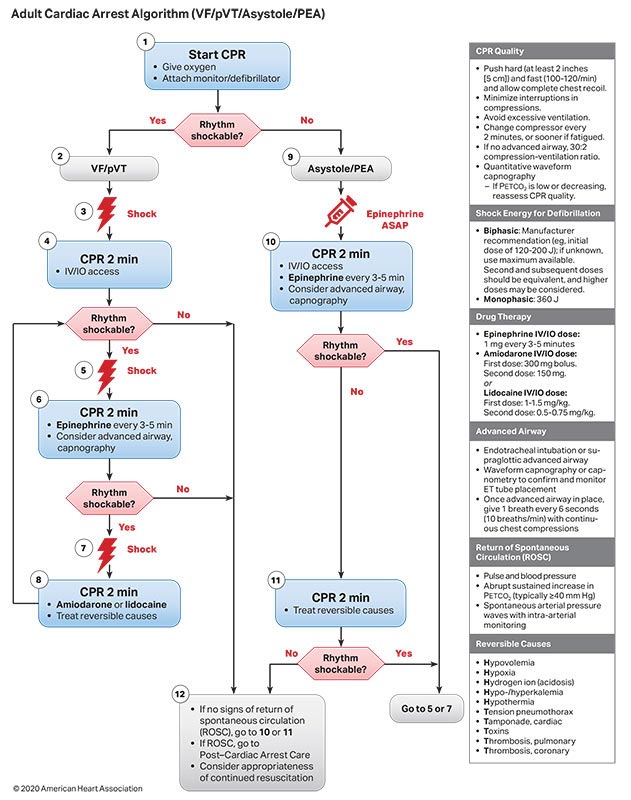
Which of the following best describes the correct administration of adrenaline for a shockable rhythm in adult advanced life support?
Your Answer: Give 1 mg of adrenaline as soon as intravenous access is achieved and every 3 - 5 minutes thereafter
Correct Answer: Give 1 mg of adrenaline after the second shock and every 3 - 5 minutes thereafter
Explanation:Give adrenaline 1 mg IV (IO) (10 mL of 1:10,000 solution) after the 2nd shock for adult patients in cardiac arrest with a shockable rhythm. Repeat adrenaline 1 mg IV (IO) every 3-5 minutes whilst ALS continues.
-
This question is part of the following fields:
- Cardiovascular
- Pharmacology
-
-
Question 6
Incorrect
-
A 29-year-old volunteer returns from a recent trip to the middle east with profuse watery diarrhoea. You make a diagnosis of cholera and organize a hospital admission for rehydration with intravenous fluids.
What is the mechanism of action of cholera toxin?
Your Answer: Active absorption of NaCl
Correct Answer: ADP-ribosylation of the G regulatory protein
Explanation:Cholera is caused by Vibrio cholerae, a motile, Gram-negative, curved bacillus. It is transmitted through water and food (especially seafood) and is primarily a disease seen in developing countries where there is poor sanitation and lack of safe water supplies.
The cholera toxin leads to stimulation of adenyl cyclase, ADP-ribosylation of the G regulatory protein, inactivation of GTPase leading to active outpouring of NaCl.
The cholera toxin consists of an A (the toxin) and B subunit. The B subunit attaches to the gut mucosa and presents the A subunit to the cell. The toxin stimulates adenyl cyclase by irreversible ADP-ribosylation of the GTP binding domain of adenyl cyclase leading to the opening of chloride channels resulting in an outpouring of NaCl and water into the lumen of the gut and causing secretory diarrhoea.
Incubation period is between 2 and 5 days, but can be as short as just a few hours.
-
This question is part of the following fields:
- Microbiology
- Principles Of Microbiology
-
-
Question 7
Correct
-
Regarding co-amoxiclav, which of the following statements is INCORRECT:
Your Answer: Clavulanic acid acts to inhibit cross-linking of bacterial peptidoglycan polymers.
Explanation:Co-amoxiclav consists of amoxicillin with the beta-lactamase inhibitor clavulanic acid. Clavulanic acid itself has no significant antibacterial activity but, by inactivating beta-lactamases, it makes the combination active against beta-lactamase-producing bacteria that are resistant to amoxicillin.The most common adverse effects of co-amoxiclav include nausea, vomiting, skin rash and diarrhoea. Pseudomembranous colitis should be considered if a person develops severe diarrhoea during or after treatment with co-amoxiclav. Cholestatic jaundice can occur either during or shortly after the use of co-amoxiclav. An epidemiological study has shown that the risk of acute liver toxicity was about 6 times greater with co-amoxiclav than with amoxicillin. Cholestatic jaundice is more common in patients above the age of 65 years and in men; these reactions have only rarely been reported in children. Jaundice is usually self-limiting and very rarely fatal.
-
This question is part of the following fields:
- Infections
- Pharmacology
-
-
Question 8
Incorrect
-
The cutaneous circulation's principal role is thermoregulation. This process is aided by the existence of arteriovenous anastomoses.
Which of the following anatomical areas has the greatest number of arteriovenous anastomoses?Your Answer: Lateral leg
Correct Answer: Pinna of the ear
Explanation:Short vessels called arteriovenous anastomoses (AVAs) link tiny arteries and veins. They have a large lumen diameter. The strong and muscular walls allow AVAs to completely clog the vascular lumen, preventing blood flow from artery to vein (acting like a sphincter). When the AVAs open, they create a low-resistance connection between arteries and veins, allowing blood to flow into the limbs’ superficial venous plexuses. There is no diffusion of solutes or fluid into the interstitium due to their strong muscle walls.
AVAs are densely innervated by adrenergic fibres from the hypothalamic temperature-regulation centre. High sympathetic output occurs at normal core temperatures, inducing vasoconstriction of the AVAs and blood flow through the capillary networks and deep plexuses. When the temperature rises, sympathetic output decreases, producing AVA vasodilation and blood shunting from the artery to the superficial venous plexus. Heat is lost to the environment as hot blood rushes near to the skin’s surface.
AVAs are a specialized anatomical adaptation that can only be found in large quantities in the fingers, palms, soles, lips, and pinna of the ear. -
This question is part of the following fields:
- Cardiovascular Physiology
- Physiology
-
-
Question 9
Incorrect
-
A 2-day-old male is referred to a tertiary care hospital by the community midwife after a home visit due to jaundice and dyspnoea. After history and examination, the relevant blood work is performed, and the baby is found to have conjugated hyperbilirubinemia. The paediatric team suspects a hepatic origin for jaundice based on the findings.
Which one of the following aetiologies is the most likely cause of jaundice in this case?Your Answer: Breastmilk jaundice
Correct Answer: Alpha 1-antitrypsin deficiency
Explanation:The presence of dyspnoea makes alpha-1 antitrypsin deficiency the more likely diagnosis as biliary atresia does not cause respiratory symptoms. Deficiency of the enzyme alpha-1 antitrypsin causes uninhibited elastase activity and a decrease in elastic tissue. This causes liver cirrhosis leading to an elevation of conjugated bilirubin and emphysema in the lungs.
Rhesus disease, hereditary spherocytosis and breast milk jaundice cause an elevation of unconjugated bilirubin thus ruling it out in this case. Breast milk jaundice occurs due to an inability of the newborn to metabolize the proteins in breast milk.
Rhesus disease occurs when an Rh negative mother gives birth to an Rh positive baby. The jaundice would have been accompanied by anaemia and oedema.
Hereditary spherocytosis occurs due to extravascular haemolysis as defective RBCs are removed by the spleen. The patient would present with jaundice, splenomegaly and possibly an aplastic crisis (if Parvovirus B19 infection).
-
This question is part of the following fields:
- General Pathology
- Pathology
-
-
Question 10
Correct
-
Question 11
Correct
-
Swelling of the lips, tongue, and face is observed in a 59-year-old African-American woman. In the emergency room, she is given intramuscular adrenaline, but her symptoms do not improve. Her GP recently started her on a new medication.
Which of the following drugs is most likely to have caused her symptoms?Your Answer: Ramipril
Explanation:Angiotensin-converting enzyme (ACE) inhibitors are the most common cause of drug-induced angioedema in the United Kingdom and the United States, owing to their widespread use.
Angioedema is caused by ACE inhibitors in 0.1 to 0.7 percent of patients, with data indicating a persistent and relatively constant risk year after year. People of African descent have a five-fold higher chance of contracting the disease.
Swelling of the lips, tongue, or face is the most common symptom, but another symptom is episodic abdominal pain due to intestinal angioedema. Itching and urticaria are noticeably absent.
The mechanism appears to be activated complement or other pro-inflammatory cytokines like prostaglandins and histamine, which cause rapid vasodilation and oedema.
Other medications that are less frequently linked to angioedema include:
Angiotensin-receptor blockers (ARBs)
Nonsteroidal anti-inflammatory drugs (NSAIDs)
Bupropion (e.g. Zyban and Wellbutrin)
Beta-lactam antibiotics
Statins
Proton pump inhibitorsThe majority of these reactions are minor and can be treated by stopping the drug and prescribing antihistamines.
-
This question is part of the following fields:
- Cardiovascular Pharmacology
- Pharmacology
-
-
Question 12
Incorrect
-
A 63 year old lady presents to ED with a persistent cough and red currant jelly sputum. She has a history of chronic alcohol abuse and has an X-ray which demonstrates a cavitating pneumonia. The most likely causative pathogen is:
Your Answer: Streptococcus pneumoniae
Correct Answer: Klebsiella pneumoniae
Explanation:One of the results of Klebsiella pneumoniae is pneumonia that is usually a very severe infection. It is characterised by thick, bloody sputum (red currant jelly sputum), and is associated with complications like lung abscess, cavitation, necrosis, empyema and pleural effusions.
-
This question is part of the following fields:
- Infections
- Microbiology
-
-
Question 13
Correct
-
As a result of a cardiovascular drug she was prescribed, a 67-year-old woman develops corneal microdeposits.
Which of the following drugs is the MOST LIKELY cause?Your Answer: Amiodarone
Explanation:Corneal microdeposits are almost universally present (over 90%) in people who have been taking amiodarone for more than six months, especially at doses above 400 mg/day. Although these deposits usually cause no symptoms, about 10% of patients report seeing a ‘bluish halo.’ This goes away once the treatment is stopped, and it rarely causes vision problems.
Other effects of amiodarone on the eye are much rarer, occurring in only 1-2 percent of patients:
Optic neuropathy is a condition that affects the eyes.
Non-arteritic anterior ischaemic optic neuropathy (N-AION)
Swelling of the optic disc -
This question is part of the following fields:
- Cardiovascular Pharmacology
- Pharmacology
-
-
Question 14
Incorrect
-
A patient is diagnosed as having a glucagonoma. Her blood serum glucagon concentration is 1246 pg/mL.
Glucagon is produced in which of the following cells? Select ONE answer only.Your Answer: I-cells in the duodenum
Correct Answer: Alpha-cells in the pancreas
Explanation:Glucagon is a peptide hormone that is produced and secreted by alpha cells of the islets of Langerhans, which are located in the endocrine portion of the pancreas. The main physiological role of glucagon is to stimulate hepatic glucose output, thereby leading to increases in glycaemia. It provides the major counter-regulatory mechanism to insulin in maintaining glucose homeostasis.
Hypoglycaemia is the principal stimulus for the secretion of glucagon but may also be used as an antidote in beta-blocker overdose and in anaphylaxis in patients on beta-blockers that fail to respond to adrenaline.
Glucagon then causes:
Glycogenolysis
Gluconeogenesis
Lipolysis in adipose tissue
The secretion of glucagon is also stimulated by:
Adrenaline
Cholecystokinin
Arginine
Alanine
Acetylcholine
The secretion of glucagon is inhibited by:
Insulin
Somatostatin
Increased free fatty acids
Increased urea productionGlycolysis is the metabolic pathway that converts glucose into pyruvate. The free energy released by this process is used to form ATP and NADH. Glycolysis is inhibited by glucagon, and glycolysis and gluconeogenesis are reciprocally regulated so that when one cell pathway is activated, the other is inactive and vice versa.
Glucagon has a minor effect of enhancing lipolysis in adipose tissue. Lipolysis is the breakdown of lipids and involves the hydrolysis of triglycerides into glycerol and free fatty acids. It makes fatty acids available for oxidation.
-
This question is part of the following fields:
- Endocrine Physiology
- Physiology
-
-
Question 15
Incorrect
-
A 47-year old male comes to the out-patient department for a painful, right-sided groin mass. Medical history reveals a previous appendectomy 10 years prior. On physical examination, the mass can be reduced superiorly. Also, the mass extends to the scrotum. The initial diagnosis is a hernia.
Among the types of hernia, which is the most likely diagnosis of the case above?Your Answer: Direct inguinal hernia
Correct Answer: Indirect inguinal hernia
Explanation:Inguinal hernias can present with an array of different symptoms. Most patients present with a bulge in the groin area, or pain in the groin. Some will describe the pain or bulge that gets worse with physical activity or coughing. Symptoms may include a burning or pinching sensation in the groin. These sensations can radiate into the scrotum or down the leg. It is important to perform a thorough physical and history to rule out other causes of groin pain. At times an inguinal hernia can present with severe pain or obstructive symptoms caused by incarceration or strangulation of the hernia sac contents. A proper physical exam is essential in the diagnosis of an inguinal hernia. Physical examination is the best way to diagnose a hernia. The exam is best performed with the patient standing. Visual inspection of the inguinal area is conducted first to rule out obvious bulges or asymmetry in groin or scrotum. Next, the examiner palpates over the groin and scrotum to detect the presence of a hernia. The palpation of the inguinal canal is completed last. The examiner palpates through the scrotum and towards the external inguinal ring. The patient is then instructed to cough or perform a Valsalva manoeuvre. If a hernia is present, the examiner will be able to palpate a bulge that moves in and out as the patient increases intra abdominal pressure through coughing or Valsalva.
Groin hernias are categorized into 2 main categories: inguinal and femoral.
Inguinal hernias are further subdivided into direct and indirect. An indirect hernia occurs when abdominal contents protrude through the internal inguinal ring and into the inguinal canal. This occurs lateral to the inferior epigastric vessels. The hernia contents may extend into the scrotum, and can be reduced superiorly then superolaterally. A direct inguinal hernia is protrusion of abdominal contents through the transversalis fascia within Hesselbach’s triangle. The borders of Hesselbach’s triangle are the inferior epigastric vessels superolaterally, the rectus sheath medially, and inguinal ligament inferiorly.
A femoral hernia is a protrusion into the femoral ring. The borders of the femoral ring are the femoral vein laterally, Cooper’s ligament posteriorly, the iliopubic tract/inguinal ligament anteriorly and lacunar ligament medially.
-
This question is part of the following fields:
- Abdomen And Pelvis
- Anatomy
-
-
Question 16
Correct
-
If the null hypothesis is wrongly rejected when it is actually true, this is an example of:
Your Answer: A test with a type I error
Explanation:A type I error occurs when the null hypothesis is wrongly rejected when it is actually true and we conclude that there is a difference of effect when in reality there is none (a false positive result).
-
This question is part of the following fields:
- Evidence Based Medicine
- Statistics
-
-
Question 17
Incorrect
-
A 45-year-old businessman returns from a trip to West Africa with headaches and intermittent fevers. Thick and thin films are sent to the lab and a diagnosis is made of malaria. The patient is started on treatment but his condition deteriorates and he develops jaundice, renal failure and haemoglobinuria.
Which of the following is the MOST likely causative organism? Select ONE answer only.Your Answer: Plasmodium knowlesi
Correct Answer: Plasmodium falciparum
Explanation:Malaria is an infectious disease transmitted by female of theAnophelesgenus of mosquito. It is a parasitic infection caused by the genusPlasmodium. Five species are recognized as causing disease in humans;Plasmodium falciparum,Plasmodium ovale,Plasmodium vivax,Plasmodium malariaeandPlasmodium knowlesi.
The classic symptom of malaria is the malarial paroxysm, a cyclical occurrence of a cold phase, where the patient experiences intense chills, a hot stage, where the patient feels extremely hot and finally a sweating stage, where the fever declines and the patient sweats profusely. On examination the patient may show signs of anaemia, jaundice and have hepatosplenomegaly without evidence of lymphadenopathy.Plasmodium falciparum is the most serious form and is responsible for most deaths. Severe or complicated malaria is suggested by the presence of impaired consciousness, seizures, hypoglycaemia, anaemia, renal impairment, respiratory distress and spontaneous bleeding.
Plasmodium falciparum is the most likely type in this case in view of the presentation.
Haemoglobinuria and renal failure following treatment is suggestive of blackwater fever, which is caused byPlasmodium falciparum. An autoimmune reaction between the parasite and quinine causes haemolysis, haemoglobinuria, jaundice and renal failure. This can be fatal.
The benign malarias: P.vivax, P. malariae and P.ovale are usually treated with chloroquine. A course of primaquine is also required in P.vivax and P.ovale infection. Artesunate is the drug treatment of choice for Plasmodium falciparum malaria. Quinine can still be used where artesunate is not available. Often combination therapy with drugs such as doxycycline or fansidar is also required. -
This question is part of the following fields:
- Microbiology
- Specific Pathogen Groups
-
-
Question 18
Incorrect
-
A 58-year-old man with a long history of poorly controlled hypertension complains of a headache and vision blurring today. In triage, his blood pressure is 210/192 mmHg. A CT head scan is scheduled to rule out the possibility of an intracranial haemorrhage. You make the diagnosis of hypertensive encephalopathy and rush the patient to reus to begin blood pressure-lowering treatment. He has a history of brittle asthma, for which he has been admitted to the hospital twice in the last year.
Which of the following is the patient's preferred drug treatment?Your Answer: Glyceryl trinitrate
Correct Answer: Nicardipine
Explanation:End-organ damage (e.g. encephalopathy, intracranial haemorrhage, acute myocardial infarction or ischaemia, dissection, pulmonary oedema, nephropathy, eclampsia, papilledema, and/or angiopathic haemolytic anaemia) characterises a hypertensive emergency (also known as ‘accelerated hypertension’ or malignant hypertension’ It’s a life-threatening condition that necessitates rapid blood pressure reduction to avoid end-organ damage and a negative outcome.
Hypertensive encephalopathy is a syndrome that includes headaches, seizures, visual changes, and other neurologic symptoms in people who have high blood pressure. It is reversible if treated quickly, but it can progress to coma and death if not treated properly.
Any patient with suspected hypertensive encephalopathy should have an urgent CT scan to rule out an intracranial haemorrhage, as rapid blood pressure reduction could be dangerous in these circumstances.
The drug of choice is labetalol, which reduces blood pressure steadily and consistently without compromising cerebral blood flow.
An initial reduction of approximately 25% in mean arterial pressure (MAP) over an hour should be aimed for, followed by a further controlled MAP reduction over the next 24 hours. In patients who are unable to take beta-blockers, nicardipine can be used as a substitute. -
This question is part of the following fields:
- Cardiovascular Pharmacology
- Pharmacology
-
-
Question 19
Incorrect
-
In all of the following conditions, lymphocytosis typically occurs except for:
Your Answer: Infectious mononucleosis
Correct Answer: Corticosteroid therapy
Explanation:In infants and young children, lymphocytosis often occurs in response to infections that would normally produce a neutrophil reaction in adults.
Lymphocytosis occurs in:
1. Viral infections (e.g. infectious mononucleosis, HIV, rubella, mumps, viral hepatitis, cytomegalovirus, herpes simplex or zoster)
2. Bacterial infections (e.g. pertussis, tuberculosis, toxoplasmosis, syphilis)
3. Chronic lymphoid leukaemias
4. Acute lymphoblastic leukaemias
5. Non-Hodgkin lymphoma
6. Thyrotoxicosis -
This question is part of the following fields:
- Immune Responses
- Pathology
-
-
Question 20
Correct
-
You're evaluating a 37-year-old woman who is 12 weeks pregnant. She has experienced vaginal bleeding.
Which of the following anti-D statements is correct?Your Answer: Routine antenatal prophylaxis is recommended for RhD negative women at 28 and 34 weeks
Explanation:Anti-D is an IgG antibody that targets the antigen Rhesus D (RhD). Plasma from rhesus-negative donors who have been immunised against the anti-D-antigen is used to make anti-D immunoglobulin.
Only RhD negative women are given Anti-D Ig. Women who are RhD negative do not have the RhD antigen on their RBC. If a foetus has the RhD antigen (i.e. is RhD positive) and the mother is exposed to foetal blood, she may develop antibodies to RhD that pass through the placenta and attack foetal red cells (resulting in newborn haemolytic disease). Anti-D is given to bind and neutralise foetal red cells in the maternal circulation before an immune response is triggered. In the event of a sensitising event, 500 IU Anti-D Ig should be administered intramuscularly.
The following are examples of potentially sensitising events:
Birth
Haemorrhage during pregnancy
Miscarriage
Ectopic pregnancy
Death within the womb
Amniocentesis
Chorionic villus sampling
Trauma to the abdomenThe sooner anti-D is given in the event of a sensitising event, the better; however, it is most effective within 72 hours, and the BNF states that it is still likely to have some benefit if given outside of this time frame.
At 28 and 34 weeks, RhD negative women should receive routine antenatal prophylaxis. This is regardless of whether they have previously received Anti-D for a sensitising event during the same pregnancy.
Prophylactic anti-D is not necessary before 12 weeks gestation, as confirmed by scan, in uncomplicated miscarriage (where the uterus is not instrumented), or mild, painless vaginal bleeding, as the risk of foeto-maternal haemorrhage (FMH) is negligible. In cases of therapeutic termination of pregnancy, whether by surgical or medical means, 250 IU of prophylactic anti-D immunoglobulin should be given to confirmed RhD negative women who are not known to be RhD sensitised.
-
This question is part of the following fields:
- Immunological Products & Vaccines
- Pharmacology
-
-
Question 21
Incorrect
-
A blood test of a 7-year-old child with a 6-day history of bloody diarrhoea reveals a low platelet count, anaemia, and impaired kidney function. What bacteria is suspected of causing such a condition?
Your Answer: Campylobacter jejuni
Correct Answer: Escherichia coli
Explanation:Escherichia coli produces shiga toxin that causes diarrhoea, hemorrhagic colitis, and haemolytic uremic syndrome.
Haemolytic uremic syndrome is characterized by anaemia, thrombocytopenia, and acute renal failure. Transmission of E. coli is possible after consuming contaminated, undercooked drinks and foods. E. coli enters the body via the faecal-oral pathway.
-
This question is part of the following fields:
- Microbiology
- Pathogens
-
-
Question 22
Incorrect
-
A 31-year-old man with sickle-cell disease receives a blood transfusion for symptomatic anaemia. He presents to the Emergency Department three weeks later with a rash, fever, and diarrhoea. He has pancytopenia and abnormal liver function results on blood tests.
Which of the transfusion reactions is most likely to have happened?Your Answer: TRALI
Correct Answer: Graft-vs-host disease
Explanation:Blood transfusion can be a life-saving treatment with significant clinical benefits, but it also comes with a number of risks and potential complications, including:
Immunological side effects
Errors in administration (episodes of ‘wrong blood’)
Viruses and Infections (bacterial, viral, possibly prion)
ImmunodilutionA culture of better safety procedures as well as steps to reduce the use of transfusion has emerged as a result of growing awareness of avoidable risk and improved reporting systems. Transfusion errors, on the other hand, continue to occur, and some serious adverse reactions go unreported.
Transfusion-associated graft-vs-host disease (TA-GVHD) is a rare blood transfusion complication that causes fever, rash, and diarrhoea 1-4 weeks after the transfusion. Pancytopenia and liver function abnormalities are common laboratory findings.
TA-GVHD, unlike GVHD following allogeneic marrow transplantation, causes profound marrow aplasia with a mortality rate of >90%. Survival is uncommon, with death occurring within 1-3 weeks of the onset of symptoms.
Because of immunodeficiency, severe immunosuppression, or shared HLA antigens, viable T lymphocytes in blood components are transfused, engraft, and react against the recipient’s tissues, and the recipient is unable to reject the donor lymphocytes.
The following is a list of the most common transfusion reactions and complications:1) Reaction to a febrile transfusion
The temperature rises by one degree from the baseline. Chills and malaise are also possible symptoms.
The most common response (1 in 8 transfusions).
Cytokines from leukocytes in transfused red cell or platelet components are usually to blame.
Only supportive. The use of paracetamol is beneficial.2) Acute haemolytic reaction is a type of haemolytic reaction that occurs when the
Fever, chills, pain at the transfusion site, nausea, vomiting, and dark urine are all symptoms of a transfusion reaction.
Early on, many people report a sense of ‘impending doom.’
The most serious reaction. ABO incompatibility is frequently caused by a clerical error.
STOP THE TRANSFUSION OF INFORMATION. IV fluids should be given. It’s possible that diuretics will be required.3) Haemolytic reaction that is delayed
It usually happens 4 to 8 days after a blood transfusion.
Fever, anaemia, jaundice, and haemoglobinuria are all symptoms that the patient has.
Positive Coombs test for direct antiglobulin.
Because of the low titre antibody, it is difficult to detect in a cross-match, and it is unable to cause lysis at the time of transfusion.
The majority of delayed haemolytic reactions are harmless and do not require treatment.
Anaemia and renal function should be monitored and treated as needed.4) Reaction to allergens
Foreign plasma proteins are usually to blame, but anti-IgA could also be to blame.
Urticaria, pruritus, and hives are typical allergic reactions. It’s possible that it’s linked to laryngeal oedema or bronchospasm.
Anaphylaxis is a rare occurrence.
Antihistamines can be used to treat allergic reactions symptomatically. It is not necessary to stop transfusions.
If the patient develops anaphylaxis, the transfusion should be stopped and the patient should be given adrenaline and treated according to the ALS protocol.5) TRALI (Transfusion Related Acute Lung Injury)
Within 6 hours of transfusion, there was a sudden onset of non-cardiogenic pulmonary oedema.
It’s linked to the presence of antibodies to recipient leukocyte antigens in the donor blood.
The most common cause of death from transfusion reactions is this.
STOP THE TRANSFUSION OF INFORMATION. Oxygen should be given to the patient. Around 75% of patients will require aggressive respiratory support.
The use of diuretics should be avoided.6) TACO (Transfusion Associated Circulatory Overload)
Acute or worsening respiratory distress within 6 hours of a large blood transfusion. Fluid overload and pulmonary and peripheral oedema can be seen. Rapid blood pressure rises are common. BNP is usually 1.5 times higher than it was before the transfusion. It is most common in the elderly and those who have chronic anaemia.Blood transfusions should be given slowly, over the course of 3-4 hours.
-
This question is part of the following fields:
- Haematology
- Pathology
-
-
Question 23
Incorrect
-
Regarding beta-thalassaemia, which of the following statements is CORRECT:
Your Answer: The anaemia of beta-thalassaemia major is usually apparent from birth.
Correct Answer: Beta-thalassaemia trait is associated with a raised HbA2.
Explanation:Beta-thalassaemia major is caused by a complete or almost complete failure of β-globin chain synthesis, severe imbalance of α:β-chains with deposition of α-chains in erythroblasts, ineffective erythropoiesis and extramedullary haemopoiesis. The severe anaemia becomes apparent at 3 – 6 months when the switch from γ-chain to β-chain synthesis normally occurs. Beta-thalassaemia minor is a variable syndrome, milder than thalassaemia major, with later onset and characterised by moderate hypochromic microcytic anaemia with raised haemoglobin A2. Beta-thalassaemia trait is characterised by mild hypochromic, microcytic anaemia with raised red cell count and raised haemoglobin A2.
-
This question is part of the following fields:
- Haematology
- Pathology
-
-
Question 24
Correct
-
Regarding gastric motility and emptying, which of the following statements is CORRECT:
Your Answer: Gastric emptying is inhibited by the presence of the products of fat digestion in the duodenum.
Explanation:Gastric emptying is decreased by the presence of fats in the duodenum (by stimulating release of cholecystokinin). Mixing of the food with gastric secretions takes place in the distal body and antrum of the stomach where the muscularis externa layer is thicker. The stomach has an additional inner oblique smooth muscle layer (in addition to the inner circular layer and outer longitudinal layer). Gastric emptying is increased by a low gastric pH and decreased by a low duodenal pH.
-
This question is part of the following fields:
- Gastrointestinal
- Physiology
-
-
Question 25
Correct
-
Which of the following is the primary indication for loop diuretics?
Your Answer: Acute pulmonary oedema
Explanation:Loop diuretics have long been the cornerstone of pulmonary oedema treatment, with furosemide being the most commonly used of these drugs. Premedication with drugs that decrease preload (e.g., nitro-glycerine [NTG]) and afterload (e.g., angiotensin-converting enzyme [ACE] inhibitors) before the administration of loop diuretics can prevent adverse hemodynamic changes.
-
This question is part of the following fields:
- Cardiovascular
- Pharmacology
-
-
Question 26
Correct
-
A patient with history of weight loss and diarrhoea was found out to have Giardia lamblia in her stool since returning from a holiday to Nepal.
Which of the following statements is considered true regarding the life cycle of Giardia lamblia?Your Answer: Trophozoites attach to the intestinal wall via a specialised sucking disc
Explanation:Cysts are resistant forms and are responsible for transmission of giardiasis. Both cysts and trophozoites can be found in the faeces (diagnostic stages). The cysts are hardy and can survive several months in cold water. Infection occurs by the ingestion of cysts in contaminated water, food, or by the faecal-oral route (hands or fomites).
In the small intestine, excystation releases trophozoites (each cyst produces two trophozoites).
Trophozoites multiply by longitudinal binary fission, remaining in the lumen of the proximal small bowel where they can be free or attached to the mucosa by a ventral sucking disk.
Encystation occurs as the parasites transit toward the colon. The cyst is the stage found most commonly in non diarrheal faeces.
Because the cysts are infectious when passed in the stool or shortly afterward, person-to-person transmission is possible. While animals are infected with Giardia, their importance as a reservoir is unclear. -
This question is part of the following fields:
- Microbiology
- Principles Of Microbiology
-
-
Question 27
Incorrect
-
A patient presents with a gastrointestinal infection. Which of the following microbes attaches to gut mucosa via a specialised sucking disc:
Your Answer: Salmonella enterica
Correct Answer: Giardia lamblia
Explanation:Giardia lambliainfection occurs through the ingestion of dormant microbial cysts in contaminated water, food or via faceo-oral transmission via poor hygiene.
Following ingestion of the cysts, the trophozoite emerges to an active state of feeding and motility. After the feeding stage they undergo asexual replication through longitudinal binary fission.
They attach to the intestinal wall via a specialised sucking disc. The mechanism for diarrhoea in giardiasis remains unknown but could possibly be due to direct cytotoxicity.
Giardial trophozoites and cysts pass through the digestive system in the faeces and are excreted. While the trophozoites may be found in the faeces, only the cysts are adapted for long-term survival outside the host. -
This question is part of the following fields:
- Microbiology
- Principles
-
-
Question 28
Incorrect
-
A 50-year-old man, known hypertensive on amlodipine has been visiting his GP with symptoms of headache, tiredness, and muscle weakness. His blood test today shows a low potassium level of 2.8 mmol/L, and a slightly raised sodium level at 147 mmol/L.
What is the MOST LIKELY diagnosis?
Your Answer: Cushing’s syndrome
Correct Answer: Conn’s syndrome
Explanation:When there are excessive levels of aldosterone independent of the renin-angiotensin aldosterone axis, primary hyperaldosteronism occurs. Secondary hyperaldosteronism occurs due to high renin levels.
Causes of primary hyperaldosteronism include:
Conn’s syndrome
Adrenal hyperplasia
Adrenal cancer
Familial aldosteronismCauses of secondary hyperaldosteronism include:
Renal vasoconstriction
Oedematous disorders
Drugs – diuretics
Obstructive renal artery diseaseAlthough patients are usually asymptomatic, when clinical features are present, classically hyperaldosteronism presents with:
Hypokalaemia
Sodium levels can be normal or slightly raised
Hypertension
Metabolic alkalosis
Less common, clinical features are:
Lethargy
Headaches
Intermittent paraesthesia
Polyuria and polydipsia
Muscle weakness (from persistent hypokalaemia)
Tetany and paralysis (rare) -
This question is part of the following fields:
- Endocrine Physiology
- Physiology
-
-
Question 29
Incorrect
-
A 30-year-old man present to the ED with abdominal pain, nausea and vomiting. It has been present for the past two days.
Which of the following statements regarding diarrhoea and vomiting is true?
Your Answer: Cryptosporidia are susceptible to chlorine treatment
Correct Answer: E.Coli can cause diarrhoea and renal failure
Explanation:Escherichia coli strain 0157 causes enterohaemorrhagic diarrhoea and can lead to renal failure, haemolytic anaemia and thrombocytopenia.
Norwalk virus is an RNA virus.
Although transmission of rotavirus is primarily through the faeco-oral route, airborne spread has been seen in some cases.
Cryptosporidium are protozoa with acid fast walls and are resistant to both chlorine treatment and conventional filtering methods.
There is no therapy effective in treating cryptosporidium diarrhoea as the protozoa is not susceptible to antibiotics.
-
This question is part of the following fields:
- Microbiology
- Specific Pathogen Groups
-
-
Question 30
Correct
-
Regarding antacids, which of the following statements is CORRECT:
Your Answer: Antacids are contraindicated in hypophosphataemia.
Explanation:Antacids are contraindicated in hypophosphataemia. Liquid preparations are more effective than tablet preparations. Magnesium-containing antacids tend to be laxative whereas aluminium-containing antacids tend to be constipating. Antacids are best taken when symptoms occur or are expected, usually between meals and at bedtime. Antacids should preferably not be taken at the same time as other drugs since they may impair absorption.
-
This question is part of the following fields:
- Gastrointestinal
- Pharmacology
-
-
Question 31
Incorrect
-
A 60-year-old man presents with marked breathlessness. He has with a history of ischaemic heart disease. On examination, there is coarse bibasal crackles, marked peripheral oedema and chest X-ray taken is consistent with severe pulmonary oedema. RR is 28 per minute.
Which receptor is responsible for detecting pulmonary oedema and the subsequent increase in respiratory rate?Your Answer: Central chemoreceptors
Correct Answer: Juxtacapillary receptors
Explanation:Pulmonary oedema causes stimulation of the Juxtacapillary receptors (J receptors) leading to a reflex increase in breathing rate. These receptors are also thought to be involved in the sensation of dyspnoea. The J receptors are sensory cells and are located within the alveolar walls in juxtaposition to the pulmonary capillaries.
Aortic baroreceptor are involved in detecting blood pressure
Central chemoreceptors detect changes in CO2 and hydrogen ion within the brain
Atrial volume receptors regulate plasma volume
-
This question is part of the following fields:
- Physiology
- Respiratory Physiology
-
-
Question 32
Incorrect
-
A 32-year-old asthmatic patient on theophylline as part of her asthma management presents to the Emergency Department with an unrelated medical condition.
Which of these drugs should be avoided?Your Answer: Amoxicillin
Correct Answer: Clarithromycin
Explanation:Macrolide antibiotics (e.g. clarithromycin and erythromycin) are cytochrome P450 enzyme inhibitors. They increase blood levels of theophylline leading to hypokalaemia, and potentially increasing the risk of Torsades de pointes when they are prescribed together.
Co-prescription with theophylline should be avoided.
Factors that enhance theophylline clearance include cigarette smoking, carbamazepine, phenobarbital, phenytoin, primidone, and rifampin.
Medications that inhibit clearance include ethanol, ciprofloxacin, erythromycin, verapamil, propranolol, ticlopidine, tacrine, allopurinol, and cimetidine. -
This question is part of the following fields:
- Pharmacology
- Respiratory Pharmacology
-
-
Question 33
Correct
-
Which of the following does NOT affect the rate of flow of a liquid through a tube:
Your Answer: Surface tension
Explanation:Flow through a tube is dependent upon:
The pressure difference across the ends of the tube (P1– P2)
The resistance to flow provided by the tube (R)
This is Darcy’s law, which is analogous to Ohm’s law in electronics:
Flow = (P1– P2) / R
Resistance in the tube is defined by Poiseuille’s law, which is determined by the diameter of the tube and the viscosity of the fluid. Poiseuille’s law is as follows:
Resistance = (8VL) / (πR4)
Where:
V = The viscosity of the fluid
L = The length of the tube
R = The radius of the tube
Therefore, in simple terms, resistance is directly proportional to the viscosity of the fluid and the length of the tube and inversely proportional to the radius of the tube. Of these three factors, the most important quantitatively and physiologically is vessel radius.
It can be seen that small changes in the radius can have a dramatic effect on the flow of the fluid. For example, the constriction of an artery by 20% will decrease the flow by approximately 60%.
Another important and frequently quoted example of this inverse relationship is that of the radius of an intravenous cannula. Doubling the diameter of a cannula increases the flow rate by 16-fold (r4). This is the reason the diameter of an intravenous cannula in resuscitation scenarios is so important.
*Please note that knowledge of the detail of Poiseuille’s law is not a requirement of the RCEM Basic Sciences Curriculum. -
This question is part of the following fields:
- Basic Cellular
- Physiology
-
-
Question 34
Incorrect
-
A 49-year-old woman has a history of hypertension and persistent hypokalaemia and is diagnosed with hyperaldosteronism.
Which of these is the commonest cause of hyperaldosteronism?
Your Answer: Adrenal hyperplasia
Correct Answer: Adrenal adenoma
Explanation:When there are excessive circulating levels of aldosterone, hyperaldosteronism occurs. There are two main types of hyperaldosteronism:
Primary hyperaldosteronism (,95% of cases)
Secondary hyperaldosteronism (,5% of cases)Primary causes of hyperaldosteronism include:
Adrenal adenoma (Conn’s syndrome)
Adrenal hyperplasia
Adrenal cancer
Familial aldosteronism
Secondary causes of hyperaldosteronism include:
Drugs
Obstructive renal artery disease
Renal vasoconstriction
Oedematous disorders syndromeAdrenal adenoma is the commonest cause of hyperaldosteronism (seen in ,80% of all cases).
-
This question is part of the following fields:
- Endocrine Physiology
- Physiology
-
-
Question 35
Incorrect
-
A young man develops an infection spread via aerosol transmission.
Which of these organisms is commonly spread by aerosol transmission?Your Answer: Staphylococcus aureus
Correct Answer: Measles virus
Explanation:Aerosols are airborne particles less than 5 µm in size, containing infective organisms that usually cause infection of the upper or lower respiratory tract.
Examples of organisms commonly spread by aerosol transmission are:
Measles virus
Varicella zoster virus
Mycobacterium tuberculosisThe following table summarises the various routes of transmission with example organisms:
Route of transmission
Example organisms
Aerosol (airborne particle < 5 µm)
Mycobacterium tuberculosis
Varicella zoster virus
Measles virusHepatitis A and Rotavirus are spread by the faeco-oral route.
Neisseria gonorrhoea is spread by sexual route.
Staphylococcus aureus is spread by direct contact.
-
This question is part of the following fields:
- Microbiology
- Principles Of Microbiology
-
-
Question 36
Incorrect
-
Which of the following tracts must be affected if a patient presents with decreased pain and temperature sensation in both lower extremities?
Your Answer: The dorsal column-medial lemniscal pathway
Correct Answer: The lateral spinothalamic tract
Explanation:The main function of the spinothalamic tract is to carry pain and temperature via the lateral part of the pathway and crude touch via the anterior part. The spinothalamic tract pathway is an imperative sensory pathway in human survival because it enables one to move away from noxious stimuli by carrying pain and temperature information from the skin to the thalamus where it is processed and transmitted to the primary sensory cortex. The primary sensory cortex communicates with the primary motor cortex, which lies close to it, to generate rapid movement in response to potentially harmful stimuli. Furthermore, the spinothalamic tract has a role in responding to pruritogens, causing us to itch. Interestingly, itching suppresses the spinothalamic tract neuron response to the histamine effect.
-
This question is part of the following fields:
- Anatomy
- Central Nervous System
-
-
Question 37
Incorrect
-
Fusidic acid is primarily indicated for infections caused by which of the following microorganisms:
Your Answer: Streptococcal infections
Correct Answer: Staphylococcal infections
Explanation:Fusidic acid is a narrow spectrum antibiotic used for staphylococcal infections, primarily topically for minor staphylococcal skin (impetigo) or eye infection. It is sometimes used orally for penicillin-resistant staphylococcal infection, including osteomyelitis or endocarditis, in combination with other antibacterials.
-
This question is part of the following fields:
- Infections
- Pharmacology
-
-
Question 38
Incorrect
-
You're examining a 58-year-old male who has cellulitis in his left leg. Because he is allergic to penicillin, you start him on erythromycin.
Which of the following statements about erythromycin is correct?Your Answer: It can be used to treat meningitis
Correct Answer: It can be used to treat Legionnaire’s disease
Explanation:Bacteriostatic antibiotics include erythromycin and other macrolide antibiotics. They work by attaching to the bacterial ribosome’s 50S subunit, preventing translocation and thereby protein synthesis. Macrolide antibiotics are actively concentrated inside leukocytes and delivered to the infection site as a result.
Erythromycin is an orally active antibiotic that can also be given intravenously. It is metabolized in the liver and eliminated in the bile and has a biological half-life of 1.5 hours.
It has a similar antibacterial spectrum to benzylpenicillin (i.e., a narrow spectrum, primarily against Gram-positive pathogens) and can be used as a penicillin substitute in people who are allergic to penicillin.
Erythromycin is unsuccessful in the treatment of meningitis because it does not penetrate the central nervous system well enough. It is efficient against a variety of unusual pathogens, unlike penicillin. -
This question is part of the following fields:
- Infections
- Pharmacology
-
-
Question 39
Correct
-
Regarding the extensor carpi ulnaris muscle, which of the following statements is true?
Your Answer: It receives its blood supply from the ulnar artery
Explanation:Extensor carpi ulnaris is a fusiform muscle in the posterior forearm. It spans between the elbow and base of the little finger. This muscle belongs to the superficial forearm extensor group, along with anconaeus, brachioradialis, extensor carpi radialis longus, extensor carpi radialis brevis, extensor digitorum and extensor digiti minimi muscles.
Like all the muscles of this compartment, extensor carpi ulnaris works as an extensor of the wrist. Moreover, due to its specific course, this muscle also acts to adduct the hand.
Extensor carpi ulnaris is innervated by the posterior interosseous nerve (C7, C8), a branch of the deep division of the radial nerve. The radial nerve stems from the posterior cord of the brachial plexus.
Blood supply to the extensor carpi ulnaris muscle is provided by branches of the radial recurrent and posterior interosseous arteries, which stem from the radial and ulnar arteries, respectively.
-
This question is part of the following fields:
- Anatomy
- Upper Limb
-
-
Question 40
Incorrect
-
Which of the following comprises a negative feedback mechanism?
Your Answer: Detectors, amplifiers, a set point and effectors
Correct Answer: Detectors, comparators, a variable set point and effectors
Explanation:Negative feedback loops, also known as inhibitory loops, play a crucial role in controlling human health. It is a self-regulating mechanism of some sort.
A negative feedback system is made up of three main components: a detector (often neural receptor cells) that measures the variable in question and provides input to the comparator; a comparator (usually a neural assembly in the central nervous system) that receives input from the detector, compares the variable to the variable set point, and determines whether or not a response is required.
The comparator activates an effector (typically muscular or glandular tissue) to conduct the appropriate reaction to return the variable to its set point.
-
This question is part of the following fields:
- Basic Cellular
- Physiology
-
-
Question 41
Incorrect
-
The following are all important buffers of H+EXCEPT for:
Your Answer: Plasma proteins
Correct Answer: Calcium
Explanation:Buffers are weak acids or bases that can donate or accept H+ions respectively and therefore resist changes in pH. Buffering does not alter the body’s overall H+load, ultimately the body must get rid of H+by renal excretion if the buffering capacity of the body is not to be exceeded and a dangerous pH reached. Bicarbonate and carbonic acid (formed by the combination of CO2 with water, potentiated by carbonic anhydrase) are the most important buffer pair in the body, although haemoglobin provides about 20% of buffering in the blood, and phosphate and proteins provide intracellular buffering. Buffers in urine, largely phosphate, allow the excretion of large quantities of H+.
-
This question is part of the following fields:
- Physiology
- Renal
-
-
Question 42
Incorrect
-
Which of the following is NOT a typical cerebellar sign:
Your Answer: Scanning/staccato speech
Correct Answer: Hypertonia
Explanation:Hypotonia means decreased muscle tone. It can be a condition on its own, called benign congenital hypotonia, or it can be indicative of another problem where there is progressive loss of muscle tone, such as muscular dystrophy or cerebral palsy. It is usually detected during infancy. Hypotonia is characteristic of cerebellar dysfunction.
-
This question is part of the following fields:
- Anatomy
- Central Nervous System
-
-
Question 43
Incorrect
-
Which of the following statements regarding the infectivity periods of these corresponding diseases is correct?
Your Answer: Chickenpox is infectious from 2 days before the rash appears
Correct Answer: Rubella is infectious until 5 days after the rash appears
Explanation:Rubella can be contagious from 7 days before to 7 days after the rash appears.
Patients with measles are contagious from 1-2 days before the onset of symptoms.
A person with chickenpox is considered contagious beginning 1 to 2 days before rash onset until all the chickenpox lesions have crusted (scabbed).
The infectious period of mumps is considered from 2 days before to 5 days after parotitis onset.
Hepatitis A is highly transmissible and has an average incubation period of 28 to 30 days (range 15–50 days). The maximum infectivity is during the second half of the incubation period (i.e. while asymptomatic) and most cases are considered non-infectious after the first week of jaundice.
-
This question is part of the following fields:
- Microbiology
- Specific Pathogen Groups
-
-
Question 44
Incorrect
-
Which of the following muscles is NOT involved in depression of the mandible:
Your Answer: Mylohyoid
Correct Answer: Masseter
Explanation:Depression of the mandible is generated by the digastric, geniohyoid, mylohyoid and lateral pterygoid muscles on both side, assisted by gravity. The lateral pterygoid muscles are also involved as this movement also involves protraction of the mandible. The masseter muscle is a powerful elevator of the mandible.
-
This question is part of the following fields:
- Anatomy
- Head And Neck
-
-
Question 45
Incorrect
-
A patient is diagnosed with a Klebsiella infection.
Which SINGLE statement regarding Klebsiella infections is true?Your Answer: Species with ESBLs are sensitive to ceftriaxone
Correct Answer: Klebsiella spp are an important cause of ventilator-associated pneumonia
Explanation:Klebsiellais a genus of non-motile,Gram-negative, rod-shaped bacteriawith a prominent polysaccharide-based capsule. They are routinely found in the nose, mouth and gastrointestinal tract as normal flora, however, they can also behave as opportunistic pathogens.
Infections with Klebsiella spp. areusually nosocomial. They are an important cause of ventilator-associated pneumonia (VAP), urinary tract infection, wound infection and bacteraemia. Outbreaks of infections with Klebsiellaspp. in high-dependency units have been described and are associated with septicaemia and high mortality rates. Length of hospital stay and performance of invasive procedures are risk factors forKlebsiellainfections.
Primary pneumonia withKlebsiella pneumoniaeis a rare,severe, community-acquired infection associated with a poor outcome.
Klebsiella rhinoscleromatis causes a progressive granulomatous infection of the nasal passages and surrounding mucous membranes. This infection is mainly seen in the tropics.
Klebsiella ozanae is a recognised cause of chronic bronchiectasis.
Klebsiella organisms are resistant to multiple antibiotics including penicillins. This is thought to be a plasmid-mediated property. Agents with high intrinsic activity againstKlebsiellapneumoniaeshould be selected for severely ill patients. Examples of such agents include third-generation cephalosporins (e.g cefotaxime), carbapenems (e.g. imipenem), aminoglycosides (e.g. gentamicin), and quinolones (e.g. ciprofloxacin). These agents may be used as monotherapy or combination therapy. Aztreonam may be used in patients who are allergic to beta-lactam antibiotics.
Species with ESBLs (Extended spectrum beta-lactamase) are resistant to penicillins and also cephalosporins such as cefotaxime and ceftriaxone
. -
This question is part of the following fields:
- Microbiology
- Specific Pathogen Groups
-
-
Question 46
Incorrect
-
A GP is considering prescribing a non-steroidal anti-inflammatory (NSAID) for pain relief for a patient with a knee injury
Which of these statements about NSAIDs is NOT true?Your Answer: Use in the 3rd trimester of pregnancy is associated with a risk of foetal kernicterus
Correct Answer: Side effects are less commonly seen with indomethacin than naproxen
Explanation:Most NSAIDs act as non-selective inhibitors of the enzyme cyclo-oxygenase (COX). They inhibit both COX-1 and COX-2 isoenzymes.
Only about 60% of patients will respond to any given NSAID.
It can take 21 days of treatment for a clinically appreciable reduction in inflammation to be apparent. If no improvement is seen after 21 days, the NSAID should be changed.
The use of NSAIDs in the 3rd trimester of pregnancy is associated with the following risks: delayed onset of labour, premature closure of ductus arteriosus and foetal kernicterus.
Side effects are lowest in Ibuprofen and highest in indomethacin. so side effects are more commonly seen with indomethacin than naproxen.
-
This question is part of the following fields:
- Musculoskeletal Pharmacology
- Pharmacology
-
-
Question 47
Incorrect
-
A patient presents with a rash for dermatological examination. A large area of purplish discolouration of the skin that measures 2 cm in diameter and does not blanch when pressure is applied is seen .
What is the best description of this rash that you have found on examination?
Your Answer: Purpura
Correct Answer: Ecchymoses
Explanation:Ecchymosis are discolouration of the skin or mucous membranes caused by extravasation of blood. They are usually red or purple in colour and measure greater than 1 cm in diameter and do not blanch on applying pressure.
A macule is a flat, well circumscribed area of discoloured skin less than 1 cm in diameter with no changes in the thickness or texture of the skin.
Petechiae are discolouration of the skin measuring less than 3 mm in diameter
Purpura are discolouration of the skin measuring between 0.3 cm and 1 cm in diameter.
Erythema is redness of the skin or mucous membranes caused by hyperaemia of superficial capillaries caused by skin injury, infection or inflammation. Erythema blanches when pressure is applied whereas ecchymosis, purpura and petechiae do not.
-
This question is part of the following fields:
- General Pathology
- Pathology
-
-
Question 48
Incorrect
-
A 68-year-old man is being treated with digoxin for atrial fibrillation. When serum digoxin levels are above the therapeutic range, he is at highest risk for developing digoxin toxicity if he also develops which of the following?
Your Answer: Hypophosphataemia
Correct Answer: Hypokalaemia
Explanation:Predisposing factors for digoxin toxicity include hypoxia, hypercalcaemia, hypokalaemia and hypomagnesaemia There should also be care taken in the elderly who are particularly susceptible to digoxin toxicity. Hypokalaemia may be precipitated by use of diuretics. Hyponatremia can result in the development of other pathological disturbances, but it does not make digoxin toxicity worse.
-
This question is part of the following fields:
- Cardiovascular
- Pharmacology
-
-
Question 49
Incorrect
-
A 26 year old male presents to emergency room with a 2 day history of burning pain when passing urine, accompanied by a green urethral discharge. Gonorrhoea is suspected. The first line antibiotic for this condition is which of the following?
Your Answer: Doxycycline
Correct Answer: Ceftriaxone
Explanation:When there is a high suspicion of gonorrhoea from clinical features, empiric treatment should be commenced whilst waiting for laboratory confirmation.
The first line treatment for uncomplicated anogenital and pharyngeal disease includes ceftriaxone 500 mg IM (single dose) + azithromycin 1 g orally as a single dose. This covers concomitant chlamydia infection. For all people who have been treated for gonorrhoea, a test of cure is recommended -
This question is part of the following fields:
- Microbiology
- Pathogens
-
-
Question 50
Incorrect
-
A 20-year-old male receives a small cut over his hand while climbing a fence causing it to bleed. Upon applying pressure for a few minutes, the bleeding stops. Which one of the following physiological components of the blood is responsible for the primary haemostasis reaction, such as in this case?
Your Answer: Activation of factor X
Correct Answer: Platelet plug formation
Explanation:Haemostasis is your body’s defence against an injury that causes bleeding. It stops bleeding in three main steps:
1) Primary haemostasis – formation of a weak platelet plug
– The primary reaction of the body is to cause local vasoconstriction at the site of injury and decrease blood flow to the affected area
– the release of cytokines and inflammatory markers lead to adhesion of platelets and aggregation at the site of injury forming a platelet plug
– the injured vessel wall has exposed subendothelial collagen that releases von Willebrand factorAny damage to the vessel wall causes the release of the Von Willebrand factor, which is necessary for platelet adhesion. Tissue Thromboplastin is also released, which activates the coagulation pathway, a component of secondary haemostasis. The coagulation cascade ultimately results in the conversion of fibrinogen to fibrin.
2) Secondary haemostasis
3) FibrinolysisFibrin (factor Ia) is a long, thin protein with branches produced at the end of the coagulation cascade when fibrinogen (factor I) is converted to fibrin, which stabilizes the blood clot.
-
This question is part of the following fields:
- General Pathology
- Pathology
-
-
Question 51
Incorrect
-
Flumazenil is a reversal agent for which of the following groups of drugs:
Your Answer: Depolarising muscle relaxants.
Correct Answer: Benzodiazepines
Explanation:Flumazenil is a benzodiazepine antagonist used for the reversal of the sedative effects of benzodiazepines after anaesthesia, sedation and similar procedures.
-
This question is part of the following fields:
- Anaesthesia
- Pharmacology
-
-
Question 52
Incorrect
-
You examine a patient's blood tests and discover that her electrolyte levels are abnormal.
Which of the following is the major extracellular cation?Your Answer: Magnesium
Correct Answer: Sodium
Explanation:Electrolytes are compounds that may conduct an electrical current and dissociate in solution. Extracellular and intracellular fluids contain these chemicals. The predominant cation in extracellular fluid is sodium, whereas the major anion is chloride. Potassium is the most abundant cation in the intracellular fluid, while phosphate is the most abundant anion. These electrolytes are necessary for homeostasis to be maintained.
-
This question is part of the following fields:
- Basic Cellular Physiology
- Physiology
-
-
Question 53
Incorrect
-
Which of the following body location is the appropriate site to apply pressure when performing a carotid sinus massage?
Your Answer: Thyrohyoid membrane
Correct Answer: Thyroid cartilage
Explanation:The common carotid artery runs through the neck and divides into internal and external carotid arteries on both sides near the upper thyroid cartilage. In emergency situations, carotid sinus massage is also used to diagnose or treat paroxysmal supraventricular tachycardia.
During the procedure, to maximize access to the carotid artery, the patient is put in a supine position with the neck extended (i.e. elevating the chin away from the chest). The carotid sinus is normally positioned inferior to the angle of the jaw, near the arterial impulse, at the level of the thyroid cartilage. For 5 to 10 seconds, pressure is administered to one carotid sinus.
Although pulsatile pressure applied in a vigorous circular motion may be more effective, continuous pressure is preferred since it is more reproducible. If the predicted reaction is not obtained, the operation is repeated on the opposite side after a one- to two-minute wait.
-
This question is part of the following fields:
- Anatomy
- Head And Neck
-
-
Question 54
Correct
-
Gastric emptying is inhibited by all of the following EXCEPT for:
Your Answer: Parasympathetic stimulation
Explanation:Gastric emptying is decreased by:
Enterogastric inhibitory reflexes stimulated by – Distension of the duodenum, The presence of fats in the duodenum (by stimulating release of cholecystokinin), A fall in the pH of chyme in the duodenum, An increase in the osmolality of chyme in the duodenum, Irritation of the mucosal lining of the duodenum, Hormones: Cholecystokinin, Secretin -
This question is part of the following fields:
- Gastrointestinal
- Physiology
-
-
Question 55
Correct
-
Following a bee sting, a 8-year old boy was transported to resus with symptoms and signs of an anaphylactic reaction. You decide to administer adrenaline IM stat. What is the recommended dose of intramuscular adrenaline?
Your Answer: 0.3 mL of 1:1000
Explanation:Anaphylaxis is a type I hypersensitivity reaction that is severe and life-threatening. It is marked by the fast onset of life-threatening airway and/or circulatory issues, which are generally accompanied by skin and mucosal abnormalities. When an antigen attaches to specific IgE immunoglobulins on mast cells, degranulation and the release of inflammatory mediators takes place (e.g. histamine, prostaglandins, and leukotrienes).
The most important medicine for treating anaphylactic responses is adrenaline. It decreases oedema and reverses peripheral vasodilation as an alpha-adrenergic receptor agonist. Its beta-adrenergic effects widen the bronchial airways, enhance the force of cardiac contraction, and inhibit the release of histamine and leukotriene. The first medicine to be given is adrenaline, and the IM route is optimal for most people.
In anaphylaxis, age-related dosages of IM adrenaline are:
150 mcg (0.15 mL of 1:1000) for a child under 6 years
300 mcg (0.3 mL of 1:1000) for a child aged 6 to 12 years
500 mcg (0.5 mL of 1:1000) for children aged 12 and above
500 mcg for adults (0.5 mL of 1:1000) -
This question is part of the following fields:
- Pharmacology
- Respiratory Pharmacology
-
-
Question 56
Correct
-
A 59-year-old man presents to the emergency room with chest pain. He was recently released from the hospital after receiving abciximab during coronary angioplasty.
Which of the following is abciximab (ReoPro) mechanism of action?Your Answer: Antagonism of the glycoprotein IIb/IIIa receptor
Explanation:Abciximab (ReoPro) is a glycoprotein IIb/IIIa receptor antagonist that is a chimeric monoclonal antibody. It is primarily used during and after coronary artery procedures such as angioplasty to inhibit platelet aggregation.
-
This question is part of the following fields:
- Cardiovascular Pharmacology
- Pharmacology
-
-
Question 57
Correct
-
A 25 year old man presents to the emergency room with abdominal pain, vomiting and constipation. A CT scan is done which is suggestive of Meckel's diverticulum. Where does the blood supply of the Meckel's diverticulum originate?
Your Answer: Superior mesenteric artery
Explanation:Meckel’s diverticulum has certain classic characteristics.
1. It lies on the antimesenteric border of the middle-to-distal ileum
2. It is approximately 2 feet proximal to the ileocaecal junction
3. It appears as a blind-ended tubular outpouching of bowel
4. It is about 2 inches long,
5. It occurs in about 2% of the population,
6. It may contain two types of ectopic tissue (gastric and pancreatic).
7. The diverticulum is supplied by the superior mesenteric artery.
8. Proximal to the major duodenal papilla the duodenum is supplied by the gastroduodenal artery (branch of the coeliac trunk)
9. Distal to the major duodenal papilla it is supplied by the inferior pancreaticoduodenal artery (branch of superior mesenteric artery).
10. The arterial supply to the jejunoileum is from the superior mesenteric artery. -
This question is part of the following fields:
- Abdomen
- Anatomy
-
-
Question 58
Incorrect
-
Which of the following statements is INCORRECT. Fick's law tells us that the rate of diffusion of a gas across a membrane increases as:
Your Answer: the thickness of the cell membrane decreases.
Correct Answer: the partial pressure gradient decreases.
Explanation:Fick’s law tells us that the rate of diffusion of a gas increases:
the larger the surface area involved in gas exchange
the greater the partial pressure gradient across the membrane
the thinner the membrane
the more soluble the gas in the membrane
the lower the molecular weight of the gas -
This question is part of the following fields:
- Physiology
- Respiratory
-
-
Question 59
Incorrect
-
Which of the following is NOT a common effect of etomidate:
Your Answer: Adrenocortical supression
Correct Answer: Significant hypotension
Explanation:Etomidate causes less hypotension than thiopental sodium and propofol during induction. However, it is associated with a high incidence of extraneous muscle movements, which can be minimised by an opioid analgesic or a short-acting benzodiazepine given prior to induction. Pain on injection is common and there is a high rate of thrombophlebitis in the postoperative period. Postoperative nausea and vomiting commonly occur. Etomidate suppresses adrenocortical function, particularly during continuous administration, and it should not be used for maintenance of anaesthesia. It should be used with caution in patients with underlying adrenal insufficiency, for example, those with sepsis.
-
This question is part of the following fields:
- Anaesthesia
- Pharmacology
-
-
Question 60
Incorrect
-
A patient presents to ED complaining of a purulent discharge, urethral discomfort and dysuria. You suspect gonorrhoea. Which of the following cell components produced by Neisseria gonorrhoeae is responsible for attachment to host cells:
Your Answer: Iron binding protein
Correct Answer: Pili
Explanation:Infection of the genital mucosa by Neisseria gonorrhoeae involves attachment to and invasion of epithelial cells. Initial adherence of gonococci to columnar epithelial cells is mediated by type IV pili assembled from pilin subunit PilE proteins and pilus tip-associated PilC proteins, it then invades the epithelial layer, triggering a local acute inflammatory response.
-
This question is part of the following fields:
- Microbiology
- Pathogens
-
-
Question 61
Correct
-
Foetal haemoglobin (HbF) comprises about how much of the total haemoglobin in adults:
Your Answer: 0.5 - 0.8%
Explanation:Foetal haemoglobin (HbF) makes up about 0.5 – 0.8 % of total adult haemoglobin and consists of two α and two gamma (γ) globin chains.
-
This question is part of the following fields:
- Basic Cellular
- Physiology
-
-
Question 62
Incorrect
-
In adults in the United Kingdom, which of the following pathogens is the most likely cause of viral infectious gastroenteritis:
Your Answer: Rotavirus
Correct Answer: Norovirus
Explanation:Norovirus is the most common viral cause of epidemic gastroenteritis worldwide; it is also a common cause of endemic diarrhoea in community settings. In the United Kingdom, norovirus has become the most common cause of gastroenteritis in adults and children since the introduction of rotavirus vaccination.
-
This question is part of the following fields:
- Microbiology
- Pathogens
-
-
Question 63
Incorrect
-
A 62-year-old woman is brought to the Emergency Department as she is acutely unwell. Her attendants inform you that she was recently started on lithium as a mood stabilizer.
You instantly send a blood sample to check for lithium levels.
What is the usual therapeutic range for lithium?Your Answer: 0.8-1.4 mmol/l
Correct Answer: 0.4-0.8 mmol/l
Explanation:Lithium is the drug of choice for recurrent bipolar illness but should be carefully monitored as it has a very low therapeutic index. The normal therapeutic range is 0.4-0.8 mmol/l.
The lower end of the range is usually the target for the elderly and as maintenance therapy. Toxicity is usually seen at levels >1.5 mmol/l. Samples should be taken 12 hours after the dose, and levels should be checked one week after starting therapy and one week after every change in dosage.
-
This question is part of the following fields:
- CNS Pharmacology
- Pharmacology
-
-
Question 64
Incorrect
-
When the breast cancer of a 60-year old patient metastasizes and compresses the intervertebral foramina between the fourth and fifth cervical vertebrae, as well as the fourth and fifth thoracic vertebrae, this causes back pain. Which pair of nerves is most likely affected?
Your Answer: Fourth cervical and fifth thoracic nerves
Correct Answer: Fifth cervical and fourth thoracic nerves
Explanation:The fifth cervical nerve passes between the fourth and fifth cervical vertebrae, and the fourth thoracic nerve passes between the fourth and fifth thoracic vertebrae. Therefore, when the cancer metastasizes in this area, they are most likely affected.
-
This question is part of the following fields:
- Anatomy
- Head And Neck
-
-
Question 65
Incorrect
-
A 55 year old man presents to ED complaining of leg weakness. Your colleague has examined the patient and suspects femoral nerve palsy. Which of the following clinical features would you LEAST expect to see on examination of this patient:
Your Answer: Weakness of knee extension
Correct Answer: Weakness of hip extension
Explanation:Damage to the femoral nerve results in weakness of hip flexion and knee extension and loss of sensation over the anterior thigh and the anteromedial knee, medial leg and medial foot.
-
This question is part of the following fields:
- Anatomy
- Lower Limb
-
-
Question 66
Incorrect
-
The cutaneous circulation is responsible for the skin's blood supply. Because the skin is not a highly metabolically active tissue with low energy requirements, its blood supply differs from that of other tissues. Instead of capillaries, some of the circulating blood volume in the skin passes through arteriovenous anastomoses (AVAs).
Which of the following statements regarding arteriovenous anastomoses is correct?
Your Answer: AVAs are short vessels with little to no smooth muscle in their walls
Correct Answer: AVAs are innervated by sympathetic fibres originating from the hypothalamus
Explanation:Short vessels called arteriovenous anastomoses (AVAs) link tiny arteries and veins. They have a large lumen diameter. The strong and muscular walls allow AVAs to completely clog the vascular lumen, preventing blood flow from artery to vein (acting like a sphincter). When the AVAs open, they create a low-resistance connection between arteries and veins, allowing blood to flow into the limbs’ superficial venous plexuses. There is no diffusion of solutes or fluid into the interstitium due to their strong muscle walls.
AVAs are densely innervated by adrenergic fibres from the hypothalamic temperature-regulation centre. High sympathetic output occurs at normal core temperatures, inducing vasoconstriction of the AVAs and blood flow through the capillary networks and deep plexuses. When the temperature rises, sympathetic output decreases, producing AVA vasodilation and blood shunting from the artery to the superficial venous plexus. Heat is lost to the environment as hot blood rushes near to the skin’s surface.
AVAs are a specialized anatomical adaptation that can only be found in large quantities in the fingers, palms, soles, lips, and pinna of the ear. -
This question is part of the following fields:
- Cardiovascular Physiology
- Physiology
-
-
Question 67
Incorrect
-
Regarding iron handling, which of the following statements is CORRECT:
Your Answer: Ascorbic acid inhibits the reduction of ferric (Fe 3+ ) to ferrous (Fe 2+ ) iron.
Correct Answer: Iron is taken across the enterocyte apical membrane by the divalent metal transporter (DMT1).
Explanation:Dietary iron may be in the form of haem or non-haem iron. Haem iron is degraded after absorption through the cell surface to release Fe2+. Most non-haem iron is in the form Fe3+, which is reduced at the luminal surface to the more soluble Fe2+, facilitated by hydrochloric acid in gastric secretions (and enhanced by ascorbic acid). Fe2+is taken across the enterocyte apical membrane by the divalent metal transporter (DMT1). In the enterocyte, Fe2+is then either stored in enterocyte epithelial cells as ferritin, or released into portal plasma via the molecule ferroportin at the basolateral membrane.
-
This question is part of the following fields:
- Haematology
- Pathology
-
-
Question 68
Incorrect
-
All of the muscles of the tongue (other than the palatoglossus) are innervated by which of the following nerves:
Your Answer: Glossopharyngeal nerve
Correct Answer: Hypoglossal nerve
Explanation:All of the muscles of the tongue are innervated by the hypoglossal nerve, except for the palatoglossus, which is innervated by the vagus nerve.
-
This question is part of the following fields:
- Anatomy
- Head And Neck
-
-
Question 69
Incorrect
-
The following statements about cross-sectional studies are true EXCEPT?
Your Answer: An example of a cross-sectional study is the UK national census
Correct Answer: They can be used to determine the relative risk of a condition
Explanation:The UK national census is an example of a cross-sectional study.
Cross-sectional studies can be used to assess the prevalence of a condition, and support or refute inferences of cause and effect.
Cross-sectional studies are observations of the frequency and characteristics of a disease in a given population at one particular point in time.
Cross-sectional studies do not differentiate between cause and effect and also do not establish the sequence of events.
Cross-sectional studies cannot be used to calculate the relative risk of a condition.
-
This question is part of the following fields:
- Evidence Based Medicine
-
-
Question 70
Incorrect
-
The proximal convoluted tubule (PCT) is the first part of the renal tubule and lies in the renal cortex. The bulk of reabsorption of solute occurs is the PCT and 100% of glucose is reabsorbed here.
Which of the following is the mechanism of glucose reabsorption in the PCT?Your Answer: Primary active transport
Correct Answer: Secondary active transport
Explanation:Glucose reabsorption occurs exclusively in the proximal convoluted tubule by secondary active transport through the Na.Glu co-transporters, driven by the electrochemical gradient for sodium.
The co-transporters transport two sodium ions and one glucose molecule across the apical membrane, and the glucose subsequently crosses the basolateral membrane by facilitated diffusion. -
This question is part of the following fields:
- Physiology
- Renal Physiology
-
-
Question 71
Incorrect
-
You've been summoned to a young man in the resus area who is experiencing an SVT. You decide to use adenosine after trying several vagal manoeuvres without success.
Which of the following is the correct adenosine mechanism of action?Your Answer: Blocks K + channels in the heart
Correct Answer: Opens K + channels in the heart
Explanation:The purine nucleoside adenosine is used to diagnose and treat paroxysmal supraventricular tachycardia. Adenosine works by stimulating A1-adenosine receptors and opening potassium channels that are sensitive to acetylcholine. This causes the atrioventricular (AV) node’s cell membrane to become hyperpolarized, slowing conduction by inhibiting calcium channels.
Patients who have had a heart transplant are extremely sensitive to the effects of adenosine and should start with a lower dose of 3 mg, then 6 mg, and finally 12 mg.Dipyridamole potentiates the effects of adenosine, so it should be used with caution in patients who are taking it.
The use of adenosine is contraindicated in the following situations:
Asthma
COPD (chronic obstructive pulmonary disease)
Decompensated heart failure
Long QT syndrome
AV block in the second or third degree
Sinusitis is a condition in which the sinuses become (unless pacemaker fitted)
Hypotension that is severe -
This question is part of the following fields:
- Cardiovascular Pharmacology
- Pharmacology
-
-
Question 72
Correct
-
You investigated a patient with a chest infection and want to start antibiotics right away. The patient says they she can't take cephalosporins when you ask about allergies.
Choose the 'second-generation' cephalosporin from the following choices?Your Answer: Cefuroxime
Explanation:Cephalosporins of the first generation include cephalexin, cefradine, and cefadroxil. Urinary tract infections, respiratory tract infections, otitis media, and skin and soft-tissue infections are all treated with them.
Second-generation cephalosporins include cefuroxime, cefaclor, and cefoxitin. These cephalosporins are less vulnerable to beta-lactamase inactivation than the ‘first-generation’ cephalosporins. As a result, they’re effective against germs that are resistant to other antibiotics, and they’re especially effective against Haemophilus influenzae.
Cephalosporins of the third generation include cefotaxime, ceftazidime, and ceftriaxone. They are more effective against Gram-negative bacteria than second generation’ cephalosporins. They are, however, less effective against Gram-positive bacteria such Staphylococcus aureus than second-generation cephalosporins.
-
This question is part of the following fields:
- Infections
- Pharmacology
-
-
Question 73
Correct
-
A 6 year old boy is brought into the ED by his mom with a rash that is associated with Koplik's spots and a diagnosis of measles is made. What advice should be given about returning to school?
Your Answer: 4 days from the onset of the rash
Explanation:Prevention of spread of measles is extremely important and infected patients should be isolated. The infectious stage is from 3 days before the rash emerges and patients are advised to stay away from school/nursery/work for 4 days from onset of the rash.
-
This question is part of the following fields:
- Microbiology
- Pathogens
-
-
Question 74
Incorrect
-
Glomerular filtration rate can be calculated using any substance that:
Your Answer: is freely filtered and completely reabsorbed by the nephron
Correct Answer: is freely filtered and neither reabsorbed nor secreted by the nephron
Explanation:Clearance of a substance can provide an accurate estimate of the glomerular filtration rate (GFR) provided that the substance is:freely filterednot reabsorbed in the nephronnot secreted in the nephronnot synthesised or metabolised by the kidney
-
This question is part of the following fields:
- Physiology
- Renal
-
-
Question 75
Incorrect
-
Which of the following statements is true regarding the extensor pollicis longus?
Your Answer: It arises from the lateral epicondyle of the elbow
Correct Answer: It is innervated by the posterior interosseous nerve
Explanation:Extensor pollicis longus is part of the deep extensors of the forearm together with extensor pollicis brevis, abductor pollicis longus, extensor indicis and supinator muscles. It is located on the posterior aspect of forearm, extending from the middle third of the ulna, and adjacent interosseous membrane, to the distal phalanx of the thumb.
Extensor digitorum is innervated by posterior interosseous nerve which is a continuation of a deep branch of radial nerve (root value C7 and C8).
Extensor pollicis brevis receives its blood supply from the posterior interosseous artery and perforating branches of the anterior interosseous artery.
The main action of extensor pollicis longus is extension of the thumb at the metacarpophalangeal and interphalangeal joints. Extension at the metacarpophalangeal joint occurs in synergy with extensor pollicis brevis muscle. When the thumb reaches the full extension or abduction, extensor pollicis longus can also assist in adduction of the thumb.
-
This question is part of the following fields:
- Anatomy
- Upper Limb
-
-
Question 76
Correct
-
A patient has suffered a nerve injury that has caused weakness of the pectoralis minor muscle.
Pectoralis minor receives its innervation from which of the following nerves? Select ONE answer only.Your Answer: Medial pectoral nerve
Explanation:Pectoralis minor is a thin, triangular muscle that is situated in the upper chest. It is thinner and smaller than pectoralis major. It is innervated by the medial pectoral nerve.
The origin of pectoralis minor is the 3rdto the 5thribs, near the costal cartilages. It inserts into the medial border and superior surface of the coracoid process of the scapula.
The main action of pectoralis minor is to draw the scapula inferiorly and anteriorly against the thoracic wall. This serves to stabilise the scapula. -
This question is part of the following fields:
- Anatomy
- Upper Limb
-
-
Question 77
Correct
-
A 1-year-old male is brought to the paediatrician by his mother due to swelling of the right knee after a minor fall. On examination, the right knee is swollen, fluctuant and tender. Ultrasound-guided aspiration reveals a massive hemarthrosis. Family history shows that his older brother also has a bleeding disorder.
Which one of the following conditions does the patient most likely have?Your Answer: Haemophilia A
Explanation:A diagnosis of Haemophilia is supported in this patient by the family history and the presence of hemarthrosis-both characteristics of Haemophilia. Haemophilia A is caused by Factor VIII deficiency, leading to impaired coagulation. This disease typically presents after six months when the child starts crawling.
Von Willebrand disease presents with nosebleeds and hematomas. Idiopathic thrombocytopenic purpura presents with bruises that resemble a rash.
Glucose-6-phosphate dehydrogenase (G6PD) deficiency presents with haemolytic anaemia induced by specific drugs or foods.
Factor V Leiden mutation causes blood clotting rather than bleeding.
-
This question is part of the following fields:
- Haematology
- Pathology
-
-
Question 78
Incorrect
-
A 26-year-old athlete presents with buttock pain after tearing his gluteus maximus muscle.
Which of the following is NOT an action of the gluteus maximus muscle? Select ONE answer only.Your Answer: Steadying of the thigh
Correct Answer: Hip abduction
Explanation:Gluteus maximus is the main extensor muscle of the hip and assists with lateral rotation of the thigh at the hip joint. It also acts as a hip adductor, steadies the thigh, and assists in raising the trunk from a flexed position.
Gluteus maximus is innervated by the inferior gluteal nerve. -
This question is part of the following fields:
- Anatomy
- Lower Limb
-
-
Question 79
Correct
-
A 27-year-old man has been diagnosed with testicular cancer and has spread to the regional lymph nodes.
The lymph from the testes will drain to which of the following nodes?Your Answer: Para-aortic lymph nodes
Explanation:Testes are retroperitoneal organs and its lymphatic drainage is to the lumbar and para-aortic nodes along the lumbar vertebrae.
The scrotum is the one which drains into the nearby superficial inguinal nodes.
The glans penis and clitoris drains into the deep inguinal lymph nodes.
-
This question is part of the following fields:
- Abdomen And Pelvis
- Anatomy
-
-
Question 80
Incorrect
-
Regarding carbohydrate, which of the following statements is INCORRECT:
Your Answer: Dietary fibre consists of indigestible carbohydrate found in plant sources.
Correct Answer: Most dietary carbohydrate is in the form of disaccharides.
Explanation:Carbohydrates are the main energy source of most diets. They provide 17 kJ (4 kcal) of energy per gram. Most dietary carbohydrate is in the form of polysaccharides. The principal ingested polysaccharides are starch which is derived from plant sources and glycogen which is derived from animal sources. Dietary fibre consists of indigestible carbohydrate (found in plant foods) such as cellulose, lignin and pectin.
-
This question is part of the following fields:
- Gastrointestinal
- Physiology
-
-
Question 81
Incorrect
-
Regarding the refractory period, which of the following statements is INCORRECT:
Your Answer: The relative refractory period is due to a temporary hyperpolarisation.
Correct Answer: Action potentials can occur in the relative refractory period but the amplitude of the action potential is smaller.
Explanation:Following the action potential, Na+channels remain inactive for a time in a period known as the absolute refractory period where they cannot be opened by any amount of depolarisation. Following this there is a relative refractory period where the temporary hyperpolarisation (due to delayed closure of rectifier K+channels) makes the cell more difficult to depolarise and an action potential can be generated only in response to a larger than normal stimulus. The refractory period limits the frequency at which action potentials can be generated, and ensures that, once initiated, an action potential can travel only in one direction. An action potential is an all or nothing response so the amplitude of the action potential cannot be smaller.
-
This question is part of the following fields:
- Basic Cellular
- Physiology
-
-
Question 82
Correct
-
A 29-year-old man has been complaining about his recent headaches. Detailed history was taken and a neurological examination was performed.
Which of the following cranial nerves is correctly paired with its lesion?Your Answer: The oculomotor nerve: the eye appears to look ‘down and out’
Explanation:The following are the lesions of the cranial nerves:
1. Olfactory nerve (I)
Reduced taste and smell, but not to ammonia which stimulates the pain fibres carried in the trigeminal nerve2. Optic nerve (II)
Manifested by visual field defects, pupillary abnormalities, optic neuritis, optic atrophy, papilledema3. Oculomotor nerve (III)
A fixed, dilated pupil which doesn’t accommodate, ptosis, complete internal ophthalmoplegia (masked by ptosis), unopposed lateral rectus causes outward deviation of the eye. If the ocular sympathetic fibres are also affected behind the orbit, the pupil will be fixed but not dilated.4. Trochlear nerve (IV)
Diplopia due to weakness of downward and inward eye movement. The most common cause of a pure vertical diplopia. The patient tends to compensate by tilting the head away from the affected side.5. Trigeminal nerve (V)
Reduced sensation or dysesthesia over the affected area. Weakness of jaw clenching and side-to-side movement. If there is a lower motor neuron (LMN) lesion, the jaw deviates to the weak side when the mouth is opened. There may be fasciculation of temporalis and masseter.6. Abducens nerve (VI)
Inability to look laterally. The eye is deviated medially because of unopposed action of the medial rectus muscle.7. Facial nerve (VII)
Facial weakness. In an LMN lesion the forehead is paralysed – the final common pathway to the muscles is destroyed; whereas the upper facial muscles are partially spared in an upper motor neurone (UMN) lesion because of alternative pathways in the brainstem. There appear to be different pathways for voluntary and emotional movement. CVAs usually weaken voluntary movement, often sparing involuntary movements (e.g., spontaneous smiling). The much rarer selective loss of emotional movement is called mimic paralysis and is usually due to a frontal or thalamic lesion.8. Vestibulocochlear nerve (VIII)
Unilateral sensorineural deafness, tinnitus. Slow-growing lesions seldom present with vestibular symptoms as compensation has time to occur.9. Glossopharyngeal nerve (IX)
Unilateral lesions do not cause any deficit because of bilateral corticobulbar connections. Bilateral lesions result in pseudobulbar palsy. These nerves are closely interlinked.10. Vagus nerve (X)
Palatal weakness can cause ‘nasal speech’ and nasal regurgitation of food. The palate moves asymmetrically when the patient says ‘ahh’. Recurrent nerve palsy results in hoarseness, loss of volume and ‘bovine cough’.11. Accessory nerve (XI)
Weakness and wasting of sternocleidomastoid and trapezius muscles12.Hypoglossal nerve (XII)
An LMN lesion produces wasting of the ipsilateral side of the tongue, with fasciculation; and on attempted protrusion the tongue deviates towards the affected side, but the tongue deviates away from the side of a central lesion. -
This question is part of the following fields:
- Anatomy
- Central Nervous System
-
-
Question 83
Incorrect
-
A 59-year-old man presents with increased sweating, weight loss, and palpitations. A series of blood tests done found a very low TSH level and a diagnosis of hyperthyroidism is made.
What is the commonest cause of hyperthyroidism?
Your Answer: Thyroiditis
Correct Answer: Graves’ disease
Explanation:Hyperthyroidism results from an excess of circulating thyroid hormones. It is commoner in women, and incidence increases with age.
Hyperthyroidism can be subclassified into:
Primary hyperthyroidism – the thyroid gland itself is affected
Secondary hyperthyroidism – the thyroid gland is stimulated by excessive circulating thyroid-stimulating hormone (TSH).Graves’ disease is the most common cause of hyperthyroidism (estimates are that it causes between 50 and 80% of all cases).
Although toxic multinodular goitre, thyroiditis,TSH-secreting pituitary adenoma and drug-induced hyperthyroidism also causes hyperthyroidism, the commonest cause is Graves’ disease.
-
This question is part of the following fields:
- Endocrine Physiology
- Physiology
-
-
Question 84
Incorrect
-
A 7-year old boy is referred to the Paediatrics Department due to slurred speech. Upon further examination, the attending physician noted the presence of dysdiadochokinesia, intention tremors, and nystagmus. An MRI is taken, which revealed a brain tumour.
Which of the following options is the most probable diagnosis given the clinical features of the patient?Your Answer: Oligodendroglioma of temporal lobe
Correct Answer: Astrocytoma of cerebellum
Explanation:Pilocytic astrocytoma (PCA), previously known as cystic cerebellar astrocytoma or juvenile pilocytic astrocytoma, was first described in 1931 by Harvey Cushing, based on a case series of cerebellar astrocytomas; though he never used these terms but rather described a spongioblastoma. They are low-grade, and usually well-circumscribed tumours, which tend to occur in young patients. By the World Health Organization (WHO) classification of central nervous system tumours, they are considered grade I gliomas and have a good prognosis.
PCA most commonly occurs in the cerebellum but can also occur in the optic pathway, hypothalamus, and brainstem. They can also occur in the cerebral hemispheres, although this tends to be the case in young adults. Presentation and treatment vary for PCA in other locations. Glial cells include astrocytes, oligodendrocytes, ependymal cells, and microglia. Astrocytic tumours arise from astrocytes and are the most common tumour of glial origin. The WHO 2016 categorized these tumours as either diffuse gliomas or other astrocytic tumours. Diffuse gliomas include grade II and III diffuse astrocytomas, grade IV glioblastoma, and diffuse gliomas of childhood. The other astrocytic tumours group include PCA, pleomorphic xanthoastrocytoma, subependymal giant cell astrocytoma, and anaplastic pleomorphic xanthoastrocytoma.
PCA can present with symptoms secondary to the posterior fossa mass effect. This may include obstructive hydrocephalus, with resultant headache, nausea and vomiting, and papilledema. If hydrocephalus occurs before the fusion of the cranial sutures (<18-months-of-age), then an increase in head circumference will likely occur. Lesions of the cerebellar hemisphere result in peripheral ataxia, dysmetria, intention tremor, nystagmus, and dysarthria. In contrast, lesions of the vermis cause a broad-based gait, truncal ataxia, and titubation. Posterior fossa lesions can also cause cranial nerve palsies. Diplopia may occur due to abducens palsy from the stretching of the nerve. They may also have blurred vision due to papilledema. Seizures are rare with posterior fossa lesions.
-
This question is part of the following fields:
- Anatomy
- Central Nervous System
-
-
Question 85
Incorrect
-
Identify the type of graph described below:
A graph that consists of a vertical bar graph in which values are plotted in decreasing order of relative frequency from left to right. The independent variables on the chart are shown on the horizontal axis and the dependent variables are portrayed as the heights of bars.Your Answer: Scatterplot
Correct Answer: Pareto diagram
Explanation:A pareto diagram, or pareto chart, consists of a vertical bar graph in which values are plotted in decreasing order of relative frequency from left to right. The independent variables on the chart are shown on the horizontal axis and the dependent variables are portrayed as the heights of bars.
A point-to-point graph, which shows the cumulative relative frequency, may be superimposed on the bar.
Because the values of the statistical variables are placed in order of relative frequency, the graph clearly reveals which factors have the greatest impact and where attention is likely to yield the greatest benefit. It is extremely useful for analysing what problems need attention first, because the taller bars on the chart clearly illustrate which variable have the greatest cumulative effect on a given system.
-
This question is part of the following fields:
- Evidence Based Medicine
-
-
Question 86
Incorrect
-
In inserting a nasogastric tube, which area is least likely to be a site of resistance when the tube goes from the nose to the stomach?
Your Answer: In the superior mediastinum where the oesophagus is crossed by the arch of the aorta
Correct Answer: In the posterior mediastinum where the oesophagus is crossed by the pulmonary trunk
Explanation:In the posterior mediastinum where the oesophagus is crossed by the pulmonary trunk offers the least resistance when nasogastric tube is inserted from the nose to the stomach.
-
This question is part of the following fields:
- Anatomy
- Thorax
-
-
Question 87
Incorrect
-
Regarding aspirin at analgesic doses, which of the following statements is CORRECT:
Your Answer: Early clinical features in overdose include hypoventilation and respiratory depression.
Correct Answer: It is contraindicated in patients with severe heart failure.
Explanation:Aspirin (at analgesic doses) is contraindicated in severe heart failure. Aspirin irreversibly inhibits cyclooxygenase (COX) enzymes resulting in decreased production of prostaglandins (which can lead to irritation of the gastric mucosa). The analgesic dose is greater than the antiplatelet dose, and taken orally it has a duration of action of about 4 hours. Clinical features of salicylate toxicity in overdose include hyperventilation, tinnitus, deafness, vasodilatation, and sweating.
-
This question is part of the following fields:
- Central Nervous System
- Pharmacology
-
-
Question 88
Correct
-
Regarding the partial pressure of gases, which of the following statements is INCORRECT:
Your Answer: At high altitude, the oxygen fraction is reduced.
Explanation:At altitude, the oxygen fraction is unaltered but the barometric pressure and thus partial pressure of oxygen is reduced.
-
This question is part of the following fields:
- Physiology
- Respiratory
-
-
Question 89
Incorrect
-
A well recognised adverse effect of metoclopramide is which of the following?
Your Answer: Tinnitus
Correct Answer: Acute dystonic reaction
Explanation:Side effects of metoclopramide are commonly associated with extrapyramidal effects and hyperprolactinemia. Therefore its use must be limited to short-term use. Metoclopramide can induce acute dystonic reactions which involve facial and skeletal muscle spasms and oculogyric crises. These dystonic effects are more common in the young girls and young women, and in the very old. These symptoms usually occur shortly after starting treatment with this drug and subside within 24 hours of stopping it. Abortion of dystonic attacks can be carried out by injection of an antiparkinsonian drug like procyclidine.
-
This question is part of the following fields:
- Central Nervous System
- Pharmacology
-
-
Question 90
Incorrect
-
Antinuclear antibodies (ANAs) also referred to as anti-nuclear factors (ANFs) are autoantibodies that bind to contents of the cell nucleus.
Which ONE of these statements about ANAs is true?Your Answer: Nucleolar staining is suggestive of lupus
Correct Answer: They can be of any immunoglobulin class
Explanation:Anti-nuclear antibodies(ANAs) also referred to as anti-nuclear factors (ANFs) are autoantibodies that bind to contents of the cell nucleus. They can be of any immunoglobulin class.
CREST syndrome is usually associated with anti-centromere antibodies.
ELISA testing is cheaper but not the most accurate means of testing for ANAs. Indirect immunofluorescence testing is the most reliable.
Nucleolar staining is suggestive of scleroderma, while homogenous staining is suggestive of lupus.
Anti-dsDNA antibodies are found in 80 – 90% of patients with SLE
-
This question is part of the following fields:
- General Pathology
- Pathology
-
-
Question 91
Incorrect
-
The renal team is currently prescribing erythropoietin to a patient with chronic kidney disease.
Which of the following statements about erythropoietin is correct?Your Answer: It increases oxygen affinity
Correct Answer: It protects red blood cell progenitors from apoptosis
Explanation:Erythropoietin is a glycoprotein hormone that regulates the formation of red blood cells (red cell production). It is mostly produced by interstitial fibroblasts in the kidney, which are located near the PCT. It is also produced in the liver’s perisinusoidal cells, however this is more common during the foetal and perinatal periods.
The kidneys produce and secrete erythropoietin in response to hypoxia. On red blood cells, erythropoietin has two main effects:
– It encourages stem cells in the bone marrow to produce more red blood cells.
– It protects red blood cell progenitors and precursors from apoptosis by targeting them in the bone marrow.
As a result of the increased red cell mass, the oxygen-carrying capacity and oxygen delivery increase. -
This question is part of the following fields:
- Physiology
- Renal Physiology
-
-
Question 92
Incorrect
-
You want to give colchicine to a patient who has acute gout. Which of the following is a contraindication to the use of colchicine?
Your Answer: Heart failure
Correct Answer: Blood dyscrasias
Explanation:Colchicine is used to prevent or treat gout attacks (flares). It works by reducing swelling and the development of uric acid crystals, which cause pain in the affected joint(s).
Colchicine should be avoided by patients who have blood dyscrasias or bone marrow disorders.
-
This question is part of the following fields:
- Musculoskeletal
- Pharmacology
-
-
Question 93
Correct
-
External haemorrhoids may cause anal pain. When explaining to your patient why it does so, which of the following nerves will you point out as being affected?
Your Answer: Pudendal nerve
Explanation:The pain associated with external haemorrhoids is carried by a branch of the pudendal nerve, specifically the somatic fibres (S2-S4).
It innervates the external anal sphincter and most of the skin over the perineum.
-
This question is part of the following fields:
- Abdomen
- Anatomy
-
-
Question 94
Incorrect
-
Arterial baroreceptors are located primarily in which of the following:
Your Answer:
Correct Answer: Carotid sinus and aortic arch
Explanation:Arterial baroreceptors are located in the carotid sinus and aortic arch, and detect the mean arterial pressure (MAP). A decrease in MAP (such as in postural hypotension, or haemorrhage) reduces arterial stretch and decreases baroreceptor activity, resulting in decreased firing in afferent nerves travelling via the glossopharyngeal nerve (carotid sinus) and vagus nerve (aortic arch) to the medulla where the activity of the autonomic nervous system is coordinated. Sympathetic nerve activity consequently increases, causing an increase in heart rate and cardiac contractility, peripheral vasoconstriction with an increase in TPR, and venoconstriction with an increase in CVP and thus an increase in cardiac output and blood pressure. Parasympathetic activity (vagal tone) decreases, contributing to the rise in heart rate.
-
This question is part of the following fields:
- Cardiovascular
- Physiology
-
-
Question 95
Incorrect
-
A 76-year-old man presents with complaints of double vision. Upon physical examination, it was observed that he exhibits left-sided hemiplegia and left-sided loss of joint position sense, vibratory sense and discriminatory touch. In addition, he has the inability to abduct his right eye and is holding his head towards the right side. A CT scan was ordered and showed that he has suffered a right-sided stroke.
Branches of which of the following arteries are most likely implicated in the case?Your Answer:
Correct Answer: Basilar artery
Explanation:Inferior medial pontine syndrome, also known as Foville syndrome, is one of the brainstem stroke syndromes which occurs when there is infarction of the medial inferior aspect of the pons due to occlusion of the paramedian branches of the basilar artery.
It is characterized by ipsilateral sixth nerve palsy, facial palsy, contralateral hemiparesis, contralateral loss of proprioception and vibration, ipsilateral ataxia, ipsilateral facial weakness, and lateral gaze paralysis and diplopia.
-
This question is part of the following fields:
- Anatomy
- Central Nervous System
-
-
Question 96
Incorrect
-
A 60-year-old female is referred to the Oncology clinic due to the presence of lumps in her neck. There is a non-tender enlargement of several groups of cervical lymph nodes on examination. She is sent for a lymph node biopsy. The results show the presence of lymphoma cells, but there are no Reed-Sternberg cells.
Which one is most appropriate for this case out of the following diagnoses?Your Answer:
Correct Answer: Non-Hodgkin’s lymphoma
Explanation:Non-Hodgkin’s Lymphoma (NHL) causes neoplastic transformation of both B cell (85%) and T cell (15%) lines.
The most common presentation is with enlarged, rubbery, painless lymph nodes. The patient may also have B symptoms which consist of night sweats, weight loss and fevers. Multiple myeloma most commonly presents with bone pain, especially in the back and ribs.
The presence of Reed-Sternberg cells characterises Hodgkin’s lymphoma. Acute lymphoblastic leukaemia will present with features of anaemia, thrombocytopenia and leukopenia. The most common symptoms of chronic lymphocytic leukaemia are fatigue, night sweats and low-grade fever.
The peak incidence of NHL is in the 50-70 years age group, it affects men and women equally, but affects the Caucasian population more commonly than black and Asian ethnic groups.
The following are recognised risk factors for NHL:
Chromosomal translocations and molecular rearrangements
Epstein-Barr virus infection
Human T-cell leukaemia virus type-1 (HTLV-1)
Hepatitis C
Congenital and acquired immunodeficiency states
Autoimmune disorders, e.g. Sjogren’s syndrome and Hashimoto’s thyroiditis -
This question is part of the following fields:
- Haematology
- Pathology
-
-
Question 97
Incorrect
-
After an accidental fall, a 75-year-old patient complains of neck pain and weakness in his upper limbs. Select the condition that most likely caused the neck pain and weakness of the upper limbs of the patient.
Your Answer:
Correct Answer: Central cord syndrome
Explanation:The cervical spinal cord is the section of the spinal cord that goes through the bones of the neck.
It is injured incompletely in the central cord syndrome (CCS). This will result in arm weakness more than leg weakness.
-
This question is part of the following fields:
- Anatomy
- Central Nervous System
-
-
Question 98
Incorrect
-
A new chemotherapy drug is being tested. The intervention reduces the risk of death from 10 in 1000 to 5 in 1000. What is the number needed to treat to prevent one death:
Your Answer:
Correct Answer: 200
Explanation:Absolute risk reduction (ARR) of treatment
= risk of death in control group – risk of death in treatment group
ARR = (10/1000) – (5/1000)
= 5/1000 = 0.005
Number needed to treat (NNT)
= 1/ARR
= 1/0.005
= 200
Therefore 200 people would need to be treated to prevent one extra death. -
This question is part of the following fields:
- Evidence Based Medicine
- Statistics
-
-
Question 99
Incorrect
-
Which of the following increases the tendency for oedema to occur?
Your Answer:
Correct Answer: Increased venous pressure
Explanation:When more fluid is filtered out of the capillaries than can be returned to the circulation by the lymphatics, oedema occurs. Changes that increase capillary hydrostatic pressure or decrease plasma oncotic pressure will increase filtration.
Arteriolar constriction reduces hydrostatic capillary pressure and transiently increase absorption of fluid.
Dehydration increases plasma protein concentration and therefore increases plasma oncotic pressure and absorption. Capillary hydrostatic pressure and filtration are increased when there is increased venous pressure. -
This question is part of the following fields:
- Cardiovascular
- Physiology
-
-
Question 100
Incorrect
-
You review the arterial blood gas (ABG) of a patient with lactic acidosis.
Which SINGLE statement regarding lactic acidosis is true?Your Answer:
Correct Answer: Type A lactic acidosis is typically due to tissue hypoxia
Explanation:Lactic acidosis is defined as a pH <7.35 and a lactate >5 mmol/L. It is a common finding in critically ill patients and is often associated with other serious underlying pathologies. The anion gap is raised in lactic acidosis.
There are major adverse consequences of severe acidaemia, which affect all body systems, and there is an associated increase in mortality of critically ill patients with a raised lactate. The mortality associated with lactic acidosis despite full supportive treatment remains at 60-90%.
Acquired lactic acidosis is classified into two subtypes:
Type A is due to tissue hypoxia
Type B is due to non-hypoxic processes affecting the production and elimination of lactate
Lactic acidosis can be extreme after a seizure but usually resolves spontaneously within a few hours.
Left ventricular failure typically results in tissue hypoperfusion and a type A lactic acidosis.
Some causes of type A and type B lactic acidosis are shown below:
Type A lactic acidosis
Type B lactic acidosis
Shock (including septic shock)
Left ventricular failure
Severe anaemia
Asphyxia
Cardiac arrest
CO poisoning
Respiratory failure
Severe asthma and COPD
Regional hypoperfusion
Renal failure
Liver failure
Sepsis (non-hypoxic sepsis)
Thiamine deficiency
Alcoholic ketoacidosis
Diabetic ketoacidosis
Cyanide poisoning
Methanol poisoning
Biguanide poisoning -
This question is part of the following fields:
- Physiology
- Renal Physiology
-
SESSION STATS - PERFORMANCE PER SPECIALTY
