-
Question 1
Incorrect
-
The sensation produced by touching the arm with a vibrating tuning fork during a neurological examination is mediated by which of the following spinal tracts:
Your Answer: Anterior spinothalamic tract
Correct Answer: Posterior column
Explanation:Fine-touch, proprioception and vibration sensation are mediated by the posterior column-medial lemniscus pathway.
-
This question is part of the following fields:
- Anatomy
- Central Nervous System
-
-
Question 2
Incorrect
-
Parathyroid hormone is released by which of the following:
Your Answer: Posterior pituitary gland
Correct Answer: Chief cells of the parathyroid gland
Explanation:Parathyroid hormone (PTH) is a peptide hormone synthesised by the chief cells of the parathyroid glands, located immediately behind the thyroid gland. PTH is primarily released in response to decreasing plasma [Ca2+] concentration. PTH acts to increase plasma calcium levels and decrease plasma phosphate levels.
Parathyroid hormone (PTH) acts to increase calcium reabsorption in the distal tubule of the nephron (by activating Ca2+entry channels in the apical membrane and the Ca2+ATPase pump in the basolateral membrane) and increase phosphate excretion by inhibiting reabsorption in the proximal tubule of the nephron. -
This question is part of the following fields:
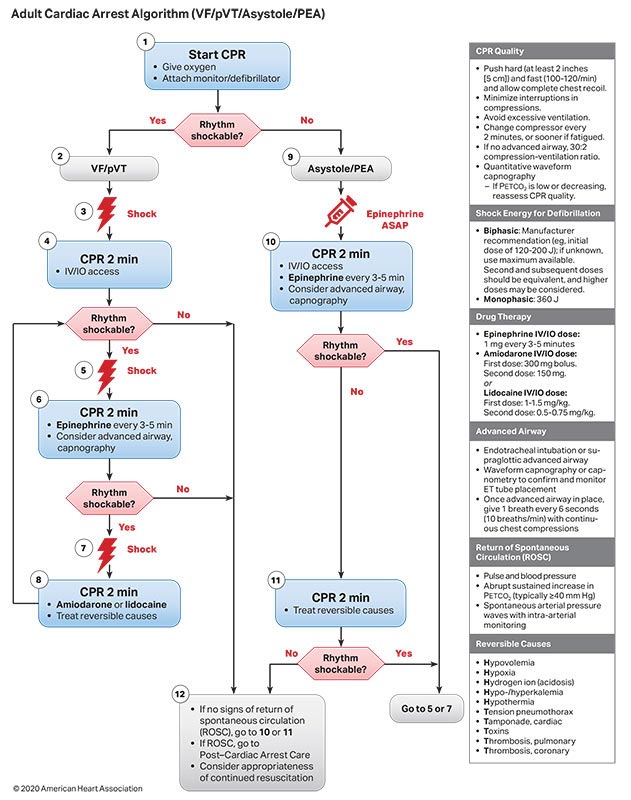
- Endocrine
- Physiology
-
-
Question 3
Incorrect
-
Infection with Campylobacter jejuni is one of the most common risk factors for which of the following conditions?
Your Answer: Glomerulonephritis
Correct Answer: Guillain-Barre syndrome
Explanation:One of the most common risk factors for GBS is infection with Campylobacter jejuni, which causes diarrhoea.
Guillain-Barré syndrome (GBS) is a rare autoimmune disorder in which the body’s immune system attacks the nerves, resulting in muscle weakness and paralysis.
Infection with Streptococcus pyogenes can cause acute glomerulonephritis and rheumatic fever.
Haemolytic uraemic syndrome is commonly linked to E. coli infection.
Following measles infection, subacute sclerosing panencephalitis develops.
-
This question is part of the following fields:
- Microbiology
- Pathogens
-
-
Question 4
Incorrect
-
Regarding bile, which of the following statements is INCORRECT:
Your Answer: The bile acid-independent fraction of bile is made at the time it is required.
Correct Answer: The sphincter of Oddi contracts to force bile from the gallbladder into the duodenum.
Explanation:Bile is secreted by hepatocytes. It is isotonic and resembles plasma ionically. This fraction of bile is called the bile acid-dependent fraction. As it passes along the bile duct, the bile is modified by epithelial cells lining the duct by the addition of water and bicarbonate ions; this fraction is called the bile acid-independent fraction. Overall, the liver can produce 500 – 1000 mL of bile per day. The bile is either discharged directly into the duodenum or stored in the gallbladder. The bile acid-independent fraction is made at the time it is required i.e. during digestion of chyme. The bile acid-dependent fraction is made when the bile salts are returned from the GI tract to the liver, and is then stored in the gallbladder until needed. The gallbladder not only stores bile but concentrates it by removing non-essential solutes and water, leaving bile acids and pigments, mainly by active transport of Na+into the intercellular spaces of the lining cells which, in turn, draws in water, HCO3-and Cl-from the bile and into the extracellular fluid. Within a few minutes of a meal, particularly when fatty foods have been consumed, the gallbladder contracts and releases bile into the bile duct. The sphincter of Oddi is relaxed, allowing the bile to pass into the duodenum through the ampulla of Vater.
-
This question is part of the following fields:
- Gastrointestinal
- Physiology
-
-
Question 5
Incorrect
-
A 40-year-old woman was rushed to the Emergency Department due to an anaphylactic reaction after being stung by a bee. She responded well to initial treatment but developed anaphylactic symptoms after 6 hours. Her symptoms were resolved after a further dose of adrenaline. Her family threatened legal action as they thought she had not received adequate treatment but withdrew their accusation after the attending physician explained that the woman had suffered a biphasic reaction.
What is the approximate percentage of people who suffer this type of reaction?Your Answer: 10%
Correct Answer: 20%
Explanation:Anaphylactic reactions are Type 1 hypersensitivity reactions IgE-mediated and can be potentially life-threatening if not treated promptly. There are four well-recognized patterns of anaphylaxis:
1) Uniphasic
2) Biphasic
3) Protracted
4) RefractoryBiphasic reactions occur in 20% of the population, although their mechanism is poorly understood. The symptoms of anaphylaxis recur within 4-6 hours, although they may also recur up to 72 hours later. All patients discharged from the hospital after an anaphylactic shock must:
1) Be warned to return to the hospital immediately if symptoms recur
2) Have a treatment plan in place
3) Have a follow-up appointment
4) Be considered for an adrenaline auto-injector
5) Referred to an allergy clinic -
This question is part of the following fields:
- General Pathology
- Pathology
-
-
Question 6
Correct
-
Intrinsic factor is vital for gastrointestinal absorption of which of the following:
Your Answer: Vitamin B12
Explanation:Intrinsic factor is essential for the absorption of the small amounts of vitamin B12 normally present in the diet from the terminal ileum. The parietal cells of the stomach produce intrinsic factor, and following a gastrectomy, the absorption of vitamin B12 will be markedly reduced, and a deficiency state will exist.
-
This question is part of the following fields:
- Gastrointestinal
- Physiology
-
-
Question 7
Incorrect
-
A 53-year-old man arrives at the emergency department complaining of visual impairment in his right eye. On examination, you notice that neither his right nor left pupil constricts when you shine a light in his right eye. When you flash a light in his left eye, the pupils of both his left and right eyes constrict. Which of the following nerves is the most likely to be affected:
Your Answer: Ophthalmic nerve
Correct Answer: Optic nerve
Explanation:In full optic nerve palsy, the afferent pupillary light reflex is lost. Because the afferent optic nerve does not sense light flashed in the afflicted eye, the ipsilateral direct and contralateral consensual reflexes are gone. However, the contralateral direct and ipsilateral consensual reflexes are intact because the efferent oculomotor nerve is normal.
-
This question is part of the following fields:
- Anatomy
- Cranial Nerve Lesions
-
-
Question 8
Correct
-
A 52-year old male comes to the out-patient department for a groin mass that protrudes when standing. The patient notes that it is reducible when lying down. On physical examination, there is presence of a cough impulse. The initial assessment is hernia. Further investigation reveals that the mass lies lateral to the epigastric vessels.
Among the types of hernia, which is the most likely diagnosis of the case above?Your Answer: Indirect inguinal hernia
Explanation:Inguinal hernias can present with an array of different symptoms. Most patients present with a bulge in the groin area, or pain in the groin. Some will describe the pain or bulge that gets worse with physical activity or coughing. Symptoms may include a burning or pinching sensation in the groin. These sensations can radiate into the scrotum or down the leg. It is important to perform a thorough physical and history to rule out other causes of groin pain. At times an inguinal hernia can present with severe pain or obstructive symptoms caused by incarceration or strangulation of the hernia sac contents. A proper physical exam is essential in the diagnosis of an inguinal hernia. Physical examination is the best way to diagnose a hernia. The exam is best performed with the patient standing. Visual inspection of the inguinal area is conducted first to rule out obvious bulges or asymmetry in groin or scrotum. Next, the examiner palpates over the groin and scrotum to detect the presence of a hernia. The palpation of the inguinal canal is completed last. The examiner palpates through the scrotum and towards the external inguinal ring. The patient is then instructed to cough or perform a Valsalva manoeuvre. If a hernia is present, the examiner will be able to palpate a bulge that moves in and out as the patient increases intra abdominal pressure through coughing or Valsalva.
Groin hernias are categorized into 2 main categories: inguinal and femoral.
Inguinal hernias are further subdivided into direct and indirect. An indirect hernia occurs when abdominal contents protrude through the internal inguinal ring and into the inguinal canal. This occurs lateral to the inferior epigastric vessels. The hernia contents may extend into the scrotum, and can be reduced superiorly then superolaterally. A direct inguinal hernia is protrusion of abdominal contents through the transversalis fascia within Hesselbach’s triangle. The borders of Hesselbach’s triangle are the inferior epigastric vessels superolaterally, the rectus sheath medially, and inguinal ligament inferiorly.
A femoral hernia is a protrusion into the femoral ring. The borders of the femoral ring are the femoral vein laterally, Cooper’s ligament posteriorly, the iliopubic tract/inguinal ligament anteriorly and lacunar ligament medially.
-
This question is part of the following fields:
- Abdomen And Pelvis
- Anatomy
-
-
Question 9
Correct
-
What is the correct adrenaline dose for a patient with pulseless ventricular tachycardia?
Your Answer: 10 ml of 1 in 10,000 adrenaline solution
Explanation:Ventricular fibrillation or pulseless ventricular tachycardia (VF/VT) are referred to as shockable rhythm.
IV adrenaline 1 mg (10 mL of 1:10,000 solution) should be administered after 3 shocks and every 3 – 5 minutes/after alternate shocks thereafter for a shockable rhythm.
For a non-shockable rhythm, 1 mg IV adrenaline should be administered as soon as IV access is obtained, and then every 3 – 5 minutes/after alternate shocks thereafter.
-
This question is part of the following fields:
- Cardiovascular
- Pharmacology
-
-
Question 10
Correct
-
Glucagon is the main catabolic hormone of the body and raises the concentration of glucose and fat in the bloodstream.
Which pancreatic islet cells secretes glucagon?Your Answer: Alpha
Explanation:Glucagon, secreted from the pancreatic islet alpha cells, is considered to be the main catabolic hormone of the body. It raises the concentration of glucose and fat in the bloodstream
There are five different pancreatic islet cells:
Alpha cells (20%) – produce glucagon
Beta cells (70%) – produce insulin and amylin
Delta cells (<10%) – produce somatostatin
Gamma cells (<5%) – produce pancreatic polypeptide
Epsilon cells (<1%) – produce ghrelin -
This question is part of the following fields:
- Endocrine Physiology
- Physiology
-
-
Question 11
Incorrect
-
Which of the following hormones regulates Na+reabsorption in the proximal tubule:
Your Answer: Antidiuretic hormone
Correct Answer: Angiotensin II
Explanation:Angiotensin II increases Na+reabsorption from the proximal tubule (by activating Na+/H+antiporters).
-
This question is part of the following fields:
- Physiology
- Renal
-
-
Question 12
Incorrect
-
A 59-year-old man presents to the emergency room with chest pain. He was recently released from the hospital after receiving abciximab during coronary angioplasty.
Which of the following is abciximab (ReoPro) mechanism of action?Your Answer:
Correct Answer: Antagonism of the glycoprotein IIb/IIIa receptor
Explanation:Abciximab (ReoPro) is a glycoprotein IIb/IIIa receptor antagonist that is a chimeric monoclonal antibody. It is primarily used during and after coronary artery procedures such as angioplasty to inhibit platelet aggregation.
-
This question is part of the following fields:
- Cardiovascular Pharmacology
- Pharmacology
-
-
Question 13
Incorrect
-
If the afferent arteriole's diameter is smaller than the efferent arteriole's diameter in the glomerulus:
Your Answer:
Correct Answer: The net filtration pressure will decrease
Explanation:The relative resistance of the afferent and efferent arterioles substantially influences glomerular capillary hydrostatic pressure and consequently GFR. Filtration is forced through the filtration barrier due to high pressure in the glomerular capillaries. Afferent arteriolar constriction lowers this pressure while efferent arteriolar constriction raises it.
-
This question is part of the following fields:
- Physiology
- Renal
-
-
Question 14
Incorrect
-
Insulin is produced by which of the following pancreatic cells:
Your Answer:
Correct Answer: β cells
Explanation:Insulin is produced by beta cells, located centrally within the islets of Langerhans, in the endocrine tissues of the pancreas. Insulin is a polypeptide hormone consisting of two short chains (A and B) linked by disulphide bonds. Proinsulin is synthesised as a single-chain peptide. Within storage granules, a connecting peptide (C peptide) is removed by proteases to yield insulin. Insulin release is stimulated initially during eating by the parasympathetic nervous system and gut hormones such as secretin, but most output is driven by the rise in plasma glucose concentration that occurs after a meal. The effects of insulin are mediated by the receptor tyrosine kinase.
-
This question is part of the following fields:
- Endocrine
- Physiology
-
-
Question 15
Incorrect
-
An ambulance transports a 40-year-old man to the hospital. He ingested a significant amount of aspirin.
In the early stages of an aspirin overdose, which form of acid-base problem should you anticipate?Your Answer:
Correct Answer: Respiratory alkalosis
Explanation:When you take too much aspirin, you have a mix of respiratory alkalosis and metabolic acidosis. Respiratory centre stimulation produces hyperventilation and respiratory alkalosis in the early phases. The direct acid actions of aspirin tend to create a higher anion gap metabolic acidosis in the latter phases.
Below summarizes some of the most common reasons of acid-base abnormalities:Respiratory alkalosis:
– Hyperventilation (e.g. anxiety, pain, fever)
– Pulmonary embolism
– Pneumothorax
– CNS disorders (e.g. CVA, SAH, encephalitis)
– High altitude
– Pregnancy
– Early stages of aspirin overdoseRespiratory acidosis:
– COPD
– Life-threatening asthma
– Pulmonary oedema
– Respiratory depression (e.g. opiates, benzodiazepines)
– Neuromuscular disease (e.g. Guillain-Barré syndrome, muscular dystrophy
– Incorrect ventilator settings (hypoventilation)
– ObesityMetabolic alkalosis:
– Vomiting
– Cardiac arrest
– Multi-organ failure
– Cystic fibrosis
– Potassium depletion (e.g. diuretic usage)
– Cushing’s syndrome
– Conn’s syndromeMetabolic acidosis (with raised anion gap):
– Lactic acidosis (e.g. hypoxaemia, shock, sepsis, infarction)
– Ketoacidosis (e.g. diabetes, starvation, alcohol excess)
– Renal failure
– Poisoning (e.g. late stages of aspirin overdose, methanol, ethylene glycol)Metabolic acidosis (with normal anion gap):
– Renal tubular acidosis
– Diarrhoea
– Ammonium chloride ingestion
– Adrenal insufficiency -
This question is part of the following fields:
- Physiology
- Renal Physiology
-
-
Question 16
Incorrect
-
A patient who is a known case of rheumatoid arthritis presents to the clinic as his grandson was recently diagnosed with chickenpox. His grandson spent the weekend with her, and he was in close contact with him. He takes 50 mg of prednisolone once daily and has been for the past six months. There is no history of chickenpox.
Out of the following, which is TRUE regarding the next plan of action for her care?Your Answer:
Correct Answer: She should receive prophylactic varicella-zoster Immunoglobulin (VZIG)
Explanation:Varicella-zoster immunoglobulin (VZIG) is indicated for post exposure prevention and treatment of varicella. It is recommended as prophylaxis for high-risk patients with no known immunity (i.e. no known previous chickenpox) who have had a significant exposure to varicella-zoster (considered >4 hours close contact).
The high-risk groups are:
1. Neonates
2. Pregnant women
3. The immunocompromised (e.g. cancer, immunosuppressive therapies)
4. Those on high dose steroids (children on more than 2 mg/kg/day for more than 14 days, or adults on 40 mg/day for more than a week)This patient is at high risk of developing adrenal insufficiency and may need a temporary increase in her steroid dose during infection or stress. It would be inappropriate to stop or wean down her dose of prednisolone and can cause side effects.
Since he is on steroids without immunity for chickenpox, he is at risk of developing severe varicella infection, with possible complications including pneumonia, hepatitis and DIC.
If he develops a varicella infection, he will need to be admitted and require a specialist review and intravenous Acyclovir.
-
This question is part of the following fields:
- Immunological Products & Vaccines
- Pharmacology
-
-
Question 17
Incorrect
-
You received a patient with a 2-day history of diarrhoea and vomiting. Later, after examination, the patient was found to have progressive symmetric descending flaccid paralysis, initial development of blurred vision, dysphagia, and weakness of the upper limbs. The patient is apyrexial and his observations are all normal. Which of the following pathogens is responsible for the said symptoms?
Your Answer:
Correct Answer: Clostridium botulinum
Explanation:A botulism infection results in neuroparalysis caused by the neurotoxin generated by Clostridium botulinum.
Food-borne botulism symptoms often appear 12-36 hours after ingestion of the toxin-containing food and may include nausea, vomiting, stomach discomfort, and diarrhoea at first. The most common neurological pattern is an acute onset of bilateral cranial neuropathies with symmetric declining weakening.
Other distinguishing characteristics include the absence of fever, the absence of cognitive abnormalities, the presence of a normal heart rate and blood pressure, and the absence of sensory defects.
-
This question is part of the following fields:
- Microbiology
- Pathogens
-
-
Question 18
Incorrect
-
A 32-year-old man is dehydrated as he presents with severe vomiting and diarrhoea. He urgently requires resuscitation with intravenous fluid administration. He is also administered metoclopramide.
Which of the following is the true mechanism of action of metoclopramide?Your Answer:
Correct Answer: Dopamine receptor antagonism
Explanation:Metoclopramide is used to treat nausea and vomiting. It works by blocking the central and peripheral D2 (dopamine 2) receptors in the medullary chemoreceptor trigger zone in the vomiting centre (area postrema). It decreases the sensitivity of the visceral sensory nerves that transmit from the GI system to the vomiting centre. Blockade of inhibitory dopamine receptors in the GI tract may allow stimulatory actions of ACh at muscarinic synapses to predominate.
At high doses, metoclopramide also blocks type-2 serotonin receptors though the effect is much weaker.
-
This question is part of the following fields:
- CNS Pharmacology
- Pharmacology
-
-
Question 19
Incorrect
-
A young male has presented to the Emergency Department with a sudden onset of severe palpitations, shortness of breath, and chest pain. A 12-lead ECG is recorded, and it shows a narrow complex tachycardia that points to a diagnosis of supraventricular tachycardia.
Vagal manoeuvres are attempted but are unsuccessful in eliminating the arrhythmia. The next action plan is to use a drug to revert to sinus rhythm.
Out of the following, which is the first-line treatment for supraventricular tachycardia?Your Answer:
Correct Answer: Adenosine
Explanation:Paroxysmal supraventricular tachycardia is an intermittent tachycardia (HR > 100 bpm) and has the following characteristics:
1. Sudden onset/offset (Contrast with sinus tachycardia)
2. Electrical activity originates above the ventricle (Contrast with ventricular tachycardia)
3. Produces narrow QRS complex (<120ms) The most common cause of PSVT is Atrioventricular nodal re-entrant tachycardia (AVNRT), most common in young women with a mean age onset of 32 years old. There are recurrent episodes of palpitations, and most of the episodes spontaneously. Sometimes, some vagal manoeuvres are required:
1. Valsalva manoeuvre
2. immersing the face in ice-cold water
3. carotid sinus massage.If PSVT keeps persisting or is causing severe symptoms, the treatment of choice is intravenous adenosine. The patient’s ECG should be continuously monitored throughout the treatment.
The recommended doses in adults are as follows:
– Initial dose of adenosine is 6 mg by rapid IV bolus
– If unsuccessful, give another dose of adenosine 12 mg by rapid IV bolus
– If unsuccessful, give a further dose of adenosine 12 mg by rapid IV bolus
The latest ALS guidelines advocate 18 mg for the third dose, whereas the BNF/NICE guidelines advocate 12 mg.If adenosine fails or is contraindicated, intravenous verapamil can be used as an alternative, but it should be avoided in patients recently treated with beta-blockers.
Synchronized electrical cardioversion will be necessary with signs of hemodynamic instability or if drug treatment has failed to restore sinus rhythm.
Recurrent episodes of paroxysmal supraventricular tachycardia can be treated by catheter ablation or prevented with drugs such as flecainide, sotalol, diltiazem, or verapamil. -
This question is part of the following fields:
- Cardiovascular Pharmacology
- Pharmacology
-
-
Question 20
Incorrect
-
Which of the following is NOT a contraindication to treatment with aspirin at analgesic doses:
Your Answer:
Correct Answer: Myasthenia gravis
Explanation:Aspirin (at analgesic doses) is contraindicated in:
People with a history of true hypersensitivity to aspirin or salicylates (symptoms of hypersensitivity to aspirin or salicylates include bronchospasm, urticaria, angioedema, and vasomotor rhinitis)
People with active or previous peptic ulceration
People with haemophilia or another bleeding disorder
Children younger than 16 years of age (risk of Reye’s syndrome)
People with severe cardiac failure
People with severe hepatic impairment
People with severe renal impairmentN.B. Owing to an association with Reye’s syndrome, aspirin-containing preparations should not be given to children under 16 years, unless specifically indicated, e.g. for Kawasaki disease.
-
This question is part of the following fields:
- Central Nervous System
- Pharmacology
-
-
Question 21
Incorrect
-
Vitamin D is a group of secosteroids that play a role in calcium and phosphate control. Vitamin D's hormonally active metabolite is 1,25-dihydroxycholecalciferol.
Which of the following actions of 1,25-dihydroxycholecalciferol is a direct action?Your Answer:
Correct Answer: Increases renal phosphate reabsorption
Explanation:The hormone-active metabolite of vitamin D is 1,25-dihydroxycholecalciferol (commonly known as calcitriol). Its activities raise calcium and phosphate levels in the bloodstream.
The following are the primary effects of 1,25-dihydroxycholecalciferol:
Calcium and phosphate absorption in the small intestine is increased.
Calcium reabsorption in the kidneys is increased.
Increases phosphate reabsorption in the kidneys.
Increases the action of osteoclastic bacteria (increasing calcium and phosphate resorption from bone)
Inhibits the action of 1-alpha-hydroxylase in the kidneys (negative feedback)
Thyroid hormone (parathyroid hormone) Calcium reabsorption in the tubules of the kidneys is increased, but renal phosphate reabsorption is decreased. -
This question is part of the following fields:
- Endocrine Physiology
- Physiology
-
-
Question 22
Incorrect
-
A 61-year-old patient experiences a spontaneous rupture of his Achilles tendon following a course of antibiotics
Which of the antibiotics listed below is MOST likely to be the cause?Your Answer:
Correct Answer: Ciprofloxacin
Explanation:Tendinopathy and spontaneous tendon rupture are caused by fluoroquinolones, which are an uncommon but well-known cause. Tendon problems caused by fluoroquinolones are expected to affect 15 to 20 people per 100,000. Patients over the age of 60 are most likely to develop them.
It usually affects the Achilles tendon, but it has also been described in cases involving the quadriceps, peroneus brevis, extensor pollicis longus, long head of biceps brachii, and rotator cuff tendons. The exact aetiology is uncertain, although the fluoroquinolone medication is thought to obstruct collagen activity and/or cut off blood supply to the tendon.
Other factors linked to tendon rupture spontaneously include:
Gout
Treatment with corticosteroids
Hypercholesterolaemia
Long-term dialysis
Kidney transplant
Rheumatoid arthritis -
This question is part of the following fields:
- Infections
- Pharmacology
-
-
Question 23
Incorrect
-
Which of the following best describes the correct administration of adrenaline for a shockable rhythm in adult advanced life support?
Your Answer:
Correct Answer: Give 1 mg of adrenaline after the second shock and every 3 - 5 minutes thereafter
Explanation:Give adrenaline 1 mg IV (IO) (10 mL of 1:10,000 solution) after the 2nd shock for adult patients in cardiac arrest with a shockable rhythm. Repeat adrenaline 1 mg IV (IO) every 3-5 minutes whilst ALS continues.
-
This question is part of the following fields:
- Cardiovascular
- Pharmacology
-
-
Question 24
Incorrect
-
Cryptococcus neoformans is primarily transmitted by which of the following routes:
Your Answer:
Correct Answer: Inhalation of spores
Explanation:Cryptococcus neoformans is found in bird droppings and transmission is by inhalation of spores, thus the lung is the primary site of infection.
-
This question is part of the following fields:
- Microbiology
- Pathogens
-
-
Question 25
Incorrect
-
The Meissner’s plexus acts as the main control for gastrointestinal secretion and local blood flow within the gut.
The Meissner’s plexus lies in which layer of the gut wall?Your Answer:
Correct Answer: Submucosa
Explanation:The Meissner’s plexus (submucosal plexus), an enteric nervous plexus, acts as the main control for gastrointestinal secretion and local blood flow within the gut.
It is located in the submucosal layer on the inner surface of the muscularis externa.
-
This question is part of the following fields:
- Gastrointestinal Physiology
- Physiology
-
-
Question 26
Incorrect
-
All of the following statements is considered true regarding Streptococcus pneumoniae, except:
Your Answer:
Correct Answer: It is the commonest cause of erysipelas
Explanation:Erysipelas is a rare infection of the skin and subcutaneous tissues observed frequently in elderly patients. It is characterized by an acute spreading skin lesion that is intensely erythematous with a plainly demarcated but irregular edge. It is most commonly caused by Streptococcus pyogenes or Group A Streptococcus (GAS).
GAS are susceptible to penicillin, which remains the drug of choice for treatment. For patients allergic to penicillin, erythromycin can be used.
S. pyogenes colonizes the throat and skin on humans, making these sites the primary sources of transmission. Infections resulting from S. pyogenes include pharyngitis, scarlet fever, skin or pyodermal infections, and other septic infections. In addition, the sequelae rheumatic fever and acute glomerulonephritis can occur as a result of infection with S. pyogenes.
Agammaglobulinemia is mostly associated with S. pneumoniae.
The M protein is attached to the peptidoglycan of the cell wall and extends to
the cell surface. The M protein is essential for virulence. The polysaccharide capsule is characteristic of S. pneumoniae. -
This question is part of the following fields:
- Microbiology
- Specific Pathogen Groups
-
-
Question 27
Incorrect
-
A patient is complaining of painless jaundice. His bilirubin levels are abnormally high.
Which of the following statements about bile is correct?Your Answer:
Correct Answer: Bile acids are amphipathic
Explanation:The liver produces bile on a constant basis, which is then stored and concentrated in the gallbladder. In a 24-hour period, around 400 to 800 mL of bile is generated.
Bile is involved in the following processes:
Fats are broken down into fatty acids.
Waste products are eliminated.
Cholesterol homeostasis is the balance of cholesterol in the body.The enteric hormones cholecystokinin and secretin are primarily responsible for bile secretion. When chyme from an unprocessed meal enters the small intestine, they are released, and they play the following function in bile secretion and flow:
Cholecystokinin promotes gallbladder and common bile duct contractions, allowing bile to reach the intestine.
Secretin enhances the secretion of bicarbonate and water by biliary duct cells, increasing the amount of bile and its flow into the gut.Bile acids have a hydrophobic and hydrophilic area, making them amphipathic. Bile acids’ amphipathic nature allows them to perform the following crucial functions:
Emulsification of lipid aggregates increases the surface area of fat and makes it easier for lipases to digest it.
Lipid solubilization and transport: solubilizes lipids by creating micelles, which are lipid clumps that float in water. -
This question is part of the following fields:
- Gastrointestinal Physiology
- Physiology
-
-
Question 28
Incorrect
-
Amoxicillin is used first line for all of the following infections EXCEPT for:
Your Answer:
Correct Answer: Cellulitis
Explanation:Amoxicillin is used first line for low to moderate severity community acquired pneumonia, exacerbations of chronic bronchitis, for acute otitis media, for acute sinusitis, for oral infections/dental abscess, for Listeria meningitis (in combination with another antibiotic), for infective endocarditis (in combination with another antibiotic) and for H. Pylori eradication (in combination with metronidazole/clarithromycin and a PPI). Flucloxacillin is used first line for acute cellulitis.
-
This question is part of the following fields:
- Infections
- Pharmacology
-
-
Question 29
Incorrect
-
During quiet respiration, position of the right oblique fissure can be marked by a line drawn on the thoracic wall that:
Your Answer:
Correct Answer: Begins at the spinous process of T4, crosses the fifth intercostal space laterally and follows the contour of rib 6 anteriorly.
Explanation:During quiet respiration, the approximate position of the right oblique fissure can be marked by a line on the thoracic wall that begins at the spinous process of vertebra T4, crosses the fifth intercostal space laterally and then follows the contour of rib 6 anteriorly.
-
This question is part of the following fields:
- Anatomy
- Thorax
-
-
Question 30
Incorrect
-
Regarding oral rehydration therapy, which of the following statements is INCORRECT:
Your Answer:
Correct Answer: Oral rehydration solutions should be slightly hyperosmolar.
Explanation:Oral rehydration therapy (ORT) is a fluid replacement strategy used to prevent or treat dehydration. It is less invasive than other strategies for fluid replacement and has successfully lowered the mortality rate of diarrhoea in developing countries. Oral rehydration solutions should be slightly hypo-osmolar (about 250 mmol/litre) to prevent the possible induction of osmotic diarrhoea.
ORT contains glucose (e.g. 90 mmol/L in dioralyte). The addition of glucose improves sodium and water absorption in the bowel and prevents hypoglycaemia. It also contains essential mineral salts.
Current NICE guidance recommends that 50 ml/kg is given over 4 hours for the treatment of mild dehydration.
Once rehydrated, a child should continue with their usual daily fluid intake plus 200 ml ORT after each loose stool. In an infant, give ORT at 1-1.5 x the normal feed volume and in an adult, give 200-400 ml after each loose stool. -
This question is part of the following fields:
- Fluids And Electrolytes
- Pharmacology
-
SESSION STATS - PERFORMANCE PER SPECIALTY
