-
Question 1
Correct
-
Which of the following statements is true about anterior cord syndrome?
Your Answer: There is preservation of proprioception
Explanation:Anterior cord syndrome is an incomplete cord syndrome that predominantly affects the anterior 2/3 of the spinal cord, characteristically resulting in motor paralysis below the level of the lesion as well as the loss of pain and temperature at and below the level of the lesion. The patient presentation typically includes these two findings; however, there is variability depending on the portion of the spinal cord affected. Other findings include back pain, or autonomic dysfunction such as hypotension, neurogenic bowel or bladder, and sexual dysfunction. The severity of motor dysfunction can vary, typically resulting in paraplegia or quadriplegia.
Proprioception, vibratory sense, two-point discrimination, and fine touch are not affected in anterior cord syndrome. These sensations are under the control of the dorsal column of the spinal cord, which is supplied by two posterior spinal arteries running in the posterior lateral sulci.
-
This question is part of the following fields:
- Anatomy
- Central Nervous System
-
-
Question 2
Correct
-
Angiotensin II is part of the RAAS system. One of its effects is the constriction of efferent arterioles. Which of the following best describes the effect of angiotensin II- mediated constriction of efferent arterioles?
Your Answer: Decreased renal plasma flow, increased filtration fraction, increased GFR
Explanation:The Renin-Angiotensin-Aldosterone System (RAAS) is a hormone system composed of renin, angiotensin, and aldosterone. Those hormones are essential for the regulation of blood pressure and fluid balance.
Cases of hypotension, sympathetic stimulation, or hyponatremia can activate the Renin-angiotensin-aldosterone system (RAAS). The following process will then increase the blood volume and blood pressure as a response.
When renin is released it will convert the circulating angiotensinogen to angiotensin I. The ACE or angiotensin-converting enzyme will then catalyst its conversion to angiotensin II, which is a potent vasoconstrictor. Angiotensin II can constrict the vascular smooth muscles and the efferent arteriole of the glomerulus.
The efferent arteriole is a blood vessel that delivers blood away from the capillaries of the kidney. The angiotensin II-mediated constriction of efferent arterioles increases GFR, reduces renal blood flow and peritubular capillary hydrostatic pressure, and increases peritubular colloid osmotic pressure, as a response to its action of increasing the filtration fraction.
-
This question is part of the following fields:
- Physiology
- Renal Physiology
-
-
Question 3
Incorrect
-
Metabolic hyperaemia harmonizes local blood flow with local O2 demand. If there is an increase in metabolic rate, the production of vasoactive metabolites increases. These metabolites act locally on the surrounding arterioles, causes vasodilation and an increase blood supply.
Which of these metabolites is the most potent vasodilator in skeletal muscle?Your Answer: Na +
Correct Answer: K +
Explanation:Hyperaemia is the process where the body adjusts blood flow to meet the metabolic needs of different tissues in health and disease. Vasoactive mediators that take part in this process include K+, adenosine, CO2, H+, phosphates and H2O2. Although the mechanism is not clear, all these mediators likely contribute to some extent at different points.
Specific organs are more sensitive to specific metabolites:
K+ and adenosine are the most potent vasodilators in skeletal musclesCO2 and K+ are the most potent vasodilators in cerebral circulation.
-
This question is part of the following fields:
- Cardiovascular Physiology
- Physiology
-
-
Question 4
Correct
-
A 42-year-old man presented to the emergency room after an incident of slipping and falling onto his back and left hip. Upon physical examination, it was noted that he has pain on hip adduction, but normal hip flexion.
Which of the following muscles was most likely injured in this case?Your Answer: Pectineus
Explanation:The hip adductors are a group of five muscles located in the medial compartment of the thigh. These muscles are the adductor longus, adductor brevis, adductor magnus, gracilis, and pectineus.
The hip flexors consist of 5 key muscles that contribute to hip flexion: iliacus, psoas, pectineus, rectus femoris, and sartorius.
-
This question is part of the following fields:
- Anatomy
- Lower Limb
-
-
Question 5
Correct
-
Regarding protein digestion, which of the following statements is CORRECT:
Your Answer: Oligopeptides are broken down into small peptides and amino acids by pancreatic carboxypeptidases and aminopeptidases located on the brush border.
Explanation:Digestion of dietary protein begins in the stomach where pepsin hydrolyses protein to polypeptides, and continues in the duodenum where pancreatic proteases (trypsin and chymotrypsin) continue the process of hydrolysis forming oligopeptides. These are further broken down into small peptides and amino acids by pancreatic carboxypeptidases and aminopeptidases located on luminal membrane epithelial cells. Free amino acids are absorbed across the apical membrane by secondary active transport coupled with Na+transport into the cell. Amino acids cross the basal membrane into the capillaries by facilitated diffusion.
-
This question is part of the following fields:
- Gastrointestinal
- Physiology
-
-
Question 6
Correct
-
One of your patients has been infected by an obligate pathogen and presents with features of this condition.
Which of these is an example of an obligate pathogen?
Your Answer: Trepenoma pallidum
Explanation:Treponema pallidum is an obligate pathogen. Obligate pathogens are almost always associated with disease and usually cannot survive outside of the body for long periods of time. Examples include and HIV.
Staphylococcus aureus and Bacteroides fragilis are conditional pathogens. These are pathogens that usually cause disease only if certain conditions are met.
Pneumocystis jiroveci and Pseudomonas aeruginosa, are opportunistic pathogens. These are pathogens that can only cause disease in an immunocompromised host or under unusual circumstances.
-
This question is part of the following fields:
- Microbiology
- Principles Of Microbiology
-
-
Question 7
Correct
-
Which of the following is diagnostic for acute hepatitis B infection:
Your Answer: anti-HBc IgM
Explanation:Anti-HBc IgM antibodies are diagnostic for acute hepatitis B infection. Anti-HBc IgG antibodies indicate previous exposure, either chronic state or cleared infection. HBsAg is also positive in acute infection but is not diagnostic as this remains positive in chronic infection.
-
This question is part of the following fields:
- Microbiology
- Pathogens
-
-
Question 8
Correct
-
You examine a 79-year-old woman who has had hypertension and atrial fibrillation in the past. Her most recent blood tests show that she has severe renal impairment.
Which medication adjustments should you make in this patient's case?Your Answer: Reduce dose of digoxin
Explanation:Digoxin is excreted through the kidneys, and impaired renal function can lead to elevated digoxin levels and toxicity.
The patient’s digoxin dose should be reduced in this case, and their digoxin level and electrolytes should be closely monitored. -
This question is part of the following fields:
- Cardiovascular Pharmacology
- Pharmacology
-
-
Question 9
Incorrect
-
When there is the presence of distended and engorged veins in the umbilical area, which of the following portosystemic anastomoses has most likely occurred?
Your Answer: Para-umbilical veins and left gastric vein
Correct Answer: Para-umbilical veins and inferior epigastric vein
Explanation:Caput medusae is a condition that consists of collateral veins radiating from the umbilicus and results from recanalization of the umbilical vein.
Under normal conditions, the portal venous blood traverses the liver and drains into the inferior vena cava of the systemic venous circulation by way of the hepatic veins. This is the direct route. However, other, smaller communications exist between the portal and systemic systems, and they become important when the direct route becomes blocked. These communications are as follows:
At the lower third of the oesophagus, the oesophageal branches of the left gastric vein (portal tributary) anastomose with the oesophageal veins draining the middle third of the oesophagus into the azygos veins (systemic tributary).
Halfway down the anal canal, the superior rectal veins (portal tributary) draining the upper half of the anal canal anastomosis with the middle and inferior rectal veins (systemic tributaries), which are tributaries of the internal iliac and internal pudendal veins, respectively.
The paraumbilical veins connect the left branch of the portal vein with the superficial veins of the anterior abdominal wall (systemic tributaries). The paraumbilical veins travel in the falciform ligament and accompany the ligamentum teres.
The veins of the ascending colon, descending colon, duodenum, pancreas, and liver (portal tributary) anastomose with the renal, lumbar, and phrenic veins (systemic tributaries).
-
This question is part of the following fields:
- Abdomen And Pelvis
- Anatomy
-
-
Question 10
Correct
-
Regarding gas exchange at the alveolar-capillary membrane, which of the following statements is CORRECT:
Your Answer: The rate of diffusion in lungs can be estimated by measuring the diffusing capacity of the lungs for carbon monoxide.
Explanation:Gas exchange between alveolar air and blood in the pulmonary capillaries takes place by diffusion across the alveolar-capillary membrane. Diffusion occurs from an area of high partial pressure to an area of low partial pressure, thus the driving force for diffusion is the alveolar-capillary partial pressure gradient. Diffusion occurs across a membrane and is therefore governed by Fick’s law. Although CO2is larger than O2, it is is much more soluble and diffuses 20 times more rapidly. The diffusing capacity for oxygen (DLO2) cannot be measured directly but the rate of diffusion in the lungs can be estimated by measuring the diffusing capacity of the lungs for carbon monoxide (DLCO).
-
This question is part of the following fields:
- Physiology
- Respiratory
-
-
Question 11
Incorrect
-
A 67-year-old woman arrives at the Emergency Department with chest pain. Flecainide is one of the medications she is taking.
Which of the following statements about flecainide mechanism of action is correct?Your Answer: Blocks Ca 2+ channels in the heart
Correct Answer: Blocks Na+ channels in the heart
Explanation:Flecainide is an antiarrhythmic drug of class Ic that works by blocking the Nav1.5 sodium channel in the heart, prolonging the cardiac action potential and slowing cardiac impulse conduction. It has a significant impact on accessory pathway conduction, particularly retrograde conduction, and significantly reduces ventricular ectopic foci.
Many different arrhythmias can be treated with flecainide, including:
Pre-excitation syndromes (e.g. Wolff-Parkinson-White)
Acute atrial arrhythmias
Ventricular arrhythmias
Chronic neuropathic painThe use of flecainide is contraindicated in the following situations:
Abnormal left ventricular function
Atrial conduction defects (unless pacing rescue available)
Bundle branch block (unless pacing rescue available)
Distal block (unless pacing rescue available)
Haemodynamically significant valvular heart disease
Heart failure
History of myocardial infarction
Long-standing atrial fibrillation where conversion to sinus rhythm not attempted
Second-degree or greater AV block (unless pacing rescue available)
Sinus node dysfunction (unless pacing rescue available)Flecainide should only be used in people who don’t have a structural heart problem. The CAST trial found a significant increase in sudden cardiac death and all-cause mortality in patients with an ejection fraction of less than 40% after a myocardial infarction, where it tended to be pro-arrhythmic.
Anti-arrhythmic drugs have a limited and ineffective role in the treatment of atrial flutter. It’s important to keep in mind that flecainide shouldn’t be used by itself to treat atrial flutter. When used alone, there is a risk of inducing 1:1 atrioventricular conduction, which results in an increase in ventricular rate that is paradoxical. As a result, it should be used in conjunction with a beta-blocker or a calcium channel blocker with a rate-limiting effect.
-
This question is part of the following fields:
- Cardiovascular Pharmacology
- Pharmacology
-
-
Question 12
Incorrect
-
The Auerbach's plexus is a set of ganglia that controls peristalsis and is located in the gut wall.
Auerbach's plexus is located in which layer of the gut wall?Your Answer: Submucosa
Correct Answer: Muscular layer
Explanation:The Auerbach’s plexus, also known as the myenteric plexus, is a collection of ganglia that controls peristalsis and is located in the gut wall.
In the muscular layer of the wall, it is located between the circular and longitudinal muscle layers. It is a linear network of linked neurons that runs the length of the gastrointestinal system. The myenteric plexus generates an increase in gut wall tone and the strength of rhythmical contractions when stimulated.
-
This question is part of the following fields:
- Gastrointestinal Physiology
- Physiology
-
-
Question 13
Incorrect
-
A 45-year old man presented to the emergency room with complains of chest pain and breathlessness. Upon history taking and examination, it was discovered that he had a right-sided spontaneous pneumothorax and had a failed attempt at pleural aspiration. The pneumothorax is still considerable in size, but he remains breathless. A Seldinger chest drain was inserted but it started to drain frank blood shortly after.
Which of the following complications is most likely to have occurred?Your Answer: Liver laceration
Correct Answer: Intercostal artery laceration
Explanation:Injury to the intercostal artery (ICA) is an infrequent but potentially life-threatening complication of all pleural interventions.
Traditional anatomy teaching describes the ICA as lying in the intercostal groove, protected by the flange of the rib. This is the rationale behind the recommendation to insert needles just above the superior border of the rib. Current recommendations for chest drain insertion suggest that drains should be inserted in the ‘safe triangle’ in order to avoid the heart and the mediastinum and be above the level of the diaphragm.
The safe triangle is formed anteriorly by the lateral border of the pectoralis major, laterally by the lateral border of the latissimus dorsi, inferiorly by the line of the fifth intercostal space and superiorly by the base of the axilla. Imaging guidance also aids in the safety of the procedure.
-
This question is part of the following fields:
- Anatomy
- Thorax
-
-
Question 14
Incorrect
-
How does aspirin mediate its antiplatelet effect:
Your Answer: It is a GPIIb/IIIa inhibitor.
Correct Answer: It irreversibly inhibits cyclo-oxygenase
Explanation:Aspirin irreversibly inhibits cyclooxygenase and blocks the platelet production of thromboxane A2 (TXA2), thus inhibiting platelet aggregation.
-
This question is part of the following fields:
- Haematology
- Pathology
-
-
Question 15
Incorrect
-
Compliance is decreased by all but which one of the following:
Your Answer: Pulmonary oedema
Correct Answer: Aging
Explanation:Factors increasing compliance:
Old age
EmphysemaFactors decreasing compliance:
Pulmonary fibrosis
Pulmonary oedema
Atelectasis
Extremes of lung volumes (at higher lung volumes the compliance of the lung becomes less as the lung becomes stiffer) -
This question is part of the following fields:
- Physiology
- Respiratory
-
-
Question 16
Incorrect
-
The following structures all lie anteriorly to the oesophagus EXCEPT for the:
Your Answer: Left recurrent laryngeal nerve
Correct Answer: Thoracic duct
Explanation:Posterior to the oesophagus, the thoracic duct is on the right side inferiorly but crosses to the left more superiorly (at T5).
-
This question is part of the following fields:
- Anatomy
- Thorax
-
-
Question 17
Correct
-
A newborn baby girl is delivered vaginally to a 19-year old female, however with complications due to cephalopelvic disproportion. Upon examination by the attending paediatrician, there is a notable 'claw hand' deformity of the left, and sensory loss of the ulnar aspect of the left distal upper extremity.
What is the most probable diagnosis of the case above?Your Answer: Klumpke’s palsy
Explanation:Klumpke palsy, named after Augusta Dejerine-Klumpke, is a neuropathy involving the lower brachial plexus. In contrast, the more common Erb–Duchenne palsy involves the more cephalic portion of the brachial plexus C5 to C6. The brachial plexus is a bundle of individual nerves that exit between the anterior and middle scalene muscles in the anterior lateral and basal portion of the neck. Although the most common anatomical presentation of the brachial plexus is between the anterior and middle scalene, there are variations, with the most common being penetration of the anterior scalene. The main mechanism of injury to the lower brachial plexus is hyper-abduction traction, and depending on the intensity, it will lead to signs and symptoms consistent with a neurological insult.
The most common aetiology resulting in Klumpke palsy is a hyper-abduction trauma to the arm that has enough intensity to traction the lower brachial plexus. Trauma during birth can cause brachial plexus injuries, but again hyper-abduction and traction forces to the upper extremity are usually present.
The history presented by the patient usually depicts a long axis hyper-abduction traction injury with high amplitude and velocity. The typical patient presentation is a decrease of sensation along the medial aspect of the distal upper extremity along the C8 and T1 dermatome. The patient might also present myotome findings that can range from decreasing muscular strength to muscular atrophy and positional deformity. For example, if the neurological damage has led to muscular atrophy and tightening, the patient may present with a claw hand. This deformity presents a finger and wrist flexion. The patient may also describe the severe pain that starts at the neck and travels down the medial portion of the arm. One other sign of a lower brachial plexus injury is Horner syndrome; because of its approximation to the T1 nerve root, it may damage the cephalic sympathetic chain. If this happens, the patient will develop ipsilateral ptosis, anhidrosis, and miosis.
-
This question is part of the following fields:
- Anatomy
- Upper Limb
-
-
Question 18
Correct
-
Following a decrease in extracellular volume, which of the following is a reaction to enhanced sympathetic innervation of the kidney:
Your Answer: Release of renin
Explanation:The RAS pathway begins with renin cleaving its substrate, angiotensinogen (AGT), to produce the inactive peptide, angiotensin I, which is then converted to angiotensin II by endothelial angiotensin-converting enzyme (ACE). ACE activation of angiotensin II occurs most extensively in the lung. Angiotensin II mediates vasoconstriction as well as aldosterone release from the adrenal gland, resulting in sodium retention and increased blood pressure.
-
This question is part of the following fields:
- Physiology
- Renal
-
-
Question 19
Correct
-
Which of the following statements about neutrophils is TRUE:
Your Answer: Neutrophils are typically the first immune cell to arrive to a site of injury.
Explanation:Neutrophils are the most numerous peripheral blood leukocytes, accounting for 50-70 percent of all circulating white cells. Neutrophils have a compact nucleus with two to five lobes and a pale cytoplasm with an irregular shape containing numerous fine pink-blue or grey-blue granules. The granules are classified as primary, which emerges during the promyelocyte stage, and secondary, which develop at the myelocyte stage and predominate in the mature nucleus.
The lifespan of neutrophils in the blood is only 6 – 10 hours. In response to tissue damage, cytokines and complement proteins, neutrophils migrate from the bloodstream to the site of insult within minutes, where they destroy pathogens by phagocytosis.
-
This question is part of the following fields:
- Immune Responses
- Pathology
-
-
Question 20
Incorrect
-
Which of the following microbes adheres to the genital mucosa using fimbriae:
Your Answer: Chlamydia trachomatis
Correct Answer: Neisseria gonorrhoeae
Explanation:Infection of the genital mucosa by Neisseria gonorrhoeae involves attachment to and invasion of epithelial cells. Initial adherence of gonococci to columnar epithelial cells is mediated by type IV pili assembled from pilin subunit PilE proteins and pilus tip-associated PilC proteins, it then invades the epithelial layer, triggering a local acute inflammatory response.
-
This question is part of the following fields:
- Microbiology
- Principles
-
-
Question 21
Incorrect
-
A patient suffers a stab wound to the neck. The entry point of the blade is situated within the anterior triangle of the neck.
Which of the following muscles is most likely to be involved? Select ONE answer only.Your Answer: Anterior scalene
Correct Answer: Sternothyroid
Explanation:The anterior triangle is the triangular area of the neck found anteriorly to the sternocleidomastoid muscle. It is formed by the anterior border of sternocleidomastoid laterally, the median line of the neck medially and by the inferior border of the mandible superiorly. The apex of the anterior triangle extends towards the manubrium sterni. The anterior triangle contains:
Muscles: thyrohyoid, sternothyroid, sternohyoid muscles
Organs: thyroid gland, parathyroid glands, larynx, trachea, esophagus, submandibular gland, caudal part of the parotid gland
Arteries: superior and inferior thyroid, common carotid, external carotid, internal carotid artery (and sinus), facial, submental, lingual arteries
Veins: anterior jugular veins, internal jugular, common facial, lingual, superior thyroid, middle thyroid veins, facial vein, submental vein, lingual veins
Nerves: vagus nerve (CN X), hypoglossal nerve (CN XII), part of sympathetic trunk, mylohyoid nerveThe posterior triangle is a triangular area found posteriorly to the sternocleidomastoid muscle. It has three borders; anterior, posterior and inferior borders. The anterior border is the posterior margin of the sternocleidomastoid muscle. The posterior border is the anterior margin of the trapezius muscle, while the inferior border is the middle one-third of the clavicle. The investing layer of deep cervical fascia and integument forms the roof of the space, while the floor is covered with the prevertebral fascia along with levator scapulae, splenius capitis and the scalene muscles. The inferior belly of omohyoid subdivides the posterior triangle into a small supraclavicular, and a large occipital, triangle.
Contents:
Vessels: the third part of the subclavian artery, suprascapular and transverse cervical branches of the thyrocervical trunk, external jugular vein, lymph nodes
Nerves: accessory nerve (CN XI), the trunks of the brachial plexus, fibers of the cervical plexus -
This question is part of the following fields:
- Anatomy
- Head And Neck
-
-
Question 22
Incorrect
-
A 12-year old boy is taken to the emergency room after accidentally falling off the monkey bars. Witnesses of the accident reported that, when the patient fell, he hit his right hand on a bar and a loud thump was heard. On examination, the hand is oedematous, tender and erythematous. On ultrasound, a rupture of the flexor carpi ulnaris is noted.
Which of the following statements is true regarding the flexor carpi ulnaris?Your Answer: It has a point of origin on the lateral epicondyle of the humerus
Correct Answer: It acts to adduct the hand at the wrist joint
Explanation:Flexor carpi ulnaris is a fusiform muscle located in the anterior compartment of the forearm. It belongs to the superficial flexors of the forearm, along with pronator teres, palmaris longus, flexor digitorum superficialis and flexor carpi radialis. Flexor carpi ulnaris is the most medial of the superficial flexors.
Innervation of the flexor carpi ulnaris muscle is from the brachial plexus via the ulnar nerve (C7-T1).
Flexor carpi ulnaris receives its arterial blood supply via three different routes. Proximally, a branch of the posterior ulnar recurrent artery supplies the muscle as it passes between the humeral and ulnar heads. Branches of the ulnar artery supply the middle and distal parts of the muscle, with an accessory supply also present distally via the inferior ulnar collateral artery.
Due to its position and direction in the forearm, flexor carpi ulnaris can move the hand sideways as well as flexing it. Contracting with flexor carpi radialis and palmaris longus, flexor carpi ulnaris produces flexion of the hand at the wrist joint. However, when it contracts alongside the extensor carpi ulnaris muscle in the posterior compartment, their counteracting forces produce adduction of the hand at the wrist, otherwise known as ulnar deviation or ulnar flexion
-
This question is part of the following fields:
- Anatomy
- Upper Limb
-
-
Question 23
Correct
-
Before a patient is discharged, you are asked to review them. He is a 59-year-old man who was seen with epigastric pain that has since subsided, and he will be seen by his GP in the coming days. He's been hearing a lot about aspirin lately and wants to learn more about it.
Which of the following statements about aspirin's mechanism of action is correct?Your Answer: Inhibition of cyclo-oxygenase
Explanation:Aspirin works by inhibiting cyclo-oxygenase in an irreversible manner, resulting in a decrease in prostaglandin and thromboxane production. As a result, platelet activation and aggregation are reduced.
-
This question is part of the following fields:
- Cardiovascular Pharmacology
- Pharmacology
-
-
Question 24
Incorrect
-
Noradrenaline exhibits its positive inotropic effect by which of the following mechanisms:
Your Answer: Directly acts on the sarcoplasmic reticulum causing increased release of Ca2+
Correct Answer: Binds to beta1-receptors and causes increased Ca2+ entry via L-type channels during the action potential
Explanation:Noradrenaline (the sympathetic neurotransmitter) is a positive inotrope; it binds to β1-adrenoceptors on the membrane and causes increased Ca2+entry via L-type channels during the AP and thus increases Ca2+release from the SR. Noradrenaline also increases Ca2+sequestration into the SR and thus more Ca2+is available for the next contraction. Cardiac glycosides (e.g. digoxin) slow the removal of Ca2+from the cell by inhibiting the membrane Na+pump which generates the Na+gradient required for driving the export of Ca2+; consequently the removal of Ca2+from the myocyte is slowed and more Ca2+is available for the next contraction. Acidosis is negatively inotropic, largely because H+competes for Ca2+binding sites.
-
This question is part of the following fields:
- Cardiovascular
- Physiology
-
-
Question 25
Incorrect
-
Depression of the eyeball is primarily produced by which of the following muscles:
Your Answer: Superior rectus and superior oblique
Correct Answer: Inferior rectus and superior oblique
Explanation:Depression of the eyeball is produced by the inferior rectus and the superior oblique muscles.
-
This question is part of the following fields:
- Anatomy
- Head And Neck
-
-
Question 26
Incorrect
-
Which of the following ligaments supports the head of the talus?
Your Answer: Anterior talofibular ligament
Correct Answer: Spring ligament
Explanation:The spring-ligament complex is a significant medial arch stabilizer.
The two important functions of this ligament include promoting the stability of the talonavicular joint by acting as a support for the talus head and by acting as a static support to maintain the medial longitudinal arch.
-
This question is part of the following fields:
- Anatomy
- Lower Limb
-
-
Question 27
Incorrect
-
You suspected a fungal nail infection in a 50-year-old man who presented with an itchy, scaly rash between his toes and a thicker, discoloured nail on his big toe that has been there for almost one month already. Which of the following tests is most likely to confirm your suspected diagnosis?
Your Answer: Nail clippings for NAAT
Correct Answer: Nail clippings for microscopy and culture
Explanation:Nail clippings for microscopy and culture are a diagnostic test for fungal infection. Because some fungi are restricted to the lower parts of the nail, clippings should be taken from the discoloured or brittle parts and cut back as far as possible from the free edge.
-
This question is part of the following fields:
- Microbiology
- Pathogens
-
-
Question 28
Incorrect
-
A patient presents with a history of renal problems, generalised weakness and palpitations. Her serum potassium levels are measured and come back at 6.2 mmol/L. An ECG is performed, and it shows some changes that are consistent with hyperkalaemia.
Which of the following ECG changes is usually the earliest sign of hyperkalaemia? Select ONE answer only.Your Answer: Prolonged PR segment
Correct Answer: Peaked T waves
Explanation:Hyperkalaemia causes a rapid reduction in resting membrane potential leading to increased cardiac depolarisation and muscle excitability. This in turn results in ECG changes which can rapidly progress to ventricular fibrillation or asystole. Very distinctive ECG changes that progressively change as the K+level increases:
K+>5.5 mmol/l – peaked T waves (usually earliest sign of hyperkalaemia), repolarisation abnormalities
K+>6.5 mmol/l – P waves widen and flatten, PR segment lengthens, P waves eventually disappear
K+>7.0 mmol/l – Prolonged QRS interval and bizarre QRS morphology, conduction blocks (bundle branch blocks, fascicular blocks), sinus bradycardia or slow AF, development of a sine wave appearance (a pre-terminal rhythm)
K+>9.0 mmol/l – Cardiac arrest due to asystole, VF or PEA with a bizarre, wide complex rhythm. -
This question is part of the following fields:
- Physiology
- Renal Physiology
-
-
Question 29
Incorrect
-
You've been asked to visit a 20-year-old patient who has been complaining of stomach pain, diarrhoea, and bloating. The GP recently saw the patient and is now looking into numerous possible reasons for stomach hypermotility.
Which of the following factors contributes to increased stomach motility?Your Answer: Ghrelin
Correct Answer: Gastrin
Explanation:Gastrin is a peptide hormone that aids in gastric motility by stimulating the generation of gastric acid by the parietal cells of the stomach. G-cells in the stomach’s pyloric antrum, the duodenum, and the pancreas release it.
The following stimuli cause the release of gastrin:
Stimulation of the vagus nerve
Hypercalcaemia
stomach bloating
Proteins that have been partially digested, particularly amino acids.
The presence of acid and somatostatin inhibits the release of gastrin.
Gastrin’s main actions are as follows:
Gastric parietal cells are stimulated to release hydrochloric acid.
ECL cells are stimulated to produce histamine.
Gastric parietal cell maturation and fundal growth stimulation
Causes the secretion of pepsinogen by the gastric chief cells.
Improves antral muscle mobility
stimulates gastric contractions
Increases gastric emptying rate and stimulates pancreatic secretion
Gallbladder emptying is induced. -
This question is part of the following fields:
- Gastrointestinal Physiology
- Physiology
-
-
Question 30
Correct
-
Regarding calcium channel blockers, which of the following statements is CORRECT:
Your Answer: Calcium channel blockers inhibit L-type voltage-sensitive calcium channels in arterial smooth muscle causing vasodilation.
Explanation:Calcium channel blockers inhibit L-type voltage-sensitive calcium channels in arterial smooth muscle, causing relaxation and vasodilation (reduction in peripheral vascular resistance). They also block calcium channels within the myocardium and conducting tissues of the heart which produces a negative inotropic effect by reducing calcium influx during the plateau phase of the action potential.
They have a variety of uses, including:
Hypertension
Angina
Atrial fibrillation
Migraine
Calcium channel blockers have been found to be moderately useful in the prevention of migraines. The best evidence is for this is with verapamil. This may be due to the prevention of the arteriolar constriction that is associated with migraine. They are commonly used for this elsewhere in the world but are not currently licensed for this use in the UK.
The following are common side effects of all calcium-channel blockers:
Abdominal pain
Dizziness
Drowsiness
Flushing
Headache
Nausea and vomiting
Palpitations
Peripheral oedema
Skin reactions
Tachycardia
Verapamil is highly negatively inotropic and reduces cardiac output, slows the heart rate and may impair atrioventricular conduction. It may precipitate heart failure, exacerbate conduction disorders, and cause hypotension at high doses and should not be used with beta-blockers. Nifedipine has less myocardial effects than verapamil and has no antiarrhythmic properties but has more influence on the vessels. Nimodipine is used solely for the prevention and treatment of vascular spasm following aneurysmal subarachnoid haemorrhage. -
This question is part of the following fields:
- Cardiovascular
- Pharmacology
-
-
Question 31
Incorrect
-
A patient complains of stomach ache. You see a midline scar in the epigastric area when you examine the abdomen. Upon further interrogation, the patient reveals that she had a subtotal gastrectomy for recurring stomach ulcers several years ago. The stomach mucosa secretes a variety of vital compounds, and her ability to secrete some of these molecules has been harmed as a result of his surgery.
The stomach mucous neck cells secrete which of the following substances?
Your Answer: Secretin
Correct Answer: Bicarbonate
Explanation:Foveolar cells, also known as gastric mucous-neck cells, are cells that line the stomach mucosa and are found in the necks of the gastric pits. Mucus and bicarbonate are produced by these cells, which prevent the stomach from digesting itself. At pH 4, the mucous allows the acid to penetrate the lining, while below pH 4, the acid is unable to do so. Viscous fingering is the term for this procedure.
The table below summarizes the many cell types found in the stomach, as well as the substances secreted by each cell type and the function of the secretion:
Cell type/ Substance secreted/ Function of secretion
Parietal cells/ Hydrochloric acid/ Kills microbes and activates pepsinogen
Parietal cells/ Intrinsic factor/Binds to vitamin B12 and facilitates its absorption
Chief cells/ Pepsinogen/ Protein digestion
Chief cells/ Gastric lipase/ Fat digestion
G-cells/ Gastrin/ Stimulates gastric acid secretion
Enterochromaffin-like cells (ECL cells) /Histamine/ Stimulates gastric acid secretion
Mucous-neck cells/ Mucous and bicarbonate/ Protects stomach epithelium from acid
D-cells/ Somatostatin/ Inhibits gastric acid secretion -
This question is part of the following fields:
- Gastrointestinal Physiology
- Physiology
-
-
Question 32
Incorrect
-
A patient has a diagnosis of acute osteomyelitis. They have no joint prosthesis on indwelling metal work and no known drug allergies. He has had a recent skin swab that has cultured MRSA and MRSA infection is suspected.
Which of the following antibacterial agents would be most appropriate to prescribe in this case? Select ONE answer only.Your Answer: Co-amoxiclav
Correct Answer: Vancomycin
Explanation:In the majority of patients the commonest causative organism for osteomyelitis isStaphylococcus aureus.Salmonella spp. are the commonest cause in patients with sickle cell disease.
Other bacteria that can cause osteomyelitis include:
Enterobacter spp.
Group A and B streptococcus
Haemophilus influenzae
The current recommendations by NICE and the BNF on the treatment of osteomyelitis are:
Flucloxacillin first-line
Consider adding fusidic acid or rifampicin for initial 2 weeks
If penicillin allergic use clindamycin
If MRSA is suspected use vancomycin
Suggested duration of treatment is 6 weeks for acute infection -
This question is part of the following fields:
- Microbiology
- Specific Pathogen Groups
-
-
Question 33
Incorrect
-
A patient presents with a cough, productive of green sputum and fever. He was commenced on antibiotics 4 days earlier, but his condition has worsened. There is a documented history of penicillin allergy, and the GP prescribed erythromycin.
Erythromycin exert its pharmacological effect by binding to?
Your Answer: DNA gyrase
Correct Answer: The 50S subunit of the bacterial ribosome
Explanation:Macrolides are bacteriostatic antibiotics. They act by binding to the 50S subunit of the bacterial ribosome and inhibit translocation, therefore, inhibiting protein synthesis.
-
This question is part of the following fields:
- Infections
- Pharmacology
-
-
Question 34
Incorrect
-
A 25 year old man presents to the emergency room with abdominal pain, vomiting and constipation. A CT scan is done which is suggestive of Meckel's diverticulum. Where does the blood supply of the Meckel's diverticulum originate?
Your Answer: Gastroduodenal artery
Correct Answer: Superior mesenteric artery
Explanation:Meckel’s diverticulum has certain classic characteristics.
1. It lies on the antimesenteric border of the middle-to-distal ileum
2. It is approximately 2 feet proximal to the ileocaecal junction
3. It appears as a blind-ended tubular outpouching of bowel
4. It is about 2 inches long,
5. It occurs in about 2% of the population,
6. It may contain two types of ectopic tissue (gastric and pancreatic).
7. The diverticulum is supplied by the superior mesenteric artery.
8. Proximal to the major duodenal papilla the duodenum is supplied by the gastroduodenal artery (branch of the coeliac trunk)
9. Distal to the major duodenal papilla it is supplied by the inferior pancreaticoduodenal artery (branch of superior mesenteric artery).
10. The arterial supply to the jejunoileum is from the superior mesenteric artery. -
This question is part of the following fields:
- Abdomen
- Anatomy
-
-
Question 35
Incorrect
-
An analytical study is conducted to compare the risk of stroke between Ticagrelor therapy and Warfarin therapy among patients with atrial fibrillation. The following is obtained from the study:
No. of patients who took Ticagrelor: 300
No. of patients who took Ticagrelor and suffered a stroke: 30
No. of patients who took Warfarin: 500
No. of patients who took Warfarin and suffered a stroke: 20
Compute for the absolute risk reduction of a stroke, with Warfarin as the standard of treatment.Your Answer: -0.04
Correct Answer: -0.06
Explanation:Absolute risk reduction (ARR) is computed as the difference between the absolute risk in the control group (ARC) and the absolute risk in the treatment group (ART).
Since Warfarin is the standard of treatment, Warfarin is considered as the control group.
ARR = ARC-ART
ARR = (20/500) – (30/300)
ARR = -0.06This means that there is increased risk of stroke in the treatment group, which is the Ticagrelor group.
-
This question is part of the following fields:
- Evidence Based Medicine
-
-
Question 36
Incorrect
-
Regarding bile, which of the following statements is CORRECT:
Your Answer: Bile passes out of the gallbladder via the common hepatic duct
Correct Answer: Bile passes into the duodenum through the ampulla of Vater.
Explanation:Bile is synthesised in the liver. Bile functions to eliminate endogenous and exogenous substances from the liver, to neutralise gastric acid in the small intestine, and to emulsify fats in the small intestine and facilitate their digestion and absorption. Bile is stored and concentrated in the gallbladder. Bile passes out of the gallbladder via the cystic duct. Bile passes into the duodenum through the ampulla of Vater regulated by the sphincter of Oddi.
-
This question is part of the following fields:
- Gastrointestinal
- Physiology
-
-
Question 37
Correct
-
An ambulance transports a 37-year-old woman who is having a seizure. She is moved to resuscitation and given a benzodiazepine dose, which quickly ends the seizure. You later learn that she has epilepsy and is usually treated with carbamazepine to control her seizures.
What is carbamazepine's main mechanism of action?Your Answer: Sodium channel blocker
Explanation:Carbamazepine is primarily used to treat epilepsy, and it is effective for both focal and generalised seizures. It is not, however, effective in the treatment of absence or myoclonic seizures. It’s also commonly used to treat neuropathic pain, as well as a second-line treatment for bipolar disorder and as a supplement for acute alcohol withdrawal.
Carbamazepine works as a sodium channel blocker that preferentially binds to voltage-gated sodium channels in their inactive state. This prevents an action potential from firing repeatedly and continuously.
-
This question is part of the following fields:
- CNS Pharmacology
- Pharmacology
-
-
Question 38
Incorrect
-
You examine a patient who is experiencing a worsening of his chronic heart failure. You discuss his care with the on-call cardiology registrar, who recommends switching him from furosemide to bumetanide at an equivalent dose. He's on 80 mg of furosemide once a day right now.
What is the recommended dose of bumetanide?Your Answer: 1 mg
Correct Answer: 2 mg
Explanation:Bumetanide is 40 times more powerful than furosemide, and one milligram is roughly equivalent to 40 milligrams of furosemide. This patient is currently taking 80 mg of furosemide and should be switched to a 2 mg bumetanide once daily.
-
This question is part of the following fields:
- Cardiovascular Pharmacology
- Pharmacology
-
-
Question 39
Correct
-
An increased anion gap metabolic acidosis is typically caused by which of the following?
Your Answer: Propylene glycol overdose
Explanation:Causes of a raised anion gap acidosis can be remember using the mnemonic MUDPILES:
-Methanol
-Uraemia (in renal failure)
-Diabetic ketoacidosis
-Propylene glycol overdose
-Infection/Iron overdose/Isoniazid/Inborn errors of metabolism
-Lactic acidosis
-Ethylene glycol overdose
-Salicylate overdose -
This question is part of the following fields:
- Physiology
- Renal
-
-
Question 40
Incorrect
-
Depolarisation of a neuron begins with which of the following:
Your Answer: Opening of voltage-gated K + channels
Correct Answer: Opening of ligand-gated Na + channels
Explanation:Action potentials are initiated in nerves by activation of ligand-gated Na+channels by neurotransmitters. Opening of these Na+channels results in a small influx of sodium and depolarisation of the negative resting membrane potential (-70 mV). If the stimulus is sufficiently strong, the resting membrane depolarises enough to reach threshold potential (generally around -55 mV), at which point an action potential can occur. Voltage-gated Na+channels open, causing further depolarisation and activating more voltage-gated Na+channels and there is a sudden and massive sodium influx, driving the cell membrane potential to about +40 mV.
-
This question is part of the following fields:
- Basic Cellular
- Physiology
-
-
Question 41
Incorrect
-
What is the mechanism of action of cetirizine:
Your Answer: Leukotriene receptor antagonist
Correct Answer: H1-receptor antagonist
Explanation:Cetirizine is a competitive inhibitor at the H1-receptor (an antihistamine).
-
This question is part of the following fields:
- Pharmacology
- Respiratory
-
-
Question 42
Incorrect
-
A 29-year-old woman presents with night sweats, fever, and haemoptysis. A diagnosis of tuberculosis was suspected.
Which of the following statements regarding the diagnosis of tuberculosis is considered correct?Your Answer: A single sputum sample is usually sufficient for microscopy and culture
Correct Answer: Mycobacteria tuberculosis can be typed using a RFLP method
Explanation:Although a variety of clinical specimens may be submitted to the
laboratory to recover MTB and NTM, respiratory secretions such
as sputum and bronchial aspirates are the most common. An
early-morning specimen should be collected on three consecutive
days, although recent studies have suggested that the addition of
a third specimen does not significantly increase the sensitivity
of detecting Mycobacteria.Mycobacterium tuberculosis appear red on acid-fast staining because they take up the primary stain, which is carbolfuchsin, and is not decolorized by the acid alcohol anymore.
Culture on Lowenstein-Jensen medium should be read within 5 to 7 days after inoculation and once a week thereafter for up to 8 weeks.
Nucleic acid amplification assays designed to detect M. tuberculosis complex
bacilli directly from patient specimens can be performed in as little as 6 to 8 hours on processed specimens. -
This question is part of the following fields:
- Microbiology
- Specific Pathogen Groups
-
-
Question 43
Correct
-
Question 44
Incorrect
-
A 30-year-old male farmer presents to the Emergency Department due to a wound on his right forearm sustained two days ago while working on the farm. He cleaned the wound under a tap, but there was still some dirt and debris on examination.
Past medical history reveals that he never received a tetanus vaccine.
After cleaning the wound and prescribing antibiotics, which ONE of the following actions should be taken to manage his tetanus risk?Your Answer: 250 IU tetanus immunoglobulin alone
Correct Answer: Tetanus vaccination and 500 IU tetanus immunoglobulin
Explanation:If a patient presents with one of the following types of wounds, they are at risk of contracting tetanus and should be vaccinated immediately:
1) Contaminated puncture-type wounds from gardening and farming (as they may contain tetanus spores)
2) Wounds containing foreign bodies
3) Open (compound) fractures
4) Wounds or burns with sepsis
5) Animal bites and scratches (animal saliva does not contain tetanus spores unless the animal was routing in soil or lives in an agriculture setting)Extremely high-risk tetanus-prone wounds are any of the above wounds with one of the following:
1) Any wound contaminated by materials containing tetanus spores, e.g., soil, manure
2) Burns or wounds with extensive devitalised tissue
3) Wounds or burns with surgical intervention delayed for more than six hours even if the initial injury was not heavily contaminatedThe CDC recommends that adults who have never been vaccinated for tetanus receive a quick shot of the tetanus vaccine along with a booster dose ten years later. A tetanus-prone wound in an unvaccinated individual should also receive a high dose of tetanus immunoglobulin. The injected antibodies will prevent tetanus infection as the patient does not have any pre-existing antibodies against the disease.
In this case, the patient has a high risk, contaminated wound. He should receive a high dose of tetanus immunoglobulin along with the tetanus vaccine. (The preventative dose of tetanus immunoglobulin is 250 IU in most cases unless over 24 hours have passed since the injury or the wound is heavily contaminated, then 500 IU should be given.) His physician also needs to be contacted to arrange the remainder of the course as indicated in this case.
-
This question is part of the following fields:
- Microbiology
- Specific Pathogen Groups
-
-
Question 45
Correct
-
The ECG of a patient presenting with a history of intermittent palpitations has a prolonged QT interval.
Which of these can cause prolongation of the QT interval on the ECG?Your Answer: Hypomagnesaemia
Explanation:The causes of a prolonged QT interval include:
Hypomagnesaemia
Hypothermia
Hypokalaemia
Hypocalcaemia
Hypothyroidism
Jervell-Lange-Nielsen syndrome (autosomal dominant)
Romano Ward syndrome (autosomal recessive)
Ischaemic heart disease
Mitral valve prolapse
Rheumatic carditis
Erythromycin
Amiodarone
Quinidine
Tricyclic antidepressants
Terfenadine
Methadone
Procainamide
Sotalol -
This question is part of the following fields:
- Cardiovascular Physiology
- Physiology
-
-
Question 46
Incorrect
-
You are reviewing a patient complaining of loss of vision. Previous images shows a lesion at the optic chiasm. What type of visual field defect are you most likely to see in a lesion at the optic chiasm:
Your Answer: Contralateral homonymous inferior quadrantanopia
Correct Answer: Bitemporal hemianopia
Explanation:A lesion at the optic chiasm will result in a bitemporal hemianopia.
A lesion of the optic nerve will result in ipsilateral monocular visual loss.
A lesion of the optic tract will result in a contralateral homonymous hemianopia. -
This question is part of the following fields:
- Anatomy
- Central Nervous System
-
-
Question 47
Correct
-
A 22 year old student has recently returned from travelling around Kenya and presents to ED with a headache and persistent fever. Malaria is being considered as a potential diagnosis. Which of the following strains of malaria is most likely:
Your Answer: Plasmodium falciparum
Explanation:Malaria is an infectious disease transmitted by female of theAnophelesgenus of mosquito. It is a parasitic infection caused by the genusPlasmodium. Five species are recognized as causing disease in humans;Plasmodium falciparum,Plasmodium ovale,Plasmodium vivax,Plasmodium malariaeandPlasmodium knowlesi.
The classic symptom of malaria is the malarial paroxysm, a cyclical occurrence of a cold phase, where the patient experiences intense chills, a hot stage, where the patient feels extremely hot and finally a sweating stage, where the fever declines and the patient sweats profusely. On examination the patient may show signs of anaemia, jaundice and have hepatosplenomegaly without evidence of lymphadenopathy.Plasmodium falciparum is the most serious form and is responsible for most deaths. Severe or complicated malaria is suggested by the presence of impaired consciousness, seizures, hypoglycaemia, anaemia, renal impairment, respiratory distress and spontaneous bleeding.
Plasmodium falciparum is the most likely type in this case in view of the presentation.
Haemoglobinuria and renal failure following treatment is suggestive of blackwater fever, which is caused byPlasmodium falciparum. An autoimmune reaction between the parasite and quinine causes haemolysis, haemoglobinuria, jaundice and renal failure. This can be fatal.
The benign malarias: P.vivax, P. malariae and P.ovale are usually treated with chloroquine. A course of primaquine is also required in P.vivax and P.ovale infection. Artesunate is the drug treatment of choice for Plasmodium falciparum malaria. Quinine can still be used where artesunate is not available. Often combination therapy with drugs such as doxycycline or fansidar is also required. -
This question is part of the following fields:
- Microbiology
- Pathogens
-
-
Question 48
Incorrect
-
Which of the following features of cell damage tends to be reversible:
Your Answer: Loss of nucleolus
Correct Answer: Swelling of endoplasmic reticulum and some mitochondria
Explanation:Features of cell damage that tend to be reversible include: swelling of endoplasmic reticulum and some mitochondrialoss of ribosomescell stress response
Features of cell damage that tend to be irreversible include: loss of nucleolus, no ribosomes, swelling of all mitochondria, nuclear condensation, membrane blebs and holes, lysosome rupture, fragmentation of all inner membranes, nuclear breakup -
This question is part of the following fields:
- Inflammatory Responses
- Pathology
-
-
Question 49
Incorrect
-
The most common complication of paracetamol overdose is:
Your Answer: Lactic acidosis
Correct Answer: Hepatic failure
Explanation:The maximum daily dose of paracetamol in an adult is 4 grams. Doses greater than this can lead to hepatotoxicity and, less frequently, acute kidney injury. Early symptoms of paracetamol toxicity include nausea, vomiting, and abdominal pain, and usually settle within 24 hours. Symptoms of liver damage include right subcostal pain and tenderness, and this peaks 3 to 4 days after paracetamol ingestion. Other signs of hepatic toxicity include encephalopathy, bleeding, hypoglycaemia, and cerebral oedema.
-
This question is part of the following fields:
- Central Nervous System
- Pharmacology
-
-
Question 50
Incorrect
-
Which of the following is NOT one of insulin's actions:
Your Answer: Increased glycogenesis
Correct Answer: Increased gluconeogenesis
Explanation:Insulin has a number of effects on glucose metabolism, including:
Inhibition of glycogenolysis and gluconeogenesis
Increased glucose transport into fat and muscle
Increased glycolysis in fat and muscle
Stimulation of glycogen synthesis
By inhibiting gluconeogenesis, insulin maintains the availability of amino acids as substrates for protein synthesis. Thus, insulin supports protein synthesis through direct and indirect mechanisms. -
This question is part of the following fields:
- Endocrine
- Pharmacology
-
-
Question 51
Incorrect
-
Regarding the trachea, which of the following statements is INCORRECT:
Your Answer: The trachea begins at vertebral level C6.
Correct Answer: A cricothyrotomy involves making an opening in the neck inferior to the cricoid cartilage.
Explanation:A cricothyrotomy involves making an opening in the median cricothyroid ligament (the medial part of the cricothyroid membrane), between the cricoid cartilage below and the thyroid cartilage above.
-
This question is part of the following fields:
- Anatomy
- Head And Neck
-
-
Question 52
Incorrect
-
A young 20-year-old boy is a known case of type I diabetes mellitus. Today, he presents with polyuria, polydipsia, and abdominal pain in the emergency department. His blood sugar is drawn, which is markedly elevated to 7 mmol/L. Quick ABGs are drawn, which show metabolic acidosis. You diagnose the patient to be suffering from diabetic ketoacidosis (DKA) and immediately commence its treatment protocol in which insulin is also administered.
Out of the following, which parameter is MOST likely to change due to initiating insulin?Your Answer: Sodium
Correct Answer: Potassium
Explanation:Diabetes ketoacidosis is an acute complication of diabetes mellitus. Insulin is administered to achieve euglycemia, and crystalloids or colloidal solution is administered to achieve euvolemia and euelectrolytaemia.
Potassium levels severely fluctuate during the treatment of DKA, hypokalaemia being more common. Insulin promotes the cell to take up potassium from the extracellular space via increased sodium-potassium pump activity.
It is important to monitor potassium levels during the treatment of DKA regularly. It is widely suggested that the normal saline shall be used for initial resuscitation, and once the potassium level is retrieved, the patient can be started on potassium replacement should the serum potassium level be between 3.3 and 4.5 mmol/L
If potassium levels fall below 3.3 mmol/l, insulin administration may need to be interrupted to correct the hypokalaemia. -
This question is part of the following fields:
- Endocrine Pharmacology
- Pharmacology
-
-
Question 53
Incorrect
-
A 63 year old lady presents to ED with a persistent cough and red currant jelly sputum. She has a history of chronic alcohol abuse and has an X-ray which demonstrates a cavitating pneumonia. The most likely causative pathogen is:
Your Answer: Staphylococcus aureus
Correct Answer: Klebsiella pneumoniae
Explanation:One of the results of Klebsiella pneumoniae is pneumonia that is usually a very severe infection. It is characterised by thick, bloody sputum (red currant jelly sputum), and is associated with complications like lung abscess, cavitation, necrosis, empyema and pleural effusions.
-
This question is part of the following fields:
- Infections
- Microbiology
-
-
Question 54
Incorrect
-
You suspect an anaphylactic reaction in a patient who is hypotensive, with trouble breathing after eating peanuts. Which of the following diagnostic tests will confirm this?
Your Answer: Specific IgE (RAST) test
Correct Answer: Mast cell tryptase
Explanation:The concentration of serum tryptase rises in anaphylaxis and anaphylactoid responses.
Because tryptase is a significant component of mast cell granules, mast cell degranulation causes elevated tryptase levels in the blood.
Although tryptase levels are not always high during anaphylaxis, it is considered a particular marker.
-
This question is part of the following fields:
- Pharmacology
- Respiratory
-
-
Question 55
Incorrect
-
Which of the following muscles is most responsible for thigh extension at the hip joint?
Your Answer: Hamstrings, gluteus medius and gluteus minimus
Correct Answer: Hamstrings and gluteus maximus
Explanation:For hip extension, the gluteus maximus and hamstring muscles work together. To compensate for gluteus maximus weakness, the hamstring frequently acts as the primary hip extensor.
-
This question is part of the following fields:
- Anatomy
- Lower Limb
-
-
Question 56
Correct
-
Which coronary artery is mostly likely affected if an ECG shows a tombstone pattern in leads V2, V3 and V4?
Your Answer: Left anterior descending artery
Explanation:Tombstoning ST elevation myocardial infarction can be described as a STEMI characterized by tombstoning ST-segment elevation. This myocardial infarction is associated with extensive myocardial damage, reduced left ventricle function, serious hospital complications and poor prognosis. Tombstoning ECG pattern is a notion beyond morphological difference and is associated with more serious clinical results.
Studies have shown that tombstoning is more commonly found in anterior than non-anterior STEMI, thus, higher rates of left anterior descending artery disease are observed in patients with tombstoning pattern.
The following ECG leads determine the location and vessels involved in myocardial infarction:
ECG Leads Location Vessel involved
V1-V2 Septal wall Left anterior descending
V3-V4 Anterior wall Left anterior descending
V5-V6 Lateral wall Left circumflex artery
II, III, aVF Inferior wall Right coronary artery (80%) or Left circumflex artery (20%)
I, aVL High lateral wall Left circumflex artery
V1, V4R Right ventricle Right coronary artery
V7-V9 Posterior wall Right coronary artery -
This question is part of the following fields:
- Anatomy
- Thorax
-
-
Question 57
Incorrect
-
Which of the following best describes the correct administration of adrenaline for a shockable rhythm in adult advanced life support?
Your Answer: Give 1 mg of adrenaline as soon as intravenous access is achieved and every 3 - 5 minutes thereafter
Correct Answer: Give 1 mg of adrenaline after the second shock and every 3 - 5 minutes thereafter
Explanation:Give adrenaline 1 mg IV (IO) (10 mL of 1:10,000 solution) after the 2nd shock for adult patients in cardiac arrest with a shockable rhythm. Repeat adrenaline 1 mg IV (IO) every 3-5 minutes whilst ALS continues.
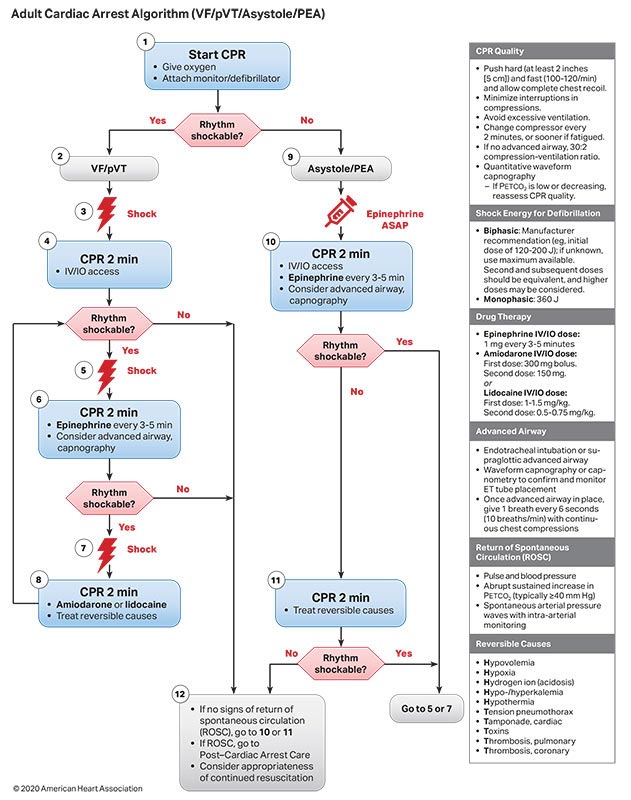
-
This question is part of the following fields:
- Cardiovascular
- Pharmacology
-
-
Question 58
Incorrect
-
You suspected typhoid disease in a patient who had recently returned from South America and presented to the emergency department with fever, constipation, and a rose spot rash. Which of the following antibiotics will be administered to this patient?
Your Answer: Metronidazole
Correct Answer: Cefotaxime
Explanation:Typhoid fever, often known as enteric fever, is a potentially fatal multi-systemic sickness caused predominantly by Salmonella enterica serotype typhi and, to a lesser extent, paratyphi A, B, and C.
Cefotaxime is the first-line treatment for typhoid fever (or ceftriaxone). In cases of mild or moderate sickness caused by multiresistant pathogens, azithromycin is an option. If the bacterium is sensitive, ciprofloxacin is an option.
-
This question is part of the following fields:
- Microbiology
- Pathogens
-
-
Question 59
Incorrect
-
A 35-year-old lady has suffered a serious brain injury. Her uvula has deviated to the right, according to inspection. Which of the following nerves is likely to be affected?
Your Answer: Left hypoglossal nerve
Correct Answer: Left vagus nerve
Explanation:When the vagus nerve is damaged, the soft palate is paralyzed and the uvula is shifted away from the affected side. The vagus nerve innervates the uvulae muscle, which forms the uvula’s core. If only one side is innervated, contraction of the active muscle will draw the uvula towards it.
-
This question is part of the following fields:
- Anatomy
- Cranial Nerve Lesions
-
-
Question 60
Correct
-
Among the following microorganisms, which is considered to be transmitted by invasion of intact skin?
Your Answer: Leptospira spp.
Explanation:Rodents and domestic animals are the primary reservoirs for the Leptospira spp, although other animals, including cows, horses, mongooses, and frogs, can also harbour the leptospires. Humans may be directly infected from animal urine or indirectly by contact with soil or water that is contaminated with urine from infected animals. Infected humans can shed leptospires in urine for up to 11 months, infected cows for 3.5 months, infected dogs for 4 years, and infected rodents possibly for their entire lifetime.
The organisms enter the host through mucous membranes or abraded skin. The incubation period ranges from 5 to 14 days.
-
This question is part of the following fields:
- Microbiology
- Principles Of Microbiology
-
-
Question 61
Correct
-
A 7-year old boy is referred to the Paediatrics Department due to slurred speech. Upon further examination, the attending physician noted the presence of dysdiadochokinesia, intention tremors, and nystagmus. An MRI is taken, which revealed a brain tumour.
Which of the following options is the most probable diagnosis given the clinical features of the patient?Your Answer: Astrocytoma of cerebellum
Explanation:Pilocytic astrocytoma (PCA), previously known as cystic cerebellar astrocytoma or juvenile pilocytic astrocytoma, was first described in 1931 by Harvey Cushing, based on a case series of cerebellar astrocytomas; though he never used these terms but rather described a spongioblastoma. They are low-grade, and usually well-circumscribed tumours, which tend to occur in young patients. By the World Health Organization (WHO) classification of central nervous system tumours, they are considered grade I gliomas and have a good prognosis.
PCA most commonly occurs in the cerebellum but can also occur in the optic pathway, hypothalamus, and brainstem. They can also occur in the cerebral hemispheres, although this tends to be the case in young adults. Presentation and treatment vary for PCA in other locations. Glial cells include astrocytes, oligodendrocytes, ependymal cells, and microglia. Astrocytic tumours arise from astrocytes and are the most common tumour of glial origin. The WHO 2016 categorized these tumours as either diffuse gliomas or other astrocytic tumours. Diffuse gliomas include grade II and III diffuse astrocytomas, grade IV glioblastoma, and diffuse gliomas of childhood. The other astrocytic tumours group include PCA, pleomorphic xanthoastrocytoma, subependymal giant cell astrocytoma, and anaplastic pleomorphic xanthoastrocytoma.
PCA can present with symptoms secondary to the posterior fossa mass effect. This may include obstructive hydrocephalus, with resultant headache, nausea and vomiting, and papilledema. If hydrocephalus occurs before the fusion of the cranial sutures (<18-months-of-age), then an increase in head circumference will likely occur. Lesions of the cerebellar hemisphere result in peripheral ataxia, dysmetria, intention tremor, nystagmus, and dysarthria. In contrast, lesions of the vermis cause a broad-based gait, truncal ataxia, and titubation. Posterior fossa lesions can also cause cranial nerve palsies. Diplopia may occur due to abducens palsy from the stretching of the nerve. They may also have blurred vision due to papilledema. Seizures are rare with posterior fossa lesions.
-
This question is part of the following fields:
- Anatomy
- Central Nervous System
-
-
Question 62
Correct
-
Question 63
Incorrect
-
Which of the following pathogens is the common cause of diarrhoea in a patient who has had a prolonged course of a broad spectrum of antibiotics?
Your Answer: Campylobacter jejuni
Correct Answer: Clostridium difficile
Explanation:Clostridium difficile is the most likely cause of diarrhoea after a long course of broad-spectrum antibiotic treatment.
Clostridium difficile-associated diarrhoea appeared to be linked to an increase in the usage of third-generation cephalosporins.
-
This question is part of the following fields:
- Microbiology
- Pathogens
-
-
Question 64
Incorrect
-
Capillaries are designed with a small diffusion distance for nutrition and gaseous exchange with the tissues they serve. Capillaries come in a variety of shapes and sizes, each with its own function in transcapillary exchange.
Which of the following types of capillaries is the least permeable in the human body?
Your Answer: Sinusoidal capillaries
Correct Answer: Continuous capillaries
Explanation:Capillaries are designed with a small diffusion distance for nutrition and gaseous exchange with the tissues they serve. Because oxygen and carbon dioxide are both highly soluble in lipids (lipophilic), they can easily diffuse along a concentration gradient across the endothelial lipid bilayer membrane. In contrast, glucose, electrolytes, and other polar, charged molecules are lipid-insoluble (hydrophilic). These chemicals are unable to pass through the lipid bilayer membrane directly and must instead travel through gaps between endothelial cells.
Capillaries are divided into three types: continuous, fenestrated, and sinusoidal. Each of these capillary types contains different sized gaps between the endothelial cells that operate as a filter, limiting which molecules and structures can pass through.The permeability of capillaries is affected by the wall continuity, which varies depending on the capillary type.
Skeletal muscle, myocardium, skin, lungs, and connective tissue all have continuous capillaries. These capillaries are the least permeable. They have a basement membrane and a continuous layer of endothelium. The presence of intercellular spaces allows water and hydrophilic molecules to pass across. Tight connections between the cells and the glycocalyx inhibit passage via these gaps, making diffusion 1000-10,000 times slower than for lipophilic compounds. The diffusion of molecules larger than 10,000 Da, such as plasma proteins, is likewise prevented by this narrow pore system. These big substances can pass through the capillary wall, but only very slowly, because endothelial cells have enormous holes.The kidneys, gut, and exocrine and endocrine glands all have fenestrated capillaries. These are specialized capillaries that allow fluid to be filtered quickly. Water, nutrients, and hormones can pass via windows or fenestrae in their endothelium, which are connected by a thin porous membrane. They are ten times more permeable than continuous capillaries due to the presence of these fenestrae. Fenestrated capillaries have a healthy basement membrane.
The spleen, liver, and bone marrow all have sinusoidal capillaries, also known as discontinuous capillaries. Their endothelium has huge gaps of >100 nm, and their basement membrane is inadequate. They are highly permeable as a result, allowing red blood cells to travel freely. -
This question is part of the following fields:
- Cardiovascular Physiology
- Physiology
-
-
Question 65
Incorrect
-
How is filtered K+mainly reabsorbed in the thick ascending limb of the loop of Henle:
Your Answer: Passive paracellular transport
Correct Answer: Secondary active transport via Na + /K + /2Cl - cotransporter
Explanation:Around 30% of filtered K+is reabsorbed in the thick ascending limb of the loop of Henle, primarily via the luminal Na+/K+/2Cl-cotransporter, but there is also significant paracellular reabsorption, encouraged by the positive potential in the tubular lumen.
-
This question is part of the following fields:
- Physiology
- Renal
-
-
Question 66
Incorrect
-
About what percentage of patients with hepatitis A develop chronic infection:
Your Answer: 0.1
Correct Answer: None
Explanation:Chronic hepatitis and carrier state does not occur in hepatitis A infection and complete immunity is attained after infection.
-
This question is part of the following fields:
- Microbiology
- Pathogens
-
-
Question 67
Incorrect
-
A patient presents with a rash for dermatological examination. A large area of purplish discolouration of the skin that measures 2 cm in diameter and does not blanch when pressure is applied is seen .
What is the best description of this rash that you have found on examination?
Your Answer: Purpura
Correct Answer: Ecchymoses
Explanation:Ecchymosis are discolouration of the skin or mucous membranes caused by extravasation of blood. They are usually red or purple in colour and measure greater than 1 cm in diameter and do not blanch on applying pressure.
A macule is a flat, well circumscribed area of discoloured skin less than 1 cm in diameter with no changes in the thickness or texture of the skin.
Petechiae are discolouration of the skin measuring less than 3 mm in diameter
Purpura are discolouration of the skin measuring between 0.3 cm and 1 cm in diameter.
Erythema is redness of the skin or mucous membranes caused by hyperaemia of superficial capillaries caused by skin injury, infection or inflammation. Erythema blanches when pressure is applied whereas ecchymosis, purpura and petechiae do not.
-
This question is part of the following fields:
- General Pathology
- Pathology
-
-
Question 68
Incorrect
-
All of the following typically occurs as part of normal inspiration except:
Your Answer: Contraction of the diaphragm
Correct Answer: Contraction of the internal intercostal muscles
Explanation:Passive inspiration is a result of contraction of the diaphragm (depressing the diaphragm) and the external intercostal muscles (elevating the ribs).
In inspiration, several movements occur. These are:
1. elevation of the sternal ends of the ribs (‘pump handle’ movement),
2. elevation of the lateral shafts of the ribs (‘bucket handle’ movement)
3. depression of the diaphragm.
These result in expansion of the thorax in an anteroposterior, transverse and vertical direction respectively. There is an increased intrathoracic volume and decreased intrathoracic pressure and air is drawn into the lungs. -
This question is part of the following fields:
- Anatomy
- Thorax
-
-
Question 69
Incorrect
-
A 39-year-old woman's son with meningococcal meningitis was recently admitted to the Paediatric Intensive Care Unit. She is currently 22 weeks pregnant and is concerned about the possibility of her also contracting the disease as she cared closely for her son during his admission.
Which antibiotic would be the MOST appropriate choice for chemoprophylaxis in this case?
Your Answer: Chloramphenicol
Correct Answer: Ciprofloxacin
Explanation:Ciprofloxacin is recommended for use as meningococcal chemoprophylaxis in all age groups and in pregnancy, and is the most appropriate for this patient.
However, rifampicin is the drug of choice for meningococcal chemoprophylaxis because it is licensed for chemoprophylaxis, but multiple doses are necessary and it is not readily available in community pharmacies. It also interacts with oral contraceptives.
-
This question is part of the following fields:
- Microbiology
- Specific Pathogen Groups
-
-
Question 70
Incorrect
-
Glucagon is secreted by which of the following pancreatic cell types:
Your Answer: F cells
Correct Answer: α cells
Explanation:Glucagon is a peptide hormone that is produced and secreted by alpha cells of the islets of Langerhans, which are located in the endocrine portion of the pancreas. The main physiological role of glucagon is to stimulate hepatic glucose output, thereby leading to increases in glycaemia. It provides the major counter-regulatory mechanism to insulin in maintaining glucose homeostasis.
Hypoglycaemia is the principal stimulus for the secretion of glucagon but may also be used as an antidote in beta-blocker overdose and in anaphylaxis in patients on beta-blockers that fail to respond to adrenaline.
Glucagon then causes:
Glycogenolysis
Gluconeogenesis
Lipolysis in adipose tissue
The secretion of glucagon is also stimulated by:
Adrenaline
Cholecystokinin
Arginine
Alanine
Acetylcholine
The secretion of glucagon is inhibited by:
Insulin
Somatostatin
Increased free fatty acids
Increased urea productionGlycolysis is the metabolic pathway that converts glucose into pyruvate. The free energy released by this process is used to form ATP and NADH. Glycolysis is inhibited by glucagon, and glycolysis and gluconeogenesis are reciprocally regulated so that when one cell pathway is activated, the other is inactive and vice versa.
Glucagon has a minor effect of enhancing lipolysis in adipose tissue. Lipolysis is the breakdown of lipids and involves the hydrolysis of triglycerides into glycerol and free fatty acids. It makes fatty acids available for oxidation.
-
This question is part of the following fields:
- Endocrine
- Physiology
-
-
Question 71
Incorrect
-
Regarding Clostridium species, which of the following statements is INCORRECT:
Your Answer: They are rod-shaped.
Correct Answer: They are facultative anaerobes.
Explanation:Clostridium spp. are obligatory anaerobic spore-forming Gram-positive bacilli. Toxin production is the main pathogenicity mechanism.
-
This question is part of the following fields:
- Microbiology
- Pathogens
-
-
Question 72
Incorrect
-
A 70-year-old patient presents with a chronic digoxin overdose. She has vomited several times, is extremely tired, and her vision 'appears yellow,' according to her.
Which of the following is a reason for this patient's use of Digifab?Your Answer: Digoxin level of 3.5 ng/ml
Correct Answer: Coexistent renal failure
Explanation:An antidote for digoxin overdose is digoxin-specific antibody (Digifab). It’s a lyophilized preparation of digoxin-immune ovine Fab immunoglobulin fragments that’s sterile, purified, and lyophilized. These fragments were extracted from the blood of healthy sheep that had been immunised with a digoxin derivative called digoxin-dicarboxymethoxylamine (DDMA), a digoxin analogue that contains the functionally important cyclopentaperhydrophenanthrene:lactone ring moiety coupled to keyhole limpet hemocyanin (KLH).
Digifab has a higher affinity for digoxin than digoxin does for its sodium pump receptor, which is thought to be the site of its therapeutic and toxic effects. When given to a patient who is intoxicated, Digifab binds to digoxin molecules, lowering free digoxin levels and shifting the equilibrium away from binding to receptors, reducing cardio-toxic effects. The kidney and reticuloendothelial system then clear the Fab-digoxin complexes.
The following summarises the indications for Digifab in acute and chronic digoxin toxicity:
Acute digoxin toxicity
Chronic digoxin toxicity
Cardiac arrest
Life-threatening arrhythmia
Potassium level > 5 mmol/l
>10 mg digoxin ingested (adult)
>4 mg digoxin ingested (child)
Digoxin level > 12 ng/ml
Cardiac arrest
Life-threatening arrhythmia
Significant gastrointestinal symptoms
Symptoms of digoxin toxicity -
This question is part of the following fields:
- Cardiovascular Pharmacology
- Pharmacology
-
-
Question 73
Incorrect
-
Identify the type of graph described below:
This graph is a useful tool for evaluating the performance of diagnostic tests and more generally for evaluating the accuracy of a statistical model (e.g., logistic regression, linear discriminant analysis) that classifies subjects into 1 of 2 categories, diseased or non diseased. The closer the graph is to the upper left corner, which represents 100% sensitivity and 100% specificity, the more accurate the diagnostic test.Your Answer: Pareto diagram
Correct Answer: ROC curve
Explanation:Receiver-operating characteristic (ROC) analysis was originally developed during World War II to analyse classification accuracy in differentiating signal from noise in radar detection. Recently, the methodology has been adapted to several clinical areas heavily dependent on screening and diagnostic tests, in particular, laboratory testing, epidemiology, radiology, and bioinformatics. ROC analysis is a useful tool for evaluating the performance of diagnostic tests and more generally for evaluating the accuracy of a statistical model (e.g., logistic regression, linear discriminant analysis) that classifies subjects into 1 of 2 categories, diseased or non diseased. Its function as a simple graphical tool for displaying the accuracy of a medical diagnostic test is one of the most well-known applications of ROC curve analysis.
The closer the ROC curve is to the upper left corner, which has 100% sensitivity and 100% specificity, the higher the overall accuracy of the diagnostic test.
-
This question is part of the following fields:
- Evidence Based Medicine
-
-
Question 74
Correct
-
An 18-year-old patient was brought to the ER after falling off of his skateboard. He is unable to flex the distal interphalangeal joint of his index finger. You suspect that he suffers from a supracondylar fracture. Which of the following conditions would confirm supracondylar fracture?
Your Answer: Inability to oppose the thumb
Explanation:A supracondylar fracture is a fracture that occurs through the thin section of the distal humerus above the growth plate.
A supracondylar fracture is most usually associated with median nerve injury. A medial nerve damage causes paralysis of the thenar muscles, as well as loss of thumb opposition.
-
This question is part of the following fields:
- Anatomy
- Upper Limb
-
-
Question 75
Incorrect
-
Which of the following classes of drugs may predispose to lithium toxicity:
Your Answer: Theophylline
Correct Answer: Thiazide diuretics
Explanation:Excretion of lithium may be reduced by thiazide diuretics, NSAIDs, and ACE inhibitors thus predisposing to lithium toxicity. Loop diuretics also cause lithium retention but are less likely to result in lithium toxicity.
-
This question is part of the following fields:
- Central Nervous System
- Pharmacology
-
-
Question 76
Incorrect
-
A 68-year-old patient shows Low calcium levels and is on dialysis for chronic kidney disease.
What percentage of total serum calcium is in the form of free or ionised Ca 2+?Your Answer: 10%
Correct Answer: 50%
Explanation:Approximately half of total serum calcium is in the free or ionised Ca2+ state, 40% is attached to plasma proteins (mostly albumin), and the remaining 10% is in complexes with organic ions like citrate and phosphate. The ionized form is the only one that works.
-
This question is part of the following fields:
- Endocrine Physiology
- Physiology
-
-
Question 77
Incorrect
-
A blood culture was performed from a sample taken from a patient. It was noted that a Gram-positive coccus organism was grown.
Among the following microorganisms, which is considered an example of a Gram-positive coccus?Your Answer: Escherichia coli
Correct Answer: Staphylococcus aureus
Explanation:Bacillus cereus = Gram-positive bacillus
Neisseria meningitidis = Gram-negative coccus
Salmonella enterica & Escherichia coli = Gram-negative bacilliIn Gram staining, crystal violet is a purple stain that is used to stain the bacteria first. The stained bacteria are decolorized and then stained with a red stain, which is safranin. Bacteria with thick cell walls keep the purple stain and are called Gram-positive. Thin-walled bacteria are easily decolorized so when safranin, the red stain, is placed on the organisms, they become red or Gram-negative.
The Staphylococci that are associated with infections in humans are colonizers of various skin and mucosal surfaces. Because the carrier state is common among the human population, infections are frequently acquired when the colonizing strain gains entrance to a normally sterile site as a result of trauma or abrasion to the skin or mucosal surface. -
This question is part of the following fields:
- Microbiology
- Principles Of Microbiology
-
-
Question 78
Incorrect
-
You're evaluating a 37-year-old woman who is 12 weeks pregnant. She has experienced vaginal bleeding.
Which of the following anti-D statements is correct?Your Answer: Anti-D should be given in cases of uncomplicated miscarriage before 12 weeks gestation
Correct Answer: Routine antenatal prophylaxis is recommended for RhD negative women at 28 and 34 weeks
Explanation:Anti-D is an IgG antibody that targets the antigen Rhesus D (RhD). Plasma from rhesus-negative donors who have been immunised against the anti-D-antigen is used to make anti-D immunoglobulin.
Only RhD negative women are given Anti-D Ig. Women who are RhD negative do not have the RhD antigen on their RBC. If a foetus has the RhD antigen (i.e. is RhD positive) and the mother is exposed to foetal blood, she may develop antibodies to RhD that pass through the placenta and attack foetal red cells (resulting in newborn haemolytic disease). Anti-D is given to bind and neutralise foetal red cells in the maternal circulation before an immune response is triggered. In the event of a sensitising event, 500 IU Anti-D Ig should be administered intramuscularly.
The following are examples of potentially sensitising events:
Birth
Haemorrhage during pregnancy
Miscarriage
Ectopic pregnancy
Death within the womb
Amniocentesis
Chorionic villus sampling
Trauma to the abdomenThe sooner anti-D is given in the event of a sensitising event, the better; however, it is most effective within 72 hours, and the BNF states that it is still likely to have some benefit if given outside of this time frame.
At 28 and 34 weeks, RhD negative women should receive routine antenatal prophylaxis. This is regardless of whether they have previously received Anti-D for a sensitising event during the same pregnancy.
Prophylactic anti-D is not necessary before 12 weeks gestation, as confirmed by scan, in uncomplicated miscarriage (where the uterus is not instrumented), or mild, painless vaginal bleeding, as the risk of foeto-maternal haemorrhage (FMH) is negligible. In cases of therapeutic termination of pregnancy, whether by surgical or medical means, 250 IU of prophylactic anti-D immunoglobulin should be given to confirmed RhD negative women who are not known to be RhD sensitised.
-
This question is part of the following fields:
- Immunological Products & Vaccines
- Pharmacology
-
-
Question 79
Incorrect
-
Compression of this nerve can cause weakness in the left leg while walking and thigh adduction weakness at the hip joint.
Your Answer: Superior gluteal nerve
Correct Answer: Obturator nerve
Explanation:The obturator nerve is a sensory and motor nerve that emerges from the lumbar plexus and innervates the thigh.
This nerve supplies motor innervation to the medial compartment of the thigh, making it necessary for thigh adduction.
-
This question is part of the following fields:
- Anatomy
- Lower Limb
-
-
Question 80
Incorrect
-
Question 81
Incorrect
-
A man working as a waiter cuts his arm on a glass while he was working. The palmaris longus muscle was damaged as a consequence of his injury.
Which of the following statements regarding the palmaris longus muscle is considered correct?Your Answer: It is absent in approximately 50% of the population
Correct Answer: It receives its blood supply from the ulnar artery
Explanation:The palmaris longus is a small, fusiform-shaped muscle located on the anterior forearm of the human upper extremity. The palmaris longus muscle is commonly present but may be absent in a small percentage of the population, ranging from 2.5% to 26% of individuals, depending on the studied population.
The palmaris longus belongs to the anterior forearm flexor group in the human upper extremity. The muscle attaches proximally to the medial humeral epicondyle and distally to the palmar aponeurosis and flexor retinaculum. The blood supply to the palmaris longus muscle is via the ulnar artery, a branch of the brachial artery in the human upper extremity.
The palmaris longus muscle receives its innervation via branches of the median nerve containing nerve roots C5-T1. Median nerve injury at or above the elbow joint (including brachial plexus and nerve root injury) can lead to deficits in the palmaris longus and other forearm flexor muscles, leading to weakened elbow flexion, wrist flexion, radial deviation, finger flexion, thumb opposition, flexion, and abduction, in addition to the loss of sensory function in the distribution of the median nerve.
-
This question is part of the following fields:
- Anatomy
- Upper Limb
-
-
Question 82
Correct
-
Regarding hepatitis C, which of the following statements is INCORRECT:
Your Answer: Anti-HCV IgG antibodies are diagnostic of acute infection.
Explanation:Anti-HCV IgG antibodies indicate exposure to hepatitis C but this could be acute, chronic or resolved infection. If the antibody test is positive, HCV RNA should be tested for, which if positive indicates that a person has current infection with active hepatitis C.
-
This question is part of the following fields:
- Microbiology
- Pathogens
-
-
Question 83
Incorrect
-
A 70-year-old woman presents with exacerbation of her chronic obstructive pulmonary disease (COPD), increased cough, wheeze and chest tightness. On examination, she is tachypnoeic and oxygen saturation is 86%. You plan to administer supplemental oxygen.
Which oxygen delivery system is most appropriate to use initially?Your Answer: Hudson mask
Correct Answer: Venturi mask
Explanation:In life-threatening emergencies, oxygen should be started immediately otherwise, it should be prescribed like any other drug. The prescription should include a target saturation range.
Until blood gases can be measured, initial oxygen should be administered using a controlled concentration of 24% or 28%.
The ideal mask is a Venturi mask.The other mask are not ideal for initial use
-
This question is part of the following fields:
- Pharmacology
- Respiratory Pharmacology
-
-
Question 84
Incorrect
-
Which of the following is the most common cause of megaloblastic anaemia:
Your Answer: Vitamin K deficiency
Correct Answer: Vitamin B12 deficiency
Explanation:Megaloblastic anemia results from inhibition of DNA synthesis during red blood cell production. When DNA synthesis is impaired, the cell cycle cannot progress from the growth stage to the mitosis stage. This leads to continuing cell growth without division, which presents as macrocytosis, with an increase in mean corpuscular volume (MCV). The defect in red cell DNA synthesis is most often due to hypovitaminosis, specifically vitamin B12 deficiency or folate deficiency.
Folate is an essential vitamin found in most foods, especially liver, green vegetables and yeast. The normal daily diet contains 200 – 250 μg, of which about 50% is absorbed. Daily adult requirements are about 100 μg. Absorption of folate is principally from the duodenum and jejunum. Stores of folate are normally only adequate for 4 months and so features of deficiency may be apparent after this time. -
This question is part of the following fields:
- Haematology
- Pathology
-
-
Question 85
Incorrect
-
A 65-year-old female presents to the Emergency Department with complaints of chest pain pointing to angina. A dose of glyceryl trinitrate (GTN) was administered, rapidly resolving her symptoms. Unfortunately, she develops a side-effect of the drug.
Which one of the following is the side effect she is most likely to have developed?Your Answer: Syncope
Correct Answer: Flushing
Explanation:Angina pectoris is the most common symptom of ischemic heart disease and presents with chest pain relieved by rest and nitro-glycerine.
Nitrates are the first-line treatment to relieve chest pain caused by angina. The commonly used nitrates are:
1. Glyceryl trinitrate
2. Isosorbide dinitrateSide effects to nitrate therapy are common especially
The most common side effects are:
1. Headaches
2. Feeling dizzy, weak, or tired
3. Nausea
4. FlushingThe serious but less likely to occur side effects are:
1. Methemoglobinemia (rare)
2. Syncope
3. Prolonged bleeding time
4. Exfoliative dermatitis
5. Unstable angina
6. Rebound hypertension
7. ThrombocytopeniaDry eyes, bradycardia, and metabolic acidosis have not been reported.
-
This question is part of the following fields:
- Cardiovascular Pharmacology
- Pharmacology
-
-
Question 86
Correct
-
A medical student is reviewing the chart of a patient who has recently been diagnosed with leukaemia. The chief resident asks him to identify ONE feature that will most support acute leukaemia diagnosis in contrast to chronic leukaemia.
Which one of the following options will he pick?Your Answer: The patient is a child
Explanation:Acute lymphocytic leukaemia (ALL) is more common in children than chronic leukaemias, which generally occur in adults. Bone marrow failure occurs early on in the course of the disease in acute leukaemias, and there is the massive proliferation of undifferentiated cells with functioning cells being crowded out. Hepatosplenomegaly occurs in both acute and chronic forms of leukaemia and is not a differentiating feature.
-
This question is part of the following fields:
- Haematology
- Pathology
-
-
Question 87
Incorrect
-
The average BP reading on ambulatory blood pressure monitoring for a 59-year-old Caucasian man is 152/96 mmHg (ABPM).
The first-line drug treatment for this patient would be which of the following? Please only choose ONE answer.Your Answer: Bisoprolol
Correct Answer: Amlodipine
Explanation:An ambulatory blood pressure reading of >150/95 is classified as stage 2 hypertension, according to the NICE care pathway for hypertension, and the patient should be treated with an antihypertensive drug.
A calcium-channel blocker, such as amlodipine, would be the most appropriate medication for a 59-year-old Caucasian man.
-
This question is part of the following fields:
- Cardiovascular Pharmacology
- Pharmacology
-
-
Question 88
Incorrect
-
In a patient with an ongoing seizure, after what time period should treatment be commenced?
Your Answer: 10 minutes
Correct Answer: 5 minutes
Explanation:Immediate emergency care and treatment should be given to children, young people and adults who have prolonged or repeated convulsive seizures.
Prolonged seizures last 5 minutes or more.
Repeated seizures refer to 3 or more seizures in an hour. -
This question is part of the following fields:
- Central Nervous System
- Pharmacology
-
-
Question 89
Incorrect
-
Question 90
Incorrect
-
Which of the following statements accurately describes the number needed to harm?
Your Answer: A low NNH indicates a safe treatment option
Correct Answer: The NNH is the number of patients that need to be treated for one to experience the side effect
Explanation:Number needed to harm (NNH) corresponds to the number of individuals that must be treated, so that one of them presents an adverse reaction accountable to the treatment.
Hence, a NNH of 100 means that 100 individuals need to be treated in order to produce an adverse effect of the treatment in one individual.
-
This question is part of the following fields:
- Evidence Based Medicine
-
-
Question 91
Correct
-
A 43-year old male is taken to the Emergency Room for a lacerated wound on the abdomen, situated above the umbilicus. A short segment of the small bowel has herniated through the wound.
Which of these anatomic structures is the most superficial structure injured in the case above?Your Answer: Camper’s fascia
Explanation:The following structures are the layers of the anterior abdominal wall from the most superficial to the deepest layer:
Skin
Fatty layer of the superficial fascia (Camper’s fascia)
Membranous layer of the superficial fascia (Scarpa’s fascia)
Aponeurosis of the external and internal oblique muscles
Rectus abdominis muscle
Aponeurosis of the internal oblique and transversus abdominis
Fascia transversalis
Extraperitoneal fat
Parietal peritoneum -
This question is part of the following fields:
- Abdomen And Pelvis
- Anatomy
-
-
Question 92
Incorrect
-
Which of the following infections is vancomycin most likely prescribed for?
Your Answer: Campylobacter colitis
Correct Answer: Clostridium difficile colitis
Explanation:125 mg PO q6hr for 10 days is indicated for treatment of Clostridium difficile (C. difficile)-associated diarrhoea
-
This question is part of the following fields:
- Infections
- Pharmacology
-
-
Question 93
Incorrect
-
A 71-year-old man treated with antibiotics for a chest infection returns with a profuse, offensive smelling diarrhoea. A diagnosis of Clostridium difficile diarrhoea is made after investigations.
Which antibiotic is associated with the greatest risk of causing Clostridium Difficile diarrhoea?
Your Answer: Tetracycline
Correct Answer: Ciprofloxacin
Explanation:Clostridium difficile, a Gram-positive, anaerobic, spore forming bacteria is present in the gut of approximately 3% of healthy adults (2012 UK HPA estimates). Following use of broad spectrum antibiotics, which alter normal gut flora, Clostridium difficile infection (CDI) occurs. About 80% of Clostridium Difficile infections are seen in people over the age of 65 and its main clinical features are:
Abdominal cramps, severe bloody and/or watery diarrhoea, offensive smelling diarrhoea, and fever.CDI is the most severe consequence of antibiotic treatment and is a major cause of morbidity and mortality.
Risk for CDI has been found to be greatest with clindamycin followed by fluoroquinolones Tetracyclines are not associated with risk for CDI. -
This question is part of the following fields:
- Microbiology
- Specific Pathogen Groups
-
-
Question 94
Incorrect
-
A 27-year-old man has been diagnosed with testicular cancer and has spread to the regional lymph nodes.
The lymph from the testes will drain to which of the following nodes?Your Answer: Coeliac lymph nodes
Correct Answer: Para-aortic lymph nodes
Explanation:Testes are retroperitoneal organs and its lymphatic drainage is to the lumbar and para-aortic nodes along the lumbar vertebrae.
The scrotum is the one which drains into the nearby superficial inguinal nodes.
The glans penis and clitoris drains into the deep inguinal lymph nodes.
-
This question is part of the following fields:
- Abdomen And Pelvis
- Anatomy
-
-
Question 95
Incorrect
-
A 18 year old university student develops facial swelling and dark frothy urine. Urine dipstick demonstrates haematuria and proteinuria. Approximately 3 weeks ago, he was treated with oral antibiotics for a sore throat. His condition is most likely to be secondary to infection with:
Your Answer: Escherichia coli
Correct Answer: Streptococcus pyogenes
Explanation:Post-streptococcal glomerulonephritis is a postinfectious immune-mediated reaction secondary to infection with Streptococcus pyogenes. It typically occurs 2 weeks or more after acute/initial infection, and presents with haematuria, reduced urine output, peripheral oedema, proteinuria, and hypertension. Permanent kidney damage is rare.
-
This question is part of the following fields:
- Microbiology
- Pathogens
-
-
Question 96
Correct
-
Insulin is a very important peptide hormone produced by the islets of Langerhans in the pancreas.
Insulin is synthesised by which of the following cell types within the islets of Langerhans? Select ONE answer only.Your Answer: Beta cells
Explanation:Insulin is produced by beta cells, located centrally within the islets of Langerhans, in the endocrine tissues of the pancreas. Insulin is a polypeptide hormone consisting of two short chains (A and B) linked by disulphide bonds. Proinsulin is synthesised as a single-chain peptide. Within storage granules, a connecting peptide (C peptide) is removed by proteases to yield insulin. Insulin release is stimulated initially during eating by the parasympathetic nervous system and gut hormones such as secretin, but most output is driven by the rise in plasma glucose concentration that occurs after a meal. The effects of insulin are mediated by the receptor tyrosine kinase.
-
This question is part of the following fields:
- Endocrine Physiology
- Physiology
-
-
Question 97
Incorrect
-
A 62-year-old female complains of pain in her right upper quadrant. An abdominal ultrasound is conducted, and a big gallstone is discovered. The radiologist who performs the scan speaks with you about the physiology of the gallbladder and biliary tract.
During a 24-hour period, how much bile does the gallbladder produce?
Your Answer: 100-200 ml
Correct Answer: 400-800 ml
Explanation:The gallbladder stores and concentrates bile, which is produced by the liver. In a 24-hour period, around 400 to 800 mL of bile is generated. The breakdown of fats into fatty acids, the removal of waste materials, and cholesterol homeostasis are all crucial functions of bile.
Bile is created on a constant basis, however it is only necessary after a meal has been consumed. The elimination of water and ions concentrates bile in the gallbladder, which is subsequently stored for later use. Food induces the release of the hormone cholecystokinin from the duodenum, the contraction of the gallbladder, and the relaxation of the sphincter of Oddi. The bile then enters the duodenum.
Bile acids have a hydrophobic and hydrophilic area, making them amphipathic. Bile acids’ amphipathic nature allows them to perform the following crucial functions:
Emulsification of lipid aggregates increases the surface area of fat and makes it easier for lipases to digest it.
Lipid solubilization and transport: solubilizes lipids by creating micelles, which are lipid clumps that float in water.
-
This question is part of the following fields:
- Gastrointestinal Physiology
- Physiology
-
-
Question 98
Incorrect
-
Which of the following is the most likely causative organism of acute epiglottitis in a 6 year old?
Your Answer: Parainfluenza virus
Correct Answer: Streptococcus pneumoniae
Explanation:Since the introduction of the HIB vaccine, most cases of acute epiglottitis are now caused by Streptococcus spp. The condition is now rare in children.
-
This question is part of the following fields:
- Microbiology
- Specific Pathogen Groups
-
-
Question 99
Correct
-
When the pulmonary artery is completely blocked, what is the ventilation over perfusion ratio for the area that it supplies?
Your Answer: Infinity
Explanation:The ventilation/perfusion ratio (V/Q ratio) is a ratio used to assess the efficiency and adequacy of the matching ventilation and perfusion.
A pulmonary artery carries deoxygenated blood from the right side of the heart to the lungs. When a large pulmonary embolus completed blocked a pulmonary artery the alveoli were ventilated but not perfused at all, then the V/Q ratio would be infinity.
-
This question is part of the following fields:
- Physiology
- Respiratory Physiology
-
-
Question 100
Incorrect
-
Where in the nephron is most K+reabsorbed:
Your Answer:
Correct Answer: Proximal tubule
Explanation:Approximately 65 – 70% of filtered K+is reabsorbed in the proximal tubule. Potassium reabsorption is tightly linked to that of sodium and water. The reabsorption of sodium drives that of water, which may carry some potassium with it. The potassium gradient resulting from the reabsorption of water from the tubular lumen drives the paracellular reabsorption of potassium and may be enhanced by the removal of potassium from the paracellular space via the Na+/K+ATPase pump. In the later proximal tubule, the positive potential in the lumen also drives the potassium reabsorption through the paracellular route.
-
This question is part of the following fields:
- Physiology
- Renal
-
SESSION STATS - PERFORMANCE PER SPECIALTY
