-
Question 1
Incorrect
-
Which of the following states that the total pressure exerted by a mixture of gases is equal to the sum of the partial pressures of each of the gases in the mixture:
Your Answer: Boyle's law
Correct Answer: Dalton's law
Explanation:Dalton’s law states that when two or more gases, which do not react chemically, are present in the same container, the total pressure is the sum of the partial pressures of each gas.
-
This question is part of the following fields:
- Physiology
- Respiratory
-
-
Question 2
Correct
-
All of the following cause bronchoconstriction, EXCEPT for:
Your Answer: Adrenaline
Explanation:Factors causing bronchoconstriction:
- Via muscarinic receptors
- Parasympathetic stimulation
- Stimulation of irritant receptors
- Inflammatory mediators e.g. histamine, prostaglandins, leukotrienes
- Beta-blockers
-
This question is part of the following fields:
- Physiology
- Respiratory
-
-
Question 3
Correct
-
A 56-year-old female presents at the hospital with a diabetic foot ulcer that has become infected. She has a longstanding history of type 2 diabetes mellitus and diabetic polyneuropathy. She has trouble controlling her blood sugar levels, and recently, she was converted to a new insulin regimen that includes intermediate-acting insulin.
Out of the following, which one is the intermediate-acting insulin?Your Answer: Isophane insulin
Explanation:Insulin is used mainly in type 1 diabetes, where the pancreas makes no insulin and can sometimes be prescribed in type 1 diabetes. There are different types of insulin categorized by their onset of action:
1. Intermediate-acting insulins (isophane insulin NPH):
– intermediate duration of action, designed to mimic the effect of endogenous basal insulin
– starts their action in 1 to 4 hours
– peaks in 4 to 8 hours
– dosing is usually twice a day and helps maintain blood sugar throughout the day
– Isophane insulin is a suspension of insulin with protamine2. Short-acting insulins (regular insulin)
– starts the action in 30 to 40 minutes
– peaks in 90 to 120 minutes
– duration of action is 6 to 8 hours
– taken before meals, and food is necessary within 30 minutes after its administration to avoid hypoglycaemia3. Long-acting insulins (glargine, detemir, degludec)
– start action in 1 to 2 hours
– plateau effect over 12 to 24 hours
– Dosing is usually during the night-time after meals. Their long duration of action helps in reducing the frequency of dosing throughout the day.4. Rapid-acting insulins (lispro, aspart, glulisine)
– start their action in 5 to 15 minutes
– peak in 30 minutes
– The duration of action is 3 to 5 hours
– generally used before meals and always used along with short-acting or long-acting insulins to control sugar levels throughout the day. -
This question is part of the following fields:
- Endocrine Pharmacology
- Pharmacology
-
-
Question 4
Correct
-
Question 5
Incorrect
-
Compliance is greater in all but which one of the following:
Your Answer: Elderly
Correct Answer: Pulmonary oedema
Explanation:Compliance changes at different lung volumes. Initially at lower lung volumes the compliance of the lung is poor and greater pressure change is required to cause a change in volume. This occurs if the lungs become collapsed for a period of time. At functional residual capacity (FRC) compliance is optimal since the elastic recoil of the lung tending towards collapse is balanced by the tendency of the chest wall to spring outwards. At higher lung volumes the compliance of the lung again becomes less as the lung becomes stiffer. At all volumes, the base of the lung has a greater compliance than the apex. Patients with emphysema have increased compliance. Compliance is affected by a person’s age, sex and height.
-
This question is part of the following fields:
- Physiology
- Respiratory
-
-
Question 6
Correct
-
Which of the following side effects has limited the use of etomidate as an intravenous induction agent:
Your Answer: Adrenocortical suppression
Explanation:Etomidate causes the least cardiovascular depression of the intravenous induction agents, with only a small reduction in the cardiac output and blood pressure. In the past, etomidate was widely used to induce anaesthesia in the shocked, elderly or cardiovascularly unstable patient. However, more recently it has become less popular as a single induction dose blocks the normal stress-induced increase in adrenal cortisol production for 4 – 8 hours, and up to 24 hours in elderly and debilitated patients. Although no increase in mortality has been identified following a single dose during induction of anaesthesia, the use of etomidate has declined due to a perceived potential morbidity.
-
This question is part of the following fields:
- Anaesthesia
- Pharmacology
-
-
Question 7
Correct
-
Which of the following best describes digoxin:
Your Answer: A positive inotrope and negative chronotrope
Explanation:Digoxin is a cardiac glycoside used in the treatment of atrial fibrillation and flutter, and congestive cardiac failure. It acts by inhibiting the membrane Na/K ATPase in cardiac myocytes. This raises intracellular sodium concentration and increases intracellular calcium availability indirectly via Na/Ca exchange. The increase in intracellular calcium levels causes an increases the force of myocardial contraction (positive inotrope), and slows the heart rate (negative chronotrope).
-
This question is part of the following fields:
- Cardiovascular
- Pharmacology
-
-
Question 8
Correct
-
Which of the following statements is incorrect regarding potassium replacement?
Your Answer: Oral potassium supplements are often required for patients taking spironolactone.
Explanation:It is very seldom that potassium supplements are required with the small doses of diuretics given to treat hypertension. Potassium-sparing diuretics like spironolactone (rather than potassium supplements), are recommended for hypokalaemia prevention when diuretics are given to eliminate oedema, such as furosemide or the thiazides.
-
This question is part of the following fields:
- Fluids And Electrolytes
- Pharmacology
-
-
Question 9
Correct
-
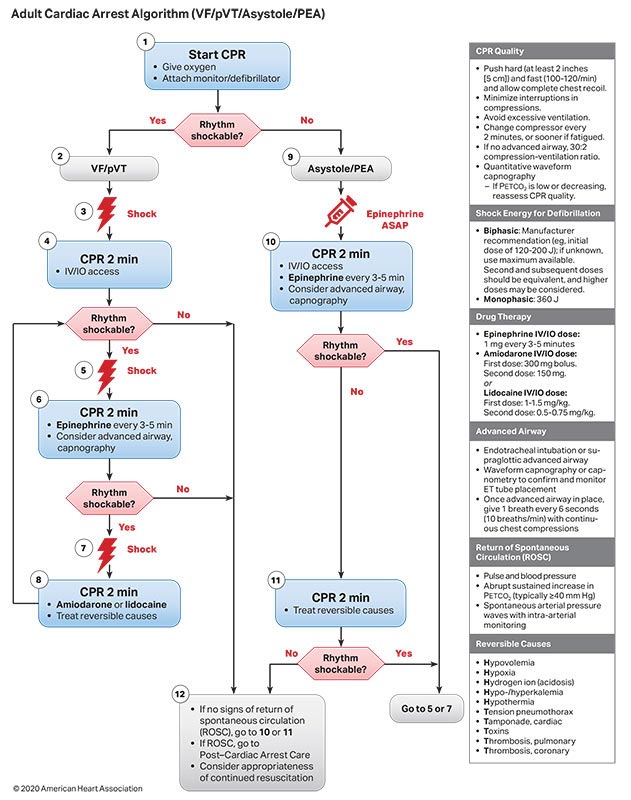
Which of the following best describes the correct administration of adrenaline for a shockable rhythm in adult advanced life support?
Your Answer: Give 1 mg of adrenaline after the second shock and every 3 - 5 minutes thereafter
Explanation:Give adrenaline 1 mg IV (IO) (10 mL of 1:10,000 solution) after the 2nd shock for adult patients in cardiac arrest with a shockable rhythm. Repeat adrenaline 1 mg IV (IO) every 3-5 minutes whilst ALS continues.
-
This question is part of the following fields:
- Cardiovascular
- Pharmacology
-
-
Question 10
Correct
-
Aldin is a 24-year-old male patient who arrives at the emergency department diagnosed with psittacosis based on his symptoms and history of being a pigeon enthusiast. Which of the following is the causative bacteria of psittacosis?
Your Answer: Chlamydia psittaci
Explanation:Chlamydia psittaci is a microorganism that is commonly found in birds.
These bacteria can infect people and cause psittacosis. Psittacosis is an infectious disease that may cause high fever and pneumonia associated with headaches, altered mental state, and hepatosplenomegaly.
-
This question is part of the following fields:
- Infections
- Microbiology
-
-
Question 11
Incorrect
-
In patients requiring oxygen, who are at risk of hypercapnic respiratory failure, oxygen saturations should be maintained at:
Your Answer: 92 - 94%
Correct Answer: 88 - 92%
Explanation:A lower target of 88 – 92% oxygen saturation is indicated for patients at risk of hypercapnic respiratory failure e.g. patients with COPD. Until blood gases can be measured, initial oxygen should be given using a controlled concentration of 28% or less, titrated towards the SpO2 of 88 – 92%. The aim is to provide the patient with enough oxygen to achieve an acceptable arterial oxygen tension without worsening carbon dioxide retention and respiratory acidosis.
-
This question is part of the following fields:
- Pharmacology
- Respiratory
-
-
Question 12
Incorrect
-
Regarding flucloxacillin, which of the following statements is CORRECT:
Your Answer: It is used first line for localised impetigo infection.
Correct Answer: It is resistant to bacterial beta-lactamases.
Explanation:Flucloxacillin is unique in that it is beta-lactamase stable and it can be used in infections caused by beta-lactamase producing staphylococci e.g. S. aureus. It is acid-stable and can therefore be given by mouth as well as by injection. It is used first line for treatment of widespread impetigo infection, cellulitis, mastitis, osteomyelitis, septic arthritis, severe erysipelas, severe/spreading otitis externa and infective endocarditis caused by staphylococci. The most common adverse effects of flucloxacillin include nausea, vomiting, skin rash, and diarrhoea. Cholestatic jaundice and hepatitis may occur very rarely, up to two months after treatment with flucloxacillin has been stopped. Administration for more than 2 weeks and increasing age are risk factors. First line treatment of animal and human bites is co-amoxiclav.
-
This question is part of the following fields:
- Infections
- Pharmacology
-
-
Question 13
Correct
-
Regarding nitrous oxide, which of the following statements is CORRECT:
Your Answer: Nitrous oxide may be used for maintenance of anaesthesia where its use allows reduced dosage of other agents.
Explanation:For anaesthesia, nitrous oxide is commonly used in a concentration of around 50 – 66% in oxygen in association with other inhalation or intravenous agents. Nitrous oxide cannot be used as the sole anaesthetic agent due to lack of potency, but is useful as part of a combination of drugs since it allows reduction in dosage of other agents. Exposure to nitrous oxide for prolonged periods, either by continuous or by intermittent administration, may result in megaloblastic anaemia as a result of interference with the action of vitamin B12. Nitrous oxide increases cerebral blood flow and should be avoided in patients with, or at risk of, raised intracranial pressure. Nitrous oxide may be administered by any trained personnel experienced in its use.
-
This question is part of the following fields:
- Anaesthesia
- Pharmacology
-
-
Question 14
Incorrect
-
Regarding carbon dioxide transport in the blood, which of the following statements is CORRECT:
Your Answer: The red cell membrane is freely permeable to H + ions.
Correct Answer: Deoxygenated haemoglobin acts as a buffer for H+ ions.
Explanation:CO2generated in the tissues and water combine to form carbonic acid which readily dissociates to form HCO3-and H+. The first part of this reaction is very slow in plasma, but is accelerated dramatically by the enzyme carbonic anhydrase present in red blood cells. Bicarbonate is therefore formed preferentially in red cells, from which it freely diffuses down its concentration gradient into plasma where it is transported to the lungs. The red cell membrane is impermeable to H+ions which remain in the cell. To maintain electroneutrality, Cl-ions diffuse into the cell to replace HCO3-, an effect known as the chloride shift. Deoxygenated haemoglobin acts as a buffer for H+, allowing the reaction to continue.
-
This question is part of the following fields:
- Physiology
- Respiratory
-
-
Question 15
Correct
-
Antispasmodic drugs are primarily indicated in which of the following conditions:
Your Answer: Irritable bowel syndrome
Explanation:Antispasmodics, such as antimuscarinics, may be used in the management of irritable bowel syndrome. Other antispasmodics used include direct-acting smooth muscle relaxants such as mebeverine, alverine, and peppermint oil. Antispasmodics are contraindicated in bowel obstruction and severe inflammatory bowel disease. Antispasmodics are occasionally of value in treating abdominal cramp associated with diarrhoea but they should not be used for primary treatment. Antispasmodics should be avoided in young children with gastroenteritis because they are rarely effective and have troublesome side effects. Antimuscarinics are contraindicated in urinary retention.
-
This question is part of the following fields:
- Gastrointestinal
- Pharmacology
-
-
Question 16
Correct
-
Which of these is NOT a lithium side effect:
Your Answer: Peptic ulcer disease
Explanation:Adverse Effects of lithium Include
Leucocytosis (most patients)
Polyuria/polydipsia (30-50%)
Dry mouth (20-50%)
Hand tremor (45% initially, 10% after 1 year of treatment)
Confusion (40%)
Decreased memory (40%)
Headache (40%)
Muscle weakness (30% initially, 1% after 1 year of treatment)
Electrocardiographic (ECG) changes (20-30%)
Nausea, vomiting, diarrhoea (10-30% initially, 1-10% after 1-2 years of treatment)
Hyperreflexia (15%)
Muscle twitch (15%)
Vertigo (15%)
Extrapyramidal symptoms, goitre (5%)
Hypothyroidism (1-4%)
Acne (1%)
Hair thinning (1%) -
This question is part of the following fields:
- Central Nervous System
- Pharmacology
-
-
Question 17
Incorrect
-
A 67-year-old woman complains of general malaise, nausea, and vomiting. She is perplexed and declares that everything 'looks yellow.' Her potassium level is 6.8 mmol/l, according to a blood test.
Which of the drugs listed below is most likely to be the cause of her symptoms?Your Answer: Phenytoin
Correct Answer: Digoxin
Explanation:Because digoxin has a narrow therapeutic index, it can cause toxicity both during long-term therapy and after an overdose. Even when the serum digoxin concentration is within the therapeutic range, it can happen.
Acute digoxin toxicity usually manifests itself within 2-4 hours of an overdose, with serum levels peaking around 6 hours after ingestion and life-threatening cardiovascular complications following 8-12 hours.
Chronic digoxin toxicity is most common in the elderly or those with impaired renal function, and it is often caused by a coexisting illness. The clinical signs and symptoms usually appear gradually over days to weeks.
The following are characteristics of digoxin toxicity:
Nausea and vomiting
Diarrhoea
Abdominal pain
Confusion
Tachyarrhythmias or bradyarrhythmias
Xanthopsia (yellow-green vision)
Hyperkalaemia (early sign of significant toxicity)Some precipitating factors are as follows:
Elderly patients
Renal failure
Myocardial ischaemia
Hypokalaemia
Hypomagnesaemia
Hypercalcaemia
Hypernatraemia
Acidosis
Hypothyroidism
Spironolactone
Amiodarone
Quinidine
Verapamil
Diltiazem -
This question is part of the following fields:
- Cardiovascular Pharmacology
- Pharmacology
-
-
Question 18
Correct
-
A 36 year old man who is overweight with a history of gout, presents to emergency room with an acutely painful big toe which is red, hot and swollen. However, he is apyrexic and otherwise systemically well. He has been diagnosed with acute gout. The most appropriate first line treatment for him is which of the following?
Your Answer: NSAIDs
Explanation:The first line treatment for acute gout includes NSAIDs like diclofenac, indomethacin or naproxen. In patients in whom NSAIDs are contraindicated, not tolerated or ineffective, colchicine is an alternative. In those who cannot tolerate or who are resistant to NSAIDs and colchicine, oral or parenteral corticosteroids are an effective alternative. In acute monoarticular gout, intra-articular injection of a corticosteroid can be used occasionally. In acute gout. allopurinol is not used in the actual treatment, but its use should be continued during an acute attack if the patient is already established on long term therapy.
-
This question is part of the following fields:
- Musculoskeletal
- Pharmacology
-
-
Question 19
Correct
-
Regarding ACE inhibitors, which of the following statements is CORRECT:
Your Answer: Angiotensin-II receptor blockers are a useful alternative in patients who cannot tolerate ACE-inhibitors due a persistent cough.
Explanation:ACE inhibitors should be used with caution in patients of Afro-Caribbean descent who may respond less well; calcium channel blockers are first line for hypertension in these patients. ACE inhibitors have a role in the management of diabetic nephropathy. ACE inhibitors are contraindicated in pregnant women. ACE inhibitors inhibit the breakdown of bradykinin; this is the cause of the persistent dry cough. Blocking ACE also diminishes the breakdown of the potent vasodilator bradykinin which is the cause of the persistent dry cough. Angiotensin-II receptor blockers do not have this effect, therefore they are useful alternative for patients who have to discontinue an ACE inhibitor because of persistent cough.
-
This question is part of the following fields:
- Cardiovascular
- Pharmacology
-
-
Question 20
Incorrect
-
Regarding gas exchange at the alveolar-capillary membrane, which of the following statements is CORRECT:
Your Answer: Rate of diffusion is primarily dependent on the alveolar-capillary concentration gradient of O 2 and CO 2 .
Correct Answer: The rate of diffusion in lungs can be estimated by measuring the diffusing capacity of the lungs for carbon monoxide.
Explanation:Gas exchange between alveolar air and blood in the pulmonary capillaries takes place by diffusion across the alveolar-capillary membrane. Diffusion occurs from an area of high partial pressure to an area of low partial pressure, thus the driving force for diffusion is the alveolar-capillary partial pressure gradient. Diffusion occurs across a membrane and is therefore governed by Fick’s law. Although CO2is larger than O2, it is is much more soluble and diffuses 20 times more rapidly. The diffusing capacity for oxygen (DLO2) cannot be measured directly but the rate of diffusion in the lungs can be estimated by measuring the diffusing capacity of the lungs for carbon monoxide (DLCO).
-
This question is part of the following fields:
- Physiology
- Respiratory
-
-
Question 21
Correct
-
Which of the following statements is INCORRECT. Fick's law tells us that the rate of diffusion of a gas across a membrane increases as:
Your Answer: the partial pressure gradient decreases.
Explanation:Fick’s law tells us that the rate of diffusion of a gas increases:
the larger the surface area involved in gas exchange
the greater the partial pressure gradient across the membrane
the thinner the membrane
the more soluble the gas in the membrane
the lower the molecular weight of the gas -
This question is part of the following fields:
- Physiology
- Respiratory
-
-
Question 22
Incorrect
-
Which of the following statements is correct regarding the partial pressure of oxygen during respiration?
Your Answer: Exhaled PO 2 > Inhaled PO 2
Correct Answer: Exhaled PO 2 > Alveolar PO 2
Explanation:Because of humidification, inspired PO2 in the airways is less than inhaled PO2.
Because of gas exchange, alveolar PO2 is less than inhaled or inspired PO2.
Because of mixing with anatomical dead space (air that has not taken part in gas exchange, exhaled PO2 is greater than alveolar O2, and therefore that has relatively higher PO2 on the way out, but is less than inhaled or inspired PO2.
Typical values for a resting young healthy male (in kPa) are shown below:
-Inhaled air: PO221.2, PCO20.0
-Inspired air in airways (after humidification): PO219.9, PCO20.0
-Alveolar air (after equilibrium with pulmonary capillaries): PO213.3, PCO25.3
-Exhaled air (after mixing with anatomical dead space air): PO215.5, PCO24.3 -
This question is part of the following fields:
- Physiology
- Respiratory
-
-
Question 23
Correct
-
The patient is a 61-year-old man with severe central chest pain. An acute myocardial infarction is revealed by his ECG. Clopidogrel is one of the medications he takes as part of his treatment.
Clopidogrel's direct mechanism of action is which of the following?Your Answer: Inhibition of platelet ADP receptors
Explanation:Clopidogrel, a thienopyridine derivative, prevents platelet aggregation and cross-linking by the protein fibrin by inhibiting the ADP receptor on platelet cell membranes (inhibits binding of ADP to its platelet receptor (P2Y12 ADP-receptor).
-
This question is part of the following fields:
- Cardiovascular Pharmacology
- Pharmacology
-
-
Question 24
Correct
-
In adult basic life support, chest compressions should be performed at which of the following rates:
Your Answer: 100 - 120 per minute
Explanation:Chest compressions should be performed at a rate of 100 – 120 per minute.
-
This question is part of the following fields:
- Cardiovascular
- Pharmacology
-
-
Question 25
Incorrect
-
The second generation antihistamine, cetirizine is a less-sedating antihistamine than the older antihistamine, chlorphenamine because:
Your Answer: It is selective for H1-receptors.
Correct Answer: It is less lipid-soluble so less able to cross the blood brain barrier.
Explanation:All older antihistamines such as chlorphenamine cause sedation. The newer antihistamines e.g. cetirizine cause less sedation and psychomotor impairment than the older antihistamines because they are much less lipid soluble and penetrate the blood brain barrier only to a slight extent.
-
This question is part of the following fields:
- Pharmacology
- Respiratory
-
-
Question 26
Incorrect
-
A 20-year-old boy took almost 25 tablets of paracetamol almost 4 hours ago. The boy is healthy and has no known comorbid or drug history.
Out of the following metabolic pathways, which one is primarily responsible for the toxic effects of paracetamol?Your Answer: First-pass metabolism
Correct Answer: N-hydroxylation
Explanation:Paracetamol is predominantly metabolized in the liver by three main metabolic pathways:
1. Glucuronidation (45-55%)
2. Sulphate conjugation (30-35%)
3. N-hydroxylation via the hepatic cytochrome P450 enzyme system (10-15%)Cytochrome P450 enzymes catalyse the oxidation of acetaminophen to the reactive metabolite N-acetyl-p-benzoquinoneimine (NAPQI). NAPQI primarily contributes to the toxic effects of acetaminophen. NAPQI is an intermediate metabolite that is further metabolized by fast conjugation with glutathione. The conjugated metabolite is then excreted in the urine as mercapturic acid. High doses of acetaminophen (overdoses) can lead to hepatic necrosis due to depleting glutathione and high binding levels of reactive metabolite (NAPQI) to important parts of liver cells.
-
This question is part of the following fields:
- CNS Pharmacology
- Pharmacology
-
-
Question 27
Correct
-
A 78-year-old woman visits the emergency room with dizziness and nausea. She claims that her doctor gave her cinnarizine two days prior, but that it didn't seem to help.
Cinnarizine's mechanism of action is which of the following?Your Answer: Antihistamine action
Explanation:Cinnarizine is a piperazine derivative with an antihistamine effect that makes it anti-emetic. Motion sickness and vestibular disorders, such as Méniéres disease, are the most common conditions for which it is prescribed.
-
This question is part of the following fields:
- CNS Pharmacology
- Pharmacology
-
-
Question 28
Correct
-
You need to give your patient antibiotics, so you call microbiology for some advice.
Of the following antibacterial drugs, which of them is a protein synthesis inhibitor?
Your Answer: Erythromycin
Explanation:Bacteriostatic antibiotics include erythromycin and other macrolides. They work by attaching to the bacterial ribosome’s 50S subunit, preventing translocation and, as a result, inhibit protein synthesis. Macrolide antibiotics are actively concentrated inside leukocytes and delivered into the infection site as a result.
Action Mechanisms- Examples:
Cell wall production is inhibited
Vancomycin
Vancomycin
CephalosporinsThe function of the cell membrane is disrupted
Nystatin
Polymyxins
Amphotericin BInhibition of protein synthesis
Chloramphenicol
Macrolides
Aminoglycosides
TetracyclinesNucleic acid synthesis inhibition
Quinolones
Trimethoprim
Rifampicin
5-nitroimidazoles
Sulphonamides
Anti-metabolic activity
Isoniazid -
This question is part of the following fields:
- Infections
- Pharmacology
-
-
Question 29
Correct
-
A 5-year-old girl presents in a paediatric clinic with symptoms of viral gastroenteritis. You encourage the mother to treat the child at home with oral rehydration therapy (ORT), e.g. dioralyte.
Out of the following, which statement is FALSE regarding the use of ORT in the management of gastroenteritis?Your Answer: ORT is sugar-free
Explanation:One of the major complications of gastroenteritis is dehydration. Choosing the correct fluid replacement therapy is essential according to a patient’s hydration status.
Oral rehydration therapy (ORT) refers to the restitution of water and electrolyte deficits in dehydrated patients using an oral rehydration salt (ORS) solution. It is a fluid replacement strategy that is less invasive than other strategies for fluid replacement and has successfully lowered the mortality rate of diarrhoea in developing countries.
Some characteristics of Oral rehydration solutions are:
– slightly hypo-osmolar (about 250 mmol/litre) to prevent the possible induction of osmotic diarrhoea.
– contain glucose (e.g. 90 mmol/L in dioralyte). The addition of glucose improves sodium and water absorption in the bowel and prevents hypoglycaemia.
– also contains essential mineral saltsCurrent NICE guidance recommends that 50 ml/kg is given over 4 hours to treat mild dehydration.
Once rehydrated, a child should continue with their usual daily fluid intake plus 200 ml ORT after each loose stool. In an infant, give ORT at 1-1.5 x the normal feed volume and in an adult, give 200-400 ml after each loose stool. -
This question is part of the following fields:
- Fluids & Electrolytes
- Pharmacology
-
-
Question 30
Correct
-
As part of his angina treatment, a 68-year-old man is prescribed a beta blocker. He starts having nightmares and has trouble sleeping soon after starting the beta-blocker.
Which of the beta blockers listed below is the most likely to be in his system?Your Answer: Propranolol
Explanation:The beta-adrenoceptors in the heart, peripheral vasculature, bronchi, pancreas, and liver are blocked by beta-adrenoceptor blocking drugs (beta blockers).
Beta blockers come in a wide range of strengths, with the choice largely determined by the disease being treated and the patient’s unique circumstances. The intrinsic sympathomimetic activity, lipid solubility, duration of action, and cardioselectivity of beta blockers all differ.
Some beta blockers are lipid (lipophilic) soluble, while others are water soluble (hydrophilic). Drugs that are more lipid-soluble are absorbed faster from the gut, undergo more first-pass metabolism, and are eliminated faster. They’re also more likely to get into the brain and cause central effects like insomnia and nightmares. Propranolol, pindolol, labetalol, and metoprolol are examples of lipid-soluble beta blockers. Beta blockers that are water-soluble are less likely to enter the brain and are more resistant to first-pass metabolism. They are excreted by the kidneys, and in renal impairment, dosage reduction is frequently required. Atenolol, nadolol, celiprolol, and sotalol are examples of water-soluble beta blockers.
-
This question is part of the following fields:
- Cardiovascular Pharmacology
- Pharmacology
-
-
Question 31
Correct
-
A 25-year-old patient requires procedural sedation for reduction of an open fracture of his tibia and fibula. You plan on using ketamine as the sedative agent.
Ketamine works as a result of action on what type of receptor? Select ONE answer only.Your Answer: N-methyl-D-aspartate (NMDA)
Explanation:Ketamine is the only anaesthetic agent available that has analgesic, hypnotic, and amnesic properties. When used correctly it is a very useful and versatile drug.
Ketamine acts by non-competitive antagonism of the NMDA receptor Ca2+ channel pore and also inhibits NMDA receptor activity by interaction with the phencyclidine binding site.
Ketamine can be used intravenously and intramuscularly. The intramuscular dose is 10 mg/kg, and when used by this route, it acts within 2-8 minutes and has a duration of action of 10-20 minutes. The intravenous dose is 1.5-2 mg/kg administered over a period of 60 seconds. When used intravenously, it acts within 30 seconds and has a duration of action of 5-10 minutes. Ketamine is also effective when administered orally, rectally, and nasally.
Ketamine causes tachycardia, an increase in blood pressure, central venous pressure, and cardiac output, secondary to an increase in sympathetic tone. Baroreceptor function is well maintained, and arrhythmias are uncommon.
The main disadvantage to the use of ketamine is the high incidence of hallucinations, nightmares, and other transient psychotic effects. These can be reduced by the co-administration of a benzodiazepine, such as diazepam or midazolam.
The main side effects of ketamine are:
Nausea and vomiting
Hypertension
Nystagmus
Diplopia
Rash -
This question is part of the following fields:
- Anaesthesia
- Pharmacology
-
-
Question 32
Correct
-
Swelling of the lips, tongue, and face is observed in a 59-year-old African-American woman. In the emergency room, she is given intramuscular adrenaline, but her symptoms do not improve. Her GP recently started her on a new medication.
Which of the following drugs is most likely to have caused her symptoms?Your Answer: Ramipril
Explanation:Angiotensin-converting enzyme (ACE) inhibitors are the most common cause of drug-induced angioedema in the United Kingdom and the United States, owing to their widespread use.
Angioedema is caused by ACE inhibitors in 0.1 to 0.7 percent of patients, with data indicating a persistent and relatively constant risk year after year. People of African descent have a five-fold higher chance of contracting the disease.
Swelling of the lips, tongue, or face is the most common symptom, but another symptom is episodic abdominal pain due to intestinal angioedema. Itching and urticaria are noticeably absent.
The mechanism appears to be activated complement or other pro-inflammatory cytokines like prostaglandins and histamine, which cause rapid vasodilation and oedema.
Other medications that are less frequently linked to angioedema include:
Angiotensin-receptor blockers (ARBs)
Nonsteroidal anti-inflammatory drugs (NSAIDs)
Bupropion (e.g. Zyban and Wellbutrin)
Beta-lactam antibiotics
Statins
Proton pump inhibitorsThe majority of these reactions are minor and can be treated by stopping the drug and prescribing antihistamines.
-
This question is part of the following fields:
- Cardiovascular Pharmacology
- Pharmacology
-
-
Question 33
Correct
-
A 23-year-old student presents to the emergency department with a terrible headache, photophobia, and a fever. On her lower limbs, you see a non-blanching purpuric rash. In the department, a lumbar puncture is conducted. What do you think you'll notice on Gram stain:
Your Answer: Gram negative diplococci
Explanation:Bacterial meningitis and septicaemia are most commonly caused by meningococcal bacteria. The Gram-negative diplococci Neisseria Meningitidis causes meningitis. Gram stain and culture of CSF identify the etiologic organism, N meningitidis. In bacterial meningitis, Gram stain is positive in 70-90% of untreated cases, and culture results are positive in as many as 80% of cases.
-
This question is part of the following fields:
- Infections
- Microbiology
-
-
Question 34
Correct
-
Intravenous glucose solutions are typically used in the treatment of all of the following situations except:
Your Answer: Hypokalaemia
Explanation:In hypokalaemia, initial potassium replacement therapy should not involve glucose infusions, as glucose may cause a further decrease in the plasma-potassium concentration. Glucose infusions are used for the other indications like diabetic ketoacidosis, hypoglycaemia, routine fluid maintenance in patients who are nil by mouth (very important in children), and in hyperkalaemia.
-
This question is part of the following fields:
- Fluids And Electrolytes
- Pharmacology
-
-
Question 35
Correct
-
Carbon dioxide is transported in the blood approximately:
Your Answer: 60% as bicarbonate ions, 30% as carbamino compounds and 10% dissolved in plasma.
Explanation:Carbon dioxide is transported in the blood from tissues to the lungs in three ways as bicarbonate ions (60%), as carbamino compounds with proteins (30%) or simply dissolved in plasma (10%).
-
This question is part of the following fields:
- Physiology
- Respiratory
-
-
Question 36
Incorrect
-
An elderly female with a diagnosed psychiatric illness was prescribed prochlorperazine for her complaints of dizziness and nausea. Two days later, she returned to the clinic with no improvement in the symptoms.
Which one of the following is the mechanism of action of prochlorperazine?Your Answer: Antihistamine action
Correct Answer: Dopamine receptor antagonism
Explanation:Prochlorperazine is a phenothiazine drug as it is categorized as a first-generation antipsychotic. It mainly blocks the D2 (dopamine 2) receptors in the brain. Along with dopamine, it also blocks histaminergic, cholinergic, and noradrenergic receptors.
It exerts its antiemetic effect via dopamine (D2) receptor antagonist. It is used to treat nausea and vomiting of various causes, including labyrinthine disorders.
-
This question is part of the following fields:
- CNS Pharmacology
- Pharmacology
-
-
Question 37
Correct
-
The following all cause a right shift in the oxygen dissociation curve EXCEPT for:
Your Answer: Foetal haemoglobin
Explanation:A decreased affinity of haemoglobin for oxygen (and hence increased ease of dissociation), shown by a right shift in the oxygen dissociation curve, is caused by a fall in pH, a rise in PCO2(the Bohr effect) and an increase in temperature. These changes occur in metabolically active tissues such as in exercise, and encourage oxygen release. The metabolic by-product 2,3-diphosphoglycerate (2,3 -DPG) also causes a right shift; 2, 3 -DPG may also be raised in chronic anaemia, chronic lung disease, or at high altitude. Foetal haemoglobin (HbF) binds 2, 3 -DPG less strongly than does adult haemoglobin (HbA), and so the HbF dissociation curve lies to the left of that for HbA, reflecting its higher oxygen affinity. This helps transfer oxygen from mother to foetus.
-
This question is part of the following fields:
- Physiology
- Respiratory
-
-
Question 38
Incorrect
-
Regarding airway resistance, which of the following statements is INCORRECT:
Your Answer: Flow through airways is inversely proportional to airway resistance.
Correct Answer: In the lower respiratory tract, airway resistance is mostly determined by the smallest bronchioles.
Explanation:Airway resistance is primarily determined by the airway radius according to Poiseuille’s law, and whether the flow is laminar or turbulent. The major site of airway resistance is the medium-sized bronchi. The smallest airways would seem to offer the highest resistance, but they do not because of their branching parallel arrangement.
-
This question is part of the following fields:
- Physiology
- Respiratory
-
-
Question 39
Correct
-
Glucagon may be used as an antidote for overdose with which of the following:
Your Answer: Beta blockers
Explanation:Glucagon is a peptide hormone that is produced and secreted by alpha cells of the islets of Langerhans, which are located in the endocrine portion of the pancreas. The main physiological role of glucagon is to stimulate hepatic glucose output, thereby leading to increases in glycaemia. It provides the major counter-regulatory mechanism to insulin in maintaining glucose homeostasis.
Hypoglycaemia is the principal stimulus for the secretion of glucagon but may also be used as an antidote in beta-blocker overdose and in anaphylaxis in patients on beta-blockers that fail to respond to adrenaline.
Glucagon then causes:
Glycogenolysis
Gluconeogenesis
Lipolysis in adipose tissue
The secretion of glucagon is also stimulated by:
Adrenaline
Cholecystokinin
Arginine
Alanine
Acetylcholine
The secretion of glucagon is inhibited by:
Insulin
Somatostatin
Increased free fatty acids
Increased urea productionGlycolysis is the metabolic pathway that converts glucose into pyruvate. The free energy released by this process is used to form ATP and NADH. Glycolysis is inhibited by glucagon, and glycolysis and gluconeogenesis are reciprocally regulated so that when one cell pathway is activated, the other is inactive and vice versa.
Glucagon has a minor effect of enhancing lipolysis in adipose tissue. Lipolysis is the breakdown of lipids and involves the hydrolysis of triglycerides into glycerol and free fatty acids. It makes fatty acids available for oxidation.
-
This question is part of the following fields:
- Endocrine
- Pharmacology
-
-
Question 40
Incorrect
-
A 21 year old student presents to the emergency room with severe acute asthma. Salbutamol and ipratropium bromide nebuliser are prescribed. The most appropriate dose of salbutamol that should be prescribed initially for this patient is which of the following?
Your Answer: 0.5 mcg every 10 - 20 minutes
Correct Answer: 5 mg every 15 - 30 minutes
Explanation:The first line treatment for acute asthma is high-dose inhaled short-acting beta2-agonists like salbutamol or terbutaline. Oxygen use should be reserved for hypoxemic patients in order to maintain oxygen saturations of 94 – 98%. In patients with moderate to severe asthma, a pressurised metered dose inhaler with spacer device is preferred (4 puffs initially, followed by 2 puffs every 2 minutes according to response, up to 10 puffs, whole process repeated every 10 – 20 minutes if necessary). For patients with life-threatening features or poorly responsive severe asthma, the oxygen-driven nebuliser route is recommended (salbutamol 5 mg at 15 – 30 minute intervals). In patients with severe acute asthma that is poorly responsive to initial bolus dose, continuous nebulisation should be considered (salbutamol at 5 – 10 mg/hour). For those in whom inhaled therapy cannot be used reliably, the intravenous route is usually reserved.
-
This question is part of the following fields:
- Pharmacology
- Respiratory
-
-
Question 41
Correct
-
A 33 year old lady with a known nut allergy was having dinner at a Thai restaurant. She suddenly complained of lip and tongue swelling and difficulty breathing and is brought to ED by ambulance with suspected anaphylaxis. She received intramuscular adrenaline in the ambulance.
The most appropriate doses of the second line treatments for anaphylaxis are which of the following?Your Answer: 10 mg chlorphenamine and 200 mg hydrocortisone
Explanation:Second line drugs to reduce the severity and duration of anaphylactic symptoms are intravenous or intramuscular chlorpheniramine and hydrocortisone. The recommended dose is 10 mg chlorpheniramine and 200 mg hydrocortisone in adults.
-
This question is part of the following fields:
- Pharmacology
- Respiratory
-
-
Question 42
Correct
-
A 28-year-old woman in her second trimester is diagnosed with a psychiatric illness. She is started on treatment with a drug. The treatment results in her baby being born with poor tone, feeding problems, hypothyroidism, and a goitre
Out of the following, which drug is most likely responsible for the baby's condition?Your Answer: Lithium
Explanation:In pregnancy and postpartum, lithium is an effective treatment for relapse prevention in bipolar disorder. However, lithium has also been associated with risks during pregnancy for both the mother and the unborn child. Recent large studies have confirmed the association between first-trimester lithium exposure and an increased risk of congenital malformations.
Lithium levels need to be monitored more frequently throughout pregnancy and the postnatal period.
If given in the 1st-trimester, lithium is associated with a risk of fetal cardiac malformations, such as Ebstein’s anomaly.
If given in the 2nd and 3rd-trimesters, there is a risk of the following:
1. hypotonia
2. lethargy
3. feeding problems
4. hypothyroidism
5. goitre
6. nephrogenic diabetes insipidus in the neonate -
This question is part of the following fields:
- CNS Pharmacology
- Pharmacology
-
-
Question 43
Correct
-
A 78-year-old man develops renal impairment and hearing loss after inpatient management for sepsis.
Which of these antibiotics is most likely to have been used?Your Answer: Gentamicin
Explanation:Gentamicin, an aminoglycoside antibiotic, acts by binding to the 30S subunit of the bacterial ribosome inhibiting the binding of aminoacyl-tRNA, and thus prevents initiation of protein synthesis.
Two of its most notable side effects are reversible nephrotoxicity(caused by the inhibition of protein synthesis in renal cells, which causes acute tubular necrosis) and hearing loss (caused by damage to the vestibular apparatus of the inner ear).
Both side effects are dose-related and occur commonly in the elderly.
-
This question is part of the following fields:
- Infections
- Pharmacology
-
-
Question 44
Correct
-
A 55-year-old female is urgently rushed into the Emergency Department as she complains of chest pain that is worse on breathing, shortness of breath, palpitations, and haemoptysis.
She undergoes a CT pulmonary angiogram, which reveals a large pulmonary embolus. She is immediately started on heparin and shifted to the acute medical ward.
Which of the following statements is true regarding heparin?Your Answer: It activates antithrombin III
Explanation:Heparin is a polymer of glycosaminoglycan. It occurs naturally and is found in mast cells. Clinically, it is used in two forms:
1. Unfractionated: widely varying polymer chain lengths
2. Low molecular weight: Smaller polymers onlyHeparin works by binding to and activating the enzyme inhibitor antithrombin III. Antithrombin III inactivates thrombin (factor IIa) by forming a 1:1 complex with thrombin. The heparin-antithrombin III complex also inhibits factor Xa and some other proteases involved with clotting. The heparin-ATIII complex can also inactivate IX, XI, XII, and plasmin.
Heparin is not thrombolytic or fibrinolytic. It prevents the progression of existing clots by inhibiting further clotting. The lysis of existing clots relies on endogenous thrombolytics.
Heparin is used for:
1. Prevention and treatment of venous thromboembolism
2. Treatment of disseminated intravascular coagulation
3. Treatment of fat embolism
4. Priming of haemodialysis and cardiopulmonary bypass machinesThere is no evidence that heparin is superior to low-molecular-weight heparins in preventing mortality from thrombosis.
Vitamin K is used to reverse the effects of warfarin but not heparin. For heparin, protamine sulphate is used to counteract its effects.
-
This question is part of the following fields:
- Cardiovascular Pharmacology
- Pharmacology
-
-
Question 45
Correct
-
A 50-year-old man presents with signs and symptoms of an anaphylactic reaction. His GP had recently given him a new medication.
Which one of these is the most likely medication responsible for the drug-induced anaphylactic reaction?
Your Answer: Penicillin
Explanation:The most common cause of drug-induced anaphylaxis is penicillin.
The second commonest cause are NSAIDs. Other drugs associated with anaphylaxis are ACE inhibitors and aspirin.
-
This question is part of the following fields:
- Infections
- Pharmacology
-
-
Question 46
Correct
-
A 68-year-old female has presented to the Emergency Department with chest pain, palpitations, and breathlessness complaints. On ECG, she is diagnosed with ventricular arrhythmia and is administered lidocaine.
Which of the following is the correct mechanism of action of lidocaine?Your Answer: Blocks Na+ channels in the heart
Explanation:Lidocaine is a tertiary amide local anaesthetic and also a class IV antiarrhythmic.
Like other local anaesthetics, lidocaine works on the voltage-gated sodium ion channel on the nerve cell membranes. It works in the following steps:
1. diffuses through neural sheaths and the axonal membrane into the axoplasm
2. binds fast voltage-gated Na+ channels in the neuronal cell membrane and inactivates them
3. With sufficient blockage, the membrane of the postsynaptic neuron will not depolarise and will be unable to transmit an action potential, thereby preventing the transmission of pain signalsThe same principle applies to Lidocaine’s actions in the heart as it blocks the sodium channels in the conduction system and the myocardium. This raises the threshold for depolarizing, making it less likely for the heart to initiate or conduct any action potential that can cause arrhythmia.
-
This question is part of the following fields:
- Cardiovascular Pharmacology
- Pharmacology
-
-
Question 47
Correct
-
An elderly patient presents to ED following a fall after feeling light headed when standing up. You are reviewing his medication and note that he is taking a high dose of furosemide. Loop diuretics act primarily at which of the following sites in the nephron:
Your Answer: Thick ascending limb
Explanation:Loop diuretics inhibit the Na+/K+/2Cl- symporter on the luminal membrane in the thick ascending limb of the loop of Henle, thus preventing reabsorption of NaCl and water. These agents reduce reabsorption of Cl- and Na+ and increase Ca2+ excretion and loss of K+ and Mg2+.
-
This question is part of the following fields:
- Cardiovascular
- Pharmacology
-
-
Question 48
Correct
-
Regarding atracurium, which of the following statements is CORRECT:
Your Answer: Effects such as flushing, tachycardia and hypotension can occur due to significant histamine release.
Explanation:Cardiovascular effects such as flushing, tachycardia, hypotension and bronchospasm are associated with significant histamine release; histamine release can be minimised by administering slowly or in divided doses over at least 1 minute. Atracurium undergoes non-enzymatic metabolism which is independent of liver and kidney function, thus allowing its use in patients with hepatic or renal impairment. Atracurium has no sedative or analgesic effects. All non-depolarising drugs should be used with care in patients suspected to be suffering with myasthenia gravis or myasthenic syndrome, as patients with these conditions are extremely sensitive to their effects and may require a reduction in dose.
-
This question is part of the following fields:
- Anaesthesia
- Pharmacology
-
-
Question 49
Incorrect
-
Regarding macrolide antibiotics, which of the following statements is CORRECT:
Your Answer: Erythromycin is not commonly associated with gastrointestinal upset.
Correct Answer: Macrolides are first line for treatment of whooping cough.
Explanation:A macrolide antibiotic is recommended first line for whooping cough (if onset of cough is within the previous 21 days)
Prescribe clarithromycin for infants less than 1 month of age.
Prescribe azithromycin or clarithromycin for children aged 1 month or older, and non-pregnant adults.
Prescribe erythromycin for pregnant women.
Macrolides interfere with bacterial protein synthesis and are mainly active against Gram-positive organisms. They have a similar antibacterial spectrum to penicillin and are thus a useful alternative in penicillin-allergic patients. Erythromycin is commonly associated with gastrointestinal upset. -
This question is part of the following fields:
- Infections
- Pharmacology
-
-
Question 50
Correct
-
A 32-old woman comes for a follow-up visit after being discharged on medications for her newly diagnosed epilepsy. She now complains of a tremor in her arm when she holds a tray in her hand. You examine the patient and notice she has developed postural tremors.
Which of the following medications for epilepsy is most likely responsible for this tremor?Your Answer: Sodium valproate
Explanation:A postural tumour is observed when a person maintains a position against gravity, such as holding the arms outstretched. (The patient holding her tray against gravity)
Sodium valproate is the most commonly prescribed medication for epilepsy. It is commonly associated with tremors as valproate-induced tremors occur in around 6-45% of patients. The tremors are commonly postural, but a resting tremor may also occur.
Approximately 25% of patients taking sodium valproate are found to develop a tremor within 3-12 months of initiating therapy.
-
This question is part of the following fields:
- CNS Pharmacology
- Pharmacology
-
-
Question 51
Correct
-
A 40-year-old man complains of pain and redness in his lower thigh due to an insect bite. He was diagnosed with cellulitis. Select the first-line antibiotic for cellulitis.
Your Answer: Flucloxacillin
Explanation:Cellulitis is most commonly caused by bacteria from the group Aß-hemolytic streptococcus.
Cellulitis can be caused by animal bites. For uncomplicated cellulitis, flucloxacillin is the first-line antibiotic. Because it is beta-lactamase stable, it is efficient against Staphylococcus aureus.
-
This question is part of the following fields:
- Infections
- Microbiology
-
-
Question 52
Incorrect
-
An elderly female has a bacterial infection and you are asked to prescribe an antibiotic to her. This antibiotic is a nucleic acid synthesis inhibitor.
Which of the following antimicrobial drugs will be prescribed to this patient?Your Answer: Chloramphenicol
Correct Answer: Metronidazole
Explanation:Metronidazole and the other 5-nitroimidazole agents inhibit nucleic acid synthesis by forming toxic free radical metabolites in the bacterial cell that damage DNA.
Vancomycin inhibits cell wall peptidoglycan formation by binding the D-Ala-D-Ala portion of cell wall precursors.
Erythromycin inhibits protein synthesis and blocks translocation by binding to the 23S rRNA of the 50S ribosomal subunit.
Chloramphenicol blocks peptidyl transferase at 50S ribosomal subunit.
Gentamicin, an aminoglycoside antibiotic, acts by binding to the 30S subunit of the bacterial ribosome inhibiting the binding of aminoacyl-tRNA and thus preventing initiation of protein synthesis.
An overview of the different mechanisms of action of the various types of antimicrobial agents is shown below:
1. Inhibition of cell wall synthesis
– Penicillins
– Cephalosporins
– Vancomycin
2. Disruption of cell membrane function
– Polymyxins
– Nystatin
– Amphotericin B
3. Inhibition of protein synthesis
– Macrolides
– Aminoglycosides
– Tetracyclines
– Chloramphenicol
4. Inhibition of nucleic acid synthesis
– Quinolones
– Trimethoprim
– 5-nitroimidazoles
– Rifampicin
5. Anti-metabolic activity
– Sulphonamides
– Isoniazid -
This question is part of the following fields:
- Infections
- Pharmacology
-
-
Question 53
Incorrect
-
After collapsing in his nursing home, a 70-year-old man is brought into the ER. He is a known case of diabetes mellitus and is on medication for it. An RBS of 2.5 mmol/L (3.9-5.5 mmol/L) is recorded in the ER.
Out of the following, which medication for diabetes mellitus is MOST likely responsible for his hypoglycaemic episode?Your Answer: Sitagliptin
Correct Answer: Pioglitazone
Explanation:Pioglitazone is used to treat type 2 diabetes mellitus. It selectively stimulates the nuclear receptor peroxisome proliferator-activated receptor gamma (PPAR-γ) and to a lesser extent PPAR-α.
Of the medications mentioned in this question, only pioglitazone is a recognized cause of hypoglycaemia.
-
This question is part of the following fields:
- Endocrine Pharmacology
- Pharmacology
-
-
Question 54
Correct
-
A 58-year-old man with a long history of depression presents with a deliberate overdose of verapamil tablets, which he is prescribed for a heart condition.
What is verapamil's mechanism of action?Your Answer: L-type calcium channel blockade
Explanation:Overdosing on calcium-channel blockers should always be taken seriously and regarded as potentially fatal. Verapamil and diltiazem are the two most lethal calcium channel blockers in overdose. These work by binding the alpha-1 subunit of L-type calcium channels, preventing calcium from entering the cell. In cardiac myocytes, vascular smooth muscle cells, and islet beta-cells, these channels play an important role.
The standard ABC approach should be used to resuscitate all patients as needed. If life-threatening toxicity is expected, intubation and ventilation should be considered early on. If hypotension and shock are developing, early invasive blood pressure monitoring is recommended.
The primary goal of specific treatments is to support the cardiovascular system. These are some of them:
1. Fluid resuscitation: Give up to 20 mL of crystalloid per kilogramme of body weight.
2. Calcium supplementation
This can be a good way to raise blood pressure and heart rate temporarily.
via central venous access: 10% calcium gluconate 60 mL IV (0.6-1.0 mL/kg in children) or 10% calcium chloride 20 mL IV (0.2 mL/kg in children)
Boluses can be given up to three times in a row.
To keep serum calcium >2.0 mEq/L, consider a calcium infusion.3. Atropine: 0.6 mg every 2 minutes up to 1.8 mg is an option, but it is often ineffective.
4. HIET (high-dose insulin-euglycemic therapy):
The role of HIET in the step-by-step management of cardiovascular toxicity has changed.5. Vasoactive infusions:
This was once thought to be a last-ditch measure, but it is now widely recommended that it be used sooner rather than later.
Insulin with a short half-life 50 mL of 50 percent glucose IV bolus plus 1 U/kg bolus (unless marked hyperglycaemia present)
Short-acting insulin/dextrose infusions should be continued.
Glucose should be checked every 20 minutes for the first hour, then hourly after that.
Regularly check potassium levels and replace if they fall below 2.5 mmol/L.
Titrate catecholamines to effect (inotropy and chronotropy); options include dopamine, adrenaline, and/or noradrenaline infusions.6. Sodium bicarbonate: Use 50-100 mEq sodium bicarbonate (0.5-1.0 mEq/kg in children) in cases where a severe metabolic acidosis develops.
7. Cardiac pacing: It can be difficult to achieve electrical capture, and it may not improve overall perfusion.
Bypass AV blockade with ventricular pacing, which is usually done at a rate of less than 60 beats per minute.8. Intralipid transport
Calcium channel blockers are lipid-soluble agents, so they should be used in refractory cases. -
This question is part of the following fields:
- Cardiovascular Pharmacology
- Pharmacology
-
-
Question 55
Incorrect
-
A 70-year-old woman presents with exacerbation of her chronic obstructive pulmonary disease (COPD), increased cough, wheeze and chest tightness. On examination, she is tachypnoeic and oxygen saturation is 86%. You plan to administer supplemental oxygen.
Which oxygen delivery system is most appropriate to use initially?Your Answer: Nasal cannulae
Correct Answer: Venturi mask
Explanation:In life-threatening emergencies, oxygen should be started immediately otherwise, it should be prescribed like any other drug. The prescription should include a target saturation range.
Until blood gases can be measured, initial oxygen should be administered using a controlled concentration of 24% or 28%.
The ideal mask is a Venturi mask.The other mask are not ideal for initial use
-
This question is part of the following fields:
- Pharmacology
- Respiratory Pharmacology
-
-
Question 56
Incorrect
-
The patients listed below have had wounds or injuries and were treated as described in a local walk-in clinic.
Which of the following patients has had adequate tetanus protection?Your Answer: 8-year-old cut hand on a kitchen knife, had primary course of vaccinations as a baby plus booster at 4 years - receives vaccination
Correct Answer: 80-year-old diabetic, a rusty nail went through his shoe and into his foot when walking in the woods, uncertain of vaccination history - receives vaccination and immunoglobulin
Explanation:25-year-old receives immunoglobulin and vaccination after cutting her hand on a drinking glass and not knowing her vaccination history.
Because this is not a tetanus-prone wound, immunoglobulin is not recommended. Because you can’t be sure about her vaccination history, now is the best time to start a tetanus vaccination course to ensure coverage later in life. The first vaccination should be administered at the time of presentation; the patient’s own GP should then review the patient’s vaccination history and schedule the rest of the course as needed.
8-year-old whose hand was cut with a kitchen knife, received her first round of vaccinations as a baby and a booster at the age of four – receives vaccination:
The tetanus vaccinations for this child are up to date, and the next booster should not be given too soon. Immunoglobulin is not required because this is not a tetanus-prone wound.80-year-old diabetic, a rusty nail went through his shoe and into his foot while walking in the woods, and he was uncertain of his vaccination history – he received vaccination and immunoglobulin:
A tetanus vaccination course may not have been completed by an 80-year-old UK resident (the vaccination was introduced in 1961). The vaccination should be given at a walk-in clinic, and the patient’s own GP should be contacted to confirm vaccination history and to schedule the rest of the course as needed. Because this is a tetanus-prone wound (puncture wound and potential soil contact), immunoglobulin would be recommended in a patient with incomplete tetanus vaccinations.A 28-year-old Polish man cuts his leg while working in the garden, the wound is heavily contaminated with soil, and his vaccination history is unknown – he receives vaccination:
In a patient with an unknown vaccination history, this is a tetanus-prone wound. In this case, the best course of action would be to administer both the vaccination and immunoglobulin at the walk-in clinic, then contact the patient’s own GP to check his or her vaccination history and schedule the rest of the course as needed.30-year-old with a large amount of devitalized tissue in the torso from an electrical burn – has had all vaccinations, so no need for vaccination or immunoglobulin:
Because this is a high-risk tetanus wound (with a lot of devitalized tissue), even if the patient has had a full course of vaccinations in the past, immunoglobulin is recommended. There is no need for any additional vaccinations. -
This question is part of the following fields:
- Immunological Products & Vaccines
- Pharmacology
-
-
Question 57
Incorrect
-
Which of the following drugs is first line treatment for a stable regular broad-complex tachycardia:
Your Answer: Adenosine
Correct Answer: Amiodarone
Explanation:A regular broad-complex tachycardia is likely to be ventricular tachycardia or a regular supraventricular rhythm with bundle branch block. A ventricular tachycardia (or broad-complex tachycardia of uncertain origin) should be treated with amiodarone 300 mg IV over 10 – 60 min, followed by an infusion of 900 mg over the next 24 hours. If previously confirmed as SVT with bundle branch block, the patient should be treated as for narrow-complex tachycardia.
-
This question is part of the following fields:
- Cardiovascular
- Pharmacology
-
-
Question 58
Correct
-
Question 59
Correct
-
A 23 year old woman has noticed her skin seems to have a yellow tinge and presents to the emergency room. On examination she is found to have jaundice and mild splenomegaly, and blood tests show that her Hb is 79 g/L. She only takes one regular medication. The medication that is most likely to cause haemolytic anaemia is:
Your Answer: Mefenamic acid
Explanation:Mefenamic acid is a nonsteroidal anti-inflammatory drug (NSAID) that is used short-term (7 days or less) to treat mild to moderate pain in adults and children who are at least 14 years old. Mefenamic acid is also used to treat menstrual pain. It has only minor anti-inflammatory properties and has occasionally been associated with diarrhoea and haemolytic anaemia. If these occur, treatment should be discontinued.
-
This question is part of the following fields:
- Musculoskeletal
- Pharmacology
-
-
Question 60
Incorrect
-
Which of the following is NOT a notifiable disease:
Your Answer: Scarlet fever
Correct Answer: HIV
Explanation:HIV mainly infects CD4+ T helper cells. Viral replication results in progressive T-cell depletion and impaired cell-mediated immunity with subsequent secondary opportunistic infections and increased risk of malignancy. B-cell function is also reduced as a result of lack of T-cell stimulation.
HIV is not a notifiable disease. -
This question is part of the following fields:
- Infections
- Pharmacology
-
-
Question 61
Incorrect
-
Which of the following bacteria is a rod-shaped, oxidase-positive, opportunistic gram-negative bacteria that can cause a catheter-related urinary tract infection (UTI)?
Your Answer: Klebsiella pneumoniae
Correct Answer: Pseudomonas aeruginosa
Explanation:Listeria monocytogenes is a gram-positive bacteria that does not produce spores.
Staphylococcus aureus is a gram-positive bacteria, while Candida albicans is a gram-positive yeast with a single bud.
Among the choices, gram-negative bacteria include only Klebsiella pneumoniae and Pseudomonas aeruginosa.
Pseudomonas aeruginosa is an oxidase-positive bacterium, while Klebsiella pneumoniae is an oxidase-negative bacterium.
P. aeruginosa can cause urinary tract infections (UTIs) and is spread through poor hygiene or contaminated medical equipment or devices, such as catheters that haven’t been fully sterilized.
-
This question is part of the following fields:
- Infections
- Microbiology
-
-
Question 62
Correct
-
A 29-year-old man is diagnosed with a severe case of asthma.
In the treatment of acute asthma in adults, which of the following is NOT recommended?Your Answer: Nebulised magnesium
Explanation:There is no evidence to support the use of nebulized magnesium sulphate in the treatment of adults at this time.
In adults with acute asthma, the following medication dosages are recommended:
By using an oxygen-driven nebuliser, you can get 5 milligrams of salbutamol.
500 mcg ipratropium bromide in an oxygen-driven nebuliser
Oral prednisolone 40-50 mg
100 mg hydrocortisone intravenous
1.2-2 g magnesium sulphate IV over 20 minutes
When inhaled treatment is ineffective, intravenous salbutamol (250 mcg IV slowly) may be explored (e.g. a patient receiving bag-mask ventilation).Following senior counsel, current ALS recommendations propose that IV aminophylline be explored in severe or life-threatening asthma. If utilized, a loading dose of 5 mg/kg should be administered over 20 minutes, then a 500-700 mcg/kg/hour infusion should be given. To avoid toxicity, serum theophylline levels should be kept below 20 mcg/ml.
-
This question is part of the following fields:
- Pharmacology
- Respiratory Pharmacology
-
-
Question 63
Correct
-
A 52-year-old patient requires procedural sedation for DC cardioversion of atrial fibrillation. You plan on using propofol as the sedative agent.
Propofol works as a result of action on what type of receptor? Select ONE answer only.Your Answer: Gamma-aminobutyric acid (GABA)
Explanation:Propofol (2,6-diisopropylphenol) is a short-acting phenol derivative that is primarily used for the induction of anaesthesia.
Its mechanism of action is unclear but is thought to act by potentiating the inhibitory neurotransmitters GABA and glycine, which enhances spinal inhibition during anaesthesia.
The dose for induction of anaesthesia is 1.5-2.5mg/kg. The dose for maintenance of anaesthesia is 4-12 mg/kg/hour. Following intravenous injection, propofol acts within 30 seconds and its duration of action is 5-10 minutes.
Propofol produces a 15-25% decrease in blood pressure and systemic vascular resistance without a compensatory increase in heart rate. It is negatively inotropic and decreases cardiac output by approximately 20%.
The main side effects of propofol are:
Pain on injection (in up to 30%)
Hypotension
Transient apnoea
Hyperventilation
Coughing and hiccough
Headache
Thrombosis and phlebitis -
This question is part of the following fields:
- Anaesthesia
- Pharmacology
-
-
Question 64
Correct
-
Regarding pressures and airflow during the normal breathing cycle, which of the following statements is INCORRECT:
Your Answer: Negative intrapleural pressure causes dynamic compression of the airways.
Explanation:Dynamic compression occurs during forced expiration, when as the expiratory muscles contract, all the structures within the lungs, including the airways, are compressed by the positive intrapleural pressure. Consequently the smaller airways collapse before the alveoli empty completely and some air remains within the lungs (the residual volume).
-
This question is part of the following fields:
- Physiology
- Respiratory
-
-
Question 65
Incorrect
-
Regarding gas exchange at the alveolar-capillary membrane, which of the following statements is CORRECT:
Your Answer: Transfer of carbon monoxide is perfusion-limited.
Correct Answer: Transfer of oxygen is usually perfusion-limited.
Explanation:Gas exchange between alveolar air and blood in the pulmonary capillaries takes place by diffusion across the alveolar-capillary membrane. Diffusion occurs from an area of high partial pressure to an area of low partial pressure, thus the driving force for diffusion is the alveolar-capillary partial pressure gradient. Diffusion occurs until equilibrium is reached, but random movement of particles continues to occur and this is known as dynamic equilibrium. The diffusing capacity for oxygen (DLO2) cannot be measured directly but the rate of diffusion in the lungs can be estimated by measuring the diffusing capacity of the lungs for carbon monoxide (DLCO), not by measuring total lung capacity. The rate of transfer of a gas may be diffusion or perfusion limited; carbon monoxide transfer is diffusion-limited, oxygen transfer is usually perfusion-limited.
-
This question is part of the following fields:
- Physiology
- Respiratory
-
-
Question 66
Incorrect
-
In the Emergency Department, a 35-year-old woman actively seizing is brought in. She is quickly shifted into the resuscitation room and is administered a dose of benzodiazepine. The seizure is quickly terminated.
Once the patient is stable, she tells you she is a known case of epilepsy and takes phenytoin to control it.
Which of the following is the primary mechanism of action of phenytoin?Your Answer: GABA receptor agonist
Correct Answer: Sodium channel blocker
Explanation:Phenytoin is in the anticonvulsants class of drugs and is used in the management and treatment of the following:
1. epilepsy
2. generalized tonic-clonic seizures
3. complex partial seizures
4. status epilepticus.It works by inactivating the voltage-gated sodium channels responsible for increasing the action potential. It is non-specific and targets almost all voltage-gated sodium channel subtypes. More specifically, phenytoin prevents seizures by inhibiting the positive feedback loop that results in neuronal propagation of high-frequency action potentials.
-
This question is part of the following fields:
- CNS Pharmacology
- Pharmacology
-
-
Question 67
Incorrect
-
Regarding fibrinolytics, which of the following statements is INCORRECT:
Your Answer: Serious bleeding may occur which may require the administration of coagulation factors and antifibrinolytic drugs.
Correct Answer: Fibrinolytic drugs act as thrombolytics by directly degrading the fibrin mesh and so breaking up thrombi.
Explanation:Fibrinolytic drugs act as thrombolytics by activating plasminogen to form plasmin, which degrades fibrin and so breaks up thrombi.
-
This question is part of the following fields:
- Cardiovascular
- Pharmacology
-
-
Question 68
Incorrect
-
ACE inhibitors are indicated for all of the following EXCEPT for:
Your Answer: Secondary prevention of cardiovascular disease
Correct Answer: Angina
Explanation:ACE inhibitors have many uses and are generally well tolerated. They are indicated for:
- Heart failure
- Hypertension
- Diabetic nephropathy
- Secondary prevention of cardiovascular events
-
This question is part of the following fields:
- Cardiovascular
- Pharmacology
-
-
Question 69
Incorrect
-
A 23 year old student presents to ED with a widespread maculopapular rash. She recently had a sore throat and was started on a course of antibiotics. The most likely antibiotic that she was prescribed is:
Your Answer: Phenoxymethylpenicillin
Correct Answer: Amoxicillin
Explanation:Maculopapular rashes are commonly seen with ampicillin and amoxicillin. However they are not usually related to true penicillin allergy. Very often, they occur in patients with glandular fever and so, broad-spectrum penicillins should not be used blindly, for management and treatment of a sore throat. There is also an increased risk of rash in patients with acute or chronic lymphocytic leukaemia or in cytomegalovirus infection.
-
This question is part of the following fields:
- Infections
- Pharmacology
-
-
Question 70
Correct
-
Regarding chemical control of respiration, which of the following statements is INCORRECT:
Your Answer: The blood-brain barrier is freely permeable to HCO3 - ions.
Explanation:CSF is separated from the blood by the blood-brain barrier. This barrier is impermeable to polar molecules such as H+and HCO3-but CO2can diffuse across it easily. The pH of CSF is therefore determined by the arterial PCO2and the CSF HCO3-and is not affected by blood pH.
-
This question is part of the following fields:
- Physiology
- Respiratory
-
-
Question 71
Correct
-
The patient is a 66-year-old woman who has troublesome bilateral ankle swelling. This has been happening since she began taking a new antihypertensive medication a few weeks ago.
Which of the following medications is most likely to be the cause of this adverse reaction?Your Answer: Amlodipine
Explanation:Amlodipine is a calcium-channel blocker that is frequently used to treat hypertension. Ankle swelling is a very common side effect of calcium-channel blockers, and it occurs quite frequently.
-
This question is part of the following fields:
- Cardiovascular Pharmacology
- Pharmacology
-
-
Question 72
Correct
-
A 67-year-old man complains of chest pain and goes to the emergency room. He takes several medications, including amiodarone.
Which of the following is amiodarone mechanism of action?Your Answer: Blocks Na + and K + channels and beta-adrenoreceptors in the heart
Explanation:Amiodarone is an anti-arrhythmic medication that can be used to treat both ventricular and atrial arrhythmias. It’s a class III anti-arrhythmic that works by blocking a variety of channels, including Na+ and K+ channels, as well as beta-adrenoreceptors. As a result, it slows conduction through the SA and AV nodes and prolongs phase 3 of the cardiac action potential (slowing repolarisation).
-
This question is part of the following fields:
- Cardiovascular Pharmacology
- Pharmacology
-
-
Question 73
Incorrect
-
Regarding oral rehydration therapy, which of the following statements is INCORRECT:
Your Answer: Oral rehydration solutions should contain an alkalinising agent to counter acidosis.
Correct Answer: Oral rehydration solutions should be slightly hyperosmolar.
Explanation:Oral rehydration therapy (ORT) is a fluid replacement strategy used to prevent or treat dehydration. It is less invasive than other strategies for fluid replacement and has successfully lowered the mortality rate of diarrhoea in developing countries. Oral rehydration solutions should be slightly hypo-osmolar (about 250 mmol/litre) to prevent the possible induction of osmotic diarrhoea.
ORT contains glucose (e.g. 90 mmol/L in dioralyte). The addition of glucose improves sodium and water absorption in the bowel and prevents hypoglycaemia. It also contains essential mineral salts.
Current NICE guidance recommends that 50 ml/kg is given over 4 hours for the treatment of mild dehydration.
Once rehydrated, a child should continue with their usual daily fluid intake plus 200 ml ORT after each loose stool. In an infant, give ORT at 1-1.5 x the normal feed volume and in an adult, give 200-400 ml after each loose stool. -
This question is part of the following fields:
- Fluids And Electrolytes
- Pharmacology
-
-
Question 74
Incorrect
-
Regarding V/Q mismatch, which of the following statements is CORRECT:
Your Answer: A normal A-a gradient is seen in V/Q mismatch.
Correct Answer: In a true shunt, increasing inspired oxygen has no effect on improving hypoxaemia.
Explanation:Both ventilation and perfusion increase towards the lung base, because of the effects of gravity, but the gravitational effects are greater on perfusion than ventilation and therefore there is a regional variation in V/Q ratio from lung apex (high V/Q) to lung base (low V/Q). In a pure shunt, there is normal perfusion but absent ventilation and the V/Q ratio = 0. In a true shunt increasing oxygen fraction has no effect because the oxygen-enriched air fails to reach the shunted blood. An increased A-a gradient is seen in V/Q mismatch.
-
This question is part of the following fields:
- Physiology
- Respiratory
-
-
Question 75
Correct
-
Question 76
Correct
-
A 60-year-old male presents to the genitourinary clinic with dysuria and urinary frequency complaints. He has a past medical history of benign prostate enlargement, for which he has been taking tamsulosin. There is blood, protein, leucocytes, and nitrites on a urine dipstick. Fresh blood tests were sent, and his estimated GFR is calculated to be >60 ml/minute. A urinary tract infection (UTI) diagnosis is made, and he is prescribed antibiotics. Out of the following, which antibiotic is most appropriate to be prescribed to this patient?
Your Answer: Ciprofloxacin
Explanation:URINARY TRACT INFECTIONS IN ADULT MEN
Symptomatic urinary tract infections are much less common in men than in women, and all UTIs
in men are considered complicated UTIs. Men with UTIs should be evaluated for predisposing or
causative factors.Uncomplicated cystitis
- Fosfomycin, oral, 3 g as a single dose.
If fosfomycin is unavailable:
- Nitrofurantoin, oral, 100 mg 6 hourly for 5 days.
Do not use nitrofurantoin or fosfomycin if there is any suspicion of early pyelonephritis as they do
not achieve adequate renal tissue levels.
If there are any factors precluding the use of the above agents, then a beta-lactam should be used.
Options include:
Cefixime 200 mg PO 12 hourly for 7 days
OR
Cefpodoxime 100 mg PO 12 hourly for 7 daysComplicated cystitis
Adults- Ciprofloxacin 500 mg PO 12 hourly
OR - Levofloxacin 750 mg PO once daily
Empiric antibiotic therapy should be changed based upon the bacteria isolated and its
antimicrobial susceptibility.
Treat for a total of 7–14 days -
This question is part of the following fields:
- Infections
- Pharmacology
-
-
Question 77
Correct
-
Herpes simplex encephalitis has a predilection for which of the following sites:
Your Answer: Temporal lobe
Explanation:Herpes simplex virus is the most common cause of infective encephalitis and has a predilection for the temporal lobes. Herpes simplex is transmitted through direct contact. It invades skin locally producing skin vesicles by its cytolytic activity.
-
This question is part of the following fields:
- Infections
- Microbiology
-
-
Question 78
Incorrect
-
Hartmann's solution contains how much sodium:
Your Answer: 126 mmol/L
Correct Answer: 131 mmol/L
Explanation:Hartmann’s solution (compound sodium lactate) contains: Na+131 mmol/L, K+5 mmol/L, HCO3-29 mmol/L (as lactate), Cl-111 mmol/L, Ca2+2 mmol/L. It can be used instead of isotonic sodium chloride solution during or after surgery, or in the initial management of the injured or wounded; it may reduce the risk of hyperchloraemic acidosis.
-
This question is part of the following fields:
- Fluids And Electrolytes
- Pharmacology
-
-
Question 79
Incorrect
-
You examine a patient who is experiencing a worsening of his chronic heart failure. You discuss his care with the on-call cardiology registrar, who recommends switching him from furosemide to bumetanide at an equivalent dose. He's on 80 mg of furosemide once a day right now.
What is the recommended dose of bumetanide?Your Answer: 10 mg
Correct Answer: 2 mg
Explanation:Bumetanide is 40 times more powerful than furosemide, and one milligram is roughly equivalent to 40 milligrams of furosemide. This patient is currently taking 80 mg of furosemide and should be switched to a 2 mg bumetanide once daily.
-
This question is part of the following fields:
- Cardiovascular Pharmacology
- Pharmacology
-
-
Question 80
Incorrect
-
Which of the following statements is correct with regards to heparin-induced thrombocytopaenia (HIT)?
Your Answer: Further anticoagulation should be avoided until HIT has resolved.
Correct Answer: HIT typically develops 5-10 days after starting heparin.
Explanation:Heparin-induced thrombocytopenia (HIT) is a prothrombotic disorder caused by antibodies that recognize complexes of platelet factor 4 (PF4) and heparin. HIT is frequently considered in the differential diagnosis of thrombocytopenia occurring in patients on heparin therapy. HIT is a challenging diagnosis because of routine heparin use in hospitalized patients, the common occurrence of thrombocytopenia. The process of heparin dependent IgG antibodies binding to heparin/platelet factor 4 complexes activates platelets and produces a hypercoagulable state. This syndrome typically develops 5-10 days (range 4-15 days) after heparin is commenced. It can occur with unfractionated heparin, low molecular weight heparin, or, rarely, fondaparinux. The diagnosis of HIT requires the combination of a compatible clinical picture and laboratory confirmation of the presence of heparin dependent platelet activating HIT antibodies. Discontinuation of heparin alone or initiation of a vitamin K antagonist alone like warfarin, is not sufficient to stop the development of thrombosis in patients with acute HIT. If there is moderate clinical suspicion for HIT, all sources of heparin must be discontinued and there must be consideration of anticoagulant treatment with a non-heparin drug.
-
This question is part of the following fields:
- Cardiovascular
- Pharmacology
-
-
Question 81
Correct
-
Which of the following is NOT a contraindication to the use of diazepam:
Your Answer: Acute alcohol withdrawal
Explanation:Benzodiazepines are used to treat symptoms in patients with acute alcohol withdrawal syndrome.
Benzodiazepines are contraindicated in:
Respiratory depression
Marked neuromuscular respiratory weakness, such as unstable myasthenia gravis
Obstructive sleep apnoea syndrome (symptoms may be aggravated)
Severe hepatic impairment (the elimination half-life of diazepam may be prolonged; increased risk of coma)
Phobic or obsessional states, chronic psychosis or hyperkinesis (paradoxical reactions may occur). -
This question is part of the following fields:
- Anaesthesia
- Pharmacology
-
-
Question 82
Correct
-
Regarding airway resistance, which of the following statements is CORRECT:
Your Answer: Airway resistance is predominantly determined by the radius of the airway as described by Poiseuille's law.
Explanation:Flow through airways is described by Darcy’s law which states that flow is directly proportional to the mouth-alveolar pressure gradient and inversely proportional to airway resistance. Airway resistance is primarily determined by the airway radius according to Poiseuille’s law, and whether the flow is laminar or turbulent. Parasympathetic stimulation causes bronchoconstriction and sympathetic stimulation causes bronchodilation, but mediated by beta2-adrenoceptors. Muscarinic antagonists e.g. ipratropium bromide cause bronchodilation.
-
This question is part of the following fields:
- Physiology
- Respiratory
-
-
Question 83
Incorrect
-
Which of the following is NOT an adverse effect associated with statin therapy:
Your Answer: Hyperglycaemia
Correct Answer: Aplastic anaemia
Explanation:Adverse effects of statins include:, Headache, Epistaxis, Gastrointestinal disorders (such as constipation, flatulence, dyspepsia, nausea, and diarrhoea), Musculoskeletal and connective tissue disorders (such as myalgia, arthralgia, pain in the extremity, muscle spasms, joint swelling, and back pain), Hyperglycaemia and diabetes, Myopathy and rhabdomyolysis, Interstitial lung disease and Hepatotoxicity
-
This question is part of the following fields:
- Cardiovascular
- Pharmacology
-
-
Question 84
Correct
-
The following all cause a left shift in the oxygen dissociation curve EXCEPT for:
Your Answer: Decrease in pH
Explanation:An increased affinity of haemoglobin for oxygen, shown by a left shift in the oxygen dissociation curve, is caused in the lungs by a rise in pH, a fall in PCO2,a decrease in temperature and a decrease in 2,3 -DPG. Carbon monoxide (CO) binds 240 times more strongly than O2to haemoglobin and by occupying O2-binding sites, reduces oxygen capacity. CO also increases oxygen affinity, shifting the oxygen haemoglobin curve to the left and making O2release to tissues more difficult.
-
This question is part of the following fields:
- Physiology
- Respiratory
-
-
Question 85
Correct
-
A 39-year-old man with a long history of depression presents after intentionally overdoing his heart medication. Verapamil immediate-release 240 mg is the tablet he takes for this condition, he says. He took the pills about 30 minutes ago, but his wife discovered him right away and rushed him to the emergency room.
Which of the following is a verapamil toxicity?Your Answer: Negative inotropy
Explanation:Overdosing on calcium-channel blockers should always be taken seriously and regarded as potentially fatal. Verapamil and diltiazem are the two most lethal calcium-channel blockers in overdose. These work by binding the alpha-1 subunit of L-type calcium channels, preventing calcium from entering the cell. In cardiac myocytes, vascular smooth muscle cells, and islet beta-cells, these channels play an important role.
The following summarises the toxicity of calcium-channel blockers:
Cardiac effects
Vascular smooth muscle tone affects
Metabolic effects
Excessive negative inotropy: myocardial depression
Negative chronotropy: sinus bradycardia
Negative dromotropy: atrioventricular node blockade
Decreased afterload
Systemic hypotension
Coronary vasodilation
Hypoinsulinaemia
Calcium channel blocker-induced insulin resistance -
This question is part of the following fields:
- Cardiovascular Pharmacology
- Pharmacology
-
-
Question 86
Correct
-
Which of the following is NOT a pharmacological effect of beta-blockers:
Your Answer: Reduced AV conduction time
Explanation:Effects of beta-blockers:
Cardiovascular system:
Reduce blood pressure
Reduce heart rate, contractility and cardiac output
Increase AV conduction time, refractoriness and suppress automaticityEye:
Reduce intraocular pressureRespiratory system:
Cause bronchoconstriction -
This question is part of the following fields:
- Cardiovascular
- Pharmacology
-
-
Question 87
Incorrect
-
A patient is currently taking is glyceryl trinitrate among other chronic medications. Which of the following side effects is he LEAST likely to develop?
Your Answer: Flushing
Correct Answer: Syncope
Explanation:Nitrates are used in the treatment of angina pectoris and the prevention of myocardial ischaemia. Commonly used examples of nitrates are glyceryl trinitrate and isosorbide dinitrate. Unwanted effects, however, are common and can limit therapy, particularly when angina is severe or when patients are unusually sensitive to the effects of nitrates.
The following are common or very common side effects of nitrates:
- Arrhythmias
- Asthenia
- Cerebral ischaemia
- Dizziness
- Drowsiness
- Flushing
- Headache
- Hypotension
- Nausea and vomiting
- Diarrhoea, syncope and cyanosis can occur, but these are rare side effects.
Dry eyes, bradycardia and metabolic acidosis have not been reported.
-
This question is part of the following fields:
- Cardiovascular Pharmacology
- Pharmacology
-
-
Question 88
Correct
-
A 45-year-old man, a known case of epilepsy, visits his neurologist with complaints of red, swollen gums.
Which of the following medications is most likely responsible for his symptoms?Your Answer: Phenytoin
Explanation:Phenytoin is a commonly used antiepileptic drug. A well-recognized side-effect of phenytoin is gingival enlargement and occurs in about 50% of patients receiving phenytoin. It is believed that reduced folate levels may cause this, and evidence suggests that folic acid supplementation may help prevent this in patients starting phenytoin.
As evidence suggests, drug-induced gingival enlargement may also improve by substituting with other anticonvulsant drugs and reinforcing a good oral hygiene regimen. Surgical excision of hyperplastic gingiva is often necessary to correct the aesthetic and functional impairment associated with this condition to manage it successfully.
Phenytoin is also the only anticonvulsant therapy associated with the development of Dupuytren’s contracture.
Other side effects are:
1. Ataxia
2. Drug-induced lupus
3. Hirsutism
4. Pruritic rash
5. Megaloblastic anaemia
6. Nystagmus -
This question is part of the following fields:
- CNS Pharmacology
- Pharmacology
-
-
Question 89
Incorrect
-
A 23-year-old female has been prescribed a medication in the first trimester of pregnancy due to a life-threatening medical problem. After delivery, the foetus is found to have nasal hypoplasia, stippling of his bones and atrophy of bilateral optic discs along with growth retardation.
Which ONE of the following drugs has this woman most likely received?Your Answer: Captopril
Correct Answer: Warfarin
Explanation:Warfarin is teratogenic and can cause a host of abnormalities in the growing foetus. These include hypoplasia of the nasal bridge, stippling of the epiphyses, multiple ophthalmic complications, growth retardation, pectus carinatum, atrial septal defect, ventriculomegaly and a patent ductus arteriosus.
-
This question is part of the following fields:
- Cardiovascular Pharmacology
- Pharmacology
-
-
Question 90
Correct
-
You examine a 79-year-old woman who has had hypertension and atrial fibrillation in the past. Her most recent blood tests show that she has severe renal impairment.
Which medication adjustments should you make in this patient's case?Your Answer: Reduce dose of digoxin
Explanation:Digoxin is excreted through the kidneys, and impaired renal function can lead to elevated digoxin levels and toxicity.
The patient’s digoxin dose should be reduced in this case, and their digoxin level and electrolytes should be closely monitored. -
This question is part of the following fields:
- Cardiovascular Pharmacology
- Pharmacology
-
-
Question 91
Correct
-
After collapsing at home, a 75-year-old man is transported in an ambulance. He is now awake, but he is experiencing palpitations and chest pain. He is transported to resuscitation and placed on a cardiac monitor, which indicates that he is in VT. An amiodarone infusion is set up.
Which of the following statements about amiodarone side effects is correct?Your Answer: It can cause jaundice
Explanation:Amiodarone has a lot of potential toxic side effects, so it’s important to get a full clinical evaluation before starting treatment with it.
The following are some of the most common amiodarone side effects:
Arrhythmias
Corneal microdeposits
Hepatic disorders
Hyperthyroidism
Hypothyroidism
Hepatic disorders and jaundice
Nausea
Peripheral neuropathy
Respiratory disorders (including lung fibrosis)
Sleep disturbance
Skin reactions
QT prolongationAmiodarone can cause optic neuritis, which is a very rare side effect. If this happens, the amiodarone should be stopped right away because it poses a risk of blindness.
Most people who take amiodarone develop corneal microdeposits, which go away once the medication is stopped and rarely cause vision problems.
Amiodarone has a chemical structure that is similar to that of thyroxine and can bind to the nuclear thyroid receptor. It can cause both hypothyroidism and hyperthyroidism, though hypothyroidism is far more common, with 5-10% of patients suffering from it.
-
This question is part of the following fields:
- Cardiovascular Pharmacology
- Pharmacology
-
-
Question 92
Incorrect
-
A 7-days-old neonate is taken to the emergency department. She's pyretic, lethargic, and unresponsive, and her fontanelle has bulged. Antibiotics are started, and a lumbar puncture reveals Gram-negative rods. Which pathogen is most likely to be the cause:
Your Answer: Neisseria meningitidis
Correct Answer: Escherichia coli
Explanation:Among neonates, group B streptococci (GBS) are the most commonly identified causes of bacterial meningitis, implicated in roughly 50% of all cases. Escherichia coli(Gram-negative rods) accounts for another 20%. Thus, the identification and treatment of maternal genitourinary infections is an important prevention strategy.
-
This question is part of the following fields:
- Infections
- Microbiology
-
-
Question 93
Incorrect
-
Which of the following side effects is more common of etomidate than other intravenous induction agents:
Your Answer: Hangover effect
Correct Answer: Extraneous muscle movements
Explanation:Etomidate is associated with a high incidence of extraneous muscle movements, which can be minimised by an opioid analgesic or a short-acting benzodiazepine given prior to induction. Etomidate causes less hypotension than thiopental sodium and propofol during induction. Etomidate is associated with rapid recovery without a hangover effect. The rate of respiratory depression and tachycardia is not higher in etomidate.
-
This question is part of the following fields:
- Anaesthesia
- Pharmacology
-
-
Question 94
Incorrect
-
Nitrous oxide is associated with which of the following adverse effects:
Your Answer: Hypotension
Correct Answer: Megaloblastic anaemia
Explanation:Exposure to nitrous oxide for prolonged periods, either by continuous or by intermittent administration, may result in megaloblastic anaemia as a result of interference with the action of vitamin B12; neurological toxic effects can occur without preceding overt haematological changes. Depression of white cell formation may also occur.
-
This question is part of the following fields:
- Anaesthesia
- Pharmacology
-
-
Question 95
Incorrect
-
All of the following statements are correct regarding penicillin antibiotics except:
Your Answer: Allergic reactions to penicillin occur in about 1 - 10% of treated patients.
Correct Answer: Penicillins are of no use in meningitis as they are unable to penetrate into the cerebrospinal fluid.
Explanation:Penicillin penetration into the cerebrospinal fluid is generally poor. However, when the meninges are inflamed, as in meningitis, penetration of penicillin is increased. Benzylpenicillin should be given before transfer to hospital if meningococcal disease (meningitis with non-blanching rash or meningococcal septicaemia) is suspected, once this does not delay transfer.
Benzylpenicillin is no longer the drug of first choice for pneumococcal meningitis.
-
This question is part of the following fields:
- Infections
- Pharmacology
-
-
Question 96
Correct
-
A 22-year-old with a history of brittle asthma is brought to the ED by her partner. She is wheezing and very short of breath and her condition is deteriorating rapidly. Following a series of nebulisations, hydrocortisone and IV magnesium sulphate, she is taken to resus and the intensive care team is called to review her. She is severely hypoxic and confused and a decision is made to intubate her.
Which of these drugs is ideal as an induction agent in this patient?Your Answer: Ketamine
Explanation:Only about 2% of asthma attacks requires intubation and most severe cases are managed with non-invasive ventilation techniques.
Though life-saving in the crashing asthmatic, intubation in asthmatic patients is associated with significant morbidity and mortality and is risky. Indications for intubation in asthmatic patients include:
Severe hypoxia
Altered mental state
Respiratory or cardiac arrest
Failure to respond to medicationsKetamine (1-2 mg/kg) is the preferred induction agent. It has bronchodilatory properties and does not cause hypotension.
Propofol poses a risk of hypotension but can also be used.
-
This question is part of the following fields:
- Pharmacology
- Respiratory Pharmacology
-
-
Question 97
Incorrect
-
Regarding propofol, which of the following statements is INCORRECT:
Your Answer: Propofol decreases arterial blood pressure to a greater extent than thiopental.
Correct Answer: A lower induction dose of propofol is required in children.
Explanation:Elderly patients have a reduced volume of distribution and slower clearance of the drug. They are therefore more sensitive to the effects of propofol and the drug wears off more slowly. They need less of the drug, which should be injected slowly, monitoring its effect on the patient. The opposite is true in children, who need larger doses of propofol. This is particularly so in children under three years of age. Propofol is not recommended for induction of anaesthesia in children under one month of age or for maintenance of anaesthesia in children under three years old.
-
This question is part of the following fields:
- Anaesthesia
- Pharmacology
-
-
Question 98
Correct
-
All of the following cause bronchodilation, EXCEPT for:
Your Answer: Stimulation of irritant receptors
Explanation:Factors causing bronchodilation: Via beta2-adrenoceptors
Sympathetic stimulation:
Adrenaline (epinephrine)
Beta2-adrenergic agonists e.g. salbutamol
Anticholinergic and muscarinic antagonists e.g. ipratropium -
This question is part of the following fields:
- Physiology
- Respiratory
-
-
Question 99
Correct
-
Mannitol is primarily indicated for which of the following:
Your Answer: Cerebral oedema
Explanation:Mannitol is an osmotic diuretic that can be used to treat cerebral oedema and raised intraocular pressure. Mannitol is a low molecular weight compound and is, therefore, freely filtered at the glomerulus and is not reabsorbed. It, therefore, increases the osmolality of the glomerular filtrate and tubular fluid, increasing urinary volume by an osmotic effect. It also does not cross the blood-brain-barrier (BBB).
-
This question is part of the following fields:
- Cardiovascular
- Pharmacology
-
-
Question 100
Correct
-
Regarding dynamic compression of the airways, which of the following statements is CORRECT:
Your Answer: It occurs during forced expiration.
Explanation:Dynamic compression occurs because as the expiratory muscles contract during forced expiration, all the structures within the lungs, including the airways, are compressed by the positive intrapleural pressure. Consequently the smaller airways collapse before the alveoli empty completely and some air remains within the lungs (the residual volume). Physiologically this is important as a completely deflated lung with collapsed alveoli requires significantly more energy to inflate. Dynamic compression does not occur in normal expiration because the intrapleural pressure is negative throughout the whole cycle.
-
This question is part of the following fields:
- Physiology
- Respiratory
-
-
Question 101
Incorrect
-
The average BP reading on ambulatory blood pressure monitoring for a 59-year-old Caucasian man is 152/96 mmHg (ABPM).
The first-line drug treatment for this patient would be which of the following? Please only choose ONE answer.Your Answer: Ramipril
Correct Answer: Amlodipine
Explanation:An ambulatory blood pressure reading of >150/95 is classified as stage 2 hypertension, according to the NICE care pathway for hypertension, and the patient should be treated with an antihypertensive drug.
A calcium-channel blocker, such as amlodipine, would be the most appropriate medication for a 59-year-old Caucasian man.
-
This question is part of the following fields:
- Cardiovascular Pharmacology
- Pharmacology
-
-
Question 102
Incorrect
-
Which of the following drugs decreases plasma-theophylline levels:
Your Answer: Fluconazole
Correct Answer: Carbamazepine
Explanation:Examples of enzyme-inhibiting drugs (raise plasma theophylline level):
Erythromycin
Clarithromycin
Ciprofloxacin
Fluconazole
Verapamil
Allopurinol
Cimetidine
Examples of enzyme-inducing drugs (lower plasma theophylline level):
Primidone
Phenobarbital
Carbamazepine
Phenytoin
Ritonavir
Rifampicin
St John’s Wort -
This question is part of the following fields:
- Pharmacology
- Respiratory
-
-
Question 103
Incorrect
-
For which of the following infections is phenoxymethylpenicillin (penicillin V) primarily used?
Your Answer: Infective endocarditis
Correct Answer: Streptococcal tonsillitis
Explanation:Phenoxymethylpenicillin (penicillin V) is less active than benzylpenicillin but both have similar antibacterial spectrum. Because penicillin V is gastric-acid stable, it is suitable for oral administration, but should not be used for serious infections as absorption can be unpredictable and plasma concentrations can be variable.
Its uses are:
1. mainly for respiratory tract infections in children
2. for streptococcal tonsillitis
3. for continuing treatment after one or more injections of benzylpenicillin when clinical response has begun.
4. for prophylaxis against streptococcal infections following rheumatic fever and against pneumococcal infections following splenectomy or in sickle-cell disease.It should not be used for meningococcal or gonococcal infections.
-
This question is part of the following fields:
- Infections
- Pharmacology
-
-
Question 104
Correct
-
Regarding benzodiazepines, which of the following statements is INCORRECT:
Your Answer: Diazepam is a short-acting benzodiazepine.
Explanation:Diazepam is used to produce mild sedation with amnesia. It is a long-acting drug with active metabolites and a second period of drowsiness can occur several hours after its administration. Midazolam is a water-soluble benzodiazepine that is often used in preference to intravenous diazepam; recovery is faster than from diazepam, but may be significantly longer in the elderly, in patients with a low cardiac output, or after repeated dosing. Midazolam is associated with profound sedation when high doses are given intravenously or when it is used with certain other drugs.
-
This question is part of the following fields:
- Anaesthesia
- Pharmacology
-
-
Question 105
Correct
-
After returning from Thailand two days ago, a 61-year-old man presents to the department with severe diarrhoea and vomiting. He has a history of hypertension and takes an ACE inhibitor to treat it.
Which of the following statements about angiotensin-converting enzyme inhibitors is correct?Your Answer: They have been shown to reduce mortality in heart failure
Explanation:Angiotensin-converting enzyme (ACE) inhibitors prevent angiotensin I from being converted to angiotensin II. Angiotensin II has a variety of effects:
Sympathetic activity has increased.
Vasoconstriction in the arteries
Secretion of Vasopressin
Secretion of aldosteroneThe increase in systemic blood pressure is caused by arteriolar vasoconstriction. Vasopressin stimulates water reabsorption in the kidneys as well as the thirst sensation. In the distal convoluted tubules and collecting ducts, aldosterone causes the reabsorption of sodium and water from the urine in exchange for potassium secretion. As a result, ACE inhibitors lower systemic blood pressure while also causing hyperkalaemia.
Angiotensin-converting enzyme inhibitors (ACE inhibitors) are used in a variety of clinical settings, including heart failure. According to a meta-analysis, ACE inhibitors reduce death, MI, and overall admission in patients with heart failure by 28%.
ACE inhibitors are also used in the following clinical settings:
Hypertension
Chronic kidney disease
Diabetic nephropathy
Following a myocardial infarctionIn the presence of renal artery stenosis, ACE inhibitors are contraindicated because they can cause or exacerbate renal failure.
The most common side effect of ACE inhibitors is a dry cough caused by increased bradykinin production. There is, however, no known link to fibrosis of the lungs. -
This question is part of the following fields:
- Cardiovascular Pharmacology
- Pharmacology
-
-
Question 106
Correct
-
A 27-year-old man was sent to the emergency department by ambulance with suspected anaphylaxis. What is the best first-line treatment for this patient?
Your Answer: 500 micrograms of adrenaline intramuscularly
Explanation:Anaphylaxis is the sudden onset of systemic hypersensitivity due to IgE-mediated chemical release from mast cells and basophils.
If anaphylaxis is suspected, 500 micrograms of adrenaline should be administered promptly (0.5 ml of 1:1000 solution).
In anaphylaxis, the intramuscular route is the most immediate approach; the optimal site is the anterolateral aspect of the middle part of the thigh.
Intravenous adrenaline should only be given by people who are well-versed in the use and titration of vasopressors in their routine clinical practice.
-
This question is part of the following fields:
- Pharmacology
- Respiratory
-
-
Question 107
Incorrect
-
A 50-year-old man has recently been on antibiotics for a chest infection. He suffers from COPD and is currently on Seretide inhalers, salbutamol, and Phyllocontin continus. Since commencing the antibiotics, he has developed nausea, vomiting and abdominal pain.
Which of the following antibiotics has he MOST LIKELY been on for his chest infection?Your Answer: Co-amoxiclav
Correct Answer: Erythromycin
Explanation:Phyllocontin continues contains aminophylline, a bronchodilator used in the management of asthma and COPD.
The index patient is exhibiting symptoms of theophylline toxicity. This may have been triggered by the antibiotic he took. Macrolide antibiotics, like erythromycin and quinolone antibiotics, like ciprofloxacin and levofloxacin, increases the plasma concentration of theophyllines and can lead to toxicity.
Factors that enhance theophylline clearance include cigarette smoking, carbamazepine, phenobarbital, phenytoin, primidone, and rifampin.
Medications that inhibit clearance include ethanol, ciprofloxacin, erythromycin, verapamil, propranolol, ticlopidine, tacrine, allopurinol, and cimetidine. -
This question is part of the following fields:
- Pharmacology
- Respiratory Pharmacology
-
-
Question 108
Correct
-
What is the main mechanism of action of cyclizine:
Your Answer: Histamine-H1 antagonist
Explanation:Antihistamines e.g. cyclizine, are effective against nausea and vomiting caused by many different conditions, including motion sickness and vertigo. These agents act by inhibiting histamine pathways, and cholinergic pathways involved in transmission from the vestibular apparatus to the vomiting centre. There is no evidence that any one antihistamine is superior to another but their duration of action and incidence of adverse effects differ. Adverse effects include drowsiness and antimuscarinic effects such as blurred vision, dry mouth, urinary retention, constipation and confusion.
-
This question is part of the following fields:
- Central Nervous System
- Pharmacology
-
-
Question 109
Correct
-
The functional residual capacity (FRC) will be decreased in which of the following:
Your Answer: Pulmonary fibrosis
Explanation:Factors decreasing FRC:
Restrictive ventilatory defects e.g. pulmonary fibrosis
Posture – lying supine
Increased intra-abdominal pressure (e.g. obesity, pregnancy, ascites)
Reduced muscle tone of diaphragm e.g. muscle relaxants in anaesthesia, neuromuscular disease -
This question is part of the following fields:
- Physiology
- Respiratory
-
-
Question 110
Correct
-
In a ward round, you come across a patient's treatment chart prescribed an antibiotic to fight his infection. This antibiotic is an inhibitor of cell wall synthesis.
Which of the following antimicrobial drugs is prescribed to this patient?Your Answer: Benzylpenicillin
Explanation:Penicillins and cephalosporins are the major antibiotics that inhibit bacterial cell wall synthesis. They inactivate transpeptidases that help cross-link peptidoglycans in cell walls.
Isoniazid decreases the synthesis of mycolic acids in mycobacterium.
Clarithromycin binds to the 50S subunit of ribosomes and inhibits protein synthesis.
Metronidazole and the other 5-nitroimidazole agents inhibit nucleic acid synthesis by forming toxic free radical metabolites in the bacterial cell that damage DNA.
Tetracycline bind to 30S and prevent attachment of aminoacyl-tRNA.
-
This question is part of the following fields:
- Infections
- Pharmacology
-
-
Question 111
Correct
-
Regarding local anaesthetics, which of the following statements is INCORRECT:
Your Answer: Adrenaline should be used in digital nerve blocks to create a bloodless field.
Explanation:It is not advisable to give adrenaline/epinephrine with a local anaesthetic injection in digits or appendages because of the risk of ischaemic necrosis.
-
This question is part of the following fields:
- Anaesthesia
- Pharmacology
-
-
Question 112
Incorrect
-
A young female was diagnosed with a urinary tract infection and was sent home with medications. However, after 48 hours of discharge, she returned to the hospital because there had been no relief from her symptoms. She is pregnant in her second trimester.
The urine sensitivity test report is still unavailable. Fresh blood tests were sent, and her estimated GFR is calculated to be >60 ml/minute.
She was prescribed nitrofurantoin 100 mg modified-release orally twice a day for two days.
Out of the following, which antibiotic is most appropriate to be prescribed to this patient?Your Answer: Amoxicillin
Correct Answer: Cefalexin
Explanation:The NICE guidelines for pregnant women with lower UTIs are:
1. Prescribe an antibiotic immediately, taking into account the previous urine culture and susceptibility results or avoiding past antibiotics that may have caused resistance
2. Obtain a midstream urine sample before starting antibiotics and send for urine culture and susceptibility
– Review the choice of antibiotic when the results are available
– change the antibiotic according to susceptibility results if the bacteria are resistant, using a narrow-spectrum antibiotic wherever possibleThe first choice of antibiotics for pregnant women aged 12 years and over is:
1. Nitrofurantoin
100 mg modified-release PO BD for 3 days – if eGFR >45 ml/minuteThe second-choice (no improvement in lower UTI symptoms on first-choice for at least 48 hours, or when first-choice is not suitable) are:
1. Amoxicillin
500 mg PO TDS for seven days (ONLY if culture results available and susceptible)
2. Cefalexin
500 mg BD for seven days
Alternative second-choices – consult local microbiologist, choose antibiotics based on culture and sensitivity results -
This question is part of the following fields:
- Infections
- Pharmacology
-
-
Question 113
Incorrect
-
A 6-year-old girl is brought into the paediatric emergency room by her mother in a state of high-grade fever and extreme irritability. She is also reluctant to urinate as it is associated with lower abdominal pain and stinging. She has no history of any UTIs requiring antibiotics in the past 12 months.
The urine sensitivity test report is still unavailable. A clean catch urine sample is taken for urine dipstick, which reveals the presence of blood, protein, leukocytes and nitrites. Fresh blood tests were sent, and her estimated GFR is calculated to be 40 ml/minute.
Out of the following, which antibiotic is most appropriate to be prescribed to this patient?Your Answer: Cefalexin
Correct Answer: Trimethoprim
Explanation:The NICE guidelines for children and young people under 16 years lower UTIs are:
1. Get a urine sample before antibiotics are taken, and do a dipstick test OR send for culture and susceptibility
2. Assess and manage children under 5 with lower UTI with fever as recommended in the NICE guideline on fever in under 5s.
3. Prescribe an immediate antibiotic prescription and take into account the previous urine culture and susceptibility results, previous antibiotic use, which may have led to resistant bacteria
4. If urine culture and susceptibility report is sent
– Review the choice of antibiotic when the results are available AND
– change the antibiotic according to susceptibility results if the bacteria are resistant and symptoms are not improving, using a narrow-spectrum antibiotic wherever possibleThe choice of antibiotics for non-pregnant young people under 16 years with lower UTI is summarised below:
1. Children under 3 months:
– Refer to paediatric specialist and treat with intravenous antibiotic in line with NICE guideline on fever in under 5s
2. Children over 3 months:
– First-choice
Nitrofurantoin – if eGFR >45 ml/minute
Trimethoprim – (if low risk of resistance*)
– Second-choice (no improvement in lower UTI symptoms on first-choice for at least 48 hours, or when first-choice not suitable)
Nitrofurantoin – if eGFR >45 ml/minute and not used as first-choice
Amoxicillin (only if culture results available and susceptible)
Cefalexin -
This question is part of the following fields:
- Infections
- Pharmacology
-
-
Question 114
Incorrect
-
Fusidic acid is primarily indicated for infections caused by which of the following microorganisms:
Your Answer: Pneumococcal infections
Correct Answer: Staphylococcal infections
Explanation:Fusidic acid is a narrow spectrum antibiotic used for staphylococcal infections, primarily topically for minor staphylococcal skin (impetigo) or eye infection. It is sometimes used orally for penicillin-resistant staphylococcal infection, including osteomyelitis or endocarditis, in combination with other antibacterials.
-
This question is part of the following fields:
- Infections
- Pharmacology
-
-
Question 115
Correct
-
Which of the following local anaesthetics has the longest duration of action:
Your Answer: Bupivacaine
Explanation:Bupivacaine has a longer duration of action than the other local anaesthetics, up to 8 hours when used for nerve blocks. It has a slow onset, taking up to 30 minutes for full effect. It is often used in lumbar epidural blockade and is particularly suitable for continuous epidural analgesia in labour, or for postoperative pain relief. It is the principal drug used for spinal anaesthesia.
-
This question is part of the following fields:
- Anaesthesia
- Pharmacology
-
-
Question 116
Incorrect
-
A 15-year-old girl took 20 tablets of paracetamol almost 4 hours ago after her mother for refused to provide her permission for her to go on a girl's trip. The girl is healthy and has no known comorbidities or drug history. Which one of the following is TRUE regarding paracetamol?
Your Answer: Toxicity is primarily due to glutathione production
Correct Answer: It is excreted renally
Explanation:Acetaminophen is an acetanilide derivative and is a widely used non-prescription analgesic and antipyretic medication for mild-to-moderate pain and fever.
The route of elimination: Paracetamol is metabolised extensively in the liver and excreted in the urine mainly as inactive glucuronide and sulfate conjugates, <5% is excreted as free (unconjugated) acetaminophen, and >90% of the dose administered is excreted within 24 hours.
It is thought to work by selectively inhibiting COX-1 receptors in the brain and spinal cord: It is categorized by the FDA as an NSAID as it is believed to selectively inhibit cyclo-oxygenase 3 (COX-3) receptors in the brain and spinal cord.
COX-3 is a unique variant of the more known COX-1 and COX-2. It is responsible for the production of prostaglandins in central areas, which sensitizes free nerve endings to the chemical mediators of pain. Therefore, by selectively inhibiting COX-3, paracetamol effectively reduces pain sensation by increasing the pain threshold.
Toxicity is primarily due to glutathione production: Acetaminophen metabolism by the CYP2E1 pathway releases a toxic metabolite known as N-acetyl-p-benzoquinoneimine (NAPQI). NAPQI primarily contributes to the toxic effects of acetaminophen. NAPQI is an intermediate metabolite that is further metabolized by fast conjugation with glutathione. The conjugated metabolite is then excreted in the urine as mercapturic acid. High doses of acetaminophen (overdoses) can lead to hepatic necrosis due to depleting glutathione and high binding levels of reactive metabolite (NAPQI) to important parts of liver cells.
Acetaminophen can be administered orally, rectally, or intravenously. It is predominantly metabolized in the liver, and the elimination half-life is 1-3 hours after a therapeutic dose. But maybe greater than 12 hours after an overdose.
It is primarily metabolized via the cytochrome p450 enzyme system: It is predominantly metabolized in the liver by three main metabolic pathways:
1. Glucuronidation (45-55%)
2. Sulphate conjugation (30-35%)
3. N-hydroxylation via the hepatic cytochrome p450 enzyme system (10-15%) -
This question is part of the following fields:
- CNS Pharmacology
- Pharmacology
-
-
Question 117
Incorrect
-
Regarding inflammatory bowel disease, acute mild to moderate disease of the rectum or rectosigmoid should be treated initially with:
Your Answer: Oral aminosalicylate
Correct Answer: Local aminosalicylate
Explanation:Acute mild to moderate disease affecting the rectum (proctitis) or the rectosigmoid is treated initially with local application of an aminosalicylate; alternatively, a local corticosteroid can be used but it is less effective. A combination of a local aminosalicylate and a local corticosteroid can be used for proctitis that does not respond to a local aminosalicylate alone.
-
This question is part of the following fields:
- Gastrointestinal
- Pharmacology
-
-
Question 118
Correct
-
Regarding the foetal oxygen-haemoglobin dissociation curve, which of the following statements is CORRECT:
Your Answer: The HbF dissociation curve lies to the left of that for HbA.
Explanation:Foetal haemoglobin (HbF) has a higher affinity for oxygen than adult haemoglobin (HbA) because it’s gamma chains bind 2,3-DPG less avidly than beta chains of HbA. The HbF dissociation curve lies to the left of that for HbA. In the placenta PCO2moves from the foetal to the maternal circulation, shifting the maternal curve further right and the foetal curve further left (the double Bohr effect). The higher affinity of HbF relative to HbA helps transfer oxygen from mother to foetus. Therefore even through blood returning from the placenta to the foetus in the umbilical vein has a PO2of only about 4 kPa, its saturation is 70%. Oxygen transport in the foetus is also helped by a high Hb of about 170 – 180 g/L.
-
This question is part of the following fields:
- Physiology
- Respiratory
-
-
Question 119
Correct
-
A 14-year-old female is brought to the Emergency Room by her mother after a fall from a tree in which she injured her elbow. An elbow fracture is suspected based on the examination findings, and she is given Entonox for analgesia as her elbow is set in a cast.
Which one of the following statements regarding this drug is true?Your Answer: It can cause inhibition of vitamin B12 synthesis
Explanation:Entonox is a mixture of 50% Oxygen and 50% nitrous oxide and is given in an inhaled form as a quick form of analgesia. Entonox causes non-competitive inhibition of NMDA (N-methyl-D-aspartate) receptors, which are a subtype of the glutamate receptor.
It is stored in blue and white cylinders and administered via a pressure regulator and demand valve. The administration of this medicine reduces pain and anxiety in paediatric and dental procedures ands during labour.
Effects are apparent after 20 seconds, and peak action occurs after 3 to 5 minutes as it is a drug with a rapid onset and the patient will also recover rapidly from its effects. Entonox is widely used as it does not accumulate in the body and does not cause many side effects. However, a notable side effect is the inhibition of Vitamin B12 synthesis.
-
This question is part of the following fields:
- Anaesthesia
- Pharmacology
-
-
Question 120
Incorrect
-
Which of the following is NOT a typical side effect of thiopental sodium:
Your Answer: Involuntary muscle movements on induction
Correct Answer: Seizures
Explanation:Extravasation of thiopental during injection can lead to tissue damage. Accidental intra-arterial injection causes vasospasm and may lead to thrombosis and tissue necrosis. Other side effects include involuntary muscle movements on induction, cough and laryngospasm, arrhythmias, hypotension, headache and hypersensitivity reactions. Thiopental sodium has anticonvulsant properties and does not cause seizures.
-
This question is part of the following fields:
- Anaesthesia
- Pharmacology
-
SESSION STATS - PERFORMANCE PER SPECIALTY
