-
Question 1
Correct
-
A newborn baby is born by vaginal delivery to a mother who has a Chlamydia infection and who is started on treatment after the delivery. The neonate subsequently develops an infection also.
Which one of these is the most common neonatal manifestation of Chlamydia trachomatis infection?Your Answer: Conjunctivitis
Explanation:Conjunctivitis is the most common neonatal manifestation of Chlamydia trachomatis infection. The second commonest neonatal manifestation is pneumonia
Ophthalmia neonatorum refers to any conjunctivitis in the newborn period, irrespective of causative organism. Presently, chlamydia is the single most common cause, accounting for up to 40% of cases. Ophthalmia neonatorum caused by chlamydia typically presents 5 to 14 days after birth with unilateral or bilateral watery discharge that progressively becomes more copious and purulent. There is no associated risk of ulceration and perforation, and the eyes are less inflamed.
-
This question is part of the following fields:
- Microbiology
- Specific Pathogen Groups
-
-
Question 2
Correct
-
Which of the following is most true of the sinoatrial node:
Your Answer: Frequency of depolarisation is increased by sympathetic stimulation.
Explanation:Cardiac myocyte contraction is not dependent on an external nerve supply but instead the heart generates its own rhythm, demonstrating inherent rhythmicity. The heartbeat is initiated by spontaneous depolarisation of the sinoatrial node (SAN), a region of specialised myocytes in the right atrium close to the coronary sinus, at a rate of 100-110 beats/min. This intrinsic rhythm is primarily influenced by autonomic nerves, with vagal influences being dominant over sympathetic influences at rest. This vagal tone reduces the resting heart rate down to 60-80 beats/min. To increase heart rate, the autonomic nervous system increases sympathetic outflow to the SAN, with concurrent inhibition of vagal tone. These changes mean the pacemaker potential more rapidly reaches the threshold for action potential generation.
-
This question is part of the following fields:
- Cardiovascular
- Physiology
-
-
Question 3
Correct
-
A 30-year-old woman presents with a history of fever and sore throat. On examination, there is tonsillar exudate and cervical lymphadenopathy and a diagnosis of tonsillitis is made. A course of penicillin is prescribed.
What is the mechanism of action of penicillin?
Your Answer: Inhibition of cell wall synthesis
Explanation:Penicillin is bactericidal and produces its antimicrobial action by preventing cross-linkage between the linear peptidoglycan polymer chains that make up the bacterial cell wall. This action inhibits cell wall synthesis.
-
This question is part of the following fields:
- Infections
- Pharmacology
-
-
Question 4
Correct
-
Monoamine oxidase is primarily involved in the degradation of which of the following:
Your Answer: Noradrenaline
Explanation:Catecholamines are broken down extracellularly and in the liver by catechol-O-methyltransferase (COMT) and intracellularly by monoamine oxidase (MAO).
-
This question is part of the following fields:
- Endocrine
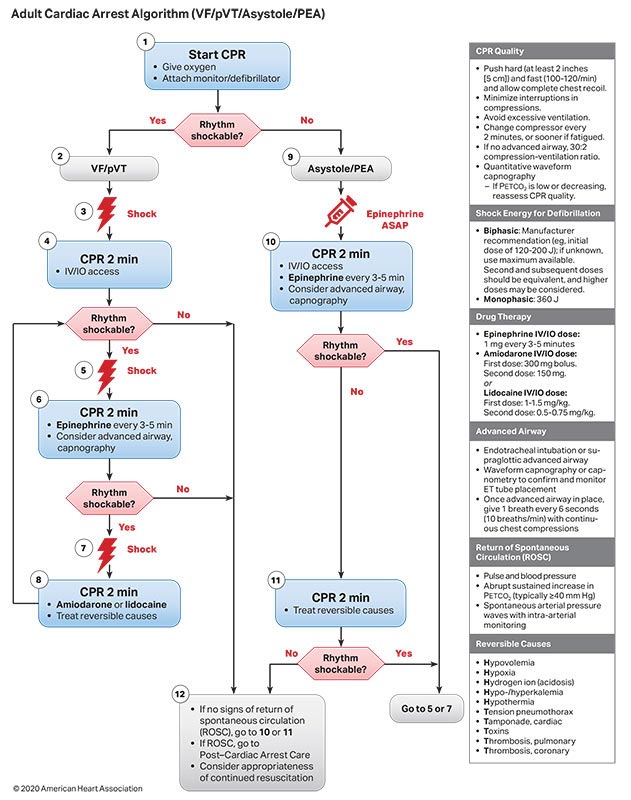
- Physiology
-
-
Question 5
Correct
-
You examine an elderly man who is experiencing chest pain. He doesn't recall all of his medications, but he does know that he takes a diuretic.
The enzyme carbonic anhydrase is inhibited by which of the following diuretics?Your Answer: Acetazolamide
Explanation:Acetazolamide is a non-competitive, reversible inhibitor of carbonic anhydrase found in the cytosol of cells and on the brush border of the proximal convoluted tubule. Bicarbonate and hydrogen ions are converted to carbonic acid by carbonic anhydrase, which then converts carbonic acid to carbon dioxide and water. As a result, acetazolamide reduces the availability of hydrogen ions, causing sodium and bicarbonate ions to accumulate in the renal tubule, resulting in diuresis.
The mechanism of action of the various types of diuretics is summarised below:1) Loop diuretics, e.g. furosemide, bumetanide
Act on the Na.K.2Cl co-transporters in the ascending loop of Henlé to inhibit sodium, chloride and potassium reabsorption.2) Thiazide diuretics, e.g. Bendroflumethiazide, hydrochlorothiazide
Act on the Na.Cl co-transporter in the distal convoluted tubule to inhibit sodium and chloride reabsorption.3) Osmotic diuretics, e.g. mannitol
Increases the osmolality of the glomerular filtrate and tubular fluid, increasing urinary volume by an osmotic effect.4) Aldosterone antagonists, e.g. spironolactone
Acts in the distal convoluted tubule as a competitive aldosterone antagonist resulting in inhibition of sodium reabsorption and increasing potassium reabsorption.5) Carbonic anhydrase inhibitors, e.g. acetazolamide
Inhibit the enzyme carbonic anhydrase preventing the conversion of bicarbonate and hydrogen ions into carbonic acid. -
This question is part of the following fields:
- Cardiovascular Pharmacology
- Pharmacology
-
-
Question 6
Correct
-
A 68-year-old man has a very fast heartbeat' and is out of breath. He has had a heart transplant in the past. His electrocardiogram reveals supraventricular tachycardia.
Which of the following is the most appropriate adenosine dose for him to receive as a first dose?Your Answer: Adenosine 3 mg IV
Explanation:A rapid IV bolus of adenosine is given, followed by a saline flush. The standard adult dose is 6 mg, followed by 12 mg if necessary, and then another 12 mg bolus every 1-2 minutes until an effect is seen.
Patients who have had a heart transplant, on the other hand, are extremely sensitive to the effects of adenosine and should start with a lower dose of 3 mg, then 6 mg, and finally 12 mg.
-
This question is part of the following fields:
- Cardiovascular Pharmacology
- Pharmacology
-
-
Question 7
Correct
-
A patient presents to ED complaining of a purulent discharge, urethral discomfort and dysuria. You suspect gonorrhoea. Which of the following cell components produced by Neisseria gonorrhoeae is responsible for attachment to host cells:
Your Answer: Pili
Explanation:Infection of the genital mucosa by Neisseria gonorrhoeae involves attachment to and invasion of epithelial cells. Initial adherence of gonococci to columnar epithelial cells is mediated by type IV pili assembled from pilin subunit PilE proteins and pilus tip-associated PilC proteins, it then invades the epithelial layer, triggering a local acute inflammatory response.
-
This question is part of the following fields:
- Microbiology
- Pathogens
-
-
Question 8
Correct
-
Which of the following clotting factors is NOT vitamin K-dependent:
Your Answer: V
Explanation:Fat-soluble vitamin K is obtained from green vegetables and bacterial synthesis in the gut. Deficiency may present in the newborn (haemorrhagic disease of the newborn) or in later life. Deficiency may be caused by an inadequate diet, malabsorption or inhibition of vitamin K by drugs such as warfarin. The activity of factors II, VII, IX and X are vitamin K dependent as well as that of protein C and protein S. Both PT and APTT are prolonged.
-
This question is part of the following fields:
- Haematology
- Pathology
-
-
Question 9
Correct
-
A diagnosis of acute osteomyelitis was made on a patient with a known history of sickle cell disease. He has no joint prosthesis on in-dwelling metal work and no known drug allergies.
Which of the following is most likely the causative agent of the case presented above?Your Answer: Salmonella spp .
Explanation:Patients with sickle cell disease are prone to infection of the bone and bone marrow in areas of infarction and necrosis. Although Staphylococcus aureus is the most common cause of osteomyelitis in the general population, studies have shown that in patients with sickle cell disease, the relative incidence of Salmonella osteomyelitis is twice that of staphylococcal infection.
-
This question is part of the following fields:
- Microbiology
- Specific Pathogen Groups
-
-
Question 10
Correct
-
An 11-year-old presented to a GP with a history of headache, neck stiffness and photophobia. On examination, HR is 122, BP is 87/42, RR is 28, SaO 2 is 95%, temperature is 39.4 o C. There is a recent petechial rash on legs and arms. The GP administered a dose of antibiotics in the prehospital setting before transferring to the Emergency Department. Which of these would the GP have administered?
Your Answer: IM benzylpenicillin 1.2 g
Explanation:General Practitioners are advised to give a single injection of benzylpenicillin by intravenous or intramuscular injection before transferring the patient urgently to the ED when bacterial meningitis is suspected.
The recommended doses are:
Infants under 1 year: 300 mg
Children ages 1 to 9 years: 600 mg
Children aged 10 years and over: 1.2g
Adults: 1.2g -
This question is part of the following fields:
- Infections
- Pharmacology
-
-
Question 11
Correct
-
Haemophilia B results from a deficiency in:
Your Answer: Factor IX
Explanation:Haemophilia B is a bleeding disorder caused by a deficiency of clotting factor IX. It is the second commonest form of haemophilia, and is rarer than haemophilia A. Haemophilia B tends to be similar to haemophilia A but less severe. The two disorders can only be distinguished by specific coagulation factor assays.
The incidence is one-fifth of that of haemophilia A. Laboratory findings demonstrate prolonged APTT, normal PT and low factor IX.
Haemophilia B inherited in an X-linked recessive fashion, affecting males born to carrier mothers.
There is also a variation called Leyden, in which factor IX levels are below 1% until puberty, when they rise, potentially reaching as high as 40-60% of normal. This is thought to be due to the effects of testosterone at puberty. -
This question is part of the following fields:
- Haematology
- Pathology
-
-
Question 12
Correct
-
Which of the following is NOT a common side effect of amiodarone:
Your Answer: Blue/green teeth discolouration
Explanation:Common side effects of amiodarone include: Bradycardia, Nausea and vomiting, Thyroid disorders – hypothyroidism and hyperthyroidism, Persistent slate grey skin discoloration, Photosensitivity, Pulmonary toxicity (including pneumonitis and fibrosis), Hepatotoxicity, Corneal microdeposits (sometimes with night glare), Peripheral neuropathy and Sleep disorders.
-
This question is part of the following fields:
- Cardiovascular
- Pharmacology
-
-
Question 13
Correct
-
What proportion of peripheral blood leukocytes are monocytes?
Your Answer: 5 - 10%
Explanation:Monocytes account for around 5 to 10% of peripheral white cells. Monocytes in peripheral blood are generally bigger than other leukocytes and feature a large central oval or indented nucleus with clumped chromatin. The abundant cytoplasm staining blue and containing numerous fine vacuoles gives the appearance of ground glass. Cytoplasmic granules are another type of granule.
Monocytes evolve from the granulocyte-macrophage progenitor to become monoblasts, promonocytes, monocytes, and tissue macrophages (in increasing order of maturity). Monocytes only stay in the bone marrow for a short time before exiting to circulate in the bloodstream for 20-40 hours before becoming macrophages.
-
This question is part of the following fields:
- Immune Responses
- Pathology
-
-
Question 14
Correct
-
A 69-year-old woman with new-onset back pain was diagnosed with osteopenia, osteolytic lesions, and vertebral collapse after undergoing a radiographic examination. Her laboratory results revealed anaemia and hypercalcemia. These findings most likely indicate what condition?
Your Answer: Myeloma
Explanation:Bone pain, pathologic fractures, weakness, anaemia, infection, hypercalcemia, spinal cord compression, and renal failure are all signs and symptoms of multiple myeloma (MM). The patient’s condition matched the signs and symptoms of myeloma.
-
This question is part of the following fields:
- Haematology
- Pathology
-
-
Question 15
Correct
-
Regarding codeine, which of the following statements is INCORRECT:
Your Answer: There is a reduced risk of toxicity in patients who are ultra-rapid metabolisers of codeine.
Explanation:Codeine phosphate is a weak opioid and can be used for the relief of mild to moderate pain where other painkillers such as paracetamol or ibuprofen have proved ineffective.Codeine is metabolised to morphine which is responsible for its therapeutic effects. Codeine 240 mg is approximately equivalent to 30 mg of morphine. The capacity to metabolise codeine can vary considerably between individuals; there is a marked increase in morphine toxicity in people who are ultra rapid metabolisers, and reduced therapeutic effect in poor codeine metabolisers. Codeine is contraindicated in patients of any age who are known to be ultra-rapid metabolisers of codeine (CYP2D6 ultra-rapid metabolisers).Codeine is also contraindicated in children under 12, and in children of any age who undergo the removal of tonsils or adenoids for the treatment of obstructive sleep apnoea due to reports of morphine toxicity.
-
This question is part of the following fields:
- Central Nervous System
- Pharmacology
-
-
Question 16
Correct
-
Which of the following side effects is most likely caused by erythromycin:
Your Answer: QT - prolongation
Explanation:The side effects of erythromycin include abdominal pain, anaphylaxis,
cholestatic hepatitis, confusion,
diarrhoea, dyspepsia, fever, flatulence, hallucinations, hearing loss,
headache, hypertrophic pyloric stenosis, hypotension, Interstitial
nephritis, mild allergic reactions, nausea, nervous system effects,
including seizures, pain, pruritus, pseudomembranous colitis,
QT prolongation, rash, skin eruptions, tinnitus, urticaria,
ventricular arrhythmias, ventricular tachycardia, vertigo, vomiting -
This question is part of the following fields:
- Infections
- Pharmacology
-
-
Question 17
Correct
-
Which of the following best describes the therapeutic effect of calcium gluconate when used in treatment for hyperkalaemia:
Your Answer: Reduces cardiac cell membrane excitability
Explanation:Calcium resonium is an ion-exchange resin that exchanges sodium for potassium as it passes through the intestine, leading to excretion of potassium from the body. Salbutamol and insulin act to increase intracellular uptake of K+ via Na-K ATP pump. Sodium bicarbonate acts to correct acidosis and thus promotes intracellular uptake of K+. Calcium gluconate acts to protect the cardiac membrane and has no effect on serum K+ levels.
-
This question is part of the following fields:
- Fluids And Electrolytes
- Pharmacology
-
-
Question 18
Correct
-
Aldin is a 24-year-old male patient who arrives at the emergency department diagnosed with psittacosis based on his symptoms and history of being a pigeon enthusiast. Which of the following is the causative bacteria of psittacosis?
Your Answer: Chlamydia psittaci
Explanation:Chlamydia psittaci is a microorganism that is commonly found in birds.
These bacteria can infect people and cause psittacosis. Psittacosis is an infectious disease that may cause high fever and pneumonia associated with headaches, altered mental state, and hepatosplenomegaly.
-
This question is part of the following fields:
- Infections
- Microbiology
-
-
Question 19
Correct
-
Regarding shingles, which of the following statements is CORRECT:
Your Answer: You can catch chickenpox from a patient with shingles.
Explanation:After primary infection, VZV remains latent in sensory ganglia and in about 20% of patients will reactivate resulting in shingles, a painful vesicular rash in the related dermatome. Shingles usually affects older people and the immunocompromised. Shingles lesions are infectious to non-immune individuals who are at risk of developing chickenpox. Shingles can not be contracted directly from chickenpox, or from other cases of shingles. Shingles is treated with systemic antiviral treatment to reduce the severity and duration of pain, reduce complications, and reduce viral shedding.
-
This question is part of the following fields:
- Microbiology
- Pathogens
-
-
Question 20
Correct
-
All of the following are actions of insulin except:
Your Answer: Increased gluconeogenesis
Explanation:Major Actions of Insulin:
↑ Glucose uptake into cells
↑ Glycogenesis
↓ Glycogenolysis
↓ Gluconeogenesis
↑ Protein synthesis
↓ Protein degradation
↑ Fat deposition
↓ Lipolysis
↓ Ketoacid production
↑ K+ uptake into cellsMajor Actions of Glucagon:
↓ Glycogenesis
↑ Glycogenolysis
↑ Gluconeogenesis
↓ Fatty acid synthesis
↑ Lipolysis
↑ Ketoacid production -
This question is part of the following fields:
- Endocrine
- Physiology
-
-
Question 21
Incorrect
-
The correct statement regarding the parasympathetic nervous system is which of the following?
Your Answer: Parasympathetic postganglionic neurones release acetylcholine which acts on cholinergic nicotinic receptors.
Correct Answer: Parasympathetic preganglionic neurones run in cranial nerves III, VII, IX and X.
Explanation:The electron transfer system is responsible for most of the energy produced during respiration. The is a system of hydrogen carriers located in the inner mitochondrial membrane. Hydrogen is transferred to the electron transfer system via the NADH2 molecules produced during glycolysis and the Krebs cycle. As a result, a H+ion gradient is generated across the inner membrane which drives ATP synthase. The final hydrogen acceptor is oxygen and the H+ions and O2 combine to form water.
-
This question is part of the following fields:
- Basic Cellular
- Physiology
-
-
Question 22
Correct
-
Which of the following statements is correct with regards to insulin receptors?
Your Answer: Insulin has its intracellular effects via activation of tyrosine kinase.
Explanation:Most cells have insulin receptors present on them which can be sequestered into the cell to inactivate them. These receptors consist of two extracellular alpha subunits which contain the insulin-binding site and two transmembrane beta subunits. Because insulin is a polypeptide hormone, it must act via cell surface receptors as it is unable to readily cross the cell membrane. On binding to the receptor, the beta subunit of insulin autophosphorylation, which activates tyrosine kinase. As a result, there is an intracellular cascade of phosphorylation, causing a translocation of the glucose transporter GLUT4 and GLUT-1 to the plasma membrane of the affected cell. This facilitates glucose entry.
-
This question is part of the following fields:
- Endocrine
- Physiology
-
-
Question 23
Correct
-
Regarding hepatitis C, which of the following statements is INCORRECT:
Your Answer: Anti-HCV IgG antibodies are diagnostic of acute infection.
Explanation:Anti-HCV IgG antibodies indicate exposure to hepatitis C but this could be acute, chronic or resolved infection. If the antibody test is positive, HCV RNA should be tested for, which if positive indicates that a person has current infection with active hepatitis C.
-
This question is part of the following fields:
- Microbiology
- Pathogens
-
-
Question 24
Correct
-
A patient complains of stomach ache. You see a midline scar in the epigastric area when you examine the abdomen. Upon further interrogation, the patient reveals that she had a subtotal gastrectomy for recurring stomach ulcers several years ago. The stomach mucosa secretes a variety of vital compounds, and her ability to secrete some of these molecules has been harmed as a result of his surgery.
The stomach mucous neck cells secrete which of the following substances?
Your Answer: Bicarbonate
Explanation:Foveolar cells, also known as gastric mucous-neck cells, are cells that line the stomach mucosa and are found in the necks of the gastric pits. Mucus and bicarbonate are produced by these cells, which prevent the stomach from digesting itself. At pH 4, the mucous allows the acid to penetrate the lining, while below pH 4, the acid is unable to do so. Viscous fingering is the term for this procedure.
The table below summarizes the many cell types found in the stomach, as well as the substances secreted by each cell type and the function of the secretion:
Cell type/ Substance secreted/ Function of secretion
Parietal cells/ Hydrochloric acid/ Kills microbes and activates pepsinogen
Parietal cells/ Intrinsic factor/Binds to vitamin B12 and facilitates its absorption
Chief cells/ Pepsinogen/ Protein digestion
Chief cells/ Gastric lipase/ Fat digestion
G-cells/ Gastrin/ Stimulates gastric acid secretion
Enterochromaffin-like cells (ECL cells) /Histamine/ Stimulates gastric acid secretion
Mucous-neck cells/ Mucous and bicarbonate/ Protects stomach epithelium from acid
D-cells/ Somatostatin/ Inhibits gastric acid secretion -
This question is part of the following fields:
- Gastrointestinal Physiology
- Physiology
-
-
Question 25
Correct
-
A 69-year-old man with a history of chronic anaemia is transfused. He takes bisoprolol and furosemide for his cardiac failure, and his most recent BNP was 123 pmol/l. He developed shortness of breath and his pre-existing peripheral oedema became worse 5 hours after transfusion was commenced. His BP rises to 170/105 mmHg and a repeat measurement of his BNP is 192 pmol/l.
What is the most likely transfusion reaction to have occurred?Your Answer: TACO
Explanation:Transfusion-associated circulatory overload (TACO) presents as acute or worsening respiratory distress within 6 hours of transfusion of a large volume of blood. It is common in patients with diminished cardiac reserve or chronic anaemia. Elderly patients, infants and severely anaemic patients are particularly susceptible. Typical clinical features of TACO include: Acute respiratory distress, Tachycardia, Hypertension, Acute/worsening pulmonary oedema on chest X-ray. The BNP is usually raised to at least 1.5 times the pre-transfusion baseline.
Febrile transfusion reaction presents with a 1 degree rise in temperature from baseline during transfusion. Patient may have chills and malaise. It is the most common transfusion reaction (1 in 8 transfusions) and is usually caused by cytokines released from leukocytes in transfused red cell or platelet components.
TRALI (Transfusion Related Acute Lung Injury) is a clinical syndrome with abrupt onset of non-cardiogenic pulmonary oedema within 6 hours of transfusion not explained by another risk factor. Associated with the presence of antibodies in the donor blood to recipient leukocyte antigens. patients present with dyspnoea, hypertension, hypotension, acute leukopenia.
Graft versus host disease(GVHD) is an immune mediated condition that arises from a complex interaction between donor and recipients adaptive immunity. It presents as dermatitis, hepatitis and enteritis developing within 100 days after stem cell or bone marrow transplant.
Acute haemolytic reaction aka immediate haemolytic transfusion reaction presents with fever, chills, pain at transfusion site, nausea, vomiting, dark urine and feeling of ‘impending doom’. Often, it occurs due to ABO incompatibility.
-
This question is part of the following fields:
- Haematology
- Pathology
-
-
Question 26
Incorrect
-
A 54-year-old woman presents with polyuria and polydipsia. She is known to suffer from bipolar disorder, which has been well controlled by the use of lithium for many years.
What is the SINGLE most likely diagnosis?Your Answer:
Correct Answer: Nephrogenic diabetes insipidus
Explanation:Diabetes insipidus is the inability to produce concentrated urine. It is characterised by the presence of excessive thirst, polyuria and polydipsia. There are two distinct types of diabetes insipidus:
Cranial (central) diabetes insipidus and;
Nephrogenic diabetes insipidus
Cranial diabetes insipidus is caused by a deficiency of vasopressin (anti-diuretic hormone). Patients with cranial diabetes insipidus can have a urine output as high as 10-15 litres per 24 hours, but adequate fluid intake allows most patients to maintain normonatraemia. 30% of cases are idiopathic, and a further 30% are secondary to head injuries. Other causes include neurosurgery, brain tumours, meningitis, granulomatous disease (e.g. sarcoidosis) and drugs, such as naloxone and phenytoin. A very rare inherited form also exists that is associated with diabetes mellitus, optic atrophy, nerve deafness and bladder atonia.
Nephrogenic diabetes insipidus is caused by renal resistance to the action of vasopressin. As with cranial diabetes insipidus, urine output is markedly elevated. Serum sodium levels can be maintained by secondary polydipsia or can be elevated. Causes of nephrogenic diabetes insipidus include chronic renal disease, metabolic disorders (e.g. hypercalcaemia and hypokalaemia) and drugs, including long-term lithium usage and demeclocycline.
In view of the history of long-term lithium use, in this case, nephrogenic diabetes insipidus is the most likely diagnosis. -
This question is part of the following fields:
- Physiology
- Renal Physiology
-
-
Question 27
Incorrect
-
Regarding Clostridium perfringens, which of the following statements is CORRECT:
Your Answer:
Correct Answer: It can cause exotoxin-mediated food poisoning.
Explanation:Clostridium perfringens is an obligate anaerobe and has exotoxin mediated effects. It is the most common cause of gas gangrene. C. perfringens is also implicated in food poisoning, cellulitis, enteritis necrotican (life-threatening infection involving ischaemic necrosis of the jejunum), and rarely, CNS infections such as meningitis and encephalitis.
-
This question is part of the following fields:
- Microbiology
- Pathogens
-
-
Question 28
Incorrect
-
The most important Complement protein for antigen opsonization is:
Your Answer:
Correct Answer: C3b
Explanation:Phagocytosis is largely responsible for depletion of cells coated with antibodies. Cells opsonized by IgG antibodies are recognized by phagocyte Fc receptors, which are specific for the Fc portions of some IgG subclasses. In addition, when IgM or IgG antibodies are deposited on the surfaces of cells, they may activate the complement system by the classical pathway. Complement activation generates by-products, mainly C3b and C4b, which are deposited on the surfaces of the cells and recognized by phagocytes that express receptors for these proteins. The net result is phagocytosis of the opsonized cells and their destruction.
-
This question is part of the following fields:
- Immune Responses
- Pathology
-
-
Question 29
Incorrect
-
The sensation produced by touching the arm with a vibrating tuning fork during a neurological examination is mediated by which of the following spinal tracts:
Your Answer:
Correct Answer: Posterior column
Explanation:Fine-touch, proprioception and vibration sensation are mediated by the posterior column-medial lemniscus pathway.
-
This question is part of the following fields:
- Anatomy
- Central Nervous System
-
-
Question 30
Incorrect
-
At rest, skeletal muscle accounts for between 15-20% of cardiac output and accounts for around 50% of body weight. This can increase to nearly 80% of cardiac output during exercise. Skeletal muscle circulation is highly controlled and has a number of specialized adaptations as a result of this high degree of disparity during exercise, in combination with the diversity in the size of skeletal muscle around the body.
What is the primary mechanism for boosting skeletal muscle blood flow during exercise?
Your Answer:
Correct Answer: Metabolic hyperaemia
Explanation:In skeletal muscle, blood flow is closely related to metabolic rate. Due to the contraction of precapillary sphincters, most capillaries are blocked off from the rest of the circulation at rest and are not perfused. This causes an increase in vascular tone and vessel constriction. As metabolic activity rises, this develops redundancy in the system, allowing it to cope with greater demand. During exercise, metabolic hyperaemia, which is induced by the release of K+, CO2, and adenosine, recruits capillaries. Sympathetic vasoconstriction in the active muscles is overridden by this. Simultaneously, blood flow in non-working muscles is restricted, preserving cardiac output. During exercise, muscle contractions pump blood through the venous system, raising the pressure differential between arterioles and venules and boosting blood flow via capillaries.
Capillary angiogenesis is evident when muscles are used repeatedly (e.g. endurance training). It is a long-term effect, not a quick fix for increased blood flow.
The local partial pressure of alveolar oxygen is the primary intrinsic control of pulmonary blood flow (pAO2). Low pAO2 promotes arteriole vasoconstriction and vice versa. The hypoxic pulmonary vasoconstriction (HPV) reflex allows blood flow to be diverted away from poorly ventilated alveoli and towards well-ventilated alveoli in order to maximize gaseous exchange.
-
This question is part of the following fields:
- Cardiovascular Physiology
- Physiology
-
-
Question 31
Incorrect
-
The movement of molecules across the cell membrane relies greatly on active transport.
Which of the following statements about active transport is correct?Your Answer:
Correct Answer: Active transport occurs in glucose absorption from the gut
Explanation:The movement of a material against a concentration gradient, i.e. from a low to a high concentration, is known as active transport. Primary active transport is defined as active transport that involves the use of chemical energy, such as adenosine triphosphate (ATP). Secondary active transport occurs when an electrochemical gradient is used.
The sodium-potassium pump, calcium ATPase pump, and proton pump are all key active transport systems that use ATP. An electrochemical gradient is used by the sodium-calcium co-transporter, which is an example of secondary active transport.
The sodium-dependent hexose transporter SGLUT-1 transports glucose and galactose into enterocytes. Secondary active transport is exemplified here.
-
This question is part of the following fields:
- Basic Cellular Physiology
- Physiology
-
-
Question 32
Incorrect
-
All of the following cause bronchoconstriction, EXCEPT for:
Your Answer:
Correct Answer: Adrenaline
Explanation:Factors causing bronchoconstriction:
- Via muscarinic receptors
- Parasympathetic stimulation
- Stimulation of irritant receptors
- Inflammatory mediators e.g. histamine, prostaglandins, leukotrienes
- Beta-blockers
-
This question is part of the following fields:
- Physiology
- Respiratory
-
-
Question 33
Incorrect
-
Which of the following is NOT one of the cardinal features of acute inflammation:
Your Answer:
Correct Answer: Discharge
Explanation:Classic signs:
Rubor (redness)
Calor (heat)
Dolour (pain)
Tumour (swelling)
Functio laesa (loss of function)
These classic signs are produced by a rapid vascular response and cellular events. The main function of these events is to bring elements of the immune system to the site of injury and prevent further tissue damage. -
This question is part of the following fields:
- Inflammatory Responses
- Pathology
-
-
Question 34
Incorrect
-
What is the pathophysiology of Cushing's syndrome:
Your Answer:
Correct Answer: Glucocorticoid excess
Explanation:Cushing’s syndrome is the name given to the clinical symptoms and signs induced by chronic glucocorticoid excess.
-
This question is part of the following fields:
- Endocrine
- Physiology
-
-
Question 35
Incorrect
-
A 40-year-old female presents to the orthopaedic clinic complaining of pain and limited range of motion in the right elbow for the past two days. On examination, the right elbow is extremely tender with erythema and warmth of the overlying skin due to acute inflammation.
Which ONE of the following statements is true with regards to acute inflammation?Your Answer:
Correct Answer: Neutrophils are activated and adhere to the endothelium as a result of interaction with endothelial cell adhesion molecules
Explanation:Acute inflammation is defined as inflammation occurring within minutes to hours in response to an injury lasting for less than two weeks.
Acute inflammation
Rapid onset (minutes to hours)
Quick resolution (usually days)Chronic inflammation
May last weeks, months, or yearsThere are five cardinal signs of inflammation:
1) Pain
2) Redness
3) Warmth
4) Oedema
5) Loss of functionDuring acute inflammation, neutrophils are activated and attracted to the site of inflammation in response to various interleukins and cytokines. This process takes place via the following mechanism:
1) Margination
Neutrophils flow nearer the vessel wall rather than in the axial stream, which is referred to as margination
2) Rolling along the surface of vascular endothelium
3) Adhesion to the endothelium by interaction with adhesion molecules (ICAMS and VCAMS)
4) Diapedesis is the movement of neutrophils from the endothelial cells into the interstitial space by squeezing through the gaps between adjacent endothelial cellsBradykinin and histamine are both responsible for vasodilation which causes oedema and decreases intravascular osmotic pressure.
Neutrophils dominate early (<2 days)
– Many in the bloodstream
– Attach firmly to adhesion molecules
– Apoptosis after 24-48hrs
Monocytes/macrophages dominate late (>2 days)
– Live longer
– Replicate in tissues -
This question is part of the following fields:
- General Pathology
- Pathology
-
-
Question 36
Incorrect
-
A 27-year-old female is brought to the Emergency Department by ambulance with extensive bleeding from her upper arm following a fall from a bicycle onto a fence. On inspection her biceps brachii muscle has been lacerated.
How will the muscle heal from this injury? Select ONE answer only.Your Answer:
Correct Answer: Satellite cells will produce a small number of regenerated myocytes
Explanation:Muscle heals with fibrous tissue to form a scar. Once cut, it will never regain its previous bulk or power. Within the scar a small number of myocytes (muscle cells) may be seen, which are formed from satellite cells but they contribute little to the function of the muscle overall.
In more widespread ischaemic injury, such as critical ischaemic limb due to arterial compromise, or in compartment syndrome, damaged myocytes are replaced diffusely with fibrous tissue. This fibrous tissue contracts and reduces movement, and in extreme cases can pull the limb into abnormal positions such as in Volkmann’s ischaemic contracture of the forearm. -
This question is part of the following fields:
- General Pathology
- Pathology
-
-
Question 37
Incorrect
-
Diabetic ketoacidosis is characterised by which of the following:
Your Answer:
Correct Answer: Hyperglycaemia, ketonaemia and acidosis
Explanation:DKA is characterised by the biochemical triad:
1. Hyperglycaemia (> 11 mmol/L)
2. Ketonaemia (> 3 mmol/L)
3. Acidosis (pH < 7.3 +/- HCO3 < 15 mmol/L) -
This question is part of the following fields:
- Endocrine
- Physiology
-
-
Question 38
Incorrect
-
Which of the following side effects would you least associated with ciprofloxacin:
Your Answer:
Correct Answer: Folate deficiency
Explanation:Common side effects include diarrhoea, dizziness, headache, nausea and vomiting.
Other adverse effects include: Tendon damage (including rupture), Seizures (in patients with and without epilepsy), QT-interval prolongation, Photosensitivity and Antibiotic-associated colitis -
This question is part of the following fields:
- Infections
- Pharmacology
-
-
Question 39
Incorrect
-
Which of the following is NOT a typical side effect of digoxin:
Your Answer:
Correct Answer: Hypokalaemia
Explanation:Digoxin does not cause hypokalaemia, but hypokalaemia does potentiate digoxin toxicity. The adverse effects of digoxin are frequently due to its narrow therapeutic window and include:
Cardiac adverse effects – Sinoatrial and atrioventricular block, Premature ventricular contractions, PR prolongation and ST-segment depression
Nausea, vomiting and diarrhoea
Blurred or yellow vision
CNS effects – weakness, dizziness, confusion, apathy, malaise, headache, depression, psychosis
Thrombocytopenia and agranulocytosis (rare)
Gynaecomastia in men in prolonged administration -
This question is part of the following fields:
- Cardiovascular
- Pharmacology
-
-
Question 40
Incorrect
-
Which of the following classes of drugs may predispose to lithium toxicity:
Your Answer:
Correct Answer: Thiazide diuretics
Explanation:Excretion of lithium may be reduced by thiazide diuretics, NSAIDs, and ACE inhibitors thus predisposing to lithium toxicity. Loop diuretics also cause lithium retention but are less likely to result in lithium toxicity.
-
This question is part of the following fields:
- Central Nervous System
- Pharmacology
-
-
Question 41
Incorrect
-
Amoxicillin is used first line for all of the following infections EXCEPT for:
Your Answer:
Correct Answer: Cellulitis
Explanation:Amoxicillin is used first line for low to moderate severity community acquired pneumonia, exacerbations of chronic bronchitis, for acute otitis media, for acute sinusitis, for oral infections/dental abscess, for Listeria meningitis (in combination with another antibiotic), for infective endocarditis (in combination with another antibiotic) and for H. Pylori eradication (in combination with metronidazole/clarithromycin and a PPI). Flucloxacillin is used first line for acute cellulitis.
-
This question is part of the following fields:
- Infections
- Pharmacology
-
-
Question 42
Incorrect
-
Gastrin release from antral G-cells is stimulated by all but which one of the following:
Your Answer:
Correct Answer: Secretin
Explanation:Gastrin secretion is stimulated by:
The presence of small peptides and amino acids in chyme
Gastric distension
Vagal stimulation directly via acetylcholine and indirectly via gastrin-releasing peptide (GRP)
Raised gastric pH -
This question is part of the following fields:
- Gastrointestinal
- Physiology
-
-
Question 43
Incorrect
-
C5 - C9 deficiency increases susceptibility to infection with which of the following:
Your Answer:
Correct Answer: Neisseria spp.
Explanation:If the complement sequence is completed, an active phospholipase (the membrane attack complex, MAC) is produced, which punches holes in the cell membrane and causes cell lysis. Because the MAC appears to be the sole means to destroy the Neisseria family of bacteria, C5 – C9 deficiency increases susceptibility to Neisseria infections.
-
This question is part of the following fields:
- Immune Responses
- Pathology
-
-
Question 44
Incorrect
-
Which of the following statements is correct with regards to Hodgkin's lymphoma?
Your Answer:
Correct Answer: Most patients present with painless asymmetrical lymphadenopathy, with cervical nodes involved most commonly.
Explanation:Lymphoma is a cancer of the lymphatic system, which is part of the body’s germ-fighting network. They are a group of diseases that are caused by malignant lymphocytes. These malignant cells accumulate in lymph nodes and other lymphoid tissue, giving rise to the characteristic clinical feature of lymphadenopathy.
They can be subdivided into Hodgkin lymphoma (HL) which are characterised by the presence of Reed-Sternberg cells, and non-Hodgkin lymphoma (NHL).
Characteristics of HL include:
1. can present at any age but is rare in children and has a peak incidence in young adults,
2. almost 2:1 male predominance.
3. presents with painless, asymmetrical, firm and discrete enlargement of superficial lymph nodes.
4. cervical node involvement in 60-70% of cases,
5. axillary node involvement in 10-15%
6. inguinal node involvement in 6-12%.
7. modest splenomegaly during the course of the disease in 50% of patients
8. may occasionally have liver enlargement
9. bone marrow failure involvement is unusual in early disease.
Approximately 85% of patients are cured, but the prognosis depends on age, stage and histology.
Two well‐known but rare symptoms in HL are alcohol‐induced pain and pruritus. -
This question is part of the following fields:
- Haematology
- Pathology
-
-
Question 45
Incorrect
-
When a child has chickenpox, how long should he or she be off from school?
Your Answer:
Correct Answer: Until all vesicles have crusted over
Explanation:To avoid the spread of infection, infected patients should be isolated. All lesions should be crusted over before children return to nursery or school, even if the standard exclusion time is 5 days.
-
This question is part of the following fields:
- Microbiology
- Pathogens
-
-
Question 46
Incorrect
-
In the small intestine, there is a deep gap between each villus that leads to the crypt of Lieberkühn, a tubular intestinal gland.
What is the primary function of these glands?
Your Answer:
Correct Answer: Production of an alkaline intestinal juice
Explanation:In the small intestine, there is a deep gap between each villus that leads to the crypt of Lieberkühn, a tubular intestinal gland. These glands create an alkaline intestinal juice that is a mixture of water and mucus with a pH of 7.4-7.8. Intestinal juice is released in a volume of 1-2 litres per day in response to distention of the small intestine or the irritating effects of chyme on the intestinal mucosa.
-
This question is part of the following fields:
- Gastrointestinal Physiology
- Physiology
-
-
Question 47
Incorrect
-
Innate, or non-specific, immunity is the immune system we are born with.
Which of the following is NOT an example of innate immunity? Select ONE answer only.Your Answer:
Correct Answer: T-lymphocytes
Explanation:Innate, or non-specific, immunity is the immune system we are born with.
There are three aspects of innate immunity:
1. Anatomical barriers, such as:
The cough reflex
Enzymes in tears and skin oils
Mucus – which traps bacteria and small particles
Skin
Stomach acid
2. Humoral barriers, such as:
The complement system
Interleukin-1
3. Cellular barriers, such as:
Neutrophils
Macrophages
Dendritic cells
Natural killer cells
Antibody production is part of the specific, or inducible immune response. T-lymphocytesare responsible for the cell mediated immune response which is part of specific, or inducible immunity. -
This question is part of the following fields:
- General Pathology
- Pathology
-
-
Question 48
Incorrect
-
Which of the following best describes the correct administration of adrenaline for a shockable rhythm in adult advanced life support?
Your Answer:
Correct Answer: Give 1 mg of adrenaline after the second shock and every 3 - 5 minutes thereafter
Explanation:Give adrenaline 1 mg IV (IO) (10 mL of 1:10,000 solution) after the 2nd shock for adult patients in cardiac arrest with a shockable rhythm. Repeat adrenaline 1 mg IV (IO) every 3-5 minutes whilst ALS continues.
-
This question is part of the following fields:
- Cardiovascular
- Pharmacology
-
-
Question 49
Incorrect
-
Cryptococcus neoformans is primarily implicated in which of the following conditions:
Your Answer:
Correct Answer: Chronic lymphocytic meningitis
Explanation:Cryptococcus neoformans typically causes a chronic lymphocytic meningitis in immunosuppressed patients or those with intense exposure e.g. pigeon fanciers.
-
This question is part of the following fields:
- Microbiology
- Pathogens
-
-
Question 50
Incorrect
-
Which of the following is the correct sequential order of the phases of healing:
Your Answer:
Correct Answer: Haemostasis, inflammation, proliferation, remodelling
Explanation:Acute wound healing has four main stages: haemostasis, inflammation, proliferation and remodelling.
-
This question is part of the following fields:
- Pathology
- Wound Healing
-
-
Question 51
Incorrect
-
A 32-year-old asthmatic patient on theophylline as part of her asthma management presents to the Emergency Department with an unrelated medical condition.
Which of these drugs should be avoided?Your Answer:
Correct Answer: Clarithromycin
Explanation:Macrolide antibiotics (e.g. clarithromycin and erythromycin) are cytochrome P450 enzyme inhibitors. They increase blood levels of theophylline leading to hypokalaemia, and potentially increasing the risk of Torsades de pointes when they are prescribed together.
Co-prescription with theophylline should be avoided.
Factors that enhance theophylline clearance include cigarette smoking, carbamazepine, phenobarbital, phenytoin, primidone, and rifampin.
Medications that inhibit clearance include ethanol, ciprofloxacin, erythromycin, verapamil, propranolol, ticlopidine, tacrine, allopurinol, and cimetidine. -
This question is part of the following fields:
- Pharmacology
- Respiratory Pharmacology
-
-
Question 52
Incorrect
-
What is the mechanism of action of captopril:
Your Answer:
Correct Answer: Angiotensin-converting enzyme inhibitor
Explanation:Captopril is an angiotensin-converting enzyme (ACE) inhibitor, which inhibits the conversion of angiotensin I to angiotensin II.
-
This question is part of the following fields:
- Cardiovascular
- Pharmacology
-
-
Question 53
Incorrect
-
Regarding airway resistance, which of the following statements is INCORRECT:
Your Answer:
Correct Answer: In the lower respiratory tract, airway resistance is mostly determined by the smallest bronchioles.
Explanation:Airway resistance is primarily determined by the airway radius according to Poiseuille’s law, and whether the flow is laminar or turbulent. The major site of airway resistance is the medium-sized bronchi. The smallest airways would seem to offer the highest resistance, but they do not because of their branching parallel arrangement.
-
This question is part of the following fields:
- Physiology
- Respiratory
-
-
Question 54
Incorrect
-
A 29-year-old male presents with a 3-day history of bloody diarrhoea and abdominal pain.
All the following are causes of infectious bloody diarrhoea EXCEPT?
Your Answer:
Correct Answer: Enterotoxigenic Escherichia coli
Explanation:Infective causes of bloody diarrhoea include:
Salmonella spp
Campylobacter spp
Schistosomiasis
Entamoeba histolytica (Amoebiasis )
Shigella spp
Clostridium difficile
Yersinia spp
Enteroinvasive Escherichia coliEnterotoxigenic Escherichia coli is non-invasive and does not cause inflammation of the gut and bloody diarrhoea. It presents with copious watery diarrhoea and usually are not associated with abdominal cramping.
-
This question is part of the following fields:
- Microbiology
- Specific Pathogen Groups
-
-
Question 55
Incorrect
-
A 28-year-old patient is intubated and has a central venous catheter inserted after being diagnosed with septic shock. You keep track of her central venous pressure.
The normal value for central venous pressure is which of the following?Your Answer:
Correct Answer: 0-8 cmH 2 O
Explanation:The pressure measured in the right atrium or superior vena cava is known as central venous pressure (CVP). In a spontaneously breathing subject, the usual CVP value is 0-8 cmH2O (0-6 mmHg).
At the conclusion of expiration, the CVP should be measured with the patient resting flat. The catheter’s tip should be at the intersection of the superior vena cava and the right atrium. An electronic transducer is installed and zeroed at the level of the right atrium to measure it (usually in the 4th intercostal space in the mid-axillary line).
CVP is a good predictor of preload in the right ventricle. Hypovolaemia is indicated by a volume challenge of 250-500 mL crystalloid eliciting an increase in CVP that is not sustained for more than 10 minutes.CVP is influenced by a number of factors, including:
Mechanical ventilation (and PEEP)
Pulmonary hypertension
Pulmonary embolism
Heart failure
Pleural effusion
Decreased cardiac output
Cardiac tamponade
CVP is reduced by the following factors:
Distributive shock
Negative pressure ventilation
Hypovolaemia
Deep inhalation -
This question is part of the following fields:
- Cardiovascular Physiology
- Physiology
-
-
Question 56
Incorrect
-
A patient diagnosed with cranial nerve palsy exhibits asymmetrical movement of the palate, nasal regurgitation of food, and nasal quality to the voice.
Which of the following cranial nerves is most likely responsible for the aforementioned features?Your Answer:
Correct Answer: Vagus nerve
Explanation:The vagus nerve, ‘the wanderer’, contains motor fibres (to the palate and vocal cords), sensory components (posterior and floor of external acoustic meatus) and visceral afferent and efferent fibres.
Palatal weakness can cause nasal speech and nasal regurgitation of food. The palate moves asymmetrically when the patient says ‘ahh’. Recurrent nerve palsy results in hoarseness, loss of volume and ‘bovine cough’.
-
This question is part of the following fields:
- Anatomy
- Central Nervous System
-
-
Question 57
Incorrect
-
One of the following statements about acute lymphoblastic leukaemia(ALL) is true.
Your Answer:
Correct Answer: It is classified using the FAB classification
Explanation:ALL affects children predominantly.
The CNS is commonly involved in ALL.
The Philadelphia chromosome is present in 25% of adult ALL and 5% of childhood ALL cases.
The cure rate in children is approximately 80% in children and 50% in adults.
ALL is classified into 3 groups using the French-American-British (FAB) classification:
ALL-L1: small uniform cells
ALL-L2: large varied cells
ALL-L3: large varied cells with vacuoles. -
This question is part of the following fields:
- Haematology
- Pathology
-
-
Question 58
Incorrect
-
Regarding hepatitis A, which of the following statements is CORRECT:
Your Answer:
Correct Answer: Anti-HAV IgM antibodies are diagnostic.
Explanation:Anti-HAV IgM antibodies are diagnostic. Disease in children is more commonly asymptomatic, risk of symptomatic disease increases with age. Transmission is by the faecal-oral route. Faecal shedding has been demonstrated for 2 – 3 weeks before and about a week after, the onset of jaundice. Infection confers lifelong immunity.
-
This question is part of the following fields:
- Microbiology
- Pathogens
-
-
Question 59
Incorrect
-
Which of the following statements is correct with regards to Klebsiella spp?
Your Answer:
Correct Answer: They are typically associated with nosocomial infection.
Explanation:Klebsiella is a type of bacteria commonly found in nature. In humans, the bacteria are often present in parts of the digestive tract and respiratory flora, where they do not generally cause problems. They are anaerobic Gram-negative rods. They are usually opportunistic pathogens which cause nosocomial infections, the most common ones being pneumonia and UTI.
-
This question is part of the following fields:
- Microbiology
- Pathogens
-
-
Question 60
Incorrect
-
A 50-year-old woman with painful joints had some blood tests done with her GP. The test showed she had anti-double stranded DNA antibodies.
Which one of these disorders is most likely to be associated with anti-double stranded DNA antibodies?Your Answer:
Correct Answer: Systemic lupus erythematosus (SLE)
Explanation:CREST syndrome is usually associated with anti-centromere antibodies.
Primary biliary cirrhosis is associated with anti-mitochondrial antibodies.
Sjogren’s syndrome is associated with anti-Ro and anti-La antibodies.
Polymyositis is associated with anti-Jo1 antibodies.
Anti-double stranded DNA antibodies are highly characteristic of systemic lupus erythematosus (SLE). They are a group of anti-nuclear antibodies (ANA) that target double stranded DNA and are implicated in the pathogenesis of lupus nephritis.
-
This question is part of the following fields:
- General Pathology
- Pathology
-
-
Question 61
Incorrect
-
A 60-year-old female is referred to the Oncology clinic due to the presence of lumps in her neck. There is a non-tender enlargement of several groups of cervical lymph nodes on examination. She is sent for a lymph node biopsy. The results show the presence of lymphoma cells, but there are no Reed-Sternberg cells.
Which one is most appropriate for this case out of the following diagnoses?Your Answer:
Correct Answer: Non-Hodgkin’s lymphoma
Explanation:Non-Hodgkin’s Lymphoma (NHL) causes neoplastic transformation of both B cell (85%) and T cell (15%) lines.
The most common presentation is with enlarged, rubbery, painless lymph nodes. The patient may also have B symptoms which consist of night sweats, weight loss and fevers. Multiple myeloma most commonly presents with bone pain, especially in the back and ribs.
The presence of Reed-Sternberg cells characterises Hodgkin’s lymphoma. Acute lymphoblastic leukaemia will present with features of anaemia, thrombocytopenia and leukopenia. The most common symptoms of chronic lymphocytic leukaemia are fatigue, night sweats and low-grade fever.
The peak incidence of NHL is in the 50-70 years age group, it affects men and women equally, but affects the Caucasian population more commonly than black and Asian ethnic groups.
The following are recognised risk factors for NHL:
Chromosomal translocations and molecular rearrangements
Epstein-Barr virus infection
Human T-cell leukaemia virus type-1 (HTLV-1)
Hepatitis C
Congenital and acquired immunodeficiency states
Autoimmune disorders, e.g. Sjogren’s syndrome and Hashimoto’s thyroiditis -
This question is part of the following fields:
- Haematology
- Pathology
-
-
Question 62
Incorrect
-
From which of the following cell types are platelets derived?
Your Answer:
Correct Answer: Megakaryocytes
Explanation:Synthesis of platelets occurs in the bone marrow by fragmentation of megakaryocytes cytoplasm, derived from the common myeloid progenitor cell. The average time for differentiation of the human stem cell to the production of platelets is about 10 days. The major regulator of platelet formation is thrombopoietin and 95% of this is produced by the liver. Normal platelet count is 150 – 450 x 109/L and the normal lifespan of a platelet is about 10 days. Usually about one-third of the marrow output of platelets may be trapped at any one time in the normal spleen.
-
This question is part of the following fields:
- Basic Cellular
- Physiology
-
-
Question 63
Incorrect
-
Liquefactive necrosis is most commonly seen in which of the following conditions:
Your Answer:
Correct Answer: Ischaemic stroke
Explanation:Liquefactive necrosis results in the loss of all cellular structure and the formation of a soft, semi-solid mass. This is commonly seen in the brain after a cerebral infarction.
-
This question is part of the following fields:
- Inflammatory Responses
- Pathology
-
-
Question 64
Incorrect
-
Regarding chemical control of respiration, which of the following statements is INCORRECT:
Your Answer:
Correct Answer: The blood-brain barrier is freely permeable to HCO3 - ions.
Explanation:CSF is separated from the blood by the blood-brain barrier. This barrier is impermeable to polar molecules such as H+and HCO3-but CO2can diffuse across it easily. The pH of CSF is therefore determined by the arterial PCO2and the CSF HCO3-and is not affected by blood pH.
-
This question is part of the following fields:
- Physiology
- Respiratory
-
-
Question 65
Incorrect
-
A 16-year old boy is brought to the emergency room after suffering a traffic accident. Upon examination, there is noted ipsilateral loss of proprioception and vibration, ipsilateral motor loss, and contralateral loss of pain and temperature sensation. A spinal cord injury is given as a diagnosis.
Which of the following is the most probable cause of this manifestation?Your Answer:
Correct Answer: Brown-Séquard syndrome
Explanation:Brown-Sequard Hemicord Syndrome consists of ipsilateral weakness (corticospinal tract) and loss of joint position and vibratory sense (posterior column), with contralateral loss of pain and temperature sense (spinothalamic tract) one or two levels below the lesion. Segmental signs, such as radicular pain, muscle atrophy, or loss of a deep tendon reflex, are unilateral. Partial forms are more common than the fully developed syndrome.
-
This question is part of the following fields:
- Anatomy
- Central Nervous System
-
-
Question 66
Incorrect
-
Regarding acute myeloid leukaemia (AML), which of the following statements is CORRECT:
Your Answer:
Correct Answer: AML becomes increasingly common with age.
Explanation:Acute myeloid leukaemia (AML) is the most common form of acute leukaemia in adults and becomes increasingly common with age, with a median onset of 65 years. It forms only a minor fraction (10 – 15%) of childhood leukaemia. The clinical features of AML typically presents with clinical features secondary to leukaemic infiltration of bone marrow and extramedullary sites:
Anaemia (lethargy, pallor and breathlessness)
Thrombocytopaenia (petechiae, bruising, epistaxis, haemorrhage) – often profound
Neutropenia (infections)
Hepatosplenomegaly
Gingival infiltration
Central nervous system involvement in AML is uncommon.
Leukaemia cutis is the infiltration of neoplastic leukocytes in the skin. It occurs in approximately 10% of patients with AML.Haematological investigations reveal a normochromic normocytic anaemia with thrombocytopenia in most cases. The total white cell count is usually increased and blood film examination typically shows a variable number of blast cells. The bone marrow is hypercellular and typically contains many blast cells.. The prognosis for patients with AML has been improving steadily, particularly for those under 60 years of age, and approximately one-third of patients of this group can expect to achieve long-term cure. For the elderly, the situation is poor and less than 10% of those over 70 years of age achieve long-term remission.
CML is commonly associated with the Philadelphia chromosome. The Philadelphia chromosome is present in only 1% of adults AML cases.
Lymphadenopathy is rare in AML. -
This question is part of the following fields:
- Haematology
- Pathology
-
-
Question 67
Incorrect
-
Streptococcus pyogenes is commonly implicated in all of the following infective diseases EXCEPT for:
Your Answer:
Correct Answer: Gas gangrene
Explanation:Gas gangrene is a life-threatening infection caused by toxin-producing Clostridium species, primarily Clostridium perfringens, and characterised by rapidly progressive muscle necrosis, gas production and sepsis.
Gas gangrene is not a notifiable disease. -
This question is part of the following fields:
- Microbiology
- Pathogens
-
-
Question 68
Incorrect
-
C3 deficiency leads to particular susceptibility of infection with which of the following:
Your Answer:
Correct Answer: Encapsulated bacteria
Explanation:Macrophages and neutrophils have C3b receptors and they phagocytose C3b-coated cells. C3 deficiency thus leads to increased susceptibility of infection with encapsulated organisms (e.g. S. pneumoniae, H. influenzae).The early stages of the complement cascade leading to coating of the cells with C3b can occur by two different pathways:The classical pathway usually activated by IgG or IgM coating of cellsThe alternative pathway which is more rapid and activated by IgA, endotoxin and other factors
-
This question is part of the following fields:
- Immune Responses
- Pathology
-
-
Question 69
Incorrect
-
A 24-year-old male presents to the Emergency Department with a three-day history of high-grade fever, headache and rash along with neck stiffness. On examination, Kernig's sign is positive, and you note a petechial rash over the trunk and limbs. Her vital signs show tachycardia and hypotension. Based on these findings, you diagnose sepsis secondary to meningitis.
Which one of the following definitions of sepsis is currently accepted?Your Answer:
Correct Answer: Life-threatening organ dysfunction caused by a dysregulated host response to infection
Explanation:In 2016 the SOFA guideline was introduced, also called the Sepsis-related Organ Failure Assessment, to make a sepsis diagnosis easier and prevent mortality.
According to this guideline, sepsis was defined as a life-threatening organ dysfunction due to a dysregulated host response to infection.
Septic shock was defined as a subset of sepsis in which the circulatory and metabolic abnormalities would lead to a greater risk of mortality than sepsis alone. Patients with septic shock would be clinically identified by a need for vasopressors to maintain MAP greater than 65 mmHg and serum lactate greater than two mmol/L.
-
This question is part of the following fields:
- Pathology
- Pathology Of Infections
-
-
Question 70
Incorrect
-
Regarding Helicobacter pylori, which of the following statements is INCORRECT:
Your Answer:
Correct Answer: It is found as part of normal colonic flora.
Explanation:Helicobacter pyloriis a Gram-negative, helix shaped (curved rod), microaerophilic bacterium. It typically has 4-6 lophotrichous flagellae and is therefore highly motile. It has an outer membrane consisting of phospholipids and lipopolysaccharide.
Helicobacter pyloriIs found in the upper gastrointestinal tract of approximately 50% of the population.
Colonization withHelicobacter pyloriconfers a 10-20% lifetime risk of developing peptic ulcers and a 1-2% lifetime risk of developing gastric cancer.
There is a strong association between mucosa-associated lymphoid tissue (MALT) lymphoma andHelicobacter pyloricolonization.
The most reliable method for testing for colonization withHelicobacter pyloriis by biopsy during endoscopy and histological examination.
Typically eradication requires a 14-day course of triple therapy with amoxicillin, clarithromycin and a proton pump inhibitor. Metronidazole is also often used as an alternative antibiotic in a triple therapy regime.
Serum antibody levels fall slowly and therefore cannot be used to accurately assess eradication. Either of the 13C-urea breath test or the stool antigen test are viable options for assessing successful eradication. -
This question is part of the following fields:
- Microbiology
- Pathogens
-
-
Question 71
Incorrect
-
Bendoflumethiazide may cause all of the following electrolyte imbalances EXCEPT for:
Your Answer:
Correct Answer: Hypocalcaemia
Explanation:Common side effects of thiazide diuretics include:
Excessive diuresis, postural hypotension, dehydration, renal impairment
Acid-base and electrolyte imbalance
Hypokalaemia, hyponatraemia, hypomagnesaemia, hypercalcaemia, hypochloraemic alkalosis
Metabolic imbalance
Hyperuricaemia and gout
Impaired glucose tolerance and hyperglycaemia
Altered plasma-lipid concentrations
Mild gastrointestinal disturbances -
This question is part of the following fields:
- Cardiovascular
- Pharmacology
-
-
Question 72
Incorrect
-
You examine a patient's blood tests and discover that her electrolyte levels are abnormal.
Which of the following is the major extracellular cation?Your Answer:
Correct Answer: Sodium
Explanation:Electrolytes are compounds that may conduct an electrical current and dissociate in solution. Extracellular and intracellular fluids contain these chemicals. The predominant cation in extracellular fluid is sodium, whereas the major anion is chloride. Potassium is the most abundant cation in the intracellular fluid, while phosphate is the most abundant anion. These electrolytes are necessary for homeostasis to be maintained.
-
This question is part of the following fields:
- Basic Cellular Physiology
- Physiology
-
-
Question 73
Incorrect
-
During her pregnancy, a 28-year-old lady was given an antibiotic. The neonate is born with bilateral deafness as a result of this.
From the following antibiotics, which one is most likely to cause this side effect?Your Answer:
Correct Answer: Gentamicin
Explanation:Aminoglycosides cross the placenta and are linked to poisoning of the 8th cranial nerve in the foetus, as well as permanent bilateral deafness.
-
This question is part of the following fields:
- Infections
- Pharmacology
-
-
Question 74
Incorrect
-
You're a member of the cardiac arrest team, and you're helping to resuscitate an elderly gentleman who had collapsed at home. The team leader requests that you administer an adrenaline shot.
Which of the following statements about adrenaline is FALSE?Your Answer:
Correct Answer: The IM dose in anaphylaxis is 1 ml of 1:1000
Explanation:Adrenaline (epinephrine) is a sympathomimetic amine that binds to alpha- and beta-adrenergic receptors and acts as an agonist. It is active at both alpha and beta receptors in roughly equal amounts.
When taken orally, it becomes inactive. Subcutaneous absorption is slower than intramuscular absorption. In cardiac arrest, it is well absorbed from the tracheal mucosa and can be given through an endotracheal tube.
At the adrenergic synapse, catechol-O-methyltransferase (COMT) and monoamine oxidase (MAO) metabolise it primarily. The inactive products are then passed through the kidneys and excreted in the urine.
In adult cardiac arrest, the IV dose is 1 mg, which is equal to 10 ml of 1:10000 or 1 ml of 1:1000. In anaphylaxis, the IM dose is 0.5 ml of 1:1000. (500 mcg).
In open-angle glaucoma, adrenaline causes mydriasis and lowers pressure.
Adrenaline is used in cardiopulmonary resuscitation, the treatment of severe croup, and the emergency management of acute allergic and anaphylactic reactions (as a nebuliser solution).
-
This question is part of the following fields:
- Cardiovascular Pharmacology
- Pharmacology
-
-
Question 75
Incorrect
-
Which of the following antibiotics is the first line of treatment for a patient who has been diagnosed with chlamydia infection?
Your Answer:
Correct Answer: Azithromycin
Explanation:The Centres for Disease Control and Prevention (CDC) recommends azithromycin, a single 1 g dose, and doxycycline, 100 mg bd for 7 days, as first-line medications for chlamydial infection treatment.
Second-line medications (such as erythromycin, penicillins, and sulfamethoxazole) are less effective and have more side effects
-
This question is part of the following fields:
- Microbiology
- Pathogens
-
-
Question 76
Incorrect
-
The monospot test for infectious mononucleosis uses which of the following types of red blood cell?
Your Answer:
Correct Answer: Horse red blood cells
Explanation:Infectious mononucleosis can be diagnosed using specific EBV antibodies and a variety if unrelated non-EBV heterophile antibodies. These antibodies can be detected by two main screening tests:
The monospot test uses horse red blood cells. It agglutinates in the presence of heterophile antibodies.
Sheep red blood cells is used in Paul-Bunnell test. The blood agglutinates in the presence of heterophile antibodies.
-
This question is part of the following fields:
- Microbiology
- Specific Pathogen Groups
-
-
Question 77
Incorrect
-
A 4-year-old girl is rushed to the Emergency Department by her grandparents after swallowing some of her grandfather's Warfarin tablets. On further questioning, it turns out that she took 5 of his 3 mg tablets which he needs to take due to a history of atrial fibrillation. The child appears healthy well-oriented in time, place and person, and has normal vitals.
What is the threshold dose of Warfarin that needs to be ingested for there to be a risk of anticoagulation?Your Answer:
Correct Answer: 0.5 mg/kg
Explanation:The clinical effects of Warfarin occur after a dose of greater than 0.5 mg/kg, and they will be observable 8-10 hours after consumption of the drug. The antidote used for Warfarin is Vitamin K.
1. In low-risk cases with no apparent bleeding:
an oral dose of 10 mg vitamin K2. If there is clinically significant bleeding
an intravenous dose of 250-300 mcg/kgActivated charcoal:
in cases of warfarin ingestion
binds to it and reduces the absorption of warfarin
the ingestion must have occurred within the last hour
There is, however, rarely a need for the use of activated charcoal because vitamin K is such as safe and effective antidote.Clotting studies, including an INR, can be performed, but small children who have ingested warfarin do not require INRs or follow up if they have been treated with 10 mg vitamin K. This dose of vitamin will completely reverse the anticoagulative effects of warfarin.
Perform INR if any of the following are present:
1. Delayed presentation (>6 hours)
2. Patients with symptoms or signs of anticoagulation
3. Possible massive ingestion -
This question is part of the following fields:
- Cardiovascular Pharmacology
- Pharmacology
-
-
Question 78
Incorrect
-
You are seeing a child with known mitochondrial disease who has presented breathlessness and cough. Which of the following best describes the function of mitochondria:
Your Answer:
Correct Answer: Energy production
Explanation:Mitochondria are membrane-bound organelles that are responsible for the production of the cell’s supply of chemical energy. This is achieved by using molecular oxygen to utilise sugar and small fatty acid molecules to generate adenosine triphosphate (ATP). This process is known as oxidative phosphorylation and requires an enzyme called ATP synthase. ATP acts as an energy-carrying molecule and releases the energy in situations when it is required to fuel cellular processes. Mitochondria are also involved in other cellular processes, including Ca2+homeostasis and signalling. Mitochondria contain a small amount of maternal DNA.
Mitochondria have two phospholipid bilayers, an outer membrane and an inner membrane. The inner membrane is intricately folded inwards to form numerous layers called cristae. The cristae contain specialised membrane proteins that enable the mitochondria to synthesise ATP. Between the two membranes lies the intermembrane space, which stores large proteins that are required for cellular respiration. Within the inner membrane is the perimitochondrial space, which contains a jelly-like matrix. This matrix contains a large quantity of ATP synthase.
Mitochondrial disease, or mitochondrial disorder, refers to a group of disorders that affect the mitochondria. When the number or function of mitochondria in the cell are disrupted, less energy is produced and organ dysfunction results. -
This question is part of the following fields:
- Basic Cellular
- Physiology
-
-
Question 79
Incorrect
-
A 19-year-old woman presents with dysuria and vaginal discharge. A swab was taken for culture. Culture results showed the presence of Neisseria gonorrhoeae infection. Treatment of azithromycin and doxycycline was started.
Which of the following statements is considered correct regarding Neisseria gonorrhoeae?Your Answer:
Correct Answer: Throat swabs can be used for diagnosis
Explanation:Neisseria gonorrhoeae is a Gram-negative diplococcus that causes gonorrhoea. Gonorrhoea is an acute pyogenic infection of nonciliated columnar and transitional epithelium; infection can be established at any site where these cells are found. Gonococcal infections are primarily acquired by sexual contact and occur primarily in the urethra, endocervix, anal canal, pharynx, and conjunctiva.
In men, acute urethritis, usually resulting in purulent discharge and dysuria (painful urination), is the most common manifestation. The endocervix is the most common site of infection in women. Symptoms of infection, when present, include dysuria, cervical discharge, and lower abdominal pain. Some cases in women may be asymptomatic leading to complications such as pelvic inflammatory disease. Blood-borne dissemination occurs in less than 1% of all infections, resulting in purulent arthritis and rarely septicaemia. Fever and a rash on the extremities can also be present. Other conditions associated with N. gonorrhoeae include anorectal and oropharyngeal infections. Infections in these sites are more common in men who have sex with men but can also occur in women.
Pharyngitis is the chief complaint in symptomatic oropharyngeal infections, whereas discharge, rectal pain, or bloody stools may be seen in rectal gonorrhoea. Approximately 30% to 60% of women with genital gonorrhoea have concurrent rectal infection. Newborns can acquire ophthalmia neonatorum, a gonococcal eye infection, during vaginal delivery through an infected birth canal.
Specimens collected for the recovery of N. gonorrhoeae may come from genital sources or from other sites, such as the rectum, pharynx, and joint
fluid. According to the 2010 STD Treatment guidelines, cephalosporins (e.g., ceftriaxone, cefixime) are currently recommended treatments. -
This question is part of the following fields:
- Microbiology
- Specific Pathogen Groups
-
-
Question 80
Incorrect
-
Angiotensin II is part of the RAAS system. One of its effects is the constriction of efferent arterioles. Which of the following best describes the effect of angiotensin II- mediated constriction of efferent arterioles?
Your Answer:
Correct Answer: Decreased renal plasma flow, increased filtration fraction, increased GFR
Explanation:The Renin-Angiotensin-Aldosterone System (RAAS) is a hormone system composed of renin, angiotensin, and aldosterone. Those hormones are essential for the regulation of blood pressure and fluid balance.
Cases of hypotension, sympathetic stimulation, or hyponatremia can activate the Renin-angiotensin-aldosterone system (RAAS). The following process will then increase the blood volume and blood pressure as a response.
When renin is released it will convert the circulating angiotensinogen to angiotensin I. The ACE or angiotensin-converting enzyme will then catalyst its conversion to angiotensin II, which is a potent vasoconstrictor. Angiotensin II can constrict the vascular smooth muscles and the efferent arteriole of the glomerulus.
The efferent arteriole is a blood vessel that delivers blood away from the capillaries of the kidney. The angiotensin II-mediated constriction of efferent arterioles increases GFR, reduces renal blood flow and peritubular capillary hydrostatic pressure, and increases peritubular colloid osmotic pressure, as a response to its action of increasing the filtration fraction.
-
This question is part of the following fields:
- Physiology
- Renal Physiology
-
-
Question 81
Incorrect
-
Which of the following antibiotics may be used for malaria prophylaxis:
Your Answer:
Correct Answer: Doxycycline
Explanation:Doxycycline may be used for malaria prophylaxis and as an adjunct to quinine in the treatment of Plasmodium falciparum malaria.
-
This question is part of the following fields:
- Infections
- Pharmacology
-
-
Question 82
Incorrect
-
A 2-day-old male is referred to a tertiary care hospital by the community midwife after a home visit due to jaundice and dyspnoea. After history and examination, the relevant blood work is performed, and the baby is found to have conjugated hyperbilirubinemia. The paediatric team suspects a hepatic origin for jaundice based on the findings.
Which one of the following aetiologies is the most likely cause of jaundice in this case?Your Answer:
Correct Answer: Alpha 1-antitrypsin deficiency
Explanation:The presence of dyspnoea makes alpha-1 antitrypsin deficiency the more likely diagnosis as biliary atresia does not cause respiratory symptoms. Deficiency of the enzyme alpha-1 antitrypsin causes uninhibited elastase activity and a decrease in elastic tissue. This causes liver cirrhosis leading to an elevation of conjugated bilirubin and emphysema in the lungs.
Rhesus disease, hereditary spherocytosis and breast milk jaundice cause an elevation of unconjugated bilirubin thus ruling it out in this case. Breast milk jaundice occurs due to an inability of the newborn to metabolize the proteins in breast milk.
Rhesus disease occurs when an Rh negative mother gives birth to an Rh positive baby. The jaundice would have been accompanied by anaemia and oedema.
Hereditary spherocytosis occurs due to extravascular haemolysis as defective RBCs are removed by the spleen. The patient would present with jaundice, splenomegaly and possibly an aplastic crisis (if Parvovirus B19 infection).
-
This question is part of the following fields:
- General Pathology
- Pathology
-
-
Question 83
Incorrect
-
An 80-year-old female complains of chest pain characteristic of angina. A dose of glyceryl trinitrate (GTN) is administered that resolves the chest pain rapidly.
Which ONE of the following is released on the initial metabolism of GTN?Your Answer:
Correct Answer: Nitrite ions
Explanation:Angina pectoris is the most common symptom of ischemic heart disease and presents with chest pain relieved by rest and nitro-glycerine.
Nitrates are the first-line treatment to relieve chest pain caused by angina. The commonly used nitrates are:
1. Glyceryl trinitrate
2. Isosorbide dinitrateThe nitrate drugs are metabolized in the following steps:
1. Release Nitrite ions (NO2-), which are then converted to nitric oxide (NO) within cells.
2. NO activates guanylyl cyclase, which causes an increase in the intracellular concentration of cyclic guanosine-monophosphate (cGMP) in vascular smooth muscle cells.
3. Relaxation of vascular smooth muscle.Although nitrates are potent coronary vasodilators, their principal benefit in the management of angina results from a predominant mechanism of venous dilation:
– Bigger veins hold more blood
– Takes blood away from the left ventricle
– Lowers LVEDV (preload), LA pressure
– Less pulmonary oedema → improved dyspnoea -
This question is part of the following fields:
- Cardiovascular Pharmacology
- Pharmacology
-
-
Question 84
Incorrect
-
When a person changes from a supine to an upright position, which of the followingcompensatory mechanismsoccurs:
Your Answer:
Correct Answer: Increased contractility
Explanation:On standing from a prone position, gravity causes blood to pool in veins in the legs. Central venous pressure (CVP) falls, causing a fall in stroke volume and cardiac output (due to Starling’s law) and thus a fall in blood pressure. Normally this fall in BP is rapidly corrected by the baroreceptor reflex which causes venoconstriction (partially restoring CVP), and an increase in heart rate and contractility, so restoring cardiac output and blood pressure. Impaired autonomic nervous activity in the elderly accounts for the greater likelihood of postural hypotension. Any symptoms of dizziness, blurred vision or syncope is due to a transient fall in cerebral perfusion that occurs before cardiac output and mean arterial pressure (MAP) can be corrected.
-
This question is part of the following fields:
- Cardiovascular
- Physiology
-
-
Question 85
Incorrect
-
An elderly female has a bacterial infection and you are asked to prescribe an antibiotic to her. This antibiotic is a nucleic acid synthesis inhibitor.
Which of the following antimicrobial drugs will be prescribed to this patient?Your Answer:
Correct Answer: Metronidazole
Explanation:Metronidazole and the other 5-nitroimidazole agents inhibit nucleic acid synthesis by forming toxic free radical metabolites in the bacterial cell that damage DNA.
Vancomycin inhibits cell wall peptidoglycan formation by binding the D-Ala-D-Ala portion of cell wall precursors.
Erythromycin inhibits protein synthesis and blocks translocation by binding to the 23S rRNA of the 50S ribosomal subunit.
Chloramphenicol blocks peptidyl transferase at 50S ribosomal subunit.
Gentamicin, an aminoglycoside antibiotic, acts by binding to the 30S subunit of the bacterial ribosome inhibiting the binding of aminoacyl-tRNA and thus preventing initiation of protein synthesis.
An overview of the different mechanisms of action of the various types of antimicrobial agents is shown below:
1. Inhibition of cell wall synthesis
– Penicillins
– Cephalosporins
– Vancomycin
2. Disruption of cell membrane function
– Polymyxins
– Nystatin
– Amphotericin B
3. Inhibition of protein synthesis
– Macrolides
– Aminoglycosides
– Tetracyclines
– Chloramphenicol
4. Inhibition of nucleic acid synthesis
– Quinolones
– Trimethoprim
– 5-nitroimidazoles
– Rifampicin
5. Anti-metabolic activity
– Sulphonamides
– Isoniazid -
This question is part of the following fields:
- Infections
- Pharmacology
-
-
Question 86
Incorrect
-
Question 87
Incorrect
-
A 78-year-old man complains of lumps in his neck. Several large, non-tender cervical lymph nodes are discovered during your examination.
You arrange for some blood tests, and the results reveal that he has lymphocytosis with a count of 16 x 10 9 /l.
In this case, what is the most likely diagnosis?Your Answer:
Correct Answer: Chronic lymphocytic leukaemia
Explanation:The most common type of adult leukaemia is chronic lymphocytic leukaemia (CLL). It develops as a result of relatively mature lymphocytes clonally proliferating. The B-cell lineage accounts for approximately 95% of cases. CLL is primarily a disease of adult men, with men over the age of 50 accounting for more than 75% of CLL patients.
It is the most indolent form of chronic leukaemia, and it is frequently discovered by chance when blood counts are taken for other reasons, such as ‘well man’ screening tests. The patient may develop lymphadenopathy, hepatosplenomegaly, anaemia, and infections as the disease progresses.
The following are examples of CLL laboratory findings:
Clonal B cell lymphocytosis (diagnosed at greater than 5 x 10⁹/l, but can reach 300 x 109/l)
In advanced disease, normocytic, normochromic anaemia is present.Patients with autoimmune-related haemolytic anaemias have a positive direct antiglobulin test (DAT).
Although bone marrow aspiration is not always required, it can aid in the diagnosis of CLL. If there has been rapid lymph node enlargement, a lymph node biopsy is required to rule out Richter’s syndrome. This is the transition from low-grade lymphoma to high-grade lymphoma, which is characterised by fever, weight loss, and pain.
Although there is no cure for CLL, it can be managed with chemotherapy regimens that help patients live longer. Early treatment has no benefit, and the standard treatment for early disease is to watch and wait, with examinations and blood counts every 3 to 12 months. Chemotherapy is usually reserved for patients who have a disease that is active and causing symptoms.
The following is the overall prognosis for CLL:
1/3 will not require treatment and will live a long time.
1/3 will go through an indolent phase before the disease progresses.
1/3 of patients will have an aggressive disease that requires immediate treatment. -
This question is part of the following fields:
- Haematology
- Pathology
-
-
Question 88
Incorrect
-
Urine flow rate = 2 ml/min
Urine concentration of creatinine = 18 mg/ml
Plasma concentration of creatinine = 0.25 mg/ml
What is the estimated glomerular filtration rate (eGFR)?
Your Answer:
Correct Answer: 144 ml/min
Explanation:GFR can be estimated by:
GFR = UCr x V / PCr
Where:
UCr = urine concentration of creatinine
PCr = plasma concentration of creatinine
V = rate of urine flowIn this case GFR = (18 x 2) / 0.25 = 144 ml/min
Note: Creatinine is used to estimate GFR because it is an organic base naturally produced by muscle breakdown, it is freely filtered at the glomerulus, it is not reabsorbed from the nephron, it is not produced by the kidney, it is not toxic, and it doesn’t alter GFR.
-
This question is part of the following fields:
- Physiology
- Renal Physiology
-
-
Question 89
Incorrect
-
Antidiuretic hormone (ADH) has which of the following effects:
Your Answer:
Correct Answer: Increases urine osmolality
Explanation:ADH binds V2 receptors on renal principal cells in the late distal tubule and collecting ducts, raising cAMP levels and causing intracellular vesicles to fuse with the apical membrane. In their membrane these vesicles have water channels called aquaporins, which increase the water permeability allowing greater water reabsorption and concentration of urine. ADH also binds to V1 receptor receptors on vascular smooth muscle, causing vasoconstriction and enhancing the effect of aldosterone on sodium reabsorption in the distal tubule. ADH release is stimulated primarily by raised plasma osmolality detected by osmoreceptors in the anterior hypothalamus. Other factors that increase ADH release include: extracellular fluid volume depletion, angiotensin II, nausea, pain, stress, exercise, emotion, hypoglycaemia. ADH release is inhibited by low plasma osmolality, alcohol, caffeine, glucocorticoids and atrial natriuretic peptide (ANP). ADH deficiency (or an inadequate response to ADH) results in diabetes insipidus. Excess levels of ADH results in syndrome of inappropriate ADH secretion (SIADH).
-
This question is part of the following fields:
- Endocrine
- Physiology
-
-
Question 90
Incorrect
-
A 65-year-old man complains of severe vertigo, nausea, and tinnitus. Upon presenting himself to the emergency room, it was observed that he is exhibiting ataxia, right-sided loss of pain and temperature sense on the face, and left-sided sensory loss to the body. An MRI and CT scan was ordered and the results showed that he is suffering from a right-sided stroke.
Branches of which of the following arteries are most likely implicated in the case?Your Answer:
Correct Answer: Basilar artery
Explanation:The lateral pontine syndrome occurs due to occlusion of perforating branches of the basilar and anterior inferior cerebellar (AICA) arteries. It is also known as Marie-Foix syndrome or Marie-Foix-Alajouanine syndrome. It is considered one of the brainstem stroke syndromes of the lateral aspect of the pons.
It is characterized by ipsilateral limb ataxia, loss of pain and temperature sensation of the face, facial weakness, hearing loss, vertigo and nystagmus, hemiplegia/hemiparesis, and loss of pain and temperature sensation.
-
This question is part of the following fields:
- Anatomy
- Central Nervous System
-
-
Question 91
Incorrect
-
A 40-year-old man with reduced urine output, nausea, and confusion also has a 150% rise of creatinine from baseline over the past 7 days. A diagnosis of acute kidney injury (AKI) is made after more tests are done.
His AKI stage is?Your Answer:
Correct Answer: Stage 2
Explanation:This patient with a 150% rise of creatinine above baseline within 7 days has stage 2 Acute kidney injury (AKI).
AKI stages are as follows:
Stage 1
Creatinine rise of 26 micromole/L or more within 48 hours, or
Creatinine rise of 50-99% from baseline within 7 days (1.5-1.99 x baseline),or
Urine output <0.5 mL/kg/hour for more than 6 hours Stage 2
Creatinine rise of 100-199% from baseline within 7 days (2.0-2.99 x baseline),or
Urine output <0.5 mL/kg/hour for more than 12 hours Stage 3
Creatinine rise of 200% or more from baseline within 7 days (3.0 or more x baseline), or
Creatinine rise to 354 micromole/L or more with acute rise of 26 micromole/L or more within 48 hours or 50% or more rise within 7 days, or
Urine output <0.3 mL/kg/hour for 24 hours or anuria for 12 hours -
This question is part of the following fields:
- General Pathology
- Pathology
-
-
Question 92
Incorrect
-
A critically ill 48-year-old individual appears with symptoms and signs of an anaphylactic reaction.
In an allergic reaction, which of the following is an absolute contraindication to the injection of adrenaline?Your Answer:
Correct Answer: None of the other options
Explanation:Even if the following relevant contraindications exist, adrenaline can be given in life-threatening anaphylactic reactions:
Coronary artery disease (CAD)
Coronary artery disease (CAD) Second stage of labour
Hypertension that is uncontrolled
Severe Ventricular arrhythmias -
This question is part of the following fields:
- Pharmacology
- Respiratory Pharmacology
-
-
Question 93
Incorrect
-
Question 94
Incorrect
-
On her most recent blood tests, a 55 year-old female with a history of hypertension was discovered to be hypokalaemic. She is diagnosed with primary hyperaldosteronism.
Which of the following is a direct action of aldosterone?
Your Answer:
Correct Answer: Secretion of H + into the distal convoluted tubule
Explanation:Aldosterone is a steroid hormone produced in the adrenal cortex’s zona glomerulosa. It is the most important mineralocorticoid hormone in the control of blood pressure. It does so primarily by promoting the synthesis of Na+/K+ATPases and the insertion of more Na+/K+ATPases into the basolateral membrane of the nephron’s distal tubules and collecting ducts, as well as stimulating apical sodium and potassium channel activity, resulting in increased sodium reabsorption and potassium secretion. This results in sodium conservation, potassium secretion, water retention, and a rise in blood volume and blood pressure.
Aldosterone is produced in response to the following stimuli:
Angiotensin II levels have risen.
Potassium levels have increased.
ACTH levels have risen.
Aldosterone’s principal actions are as follows:
Na+ reabsorption from the convoluted tubule’s distal end
Water resorption from the distal convoluted tubule (followed by Na+)
Cl is reabsorbed from the distal convoluted tubule.
K+ secretion into the convoluted distal tubule’s
H+ secretion into the convoluted distal tubule’s -
This question is part of the following fields:
- Physiology
- Renal Physiology
-
-
Question 95
Incorrect
-
A 7-year old boy is referred to the Paediatrics Department due to slurred speech. Upon further examination, the attending physician noted the presence of dysdiadochokinesia, intention tremors, and nystagmus. An MRI is taken, which revealed a brain tumour.
Which of the following options is the most probable diagnosis given the clinical features of the patient?Your Answer:
Correct Answer: Astrocytoma of cerebellum
Explanation:Pilocytic astrocytoma (PCA), previously known as cystic cerebellar astrocytoma or juvenile pilocytic astrocytoma, was first described in 1931 by Harvey Cushing, based on a case series of cerebellar astrocytomas; though he never used these terms but rather described a spongioblastoma. They are low-grade, and usually well-circumscribed tumours, which tend to occur in young patients. By the World Health Organization (WHO) classification of central nervous system tumours, they are considered grade I gliomas and have a good prognosis.
PCA most commonly occurs in the cerebellum but can also occur in the optic pathway, hypothalamus, and brainstem. They can also occur in the cerebral hemispheres, although this tends to be the case in young adults. Presentation and treatment vary for PCA in other locations. Glial cells include astrocytes, oligodendrocytes, ependymal cells, and microglia. Astrocytic tumours arise from astrocytes and are the most common tumour of glial origin. The WHO 2016 categorized these tumours as either diffuse gliomas or other astrocytic tumours. Diffuse gliomas include grade II and III diffuse astrocytomas, grade IV glioblastoma, and diffuse gliomas of childhood. The other astrocytic tumours group include PCA, pleomorphic xanthoastrocytoma, subependymal giant cell astrocytoma, and anaplastic pleomorphic xanthoastrocytoma.
PCA can present with symptoms secondary to the posterior fossa mass effect. This may include obstructive hydrocephalus, with resultant headache, nausea and vomiting, and papilledema. If hydrocephalus occurs before the fusion of the cranial sutures (<18-months-of-age), then an increase in head circumference will likely occur. Lesions of the cerebellar hemisphere result in peripheral ataxia, dysmetria, intention tremor, nystagmus, and dysarthria. In contrast, lesions of the vermis cause a broad-based gait, truncal ataxia, and titubation. Posterior fossa lesions can also cause cranial nerve palsies. Diplopia may occur due to abducens palsy from the stretching of the nerve. They may also have blurred vision due to papilledema. Seizures are rare with posterior fossa lesions.
-
This question is part of the following fields:
- Anatomy
- Central Nervous System
-
-
Question 96
Incorrect
-
Regarding dynamic compression of the airways, which of the following statements is CORRECT:
Your Answer:
Correct Answer: It occurs during forced expiration.
Explanation:Dynamic compression occurs because as the expiratory muscles contract during forced expiration, all the structures within the lungs, including the airways, are compressed by the positive intrapleural pressure. Consequently the smaller airways collapse before the alveoli empty completely and some air remains within the lungs (the residual volume). Physiologically this is important as a completely deflated lung with collapsed alveoli requires significantly more energy to inflate. Dynamic compression does not occur in normal expiration because the intrapleural pressure is negative throughout the whole cycle.
-
This question is part of the following fields:
- Physiology
- Respiratory
-
-
Question 97
Incorrect
-
A 76-year-old man presents with complaints of double vision. Upon physical examination, it was observed that he exhibits left-sided hemiplegia and left-sided loss of joint position sense, vibratory sense and discriminatory touch. In addition, he has the inability to abduct his right eye and is holding his head towards the right side. A CT scan was ordered and showed that he has suffered a right-sided stroke.
Branches of which of the following arteries are most likely implicated in the case?Your Answer:
Correct Answer: Basilar artery
Explanation:Inferior medial pontine syndrome, also known as Foville syndrome, is one of the brainstem stroke syndromes which occurs when there is infarction of the medial inferior aspect of the pons due to occlusion of the paramedian branches of the basilar artery.
It is characterized by ipsilateral sixth nerve palsy, facial palsy, contralateral hemiparesis, contralateral loss of proprioception and vibration, ipsilateral ataxia, ipsilateral facial weakness, and lateral gaze paralysis and diplopia.
-
This question is part of the following fields:
- Anatomy
- Central Nervous System
-
-
Question 98
Incorrect
-
A 40-year-old man who has a history of asthma arrives at the emergency department complaining of palpitations that have been going on for 5 days. Which of the following beta-blockers is the safest for an asthmatic patient?
Your Answer:
Correct Answer: Atenolol
Explanation:Atenolol is a beta blocker, which is a type of medication that works by preventing certain natural substances in the body, such as epinephrine, from acting on the heart and blood vessels.
This effect reduces heart rate, blood pressure, and cardiac strain. Atenolol, bisoprolol fumarate, metoprolol tartrate, nebivolol, and (to a lesser extent) acebutolol have a lower action on beta2 (bronchial) receptors and are thus cardio selective but not cardiac specific.
They have a lower effect on airway resistance, although they are not without this adverse effect.
-
This question is part of the following fields:
- Cardiovascular
- Pharmacology
-
-
Question 99
Incorrect
-
Co-amoxiclav is used first line for which of the following indications:
Your Answer:
Correct Answer: Animal bite
Explanation:Co-amoxiclav is used first line for infected and prophylaxis of infection in animal and human bites.
-
This question is part of the following fields:
- Infections
- Pharmacology
-
-
Question 100
Incorrect
-
A 18 year old university student develops facial swelling and dark frothy urine. Urine dipstick demonstrates haematuria and proteinuria. Approximately 3 weeks ago, he was treated with oral antibiotics for a sore throat. His condition is most likely to be secondary to infection with:
Your Answer:
Correct Answer: Streptococcus pyogenes
Explanation:Post-streptococcal glomerulonephritis is a postinfectious immune-mediated reaction secondary to infection with Streptococcus pyogenes. It typically occurs 2 weeks or more after acute/initial infection, and presents with haematuria, reduced urine output, peripheral oedema, proteinuria, and hypertension. Permanent kidney damage is rare.
-
This question is part of the following fields:
- Microbiology
- Pathogens
-
SESSION STATS - PERFORMANCE PER SPECIALTY
