-
Question 1
Correct
-
Following an injury sustained during a rugby match, a 16-year-old boy is brought to the Emergency Department by his mother. His forearm appears to be deformed, and you believe he has a distal radius fracture. A numerical rating scale is used to assess his pain, and the triage nurse informs you that he is in moderate pain.'
The RCEM guidance recommends which of the following analgesics for the treatment of moderate pain in a child of this age?Your Answer: Oral codeine phosphate 1 mg/kg
Explanation:According to a 2018 audit conducted by the Royal College of Emergency Medicine (RCEM), the standard of care for children presenting to EDs with fractured limbs has deteriorated, with most patients waiting longer than ever before for pain relief. More than one-tenth of the children who came in with significant pain from a limb fracture received no pain relief at all.
For all patients, including children, the Agency for Health Care Policy and Research (AHCPR) in the United States recommends using the ABCs of pain management:
A – Ask about pain regularly. Assess pain systematically.
B – Believe the patient and family in their reports of pain and what relieves it.
C – Choose pain control options appropriate for the patient, family, and setting.
D – Deliver interventions in a timely, logical, coordinated fashion.
E – Empower patients and their families. Enable patients to control their course to the greatest extent possible.The RCEM guidelines recommend assessing a child’s pain within 15 minutes of arrival. This is a fundamental requirement. For the assessment of pain in children, a variety of rating scales are available; which one is used depends on the child’s age and ability to use the scale. These are some of them:
Faces of Wong-Baker Scale for assessing pain
Scale of numerical evaluation
The behavioural scale is a scale that measures how people behave.The RCEM has provided the following visual guide:
The RCEM has established the following guidelines for when patients in severe pain should receive appropriate analgesia:
100% within 60 minutes of arrival or triage, whichever is earliest
75% within 30 minutes of arrival or triage, whichever is earliest
50% within 20 minutes of arrival or triage, whichever is earliest -
This question is part of the following fields:
- CNS Pharmacology
- Pharmacology
-
-
Question 2
Correct
-
Which of the following data types does a pain-scoring system represent?
Your Answer: Ordinal
Explanation:Pain scoring systems are processes for assessing pain and the severity of illnesses that have been scientifically designed and tested. An example of ordinal categorical data is a pain scoring system.
-
This question is part of the following fields:
- Evidence Based Medicine
- Statistics
-
-
Question 3
Correct
-
One of the benefits of wound healing through first intention is:
Your Answer: Minimisation of scar tissue formation
Explanation:Primary wound healing, or healing by first intention, occurs within hours of repairing a full-thickness surgical incision. This surgical insult results in the mortality of a minimal number of cellular constituents. Healing by first intention can occur when the wound edges are opposed, the wound is clean and uninfected and there is minimal loss of cells and tissue i.e. surgical incision wound. The wound margins are joined by fibrin deposition, which is subsequently replaced by collagen and covered by epidermal growth.
-
This question is part of the following fields:
- Pathology
- Wound Healing
-
-
Question 4
Correct
-
You are about to perform an emergency pericardiocentesis on a 26-year-old male who was involved in a car accident and is suspected of having cardiac tamponade due to signs of hypotension, muffled heart sounds, and distended neck veins. Where should you insert the needle to relieve tamponade?
Your Answer: Inferior and to the left of the xiphochondral junction
Explanation:Pericardiocentesis is a procedure that removes excess fluid from the pericardium. As a result, it’s used in cases of cardiac tamponade, which occurs when there’s too much fluid in the space around the heart.
During the procedure, a needle and a small catheter are inserted 1 to 2 cm inferior and to the left of the xiphochondral junction into the pericardial cavity.
-
This question is part of the following fields:
- Anatomy
- Thorax
-
-
Question 5
Correct
-
Which of the following is NOT one of insulin's actions:
Your Answer: Increased gluconeogenesis
Explanation:Insulin has a number of effects on glucose metabolism, including:
Inhibition of glycogenolysis and gluconeogenesis
Increased glucose transport into fat and muscle
Increased glycolysis in fat and muscle
Stimulation of glycogen synthesis
By inhibiting gluconeogenesis, insulin maintains the availability of amino acids as substrates for protein synthesis. Thus, insulin supports protein synthesis through direct and indirect mechanisms. -
This question is part of the following fields:
- Endocrine
- Pharmacology
-
-
Question 6
Incorrect
-
Regarding dynamic compression of the airways, which of the following statements is CORRECT:
Your Answer: It is brought about by reflex activation of parasympathetic nerves.
Correct Answer: It occurs during forced expiration.
Explanation:Dynamic compression occurs because as the expiratory muscles contract during forced expiration, all the structures within the lungs, including the airways, are compressed by the positive intrapleural pressure. Consequently the smaller airways collapse before the alveoli empty completely and some air remains within the lungs (the residual volume). Physiologically this is important as a completely deflated lung with collapsed alveoli requires significantly more energy to inflate. Dynamic compression does not occur in normal expiration because the intrapleural pressure is negative throughout the whole cycle.
-
This question is part of the following fields:
- Physiology
- Respiratory
-
-
Question 7
Incorrect
-
A 7-year-old girl is admitted to the hospital with a persistently high temperature. To help her reduce her fever, you decide to give her paracetamol and ibuprofen.
What are the effects of paracetamol and ibuprofen on fever?Your Answer: Reduction in interleukin synthesis
Correct Answer: Reduction in prostaglandin synthesis
Explanation:Interleukin-1, which is released by leukocytes and acts on the thermoregulatory centre of the hypothalamus, causes fever. Because prostaglandins mediate this process, antipyretics such as NSAIDs, paracetamol, and aspirin reduce prostaglandin levels by inhibiting cyclooxygenase enzymes. Malignant disease secretes interleukins, which cause the B-symptoms seen in lymphoma, for example. Bacterial toxins can also cause interleukins to be produced.
Pyrexia of unknown origin (PUO) is defined as a fever of greater than 38.3 degrees Celsius that lasts for more than 2-3 weeks with no clear diagnosis despite extensive investigation.
Investigation necessitates a thorough understanding of the conditions that can cause febrile illness, which may be missed during an initial investigation, as well as a thorough history, examination, and investigation centred on that list.
Pyrexia of unknown origin has a wide differential diagnosis, which includes:
Infection
Bacterial
Pyogenic abscess
Tuberculosis
Infective endocarditis
Brucellosis
Lyme disease
Viral
HIV
Epstein Barr Virus
Cytomegalovirus
Parasite
Toxoplasmosis
Malignancy
Leukaemia
Lymphoma
Renal cell carcinoma
Hepatocellular carcinoma
Vasculitides
Still’s disease
Granulomatosis with polyangiitis (formerly Wegener’s)
Systemic lupus erythematosus
Giant cell arteritis
Rheumatoid arthritis
Polymyalgia rheumatica
Miscellaneous
Drug induced fevers
Familial Mediterranean fever
Thyrotoxicosis
Inflammatory bowel disease
Sarcoidosis
Factitious fever
Exaggerated normal circadian fluctuationThe patient might need to be admitted to the hospital for observation and further investigation. Because infection is still a possibility, blood cultures should be repeated on a regular basis, and inflammatory markers should be closely monitored. CT, PET, and MRI imaging have largely replaced diagnostic laparotomy as a diagnostic tool.
-
This question is part of the following fields:
- Pathology
- Pathology Of Infections
-
-
Question 8
Correct
-
Insulin binds to the insulin receptor (IR) on cell surfaces to exert its action. The IR is a very specific transmembrane receptor belonging to the tyrosine kinase receptor class.
One of these also activates the IR:
Your Answer: IGF-I
Explanation:Insulin receptor (IR), in addition to being activated by insulin, is also activated by IGF-I and IGF-II.
The IR is a dimer with two identical subunits spanning the cell membrane and are connected by a single disulphide bond. The two sub-units include: The alpha chain situated on the exterior of the cell membrane and the beta chain spanning the cell membrane in a single segment.
When insulin is detected, the alpha chains move together folding around the insulin making the beta chains move together, converting them into an active tyrosine kinase. This initiates a phosphorylation cascade increasing the expression of GLUT4 and allowing uptake of glucose by cells.
-
This question is part of the following fields:
- Endocrine Physiology
- Physiology
-
-
Question 9
Correct
-
A 58-year-old man with a traumatic brain injury is brought into the ER. A medical student asks you about the processes that occur in the brain following a traumatic injury.
One of these best describes the central nervous systems response to injury.Your Answer: Degeneration of the axon occurs proximally before it occurs distally
Explanation:Following neuronal injury, as seen in traumatic brain injury, the axon undergoes anterograde degeneration. Degradation starts from the cell body (proximally) and progresses distally. The axon becomes fragmented and degenerates.
The brain shows no reactive changes to injury is incorrect. Following major injury such as stroke, the brain undergoes a process of liquefactive degeneration, which leaves cystic spaces within the brain.
Axonal regeneration does not occur to any significant extent within the central nervous system unlike what is seen in the peripheral nervous system.
Astrocytes undergo reactive gliosis, leaving behind a firm translucent tissue around sites of damage.
-
This question is part of the following fields:
- General Pathology
- Pathology
-
-
Question 10
Correct
-
You suspected a fungal nail infection in a 50-year-old man who presented with an itchy, scaly rash between his toes and a thicker, discoloured nail on his big toe that has been there for almost one month already. Which of the following tests is most likely to confirm your suspected diagnosis?
Your Answer: Nail clippings for microscopy and culture
Explanation:Nail clippings for microscopy and culture are a diagnostic test for fungal infection. Because some fungi are restricted to the lower parts of the nail, clippings should be taken from the discoloured or brittle parts and cut back as far as possible from the free edge.
-
This question is part of the following fields:
- Microbiology
- Pathogens
-
-
Question 11
Correct
-
The 'bucket handle' movement of the thoracic wall describes which of the following movements:
Your Answer: The middles of the shafts of the ribs moving upwards and laterally
Explanation:Because the middles of the shafts of the ribs are lower than either the anterior or posterior end, elevation of the ribs also moves the middles of the shafts laterally. This ‘bucket handle’ upwards and lateral movement increases the lateral dimensions of the thorax.
-
This question is part of the following fields:
- Anatomy
- Thorax
-
-
Question 12
Correct
-
The weight distribution in a group of patients included in a study was normal. The patients averaged 80 kg in weight. 5 kg was determined to be the standard deviation. Which of the following statements most accurately describes this group of patients:
Your Answer: 68% of the patients will weigh between 75 and 85 kg.
Explanation:We can estimate the range of values that would be anticipated to include particular proportions of observations if we know the mean and standard deviation of a collection of normally distributed data: 68.2 percent of the sample results fall within a one SD range above and below the mean (+/- 1 SD), implying that 68 percent of the patients will weigh between 75 and 85 kg. Because +/- 2 SD encompasses 95.4 percent of the data, around 95 percent of the patients will weigh between 70 and 90 kg. +/- 3 SD encompasses 99.7% of the values, implying that nearly all of the patients will weigh between 65 and 95 kg.
-
This question is part of the following fields:
- Evidence Based Medicine
- Statistics
-
-
Question 13
Correct
-
Which of the following anatomic structures will gallstones most likely lodge into, and cause cholestasis?
Your Answer: Hartmann’s pouch
Explanation:Hartmann’s pouch is a diverticulum that can occur at the neck of the gallbladder. It is one of the rarest congenital anomalies of the gallbladder. Hartmann’s gallbladder pouch is a frequent but inconsistent feature of normal and pathologic human gallbladders. It is caused by adhesions between the cystic duct and the neck of the gallbladder. As a result, it is classified as a morphologic rather than an anatomic entity.
There is a significant association between the presence of Hartmann’s pouch and gallbladder stones. It is the most common location for gallstones to become lodged and cause cholestasis.
-
This question is part of the following fields:
- Abdomen And Pelvis
- Anatomy
-
-
Question 14
Correct
-
Regarding bile, which of the following statements is INCORRECT:
Your Answer: The sphincter of Oddi contracts to force bile from the gallbladder into the duodenum.
Explanation:Bile is secreted by hepatocytes. It is isotonic and resembles plasma ionically. This fraction of bile is called the bile acid-dependent fraction. As it passes along the bile duct, the bile is modified by epithelial cells lining the duct by the addition of water and bicarbonate ions; this fraction is called the bile acid-independent fraction. Overall, the liver can produce 500 – 1000 mL of bile per day. The bile is either discharged directly into the duodenum or stored in the gallbladder. The bile acid-independent fraction is made at the time it is required i.e. during digestion of chyme. The bile acid-dependent fraction is made when the bile salts are returned from the GI tract to the liver, and is then stored in the gallbladder until needed. The gallbladder not only stores bile but concentrates it by removing non-essential solutes and water, leaving bile acids and pigments, mainly by active transport of Na+into the intercellular spaces of the lining cells which, in turn, draws in water, HCO3-and Cl-from the bile and into the extracellular fluid. Within a few minutes of a meal, particularly when fatty foods have been consumed, the gallbladder contracts and releases bile into the bile duct. The sphincter of Oddi is relaxed, allowing the bile to pass into the duodenum through the ampulla of Vater.
-
This question is part of the following fields:
- Gastrointestinal
- Physiology
-
-
Question 15
Correct
-
Which of the following side effects is most likely caused by erythromycin:
Your Answer: QT - prolongation
Explanation:The side effects of erythromycin include abdominal pain, anaphylaxis,
cholestatic hepatitis, confusion,
diarrhoea, dyspepsia, fever, flatulence, hallucinations, hearing loss,
headache, hypertrophic pyloric stenosis, hypotension, Interstitial
nephritis, mild allergic reactions, nausea, nervous system effects,
including seizures, pain, pruritus, pseudomembranous colitis,
QT prolongation, rash, skin eruptions, tinnitus, urticaria,
ventricular arrhythmias, ventricular tachycardia, vertigo, vomiting -
This question is part of the following fields:
- Infections
- Pharmacology
-
-
Question 16
Correct
-
Regarding airway resistance, which of the following statements is CORRECT:
Your Answer: Airway resistance is predominantly determined by the radius of the airway as described by Poiseuille's law.
Explanation:Flow through airways is described by Darcy’s law which states that flow is directly proportional to the mouth-alveolar pressure gradient and inversely proportional to airway resistance. Airway resistance is primarily determined by the airway radius according to Poiseuille’s law, and whether the flow is laminar or turbulent. Parasympathetic stimulation causes bronchoconstriction and sympathetic stimulation causes bronchodilation, but mediated by beta2-adrenoceptors. Muscarinic antagonists e.g. ipratropium bromide cause bronchodilation.
-
This question is part of the following fields:
- Physiology
- Respiratory
-
-
Question 17
Incorrect
-
Which anatomical structure is divided following an emergency department anterolateral thoracotomy?
Your Answer: Internal mammary artery
Correct Answer: Latissimus dorsi
Explanation:Thoracotomy describes an incision made in the chest wall to access the contents of the thoracic cavity. Thoracotomies typically can be divided into two categories; anterolateral thoracotomies and posterolateral thoracotomies. These can be further subdivided into supra-mammary and infra-mammary and, of course, further divided into the right or left chest. Each type of incision has its utility given certain circumstances.
A scalpel is used to sharply divide the skin along the inframammary crease overlying the fifth rib. Electrocautery is then used to divide the pectoralis major muscle and serratus anterior muscle. Visualization of the proper operative field can be achieved with the division and retraction of the latissimus dorsi. Either the fourth or fifth intercostal space is then entered after the division of intercostal muscles above the rib to ensure the preservation of the neurovascular bundle. Once the patient is properly secured to the operating table, the ipsilateral arm is raised and positioned anteriorly and cephalad to rest above the head. The incision is started along the inframammary crease and extended posterolaterally below the tip of the scapula. It is then extended superiorly between the spine and the edge of the scapula, a short distance. The trapezius muscle and the subcutaneous tissues are divided with electrocautery. The serratus anterior and latissimus dorsi muscles are identified and can be retracted. The intercostal muscles are then divided along the superior border of the ribs, and the thoracic cavity is accessed.
-
This question is part of the following fields:
- Anatomy
- Thorax
-
-
Question 18
Incorrect
-
In the extrinsic pathway of the coagulation cascade, the tenase complex is:
Your Answer: Factor VIII-tissue factor complex
Correct Answer: Factor VIIa-tissue factor complex
Explanation:The extrinsic pathway for initiating the formation of prothrombin activator begins with a traumatized vascular wall or traumatized extravascular tissues that come in contact with the blood. Exposed and activated by vascular injury, with plasma factor VII. The extrinsic tenase complex, factor VIIa-tissue factor complex, activates factor X to factor Xa.
-
This question is part of the following fields:
- Basic Cellular
- Physiology
-
-
Question 19
Incorrect
-
A 68-year-old patient shows Low calcium levels and is on dialysis for chronic kidney disease.
What percentage of total serum calcium is in the form of free or ionised Ca 2+?Your Answer: 10%
Correct Answer: 50%
Explanation:Approximately half of total serum calcium is in the free or ionised Ca2+ state, 40% is attached to plasma proteins (mostly albumin), and the remaining 10% is in complexes with organic ions like citrate and phosphate. The ionized form is the only one that works.
-
This question is part of the following fields:
- Endocrine Physiology
- Physiology
-
-
Question 20
Incorrect
-
You've been summoned to a young man in the resus area who is experiencing an SVT. You decide to use adenosine after trying several vagal manoeuvres without success.
Which of the following is the correct adenosine mechanism of action?Your Answer: Slows conduction through the sino-atrial node
Correct Answer: Opens K + channels in the heart
Explanation:The purine nucleoside adenosine is used to diagnose and treat paroxysmal supraventricular tachycardia. Adenosine works by stimulating A1-adenosine receptors and opening potassium channels that are sensitive to acetylcholine. This causes the atrioventricular (AV) node’s cell membrane to become hyperpolarized, slowing conduction by inhibiting calcium channels.
Patients who have had a heart transplant are extremely sensitive to the effects of adenosine and should start with a lower dose of 3 mg, then 6 mg, and finally 12 mg.Dipyridamole potentiates the effects of adenosine, so it should be used with caution in patients who are taking it.
The use of adenosine is contraindicated in the following situations:
Asthma
COPD (chronic obstructive pulmonary disease)
Decompensated heart failure
Long QT syndrome
AV block in the second or third degree
Sinusitis is a condition in which the sinuses become (unless pacemaker fitted)
Hypotension that is severe -
This question is part of the following fields:
- Cardiovascular Pharmacology
- Pharmacology
-
-
Question 21
Incorrect
-
Regarding the lacrimal apparatus, which of the following statements is CORRECT:
Your Answer: The nasolacrimal duct empties into the middle nasal meatus.
Correct Answer: Lacrimal fluid is drained from the eyeball through the lacrimal punctum.
Explanation:Lacrimal fluid is drained from the eyeball through the lacrimal punctum.
-
This question is part of the following fields:
- Anatomy
- Head And Neck
-
-
Question 22
Incorrect
-
Regarding fat digestion, which of the following statements is CORRECT:
Your Answer: Bilirubin in bile emulsifies fat to increase surface area for enzymatic digestion by pancreatic lipase.
Correct Answer: Chylomicrons consist of a cholesterol and triglyceride core with a phospholipid coat studded with apolipoproteins.
Explanation:Dietary fat is chiefly composed of triglycerides. In the duodenum fat is emulsified by bile acids, a process where larger lipid droplets are broken down into much smaller droplets providing a greater surface area for enzymatic digestion. Once inside the epithelial cell, lipid is taken into the smooth endoplasmic reticulum where much of it is re esterified. Dietary and synthesised lipids are then incorporated into chylomicrons in the Golgi body, which are exocytosed from the basolateral membrane to enter lacteals. Chylomicrons consist mainly of triglyceride with small amounts of cholesterol and cholesteryl esters in the centre with a phospholipid coat studded with apolipoproteins. Fat-soluble are absorbed into enterocytes from micelles by simple diffusion together with the products of fat digestion.
-
This question is part of the following fields:
- Gastrointestinal
- Physiology
-
-
Question 23
Correct
-
All of the following statements regarding Helicobacter pylori is considered true, except:
Your Answer: Serum antibody levels should be used to check for successful eradication
Explanation:Helicobacter pylori is a curved, non-spore forming, Gram-negative bacteria that is primarily linked to gastric infections. Once acquired, it colonizes the stomach for a long time and can cause a low-grade inflammatory process, producing a chronic superficial gastritis.
H. pylori can be recovered from gastric biopsy materials. Samples must be transported quickly to the laboratory.
Helicobacter infections usually are identified by nonculture methods. H. pylori can be presumptively identified in a gastric biopsy specimen by testing for the presence of a rapid urease reaction.Serologic testing is an important screening method for the diagnosis of H. pylori infection. It can also be diagnosed by faecal antigen detection, microscopic examination of stained gastric tissue, and DNA amplification tests.
-
This question is part of the following fields:
- Microbiology
- Specific Pathogen Groups
-
-
Question 24
Incorrect
-
Carbon dioxide is transported in the blood approximately:
Your Answer: 80% as bicarbonate ions, 15% as carbamino compounds and 5% dissolved in plasma.
Correct Answer: 60% as bicarbonate ions, 30% as carbamino compounds and 10% dissolved in plasma.
Explanation:Carbon dioxide is transported in the blood from tissues to the lungs in three ways as bicarbonate ions (60%), as carbamino compounds with proteins (30%) or simply dissolved in plasma (10%).
-
This question is part of the following fields:
- Physiology
- Respiratory
-
-
Question 25
Correct
-
A 52-year-old female visits the Emergency Department complaining of an acute worsening of her asthma symptoms. A detailed history reveals that she took one of her brother's heart pills without a prescription as she was experiencing palpitations and thought it would cure her. Her shortness of breath was suddenly exacerbated after ingesting this medicine.
Which one of the following medications has this woman most likely consumed?Your Answer: Propranolol
Explanation:Propranolol, like other non-selective beta-blockers, is contraindicated in patients with asthma. These drugs can cause acute bronchospasm, therefore worsening symptoms, especially in high doses. However, there has been some recent evidence that long-term use of selective beta-blockers in mild or moderate asthma patients can be safe.
-
This question is part of the following fields:
- Cardiovascular Pharmacology
- Pharmacology
-
-
Question 26
Incorrect
-
An analytical study is conducted to compare the risk of stroke between Ticagrelor therapy and Warfarin therapy among patients with atrial fibrillation. The following is obtained from the study:
No. of patients who took Ticagrelor: 300
No. of patients who took Ticagrelor and suffered a stroke: 30
No. of patients who took Warfarin: 500
No. of patients who took Warfarin and suffered a stroke: 20
Compute for the risk ratio of a stroke.Your Answer: -0.06
Correct Answer: 2.5
Explanation:Relative risk (RR) is a ratio of the probability of an event occurring in the exposed group versus the probability of the event occurring in the non-exposed group.
RR can be computed as the absolute risk of events in the treatment group (ART), divided by the absolute risk of events in the control group (ARC).
RR = ART/ARC
RR = (30/300) / (20/500)
RR = 2.5Recall that:
If RR < 1, then the intervention reduces the risk of the outcome.
If RR = 1, then the treatment has no effect on the outcome.
If RR > 1, then the intervention increases the risk of the outcome. -
This question is part of the following fields:
- Evidence Based Medicine
-
-
Question 27
Correct
-
A 24 year old male sustained an insect bite and presents with a red hot arm and acute cellulitis has been diagnosed. The predominant white cells in this type of acute inflammation are:
Your Answer: Neutrophils
Explanation:Neutrophil polymorphs are the predominant type of white cells in an acute reaction. They pass between endothelial cell junctions to invade damaged tissue so that the effects of injury can be combated. Extravasation occurs with the movement of leukocytes out of the vessel lumen, and is achieved in five phases which are margination, ‘rolling’, adhesion, transmigration and chemotaxis.
-
This question is part of the following fields:
- Inflammatory Responses
- Pathology
-
-
Question 28
Correct
-
Low levels of which of the following arterial blood gas parameters stimulate the peripheral chemoreceptors?
Your Answer: Arterial pO 2
Explanation:Chemoreceptors are activated when the chemical composition of their immediate surroundings changes.
Peripheral chemoreceptors, together with central chemoreceptors, regulate respiratory functions. They detect changes in arterial blood oxygen levels. Decreased arterial Po2 (partial pressure of oxygen) reflexly stimulates peripheral chemoreceptors.
When peripheral chemoreceptors detect changes in arterial blood oxygen, they will trigger cardiorespiratory changes such as an increase in breathing and blood pressure. These reflexes are important for maintaining homeostasis during hypoxemia.
-
This question is part of the following fields:
- Physiology
- Respiratory Physiology
-
-
Question 29
Correct
-
What is the mechanism of action of penicillin antibiotics:
Your Answer: Inhibition of bacterial cell wall synthesis
Explanation:Penicillins and the other ß-lactam antibiotics are bactericidal. They produce their antimicrobial action by preventing cross-linkage between the linear peptidoglycan polymer chains that make up the bacterial cell wall. They, therefore, inhibit cell wall synthesis.
The integrity of the ß-lactam ring is essential for antimicrobial activity. Many bacteria (including most Staphylococci) are resistant to benzylpenicillin and phenoxymethylpenicillin because they produce enzymes (penicillinases, ß-lactamases) that open the ß-lactam ring. -
This question is part of the following fields:
- Infections
- Pharmacology
-
-
Question 30
Incorrect
-
A young female was diagnosed with a urinary tract infection and was sent home with medications. However, after 48 hours of discharge, she returned to the hospital because there had been no relief from her symptoms. The urine sensitivity test report is still unavailable. Fresh blood tests were sent, and her estimated GFR is calculated to be >60 ml/minute.
She was prescribed nitrofurantoin 100 mg modified-release orally twice a day for two days.
Out of the following, which antibiotic is most appropriate to be prescribed to this patient?Your Answer: Ciprofloxacin
Correct Answer: Fosfomycin
Explanation:The NICE guidelines for women with lower UTIs who are not pregnant are:
1. Consider prescribing a different antibiotic if symptoms do not improve within 48 hours or worsen at any time
2. If the urine culture and susceptibility test results are available, review the choice of antibiotic according to the results and change the antibiotic accordingly if symptoms are not improving or bacteria is resistant to the prescribed antibioticThe first choice of antibiotics for non-pregnant women aged 16 years and over is:
1. Nitrofurantoin
100 mg modified-release PO BD for 3 days – if eGFR >45 ml/minute
2. Trimethoprim
200 mg PO BD for three daysThe second-choice (no improvement in lower UTI symptoms on first-choice for at least 48 hours, or when first-choice is not suitable) are:
1. Nitrofurantoin
100 mg modified-release PO BD for three days – if eGFR >45 ml/minute
2. Pivmecillinam
400 mg PO initial dose, then 200 mg PO TDS for three days
3. Fosfomycin 3 g single sachet dose -
This question is part of the following fields:
- Infections
- Pharmacology
-
-
Question 31
Correct
-
Renal potassium excretion is promoted by all but which one of the following:
Your Answer: Increased intracellular magnesium
Explanation:Aldosterone: A rise in [K+] in the extracellular fluid of the adrenal cortex directly stimulates aldosterone release. Aldosterone promotes the synthesis of Na+/K+ATPases and the insertion of more Na+/K+ATPases into the basolateral membrane, and also stimulates apical sodium and potassium channel activity, overall acting to increase sodium reabsorption and potassium secretion.
pH changes: Potassium secretion is reduced in acute acidosis and increased in acute alkalosis. A higher pH increases the apical K+channel activity and the basolateral Na+/K+ATPase activity – both changes that promote K+secretion.
Flow rates: Increased flow rates in the collecting duct reduce K+concentration in the lumen and therefore enhance K+secretion. Increased flow also activates BK potassium channels, and ENaC channels which promote potassium secretion and sodium reabsorption respectively.
Sodium delivery: Decreased Na+delivery to the collecting ducts results in less Na+reabsorption and hence a reduced gradient for K+secretion.
Magnesium: Intracellular magnesium can bind and block K+channels inhibiting K+secretion into the tubules. Therefore magnesium deficiency reduces this inhibitory effect and so allows more potassium to be secreted into tubules and can cause hypokalaemia. -
This question is part of the following fields:
- Physiology
- Renal
-
-
Question 32
Correct
-
Which of the following is NOT typically present in the nasopharyngeal flora:
Your Answer: Bacteroides spp.
Explanation:Bacteroides spp. are typically found in the normal flora of the lower gastrointestinal tract. Species commonly found in the flora of the nasopharynx include: Staphylococcus aureus, Staphylococcus epidermidis, Streptococcus pneumoniae, Neisseria meningitidis, Haemophilus influenzae, Corynebacterium spp., Moraxella spp. and Candida spp.
-
This question is part of the following fields:
- Microbiology
- Principles
-
-
Question 33
Correct
-
A 57-year-old male presents to the orthopaedic clinic complaining of pain and swelling in the left knee joint. On examination, the left knee is swollen, tender and erythematous. The patient is booked for joint aspiration, and a diagnosis of pseudogout is made following the aspiration.
Which types of crystals would be seen in the joint aspirate to lead to this diagnosis?Your Answer: Positively birefringent brick-shaped crystals
Explanation:Gout and pseudogout are both characterised by crystal deposition in the affected joints. The deposition of urate crystals causes gout, while calcium pyrophosphate crystals cause pseudogout. The crystals can be distinguished microscopically because urate crystals are negatively birefringent needle-shaped crystals, whilst calcium pyrophosphate crystals are positively birefringent brick-shaped crystals.
-
This question is part of the following fields:
- General Pathology
- Pathology
-
-
Question 34
Correct
-
Which of the following muscles laterally rotates the hip?
Your Answer: Gluteus maximus
Explanation:External (lateral) rotation at the hip joint is produced by the gluteus maximus together with a group of 6 small muscles (lateral rotators): piriformis, obturator internus, superior and inferior gemelli, quadratus femoris and obturator externus.
-
This question is part of the following fields:
- Anatomy
- Lower Limb
-
-
Question 35
Incorrect
-
Regarding the foetal oxygen-haemoglobin dissociation curve, which of the following statements is CORRECT:
Your Answer: Gamma globin chains bind more avidly to 2,3 -DPG than beta chains.
Correct Answer: The HbF dissociation curve lies to the left of that for HbA.
Explanation:Foetal haemoglobin (HbF) has a higher affinity for oxygen than adult haemoglobin (HbA) because it’s gamma chains bind 2,3-DPG less avidly than beta chains of HbA. The HbF dissociation curve lies to the left of that for HbA. In the placenta PCO2moves from the foetal to the maternal circulation, shifting the maternal curve further right and the foetal curve further left (the double Bohr effect). The higher affinity of HbF relative to HbA helps transfer oxygen from mother to foetus. Therefore even through blood returning from the placenta to the foetus in the umbilical vein has a PO2of only about 4 kPa, its saturation is 70%. Oxygen transport in the foetus is also helped by a high Hb of about 170 – 180 g/L.
-
This question is part of the following fields:
- Physiology
- Respiratory
-
-
Question 36
Correct
-
A 4-year-old child has been convulsing for 20 minutes. She has received two doses of lorazepam. She takes phenytoin for maintenance therapy, and you draw up a phenobarbitone infusion.
What dose of phenobarbitone is advised in the treatment of the convulsing child that reaches that stage of the APLS algorithm? Select ONE answer only.Your Answer: 20 mg/kg over 30-60 minutes
Explanation:If a convulsing child reaches step 3 of the APLS algorithm, then a phenytoin infusion should be set up at 20 mg/kg over 20 minutes. If they are already taken phenytoin as maintenance therapy, then a phenobarbitone infusion should be set up at 20 mg/kg over 30-60 minutes.
-
This question is part of the following fields:
- CNS Pharmacology
- Pharmacology
-
-
Question 37
Correct
-
A 24-year-old student with red and painful right eye presents. Conjunctival erythema, mucopurulent discharge and lid crusting are seen on examination, and patient denies presence of itching of the eye. All his observations are normal, he has no fever and is otherwise well.
Which of these is the most likely causative organism?
Your Answer: Haemophilus influenzae
Explanation:The most frequent cause of red eye is conjunctivitis. It is caused by inflammation of the conjunctiva which can be infective or allergic and accounts for about 35% of all eye problems presenting to general practice.
Viral conjunctivitis is commonly caused by adenoviruses and it is the most common infectious conjunctivitis.
The common bacterial causes of conjunctivitis are Haemophilus influenzae, Streptococcus pneumoniae, and Staphylococcus aureus.
The clinical features of infective conjunctivitis include:
Acute onset of conjunctival erythema
Feeling ‘grittiness’, ‘foreign body’ or ‘burning’ sensation in the eye.
Watering and discharge which may cause transient blurring of visionThe discharge for viral conjunctivitis is less than that of bacterial conjunctivitis and usually watery.
-
This question is part of the following fields:
- Microbiology
- Specific Pathogen Groups
-
-
Question 38
Correct
-
A young boy is carried by his friends to the Emergency Department in an unconscious state. He is quickly moved into the resuscitation room.
He was at a party with friends and has injected heroin. On examination, his GCS is 6/15, and he has bilateral pinpoint pupils and a very low respiratory rate of 6 breaths per minute.
Which of the following is the first-line treatment for this patient?Your Answer: Naloxone 0.8 mg IV
Explanation:Heroin is injected into the veins and is the most commonly abused drug. Acute intoxication with opioid overuse is the most common cause of death by drug overdose.
The clinical features of opioid overdose are:
1. Decreased respiratory rate
2. Reduced conscious level or coma
3. Decreased bowel sounds
4. Miotic (constricted) pupils
5. Cyanosis
6. Hypotension
7. Seizures
8. Non-cardiogenic pulmonary oedema (with IV heroin usage)The main cause of death secondary to opioid overdose is respiratory depression, which usually occurs within 1 hour of the overdose. Vomiting is also common, and aspiration can occur.
Naloxone is a short-acting, specific antagonist of mu(μ)-opioid receptors. It is used to reverse the effects of opioid toxicity.
It can be given by a continuous infusion if repeated doses are required and the infusion rate is adjusted according to the vital signs. Initially, the infusion rate can be set at 60% of the initial resuscitative IV dose per hour.
Naloxone has a shorter duration of action (6-24 hours) than most opioids, and so close monitoring according to the respiratory rate and depth of coma with repeated injections is necessary. When repeated doses are needed in opioid addicts, naloxone administration may precipitate a withdrawal syndrome with abdominal cramps, nausea and diarrhoea, but these usually settle within 2 hours.
An initial dose of 0.4 to 2 mg can be given intravenously and can be repeated at 2 to 3-minute intervals to a maximum of 10mg.
If the intravenous route is inaccessible, naloxone can be administered via an IO line, subcutaneously (SQ), IM, or via the intranasal (IN) route.
-
This question is part of the following fields:
- CNS Pharmacology
- Pharmacology
-
-
Question 39
Incorrect
-
A 36-year-old man presented to the emergency room with a two-week history of shortness of breath, fevers, and malaise. A chest X-ray was ordered and the results confirmed the diagnosis of a right middle lobe pneumonia.
Which of the following structures of the heart lies closest to the consolidation?Your Answer: Right ventricle
Correct Answer: Right atrium
Explanation:In its typical anatomical orientation, the heart has 5 surfaces formed by different internal divisions of the heart:
Anterior (or sternocostal) – Right ventricle
Posterior (or base) – Left atrium
Inferior (or diaphragmatic) – Left and right ventricles
Right pulmonary – Right atrium
Left pulmonary – Left ventricleThe silhouette sign of Felson is with respect to the right middle lobe. The right heart border should have a distinct appearance due to the right atrium abutting aerated right middle lobe. The consolidation in the right middle lobe has resulted in loss of this silhouette.
-
This question is part of the following fields:
- Anatomy
- Thorax
-
-
Question 40
Correct
-
Regarding Clostridium tetani, which of the following statements is CORRECT:
Your Answer: Infection is predominantly derived from animal faeces and soil.
Explanation:Clostridium tetaniis a Gram positive, rod shaped, obligate anaerobic bacterium.
The incubation period is quoted as anywhere between 4-21 days and can occur after several months but symptoms usually occur within the first 7 days after exposure.
Approximately 80% of patients develop generalised tetanus. The commonest presenting feature of generalised tetanus is trismus (lockjaw), occurring in approximately 75% of affected individuals. Other clinical features include:
Facial spasms (risus sardonicus)
Opisthotonus (characteristic body shape during spasms)
Neck stiffness
Dysphagia
Calf and pectoral muscle rigidity
Fever
Hypertension
Tachycardia
Spasms can occur frequently and last for several minutes, they can continue to occur for up to 4 weeks. Current mortality rates are between 10 and 15%.
Tetanic spasms are caused by the exotoxin tetanospasmin. The effects of tetanolysin are not fully understood but it is not believed to have clinical significance.
Localised tetanus is a rare form of the disease, occurring in around 1% of affected individuals. Patients have persistent contraction of muscles in the same anatomic area as the injury. It may precede generalised tetanus. -
This question is part of the following fields:
- Microbiology
- Pathogens
-
-
Question 41
Correct
-
Regarding the lumbar plexus, which of the following is a direct muscular branch?
Your Answer: Nerve to quadratus lumborum
Explanation:The lumbar plexus gives rise to several branches which supply various muscles and regions of the posterior abdominal wall and lower limb. These branches include the Iliohypogastric, ilioinguinal, genitofemoral, lateral femoral cutaneous, femoral and obturator nerves.
In addition, the lumbar plexus gives off muscular branches from its roots, a branch to the lumbosacral trunk and occasionally an accessory obturator nerve.
-
This question is part of the following fields:
- Anatomy
- Lower Limb
-
-
Question 42
Correct
-
A 56-year-old female visits her cardiologist complaining of a condition that has started since he started her on amiodarone for atrial arrhythmia. The cardiologist recognised that she is experiencing a side effect of amiodarone.
Which one of the following conditions will this woman NOT have?Your Answer: Xanthopsia
Explanation:Amiodarone is a class III potassium channel blocker used to treat multiple types of arrhythmias.
Side effects include:
1. pulmonary fibrosis
2. blue discolouration of the skin
3. phototoxicity
4. corneal deposits
5. hepatic necrosis
6. thyroid dysfunction
7. sleep disturbances
8. peripheral neuropathy.Xanthopsia is a condition where the patient complains of seeing yellow lines and is seen in digoxin overdose.
-
This question is part of the following fields:
- Cardiovascular Pharmacology
- Pharmacology
-
-
Question 43
Correct
-
Intracellular [Ca2+] rise in cardiac excitation-contraction coupling is mainly as a result of:
Your Answer: Ca 2+ release from sarcoplasmic reticulum
Explanation:Although Ca2+entry during the action potential (AP) is essential for contraction, it only accounts for about 25% of the rise in intracellular Ca2+. The rest is released from Ca2+stores in the sarcoplasmic reticulum (SR). APs travel down invaginations of the sarcolemma called T-tubules, which are close to, but do not touch, the terminal cisternae of the SR. During the AP plateau, Ca2+enters the cell and activates Ca2+sensitive Ca2+release channels in the sarcoplasmic reticulum allowing stored Ca2+to flood into the cytosol; this is called Ca2+-induced Ca2+release. The amount of Ca2+released is dependent on how much is stored, and on the size of the initial Ca2+influx during the AP.
-
This question is part of the following fields:
- Cardiovascular
- Physiology
-
-
Question 44
Correct
-
A 20-year-old male patient lives in a travelling community and has never received any vaccinations. He presents to you with fever.
Which of these statements concerning indications and contraindications for vaccination is TRUE?
Your Answer: Inactivated vaccines are safe in pregnancy
Explanation:All vaccines are contraindicated in individuals with: A confirmed anaphylactic reaction to a previous dose of the vaccine or a vaccine containing the same antigens.
A confirmed anaphylactic reaction to a component in the vaccine e.g. neomycinThere is no evidence that vaccinating pregnant women with inactivated vaccine or toxoids harms the woman or foetus.
The current protocol is that a child with history of egg allergy can be safely vaccinated with Fluenz tetra. However, if they had a previous severe anaphylaxis to egg requiring intensive care, then Flenz tetra is contraindicated.
BCG, yellow fever or oral typhoid vaccinations are not safe in HIV positive patients.
The normal times recommended for immunization of full-term babies should also be applied to premature infants and correction for gestational age should not be implemented.
Concurrent antibiotic therapy is not a contraindication to vaccination.
-
This question is part of the following fields:
- Microbiology
- Principles Of Microbiology
-
-
Question 45
Correct
-
A 30-year old male is brought to the emergency room after a terrible fall during a photoshoot. The patient reported falling on his right forearm. There is evident swelling and tenderness on the affected area, with notable weakness of the flexor pollicis longus muscle. Radiographic imaging showed a fracture on the midshaft of the right radius.
Which of the following nerves is most likely injured in the case above?Your Answer: The anterior interosseous nerve
Explanation:Flexor pollicis longus receives nervous supply from the anterior interosseous branch of median nerve, derived from spinal roots C7 and C8.
-
This question is part of the following fields:
- Anatomy
- Upper Limb
-
-
Question 46
Correct
-
A 64-year-old lady attends the emergency department with a known brain tumour. Her left eye is directed outwards and downwards, she can't open it, and her pupil is fixed and dilated. The tumour is most likely compressing which of the following structures:
Your Answer: Oculomotor nerve
Explanation:The oculomotor nerve is the third cranial nerve. It is the main source of innervation to the extraocular muscles and also contains parasympathetic fibres which relay in the ciliary ganglion. Damage to the third cranial nerve may cause diplopia, pupil mydriasis, and/or upper eyelid ptosis. The clinical manifestations of third cranial nerve dysfunction reflect its constituent parts.
-
This question is part of the following fields:
- Anatomy
- Cranial Nerve Lesions
-
-
Question 47
Correct
-
You review a 37-year-old man with a history of intravenous drug abuse who admits to sharing needles in the past. He has a flu-like illness and a rash. Concerned he may be experiencing an HIV seroconversion illness, you order a test.
Which of these tests is most reliably used to diagnose HIV at this stage?
Your Answer: p24 antigen test
Explanation:Serum concentrations of the p24 antigen are usually high in the first few weeks after human immunodeficiency virus (HIV) infection and testing for p24 antigen is therefore a useful way of diagnosing very early infection. P24 is the viral protein that makes up most of the core of the HIV.
ELISA and other antibody tests, though a very sensitive way of detecting the presence of HIV, cannot be used in the early stages of the disease. This is because of the window period of 6-12 weeks before antibodies are produced. These tests will be negative during a seroconversion illness.
The ‘rapid HIV test’ is an HIV antibody test. It will also be negative during the ‘window period’ since it takes time for antibodies to be produced. It is called the ‘rapid test’ as it can detect antibodies in blood or saliva much quicker than the other antibody tests and results are often back within 20 minutes.
CD4 and CD8 counts are usually normal in the early stages of the HIV infection and cannot be used in this case.
-
This question is part of the following fields:
- Microbiology
- Specific Pathogen Groups
-
-
Question 48
Incorrect
-
You suspect that your patient with polycystic kidney disease has developed a berry aneurysm as a complication of his disease. The patient complains of a sudden, severe headache. You are guessing subarachnoid haemorrhage secondary to a ruptured berry aneurysm as the cause of his severe headaches. What is the most likely location of his aneurysm?
Your Answer: Posterior communicating artery
Correct Answer: Anterior communicating artery
Explanation:One of the complications that polycystic kidney disease may cause is the development of a brain aneurysm.
A berry aneurysm is the most common type of brain aneurysm.
The Circle of Willis, where the major blood vessels meet at the base of the brain, is where it usually appears. The most common junctions of the Circle of Willis where an aneurysm may occur include the anterior communicating artery (35%), internal carotid artery (30%), the posterior communicating artery and the middle cerebral artery (22%), and finally, the posterior circulation sites, most commonly the basilar artery tip.
-
This question is part of the following fields:
- Anatomy
- Central Nervous System
-
-
Question 49
Correct
-
Cefotaxime (or ceftriaxone) is used first line for which of the following infections:
Your Answer: Blind treatment of suspected bacterial meningitis
Explanation:Cefotaxime (or ceftriaxone) are indicated first line in:
– Blind treatment of meningitis in patients > 3 months (with amoxicillin if patient > 50 years)
– Meningitis caused by meningococci
– Meningitis caused by pneumococci
– Meningitis caused by H. influenzae
– Severe or invasive salmonellosis
– Typhoid fever
– Gonorrhoea
– Gonococcal arthritis
– Haemophilus influenzae epiglottitis -
This question is part of the following fields:
- Infections
- Pharmacology
-
-
Question 50
Correct
-
All of the following typically occurs as part of normal inspiration except:
Your Answer: Contraction of the internal intercostal muscles
Explanation:Passive inspiration is a result of contraction of the diaphragm (depressing the diaphragm) and the external intercostal muscles (elevating the ribs).
In inspiration, several movements occur. These are:
1. elevation of the sternal ends of the ribs (‘pump handle’ movement),
2. elevation of the lateral shafts of the ribs (‘bucket handle’ movement)
3. depression of the diaphragm.
These result in expansion of the thorax in an anteroposterior, transverse and vertical direction respectively. There is an increased intrathoracic volume and decreased intrathoracic pressure and air is drawn into the lungs. -
This question is part of the following fields:
- Anatomy
- Thorax
-
-
Question 51
Correct
-
A 78-year-old male presents to the Orthopaedic clinic with lower back pain for the past month. His past medical history reveals a history of cancer. After examination, you diagnose Metastatic Spinal Cord Compression (MSCC).
Which one of the following cancers is this patient most likely to have had?Your Answer: Prostate cancer
Explanation:Compression of the thecal sac causes metastatic Spinal Cord Compression (MSCC) due to a Metastatic tumour and its components. It can cause symptoms of limb weakness, sensory disturbances and back pain depending on the extent and level of Compression.
The most common source of a tumour causing MSCC is a prostate carcinoma that metastasized to the spinal cord via the vertebral venous plexus.
-
This question is part of the following fields:
- General Pathology
- Pathology
-
-
Question 52
Correct
-
Which of these immunoglobulin molecules can cross the placenta?
Your Answer: IgG
Explanation:An important mechanism that provides protection to the foetus is placental transfer of maternal IgG antibodies while his/her humoral response is inefficient. The only antibody class that significantly crosses the human placenta is IgG.
-
This question is part of the following fields:
- Immune Responses
- Pathology
-
-
Question 53
Correct
-
Which coronary artery is mostly likely affected if an ECG shows a tombstone pattern in leads V2, V3 and V4?
Your Answer: Left anterior descending artery
Explanation:Tombstoning ST elevation myocardial infarction can be described as a STEMI characterized by tombstoning ST-segment elevation. This myocardial infarction is associated with extensive myocardial damage, reduced left ventricle function, serious hospital complications and poor prognosis. Tombstoning ECG pattern is a notion beyond morphological difference and is associated with more serious clinical results.
Studies have shown that tombstoning is more commonly found in anterior than non-anterior STEMI, thus, higher rates of left anterior descending artery disease are observed in patients with tombstoning pattern.
The following ECG leads determine the location and vessels involved in myocardial infarction:
ECG Leads Location Vessel involved
V1-V2 Septal wall Left anterior descending
V3-V4 Anterior wall Left anterior descending
V5-V6 Lateral wall Left circumflex artery
II, III, aVF Inferior wall Right coronary artery (80%) or Left circumflex artery (20%)
I, aVL High lateral wall Left circumflex artery
V1, V4R Right ventricle Right coronary artery
V7-V9 Posterior wall Right coronary artery -
This question is part of the following fields:
- Anatomy
- Thorax
-
-
Question 54
Correct
-
You see a 30-year-old man who has come to the department with a very tender right elbow. On examination, the elbow is very hot and red, and appears to be acutely inflamed.
Which SINGLE statement regarding acute inflammation is FALSE?Your Answer: Reduced extravascular osmotic pressure leads to oedema
Explanation:Inflammation can be divided intoacute inflammation, which occurs over seconds, minutes, hours, and days, andchronic inflammation, which occurs over longer periods.
Acute inflammationcommences within seconds or minutes following the injury of tissues. There are numerous potential stimuli for an acute inflammatory response including infections (bacterial, viral, fungal, parasitic), tissue necrosis, foreign bodies, and Immune reactions (hypersensitivity reactions). The chief cell type of acute inflammation is the neutrophil.
There are three main processesthat occur in the acute inflammatory response:
Increased blood flow
Increased capillary permeability
Neutrophil migration
1. Increased blood flow:
Vasoactive mediators are released, such as nitric oxide, histamine, bradykinins, and prostaglandin E2. These mediators cause vasodilatation and increased blood flow to the area (causing redness and heat).
2. Increased capillary permeability:
The vasoactive mediators also cause increased capillary permeability by causing endothelial cell contraction that widens the intercellular gaps of venules. This allows an outpouring of protein-rich fluid (exudate) into the extracellular tissues that results in a reduction of intravascular osmotic pressure and an increase in extravascular/interstitial pressure. The increased interstitial osmotic pressure leads to oedema.
3. Neutrophil migration:
Neutrophils leave the vasculature through the following sequence of events:
Margination and rolling: neutrophils flow nearer the vessel wall, rather than in the axial stream, which is referred to as margination. Following margination the neutrophils begin rolling along the surface of the vascular endothelium.
Activation and adhesion: then as a result of interaction with endothelial cell adhesion molecules (CAMs) that is mediated by selectins, the neutrophils are activated and adhere to the endothelium.
Transmigration: once bound to the endothelium, neutrophils squeeze through gaps between adjacent endothelial cells into the interstitial fluid, in a process calleddiapedesis. -
This question is part of the following fields:
- General Pathology
- Pathology
-
-
Question 55
Correct
-
What is the main mechanism of action of flecainide:
Your Answer: Blocks Na+ channels
Explanation:Flecainide inhibits the transmembrane influx of extracellular Na+ ions via fast channels on cardiac tissues resulting in a decrease in rate of depolarisation of the action potential, prolonging the PR and QRS intervals. At high concentrations, it exerts inhibitory effects on slow Ca2+ channels, accompanied by moderate negative inotropic effect.
-
This question is part of the following fields:
- Cardiovascular
- Pharmacology
-
-
Question 56
Correct
-
Regarding the refractory period, which of the following statements is INCORRECT:
Your Answer: Action potentials can occur in the relative refractory period but the amplitude of the action potential is smaller.
Explanation:Following the action potential, Na+channels remain inactive for a time in a period known as the absolute refractory period where they cannot be opened by any amount of depolarisation. Following this there is a relative refractory period where the temporary hyperpolarisation (due to delayed closure of rectifier K+channels) makes the cell more difficult to depolarise and an action potential can be generated only in response to a larger than normal stimulus. The refractory period limits the frequency at which action potentials can be generated, and ensures that, once initiated, an action potential can travel only in one direction. An action potential is an all or nothing response so the amplitude of the action potential cannot be smaller.
-
This question is part of the following fields:
- Basic Cellular
- Physiology
-
-
Question 57
Correct
-
A 68-year-old man with multiple myeloma presents with complaints of abdominal pain and malaise. A series of blood tests is done and his calcium level is 2.96 mmol/l.
What effect will this blood test result have on gastric secretions?
Your Answer: Stimulate the release of gastrin
Explanation:Hypercalcaemia stimulates the release of gastrin from the G-cells in the pyloric antrum of the stomach, the duodenum and the pancreas.
Gastrin is also released in response to:
Stomach distension
Vagal stimulation
The presence of amino acids.Gastrin release is inhibited by the presence of acid and somatostatin.
-
This question is part of the following fields:
- Gastrointestinal Physiology
- Physiology
-
-
Question 58
Correct
-
Myocardial contractility is best correlated with the intracellular concentration of:
Your Answer: Ca2+
Explanation:Contractility of myocardial cells depends on the intracellular [Ca2+], which is regulated by Ca2+entry across the cell membrane during the plateau of the action potential and by Ca2+uptake into and release from the sarcoplasmic reticulum (SR).
-
This question is part of the following fields:
- Cardiovascular
- Physiology
-
-
Question 59
Correct
-
In which of the following cases is intravenous phenytoin contraindicated?
Your Answer: Second degree heart block
Explanation:Phenytoin Contraindications include:
Hypersensitivity
Sinus bradycardia
Sinoatrial block
Second and third degree A-V block
Adams-Stokes syndrome
Concurrent use with delavirdine
History of prior acute hepatotoxicity attributable to phenytoin -
This question is part of the following fields:
- Central Nervous System
- Pharmacology
-
-
Question 60
Correct
-
Regarding folate requirements, which of the following statements is CORRECT:
Your Answer: Dietary folate is found particularly in leafy green vegetables and liver.
Explanation:Megaloblastic anemia results from inhibition of DNA synthesis during red blood cell production. When DNA synthesis is impaired, the cell cycle cannot progress from the growth stage to the mitosis stage. This leads to continuing cell growth without division, which presents as macrocytosis, with an increase in mean corpuscular volume (MCV). The defect in red cell DNA synthesis is most often due to hypovitaminosis, specifically vitamin B12 deficiency or folate deficiency.
Folate is an essential vitamin found in most foods, especially liver, green vegetables and yeast. The normal daily diet contains 200 – 250 μg, of which about 50% is absorbed. Daily adult requirements are about 100 μg. Absorption of folate is principally from the duodenum and jejunum. Stores of folate are normally only adequate for 4 months and so features of deficiency may be apparent after this time. -
This question is part of the following fields:
- Haematology
- Pathology
-
-
Question 61
Incorrect
-
Normal human immunoglobulin is mostly used to protect against which of the following infectious diseases?
Your Answer: Hepatitis B
Correct Answer: Measles and hepatitis A
Explanation:Immune globulin IM is indicated for prophylaxis following exposure
to hepatitis A, to prevent or modify measles (rubeola) in a
susceptible person exposed fewer than 6 days previously,
for susceptible household contacts of measles patients,
particularly contacts <1 year and pregnant women without
evidence of immunity, and to modify rubella in exposed pregnant
women who will not consider a therapeutic abortion. -
This question is part of the following fields:
- Immunoglobulins And Vaccines
- Pharmacology
-
-
Question 62
Correct
-
Due to severe palpitations, a 28-year-old woman is transported to the Emergency Department by ambulance. Her heart rate is 180 beats per minute, and the rhythm strip shows supraventricular tachycardia. You intend to give adenosine.
Which of the following is NOT a contraindication for adenosine use?Your Answer: History of heart transplant
Explanation:The purine nucleoside adenosine is used to diagnose and treat paroxysmal supraventricular tachycardia. Adenosine works by stimulating A1-adenosine receptors and opening potassium channels that are sensitive to acetylcholine. This causes the atrioventricular (AV) node’s cell membrane to become hyperpolarized, slowing conduction by inhibiting calcium channels.
Patients who have had a heart transplant are extremely sensitive to the effects of adenosine and should start with a lower dose of 3 mg, then 6 mg, and finally 12 mg. Dipyridamole potentiates the effects of adenosine, so it should be used with caution in patients who are taking it.
The use of adenosine is contraindicated in the following situations:
Asthma
COPD (chronic obstructive pulmonary disease)
Decompensated heart failure
Long QT syndrome
AV block in the second or third degree
Sinusitis is a condition in which the sinuses become (unless pacemaker fitted)
Hypotension that is severeIt has a half-life of less than 10 seconds and acts quickly within that time frame. The actions last between 10 and 20 seconds.
Because of the short half-life of the drug, any side effects are usually only temporary. These are some of them:
a feeling of impending doom
Flushing of the face
Dyspnoea
Uncomfortable chest
Tastes metallic -
This question is part of the following fields:
- Cardiovascular Pharmacology
- Pharmacology
-
-
Question 63
Correct
-
All of the following statements are considered true regarding nominal variables, except:
Your Answer: The central tendency of a nominal variable is given by its median
Explanation:A nominal variable is a type of variable that is used to name, label or categorize particular attributes that are being measured. It takes qualitative values representing different categories, and there is no intrinsic ordering of these categories.
A nominal variable is one of the 2 types of categorical variables and is the simplest among all the measurement variables. Some examples of nominal variables include gender, name, phone, etc.A nominal variable is qualitative, which means numbers are used here only to categorize or identify objects. They can also take quantitative values. However, these quantitative values do not have numeric properties. That is, arithmetic operations cannot be performed on them. If the variable is nominal, the mode is the only measure of central tendency to use.
-
This question is part of the following fields:
- Evidence Based Medicine
-
-
Question 64
Correct
-
A patient complains of stomach ache. You see a midline scar in the epigastric area when you examine the abdomen. Upon further interrogation, the patient reveals that she had a subtotal gastrectomy for recurring stomach ulcers several years ago. The stomach mucosa secretes a variety of vital compounds, and her ability to secrete some of these molecules has been harmed as a result of his surgery.
The gastric ECL cells secrete which of the following substances?
Your Answer: Histamine
Explanation:Enterochromaffin-like cells (ECL cells) are a type of neuroendocrine cell located beneath the epithelium in the stomach glands. They’re most typically located near the parietal cells of the stomach. The ECL cells’ primary role is to produce histamine, which stimulates the formation of stomach acid by the parietal cells.
The table below summarizes the many cell types found in the stomach, as well as the substances secreted by each cell type and the function of the secretion:
Cell type/ Substance secreted/ Function of secretion
Parietal cells/ Hydrochloric acid/ Kills microbes and activates pepsinogen
Parietal cells/ Intrinsic factor/Binds to vitamin B12 and facilitates its absorption
Chief cells/ Pepsinogen/ Protein digestion
Chief cells/ Gastric lipase/ Fat digestion
G-cells/ Gastrin/ Stimulates gastric acid secretion
Enterochromaffin-like cells (ECL cells) /Histamine/ Stimulates gastric acid secretion
Mucous-neck cells/ Mucous and bicarbonate/ Protects stomach epithelium from acid
D-cells/ Somatostatin/ Inhibits gastric acid secretion -
This question is part of the following fields:
- Gastrointestinal Physiology
- Physiology
-
-
Question 65
Incorrect
-
A dermatological examination on a patient presenting with a skin lesion which shows a solid, well circumscribed, lump measuring 0.8 cm in diameter. Which one of these best describes the lump you have found on examination?
Your Answer: Nodule
Correct Answer: Papule
Explanation:Macule— a small patch of skin that is altered in colour, but is not elevated.
Patch — a large area of colour change, with a smooth surface.
Papule— elevated, solid, palpable lesion that is ≤ 1 cm in diameter. They may be solitary or multiple. Papules may be:
Nodule — elevated, solid, palpable lesion > 1 cm usually located primarily in the dermis and subcutis (deeper layers of the skin). The greatest portion of the lesion may be above or beneath the skin surface.
Vesicle — a small blister. It is a circumscribed lesion ≤ 1 cm in diameter that contains liquid (clear, serous or haemorrhagic).
Cyst — papule or nodule that contains fluid or semi-fluid material so is fluctuant
Plaque — a circumscribed, palpable lesion more than 1 cm in diameter; most plaques are elevated.
-
This question is part of the following fields:
- General Pathology
- Pathology
-
-
Question 66
Incorrect
-
A 62-year-old female complains of pain in her right upper quadrant. An abdominal ultrasound is conducted, and a big gallstone is discovered. The radiologist who performs the scan speaks with you about the physiology of the gallbladder and biliary tract.
During a 24-hour period, how much bile does the gallbladder produce?
Your Answer: 100-200 ml
Correct Answer: 400-800 ml
Explanation:The gallbladder stores and concentrates bile, which is produced by the liver. In a 24-hour period, around 400 to 800 mL of bile is generated. The breakdown of fats into fatty acids, the removal of waste materials, and cholesterol homeostasis are all crucial functions of bile.
Bile is created on a constant basis, however it is only necessary after a meal has been consumed. The elimination of water and ions concentrates bile in the gallbladder, which is subsequently stored for later use. Food induces the release of the hormone cholecystokinin from the duodenum, the contraction of the gallbladder, and the relaxation of the sphincter of Oddi. The bile then enters the duodenum.
Bile acids have a hydrophobic and hydrophilic area, making them amphipathic. Bile acids’ amphipathic nature allows them to perform the following crucial functions:
Emulsification of lipid aggregates increases the surface area of fat and makes it easier for lipases to digest it.
Lipid solubilization and transport: solubilizes lipids by creating micelles, which are lipid clumps that float in water.
-
This question is part of the following fields:
- Gastrointestinal Physiology
- Physiology
-
-
Question 67
Correct
-
Regarding atracurium, which of the following statements is CORRECT:
Your Answer: Effects such as flushing, tachycardia and hypotension can occur due to significant histamine release.
Explanation:Cardiovascular effects such as flushing, tachycardia, hypotension and bronchospasm are associated with significant histamine release; histamine release can be minimised by administering slowly or in divided doses over at least 1 minute. Atracurium undergoes non-enzymatic metabolism which is independent of liver and kidney function, thus allowing its use in patients with hepatic or renal impairment. Atracurium has no sedative or analgesic effects. All non-depolarising drugs should be used with care in patients suspected to be suffering with myasthenia gravis or myasthenic syndrome, as patients with these conditions are extremely sensitive to their effects and may require a reduction in dose.
-
This question is part of the following fields:
- Anaesthesia
- Pharmacology
-
-
Question 68
Correct
-
Cryptococcus neoformans is primarily implicated in which of the following conditions:
Your Answer: Chronic lymphocytic meningitis
Explanation:Cryptococcus neoformans typically causes a chronic lymphocytic meningitis in immunosuppressed patients or those with intense exposure e.g. pigeon fanciers.
-
This question is part of the following fields:
- Microbiology
- Pathogens
-
-
Question 69
Incorrect
-
A man working as a waiter cuts his arm on a glass while he was working. The palmaris longus muscle was damaged as a consequence of his injury.
Which of the following statements regarding the palmaris longus muscle is considered correct?Your Answer: It arises from the lateral epicondyle of the humerus
Correct Answer: It receives its blood supply from the ulnar artery
Explanation:The palmaris longus is a small, fusiform-shaped muscle located on the anterior forearm of the human upper extremity. The palmaris longus muscle is commonly present but may be absent in a small percentage of the population, ranging from 2.5% to 26% of individuals, depending on the studied population.
The palmaris longus belongs to the anterior forearm flexor group in the human upper extremity. The muscle attaches proximally to the medial humeral epicondyle and distally to the palmar aponeurosis and flexor retinaculum. The blood supply to the palmaris longus muscle is via the ulnar artery, a branch of the brachial artery in the human upper extremity.
The palmaris longus muscle receives its innervation via branches of the median nerve containing nerve roots C5-T1. Median nerve injury at or above the elbow joint (including brachial plexus and nerve root injury) can lead to deficits in the palmaris longus and other forearm flexor muscles, leading to weakened elbow flexion, wrist flexion, radial deviation, finger flexion, thumb opposition, flexion, and abduction, in addition to the loss of sensory function in the distribution of the median nerve.
-
This question is part of the following fields:
- Anatomy
- Upper Limb
-
-
Question 70
Correct
-
A 20-year-old male receives a small cut over his hand while climbing a fence causing it to bleed. Upon applying pressure for a few minutes, the bleeding stops. Which one of the following physiological components of the blood is responsible for the primary haemostasis reaction, such as in this case?
Your Answer: Platelet plug formation
Explanation:Haemostasis is your body’s defence against an injury that causes bleeding. It stops bleeding in three main steps:
1) Primary haemostasis – formation of a weak platelet plug
– The primary reaction of the body is to cause local vasoconstriction at the site of injury and decrease blood flow to the affected area
– the release of cytokines and inflammatory markers lead to adhesion of platelets and aggregation at the site of injury forming a platelet plug
– the injured vessel wall has exposed subendothelial collagen that releases von Willebrand factorAny damage to the vessel wall causes the release of the Von Willebrand factor, which is necessary for platelet adhesion. Tissue Thromboplastin is also released, which activates the coagulation pathway, a component of secondary haemostasis. The coagulation cascade ultimately results in the conversion of fibrinogen to fibrin.
2) Secondary haemostasis
3) FibrinolysisFibrin (factor Ia) is a long, thin protein with branches produced at the end of the coagulation cascade when fibrinogen (factor I) is converted to fibrin, which stabilizes the blood clot.
-
This question is part of the following fields:
- General Pathology
- Pathology
-
-
Question 71
Correct
-
How is measles primarily transmitted:
Your Answer: Respiratory droplet route
Explanation:Measles belongs to the paramyxoviridae group of viruses. The incubation period is 7-18 days (average 10) and it is spread by airborne or droplet transmission. The classical presentation is of a high fever with coryzal symptoms and photophobia with conjunctivitis often being present. The rash that is associated is a widespread erythematous maculopapular rash. Koplik spots are pathognomonic for measles, and are the presence of white lesions on the buccal mucosa.
Differential diagnoses would include:
Rubella
Roseola infantum (exanthem subitom)
Scarlet fever
Kawasaki disease
Erythema infectiosum (5thdisease)
Enterovirus
Infectious mononucleosis
Diagnosis can be confirmed by the following means:
Salivary swab for measles specific IgM
Serum sample for measles specific IgM
Salivary swab for RNA detection
Possible complications include:
Otitis media
Febrile convulsions
Pneumonia
Bronchiectasis
Diarrhoea
Meningitis
Encephalitis
Immunosuppression
Subacute sclerosing panencephalitis
Death -
This question is part of the following fields:
- Microbiology
- Pathogens
-
-
Question 72
Correct
-
Molecules with a molecular weight of less than which of the following are filtered freely at the glomerular filtration barrier:
Your Answer: 7000 Da
Explanation:Molecular weight is the main factor in determining whether a substance is filtered or not – molecules < 7 kDa in molecular weight are filtered freely e.g. glucose, amino acids, urea, ions but larger molecules are increasingly restricted up to 70 kDa, above which filtration is insignificant. Negatively charged molecules are further restricted, as they are repelled by negative charges, particularly in the basement membrane. Albumin has a molecular weight of 69 kDa and is negatively charged, thus only very small amounts are filtered (and all of the filtered albumin is reabsorbed in the proximal tubule), whereas small molecules such as ions, glucose, amino acids and urea pass the filter without hindrance. This means that ultrafiltrate is virtually protein free, but otherwise has an identical composition of that of plasma. The epithelial lining of the Bowman's capsule consists of a single layer of cells called podocytes. The glomerular capillary endothelium is perforated by pores (fenestrations) which allow plasma components with a molecular weight of < 70 kDa to pass freely.
-
This question is part of the following fields:
- Physiology
- Renal
-
-
Question 73
Correct
-
Which of these statements about experimental studies is true?
Your Answer: Randomisation serves to remove potential bias
Explanation:In experimental studies, the researcher introduces an intervention and studies the effect. The study subjects are allocated into different groups by the investigator through the use of randomisation. Randomisation serves to remove any potential bias.
A cohort study is a form of longitudinal, observational study that follows a group of patients (the cohort) over a period of time to monitor the effects of exposure to a proposed aetiological factor upon them.
A case-control study is a type observational study. Here, patients who have developed a disease are identified and compared on the basis of proposed causative factors that occurred in the past, to a control group.
Clinical trials are experimental studies. Examples include: double blind, single blind, and unblinded studies(both patient and researcher are aware of the treatment they receive)
-
This question is part of the following fields:
- Evidence Based Medicine
-
-
Question 74
Incorrect
-
The 'pump handle' movement of the thoracic wall describes which of the following movements:
Your Answer: The middles of the shafts of the ribs moving upwards and laterally
Correct Answer: The anterior ends of the ribs moving upwards and forwards
Explanation:Because the anterior ends of the ribs are inferior to the posterior ends, when the ribs are elevated, the anterior end moves upwards and forwards, moving the sternum upwards and forwards in turn. This ‘pump handle’ upwards and forwards movement changes the anteroposterior (AP) dimension of the thorax.
-
This question is part of the following fields:
- Anatomy
- Thorax
-
-
Question 75
Correct
-
Regarding iron deficiency anaemia, which of the following statements is INCORRECT:
Your Answer: Dietary insufficiency is the most common cause of iron deficiency anaemia in adult men in the UK.
Explanation:Blood loss from the gastrointestinal (GI) tract is the most common cause of iron deficiency anaemia in adult men and postmenopausal women.
-
This question is part of the following fields:
- Haematology
- Pathology
-
-
Question 76
Correct
-
A 32-year old male patient has been diagnosed with meningococcal meningitis and was given appropriate treatments. Because he is a family man, he fears that he might transmit the infection to the rest of his family members.
The causative agent of meningococcal meningitis is spread via what mode of transmission?Your Answer: Respiratory droplet route
Explanation:N. meningitidis, the causative agent of meningococcal meningitis, is considered both a commensal and a pathogen. It can be found in the surfaces of mucous membranes such as the nasopharynx and oropharynx. With this, it can be transmitted from a carrier to a new host via respiratory droplet secretions.
-
This question is part of the following fields:
- Microbiology
- Pathogens
-
-
Question 77
Correct
-
A blood culture was performed from a sample taken from a patient. It was noted that a Gram-positive coccus organism was grown.
Among the following microorganisms, which is considered an example of a Gram-positive coccus?Your Answer: Staphylococcus aureus
Explanation:Bacillus cereus = Gram-positive bacillus
Neisseria meningitidis = Gram-negative coccus
Salmonella enterica & Escherichia coli = Gram-negative bacilliIn Gram staining, crystal violet is a purple stain that is used to stain the bacteria first. The stained bacteria are decolorized and then stained with a red stain, which is safranin. Bacteria with thick cell walls keep the purple stain and are called Gram-positive. Thin-walled bacteria are easily decolorized so when safranin, the red stain, is placed on the organisms, they become red or Gram-negative.
The Staphylococci that are associated with infections in humans are colonizers of various skin and mucosal surfaces. Because the carrier state is common among the human population, infections are frequently acquired when the colonizing strain gains entrance to a normally sterile site as a result of trauma or abrasion to the skin or mucosal surface. -
This question is part of the following fields:
- Microbiology
- Principles Of Microbiology
-
-
Question 78
Correct
-
Which law describes the rate of diffusion in a solution?
Your Answer: Fick’s law
Explanation:Fick’s law describes the rate of diffusion in a solution. Fick’s law states that:
Jx = -D A (ΔC / Δx)
Where:
Jx = The amount of substance transferred per unit time
D = Diffusion coefficient of that particular substance
A = Surface area over which diffusion occurs
ΔC = Concentration difference across the membrane
Δx = Distance over which diffusion occurs
The negative sign reflects movement down the concentration gradient -
This question is part of the following fields:
- Basic Cellular Physiology
- Physiology
-
-
Question 79
Correct
-
Severe vomiting and diarrhoea were reported by a 25-year-old man. He's dehydrated and needs intravenous fluids to rehydrate. You give him cyclizine as part of his treatment.
What is cyclizine's main mechanism of action?Your Answer: Antihistamine action
Explanation:Cyclizine is a piperazine derivative that functions as an antihistamine (H1-receptor antagonist). To prevent nausea and vomiting, it is thought to act on the chemoreceptor trigger zone (CTZ) and the labyrinthine apparatus. It has a lower antimuscarinic effect as well.
-
This question is part of the following fields:
- CNS Pharmacology
- Pharmacology
-
-
Question 80
Correct
-
When the breast cancer of a 60-year old patient metastasizes and compresses the intervertebral foramina between the fourth and fifth cervical vertebrae, as well as the fourth and fifth thoracic vertebrae, this causes back pain. Which pair of nerves is most likely affected?
Your Answer: Fifth cervical and fourth thoracic nerves
Explanation:The fifth cervical nerve passes between the fourth and fifth cervical vertebrae, and the fourth thoracic nerve passes between the fourth and fifth thoracic vertebrae. Therefore, when the cancer metastasizes in this area, they are most likely affected.
-
This question is part of the following fields:
- Anatomy
- Head And Neck
-
-
Question 81
Correct
-
Which of the following side effects has limited the use of etomidate as an intravenous induction agent:
Your Answer: Adrenocortical suppression
Explanation:Etomidate causes the least cardiovascular depression of the intravenous induction agents, with only a small reduction in the cardiac output and blood pressure. In the past, etomidate was widely used to induce anaesthesia in the shocked, elderly or cardiovascularly unstable patient. However, more recently it has become less popular as a single induction dose blocks the normal stress-induced increase in adrenal cortisol production for 4 – 8 hours, and up to 24 hours in elderly and debilitated patients. Although no increase in mortality has been identified following a single dose during induction of anaesthesia, the use of etomidate has declined due to a perceived potential morbidity.
-
This question is part of the following fields:
- Anaesthesia
- Pharmacology
-
-
Question 82
Correct
-
Where on the body is the radial artery pulsation best palpated?
Your Answer: At the wrist just lateral to the flexor carpi radialis tendon
Explanation:The radial artery lies lateral to the large tendon of the flexor carpi radialis muscle and anterior to the pronator quadratus at the distal end of the radius. The flexor carpi radialis muscle is used as a landmark in locating the pulse.
-
This question is part of the following fields:
- Anatomy
- Upper Limb
-
-
Question 83
Incorrect
-
A 64-year-old woman with a history of chronic breathlessness is referred for lung function testing.
Which of the following statements regarding lung function testing is FALSE? Select ONE answer only.Your Answer: In obstructive lung disease, the FEV 1 /FVC ratio is reduced to <0.7
Correct Answer: In restrictive lung disease, the FVC is increased
Explanation:In restrictive lung disorders there is a reduction in the forced vital capacity (FVC) and the forced expiratory volume in one second (FEV1). The decline in the FVC is greater than that of the FEV1, resulting in preservation of the FEV1/FVC ratio (>0.7%).
In obstructive lung disease, FEV1is reduced to <80% of normal and FVC is usually reduced but to a lesser extent than FEV1. The FEV1/FVC ratio is reduced to <0.7.
According to the latestNICE guidelines(link is external), airflow obstruction is defined as follows:
Mild airflow obstruction = an FEV1 of >80% in the presence of symptoms
Moderate airflow obstruction = FEV1 of 50-79%
Severe airflow obstruction = FEV1 of 30-49%
Very severe airflow obstruction = FEV1<30%.
Spirometry is a poor predictor of durability and quality of life in COPD but can be used as part of the assessment of severity.
COPD can only be diagnosed on spirometry if the FEV1 is <80% and FEV1/FVC ratio is < 0.7. -
This question is part of the following fields:
- Physiology
- Respiratory Physiology
-
-
Question 84
Correct
-
A 40-year-old man who has a history of asthma arrives at the emergency department complaining of palpitations that have been going on for 5 days. Which of the following beta-blockers is the safest for an asthmatic patient?
Your Answer: Atenolol
Explanation:Atenolol is a beta blocker, which is a type of medication that works by preventing certain natural substances in the body, such as epinephrine, from acting on the heart and blood vessels.
This effect reduces heart rate, blood pressure, and cardiac strain. Atenolol, bisoprolol fumarate, metoprolol tartrate, nebivolol, and (to a lesser extent) acebutolol have a lower action on beta2 (bronchial) receptors and are thus cardio selective but not cardiac specific.
They have a lower effect on airway resistance, although they are not without this adverse effect.
-
This question is part of the following fields:
- Cardiovascular
- Pharmacology
-
-
Question 85
Correct
-
Campylobacter jejuni is primarily spread via which of the following routes:
Your Answer: Faecal-oral route
Explanation:Campylobacter spp. are a common cause of acute infective gastroenteritis, particularly in children, with Campylobacter jejuni responsible for 90% of Campylobacter gastroenteritis. Infection typically follows ingestion of contaminated meat (most frequently undercooked poultry), unpasteurised milk or contaminated water, following which the microorganism invades and colonises the mucosa of the small intestine.
-
This question is part of the following fields:
- Microbiology
- Pathogens
-
-
Question 86
Correct
-
A 66-year-old female with a history of stroke one year ago presents to the Family Medicine clinic complaining of fatigue, weight loss, and tongue discolouration. On examination, she seems malnourished, her tongue is beefy red, and an ataxic gait pattern is noticed.
Which ONE of the following conditions does this patient most likely have?Your Answer: Vitamin B12 deficiency
Explanation:A history of stroke and poor nutritional status points towards a nutritional deficiency as the most likely cause of her symptoms. The examination would differentiate between Vitamin B12 and Folic acid deficiency as in the former. The patient has a beefy red tongue and symptoms indicating peripheral nervous system involvement or subacute combined spinal cord degeneration. The patient may also have a lemon-yellow skin colour, loss of proprioception and vibratory sense and oral ulceration.
Investigations in B12 deficiency can reveal the following:
1. Macrocytic anaemia
2. Neutropoenia
3. Thrombocytopaenia
4. Blood film: anisocytosis, poikilocytosis
5. Low serum B12
6. Raised serum bilirubin (haemolysis)
7. Intrinsic factor antibodies
8. Positive Schilling test -
This question is part of the following fields:
- Haematology
- Pathology
-
-
Question 87
Correct
-
Which of the following is a primary action of aldosterone:
Your Answer: Renal sodium reabsorption
Explanation:Aldosterone acts mainly at the renal distal convoluted tubule (DCT) to cause sodium retention and potassium loss. It increases the synthesis of transport mechanisms in the distal nephron including the Na+pump, Na+/H+symporter, and Na+and K+channels in principal cells, and H+ATPase in intercalated cells. Na+(and thus water) reabsorption and K+and H+secretion are thereby enhanced.
-
This question is part of the following fields:
- Endocrine
- Physiology
-
-
Question 88
Correct
-
Regarding aciclovir, which of the following statements is INCORRECT:
Your Answer: Aciclovir eradicates herpes simplex virus from the body.
Explanation:Aciclovir is active against herpesviruses but does not eradicate latent virus.
-
This question is part of the following fields:
- Infections
- Pharmacology
-
-
Question 89
Correct
-
Adrenocorticotropic hormone release from the anterior pituitary is stimulated by which of the following:
Your Answer: Corticotropin-releasing hormone
Explanation:ACTH secretion is stimulated by corticotropin-releasing hormone (CRH) from the hypothalamus.
-
This question is part of the following fields:
- Endocrine
- Physiology
-
-
Question 90
Incorrect
-
A 27-year-old man presents with a laceration of his forearm that severed the nerve that innervates flexor carpi radialis.
Which of the following nerves has been damaged in this case? Select ONE answer only.Your Answer: The anterior interosseous nerve
Correct Answer: The median nerve
Explanation:Flexor carpi radialis is innervated by the median nerve.
-
This question is part of the following fields:
- Anatomy
- Upper Limb
-
-
Question 91
Correct
-
A trauma victim who has been intubated is tachycardic, hypotensive, and has a poor urine output. You feel she is dehydrated and decide to use a central venous catheter to help you manage her. As part of this, you keep an eye on the waveform of central venous pressure (CVP).
Which of the following cardiac cycle phases corresponds to the CVP waveform's 'a wave'?Your Answer: End diastole
Explanation:The pressure measured in the right atrium or superior vena cava is known as central venous pressure (CVP). In a spontaneously breathing subject, the usual CVP value is 0-8 cmH2O (0-6 mmHg).
The structure of the CVP waveform is as follows:
The CVP’s components are listed in the table below:
Component of the waveform
The cardiac cycle phase.
mechanical event
mechanical event Diastole
Atrial contraction
a wave
C wave
v wave
Early systole
The tricuspid valve closes and bulges
Late Systole
Filling of the atrium with systolic blood
x descent
y descent
Mid systole
Relaxation of the atrium
Early diastole
Filling of the ventricles at an early stage -
This question is part of the following fields:
- Cardiovascular Physiology
- Physiology
-
-
Question 92
Correct
-
Which of the following antibiotics is the first line of treatment for a patient who has been diagnosed with chlamydia infection?
Your Answer: Azithromycin
Explanation:The Centres for Disease Control and Prevention (CDC) recommends azithromycin, a single 1 g dose, and doxycycline, 100 mg bd for 7 days, as first-line medications for chlamydial infection treatment.
Second-line medications (such as erythromycin, penicillins, and sulfamethoxazole) are less effective and have more side effects
-
This question is part of the following fields:
- Microbiology
- Pathogens
-
-
Question 93
Correct
-
A 54-year-old woman has been visiting her GP with symptoms of tiredness, muscle weakness and headaches. She is known to be hypertensive and takes amlodipine to control this. Her blood results today show that her potassium level is low at 3.0 mmol/L, and her sodium level is slightly elevated at 146 mmol/L.
Which of the following is the SINGLE most appropriate INITIAL investigation?Your Answer: Plasma renin and aldosterone levels
Explanation:Primary hyperaldosteronism occurs when there are excessive levels of aldosterone independent of the renin-angiotensin axis. Secondary hyperaldosteronism occurs due to high renin levels.
The causes of primary hyperaldosteronism include:
Adrenal adenoma (Conn’s syndrome) – the most common cause of hyperaldosteronism (,80% of all cases). These are usually unilateral and solitary and are more common in women.
Adrenal hyperplasia – this accounts for ,15% of all cases. Usually, bilateral adrenal hyperplasia (BAH) but can be unilateral rarely. More common in men than women.
Adrenal cancer – a rare diagnosis but essential not to miss
Familial aldosteronism – a rare group of inherited conditions affecting the adrenal glands
The causes of secondary hyperaldosteronism include:
Drugs – diuretics
Obstructive renal artery disease – renal artery stenosis and atheroma
Renal vasoconstriction – occurs in accelerated hypertension
Oedematous disorders – heart failure, cirrhosis and nephrotic syndrome
Patients are often asymptomatic. When clinical features are present, the classically described presentation of hyperaldosteronism is with:
Hypertension
Hypokalaemia
Metabolic alkalosis
Sodium levels can be normal or slightly raised
Other, less common, clinical features include:
Lethargy
Headaches
Muscle weakness (from persistent hypokalaemia)
Polyuria and polydipsia
Intermittent paraesthesia
Tetany and paralysis (rare)
Often the earliest sign of hyperaldosteronism is from aberrant urea and electrolytes showing hypokalaemia and mild hypernatraemia. If the patient is taking diuretics, and the diagnosis is suspected, these should be repeated after the patient has taken off diuretics.
If the diagnosis is suspected, plasma renin and aldosterone levels should be checked. Low renin and high aldosterone levels (with a raised aldosterone: renin ratio) is suggestive of primary aldosteronism.
If the renin: aldosterone ratio is high, then the effect of posture on renin, aldosterone and cortisol can be investigated to provide further information about the underlying cause of primary hyperaldosteronism. Levels should be measured lying at 9 am and standing at noon:
If aldosterone and cortisol levels fall on standing, this is suggestive of an ACTH dependent cause, e.g. adrenal adenoma (Conn’s syndrome)
If aldosterone levels rise and cortisol levels fall on standing, this is suggestive of an angiotensin-II dependent cause, e.g. BAH
Other investigations that can help to distinguish between an adrenal adenoma and adrenal hyperplasia include:
CT scan
MRI scan
Selective adrenal venous sampling -
This question is part of the following fields:
- Endocrine Physiology
- Physiology
-
-
Question 94
Correct
-
A patient is currently taking is glyceryl trinitrate among other chronic medications. Which of the following side effects is he LEAST likely to develop?
Your Answer: Syncope
Explanation:Nitrates are used in the treatment of angina pectoris and the prevention of myocardial ischaemia. Commonly used examples of nitrates are glyceryl trinitrate and isosorbide dinitrate. Unwanted effects, however, are common and can limit therapy, particularly when angina is severe or when patients are unusually sensitive to the effects of nitrates.
The following are common or very common side effects of nitrates:
- Arrhythmias
- Asthenia
- Cerebral ischaemia
- Dizziness
- Drowsiness
- Flushing
- Headache
- Hypotension
- Nausea and vomiting
- Diarrhoea, syncope and cyanosis can occur, but these are rare side effects.
Dry eyes, bradycardia and metabolic acidosis have not been reported.
-
This question is part of the following fields:
- Cardiovascular Pharmacology
- Pharmacology
-
-
Question 95
Correct
-
Which of the following nerves provides sensory innervation to the anteromedial and anterosuperior aspects of the external ear?
Your Answer: Auriculotemporal nerve
Explanation:Sensory innervation to the external ear is supplied by both cranial and spinal nerves. Branches of the trigeminal, facial, and vagus nerves (CN V, VII, X) are the cranial nerve components, while the lesser occipital (C2, C3) and greater auricular (C2, C3) nerves are the spinal nerve components involved. The lateral surface of the tympanic membrane, the external auditory canal, and the external acoustic meatus are all innervated by nervus intermedius (a branch of CN VII), the auriculotemporal nerve (CN V3), and the auricular branch of the vagus nerve. The concha receives split innervation from nervus intermedius, the auricular branch of the vagus nerve, and the greater auricular (spinal) nerve. Beyond the concha, the anteromedial and anterosuperior parts of the pinna are innervated by the auriculotemporal nerve, and a portion of the lateral helix by the lesser occipital nerve. The greater auricular nerve provides innervation to the area of the pinna inferolateral to the lobule.
-
This question is part of the following fields:
- Anatomy
- Head And Neck
-
-
Question 96
Correct
-
A patient presents to ED complaining of a purulent discharge, urethral discomfort and dysuria. You suspect gonorrhoea. Which of the following cell components produced by Neisseria gonorrhoeae is responsible for attachment to host cells:
Your Answer: Pili
Explanation:Infection of the genital mucosa by Neisseria gonorrhoeae involves attachment to and invasion of epithelial cells. Initial adherence of gonococci to columnar epithelial cells is mediated by type IV pili assembled from pilin subunit PilE proteins and pilus tip-associated PilC proteins, it then invades the epithelial layer, triggering a local acute inflammatory response.
-
This question is part of the following fields:
- Microbiology
- Pathogens
-
-
Question 97
Correct
-
A 27-year-old man was sent to the emergency department by ambulance with suspected anaphylaxis. What is the best first-line treatment for this patient?
Your Answer: 500 micrograms of adrenaline intramuscularly
Explanation:Anaphylaxis is the sudden onset of systemic hypersensitivity due to IgE-mediated chemical release from mast cells and basophils.
If anaphylaxis is suspected, 500 micrograms of adrenaline should be administered promptly (0.5 ml of 1:1000 solution).
In anaphylaxis, the intramuscular route is the most immediate approach; the optimal site is the anterolateral aspect of the middle part of the thigh.
Intravenous adrenaline should only be given by people who are well-versed in the use and titration of vasopressors in their routine clinical practice.
-
This question is part of the following fields:
- Pharmacology
- Respiratory
-
-
Question 98
Incorrect
-
A 26 year old horse rider has a bad fall and sustains a neck injury which displays the following signs:
- ability to extend the wrist against gravity
- paralysis of the hands, trunk, and legs
- absent sensation in the fingers and medial upper arms
- normal sensation over the thumbs
- absent sensation in chest, abdomen, and legs
What is the neurological level of the injury?Your Answer: C7
Correct Answer: C6
Explanation:C1 – C4 INJURY
Most severe of the spinal cord injury levels; paralysis in arms, hands, trunk and legs; patient may not be able to breathe on his or her own, cough, or control bowel or bladder movements; ability to speak is sometimes impaired or reducedC5 INJURY
Person can raise his or her arms and bend elbows; likely to have some or total paralysis of wrists, hands, trunk and legs; can speak and use diaphragm, but breathing will be weakenedC6 INJURY
Nerves affect wrist extension; paralysis in hands, trunk and legs, typically; should be able to bend wrists back; can speak and use diaphragm, but breathing will be weakenedC7 INJURY
Nerves control elbow extension and some finger extension; most can straighten their arm and have normal movement of their shouldersC8 INJURY
Nerves control some hand movement; should be able to grasp and release objectsC5 – Elbow flexors (biceps, brachialis)
C6 – Wrist extensors (extensor carpi radialis longus and brevis)
C7 – Elbow extensors (triceps)
C8 – Finger flexors (flexor digitorum profundus) to the middle fingerC5 – Elbow flexed at 90 degrees, arm at the patient’s side and forearm supinated
C6 – Wrist in full extension
C7 – Shoulder is neutral rotation, adducted and in 90 degrees of flexion with elbow in 45 degrees of flexion
C8 –Full flexed position of the distal phalanx with the proximal finger joints stabilized in a extended position -
This question is part of the following fields:
- Anatomy
- Central Nervous System
-
-
Question 99
Correct
-
You review a 56-year-old man who has recently been prescribed antibiotics for a chest infection. He suffers from COPD and is currently prescribed salbutamol and Seretide inhalers, and Phyllocontin continus. Since starting the antibiotics, he has been experiencing nausea, vomiting and abdominal pain.
Which of the following antibiotics is he MOST LIKELY to have been prescribed for his chest infection? Select ONE answer only .Your Answer: Levofloxacin
Explanation:Phyllocontin continus contains aminophylline (a mixture of theophylline and ethylenediamine), a bronchodilator used in the management of COPD and asthma.
This patient is exhibiting symptoms of theophylline toxicity, which may have been triggered by the prescription of the antibiotic. Quinolone antibiotics, such as ciprofloxacin and levofloxacin, and macrolide antibiotics, such as erythromycin, increase the plasma concentration of theophyllines and can lead to toxicity.
The drugs that commonly affect the half-life and the plasma concentration of theophylline are summarised in the table below:
Drugs increasing plasma concentration of theophylline
Drugs decreasing plasma concentration of theophylline
Calcium channel blockers, e.g. Verapamil
Cimetidine
Fluconazole
Macrolides, e.g. erythromycin
Quinolones, e.g. ciprofloxacin
Methotrexate
Barbiturates
Carbamazepine
Phenobarbitol
Phenytoin (and fosphenytoin)
Rifampicin
St. John’s wort -
This question is part of the following fields:
- Pharmacology
- Respiratory Pharmacology
-
-
Question 100
Correct
-
You are instructed by a senior to administer Mannitol to an RTA patient with increased intracranial pressure.
Mannitol is a low molecular weight compound that freely filters at the glomerulus and is not reabsorbed.
Out of the following, which is a contraindication to the use of mannitol?Your Answer: Severe pulmonary oedema
Explanation:Mannitol is the most widely used osmotic diuretic that is most commonly used to reduce cerebral oedema and intracranial pressure.
It is recommended to use mannitol for the reduction of CSF pressure/cerebral oedema in a dose of 0.25-2 g/kg as an intravenous infusion over 30-60 minutes. This can be repeated 1-2 times after 4-8 hours if needed.Mannitol has several contraindications and some of them are listed below:
1. Anuria due to renal disease
2. Acute intracranial bleeding (except during craniotomy)
3. Severe cardiac failure
4. Severe dehydration
5. Severe pulmonary oedema or congestion
6. Known hypersensitivity to mannitol -
This question is part of the following fields:
- Cardiovascular Pharmacology
- Pharmacology
-
-
Question 101
Correct
-
A 44 year old woman is brought to ED having fallen down the stairs and injured her right arm. On examination she is unable to abduct her arm normally, and has weakness of lateral rotation. She has sensory loss over the lateral aspect of her upper arm. Which of the following injuries is most likely to produce this pattern of injury:
Your Answer: Surgical neck of humerus fracture
Explanation:Damage to the axillary nerve will result in loss of abduction past about 15 degrees and weakness of lateral rotation due to paralysis of the deltoid and teres minor and loss of sensation over the regimental badge area on the upper lateral arm. The axillary nerve is most likely injured in fracture of the surgical neck of the humerus due to its course where it winds around this region together with the posterior humeral circumflex vessels.
-
This question is part of the following fields:
- Anatomy
- Upper Limb
-
-
Question 102
Correct
-
All of the following cause bronchodilation, EXCEPT for:
Your Answer: Stimulation of irritant receptors
Explanation:Factors causing bronchodilation: Via beta2-adrenoceptors
Sympathetic stimulation:
Adrenaline (epinephrine)
Beta2-adrenergic agonists e.g. salbutamol
Anticholinergic and muscarinic antagonists e.g. ipratropium -
This question is part of the following fields:
- Physiology
- Respiratory
-
-
Question 103
Incorrect
-
Which of the following presentations is NOT consistent with the diagnosis of anaphylaxis following exposure to a known allergen:
Your Answer: Hypotension alone
Correct Answer: Generalised urticaria and angioedema alone
Explanation:Anaphylaxis is characterised by sudden onset and rapidly developing, life-threatening airway, breathing and circulation problems associated with skin and/or mucosal changes. Reactions can vary greatly, from hypotension alone, to reactions with predominantly asthmatic features, to cardiac/respiratory arrest. Skin or mucosal changes may be absent or subtle in up to 20% of cases but skin or mucosal changes alone are not a sign of an anaphylactic reaction.
-
This question is part of the following fields:
- Pharmacology
- Respiratory
-
-
Question 104
Correct
-
Atrial natriuretic peptide (ANP) acts to cause all of the following effects EXCEPT for:
Your Answer: Vasoconstricts the afferent arteriole
Explanation:ANP acts to:
Inhibit Na+ reabsorption in the distal nephron (through inhibition of ENaC in principal cells)
Suppress the production of renin
Suppress the production of aldosterone
Suppress the production of ADH
Cause renal vasodilation, increasing the glomerular filtration rate -
This question is part of the following fields:
- Physiology
- Renal
-
-
Question 105
Correct
-
The cutaneous circulation's principal role is thermoregulation. This process is aided by the existence of arteriovenous anastomoses.
Which of the following anatomical areas has the greatest number of arteriovenous anastomoses?Your Answer: Pinna of the ear
Explanation:Short vessels called arteriovenous anastomoses (AVAs) link tiny arteries and veins. They have a large lumen diameter. The strong and muscular walls allow AVAs to completely clog the vascular lumen, preventing blood flow from artery to vein (acting like a sphincter). When the AVAs open, they create a low-resistance connection between arteries and veins, allowing blood to flow into the limbs’ superficial venous plexuses. There is no diffusion of solutes or fluid into the interstitium due to their strong muscle walls.
AVAs are densely innervated by adrenergic fibres from the hypothalamic temperature-regulation centre. High sympathetic output occurs at normal core temperatures, inducing vasoconstriction of the AVAs and blood flow through the capillary networks and deep plexuses. When the temperature rises, sympathetic output decreases, producing AVA vasodilation and blood shunting from the artery to the superficial venous plexus. Heat is lost to the environment as hot blood rushes near to the skin’s surface.
AVAs are a specialized anatomical adaptation that can only be found in large quantities in the fingers, palms, soles, lips, and pinna of the ear. -
This question is part of the following fields:
- Cardiovascular Physiology
- Physiology
-
-
Question 106
Correct
-
The most common complication of paracetamol overdose is:
Your Answer: Hepatic failure
Explanation:The maximum daily dose of paracetamol in an adult is 4 grams. Doses greater than this can lead to hepatotoxicity and, less frequently, acute kidney injury. Early symptoms of paracetamol toxicity include nausea, vomiting, and abdominal pain, and usually settle within 24 hours. Symptoms of liver damage include right subcostal pain and tenderness, and this peaks 3 to 4 days after paracetamol ingestion. Other signs of hepatic toxicity include encephalopathy, bleeding, hypoglycaemia, and cerebral oedema.
-
This question is part of the following fields:
- Central Nervous System
- Pharmacology
-
-
Question 107
Incorrect
-
When a child has mumps, how long should he or she be off from school?
Your Answer: 5 days after swelling has resolved
Correct Answer: 5 days from onset of swelling
Explanation:To avoid the spread of infection, infected patients should be isolated. Patients should avoid going to school, childcare, or job for five days after the swelling has occurred.
-
This question is part of the following fields:
- Microbiology
- Pathogens
-
-
Question 108
Incorrect
-
Which of the following is NOT a common side effect of diazepam:
Your Answer: Ataxia
Correct Answer: Bradycardia
Explanation:Adverse effects include:
Drowsiness and lightheadedness
Confusion and ataxia (especially in the elderly), amnesia, muscle weakness
Headache, vertigo, tremor, dysarthria, hypotension, decreased libido, erectile dysfunction, gynaecomastia, urinary retention
Paradoxical effects such as talkativeness, excitement, irritability, aggression, anti-social behaviour, and suicidal ideation
Withdrawal symptoms, for example anxiety, depression, anorexia, impaired concentration, insomnia, abdominal cramps, palpitations, tremor, tinnitus and perceptual disturbances
Tolerance and dependence (people who use benzodiazepines longer term can develop tolerance and eventual dependence) -
This question is part of the following fields:
- Anaesthesia
- Pharmacology
-
-
Question 109
Correct
-
A patient with a stab wound to the axilla arrives to the emergency department. You notice weakness in elbow flexion and forearm supination during your assessment. Which of these nerves has been affected:
Your Answer: Musculocutaneous nerve
Explanation:The musculocutaneous nerve is relatively protected in the axilla, hence injury to it is uncommon. A stab wound in the axilla is the most prevalent source of damage. Because of the activities of the pectoralis major and deltoid, the brachioradialis, and the supinator muscles, arm flexion and forearm flexion and supination are diminished but not completely lost. Over the lateral part of the forearm, there is a lack of sensation.
-
This question is part of the following fields:
- Anatomy
- Upper Limb
-
-
Question 110
Correct
-
A 65-year-old man comes for a visit at the clinic with complaints of abdominal pain. On inquiring about drug history, you find out that he has been taking around 8-10 paracetamol to help relieve the pain.
Out of the following, which one is believed to be the main mechanism of action for paracetamol?Your Answer: Selective inhibition of COX-3 receptors
Explanation:The FDA categorizes Paracetamol as an NSAID (nonsteroidal anti-inflammatory drug) as it is believed to selectively inhibit cyclo-oxygenase 3 (COX-3) receptors in the brain and spinal cord.
COX-3 is a unique variant of the more known COX-1 and COX-2. It is responsible for the production of prostaglandins in central areas, which sensitizes free nerve endings to the chemical mediators of pain. Therefore, by selectively inhibiting COX-3, paracetamol effectively reduces pain sensation by increasing the pain threshold.
Acetaminophen does not inhibit cyclooxygenase in peripheral tissues and, therefore, has no peripheral anti-inflammatory effects.
The antipyretic actions of acetaminophen are likely attributed to direct action on heat-regulating centres in the brain, resulting in peripheral vasodilation, sweating, and loss of body heat. -
This question is part of the following fields:
- CNS Pharmacology
- Pharmacology
-
-
Question 111
Correct
-
Which of the following would you NOT expect from a deep fibular nerve palsy:
Your Answer: Loss of sensation over heel
Explanation:Damage to the deep fibular nerve results in loss of dorsiflexion of the ankle, with resultant foot drop with high-stepping gait, loss of toe extension, weakness of foot inversion and loss of sensation over the webspace between the 1st and 2nd toes.
-
This question is part of the following fields:
- Anatomy
- Lower Limb
-
-
Question 112
Correct
-
After an accidental fall, a 75-year-old patient complains of neck pain and weakness in his upper limbs. Select the condition that most likely caused the neck pain and weakness of the upper limbs of the patient.
Your Answer: Central cord syndrome
Explanation:The cervical spinal cord is the section of the spinal cord that goes through the bones of the neck.
It is injured incompletely in the central cord syndrome (CCS). This will result in arm weakness more than leg weakness.
-
This question is part of the following fields:
- Anatomy
- Central Nervous System
-
-
Question 113
Correct
-
The common bile duct drains into the duodenum in which of the following regions:
Your Answer: Second part of the duodenum
Explanation:As the common bile duct descends, it passes posterior to the first part of the duodenum before joining with the pancreatic duct from the pancreas, forming the hepatopancreatic ampulla (ampulla of Vater) at the major duodenal papilla, located in the second part of the duodenum. Surrounding the ampulla is the sphincter of Oddi, a collection of smooth muscle which can open to allow bile and pancreatic fluid to empty into the duodenum.
-
This question is part of the following fields:
- Abdomen
- Anatomy
-
-
Question 114
Correct
-
Among the following infectious diseases, which is typically considered to have an incubation period of less than 3 weeks?
Your Answer: Diphtheria
Explanation:C. diphtheriae, which is the causative agent of diphtheria, is carried in the upper respiratory tract and spread by droplet infection or hand-to-mouth contact. The incubation period averages 2 to 5 days.
Infectious mononucleosis is caused by Epstein-Barr virus (EBV). The incubation period for EBV varies from 2 weeks to 2 months.
The incubation for Hepatitis A virus is approximately 1 month.
The incubation period for Hepatitis C ranges from 2 weeks to 6 months.
The period from infection to development of anti-HIV antibodies is usually less than 1 month but may be up to 3 months.
-
This question is part of the following fields:
- Microbiology
- Specific Pathogen Groups
-
-
Question 115
Correct
-
Which of the following best describes the correct administration of adrenaline for a shockable rhythm in adult advanced life support?
Your Answer: Give 1 mg of adrenaline after the second shock and every 3 - 5 minutes thereafter
Explanation:Give adrenaline 1 mg IV (IO) (10 mL of 1:10,000 solution) after the 2nd shock for adult patients in cardiac arrest with a shockable rhythm. Repeat adrenaline 1 mg IV (IO) every 3-5 minutes whilst ALS continues.
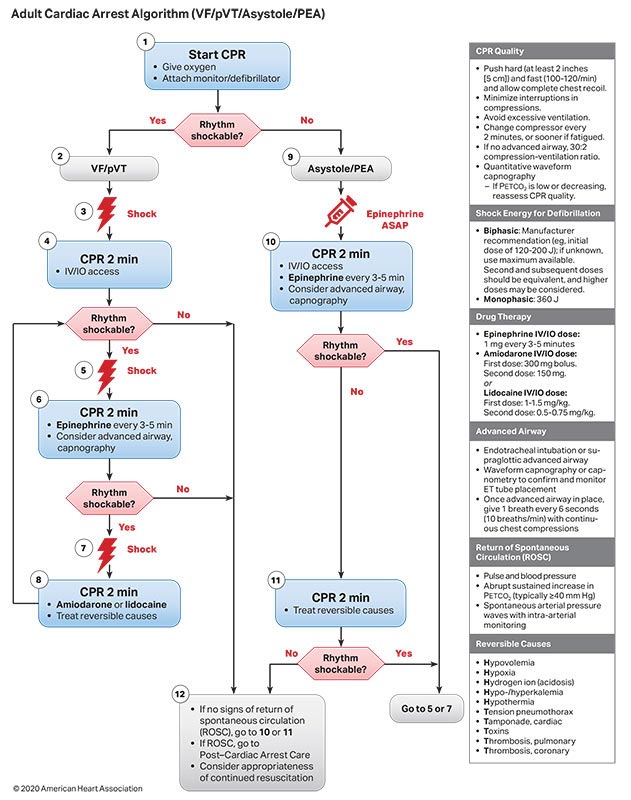
-
This question is part of the following fields:
- Cardiovascular
- Pharmacology
-
-
Question 116
Correct
-
A 26-year-old man is involved in a motorcycle accident that results in an open fracture of his tibia and fibula. The nerve that innervates peroneus tertius is damaged as a consequence of his injuries.
Peroneus tertius receives its innervation from which of the following nerves? Select ONE answer only.Your Answer: Deep peroneal nerve
Explanation:Peroneus brevis is innervated by the superficial peroneal nerve.
Peroneus longus is innervated by the superficial peroneal nerve.
Peroneus tertius is innervated by the deep peroneal nerve. -
This question is part of the following fields:
- Anatomy
- Lower Limb
-
-
Question 117
Correct
-
A 33 year old lady with a known nut allergy was having dinner at a Thai restaurant. She suddenly complained of lip and tongue swelling and difficulty breathing and is brought to ED by ambulance with suspected anaphylaxis. She received intramuscular adrenaline in the ambulance.
The most appropriate doses of the second line treatments for anaphylaxis are which of the following?Your Answer: 10 mg chlorphenamine and 200 mg hydrocortisone
Explanation:Second line drugs to reduce the severity and duration of anaphylactic symptoms are intravenous or intramuscular chlorpheniramine and hydrocortisone. The recommended dose is 10 mg chlorpheniramine and 200 mg hydrocortisone in adults.
-
This question is part of the following fields:
- Pharmacology
- Respiratory
-
-
Question 118
Correct
-
Flucloxacillin is used first line for all of the following infections EXCEPT for:
Your Answer: Otitis media
Explanation:Flucloxacillin is used first line for treatment of widespread impetigo infection, cellulitis, mastitis, osteomyelitis, septic arthritis, severe erysipelas, severe/spreading otitis externa and infective endocarditis caused by staphylococci. Amoxicillin is first line for acute otitis media.
-
This question is part of the following fields:
- Infections
- Pharmacology
-
-
Question 119
Correct
-
A 30 year old man presents to ED after a road traffic accident. Free intraperitoneal fluid is found on FAST (Focussed assessment for sonography in trauma) done in the supine position.
Which of these is most likely to be affected?
Your Answer: Hepatorenal recess
Explanation:Fluid accumulates most often in the hepatorenal pouch (of Morrison) in a supine patient. The hepatorenal pouch is located behind the liver and anterior to the right kidney and is the lowest space in the peritoneal cavity in the supine position.
Although the vesicouterine and rectouterine spaces are also potential spaces for fluid accumulation, fluid accumulation in them occur in the erect position.
-
This question is part of the following fields:
- Abdomen
- Anatomy
-
-
Question 120
Correct
-
You want to give colchicine to a patient who has acute gout. Which of the following is a contraindication to the use of colchicine?
Your Answer: Blood dyscrasias
Explanation:Colchicine is used to prevent or treat gout attacks (flares). It works by reducing swelling and the development of uric acid crystals, which cause pain in the affected joint(s).
Colchicine should be avoided by patients who have blood dyscrasias or bone marrow disorders.
-
This question is part of the following fields:
- Musculoskeletal
- Pharmacology
-
-
Question 121
Correct
-
Regarding thalassaemia, which of the following statements is CORRECT:
Your Answer: Screening for thalassaemia in pregnancy is offered to all pregnant women.
Explanation:Beta thalassemia is caused by mutations in one or both of the beta globin genes. Alpha thalassemia is caused by a deletion or mutation (less commonly) in one or more of the four alpha globin gene copies. β-thalassaemia is more common in the Mediterranean region while α-thalassaemia is more common in the Far East.
-
This question is part of the following fields:
- Haematology
- Pathology
-
-
Question 122
Correct
-
The term cardiac output refers to the amount of blood pumped by the heart in one minute. The rate in women is around 5 L/min, whereas in men is somewhat higher, around 5.5 L/min.
Which of the equations below best describes cardiac output?
Your Answer: Stroke volume x heart rate
Explanation:Cardiac output (CO) is calculated by multiplying stroke volume (SV) by heart rate (HR):
CO = HR x SVAs a result, both stroke volume and heart rate are exactly proportional to cardiac output. There will be an increase in cardiac output if the stroke volume or heart rate increases, and a reduction in cardiac output if the stroke volume or heart rate lowers.
-
This question is part of the following fields:
- Cardiovascular Physiology
- Physiology
-
-
Question 123
Incorrect
-
An elderly female with a diagnosed psychiatric illness was prescribed prochlorperazine for her complaints of dizziness and nausea. Two days later, she returned to the clinic with no improvement in the symptoms.
Which one of the following is the mechanism of action of prochlorperazine?Your Answer: Antihistamine action
Correct Answer: Dopamine receptor antagonism
Explanation:Prochlorperazine is a phenothiazine drug as it is categorized as a first-generation antipsychotic. It mainly blocks the D2 (dopamine 2) receptors in the brain. Along with dopamine, it also blocks histaminergic, cholinergic, and noradrenergic receptors.
It exerts its antiemetic effect via dopamine (D2) receptor antagonist. It is used to treat nausea and vomiting of various causes, including labyrinthine disorders.
-
This question is part of the following fields:
- CNS Pharmacology
- Pharmacology
-
-
Question 124
Correct
-
A 30-year-old woman presents with a history of fever and sore throat. On examination, there is tonsillar exudate and cervical lymphadenopathy and a diagnosis of tonsillitis is made. A course of penicillin is prescribed.
What is the mechanism of action of penicillin?
Your Answer: Inhibition of cell wall synthesis
Explanation:Penicillin is bactericidal and produces its antimicrobial action by preventing cross-linkage between the linear peptidoglycan polymer chains that make up the bacterial cell wall. This action inhibits cell wall synthesis.
-
This question is part of the following fields:
- Infections
- Pharmacology
-
-
Question 125
Correct
-
A 44 year old woman sustains an injury to the median nerve at the elbow after falling awkwardly. Which of the following clinical features are you LEAST likely to see on examination:
Your Answer: Loss of flexion of the medial two digits
Explanation:Flexion of the index and middle fingers at the IPJs is lost due to paralysis of the flexor digitorum superficialis and the lateral half of the flexor digitorum profundus. Flexion of the MCPJs of the index and middle fingers are lost due to paralysis of the lateral two lumbrical muscles. Flexion of the ring and little fingers are preserved as these are supported by the medial half of the flexor digitorum profundus and the medial two lumbrical muscles, innervated by the ulnar nerve.
-
This question is part of the following fields:
- Anatomy
- Upper Limb
-
-
Question 126
Correct
-
A 25 year old man presents to the emergency room with abdominal pain, vomiting and constipation. A CT scan is done which is suggestive of Meckel's diverticulum. Where does the blood supply of the Meckel's diverticulum originate?
Your Answer: Superior mesenteric artery
Explanation:Meckel’s diverticulum has certain classic characteristics.
1. It lies on the antimesenteric border of the middle-to-distal ileum
2. It is approximately 2 feet proximal to the ileocaecal junction
3. It appears as a blind-ended tubular outpouching of bowel
4. It is about 2 inches long,
5. It occurs in about 2% of the population,
6. It may contain two types of ectopic tissue (gastric and pancreatic).
7. The diverticulum is supplied by the superior mesenteric artery.
8. Proximal to the major duodenal papilla the duodenum is supplied by the gastroduodenal artery (branch of the coeliac trunk)
9. Distal to the major duodenal papilla it is supplied by the inferior pancreaticoduodenal artery (branch of superior mesenteric artery).
10. The arterial supply to the jejunoileum is from the superior mesenteric artery. -
This question is part of the following fields:
- Abdomen
- Anatomy
-
-
Question 127
Incorrect
-
Which of the following is true regarding respiration?
Your Answer: The ‘pump handle’ action of the ribs increases the transverse diameter of the chest
Correct Answer: The diaphragm is responsible for abdominal breathing
Explanation:The following are the mechanisms of breathing during inspiration and expiration, whether normal or forced.
Normal inspiration is an active process, with the diaphragm as the main muscle. The diaphragm descends, ribs move upward and outward, and the lungs become wider and taller.
In forced inspiration, which commonly occurs during exercise, the external intercostals and accessory muscles, such as the sternocleidomastoid, anterior serrati, scalenes, alae nasi, genioglossus and arytenoid are involved. The ribs move upward and outward, and the abdominal contents move downward.
Normal expiration is a passive process, while in forced expiration, the internal intercostals and abdominal muscles, such as the rectus abdominis, internal and external obliques and transversus abdominis are involved. The ribs move downward and inward, and the abdominal contents move upward.
-
This question is part of the following fields:
- Anatomy
- Thorax
-
-
Question 128
Correct
-
Which of the following clinical features is most suggestive of a lesion of the temporal lobe:
Your Answer: Receptive dysphasia
Explanation:Damage to the Wernicke’s speech area in the temporal lobe can result in a receptive dysphasia. Hemispatial neglect is most likely to occur in a lesion of the parietal lobe. Homonymous hemianopia is most likely to occur in a lesion of the occipital lobe. Expressive dysphasia is most likely to occur in a lesion of the Broca speech area in the frontal lobe. Conjugate eye deviation towards the side of the lesion is most likely to occur in a lesion of the frontal lobe.
-
This question is part of the following fields:
- Anatomy
- Central Nervous System
-
-
Question 129
Correct
-
A 36-year-old woman is 22-weeks pregnant and is investigated for a possible thyroid disorder. When her total thyroid hormone levels does not correlate with her thyrometabolic status, her thyroid-binding globulin levels are checked.
What percentage of circulating thyroid hormones is bound to thyroid-binding globulin?Your Answer: 70%
Explanation:Only a very small fraction of the thyroid hormones circulating in the blood are free. The majority is bound to transport proteins. Only the free thyroid hormones are biologically active, and measurement of total thyroid hormone levels can be misleading.
The relative percentages of bound and unbound thyroid hormones are:
Bound to thyroid-binding globulin -70%
Bound to albumin -15-20%
Bound to transthyretin -10-15%
Free T3 -0.3%
Free T4 -0.03% -
This question is part of the following fields:
- Endocrine Physiology
- Physiology
-
-
Question 130
Incorrect
-
Which of the following accurately describes the extensor pollicis brevis muscle?
Your Answer: It extends the distal phalanx of the thumb at the metacarpophalangeal joint
Correct Answer: It lies on the medial side of abductor pollicis longus
Explanation:Extensor pollicis brevis is a short and slender muscle located in the posterior compartment of the forearm, extending from the posterior surface of radius to the proximal phalanx of thumb. It is one of the deep extensors of the forearm, together with supinator, abductor pollicis longus, extensor pollicis longus and extensor indicis muscles.
Extensor pollicis brevis is a deep extensor of the thumb that lies deep to extensor digitorum muscle. It sits directly medial to abductor pollicis longus and posterolateral to extensor pollicis longus muscle. Just above the wrist, extensor pollicis brevis obliquely crosses the tendons of extensor carpi radialis brevis and extensor carpi radialis longus muscles.
Extensor pollicis brevis is innervated by posterior interosseous nerve which is a continuation of a deep branch of radial nerve (root value C7 and C8).
Extensor pollicis brevis receives its blood supply by posterior interosseous artery and perforating branches from the anterior interosseous artery, which are the branches of common interosseous artery. The common interosseous artery arises immediately below the tuberosity of radius from the ulnar artery.
Together with extensor pollicis longus, extensor pollicis brevis is in charge of extension of the thumb in the first metacarpophalangeal joint. It also extends the thumb in the carpometacarpal joint of the thumb. This movement is important in the anatomy of the grip, as it enables letting go of an object. As it crosses the wrist, extensor pollicis brevis also participates in the extension and abduction of this joint.
-
This question is part of the following fields:
- Anatomy
- Upper Limb
-
-
Question 131
Correct
-
After reviewing a child with respiratory distress who presented to the clinic, you make a diagnosis of bronchiolitis.
What is the most common causative organism?
Your Answer: Respiratory syncitial virus
Explanation:Bronchiolitis is a common respiratory infection that occurs in infancy between the ages of 3-6 months and in the winter months. It is most commonly caused by the respiratory syncytial virus (70% of cases)
Although it can also be caused by parainfluenza virus, adenovirus, coronavirus, rhinovirus, and influenza virus, these are not the most common causes
-
This question is part of the following fields:
- Microbiology
- Specific Pathogen Groups
-
-
Question 132
Correct
-
A suspicious growth on the posterior tongue of a 40-year-old man was discovered by his dentist and was immediately referred for possible oral cancer.
The lymph from the posterior tongue will drain to which of the following nodes?Your Answer: Deep cervical nodes
Explanation:Lymph from the medial anterior two thirds of the tongue travels to the deep cervical lymph nodes.
Lymph from the lateral anterior tongue goes to the submandibular nodes. -
This question is part of the following fields:
- Anatomy
- Head And Neck
-
-
Question 133
Correct
-
For a tachyarrhythmia caused by hypovolaemic shock, which of the following is the first-line treatment:
Your Answer: Synchronised DC shock
Explanation:If there are any adverse symptoms, immediate cardioversion with synchronized DC shock is recommended. If cardioversion fails to stop the arrhythmia and the symptoms persist, amiodarone 300 mg IV over 10–20 minutes should be administered before attempting another cardioversion. The loading dosage of amiodarone is followed by a 24-hour infusion of 900 mg administered into a large vein.
-
This question is part of the following fields:
- Cardiovascular
- Pharmacology
-
-
Question 134
Correct
-
Calcium-channel blockers can be divided into two categories: dihydropyridines and non-dihydropyridines. The basic chemical structure of these two classes differs, as does their relative selectivity for cardiac versus vascular L-type calcium channels. The phenylalkylamine class and the benzothiazepine class are two subgroups of non-dihydropyridines.
A phenylalkylamine calcium-channel blocker is, for example, which of the following?Your Answer: Verapamil
Explanation:Calcium-channel blockers, also known as calcium antagonists, stop calcium from entering cells through the L-type calcium channel. This causes vascular smooth muscle in vessel walls to relax, resulting in a decrease in peripheral vascular resistance.
They can be used for a variety of things, including:
Hypertension
Angina
Atrial fibrillation
MigraineCalcium-channel blockers can be divided into two categories: dihydropyridines and non-dihydropyridines. The basic chemical structure of these two classes differs, as does their relative selectivity for cardiac versus vascular L-type calcium channels.
Dihydropyridines have a high vascular selectivity and lower systemic vascular resistance and blood pressure. As a result, they’re frequently used to treat hypertension. Modified release formulations are also used to treat angina, but their powerful systemic vasodilator and pressure-lowering effects can cause reflex cardiac stimulation, resulting in increased inotropy and tachycardia, which can counteract the beneficial effects of reduced afterload on myocardial oxygen demand.
The suffix -dpine distinguishes dihydropyridines from other pyridines. Examples of dihydropyridines that are commonly prescribed include:
Amlodipine
Felodipine
Nifedipine
NimodipineThe phenylalkylamine class and the benzothiazepine class are two subgroups of non-dihydropyridines.
Phenylalkylamines are less effective as systemic vasodilators because they are relatively selective for the myocardium. This group of drugs lowers myocardial oxygen demand and reverses coronary vasospasm, making them useful in the treatment of angina. They are also occasionally used to treat arrhythmias. A phenylalkylamine calcium-channel blocker like verapamil is an example.
In terms of selectivity for vascular calcium channels, benzothiazepines fall somewhere between dihydropyridines and phenylalkylamines. They can lower arterial pressure without producing the same level of reflex cardiac stimulation as dihydropyridines because they have both cardiac depressant and vasodilator effects. Diltiazem is the only benzothiazepine currently in clinical use.
-
This question is part of the following fields:
- Cardiovascular Pharmacology
- Pharmacology
-
-
Question 135
Correct
-
Compliance is decreased by all but which one of the following:
Your Answer: Aging
Explanation:Factors increasing compliance:
Old age
EmphysemaFactors decreasing compliance:
Pulmonary fibrosis
Pulmonary oedema
Atelectasis
Extremes of lung volumes (at higher lung volumes the compliance of the lung becomes less as the lung becomes stiffer) -
This question is part of the following fields:
- Physiology
- Respiratory
-
-
Question 136
Correct
-
Before a patient is discharged, you are asked to review them. He is a 59-year-old man who was seen with epigastric pain that has since subsided, and he will be seen by his GP in the coming days. He's been hearing a lot about aspirin lately and wants to learn more about it.
Which of the following statements about aspirin's mechanism of action is correct?Your Answer: Inhibition of cyclo-oxygenase
Explanation:Aspirin works by inhibiting cyclo-oxygenase in an irreversible manner, resulting in a decrease in prostaglandin and thromboxane production. As a result, platelet activation and aggregation are reduced.
-
This question is part of the following fields:
- Cardiovascular Pharmacology
- Pharmacology
-
-
Question 137
Correct
-
Which of these structures is the smallest and deepest component of muscle connective tissue?
Your Answer: Endomysium
Explanation:There are three types of muscle:
Skeletal muscle
Cardiac muscle
Smooth muscleIndividual muscle is enveloped in a layer of dense irregular connective tissue called the epimysium. The epimysium protects the muscles from friction against bones and other muscles.
Skeletal muscle is composed of muscle fibres, referred to as myofibers which is ensheathed by a wispy layer of areolar connective tissue called the endomysium. The endomysium is the smallest and deepest component of muscle connective tissue.
Myofibers grouped together in bundles form fascicles, or fasciculi. These are surrounded by a type of connective tissue called the perimysium.
Beneath the endomysium lies the sarcolemma, an elastic sheath with infoldings that invaginate the interior of the myofibers, particularly at the motor endplate of the neuromuscular junction.
-
This question is part of the following fields:
- Basic Cellular Physiology
- Physiology
-
-
Question 138
Correct
-
Which of the following is NOT a typical feature of an abducens nerve palsy:
Your Answer: Inability to look up
Explanation:CN VI palsies result in a convergent squint at rest (eye turned inwards) with inability to abduct the eye because of unopposed action of the rectus medialis. The patient complains of horizontal diplopia when looking towards the affected side. With complete paralysis, the eye cannot abduct past the midline.
-
This question is part of the following fields:
- Anatomy
- Cranial Nerve Lesions
-
-
Question 139
Incorrect
-
Regarding iron handling, which of the following statements is CORRECT:
Your Answer: Most dietary iron is in the ferrous (Fe 2+ ) state.
Correct Answer: Iron is taken across the enterocyte apical membrane by the divalent metal transporter (DMT1).
Explanation:Dietary iron may be in the form of haem or non-haem iron. Haem iron is degraded after absorption through the cell surface to release Fe2+. Most non-haem iron is in the form Fe3+, which is reduced at the luminal surface to the more soluble Fe2+, facilitated by hydrochloric acid in gastric secretions (and enhanced by ascorbic acid). Fe2+is taken across the enterocyte apical membrane by the divalent metal transporter (DMT1). In the enterocyte, Fe2+is then either stored in enterocyte epithelial cells as ferritin, or released into portal plasma via the molecule ferroportin at the basolateral membrane.
-
This question is part of the following fields:
- Haematology
- Pathology
-
-
Question 140
Correct
-
Red cell protein expression is induced by which of the following pathogens:
Your Answer: Plasmodium falciparum
Explanation:Plasmodium falciparum induces the expression of red cell protein, making cerebral malaria more severe. Bacteria may invade a host passively through micro traumata or macro traumata in the skin or mucosa. On the other hand, bacteria that invade
through intact mucosa first, adhere to this anatomical barrier, then actively
breach it. -
This question is part of the following fields:
- Microbiology
- Principles
-
-
Question 141
Correct
-
Regarding box and whisker plots, which of the following statements is true?
Your Answer: 25% of the values lie below the lower quartile
Explanation:A box and whisker plot is defined as a graphical method of displaying variation in a set of data. In most cases, a histogram analysis provides a sufficient display, but a box and whisker plot can provide additional detail while allowing multiple sets of data to be displayed in the same graph.
The procedure to develop a box and whisker plot comes from the five statistics below:
(1) Minimum value: The smallest value in the data set
(2) Second quartile: The value below which the lower 25% of the data are contained
(3) Median value: The middle number in a range of numbers
(4) Third quartile: The value above which the upper 25% of the data are contained
(5) Maximum value: The largest value in the data set
-
This question is part of the following fields:
- Evidence Based Medicine
-
-
Question 142
Correct
-
How does an action potential in the motor end plate rapidly spread to the central portions of the muscle cells?
Your Answer: Transverse tubules
Explanation:When the concentration of intracellular Ca2+rises, muscle contraction occurs. The pathway of an action potential is down tube-shaped invaginations of the sarcolemma called T-tubules (transverse tubules). These penetrate throughout the muscle fibre and lie adjacent to the terminal cisternae of the sarcoplasmic reticulum. The voltage changes in the T-tubules result in the opening of sarcoplasmic reticulum Ca2+channels and there is there is release of stored Ca2+into the sarcoplasm. Thus muscle contraction occurs via excitation-contraction coupling (ECC) mechanism.
-
This question is part of the following fields:
- Basic Cellular
- Physiology
-
-
Question 143
Incorrect
-
The tetanus vaccination contains inactivated tetanus toxoid, which induces the body to produce protective antibodies. How do these antibodies protect the body from tetanus?
Your Answer: Opsonise cells of C. tetani
Correct Answer: Neutralise the protein exotoxin of C. tetani
Explanation:C. Tetanospasmin, an exotoxin produced by tetani, is responsible for the neurotoxic consequences of tetanus.
The tetanus vaccination contains inactivated tetanus toxoid, which induces the body to produce protective antibodies that neutralize the tetanus toxin.
It induces active immunization against Clostridium tetani exotoxin via toxoid-induced Ab generation.
-
This question is part of the following fields:
- Microbiology
- Pathogens
-
-
Question 144
Correct
-
A patient who is taking ramipril for high blood pressure complains of a dry persistent cough. What is the mechanism of cough in ACE inhibitor therapy:
Your Answer: Decreased bradykinin breakdown
Explanation:Blocking ACE also diminishes the breakdown of the potent vasodilator bradykinin which is the cause of the persistent dry cough. Angiotensin-II receptor blockers do not have this effect, therefore they are useful alternative for patients who have to discontinue an ACE inhibitor because of persistent cough.
-
This question is part of the following fields:
- Cardiovascular
- Pharmacology
-
-
Question 145
Correct
-
Regarding calcium channel blockers, which of the following statements is CORRECT:
Your Answer: Calcium channel blockers inhibit L-type voltage-sensitive calcium channels in arterial smooth muscle causing vasodilation.
Explanation:Calcium channel blockers inhibit L-type voltage-sensitive calcium channels in arterial smooth muscle, causing relaxation and vasodilation (reduction in peripheral vascular resistance). They also block calcium channels within the myocardium and conducting tissues of the heart which produces a negative inotropic effect by reducing calcium influx during the plateau phase of the action potential.
They have a variety of uses, including:
Hypertension
Angina
Atrial fibrillation
Migraine
Calcium channel blockers have been found to be moderately useful in the prevention of migraines. The best evidence is for this is with verapamil. This may be due to the prevention of the arteriolar constriction that is associated with migraine. They are commonly used for this elsewhere in the world but are not currently licensed for this use in the UK.
The following are common side effects of all calcium-channel blockers:
Abdominal pain
Dizziness
Drowsiness
Flushing
Headache
Nausea and vomiting
Palpitations
Peripheral oedema
Skin reactions
Tachycardia
Verapamil is highly negatively inotropic and reduces cardiac output, slows the heart rate and may impair atrioventricular conduction. It may precipitate heart failure, exacerbate conduction disorders, and cause hypotension at high doses and should not be used with beta-blockers. Nifedipine has less myocardial effects than verapamil and has no antiarrhythmic properties but has more influence on the vessels. Nimodipine is used solely for the prevention and treatment of vascular spasm following aneurysmal subarachnoid haemorrhage. -
This question is part of the following fields:
- Cardiovascular
- Pharmacology
-
-
Question 146
Correct
-
A 45-year-old obese patient goes to the emergency department with a fever and significant right upper quadrant pain. The pain radiates to her right shoulder tip. Murphy's sign is positive and acute cholecystitis is diagnosed. The pain referred to the shoulder tip is caused by one of the following nerves:
Your Answer: Phrenic nerve
Explanation:Gallbladder inflammation can cause pain in the right upper quadrant and right shoulder, which is caused by irritation of the diaphragmatic peritoneum. Pain from areas supplied by the phrenic nerve is often referred to other somatic regions served by spinal nerves C3-C5.
-
This question is part of the following fields:
- Abdomen
- Anatomy
-
-
Question 147
Incorrect
-
Which of the following bacteria is a rod-shaped, oxidase-positive, opportunistic gram-negative bacteria that can cause a catheter-related urinary tract infection (UTI)?
Your Answer: Klebsiella pneumoniae
Correct Answer: Pseudomonas aeruginosa
Explanation:Listeria monocytogenes is a gram-positive bacteria that does not produce spores.
Staphylococcus aureus is a gram-positive bacteria, while Candida albicans is a gram-positive yeast with a single bud.
Among the choices, gram-negative bacteria include only Klebsiella pneumoniae and Pseudomonas aeruginosa.
Pseudomonas aeruginosa is an oxidase-positive bacterium, while Klebsiella pneumoniae is an oxidase-negative bacterium.
P. aeruginosa can cause urinary tract infections (UTIs) and is spread through poor hygiene or contaminated medical equipment or devices, such as catheters that haven’t been fully sterilized.
-
This question is part of the following fields:
- Infections
- Microbiology
-
-
Question 148
Correct
-
A 63 year old lady presents to ED with a persistent cough and red currant jelly sputum. She has a history of chronic alcohol abuse and has an X-ray which demonstrates a cavitating pneumonia. The most likely causative pathogen is:
Your Answer: Klebsiella pneumoniae
Explanation:One of the results of Klebsiella pneumoniae is pneumonia that is usually a very severe infection. It is characterised by thick, bloody sputum (red currant jelly sputum), and is associated with complications like lung abscess, cavitation, necrosis, empyema and pleural effusions.
-
This question is part of the following fields:
- Infections
- Microbiology
-
-
Question 149
Correct
-
Which of the following is NOT a common effect of etomidate:
Your Answer: Significant hypotension
Explanation:Etomidate causes less hypotension than thiopental sodium and propofol during induction. However, it is associated with a high incidence of extraneous muscle movements, which can be minimised by an opioid analgesic or a short-acting benzodiazepine given prior to induction. Pain on injection is common and there is a high rate of thrombophlebitis in the postoperative period. Postoperative nausea and vomiting commonly occur. Etomidate suppresses adrenocortical function, particularly during continuous administration, and it should not be used for maintenance of anaesthesia. It should be used with caution in patients with underlying adrenal insufficiency, for example, those with sepsis.
-
This question is part of the following fields:
- Anaesthesia
- Pharmacology
-
-
Question 150
Correct
-
Aside from the inability to extend the leg above the knee, which of the following clinical symptoms should you anticipate seeing in a patient who had a pelvic and right leg injury as well as femoral nerve damage?
Your Answer: Loss of sensation over the anterior thigh
Explanation:The femoral nerve runs down the front of the leg from the pelvis. It gives the front of the thigh and a portion of the lower leg sensation.
Extension of the leg at the knee joint, flexion of the thigh at the hip are produced by muscles that is primarily innervated by the femoral nerve.
-
This question is part of the following fields:
- Anatomy
- Lower Limb
-
-
Question 151
Correct
-
Glucagon may be used as an antidote for overdose with which of the following:
Your Answer: Beta blockers
Explanation:Glucagon is a peptide hormone that is produced and secreted by alpha cells of the islets of Langerhans, which are located in the endocrine portion of the pancreas. The main physiological role of glucagon is to stimulate hepatic glucose output, thereby leading to increases in glycaemia. It provides the major counter-regulatory mechanism to insulin in maintaining glucose homeostasis.
Hypoglycaemia is the principal stimulus for the secretion of glucagon but may also be used as an antidote in beta-blocker overdose and in anaphylaxis in patients on beta-blockers that fail to respond to adrenaline.
Glucagon then causes:
Glycogenolysis
Gluconeogenesis
Lipolysis in adipose tissue
The secretion of glucagon is also stimulated by:
Adrenaline
Cholecystokinin
Arginine
Alanine
Acetylcholine
The secretion of glucagon is inhibited by:
Insulin
Somatostatin
Increased free fatty acids
Increased urea productionGlycolysis is the metabolic pathway that converts glucose into pyruvate. The free energy released by this process is used to form ATP and NADH. Glycolysis is inhibited by glucagon, and glycolysis and gluconeogenesis are reciprocally regulated so that when one cell pathway is activated, the other is inactive and vice versa.
Glucagon has a minor effect of enhancing lipolysis in adipose tissue. Lipolysis is the breakdown of lipids and involves the hydrolysis of triglycerides into glycerol and free fatty acids. It makes fatty acids available for oxidation.
-
This question is part of the following fields:
- Endocrine
- Pharmacology
-
-
Question 152
Correct
-
Which of the following is NOT a common myeloma laboratory finding:
Your Answer: Elevated serum Bence-Jones protein
Explanation:Myeloma laboratory findings include:
– The presence of a paraprotein in serum or urine (the paraprotein is IgG in 60 percent of cases, IgA in 20 percent, and light chain only in almost all the rest),
– Increased serum immunoglobulin-free light chain proteins generated by plasma cells but not coupled with heavy chains
– Reduced IgG, IgA, and IgM levels in the blood (immune paresis)
– Anaemia, whether normochromic, normocytic, or macrocytic.
– On a blood film, a Rouleaux formation has been marked.
– In advanced illness, neutropenia and thrombocytopenia are common.
– ESR is high.
– Plasma cells in the bone marrow are overabundant, typically in aberrant forms. – Hypercalcemia
– Creatinine levels are high.
– Serum albumin levels are low in advanced illness.
60 percent of patients have osteolytic lesions, osteoporosis, or pathological fractures. -
This question is part of the following fields:
- Haematology
- Pathology
-
-
Question 153
Correct
-
Regarding the varicella zoster virus, which of the following statements is CORRECT:
Your Answer: Contracting chickenpox infection while pregnant is associated with a higher risk of developing varicella pneumonitis.
Explanation:Chickenpox infection in neonates, adults/adolescents and pregnant women is associated with more severe disease. Varicella zoster pneumonitis typically occurs in pregnant women or immunocompromised individuals and is associated with a high mortality. A live attenuated-virus vaccine is available and recommended for non-immune healthcare workers but is not part of the routine childhood immunisation schedule. Antiviral treatment is not typically recommended in childhood chickenpox but is indicated for shingles.
-
This question is part of the following fields:
- Microbiology
- Pathogens
-
-
Question 154
Correct
-
Intrinsic factor is vital for gastrointestinal absorption of which of the following:
Your Answer: Vitamin B12
Explanation:Intrinsic factor is essential for the absorption of the small amounts of vitamin B12 normally present in the diet from the terminal ileum. The parietal cells of the stomach produce intrinsic factor, and following a gastrectomy, the absorption of vitamin B12 will be markedly reduced, and a deficiency state will exist.
-
This question is part of the following fields:
- Gastrointestinal
- Physiology
-
-
Question 155
Correct
-
A 70-year old male is taken to the Emergency Room after suffering a traumatic fall while showering. Upon physical examination, the attending physician noted a hyperextended neck, 1/5 muscle strength in both upper extremities, 4/5 muscle strength in both lower extremities, and variable loss in sensation. The patient is placed in the wards for monitoring. For the next 24 hours, anuria is noted.
Which of the following spinal cord injuries is the most likely diagnosis?Your Answer: Central cord syndrome
Explanation:Central cord syndrome is the most common type of incomplete cord injury and almost always occurs due to a traumatic injury. It results in motor deficits that are worse in the upper extremities as compared to the lower extremities. It may also cause bladder dysfunction (retention) and variable sensory deficits below the level of injury.
The majority of these patients will be older and present with symptoms after a fall with hyperextension of their neck. On examination, patients will have more significant strength impairments in the upper extremities (especially the hands) compared to the lower extremities. Patients often complain of sensory deficits below the level of injury, but this is variable. Pain and temperature sensations are typically affected, but the sensation of light touch can also be impaired. The most common sensory deficits are in a cape-like distribution across their upper back and down their posterior upper extremities. They will often have neck pain at the site of spinal cord impingement.
Bladder dysfunction (most commonly urinary retention) and priapism can also be signs of upper motor neuron dysfunction. The sacral sensation is usually preserved, but the clinician should assess the rectal tone to evaluate the severity of the compression.
-
This question is part of the following fields:
- Anatomy
- Central Nervous System
-
-
Question 156
Correct
-
All of the following statements are considered true regarding randomized control trials, except:
Your Answer: They can eliminate the need for further studies
Explanation:Meta-analysis is a quantitative, formal, epidemiological study design used to systematically assess previous research studies to derive conclusions about that body of research. Outcomes from a meta-analysis may include a more precise estimate of the effect of treatment or risk factor for disease, or other outcomes, than any individual study contributing to the pooled analysis. The examination of variability or heterogeneity in study results is also a critical outcome.
The benefits of meta-analysis include a consolidated and quantitative review of a large, and often complex, sometimes apparently conflicting, body of literature. The specification of the outcome and hypotheses that are tested is critical to the conduct of meta-analyses, as is a sensitive literature search.Important medical questions are typically studied more than once, often by different research teams in different locations. In many instances, the results of these multiple small studies of an issue are diverse and conflicting, which makes the clinical decision-making difficult. The need to arrive at decisions affecting clinical practise fostered the momentum toward evidence-based medicine. Evidence-based medicine may be defined as the systematic, quantitative, preferentially experimental approach to obtaining and using medical information. Therefore, meta-analysis, a statistical procedure that integrates the results of several independent studies, plays a central role in evidence-based medicine.
-
This question is part of the following fields:
- Evidence Based Medicine
-
-
Question 157
Correct
-
Following a phone call from the microbiology consultant, you evaluate a patient who has been diagnosed with urinary sepsis. Following the results of the blood cultures, he recommends that you add gentamicin to the patient's antibiotic treatment.
Gentamicin produces its pharmacological effect by binding to which of the following?Your Answer: The 30S subunit of the bacterial ribosome
Explanation:Antibiotics with aminoglycosides, such as gentamicin, bind to the 30S subunit of the bacterial ribosome and prevent aminoacyl-tRNA from binding, preventing protein synthesis.
They also cause mRNA misreading, resulting in the production of non-functional proteins. This last mechanism is unique to aminoglycosides, and it may explain why they are bactericidal rather than bacteriostatic, as other protein synthesis inhibitors are.
Patients with myasthenia gravis should avoid aminoglycosides since they can disrupt neuromuscular transmission. They cross the placenta and are linked to poisoning of the 8th cranial nerve in the foetus, as well as permanent bilateral deafness.
It is possible that they will cause deafness, although this is not a contraindication. In individuals with renal impairment, serum aminoglycoside concentrations should be closely monitored, but this is still not considered a contraindication.
-
This question is part of the following fields:
- Infections
- Pharmacology
-
-
Question 158
Correct
-
A 4-year old boy is taken to the emergency room after a sudden onset of coughing and wheezing. Further investigation reveals that he was drawing quietly in his room, when suddenly, he became anxious and started coughing. The parents also noted that the eraser on top of the pencil was missing.
A plain radiographic chest imaging is conducted, and confirmed foreign body aspiration.
Which of the following areas in the tracheobronchial tree is the most probable location of the aspirated eraser?Your Answer: Right main bronchus
Explanation:In foreign body aspiration, the foreign body is more likely to enter the right main bronchus because it is shorter, wider and more vertical than the left main bronchus. In a patient who is standing or sitting, the foreign body tends to become lodged in the posterobasal segment of the inferior lobe of the right lung.
-
This question is part of the following fields:
- Anatomy
- Thorax
-
-
Question 159
Correct
-
An 85-year-old woman is brought in from her nursing home. She arrives in the Emergency Department and appears confused. The staff member from the nursing home accompanying her informs you that she takes a water tablet.
From her past medical history and records, you deduce that the water tablet is a loop diuretic.
Which of the following parts of a nephron does a loop diuretic act on?Your Answer: Ascending loop of Henlé
Explanation:Loop diuretics are drugs used to manage and treat fluid overload associated with CHF, liver cirrhosis, and renal disease. The drugs commonly used are:
Furosemide
Bumetanide
Torsemide
Ethacrynic AcidLoop diuretics act on the apical membrane of the thick ascending loop of Henle and inhibit the Na-K-Cl cotransporter. This blocks the reabsorption of sodium and chloride and results in salt-water excretion. This relieves congestion and reduces oedema.
Other diuretics act on the following part of the nephron:
1. Thiazide diuretics – Na/Cl co-transporter in the distal convoluted tubule
2. Osmotic diuretics – PCT and the loop of Henle
3. Aldosterone antagonists – distal convoluted tubule
4. Carbonic anhydrase inhibitors – inhibit the carbonic anhydrase and act on proximal tubular cells -
This question is part of the following fields:
- Cardiovascular Pharmacology
- Pharmacology
-
-
Question 160
Incorrect
-
A patient has an elevated potassium level of 6.7 mmol/L. All of the following conditions may cause elevated potassium levels, except for which one?
Your Answer: Beta-blockers
Correct Answer: Bartter’s syndrome
Explanation:Bartter’s syndrome is an autosomal recessive renal tubular disorder characterized by hypokalaemia, hypochloraemia, metabolic alkalosis, and hyperreninemia with normal blood pressure. The underlying kidney abnormality results in excessive urinary losses of sodium, chloride, and potassium.
Bartter’s syndrome does not cause an elevated potassium level, but instead causes a decrease in its concentration (hypokalaemia). The other choices are causes of hyperkalaemia or elevated potassium levels.
Renal failure, Addison’s disease (adrenal insufficiency), congenital adrenal hyperplasia, renal tubular acidosis (type 4), rhabdomyolysis, burns and trauma, tumour syndrome, and acidosis are non-drug causes of hyperkalaemia. On the other hand, drugs that can cause hyperkalaemia include ACE inhibitors, angiotensin receptor blockers, NSAIDs, beta-blockers, digoxin, and suxamethonium.
-
This question is part of the following fields:
- Physiology
- Renal Physiology
-
-
Question 161
Correct
-
Question 162
Correct
-
Regarding airway resistance, which of the following statements is INCORRECT:
Your Answer: In the lower respiratory tract, airway resistance is mostly determined by the smallest bronchioles.
Explanation:Airway resistance is primarily determined by the airway radius according to Poiseuille’s law, and whether the flow is laminar or turbulent. The major site of airway resistance is the medium-sized bronchi. The smallest airways would seem to offer the highest resistance, but they do not because of their branching parallel arrangement.
-
This question is part of the following fields:
- Physiology
- Respiratory
-
-
Question 163
Correct
-
A 22-year-old man comes to the emergency department with a human bite injury to his hand received from a punch during a fight 3 hours earlier outside a bar. On closer inspection, you discover bite marks on his first and second knuckles. Which of the following is the best treatment option for this patient:
Your Answer: Oral co-amoxiclav for 7 days
Explanation:Even if there is no evidence of infection, prophylactic antibiotics should be administered for all human bite wounds that are less than 72 hours old. The first-line therapy is 7 days of co-amoxiclav. In penicillin-allergic people, metronidazole + doxycycline is an option. Streptococcus spp., Staphylococcus aureus, Haemophilus spp., Eikenella corrodens, Bacteroides spp., and other anaerobes are the most prevalent organisms found in human bites.
-
This question is part of the following fields:
- Infections
- Microbiology
-
-
Question 164
Incorrect
-
A 24-year-old man goes to the emergency department with a fever, headache, and swollen parotid glands that are excruciating. You have a suspicion that it is mumps. Which of the following nerves is causing the discomfort the patient is experiencing:
Your Answer: Zygomaticofacial nerve
Correct Answer: Auriculotemporal nerve
Explanation:The auriculotemporal nerve is irritated by mumps, which results in significant discomfort due to inflammation and swelling of the parotid gland, as well as the stretching of its capsule. Compression caused by swallowing or chewing exacerbates pain.
-
This question is part of the following fields:
- Anatomy
- Head And Neck
-
-
Question 165
Correct
-
A 29-year-old man is diagnosed with a severe case of asthma.
In the treatment of acute asthma in adults, which of the following is NOT recommended?Your Answer: Nebulised magnesium
Explanation:There is no evidence to support the use of nebulized magnesium sulphate in the treatment of adults at this time.
In adults with acute asthma, the following medication dosages are recommended:
By using an oxygen-driven nebuliser, you can get 5 milligrams of salbutamol.
500 mcg ipratropium bromide in an oxygen-driven nebuliser
Oral prednisolone 40-50 mg
100 mg hydrocortisone intravenous
1.2-2 g magnesium sulphate IV over 20 minutes
When inhaled treatment is ineffective, intravenous salbutamol (250 mcg IV slowly) may be explored (e.g. a patient receiving bag-mask ventilation).Following senior counsel, current ALS recommendations propose that IV aminophylline be explored in severe or life-threatening asthma. If utilized, a loading dose of 5 mg/kg should be administered over 20 minutes, then a 500-700 mcg/kg/hour infusion should be given. To avoid toxicity, serum theophylline levels should be kept below 20 mcg/ml.
-
This question is part of the following fields:
- Pharmacology
- Respiratory Pharmacology
-
-
Question 166
Correct
-
Which JVP waveform correlates to atrial systole?
Your Answer: The a wave
Explanation:JVP Waveform in Cardiac Cycle Physiology: a wave Right atrial contraction causes atrial systole (end diastole). the c wave During right isovolumetric ventricular contraction, the tricuspid valve bulges into the right atrium, resulting in isovolumetric contraction (early systole). descent by x Rapid ventricular ejection (mid systole) is caused by a combination of right atrial relaxation, tricuspid valve downward movement during right ventricular contraction, and blood ejection from both ventricles. the v-wave Ventricular ejection and isovolumetric relaxation (late systole) occur as a result of venous return filling the right atrium. y lineage Ventricular filling occurs when the tricuspid valve opens, allowing blood to flow rapidly from the right atrium to the right ventricle.
-
This question is part of the following fields:
- Cardiovascular
- Physiology
-
-
Question 167
Correct
-
A 54-year-old man who is acutely unwell has his blood sent for test and the results come back with a CRP of 115.
Which of these statements about C-reactive protein is FALSE?
Your Answer: It is produced in the bone marrow
Explanation:C-reactive protein(CRP) is synthesized in the liver in response to increased interleukin-6 (IL-6) secretion by macrophages and T-cells.
Some conditions that cause CRP levels to a rise include: bacterial infection, fungal infection, severe trauma, autoimmune disease, Organ tissue necrosis, malignancy and surgery.It is useful in the clinical setting as a marker of inflammatory activity and can be used to monitor infections.
CRP levels start to rise 4-6 hours after an inflammatory trigger and reaches peak levels at 36-50 hours.
In the absence of a disease process, the normal plasma concentration is less than 5 mg/l.
CRP is useful for monitoring inflammatory conditions (e.g. rheumatoid arthritis and malignancy), can be used as a prognostic marker in acute pancreatitis, and serial measurement can be used to recognize the onset of nosocomial infections in the intensive care settling.
-
This question is part of the following fields:
- General Pathology
- Pathology
-
-
Question 168
Correct
-
You examine a patient who is experiencing a worsening of his chronic heart failure. You discuss his care with the on-call cardiology registrar, who recommends switching him from furosemide to bumetanide at an equivalent dose. He's on 80 mg of furosemide once a day right now.
What is the recommended dose of bumetanide?Your Answer: 2 mg
Explanation:Bumetanide is 40 times more powerful than furosemide, and one milligram is roughly equivalent to 40 milligrams of furosemide. This patient is currently taking 80 mg of furosemide and should be switched to a 2 mg bumetanide once daily.
-
This question is part of the following fields:
- Cardiovascular Pharmacology
- Pharmacology
-
-
Question 169
Correct
-
The following are all examples of type II hypersensitivity EXCEPT for:
Your Answer: Post-streptococcal glomerulonephritis
Explanation:Examples of type II reactions include:
Incompatible blood transfusions
Haemolytic disease of the newborn
Autoimmune haemolytic anaemias
Goodpasture’s syndrome
Rheumatic heart disease
Bullous pemphigoid -
This question is part of the following fields:
- Immune Responses
- Pathology
-
-
Question 170
Correct
-
A 20-year-old boy took almost 25 tablets of paracetamol almost 4 hours ago. The boy is healthy and has no known comorbid or drug history.
Out of the following metabolic pathways, which one is primarily responsible for the toxic effects of paracetamol?Your Answer: N-hydroxylation
Explanation:Paracetamol is predominantly metabolized in the liver by three main metabolic pathways:
1. Glucuronidation (45-55%)
2. Sulphate conjugation (30-35%)
3. N-hydroxylation via the hepatic cytochrome P450 enzyme system (10-15%)Cytochrome P450 enzymes catalyse the oxidation of acetaminophen to the reactive metabolite N-acetyl-p-benzoquinoneimine (NAPQI). NAPQI primarily contributes to the toxic effects of acetaminophen. NAPQI is an intermediate metabolite that is further metabolized by fast conjugation with glutathione. The conjugated metabolite is then excreted in the urine as mercapturic acid. High doses of acetaminophen (overdoses) can lead to hepatic necrosis due to depleting glutathione and high binding levels of reactive metabolite (NAPQI) to important parts of liver cells.
-
This question is part of the following fields:
- CNS Pharmacology
- Pharmacology
-
-
Question 171
Correct
-
A 72 year old man is brought to ED by ambulance with sudden onset chest pain, palpitations and shortness of breath. His HR is 160 bpm and BP 90/65. ECG demonstrates new-onset fast atrial fibrillation. Which of the following is the first-line treatment option in this case:
Your Answer: Synchronised DC cardioversion
Explanation:All patients with adverse features suggesting life-threatening haemodynamic instability (shock, syncope, heart failure, myocardial ischaemia) caused by new onset atrial fibrillation should undergo emergency electrical cardioversion with synchronised DC shock without delaying to achieve anticoagulation.
-
This question is part of the following fields:
- Cardiovascular
- Pharmacology
-
-
Question 172
Correct
-
Identify the type of graph described below:
This graph is a scatter plot of the effect estimates from individual studies against some measure of each study's size or precision.
Your Answer: Funnel plot
Explanation:A funnel plot is a scatter plot of the effect estimates from individual studies against some measure of each study’s size or precision. The standard error of the effect estimate is often chosen as the measure of study size and plotted on the vertical axis with a reversed scale that places the larger, most powerful studies towards the top. The effect estimates from smaller studies should scatter more widely at the bottom, with the spread narrowing among larger studies. In the absence of bias and between study heterogeneity, the scatter will be due to sampling variation alone and the plot will resemble a symmetrical inverted funnel. A triangle centred on a fixed effect summary estimate and extending 1.96 standard errors either side will include about 95% of studies if no bias is present and the fixed effect assumption (that the true treatment effect is the same in each study) is valid.
-
This question is part of the following fields:
- Evidence Based Medicine
-
-
Question 173
Correct
-
Regarding antihistamines, which of the following statements is CORRECT:
Your Answer: Elderly patients and children are more susceptible to side effects.
Explanation:Elderly patients and children are more susceptible to side effects. Antihistamines are competitive inhibitors at the H1-receptor. The newer antihistamines e.g. cetirizine cause less sedation and psychomotor impairment than the older antihistamines because they are much less lipid soluble and penetrate the blood brain barrier only to a slight extent. Antihistamines are used as a second line adjunct to adrenaline in anaphylaxis.
-
This question is part of the following fields:
- Pharmacology
- Respiratory
-
-
Question 174
Correct
-
A 71-year-old patient has been diagnosed with a dopamine-secreting neuroendocrine tumour.
Which of the following statements about dopamine is correct?Your Answer: It inhibits prolactin release from the anterior pituitary
Explanation:Dopamine is a neurotransmitter and amine hormone that is derived from the amino acid tyrosine. It is made in a number of places throughout the human body, both inside and outside the central nervous system. The adrenal medulla, dopamine neurons in the arcuate nucleus of the hypothalamus, the substantia nigra, and other areas of the brain produce dopamine.
The tuberoinfundibular pathway refers to the dopamine neurons in the arcuate nucleus of the hypothalamus’ tubeal region. Dopamine is discharged into the hypothalamo-hypophyseal portal system from these neurons’ neurosecretory terminals at the median eminence.
The major function of dopamine produced from the hypothalamus is to suppress prolactin production from the anterior pituitary, and it is released in reaction to excessive levels of prolactin secretion. Modulation of motor-control centres and activation of reward centres are two more crucial activities of the brain.
Dopamine-secreting cells can also be found in other areas of the body, where they perform mostly paracrine functions (acting on nearby cells). -
This question is part of the following fields:
- Endocrine Physiology
- Physiology
-
-
Question 175
Correct
-
Which of the following nerves has been damaged when a patient presents with a foot drop?
Your Answer: Common peroneal nerve
Explanation:The common peroneal nerve often referred to as the common fibular nerve, is a major nerve that innervates the lower extremity. It is one of the two major branches off the sciatic nerve and receives fibres from the posterior divisions of L4 through S2 nerve roots. The common peroneal nerve separates from the sciatic nerve in the distal posterior thigh proximal to the popliteal fossa. After branching off of the sciatic nerve, it continues down the thigh, running posteroinferior to the biceps femoris muscle, and crosses laterally to the head of the lateral gastrocnemius muscle through the posterior intermuscular septum. The nerve then curves around the fibular neck before dividing into two branches, the superficial peroneal nerve (SPN) and the deep peroneal nerve (DPN). The common peroneal nerve does not have any motor innervation before dividing; however, it provides sensory innervation to the lateral leg via the lateral sural nerve.
The superficial peroneal nerve innervates the lateral compartment of the leg, and the deep peroneal nerve innervates the anterior compartment of the leg and the dorsum of the foot. These two nerves are essential in the eversion of the foot and dorsiflexion of the foot, respectively. The superficial and deep peroneal nerves provide both motor and sensory innervation.
The most common presentation with common peroneal nerve injury or palsy is acute foot drop, although symptoms may be progressive and can include sensory loss or pain. Weakness in foot eversion may occur if the superficial peroneal nerve component is involved.
-
This question is part of the following fields:
- Anatomy
- Lower Limb
-
-
Question 176
Correct
-
Regarding likelihood ratios, which of the following statements is INCORRECT:
Your Answer: Likelihood ratios, like predictive values, are affected by the prevalence of the disease in the population.
Explanation:A likelihood ratio is a measure of the diagnostic value of a test. Likelihood ratios show how many times more likely patients with a disease are to have a particular test result than patients without the disease. Likelihood ratios are more useful than predictive values because they are calculated from sensitivity and specificity and therefore remain constant even when the prevalence of the disorder changes.
-
This question is part of the following fields:
- Evidence Based Medicine
- Statistics
-
-
Question 177
Correct
-
All of the following are indications for beta-blockers EXCEPT for:
Your Answer: Raynaud's disease
Explanation:Beta-blockers are contraindicated in Raynaud’s syndrome.
Beta-blockers may be indicated in:
Hypertension
Pheochromocytoma (only with an alpha-blocker)
Angina
Secondary prevention after ACS
Arrhythmias including atrial fibrillation
Heart failure
Thyrotoxicosis
Anxiety
Prophylaxis of migraine
Essential tremor
Glaucoma -
This question is part of the following fields:
- Cardiovascular
- Pharmacology
-
-
Question 178
Correct
-
The correct statement about the glomerular filtration barrier is which of the following?
Your Answer: The basement membrane is negatively charged, restricting filtration of negatively charged molecules.
Explanation:The main factor in determining whether a substance is filtered or not is molecular weight. Molecules < 7 kDa in molecular weight e.g. glucose, amino acids, urea, ions are filtered freely, but larger molecules are increasingly restricted up to 70 kDa, and there is very little filtration for anything above this.
There is further restriction of negatively charged molecules because they are repelled by negative charges, particularly in the basement membrane. Albumin, which has a molecular weight of 69 kDa and is negatively charged, is filtered but only in very small amounts. All of the filtered albumin is reabsorbed in the proximal tubule. Small molecules such as ions, glucose, amino acids and urea pass the filter without hindrance. Other than the ultrafiltrate being essentially protein free, it has an otherwise identical composition of plasma. Bowman’s capsule consists of:
– an epithelial lining which consists of a single layer of cells called podocytes
– endothelium which is perforated by pores or fenestrations – this allows plasma components with a molecular weight of < 70 kDa to pass freely. -
This question is part of the following fields:
- Physiology
- Renal
-
-
Question 179
Correct
-
Gastrin primarily acts to perform which of the following functions:
Your Answer: Stimulate gastric acid secretion
Explanation:Gastrin primarily acts to stimulate acid secretion from parietal cells (both directly and indirectly by stimulating release of histamine from ECL cells).
-
This question is part of the following fields:
- Gastrointestinal
- Physiology
-
-
Question 180
Incorrect
-
A 50-year-old man presents with headaches, lethargy, hypertension, and electrolyte disturbance. A diagnosis of primary hyperaldosteronism is made.
Which biochemical pictures would best support this diagnosis?
Your Answer: Hypokalaemic metabolic acidosis
Correct Answer: Hypokalaemic metabolic alkalosis
Explanation:When there are excessive levels of aldosterone outside of the renin-angiotensin axis, primary hyperaldosteronism occurs. High renin levels will lead to secondary hyperaldosteronism.
The classical presentation of hyperaldosteronism when symptoms are present include:
Hypokalaemia
Metabolic alkalosis
Hypertension
Normal or slightly raised sodium levels -
This question is part of the following fields:
- Endocrine Physiology
- Physiology
-
-
Question 181
Correct
-
Regarding gastric motility and emptying, which of the following statements is CORRECT:
Your Answer: Gastric emptying is inhibited by the presence of the products of fat digestion in the duodenum.
Explanation:Gastric emptying is decreased by the presence of fats in the duodenum (by stimulating release of cholecystokinin). Mixing of the food with gastric secretions takes place in the distal body and antrum of the stomach where the muscularis externa layer is thicker. The stomach has an additional inner oblique smooth muscle layer (in addition to the inner circular layer and outer longitudinal layer). Gastric emptying is increased by a low gastric pH and decreased by a low duodenal pH.
-
This question is part of the following fields:
- Gastrointestinal
- Physiology
-
-
Question 182
Incorrect
-
What is nimodipine used predominantly in the treatment of?
Your Answer: Hypertensive emergencies
Correct Answer: Prevention and treatment of vascular spasm following subarachnoid haemorrhage
Explanation:Nimodipine is a smooth muscle relaxant that is related to nifedipine, but the effects preferentially act on cerebral arteries. It is exclusively used for the prevention and treatment of vascular spasm after an aneurysmal subarachnoid haemorrhage.
-
This question is part of the following fields:
- Cardiovascular
- Pharmacology
-
-
Question 183
Incorrect
-
Vitamin D is a group of secosteroids that play a role in calcium and phosphate control. Vitamin D's hormonally active metabolite is 1,25-dihydroxycholecalciferol.
Which of the following actions of 1,25-dihydroxycholecalciferol is a direct action?Your Answer: Stimulates 1-alpha-hydroxylase activity in the kidneys
Correct Answer: Increases renal phosphate reabsorption
Explanation:The hormone-active metabolite of vitamin D is 1,25-dihydroxycholecalciferol (commonly known as calcitriol). Its activities raise calcium and phosphate levels in the bloodstream.
The following are the primary effects of 1,25-dihydroxycholecalciferol:
Calcium and phosphate absorption in the small intestine is increased.
Calcium reabsorption in the kidneys is increased.
Increases phosphate reabsorption in the kidneys.
Increases the action of osteoclastic bacteria (increasing calcium and phosphate resorption from bone)
Inhibits the action of 1-alpha-hydroxylase in the kidneys (negative feedback)
Thyroid hormone (parathyroid hormone) Calcium reabsorption in the tubules of the kidneys is increased, but renal phosphate reabsorption is decreased. -
This question is part of the following fields:
- Endocrine Physiology
- Physiology
-
-
Question 184
Correct
-
Which of the following is NOT a typical feature of benzodiazepine toxicity:
Your Answer: Hyperventilation
Explanation:Features of benzodiazepine toxicity include: drowsiness, ataxia, dysarthria, nystagmus, occasionally respiratory depression and coma
-
This question is part of the following fields:
- Anaesthesia
- Pharmacology
-
-
Question 185
Correct
-
A 55 year old man presents to ED complaining of leg weakness. Your colleague has examined the patient and suspects femoral nerve palsy. Which of the following clinical features would you LEAST expect to see on examination of this patient:
Your Answer: Weakness of hip extension
Explanation:Damage to the femoral nerve results in weakness of hip flexion and knee extension and loss of sensation over the anterior thigh and the anteromedial knee, medial leg and medial foot.
-
This question is part of the following fields:
- Anatomy
- Lower Limb
-
-
Question 186
Correct
-
Capillaries are designed with a small diffusion distance for nutrition and gaseous exchange with the tissues they serve. Capillaries come in a variety of shapes and sizes, each with its own function in transcapillary exchange.
Which of the following types of capillaries is the least permeable in the human body?
Your Answer: Continuous capillaries
Explanation:Capillaries are designed with a small diffusion distance for nutrition and gaseous exchange with the tissues they serve. Because oxygen and carbon dioxide are both highly soluble in lipids (lipophilic), they can easily diffuse along a concentration gradient across the endothelial lipid bilayer membrane. In contrast, glucose, electrolytes, and other polar, charged molecules are lipid-insoluble (hydrophilic). These chemicals are unable to pass through the lipid bilayer membrane directly and must instead travel through gaps between endothelial cells.
Capillaries are divided into three types: continuous, fenestrated, and sinusoidal. Each of these capillary types contains different sized gaps between the endothelial cells that operate as a filter, limiting which molecules and structures can pass through.The permeability of capillaries is affected by the wall continuity, which varies depending on the capillary type.
Skeletal muscle, myocardium, skin, lungs, and connective tissue all have continuous capillaries. These capillaries are the least permeable. They have a basement membrane and a continuous layer of endothelium. The presence of intercellular spaces allows water and hydrophilic molecules to pass across. Tight connections between the cells and the glycocalyx inhibit passage via these gaps, making diffusion 1000-10,000 times slower than for lipophilic compounds. The diffusion of molecules larger than 10,000 Da, such as plasma proteins, is likewise prevented by this narrow pore system. These big substances can pass through the capillary wall, but only very slowly, because endothelial cells have enormous holes.The kidneys, gut, and exocrine and endocrine glands all have fenestrated capillaries. These are specialized capillaries that allow fluid to be filtered quickly. Water, nutrients, and hormones can pass via windows or fenestrae in their endothelium, which are connected by a thin porous membrane. They are ten times more permeable than continuous capillaries due to the presence of these fenestrae. Fenestrated capillaries have a healthy basement membrane.
The spleen, liver, and bone marrow all have sinusoidal capillaries, also known as discontinuous capillaries. Their endothelium has huge gaps of >100 nm, and their basement membrane is inadequate. They are highly permeable as a result, allowing red blood cells to travel freely. -
This question is part of the following fields:
- Cardiovascular Physiology
- Physiology
-
-
Question 187
Correct
-
Which one of the listed cells are typically found in a granuloma?
Your Answer: Epithelioid cells
Explanation:Typically, a granuloma has Langhan’s cells (large multinucleated cells) surrounded by epithelioid cell aggregates, T lymphocytes and fibroblasts.
Antigen presenting monocytic cells are found in the skin are known as Langerhan’s cells.
-
This question is part of the following fields:
- General Pathology
- Pathology
-
-
Question 188
Correct
-
A 55-year-old woman with history of gastritis and reflux esophagitis tested positive for Helicobacter pylori infection.
Which of the following statements regarding Helicobacter pylori is considered true?Your Answer: It is helix shaped
Explanation:Helicobacter pylori is a curved or helix-shaped, non-spore forming, Gram-negative, microaerophilic bacteria. It is motile, having multiple flagella at one pole. It has a lipopolysaccharide component in its outer membrane.
-
This question is part of the following fields:
- Microbiology
- Specific Pathogen Groups
-
-
Question 189
Correct
-
Regarding the trachea, which of the following statements is INCORRECT:
Your Answer: A cricothyrotomy involves making an opening in the neck inferior to the cricoid cartilage.
Explanation:A cricothyrotomy involves making an opening in the median cricothyroid ligament (the medial part of the cricothyroid membrane), between the cricoid cartilage below and the thyroid cartilage above.
-
This question is part of the following fields:
- Anatomy
- Head And Neck
-
-
Question 190
Correct
-
The ventilation over perfusion ratio is highest at the apex of the lung. What is the approximate V/Q ratio at this area?
Your Answer: 3.3
Explanation:The ventilation/perfusion ratio (V/Q ratio) is a ratio used to assess the efficiency and adequacy of the matching ventilation and perfusion. The ideal V/Q ratio is 1.
Any mismatch between ventilation and perfusion will be evident in the V/Q ratio. If perfusion is normal but ventilation is reduced, the V/Q ratio will be less than 1, whereas if ventilation is normal, but perfusion is reduced, the V/Q ratio will be greater than 1.
If the alveoli were ventilated but not perfused at all, then the V/Q ratio would be infinity. The V/Q ratio is also affected by location. The various areas of the lungs have a different V/Q ratio since ventilation and perfusion increase from the apex to the base of the lungs. The apex of the lungs has a V/Q ratio of approximately 3.3.
-
This question is part of the following fields:
- Physiology
- Respiratory Physiology
-
-
Question 191
Correct
-
The percentage of patients with hepatitis B that develop chronic infection is about:
Your Answer: 10%
Explanation:With hepatitis B, about 90% of people will develop lifelong immunity after clearing the infection. Chronic hepatitis develops in about 10% of patients and this may be complicated by cirrhosis or hepatocellular carcinoma. There is a very high risk of chronic infection and hepatocellular carcinoma when there is congenital infection. The risk of this in healthy adults is only about 5%.
-
This question is part of the following fields:
- Microbiology
- Pathogens
-
-
Question 192
Correct
-
Regarding hepatitis A, which of the following statements is CORRECT:
Your Answer: Anti-HAV IgM antibodies are diagnostic.
Explanation:Anti-HAV IgM antibodies are diagnostic. Disease in children is more commonly asymptomatic, risk of symptomatic disease increases with age. Transmission is by the faecal-oral route. Faecal shedding has been demonstrated for 2 – 3 weeks before and about a week after, the onset of jaundice. Infection confers lifelong immunity.
-
This question is part of the following fields:
- Microbiology
- Pathogens
-
-
Question 193
Correct
-
A patient who is a known case of rheumatoid arthritis presents to the clinic as his grandson was recently diagnosed with chickenpox. His grandson spent the weekend with her, and he was in close contact with him. He takes 50 mg of prednisolone once daily and has been for the past six months. There is no history of chickenpox.
Out of the following, which is TRUE regarding the next plan of action for her care?Your Answer: She should receive prophylactic varicella-zoster Immunoglobulin (VZIG)
Explanation:Varicella-zoster immunoglobulin (VZIG) is indicated for post exposure prevention and treatment of varicella. It is recommended as prophylaxis for high-risk patients with no known immunity (i.e. no known previous chickenpox) who have had a significant exposure to varicella-zoster (considered >4 hours close contact).
The high-risk groups are:
1. Neonates
2. Pregnant women
3. The immunocompromised (e.g. cancer, immunosuppressive therapies)
4. Those on high dose steroids (children on more than 2 mg/kg/day for more than 14 days, or adults on 40 mg/day for more than a week)This patient is at high risk of developing adrenal insufficiency and may need a temporary increase in her steroid dose during infection or stress. It would be inappropriate to stop or wean down her dose of prednisolone and can cause side effects.
Since he is on steroids without immunity for chickenpox, he is at risk of developing severe varicella infection, with possible complications including pneumonia, hepatitis and DIC.
If he develops a varicella infection, he will need to be admitted and require a specialist review and intravenous Acyclovir.
-
This question is part of the following fields:
- Immunological Products & Vaccines
- Pharmacology
-
-
Question 194
Correct
-
Which of the following is NOT one of the cardinal features of acute inflammation:
Your Answer: Discharge
Explanation:Classic signs:
Rubor (redness)
Calor (heat)
Dolour (pain)
Tumour (swelling)
Functio laesa (loss of function)
These classic signs are produced by a rapid vascular response and cellular events. The main function of these events is to bring elements of the immune system to the site of injury and prevent further tissue damage. -
This question is part of the following fields:
- Inflammatory Responses
- Pathology
-
-
Question 195
Correct
-
Insulin is produced by which of the following pancreatic cells:
Your Answer: β cells
Explanation:Insulin is produced by beta cells, located centrally within the islets of Langerhans, in the endocrine tissues of the pancreas. Insulin is a polypeptide hormone consisting of two short chains (A and B) linked by disulphide bonds. Proinsulin is synthesised as a single-chain peptide. Within storage granules, a connecting peptide (C peptide) is removed by proteases to yield insulin. Insulin release is stimulated initially during eating by the parasympathetic nervous system and gut hormones such as secretin, but most output is driven by the rise in plasma glucose concentration that occurs after a meal. The effects of insulin are mediated by the receptor tyrosine kinase.
-
This question is part of the following fields:
- Endocrine
- Physiology
-
-
Question 196
Correct
-
Which family of receptors does the glucagon receptor belong?
Your Answer: G-protein coupled receptors
Explanation:Glucagon binds to class B G-protein coupled receptors and activates adenylate cyclase, increasing cAMP intracellularly.
This activates protein kinase A. Protein kinase A phosphorylates and activates important enzymes in target cells.
-
This question is part of the following fields:
- Endocrine Physiology
- Physiology
-
-
Question 197
Correct
-
Question 198
Correct
-
Which of the following laboratory findings is NOT typical of Hodgkin lymphoma:
Your Answer: Basophilia
Explanation:Features may include:Normochromic normocytic anaemia is most common; bone marrow failure involvement is unusual in early disease, but if it occurs bone marrow failure may develop with leucoerythroblastic anaemiaOne-third of patients have a neutrophilia; eosinophilia is frequentAdvanced disease is associated with lymphopenia and loss of cell-mediated immunityPlatelet count is normal or increased in early disease and reduced in later stagesESR and CRP are usually raised (ESR is useful in monitoring disease progress)Serum LDH is raised initially in 30-40% of casesDiagnosis is made by histological examination of an excised lymph nodeThe distinctive multinucleate polypoid RS cell is central to the diagnosis of the four classic types of HL (95% of cases)
-
This question is part of the following fields:
- Haematology
- Pathology
-
-
Question 199
Correct
-
Caseous necrosis is typically seen in which of the following:
Your Answer: Tuberculosis
Explanation:Caseous necrosis is most commonly seen in tuberculosis. Histologically, the complete loss of normal tissue architecture is replaced by amorphous, granular and eosinophilic tissue with a variable amount of fat and an appearance reminiscent of cottage cheese.
-
This question is part of the following fields:
- Inflammatory Responses
- Pathology
-
-
Question 200
Incorrect
-
A 32-year-old asthmatic patient on theophylline as part of her asthma management presents to the Emergency Department with an unrelated medical condition.
Which of these drugs should be avoided?Your Answer: Metronidazole
Correct Answer: Clarithromycin
Explanation:Macrolide antibiotics (e.g. clarithromycin and erythromycin) are cytochrome P450 enzyme inhibitors. They increase blood levels of theophylline leading to hypokalaemia, and potentially increasing the risk of Torsades de pointes when they are prescribed together.
Co-prescription with theophylline should be avoided.
Factors that enhance theophylline clearance include cigarette smoking, carbamazepine, phenobarbital, phenytoin, primidone, and rifampin.
Medications that inhibit clearance include ethanol, ciprofloxacin, erythromycin, verapamil, propranolol, ticlopidine, tacrine, allopurinol, and cimetidine. -
This question is part of the following fields:
- Pharmacology
- Respiratory Pharmacology
-
SESSION STATS - PERFORMANCE PER SPECIALTY
