-
Question 1
Incorrect
-
Fibrinogen is activated by which of the following?
Your Answer: Factor Xa
Correct Answer: Thrombin
Explanation:Fibrinogen is activated by thrombin which converts it into fibrin which forms a mesh to trap red blood cells and form a clot.
-
This question is part of the following fields:
- Biochemistry
-
-
Question 2
Incorrect
-
In the 3rd trimester anaemia is defined by?
Your Answer: Haemoglobin < 115 g/l
Correct Answer:
Explanation:Anaemia in pregnancy is defined by the British Committee for Standards in Haematology (BCSH) guidance: 1st trimester Hb < 110 g/l 2nd and 3rd trimester Hb < 105 g/l Postpartum Hb less than 100 g/l
-
This question is part of the following fields:
- Clinical Management
-
-
Question 3
Incorrect
-
An 80 year old female patient comes to the hospital with stress urinary incontinence. Pelvic organ prolapse is not apparent on physical exam.
What is the most appropriate next step in management?Your Answer: Urodynamic studies
Correct Answer: Pelvic floor muscle exercise
Explanation:Stress incontinence is characterized by the involuntary loss of urine with increases in intra-abdominal pressure. It is the most common type of incontinence in younger women, but also occurs in older women. Key risk factors include childbirth, medications that relax the urethral sphincter, obesity, lung disease (from chronic cough), and prior pelvic surgeries. Numerous treatments are available, although few studies compare one treatment with another.
Pelvic floor muscle exercises are the mainstay of behavioural therapy for stress incontinence. Up to 38 percent of patients with stress incontinence alone who follow a pelvic floor muscle exercise regimen for at least three months experience a cure.
Routine urodynamic tests are not recommended for urinary incontinence. Surgery is reserved for refractory incontinence.
-
This question is part of the following fields:
- Gynaecology
-
-
Question 4
Correct
-
Which one of the following statements is true regarding the development of external genitalia?
Your Answer: The genital fold forms the scrotum in males
Explanation:Genital folds lead to the formation of the scrotum in males while in females they form the posterior labial commissure. Genital tubercles form the labia majora whereas the tubercle itself becomes the mons pubis. The labia minora is formed by the urogenital folds.
-
This question is part of the following fields:
- Embryology
-
-
Question 5
Correct
-
Which of the following hormones inhibits lactogenesis during pregnancy?
Your Answer: Oestrogen and Progesterone
Explanation:Under the influence of prolactin, oestrogen and progesterone and human placental lactogen (hPL), the mammary epithelium proliferates but remains presecretory during mammogenesis. Lactogenesis is inhibited by high circulating levels of progesterone and oestrogen which block cortisol binding sites. Cortisol would have otherwise have worked synergistically with prolactin in milk production. A sharp decrease in progesterone levels after delivery allows prolactin and oxytocin to stimulate milk production and the milk ejection reflex in response to suckling. Prolactin continues to maintain milk production in galactopoiesis.
-
This question is part of the following fields:
- Clinical Management
-
-
Question 6
Incorrect
-
A 30 year old female with type I diabetes for 13 years, came for pre-pregnancy counselling. Which of the following is the most suitable advise for her?
Your Answer: She should remain on contraception until the HbA1c is <108 mmol/mol (12%)
Correct Answer:
Explanation:According to NICE guidelines women with type I diabetes, who are expecting a child should aim to keep their HbA1c level[1] below 48 mmol/mol (6.5%) without causing problematic hypoglycaemia. Women with diabetes whose HbA1c level is above 86 mmol/mol (10%) should be strongly advised not to get pregnant because of the associated risks. The risks are higher with chronic diabetes. There is an increased risk to the foetus or mother due to diabetes in pregnancy. Women who are waiting to become pregnant should take folic acid (5 mg/day) until 12 weeks of gestation to reduce the risk of having a baby with a neural tube defect.
-
This question is part of the following fields:
- Gynaecology
-
-
Question 7
Correct
-
A 28-year-old woman presents in early labour. She is healthy and at full-term.
Her pregnancy has progressed well without any complications.
She indicates that she would like to have a cardiotocograph (CTG) to assess her baby as she has read about its use for foetal monitoring during labour.
What advice would you give her while counselling her regarding the use of CTG compared to intermittent auscultation during labour and delivery?Your Answer: There is no evidence to support admission CTG.
Explanation:In high-risk pregnancies, continuous monitoring of foetal heart rate is considered mandatory.
However, in low-risk pregnancies, cardiotocograph (CTG) monitoring provides no benefits over intermittent auscultation.
A significant issue with CTG monitoring is that apparent abnormalities are identified that usually have minimal clinical significance, but can prompt the use of several obstetric interventions such as instrumental deliveries and Caesarean section. In low risk patients, such interventions may not even be required.
CTG monitoring has not been shown to reduce the incidence of cerebral palsy or other neonatal developmental abnormalities, nor does it accurately predict previous foetal oxygenation status unless the CTG is significantly abnormal when it is first connected.
Similarly, CTG cannot accurately predict current foetal oxygenation unless the readings are severely abnormal.
Therefore, there is no evidence to support routine admission CTG (correct answer).
-
This question is part of the following fields:
- Obstetrics
-
-
Question 8
Incorrect
-
Leydig cells contain receptors to which hormone?
Your Answer: FSH
Correct Answer: LH
Explanation:The Leydig cells contain receptors to the luteinizing hormone which in turn is responsible for the production of testosterone. This circulates in the body predominantly bound to transport proteins and to a lesser extent to albumin.
-
This question is part of the following fields:
- Anatomy
-
-
Question 9
Correct
-
Question 10
Correct
-
A 45 year old women has a transvaginal ultrasound that is reported as showing a partially echogenic mass with posterior sound attenuation owing to sebaceous material and hair within the cyst cavity. What is the likely diagnosis?
Your Answer: Mature teratoma
Explanation:Dermoid cysts and teratomas contain elements from multiple germ cell layers. They are often considered the same entity (even in medical texts) however a dermoid is composed only of dermal and epidermal elements. A teratoma has mesodermal and endodermal elements Mature teratomas are composed of well-differentiated derivations from at least 2/3 germ cell layers (i.e. ectoderm, mesoderm, and endoderm). They contain developmentally mature skin complete with hair follicles, sweat glands, sometimes hair, and sometimes sebum, blood, fat, bone, nails, teeth, eyes, cartilage, and thyroid tissue.
-
This question is part of the following fields:
- Data Interpretation
-
-
Question 11
Correct
-
A 28-year-old, 10-weeks pregnant woman comes to you complaining of right iliac fossa pain, which is more when she tries to stand up or cough. She also had a history of appendectomy, done 12 years ago.
Physical examination reveals mild tenderness in right iliac fossa, without any rebound tenderness or guarding.
Among the following options which will be the most likely diagnosis?Your Answer: Round ligament pain
Explanation:The given case can be diagnosed as round ligament pain, which is common during pregnancy. This happens as a result to the stretching of round ligament in pelvis to occupy the growing uterus. The round ligament pain usually gets worse with movements or straining and will be relieved by rest or warm application.
As the abdominal examination of patient is unremarkable, conditions like ovarian cyst rupture, ectopic pregnancy and intestinal obstruction are a very unlikely to be the diagnosis.
-
This question is part of the following fields:
- Obstetrics
-
-
Question 12
Correct
-
Question 13
Correct
-
A 30-year-old woman in her 36 weeks of gestation, presents for her planned antenatal appointment.
On examination her blood pressure is 150/90 mmHg, in two consecutive readings 5 minutes apart.
Which among the following statements is true regarding gestational hypertension and pre-eclampsia?Your Answer: Pre-eclampsia involves other features in addition to the presence of hypertension
Explanation:Pre-eclampsia presents with other features in addition to the presence of hypertension, also it’s diagnosis cannot be made considered peripheral edema as the only presenting symptom. Proteinuria occurs more commonly in pre-eclampsia than in gestational hypertension and the latter is mostly asymptomatic.
Hypertensive disorders are found to complicate about 10% of all pregnancies. Common one among them is Gestational hypertension, which is defined as the new onset of hypertension after 20 weeks of gestation without any maternal or fetal features of pre-eclampsia, in this case BP will return to normal within three months of postpartum.
Types of hypertensive disorders during pregnancy:
1. Pregnancy-induced hypertension:
a. Systolic blood pressure (SBP) above 140 mm of Hg and diastolic hypertension above 90 mmHg occurring for the first time after the 20th week of pregnancy, which regresses postpartum.
b. The rise in systolic blood pressure above 25 mm of Hg or diastolic blood pressure above 15 mm of Hg from readings before pregnancy or in the first trimester.
2. Mild pre-eclampsia:
BP up to 170/110 mm of Hg in the absence of associated features.
3. Severe pre-eclampsia:
BP above 170/110 mm of Hg and along with features such as kidney impairment, thrombocytopenia, abnormal liver transaminase levels, persistent headache, epigastric tenderness or fetal compromise.
4. Essential (coincidental) hypertension:
Chronic underlying hypertension occurring before the onset of pregnancy or persisting after postpartum.
5. Pregnancy-aggravated hypertension:
Underlying hypertension which is worsened by pregnancy.To diagnose pre-eclampsia clinically, presence of one or more of the following symptoms are required along with a history of onset of hypertension after 20 weeks of gestation.
– Proteinuria: Above 300 mg/24 h or urine protein
reatinine ratio more than 30 mg/mmol.
– Renal insufficiency: serum/plasma creatinine above 0.09 mmol/L or oliguria.
– Liver disease: raised serum transaminases and severe epigastric or right upper quadrant pain.
– Neurological problems: convulsions (eclampsia); hyperreflexia with clonus; severe headaches with hyperreflexia; persistent visual disturbances (scotomata).
– Haematological disturbances like thrombocytopenia; disseminated intravascular coagulation; hemolysis. -
This question is part of the following fields:
- Obstetrics
-
-
Question 14
Incorrect
-
A 34 year old white primigravida in her first trimester had established moderate hypertension before becoming pregnant. She currently has a blood pressure of 168/108 mm Hg. You are considering how to best manage her hypertension during the pregnancy. Which one of the following is associated with the greatest risk of fetal growth retardation if used for hypertension throughout pregnancy?
Your Answer: Hydralazine (Apresoline)
Correct Answer: Atenolol (Tenormin)
Explanation:Atenolol and propranolol are associated with intrauterine growth retardation when used for prolonged periods during pregnancy. They are class D agents during pregnancy. Other beta-blockers may not share this risk.
Methyldopa, hydralazine, and calcium channel blockers have not been associated with intrauterine growth retardation. They are generally acceptable agents to use for established, significant hypertension during pregnancy.
-
This question is part of the following fields:
- Obstetrics
-
-
Question 15
Correct
-
A 32-year-old woman at 33 weeks of gestation presents with vaginal bleeding.
A pelvic ultrasound was done, which confirms the diagnosis of placenta praevia and you are planning a cesarean section as it is the most appropriate mode of delivery.
Which among the following is considered a possible outcome of cesarean section delivery?Your Answer: Increase risk of adhesions
Explanation:Obstetric complications during or following a cesarean section delivery include:
-Increased risk of maternal mortality.
-Increased need for cesarean sections in the subsequent pregnancies.
-Increased risk for damage to adjacent visceral organs especially bowels and bladder.
-Increased risk of infections.Increased risk for formation of adhesions is a complication after cesarean section and this is the correct response for the given question.
-
This question is part of the following fields:
- Obstetrics
-
-
Question 16
Correct
-
The source of progesterone that maintains the pregnancy during early 1st trimester:
Your Answer: Corpus luteum
Explanation:In early pregnancy Progesterone is produced by the corpus luteum.. This organ is fundamental for pregnancy maintenance until the placenta (syncytiotrophoblast) takes over its function at the 7-9th week of gestation, just after the expression of major histocompatibility complex antigens is suppressed in extra-embryonic fetal tissue.
-
This question is part of the following fields:
- Endocrinology
-
-
Question 17
Incorrect
-
The relation of different fetal parts to each other determines?
Your Answer: Lie of the foetus
Correct Answer: Attitude of the foetus
Explanation:Fetal attitude is defined as the relation of the various parts of the foetus to each other. In the normal attitude, the foetus is in universal flexion. The anatomic explanation for this posture is that it enables the foetus to occupy the least amount of space in the intrauterine cavity. The fetal attitude is extremely difficult, if not impossible, to assess without the help of an ultrasound examination.
Fetal lie refers to the relationship between the long axis of the foetus relative to the long axis of the mother. If the foetus and maternal column are parallel (on the same long axis), the lie is termed vertical or longitudinal lie.
Fetal presentation means, the part of the foetus which is overlying the maternal pelvic inlet.
Position is the positioning of the body of a prenatal foetus in the uterus. It will change as the foetus develops. This is a description of the relation of the presenting part of the foetus to the maternal pelvis. In the case of a longitudinal lie with a vertex presentation, the occiput of the fetal calvarium is the landmark used to describe the position. When the occiput is facing the maternal pubic symphysis, the position is termed direct occiput anterior.
-
This question is part of the following fields:
- Obstetrics
-
-
Question 18
Incorrect
-
A patient is on the ward with a mechanical mitral valve. There is no history of VTE. What is the target INR?
Your Answer: 2.0 - 3.0
Correct Answer: 2.5 - 3.5
Explanation:With the use of warfarin, strict control of the INR is compulsory. After mitral valve replacement the INR should ideally be kept between 2.5-3.5. If the Ball and Cage or the Tilting Disc is used as a prosthetic valve then the target INR is 3.5, for bi-leaflets the target INR is 3.0 and for biological valves the target INR is 2.5.
-
This question is part of the following fields:
- Pharmacology
-
-
Question 19
Correct
-
A 32-year-old female presented with a lump in the upper outer quadrant of her left breast, which is 1.5cm in size and tender. What is the initial investigation to be done?
Your Answer: Ultrasound
Explanation:Tenderness is usually suggestive of a benign breast mass such as a breast abscess. Ultrasound is used to distinguish solid from cystic structures and to direct needle aspiration for abscess drainage.
-
This question is part of the following fields:
- Gynaecology
-
-
Question 20
Incorrect
-
A 53 year old female presents with hot flushes and night sweats. Her last menstrual period was last year. She had MI recently. Choose the most appropriate management for this patient.
Your Answer: Oestrogen
Correct Answer: Clonidine
Explanation:With a history of MI, oestrogen and COCP should be avoided. Evening primrose is also not suitable for post-menopausal symptoms. Raloxifene is a SERM – these make hot flushes worse. Clonidine will help improve the hot flushes and the vasomotor symptoms.
-
This question is part of the following fields:
- Gynaecology
-
-
Question 21
Correct
-
The maternal blood volume in normal pregnancy:
Your Answer: Increases up to 40%
Explanation:Changes in the cardiovascular system in pregnancy are profound and begin early in pregnancy, such that by eight weeks’ gestation, the cardiac output has already increased by 20%. The primary event is probably peripheral vasodilatation. This is mediated by endothelium-dependent factors, including nitric oxide synthesis, upregulated by oestradiol and possibly vasodilatory prostaglandins (PGI2). Peripheral vasodilation leads to a 25–30% fall in systemic vascular resistance, and to compensate for this, cardiac output increases by around 40% during pregnancy.
-
This question is part of the following fields:
- Physiology
-
-
Question 22
Correct
-
All of the following are considered complications of gestational trophoblastic disease, except:
Your Answer: Infertility
Explanation:Gestational trophoblastic disease (GTD) is a group of tumours defined by abnormal trophoblastic proliferation. Trophoblast cells produce human chorionic gonadotropin (hCG).
GTD is divided into hydatidiform moles (contain villi) and other trophoblastic neoplasms (lack villi). The non-molar or malignant forms of GTD are called gestational trophoblastic neoplasia (GTN).
Hydatidiform mole (HM) is associated with abnormal gametogenesis and/or fertilization. Risk factors include extremes of age, ethnicity, and a prior history of an HM which suggests a genetic basis for its aetiology.GTD is best managed by an interprofessional team that includes nurses and pharmacists. Patients with molar pregnancies must be monitored for associated complications including hyperthyroidism, pre-eclampsia, and ovarian theca lutein cysts. Molar pregnancy induced hyperthyroidism should resolve with the evacuation of the uterus, but patients may require beta-adrenergic blocking agents before anaesthesia to reverse effects of thyroid storm. Pre-eclampsia also resolves quickly after the evacuation of the uterus. Theca lutein cysts will regress spontaneously with falling beta-HCG levels. However, patients must be counselled on signs and symptoms of ovarian torsion and ruptured ovarian cysts.
A single uterine evacuation has no significant effect on future fertility, and pregnancy outcomes in subsequent pregnancies are comparable to that of the general population, despite a slight increased risk of developing molar pregnancy again.
-
This question is part of the following fields:
- Obstetrics
-
-
Question 23
Correct
-
Which one of the following features indicates fetal asphyxia?
Your Answer: Type II (late) decelerations with tachycardia
Explanation:A type II deceleration is due to placental insufficiency which can result in fetal distress and asphyxia. The fetal heart rate is lowest at the start of the contraction and returns to normal after the contraction is complete.
-
This question is part of the following fields:
- Physiology
-
-
Question 24
Correct
-
Which of the following best describes the mechanism of action of radiotherapy?
Your Answer: DNA damage via free radical generation
Explanation:Radiotherapy causes ionisation, primarily of water. This leads to hydroxyl and other free radicals being generated. Free radicals are highly reactive and cause DNA damage to cells via their reactions with them. Free radicals are relatively short lived and eventually form stable compounds. The DNA damage leads to cellular death.
-
This question is part of the following fields:
- Biophysics
-
-
Question 25
Incorrect
-
A 36 year old woman has a pelvic ultrasound scan showing multiple fibroids. What is the most common form of fibroid degeneration?
Your Answer: Carneous degeneration
Correct Answer: Hyaline degeneration
Explanation:Hyaline degeneration is the most common form of fibroid degeneration. Fibroids:
Risk Factors
– Black Ethnicity
– Obesity
– Early Puberty
– Increasing age (from puberty until menopause)
Protective Factors
– Pregnancy
– Multiparity -
This question is part of the following fields:
- Clinical Management
-
-
Question 26
Correct
-
A 23-year-old gravida 1 para 0 at 36 weeks gestation presents to the office complaining of ankle swelling and occasional headache for the past 2 days. She denies any abdominal pain or visual disturbances. On examination you note a fundal height of 35 cm, a fetal heart rate of 140 beats/min, 2+ lower extremity oedema, and a blood pressure of 144/92 mm Hg. A urine dipstick shows 1+ proteinuria.
Which one of the following is the most appropriate next step in the management of this patient?Your Answer: Laboratory evaluation, fetal testing, and 24-hour urine for total protein
Explanation:This patient most likely has preeclampsia, which is defined as an elevated blood pressure and proteinuria after 20 weeks gestation. The patient needs further evaluation, including a 24-hour urine for quantitative measurement of protein, blood pressure monitoring, and laboratory evaluation that includes haemoglobin, haematocrit, a platelet count, and serum levels of transaminase, creatinine, albumin, LDH, and uric acid- A peripheral smear and coagulation profiles also may be obtained- Antepartum fetal testing, such as a nonstress test to assess fetal well-being, would also be appropriate.
→ Ultrasonography should be done to assess for fetal intrauterine growth restriction, but only after an initial laboratory and fetal evaluation.
→ It is not necessary to start this patient on antihypertensive therapy at this point. An obstetric consultation should be considered for patients with preeclampsia.
→ Delivery is the definitive treatment for preeclampsia- The timing of delivery is determined by the gestational age of the foetus and the severity of preeclampsia in the mother. Vaginal delivery is preferred over caesarean delivery, if possible, in patients with preeclampsia. -
This question is part of the following fields:
- Obstetrics
-
-
Question 27
Correct
-
A 35-year-old woman presented to the medical clinic for her first prenatal visit. Upon history-taking, it was noted that this was her first pregnancy and based on her last menstrual period, she is pregnant for 11 weeks already. There was also no mention of a history of medical problems.
Upon further observation, the uterus was palpable midway between her pubic symphysis and the umbilicus. There was also no audible fetal heart tones using the Doppler stethoscope.
Which of the following is considered the best management as the next step given the case above?Your Answer: Schedule an ultrasound as soon as possible to determine the gestational age and viability of the foetus.
Explanation:In pregnancy, the uterus increases in size to accommodate the developing foetus. At 16 weeks gestation, the fundus of the uterus must be palpated at the midpoint between the umbilicus and the pubic symphysis but the patient’s uterus was already palpable at just 11 weeks.
If less than seven weeks pregnant, it’s unlikely to find a heartbeat by ultrasound. Using transvaginal ultrasound, a developing baby’s heartbeat should be clearly visible by the time a woman is seven weeks pregnant. Abdominal ultrasound is considerably less sensitive, so it can take longer for the heartbeat to become visible. If past seven weeks pregnant, seeing no heartbeat may be a sign of miscarriage.
Fetal viability is confirmed by the presence of an embryo that has cardiac activity. Cardiac activity is often present when the embryo itself measures 2 mm or greater during the 6th week of gestation. If cardiac activity is not evident, other sonographic features of early pregnancy can predict viability.
It is recommended that all pregnant women undergo a routine ultrasound at 10 to 13 weeks of gestation to determine an accurate gestational age. Getting an accurate gestational age is highly important and pertinent for the optimal assessment of fetal growth later in pregnancy. Ultrasound is the most reliable method for establishing a true gestational age by measurement of crown-rump length, which can be measured either transabdominally or transvaginally.
-
This question is part of the following fields:
- Obstetrics
-
-
Question 28
Incorrect
-
Which of the following drugs is most appropriate to use to stimulate lactation?
Your Answer: Metoclopramide
Correct Answer: Domperidone
Explanation:Domperidone and metoclopramide are D2 dopamine receptor antagonists. They are primarily used to promote gastric motility. They are also known as galactagogues and they promote the production of milk. Cabergoline and bromocriptine are prolactin inhibitors and they reduce milk production.
-
This question is part of the following fields:
- Endocrinology
-
-
Question 29
Incorrect
-
All of the following statements regarding human chorionic gonadotrophin are true except::
Your Answer: Is reversible for the maintenance of corpus luteum
Correct Answer: It's level doubles every 48 hours in ectopic pregnancy
Explanation:In normal pregnancy the levels of hCG doubles after every 48-72 hours but in case of ectopic pregnancy the levels of hCG are lower than the normal. It is produced by the placenta and its main role is nourishment of the egg after implantation. Its levels reached a peak at 8-10 weeks of pregnancy and after that the levels decreases for the remainder of pregnancy. In hydatiform mole and trophoblastic diseases its the main hormone for diagnosis of the disease because the levels are highly elevated.
-
This question is part of the following fields:
- Physiology
-
-
Question 30
Correct
-
Sensory supply to the clitoris is via branches of which nerve?
Your Answer: Pudendal nerve
Explanation:The Pudendal nerve divides into inferior rectal, perineal and dorsal nerve of the clitoris (or penis in males). The dorsal nerve of clitoris supplies sensory innervation to the clitoris. The perineal branch supplies sensory innervation to the skin of the labia majora and minora and the vestibule.
-
This question is part of the following fields:
- Anatomy
-
-
Question 31
Correct
-
A 38 year old woman in early pregnancy is rushed to the emergency department complaining of vaginal bleeding and abdominal pain. What percentage of women her age have miscarriages?
Your Answer: 25%
Explanation:With increasing maternal age, the risk of miscarriage increases. For women between the ages of 40-44, the miscarriage rates sit at about 50% and increases to over 75% for women 45 years and over. The miscarriage rate for women between the ages of 35-39 is 25%.
-
This question is part of the following fields:
- Epidemiology
-
-
Question 32
Correct
-
You are asked to assess a patients perineal tear following labour by vaginal delivery. You note a laceration that extends through the vaginal mucosa into the perineal muscle and fascia. The external anal sphincter appears to be in tact. How would you classify this tear?
Your Answer: 2nd
Explanation:If the external anal sphincter is in tact then this is a 1st or 2nd degree tear. As the perineal muscles are involved this is 2nd degree tear.
-
This question is part of the following fields:
- Anatomy
-
-
Question 33
Correct
-
A 40-year-old nulligravid woman comes to the office due to persistent abnormal uterine bleeding. Patient’s menstrual periods previously occurred monthly, which lasts of 4 days with moderate bleeding and light cramping. However, for the past 8 months, she has had intermenstrual spotting and bleeding which have occurred at varying intervals and last for 3-7 days.
Patient had started combination oral contraceptives 4 months ago, which has not improved the bleeding pattern.
On examination her temperature is 37.2 C (99 F), blood pressure is 126/76 mm Hg, pulse is 86/min and BMI is 29 kg/m2.
Speculum examination shows dark red blood in the posterior vaginal vault but no cervical or vaginal lesions. Remainder of the pelvic examination was normal.
Her laboratory results are as follows:
- Hemoglobin: 12.2 g/dL
- Prolactin: 5 ng/mL
- TSH: 1.8 µU/mL
- Urine pregnancy test is negative.
Pelvic ultrasound shows an anteverted uterus without any adnexal masses.
Which of the following is considered the best next step in management of this patient?Your Answer: Endometrial biopsy
Explanation:Uncontrolled endometrial proliferation due to excess and unregulated estrogen is the reason for intermenstrual bleeding and irregular menses along with abnormal uterine bleeding (AUB) in this patient. The condition is mostly associated with an increased risk of endometrial hyperplasia
ancer.
The absolute risk of endometrial hyperplasia
ancer is very low in women aged <45, therefore they can be started on combination medication with estrogen/progestin contraception (ie, medical management) without the evaluation of endometrium. The estrogen component of medication regulates the menstrual cycle by build up the endometrium; whereas the progestin component helps in shedding of the endometrium.
However, patients who have continued irregular menstrual bleeding even while on combination contraceptives require further evaluation as they have failed to improve with medical management. In such patients, the endometrial lining will be too thick for the progestin to completely shed during menstruation and this unshed endometrium continues to undergo dysregulated proliferation, leading to an increased risk of endometrial hyperplasia
ancer. Therefore, patients age below 45 with AUB who have failed medical management require an endometrial biopsy.
AUB persistent above 6 months, obesity, and/or tamoxifen therapy are the other indications for endometrial biopsy in women age <45, as all of these will increase the amount of unopposed endometrial estrogen exposure. In patients with heavy menstrual bleeding and anemia, coagulation studies are performed to evaluate for bleeding disorders like von Willebrand disease. It is not necessary in this patient as she have a normal hemoglobin level. In patients with heavy, but regular (ovulatory) bleeding an endometrial ablation, which is a procedure used to remove the excess endometrium, can be considered as the treatment option. Endometrial ablation is contraindicated in undiagnosed cases of AUB as it prevents evaluation of the endometrium in patients with possible endometrial hyperplasia
ancer.To check for abnormalities of the uterus like didelphys or of the Fallopian tube like scarring, a hysterosalpingogram is used but it is not useful to evaluate AUB. In addition, as the procedure could spread cancerous endometrial cells into the abdominal cavity, hysterosalpingogram is contraindicated in cases of undiagnosed AUB.
To evaluate secondary amenorrhea, ie. absence of menses for >6 months in a patient with previously irregular menses, a progesterone withdrawal test is used to determine whether amenorrhea is from low estrogen level, in negative cases there will be no bleeding after progesterone. This test is not indicated or relevant in this case as patient had continued bleeding while on oral contraceptives suggestive of high estrogen levels.
Evaluation for endometrial hyperplasia
ancer with an endometrial biopsy is required for those women age <45 with abnormal uterine bleeding who have failed medical management with oral contraceptives. -
This question is part of the following fields:
- Obstetrics
-
-
Question 34
Correct
-
Which of the following is not caused by HPV?
Your Answer: Oesophageal cancer
Explanation:HPV infects the squamous cells that line the inner surfaces of these organs. For this reason, most HPV-related cancers are a type of cancer called squamous cell carcinoma. Some cervical cancers come from HPV infection of gland cells in the cervix and are called adenocarcinomas.
HPV-related cancers include:
Cervical cancer: Virtually all cervical cancers are caused by HPV. Routine screening can prevent most cervical cancers by allowing health care providers to find and remove precancerous cells before they develop into cancer. As a result, cervical cancer incidence rates in the United States are decreasing.
Oropharyngeal cancers: Most of these cancers, which develop in the throat (usually the tonsils or the back of the tongue), are caused by HPV (70% of those in the United States). The number of new cases is increasing each year, and oropharyngeal cancers are now the most common HPV-related cancer in the United States.
Anal cancer: Over 90% of anal cancers are caused by HPV. The number of new cases and deaths from anal cancer are increasing each year. Anal cancer is nearly twice as common in women as in men. Learn more about anal cancer statistics.
Penile cancer: Most penile cancers (over 60%) are caused by HPV.
Vaginal cancer: Most vaginal cancers (75%) are caused by HPV. Learn about symptoms of, and treatment for, vaginal cancer, a rare type of cancer.Vulvar cancer: Most vulvar cancers (70%) are caused by HPV.
-
This question is part of the following fields:
- Gynaecology
-
-
Question 35
Correct
-
In the foetus, the most well oxygenated blood flows into which part of the heart:
Your Answer: Right atrium
Explanation:The placenta accepts the blue, unoxygenated blood from the foetus through blood vessels that leave the foetus through the umbilical cord (umbilical arteries, there are two of them). When blood goes through the placenta it picks up oxygen and becomes red. The red blood then returns to the foetus via the third vessel in the umbilical cord, the umbilical vein. The red blood that enters the foetus passes through the fetal liver and enters the right side of the heart.
-
This question is part of the following fields:
- Physiology
-
-
Question 36
Incorrect
-
According to the RCOG Green-top guideline published in 2013 at what stage of gestation should pregnant patients with PCOS be offered screening for gestational diabetes
Your Answer: 12-16 weeks gestation
Correct Answer: 24-28 weeks gestation
Explanation:Screening for gestational diabetes should be offered and performed between 24-28 weeks. It should be noted PCOS alone does not make screening essential. It is advised for PCOS patients who are overweight or if not overweight but has other risk factors (age >40, personal history of gestational diabetes or family history of type II diabetes). Screening is via a 2-hour post 75 g oral glucose tolerance test.
-
This question is part of the following fields:
- Clinical Management
-
-
Question 37
Incorrect
-
Question 38
Correct
-
A baby with shoulder dystocia suffers a brachial plexus injury. You diagnose Erb-Duchenne palsy. Which nerve roots are typically affected?
Your Answer: C5 and C6
Explanation:Erb’s or Erb-Duchenne palsy is a type of brachial plexus injury. The brachial plexus comprises C5 to T1 nerve roots. In Erb’s palsy C5 and C6 are the roots primarily affected. Shoulder Dystocia is the most common cause of Erb’s palsy.
-
This question is part of the following fields:
- Clinical Management
-
-
Question 39
Incorrect
-
In the foetus where is the principle site of alpha fetoprotein (AFP) production
Your Answer: Yolk Sac
Correct Answer: Liver
Explanation:AFP is a glycoprotein that is synthesized in the fetal liver (primarily), umbilical vesicles and the gut. It is found in elevated quantities in the fetal serum and peaks at around 14 week of gestation.
-
This question is part of the following fields:
- Biochemistry
-
-
Question 40
Correct
-
If both parents have beta-thalassaemia minor, what is the chance of their male offspring having beta thalassemia major?
Your Answer: 25%
Explanation:This is not an X-linked condition so the sex of the child makes no difference to the inheritance. Any child will have a 1 in 4 chance of having beta thalassaemia major.
-
This question is part of the following fields:
- Genetics
-
-
Question 41
Correct
-
A 55-year-old female presents to her general practitioner.
She complains of a three month history of amenorrhea, with recently added hot flushes 10 - 12 times a day, irritability and difficulty sleeping.
What would be the best management strategy to relieve her symptoms, whilst minimising side effects?Your Answer: Continuous daily oestrogen therapy, with medroxy progesterone acetate (MPA) given daily for 12 days each month.
Explanation:The best strategy is to commence cyclical hormone therapy using continuous daily oestrogen therapy, with medroxy progesterone acetate (MPA) given daily for 12 days each month.
This patient is most likely experiencing menopause, with symptoms caused by her oestrogen deficiency state.
Diazepam will help her to sleep and possibly alleviate her irritability, but would be unlikely to relieve the hot flushes.
Continuous therapy with oestrogen and MPA provides continuous progestogen therapy and has a high risk of causing unpredictable breakthrough vaginal bleeding, as it is only three months since the last menstrual period. This treatment is not recommended to be given within 1 – 2 years of the last period.
Oestrogen alone is not recommended for women who still have their uterus.
Progestogen alone would only be indicated in cases with contraindications to oestrogen administration.
-
This question is part of the following fields:
- Gynaecology
-
-
Question 42
Correct
-
Which of the following is associated with use of a tocolytic drug?
Your Answer: Prolongation of pregnancy for up to 7 days
Explanation:The WHO recommends that tocolytics can safely be used to prolong pregnancy for up to seven days. The tocolytic drugs are used to suppress contractions to allow for more favourable conditions in the case of preterm labour, such as transfer to a better-equipped health care facility with a neonatal intensive care unit, or for those who have not yet completed a full dose of corticosteroids. It is not however associated with better neonatal outcomes in the imminent delivery of preterms. Examples of tocolytics include calcium channel blockers, magnesium sulphate, and oxytocin antagonists.
-
This question is part of the following fields:
- Clinical Management
-
-
Question 43
Incorrect
-
A 65-year-old woman comes to your office for routine well-woman exam. Her last menstrual period was 15 years ago. She has not been on oestrogen replacement therapy and now desires to start due to concerns about osteoporosis. On routine pelvic exam, you palpate a small uterus and cervix along with palpable ovaries bilaterally. Of the following, your next step in the management of this patient should be:
Your Answer: Start continuous hormone replacement therapy, Premarin 0.625 mg and Provera 2.5 mg day
Correct Answer: Pelvic ultrasound
Explanation:In a postmenopausal woman, the ovaries should not be palpable; if they are, it should raise the concern that an ovarian malignancy is present. Before one would perform an operative evaluation, radiologic assessment should be done.
– Although this is an accepted regimen for oestrogen replacement therapy, the palpable ovaries need to be evaluated to rule out malignancy.
– Dual photon densitometry will give a reliable measure of bone density. Again, however, the palpable ovary is the first thing that needs to be worked up.
– Although surgical exploration may be warranted, initial workup of the adnexal mass should include an ultrasound along with tumour markers. A CT scan may also be warranted. -
This question is part of the following fields:
- Gynaecology
-
-
Question 44
Incorrect
-
A 23 year old patient presents to the emergency department with sudden onset of severe lower abdominal and pelvic pain. History reveals she normally has regular 28 day cycles but she missed her last period. Past medical history reveals 2 termination of pregnancy procedures in the past 3 years. The most recent one 6 months ago. She smokes 5 cigarettes per day.
Your Answer: Pelvic inflammatory disease
Correct Answer: Ectopic pregnancy
Explanation:This patient is most likely to have a ruptured ectopic pregnancy. The history of multiple TOPs suggests her contraceptive methods are not reliable and her missed period is suggestive she may currently be pregnant. There is no temperature or vaginal discharge to suggest PID though this is of course possible as is appendicitis. The last termination was 6 months ago so endometritis is unlikely.
-
This question is part of the following fields:
- Clinical Management
-
-
Question 45
Incorrect
-
You are asked to infiltrate a patients perineum with local anaesthetic prior to episiotomy. What is the maximum dose of lidocaine (without adrenaline)?
Your Answer: 5 mg/kg
Correct Answer: 3 mg/kg
Explanation:The half-life of lidocaine is approximately 1.5 hours. It is a local anaesthetic and the maximum dose that can be given is 3mg/kg.
-
This question is part of the following fields:
- Pharmacology
-
-
Question 46
Incorrect
-
Which organism is the most common cause of puerperal sepsis?
Your Answer: Group B Streptococcus
Correct Answer: Group A Streptococcus
Explanation:Puerperal sepsis is defined as sepsis occurring after birth until 6 weeks postnatal. The most common cause of puerperal sepsis is Group A streptococcus. Until 1937, puerperal sepsis was the major cause of maternal mortality. The discovery of sulphonamides in 1935 and the simultaneous reduction in the virulence of the haemolytic streptococcus resulted in a dramatic fall in maternal mortality.
-
This question is part of the following fields:
- Clinical Management
-
-
Question 47
Incorrect
-
A 29-year-old obese lady weighing 130 kilograms, is requesting for a prescription for the oral contraceptive pill (OCP). She has hirsutism and acne. She has also expressed that she occasionally suffers from migraines along with pins and needles in her left arm.
Which is the best contraceptive for her?Your Answer: An OCP containing ethinyl oestradiol and norgestrel.
Correct Answer: A barrier method of contraception.
Explanation:OCPs which contain oestrogen and progesterone are contraindicated in women who have migraines associated with a neurological deficit or aura (pins and needles in this case). In such cases, the alternative would be Implanon (etonogestrel), however, there are mixed reviews and opinions regarding whether or not there is a decreased efficacy in heavier women. The absolute contraindication for Implanon is active breast cancer. Therefore, the best advice for her case would be some form of barrier contraceptive.
When choosing a COCP (combined oral contraceptive pill), it is recommended that a formulation containing 20-30ug of ethinyl oestradiol is chosen. The progestogen part is responsible for prevention of conception and can be norgestrel or any other progestogens although the formulations containing norgestrel tend to be cheaper than more novel progestins such as cyproterone acetate as well as drospirenone. If the patient is known to have issues with excessive fluid retention, OCPs that has drospirenone would be the most suitable. However, if the patient is suspected to have PCOS, the best choice would be one that contains cyproterone acetate.
-
This question is part of the following fields:
- Gynaecology
-
-
Question 48
Correct
-
A 32-year-old gravida 3 para 2 presents for routine prenatal care. The patient is at 14 weeks estimated gestational age by last menstrual period, and ultrasonography at 8 weeks gestation was consistent with these dates. Fetal heart tones are not heard by handheld Doppler. Transvaginal ultrasonography reveals an intrauterine foetus without evidence of fetal cardiac activity. The patient has not had any bleeding or cramping, and otherwise feels fine. A pelvic examination reveals a closed cervix without any signs of bleeding or products of conception.
Which one of the following is the most likely cause of this presentation?Your Answer: A missed abortion
Explanation:In this case, the patient has a missed abortion, which is defined as a dead foetus or embryo without passage of tissue and with a closed cervix. This condition often presents with failure to detect fetal heart tones or a lack of growth in uterine size.
– By 14 weeks estimated gestational age, fetal heart tones should be detected by both handheld Doppler and ultrasonography.
– An inevitable abortion presents with a dilated cervix, but no passage of fetal tissue.
– A blighted ovum involves failure of the embryo to develop, despite the presence of a gestational sac and placental tissue. -
This question is part of the following fields:
- Obstetrics
-
-
Question 49
Incorrect
-
A 61-year-old woman presents to OBGYN clinic with a complaint of irregular bleeding per vagina for the last 3 months. Her past medical history is not significant and she went through menopause around a decade ago.
A cervical screening test is performed and comes back normal. PCR for chlamydia is also negative. Endometrial thickness of around 8mm is seen on transvaginal ultrasound.
What would be the next step of management?Your Answer: Hormone replacement therapy
Correct Answer: Referral to the gynaecologist for endometrial biopsy
Explanation:This patient had postmenopausal vaginal haemorrhage and an 8mm endometrial thickness. Endometrial thickness of 4mm or more in a postmenopausal woman with vaginal bleeding necessitates an endometrial biopsy to rule out endometrial cancer, and this patient should be referred to a gynaecologist for this procedure.
All of the other choices are incorrect. -
This question is part of the following fields:
- Gynaecology
-
-
Question 50
Incorrect
-
Which of the following statements regarding the vaginal artery is typically TRUE?
Your Answer: It arises from the Abdominal Aorta
Correct Answer: It arises from the Internal iliac artery
Explanation:The vaginal artery is the homolog to the inferior vesical artery in males. In most of the cases it arises from the internal iliac artery.
-
This question is part of the following fields:
- Anatomy
-
-
Question 51
Correct
-
A 35-year-old Aboriginal woman is found to be lgM positive, but lgG negative after exposure to a child with rubella during the first trimester of pregnancy.
On laboratory investigation, rubella infection is confirmed as repeated serology testing shows not only a positive lgM, but also a rising titers of lgG.
Among the following next steps in management, which one is considered to be the most appropriate?Your Answer: Termination of the pregnancy
Explanation:Antenatal screening for rubella IgG is a routine recommended for all pregnant women at their first visit. All pregnant women who have a history of contact with rubella or any clinical features consistent with rubella –like illness should be screened for the presence of rising antibody titre and / or rubella specific IgM. Serological confirmation is mandatory for diagnosing rubella.
As in this case scenario, positive lgM for rubella indicates active rubella infection, in such cases it is recommended to repeat the test. If lgM is still positive, it confirms rubella infection. No further testing from another laboratory is required.
The risk for fetal infection and damage is higher if rubella infection occurs during the first trimester of pregnancy, which is 85% in the first two months of pregnancy and 50 -80% in the third month. Therefore, termination of pregnancy is usually recommended in this situation. NHIG has been used in trials for prophylaxis and prevention of congenital rubella syndrome after contact to a case with rubella infection, but the results have been discouraging, therefore, it is not advisable.
In the given case, rubella infection has been established already, so NHIG will not be of any benefit as primary prevention.
Rubella-containing vaccines like MMR vaccine is a live attenuated vaccine are contraindicated throughout pregnancy, it should be avoided; and women who remain susceptible to rubella should receive MMR vaccine postpartum.
Risk of fetal infection and/or fetal damage or for development of congenital rubella syndrome is related to the timing of maternal infection. Cases with Primary infection is found to be in higher risk
In cases of asymptomatic re-infection with a good history of previous positive serology, even though it is difficult to quantify, the risk of fetal infection has been reported to be < 5 percent. Congenital rubella syndrome following maternal re-infection is considered rare particularly if re-infection occurs after 12 weeks. If the clinical picture is typically of rubella or if possibility of previous immunity is inconclusive based on serology, then the risk is assumed to be the same as that of primary infection. -
This question is part of the following fields:
- Obstetrics
-
-
Question 52
Correct
-
Regarding electronic fetal monitoring, which one of the following statements is true?
Your Answer: Has low specificity but high sensitivity
Explanation:There are different ways of monitoring fetal heart rate during pregnancy. It can be done by just auscultation or by electronic fetal heart rate monitoring which is done with the help of an ultrasound machine and has a low specificity but high sensitivity.
-
This question is part of the following fields:
- Physiology
-
-
Question 53
Correct
-
A 26-year-old lady (gravida 0, para-O) presents with occasional lower abdomen discomfort. She is not sexually active and her periods last between 32 and 35 days. Her most recent regular menstrual period began three weeks ago. A pelvic ultrasound was performed which shows a normal uterus, left ovary, and a thin unilocular cyst in the right ovary around 4 cm in size. The most likely cause of this ultrasound finding is?
Your Answer: A follicular cyst.
Explanation:If one believes that this cycle will last 35 days, the cyst in the left ovary was discovered at mid-cycle.
It’s too huge to be a ruptured pre-ovulatory follicle, and it doesn’t exhibit the characteristics of a corpus luteum, a benign cystic teratoma, or an endometrioma.As a result, a follicular cyst is the most likely diagnosis.
A benign cyst is almost always seen on ultrasound as a unilocular, thin-walled cystic formation.
The presence of solid materials in a multiloculated cystic structure strongly suggests the presence of a malignant mass.
In a 25-year-old woman, this would be unusual, but not unheard of. -
This question is part of the following fields:
- Gynaecology
-
-
Question 54
Correct
-
A 33-year-old female, who is 14 weeks pregnant, presented to your office for antenatal follow-up.
On examination, the fundal height is found to be18 cm.
which among the following would be the best next step in the management of this patient?Your Answer: Perform an ultrasound scan
Explanation:At 12 weeks gestation the fundus is expected to be palpable above the pubis symphysis and it is expected to be felt at the level of umbilicus by 20 weeks. Though the uterine fundus stands in between from 12 and 20 weeks, the height of the fundus in centimeters is equivalent to the weeks of pregnancy after 20 weeks.
For 14-week pregnant uterus a fundal height of 18cm is definitely large and dating errors is considered as the most common cause for such a discrepancy. Hence, it is better to perform an ultrasound scan for more accurately estimating the gestational age. Also if the case is not a simple dating error, ultrasonography can provide definitive additional information about other possible conditions such as polyhydramnios, multiple gestation, etc that might have led to a large-for-date uterus.
A large-for-gestational-age uterus are most commonly found in conditions like:
– Dating errors which is the most common cause
– Twin pregnancy
– Gestational diabetes
– Polyhydramnios
– Gestational trophoblastic disease, also known as molar pregnancy -
This question is part of the following fields:
- Obstetrics
-
-
Question 55
Incorrect
-
A 24-year-old lady, who has not been able to conceive even after 2 years of unprotected intercourse, has come with concerns that she might have endometriosis. She is concerned because she has a friend who recently was diagnosed with it.
Which symptom profile would be expected if this woman actually has endometriosis?Your Answer: Dysmenorrhoea from the time of the menarche.
Correct Answer: No abnormal bleeding or pain.
Explanation:The clinical features of endometriosis include dyspareunia, dysmenorrhea, dysuria, dyschezia as well as infertility. Pain is characteristically long-term, cyclic (often occurring the same time as menses) and can get progressively worse over time. Laparoscopy remains the standard for diagnosis. There are many cases in which endometriosis is only discovered at the time of the workup for infertility.
-
This question is part of the following fields:
- Gynaecology
-
-
Question 56
Incorrect
-
A 21-year-old primigravida female presents to the emergency department at 41 weeks gestation.
She complains of a nine hour history of irregular painful contractions.
On examination of her pelvis, her cervix is fully effaced, but only 2 - 3 cm dilated. The fetal head is at the level of the ischial spines in a left occipito-posterior (LOP) position. The membranes ruptured an hour ago.
What would be the best next line of management?Your Answer: Caesarean section.
Correct Answer: Oxytocic (Syntocinon4) infusion.
Explanation:The best next line of management is to administer an oxytocic (Syntocinon) infusion.
This is because the progress of labour is slow, and it necessary to augment it. As the membranes have already ruptured, the next step is to increase the contractions and induce labour using an infusion of oxytocic (Syntocinon) infusion.
Extra fluid is also required, but this will be administered alongside the Syntocinon infusion.
A lumbar epidural block is indicated in patients with an occipito-posterior (OP) position. This should not be attempted until more pain relief is required and the progress of labour is reassessed.
A Caesarean section may be necessary due to obstructed labour or fetal distress, it is not indicated at this stage.
Taking blood and holding it in case cross-matching is ultimately required is common, but most patients do not have blood cross-matched prophylactically in case there is a need to be delivered by Caesarean section and require a transfusion.
-
This question is part of the following fields:
- Obstetrics
-
-
Question 57
Correct
-
Which of the following muscles is NOT a constituent of the pelvic floor (diaphragm)?
Your Answer: Piriformis
Explanation:The pelvic floor or diaphragm is composed of Coccygeus and Levator Ani. Levitator Ani is composed of 3 muscles: puborectalis, pubococcygeus and iliococcygeal. Although Piriformis assists in closing the posterior pelvic outlet it is not considered a component of the pelvic floor
-
This question is part of the following fields:
- Anatomy
-
-
Question 58
Correct
-
Question 59
Correct
-
A 15 year old girl is being investigated for primary amenorrhoea. She has normal FSH,LH and E2 levels on hormone profiling and normal secondary sexual characteristics. An ultrasound shows no uterus. What is the likely diagnosis?
Your Answer: Rokitansky-Kuster-Hauser syndrome
Explanation:Mullerian agenesis occurs in 1 in 5000 to 1 in 40000 girls. The Mullerian system does not develop which results in an absent uterus and upper vagina. This condition is also known as Rokitansky-Kuster-Hauser syndrome, The ovarian function is normal and so the most common presentation is amenorrhea in the presence of an otherwise normal pubertal development.
-
This question is part of the following fields:
- Embryology
-
-
Question 60
Incorrect
-
A patient attends the maternity unit as her waters have broken but she hasn't had contractions. She is 39+6 weeks gestation. Speculum examination confirms prelabour rupture of membranes. What is the likelihood of spontaneous labour starting within 24 hours?
Your Answer: 90%
Correct Answer: 60%
Explanation:In pregnancy, term refers to the gestational period from 37 0 to 41 6 weeks. Preterm births occur between 24 0 and 36 6 weeks. 60% of the women will go into labour with in 24 hours in PPROM. After 24 hours have past without any contraction and the gestation age is more than 34 week than prostaglandins can be used to augment labour.
-
This question is part of the following fields:
- Clinical Management
-
-
Question 61
Correct
-
The fetal head may undergo changes in shape during normal delivery. The most common aetiology listed is:
Your Answer: Molding
Explanation:With the help of molding, the fetal head changes its shape as the skull bones overlap. This helps in smooth delivery of the foetus through the birth canal.
-
This question is part of the following fields:
- Obstetrics
-
-
Question 62
Correct
-
The following ultrasonic measurements may be used to confirm or establish gestational age:
Your Answer: Crown rump length
Explanation:Fetal ultrasound scanning is considered an essential part of routine antenatal care with first trimester scans recommended for confirming viability, accurate estimation of gestational age and determining the number of foetuses. Fetal crown-rump length (CRL) is measured in early pregnancy primarily to determine the gestation age (GA) of a foetus and is most reliable between 9+0 to 13+6 weeks’ gestation, but not beyond.
-
This question is part of the following fields:
- Physiology
-
-
Question 63
Correct
-
Question 64
Correct
-
A midwife is concerned regarding CTG changes and suggests a fetal blood sample (FBS). At what dilatation would you NOT perform FBS?
Your Answer: Less than 3cm
Explanation:Fetal Blood Sampling (FBS) should only be performed when the cervix is >3cm dilated.
Indications for FBS:
1. Pathological CTG in labour
2. Suspected acidosis in labourContraindications to FBS
– Maternal infection e.g. HIV, HSV and Hepatitis
– Known fetal coagulopathy
– Prematurity (< 34 weeks gestation)
– Acute fetal compromiseInterpretation of FBS results:
pH >7.25 = Normal -Repeat in 1 hour if CTG remains abnormal
7.21 to 7.24 = Borderline – Repeat in 30 minutes
<7.20 = Abnormal - Consider delivery -
This question is part of the following fields:
- Data Interpretation
-
-
Question 65
Incorrect
-
From which of the following spinal segments do both the internal and external anal sphincters receive their innervation?
Your Answer: S3
Correct Answer: S4
Explanation:The anal sphincters are responsible for closing the anal canal to the passage of faeces and flatus. The smooth muscle of the involuntary internal sphincter sustains contraction to prevent the leakage of faeces between bowel movements and is innervated by the pelvic splanchnic nerves, which are a branch of the spinal segment 4. The external sphincter is made up of skeletal muscle and can therefore contract and relax voluntarily. Its innervation comes from the inferior rectal branch of the pudendal nerve, and the perineal branch of S4 nerve roots.
-
This question is part of the following fields:
- Anatomy
-
-
Question 66
Incorrect
-
A 35-year-old lady complained of pelvic pain for three months. A tumour in her right iliac fossa was discovered during an examination. An ovarian cyst measuring 8 cm x 12 cm is visible on ultrasonography.
What is the next management step?Your Answer: Repeat ultrasound in 3-4 months
Correct Answer: Refer to a gynaecologist
Explanation:Many patients with simple ovarian cysts based on ultrasonographic findings do not require treatment.
In a postmenopausal patient, a persistent simple cyst smaller than 10cm in dimension in the presence of a normal CA125 value may be monitored with serial ultrasonographic examinations.Premenopausal women with asymptomatic simple cysts smaller than 8cm on sonograms in whom the CA125 value is within the reference range may be monitored, with a repeat ultrasonographic examination in 8-12 weeks.
Persistent simple ovarian cysts larger than 5-10 cm, especially if symptomatic, and complex ovarian cysts should be considered for surgical removal.
For this patient, a premenopausal woman, with an ovarian cyst size 8 cm x 12cm. Surgical management is indicated, hence referral to gynaecologist is appropriate.
Laparotomy or laparoscopic excision of cyst should be considered and performed by the gynaecologist not general practitioner.
-
This question is part of the following fields:
- Gynaecology
-
-
Question 67
Correct
-
A 23 year old female patient with DVT on anticoagulant came to your clinic for advice. She is on combined OCPs.
What would you advice her?Your Answer: Progesterone only pill
Explanation:Women with medical conditions associated with increased risk for thrombosis generally should not use oestrogen-containing contraceptives.
The majority of evidence identified does not suggest an increase in odds for venous or arterial events with use of most POCs. Limited evidence suggested increased odds of VTE with use of injectables (three studies) and use of POCs for therapeutic indications (two studies, one with POCs unspecified and the other with POPs).
Discontinuing anticoagulants increases her risk of recurrent DVT.
-
This question is part of the following fields:
- Gynaecology
-
-
Question 68
Correct
-
Question 69
Correct
-
Looking at the picture below what is the diagnosis:
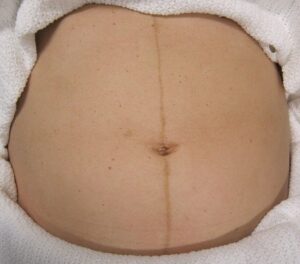
Your Answer: Linea Nigra
Explanation:This is Linea Nigra. It occurs in 3/4 of pregnancies and is due to increased melanocyte-stimulating hormone production by the placenta. This also causes melasma and darkening of the nipples.
-
This question is part of the following fields:
- Clinical Management
-
-
Question 70
Incorrect
-
A 28-year-old woman presented with nausea and vomiting along with headache during pregnancy. She also has a past medical history of a migraine.
What among the following will be the most appropriate management in this case?Your Answer: Codein and metoclopramide
Correct Answer: Codein and promethazine
Explanation:This patient should be given promethazine and codeine as she presents with severe migraine.
Usage of metoclopramide is safe during pregnancy and for increasing effectiveness it can be added to paracetamol. However, because of its risk for causing extrapyramidal effects it should be used only as a second-line therapy and Promethazine should be considered as the first line choice of remedy. So the answer is Codeine and promethazine.
Opioid pain relievers such as codeine are not been reported of having any associated with increased birth defects or miscarriage, but its long-term use can lead to dependency in mother and withdrawal signs in the baby.
Paracetamol alone or combined with codeine is not found to be useful in controlling vomiting.
It is advised to completely avoid dihydroergotamine and the triptans throughout pregnancy.
-
This question is part of the following fields:
- Obstetrics
-
-
Question 71
Correct
-
The following hormones are secreted from the anterior pituitary gland, EXCEPT:
Your Answer: HCG
Explanation:The following hormones are excreted from the anterior pituitary gland: TSH, GN, ACTH, LH, FSH, MSH, PRL.
Human chorionic gonadotropin (hCG, or human chorionic gonadotrophin) is a placental hormone secreted by syncitiotrophoblasts during the second week of gestation. -
This question is part of the following fields:
- Endocrinology
-
-
Question 72
Correct
-
Which of the following regarding the use of tocolytics is true?
Your Answer: Use of a tocolytic drug is not associated with a clear reduction in perinatal or neonatal mortality, or neonatal morbidity
Explanation:Tocolytics are used to suppress contractions. The Canadian preterm labour trial which remains a very influential tocolytic trial to date concluded that tocolytics such as a beta agonist have no significant benefit on perinatal mortality or morbidity or prolong pregnancy to term however it did reduce the number of women delivering within 2 days by 40%. This 48 hour window is the only reason for the use of tocolytics.
Choice of tocolytic (NICE)
1st line: Nifedipine
2nd line: Oxytocin receptor antagonists e.g. atosiban -
This question is part of the following fields:
- Clinical Management
-
-
Question 73
Correct
-
What kind of biochemical changes occur during the follicular phase of menstrual cycle?
Your Answer: Endometrial gland proliferation
Explanation:During follicular phase, there is an increase in gonadotrophin hormones and a proliferation of the endometrium occurs. The duration of the cycle depends upon the overall length of the menstrual cycle. The progesterone levels are increased in the luteal phase and not in follicular phase.
-
This question is part of the following fields:
- Physiology
-
-
Question 74
Correct
-
Which of the following is known to increase the risk of endometrial cancer?
Your Answer: PCOS
Explanation:The risk factors of endometrial cancer include obesity, diabetes, late menopause, unopposed oestrogen therapy, tamoxifen therapy, HRT and a family history of colorectal and ovarian carcinoma.
-
This question is part of the following fields:
- Epidemiology
-
-
Question 75
Correct
-
Luteal phase deficiency is characterised by:
Your Answer: Has inadequate luteal progesterone production
Explanation:Luteal phase occurs after the ovulation. Luteal defect means that the luteal phase is shorter than 10 days and women will find it difficult to sustain the pregnancy. There is decreased progesterone, LH and FSH production in this case.
-
This question is part of the following fields:
- Physiology
-
-
Question 76
Incorrect
-
Consider you are looking after a male baby in neonatal unit. Case chart shows that his mother has been abusing intravenous drugs until late this pregnancy.
You will not discharge this baby home after delivery in all of the following conditions except?Your Answer: A court order preventing baby from being discharged home
Correct Answer: Weight loss greater than two percent of birth weight
Explanation:If a mother has been abusing drugs during antenatal period, there are some contraindications to discharge her baby home. These conditions includes:
– excessive weight loss, which is greater than ten percent of birth weigh
– suspected baby neglect or abuse
– suspected domestic violence
– a court order preventing baby from being discharged home or if there is requirement for further assessment of withdrawal symptoms.A 2-3 percentages weight loss during the early neonatal period is considered to be a normal finding and is therefore not considered as a contraindication to discharge the baby home.
-
This question is part of the following fields:
- Obstetrics
-
-
Question 77
Incorrect
-
In pregnancy, the following lung function value remains unchanged:
Your Answer: ERV
Correct Answer: FEV1
Explanation:The biochemical and mechanical effects of progesterone and the enlarging uterus are responsible for some changes in lung function during pregnancy.
Progesterone increases the sensitivity of the respiratory centre to arterial carbon dioxide while also causing hyperaemia in the airway leading to nasal obstruction. As a result, minute ventilation and tidal volume increase by 50% to allow greater arterial oxygen saturation.
The enlarging uterus displaces the diaphragm upwards, and also limits the movement of the thoracic cage, thereby decreasing the functional residual capacity (FRC) and the expiratory reserve volume (ERV) by 20%.
Functional Expiratory Volume in 1 second (FEV1) and Forced Vital Capacity (FVC) remain unchanged in pregnancy.
-
This question is part of the following fields:
- Physiology
-
-
Question 78
Correct
-
What type of virus is the Rubella virus?
Your Answer: Single stranded RNA (ssRNA)
Explanation:Rubella virus is the only member of the genus Rubivirus and is a type of Togavirus (Togaviridae). It is a single stranded RNA virus. Note for the exam if you are unsure – most RNA viruses encountered in clinical practice are single stranded. The exception is rotavirus which is dsRNA virus. RNA viruses that use DNA during their replication are classed as retroviruses (HIV is an example)
-
This question is part of the following fields:
- Microbiology
-
-
Question 79
Incorrect
-
After 2 years of marriage, a 36-year-old morbidly obese lady with a BMI of 41 has been unable to conceive. Her husband's sperm analysis is normal, and he has no additional abnormalities. The fallopian tube looks to be blocked.
What is the best course of action for her management?Your Answer: In-vitro fertilization
Correct Answer: Suggest her to lose weight
Explanation:This patient has been unable to conceive for over a year, and her fallopian tubes are blocked. Her body mass index is 42.
Because she has obstructed Fallopian tubes, in-vitro fertilisation (IVF) is an alternative to getting pregnant for this patient.
A woman with a BMI over 35, on the other hand, will need twice as many IVF rounds to conceive as a woman of normal weight.
As a result, the greatest advise for successful IVF would be to decrease weight as the first step in management.
Obese (BMI less than 40) patients’ IVF success chances are reduced by 25% and 50%, respectively. -
This question is part of the following fields:
- Gynaecology
-
-
Question 80
Correct
-
All of the following statements are considered correct regarding Down syndrome screening in a 40-year-old pregnant woman, except:
Your Answer: Dating ultrasound along with second trimester serum screening test has detection rate of 97 percent
Explanation:Second-trimester ultrasound markers have low sensitivity and specificity for detecting Down syndrome, especially in a low-risk population.
The highest detection rate is acquired with ultrasound markers combined with gross anomalies. Although the detection rate with this combination of markers is high in a high-risk population (50 to 75 percent), false-positive rates are also high (22 percent for a 100 percent Down syndrome detection rate).
-
This question is part of the following fields:
- Obstetrics
-
-
Question 81
Correct
-
A 66-year-old lady comes to your clinic complaining of a brownish vaginal discharge that has been bothering her for the previous three months. Atrophic vagina is seen on inspection.
Which of the following diagnoses is the most likely?Your Answer: Vaginal atrophy
Explanation:Endometrial cancer should always be the first diagnosis to rule out in a 65-year-old lady with brownish vaginal discharge. The inquiry focuses on the most likely source of the symptoms, rather than the most significant diagnosis to explore.
Blood typically causes the dark hue of vaginal discharge. The uterine cavity or the vagina can both be the source of bleeding. Only 5-10% of postmenopausal women with vaginal bleeding were found to have endometrial cancer. Around 60% of the women had atrophic vaginitis.Urogenital atrophy is caused by oestrogen insufficiency in postmenopausal women. Urogenital atrophy can cause the following symptoms:
– Dry vaginal skin
– Vaginal inflammation or burning
– Vaginal lubrication is reduced during sexual activity.
– Vulvar or vaginal pain, as well as dyspareunia (at the introitus or within the vagina)
– Vaginal or vulvar bleeding (e.g. postcoital bleeding. fissures)
– Vaginal discharge from the cervix (leukorrhea or yellow and malodorous)
– A vaginal bulge or pelvic pressure
– Symptoms of the urinary tract (e.g. urinary frequency, dysuria, urethral discomfort, haematuria). -
This question is part of the following fields:
- Gynaecology
-
-
Question 82
Incorrect
-
A 21 year old patient presents to the clinic with a 48 hour history of unprotected sexual intercourse. She is not on any form of contraception. After discussion you prescribe a dose of Ulipristal 30 mg stat. Which of the following would be the appropriate advice regarding vomiting?
Your Answer: If vomiting occurs within 2 hours a repeat dose should be taken
Correct Answer: If vomiting occurs within 3 hours a repeat dose should be taken
Explanation:Ulipristal acetate is a selective progesterone receptor modulator which regulates the luteinizing hormone (LH) surge, preventing ovulation. This emergency contraceptive can be used up to five days after unprotected sexual intercourse and is given as a 30mg oral dose. If vomiting occurs within three hours, then a second tablet is needed to ensure its effects.
-
This question is part of the following fields:
- Clinical Management
-
-
Question 83
Correct
-
A 29 year old patient who is 15 weeks pregnant comes to see you. She currently has chickenpox. She is concerned her baby may get congenital fetal varicella syndrome (FVS). What would you advise her the risk of this is?
Your Answer: 2.00%
Explanation:FVS has been reported to complicate maternal chickenpox that occurs as early as 3 weeks and up to 28 weeks of gestation. The risk appears to be lower in the first trimester (0.55 per cent). No case of FVS has been reported when maternal infection has occurred after 28 weeks.
-
This question is part of the following fields:
- Microbiology
-
-
Question 84
Correct
-
A 24-year-old primigravida at 16 weeks of gestation, presented with a history of vaginal pressure, vaginal spotting and lower back pain.
Transvaginal ultrasound finding shows cervical shortening to 2 cm, cervical dilation, and protrusion of fetal membranes into the cervical canal.
Which among the following risk factors is not related to the development of this condition?Your Answer: Alcohol abuse
Explanation:This woman has developed non-specific symptoms of cervical insufficiency, is a painless dilation of cervix resulting in the delivery of a live fetus during the 2nd trimester or premature delivery.
The following has been identified as the risk factors associated with increased incidence of cervical insufficiency:
– Congenital disorders of collagen synthesis like Ehlers-Danlos syndrome.
– Prior cone biopsies.
– Prior deep cervical lacerations, which is secondary to vaginal or cesarean delivery.
-Müllerian duct defects like bicornuate or septate uterus.
– More than three prior fetal losses during the 2nd trimesterFrom the given options, alcohol abuse is the only one not associated with increased incidence of cervical insufficiency.
-
This question is part of the following fields:
- Obstetrics
-
-
Question 85
Incorrect
-
According to the WHO, maternal death is defined as which of the following?
Your Answer: The death of a woman whilst pregnant or within 7 days of termination of pregnancy
Correct Answer: The death of a women whilst pregnant or within 42 days of termination of pregnancy
Explanation:The WHO defines maternal death as female death from any cause related to pregnancy or its management, including childbirth or within 42 days of termination of pregnancy. This is irrespective of the duration or site of the pregnancy.
-
This question is part of the following fields:
- Epidemiology
-
-
Question 86
Correct
-
Which of the following is correct in the treatment of a case of threatened abortion:
Your Answer: Bed rest
Explanation:Patients with a threatened abortion should be managed expectantly until their symptoms resolve. Patients should be monitored for progression to an inevitable, incomplete, or complete abortion. Analgesia will help relieve pain from cramping. Bed rest has not been shown to improve outcomes but commonly is recommended. Physical activity precautions and abstinence from sexual intercourse are also commonly advised. Repeat pelvic ultrasound weekly until a viable pregnancy is confirmed or excluded. A miscarriage cannot be avoided or prevented, and the patients should be educated as such. Intercourse and tampons should be avoided to decrease the chance of infection. A warning should be given to the patient to return to the emergency department if there is heavy bleeding or if the patient is experiencing light-headedness or dizziness. Heavy bleeding is defined as more than one pad per hour for six hours. The patient should also be given instructions to return if they experience increased pain or fever. All patients with vaginal bleeding who are Rh-negative should be treated with Rhogam. Because the total fetal blood volume in less than 4.2 mL at 12 weeks, the likelihood of fetal blood mixture is small in the first trimester. A smaller RhoGAM dose can be considered in the first trimester. A dose of 50 micrograms to 150 micrograms has been recommended. A full dose can also be used. Rhogam should ideally be administered before discharge. However, it can also be administered by the patient’s obstetrician within 72 hours if the vaginal bleeding has been present for several days or weeks.
-
This question is part of the following fields:
- Obstetrics
-
-
Question 87
Incorrect
-
The COCP (Combined Oral Contraceptive Pill) causes all of the following biochemical effects EXCEPT?
Your Answer: Reduction in adrenal androgen secretion
Correct Answer: Elevate FSH
Explanation:COCP’s act both centrally and peripherally. They inhibit ovulation. Both oestrogen and progestogen supress the release of FSH and LH hence preventing ovulation. Peripherally it acts by making the endometrium atrophic and hostile towards implantation. It also alters the cervical mucus and prevents the sperm from ascending the uterine cavity.
-
This question is part of the following fields:
- Clinical Management
-
-
Question 88
Incorrect
-
A woman in her 27 weeks of gestation presents to your clinic with gushing of clear yellow vaginal fluid.
Premature rupture of membrane (PPROM ) is confirmed on speculum examination, and the cervical os is closed.
Which of the following would be the most appropriate management, in addition to transfer to a tertiary center?Your Answer: Pelvic ultrasound
Correct Answer: Systemic corticosteroids
Explanation:Cases with spontaneous rupture of membrane before the onset of labour, prior to 37 weeks of gestation is defined as preterm premature rupture of membranes(PPROM). It complicates almost 2-4% of all singleton and 7- 20% of twin pregnancies and is commonly associated with more than 60% of all preterm births.
Management of PPROM In the absence of chorioamnionitis, depends on the gestational age. That is in cases of PPROM before 23 weeks, labor may be induced or the patient be sent home for bed rest and is asked to wait until any signs of spontaneous delivery to start. Between 23 and 34 + 0/7 weeks, the patient should be transferred to a tertiary hospital and be admitted there as it is very important to administer systemic corticosteroids, for the fetal lung to attain maturity. It is also mandatory the patient gets adequate bed rest, cervical and vaginal swabs for microscopy and culture, along with prophylactic antibiotics for prevention of chorioamnionitis.
NOTE – regardless of the gestational age, chorioamnionitis is said to be an absolute indication for the termination of pregnancy.In the given case, patient is currently in her 28th week of gestation, so she should be immediately transferred to a tertiary hospital and given systemic steroids to promote fetal lung maturation in case preterm delivery ensues.
-
This question is part of the following fields:
- Obstetrics
-
-
Question 89
Correct
-
Regarding the diagnosis of Gestational Diabetes which of the following tests is recommended by the WHO for diagnosis?
Your Answer: 75g OGTT with 2 hour glucose
Explanation:Gestational diabetes (GDM) occurs in 2–9 per cent of all pregnancies. Screening for diabetes in pregnancy can be justify ed to diagnose previously unrecognized cases of pre-existing diabetes and to identify a group of women who are at risk of developing NIDDM later in life. No single screening test has been shown to be perfect in terms of high sensitivity and specific city for gestational diabetes. Urinary glucose is unreliable, and most screening tests now rely on blood glucose estimation, with an oral 75g glucose tolerance test commonly used. The aim of glucose control is to keep fasting levels between 3.5 and 5.5 mmol/L and postprandial levels 7.1 mmol/L, with insulin treatment usually indicated outside these ranges.
-
This question is part of the following fields:
- Clinical Management
-
-
Question 90
Incorrect
-
A 24 year old patient decides to take a Chlamydia screening test whilst in the GP surgery. He is asymptomatic. The results are positive for chlamydia infection. His partner attends for testing and wants to know the risk of contracting Chlamydia. What is the risk of chlamydia infection following intercourse with an asymptomatic chlamydia positive partner?
Your Answer: 40%
Correct Answer: 65%
Explanation:The chances of transmitting chlamydia from an asymptomatic partner through sexual intercourse is 65%.
-
This question is part of the following fields:
- Clinical Management
-
-
Question 91
Correct
-
What is the anterior boundary of the pelvic outlet?
Your Answer: pubic arch
Explanation:The pelvic outlet is bounded anteriorly by the inferior border of the pubic arch, posteriorly by the sacrotuberous ligament and the tip of the coccyx and laterally by the ischial tuberosities.
-
This question is part of the following fields:
- Anatomy
-
-
Question 92
Correct
-
While evaluating a 33-year-old woman for infertility, you diagnose a bicornuate uterus. You explain that additional testing is necessary because of the woman's increased risk of congenital anomalies in which system?
Your Answer: Urinary
Explanation:Bicornuate uterus is associated with an increased chance of urinary tract anomalies. Urinary tract anomalies were present in about 23.6% of cases of bicornuate uterus patients.
-
This question is part of the following fields:
- Embryology
-
-
Question 93
Correct
-
Which of the following studies is most appropriate to assess the efficacy of a new medication to reduce pain caused by endometriosis?
Your Answer: Randomised Control Trial
Explanation:Randomized control trials are the gold standard when it comes to assessing the treatment options or interventions in medicine. Since its introduction, RCT has questioned the validity of treatments such as oral hypoglycaemic agents, myocardial infarction hospitalization, varicose veins, toxicity and applicability of many preventive and therapeutic procedures. The basic steps include drawing up the protocol, selecting a study population, randomization, intervention, follow up and assessment of the outcome. Note if assessing prognosis or diagnostic tests Cohort and Cross Sectional Analysis are best.
-
This question is part of the following fields:
- Epidemiology
-
-
Question 94
Incorrect
-
A 29 year old obese woman presents complaining of difficult or painful sexual intercourse and dysmenorrhea. She is requesting a reversible contraceptive method. Which of the following would be most suitable?
Your Answer: Progestogen only pill (POP)
Correct Answer: Mirena
Explanation:Mirena is a form of contraception also indicated for the treatment of heavy menstrual bleeding and the management of dysmenorrhea, being able to reduce the latter considerably.
-
This question is part of the following fields:
- Gynaecology
-
-
Question 95
Correct
-
Regarding lymph drainage of the lower vagina where does the majority of lymph drain to?
Your Answer: Inguinal nodes
Explanation:Lymphatic vessels from the vagina drain from the parts of the vagina as follows:
• Superior part: to the internal and external iliac lymph nodes.
• Middle part: to the internal iliac lymph nodes.
• Inferior part: to the sacral and common iliac nodes. -
This question is part of the following fields:
- Anatomy
-
-
Question 96
Correct
-
The number of chromosomes in the human somatic cell is:
Your Answer: 46
Explanation:In eukaryotes, the genome comprises several double-stranded, linear DNA molecules bound with proteins to form complexes called chromosomes. Each species of eukaryote has a characteristic number of chromosomes in the nuclei of its cells. Human body cells (somatic cells) have 46 chromosomes.
-
This question is part of the following fields:
- Cell Biology
-
-
Question 97
Correct
-
A 24 year old patient in A&E is 34 weeks pregnant and her blood pressure is 147/96. Dipstick shows protein 2+. You send for a protein:creatinine ratio and this shows a ratio of 36 mg/mmol. What is the appropriate course of action?
Your Answer: Admit for observation
Explanation:The patient could be suffering from pre-eclampsia. A BP of 140/100 with proteinuria should be admitted immediately for observation and if the symptoms do not improve then managed immediately. According to the NICE guidelines BP should be monitored 4 times daily. A BP of 140/90 to 149/99 mmHg is classed as mild hypertension. Without proteinuria this can be monitored once weekly and the patient can be discharged.
-
This question is part of the following fields:
- Clinical Management
-
-
Question 98
Correct
-
The external carotid artery develops from which pharyngeal arch?
Your Answer: 1st
Explanation:The maxillary arteries and the external carotid arteries develop from the first pharyngeal arch. The stapedial arteries arise from the second, the common carotid artery and the internal carotid arteries from the third and the arch of the aorta and the right subclavian artery from the forth arch.
-
This question is part of the following fields:
- Embryology
-
-
Question 99
Correct
-
Lowered haemoglobin during normal pregnancy is a physiological finding which is mainly due to:
Your Answer: Increased plasma volume
Explanation:During pregnancy, anaemia increases more than fourfold from the first to third trimester. It is a well established fact that there is a physiological drop in haemoglobin (Hb) in the mid trimester. This physiological drop is attributed to increase of plasma volume and hence decrease of blood viscosity lead to better circulation in placenta.
-
This question is part of the following fields:
- Physiology
-
-
Question 100
Correct
-
A 25 year old female with her LRMP 8 weeks ago, presented with severe abdominal pain and per vaginal bleeding. On examination there was tenderness over her left iliac region. Her pulse rate was 110 bpm and blood pressure was 90/65mmHg. Which of the following is the most appropriate management?
Your Answer: Immediate laparotomy
Explanation:A ruptured ectopic pregnancy is the most probable diagnosis. As she is in shock (tachycardia and hypotension) immediate laparotomy is needed.
-
This question is part of the following fields:
- Gynaecology
-
SESSION STATS - PERFORMANCE PER SPECIALTY
